
Luxury cars depreciate faster than almost anything else on the road, which is what makes a twenty-year-old flagship look like a bargain. What the low sticker price hides is that the engineering, the parts network and the shop rates never depreciated with it. Here are eight used luxury models with reputations for repair bills that dwarf what the cars now sell for.
1. BMW 7 Series: An Electronics Lab On Wheels

The 7 Series has been BMW’s flagship since 1977, and the generation that arrived in 2001 turned it into a rolling electronics lab. It was the first car with iDrive, a controller-and-screen interface that buried dozens of functions inside software menus, and it also traded the traditional gear lever for an electronic selector.
Two decades later that ambition is what makes a cheap example dangerous. Every module, actuator and hydraulic component is one more thing that can fail, and flagship parts stay flagship-priced long after the car itself has depreciated into bargain territory.
2. Mercedes-Benz S-Class: Air Springs That Never Stop Costing
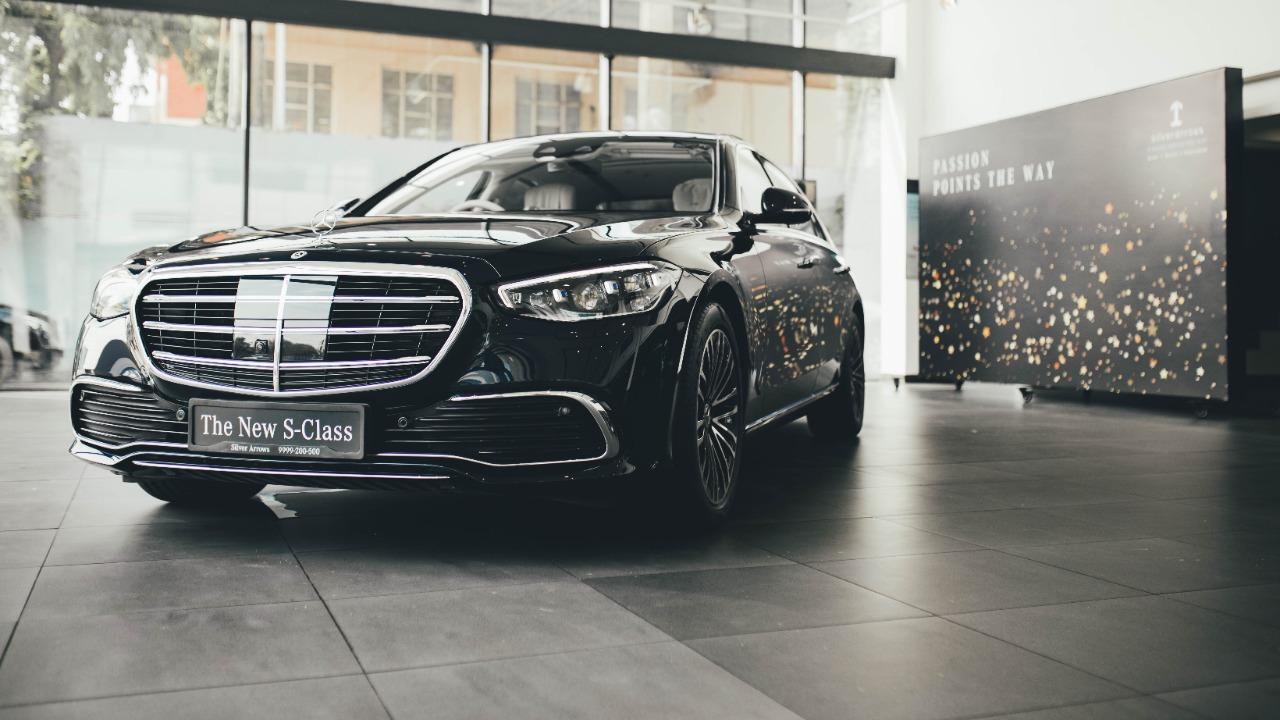
Mercedes uses this model as its technology showcase, which is precisely the problem on a twenty-year-old example. The flagship Mercedes sedan introduced anti-lock brakes, driver airbags and electronic stability control to the lineup, and the W220 generation launched in 1998 with Airmatic air suspension in place of conventional steel springs.
Air struts behave like consumables rather than lifetime parts, and they seldom fail alone: the compressor feeding them works harder as the bags leak, then gives up too. Layer on adaptive damping, a multi-module electrical architecture and dealer-level diagnostics, and the service bill tracks the original sticker price instead of the used one.
3. Audi A8: Aluminum That Only Specialists Touch
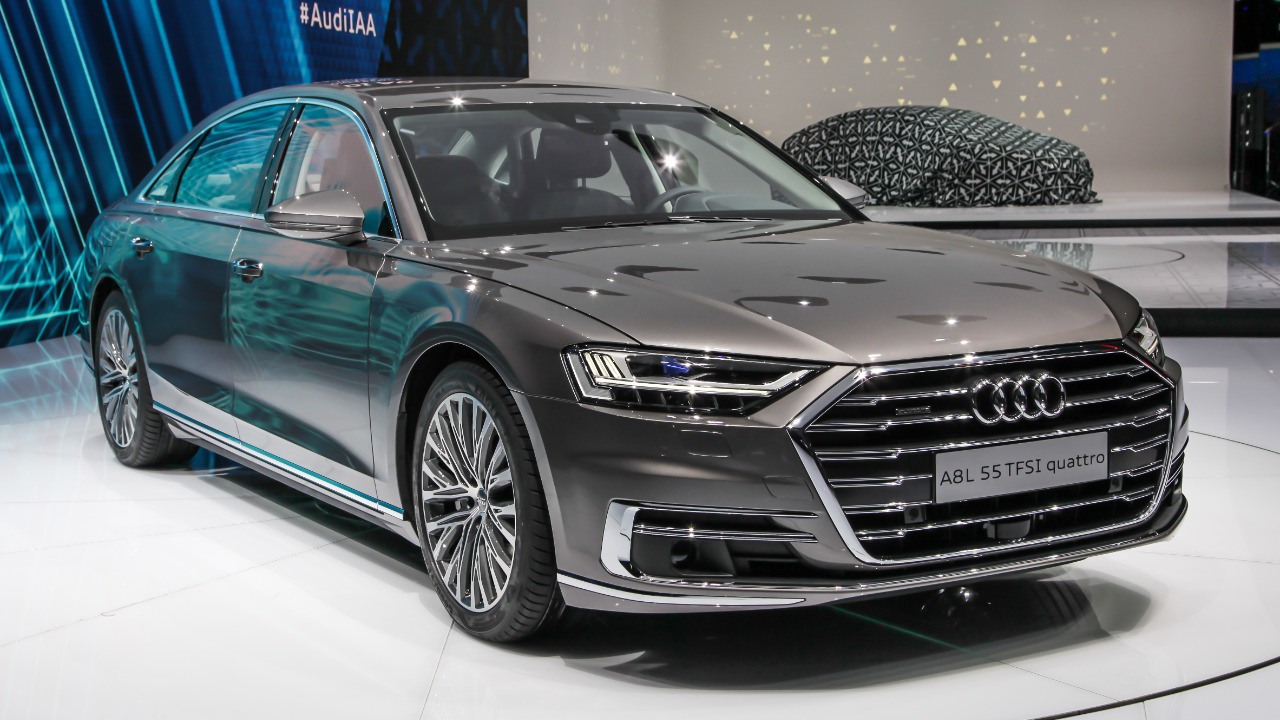
Audi’s sedan arrived in 1994 as the first volume-production car built around the Audi Space Frame, an aluminum structure that cut weight but demands aluminum-specific welding, riveting and bonding to repair correctly. A body shop tooled for steel cannot simply hammer a damaged panel back into shape, and the V8 and W12 versions pack a dense engine bay on top of that.
Those constraints shrink the pool of shops willing to take on an older example and raise the rates charged by the ones that will. Collision work that stays routine on a steel sedan becomes specialist labor, while quattro drivetrain and air-suspension service adds its own separate invoices.
4. Range Rover: Off-Road Hardware Nobody Uses
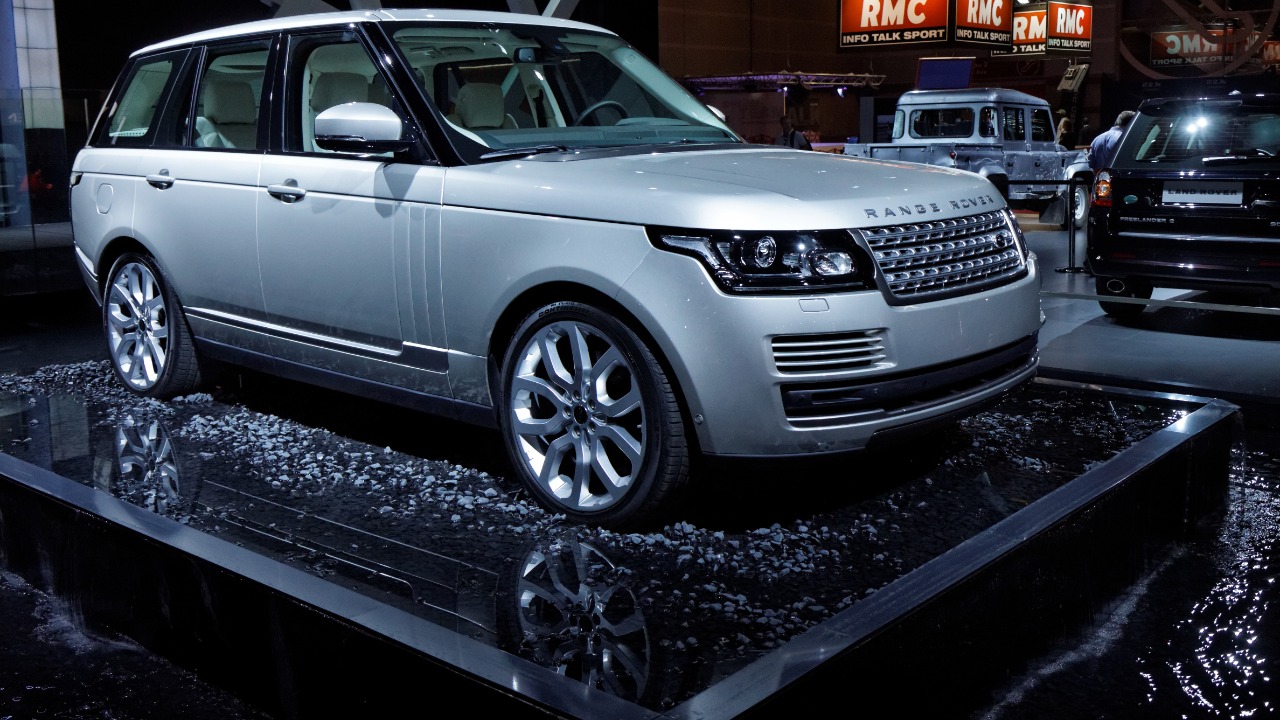
Land Rover has built this model since 1970, and the second-generation P38A of 1994 swapped coil springs for electronically controlled air suspension that raises and lowers the body on command. Permanent four-wheel drive, a transfer case and a genuine off-road driveline sit underneath, engineered for terrain most owners will never see.
Sophistication of that kind ages badly on a used lot. One sagging corner points toward air springs, a compressor or a height sensor, and the same vehicle still carries a heavy drivetrain, dense electrics and luxury cabin hardware that all cost flagship money to put right.
5. Jaguar XJ: Beautiful Bodywork, Brutal Invoices
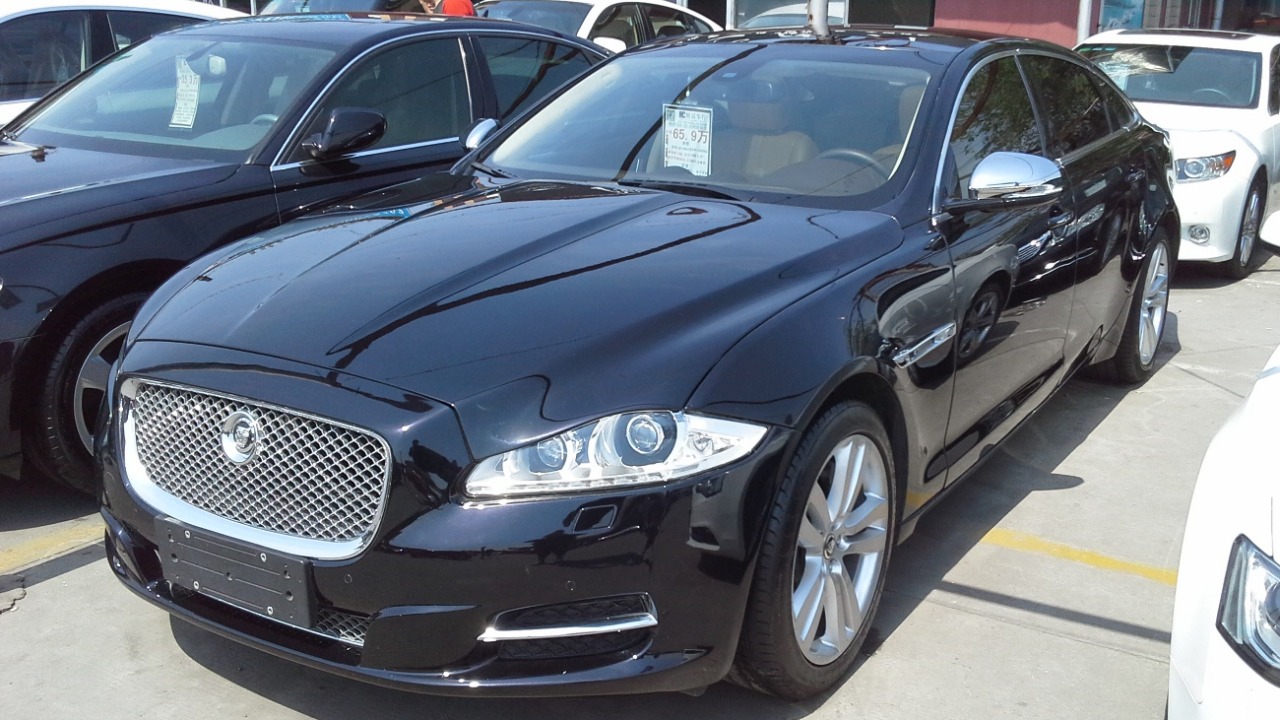
Jaguar’s long-running luxury sedan launched in 1968 and spent decades offering V12 power alongside its six- and eight-cylinder engines, a layout that doubles the ignition, cooling and fueling hardware of an ordinary car. From 2003 the X350 generation moved to a riveted and bonded aluminum monocoque, lighter to drive but saddled with the same specialist-repair problem.
Styling and a low asking price pull buyers in, and that is exactly the trap. Older V12 or newer aluminum, the parts count and the shop rates still belong to a luxury flagship, and neither one falls just because resale value already has.
6. Maserati Quattroporte: The Clutch That Eats Engines
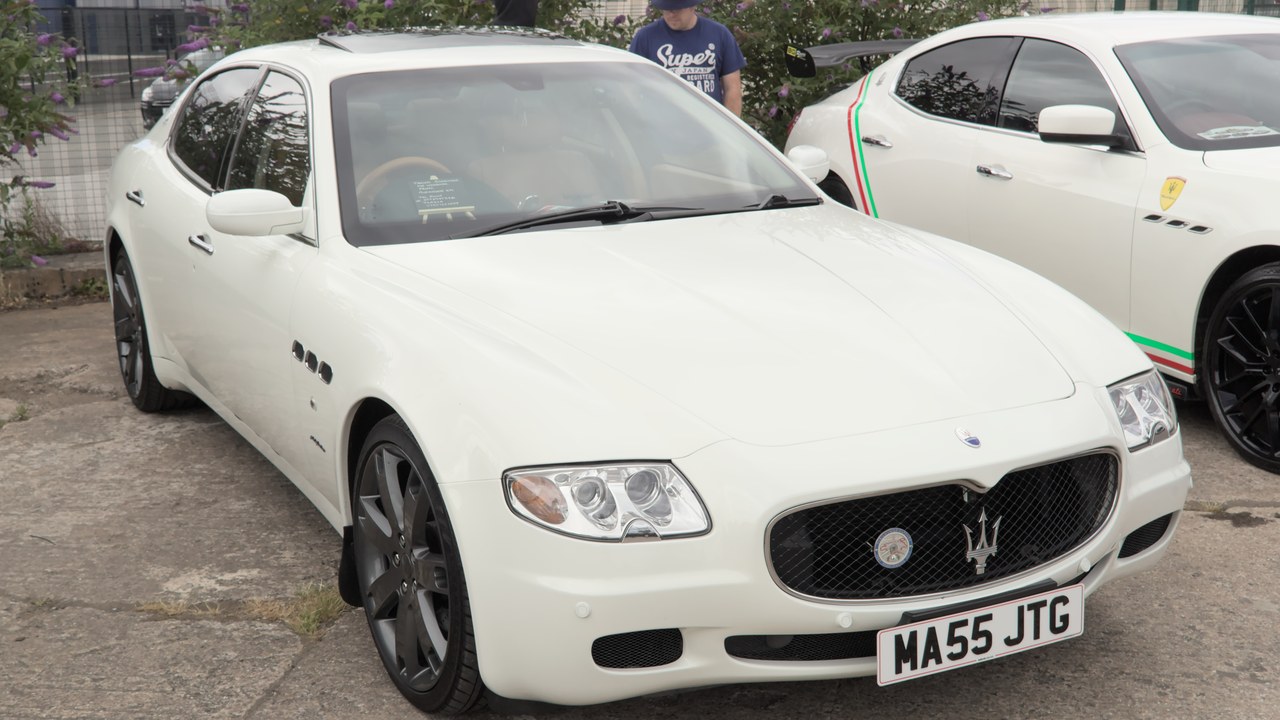
Maserati’s four-door has existed since 1963, yet the fifth-generation car launched in 2004 carries the reputation. It combined a Ferrari-derived 4.2-liter V8 with DuoSelect, an automated manual transmission that relies on a hydraulically actuated clutch instead of a torque converter, and a clutch is a wear item.
Replacing one is deep-in-the-drivetrain work at specialist rates, and everything around it is priced the same way: Ferrari-adjacent engine components, tiny production volumes and a thin independent-repair network. Later cars switched to a conventional automatic, which helps explain why the DuoSelect years sit at the cheap end of the classifieds.
7. Porsche Cayenne: Sports-Car Rates, SUV Complexity
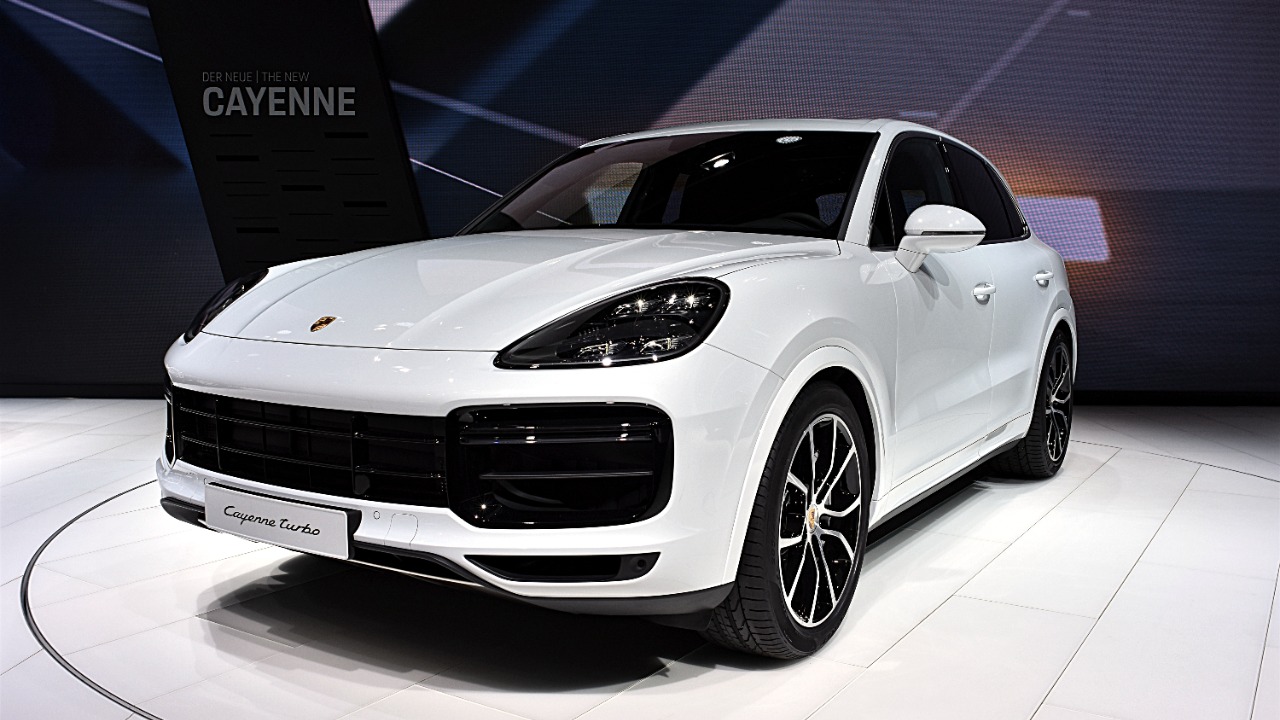
The first Porsche SUV went on sale in 2002 sharing its platform with the Volkswagen Touareg, and the V8-powered S and Turbo versions crammed a big engine, a two-speed transfer case, a locking center differential and optional air suspension into a single vehicle. Early examples pair sports-car service expectations with SUV mass and real off-road hardware.
None of that package stays cheap once the warranty is a distant memory. Coolant plumbing, driveshafts, air struts and transfer-case components all sit deep inside the vehicle, and Porsche labor rates apply whether the truck cost six figures new or a used-hatchback sum today.
8. Volkswagen Phaeton: A Bentley Wearing The Wrong Badge
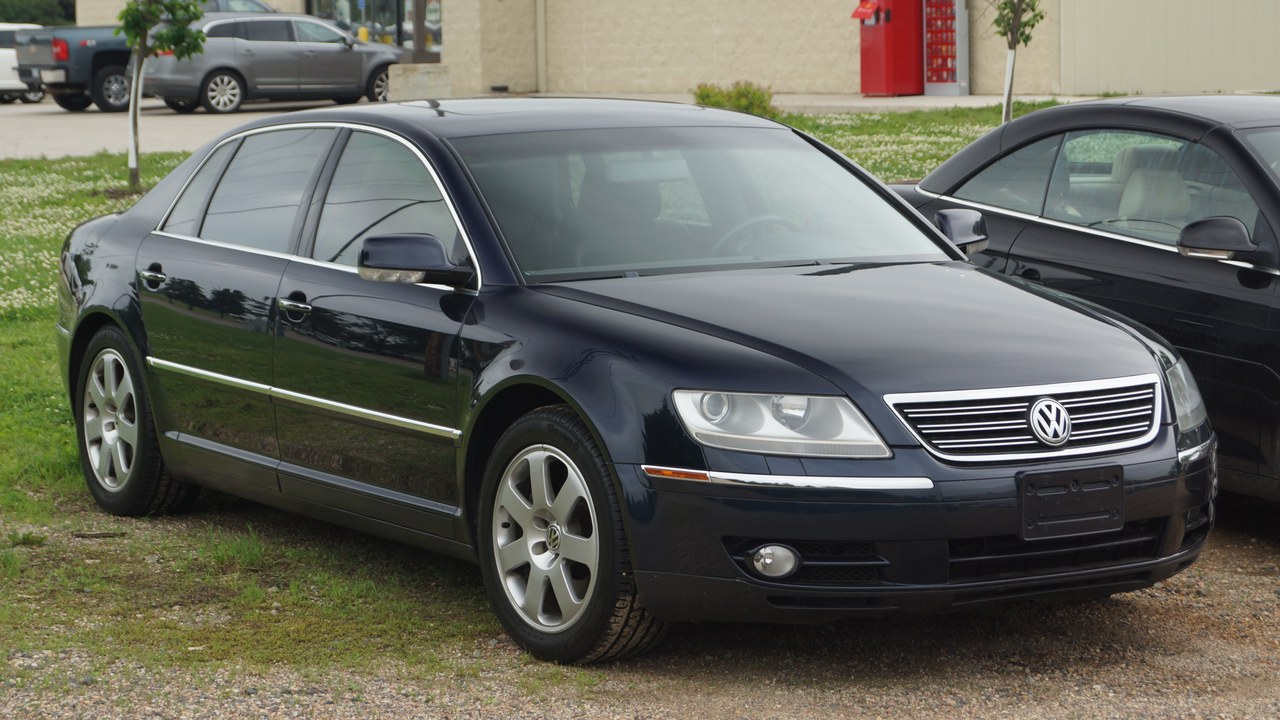
Volkswagen’s flagship sedan was assembled at the purpose-built Transparent Factory in Dresden and shared its platform with the Bentley Continental Flying Spur, right down to the option of a W12 engine. Four-zone climate control, air suspension and a curb weight beyond two tons came wrapped in badging that persuaded almost nobody to pay flagship money.
Depreciation was brutal and the repair estimates never followed it down. Components are either shared with a Bentley or unique to a low-volume oddity, few independent shops know the car, and one air-suspension or climate fault gets quoted at luxury rates against a value that collapsed years ago.
More from Morning Overview
