
A federal rule lets Americans legally import a vehicle once it turns twenty-five years old, and that clock has finally caught up with Japan’s quirky kei class. These pint-sized cars, trucks, and vans were built to strict size and engine limits, giving them a charm that full-size machines rarely match. Here are eight standout kei models now reaching that milestone.
1. Honda Beat: The Revvy Mid-Engine Roadster
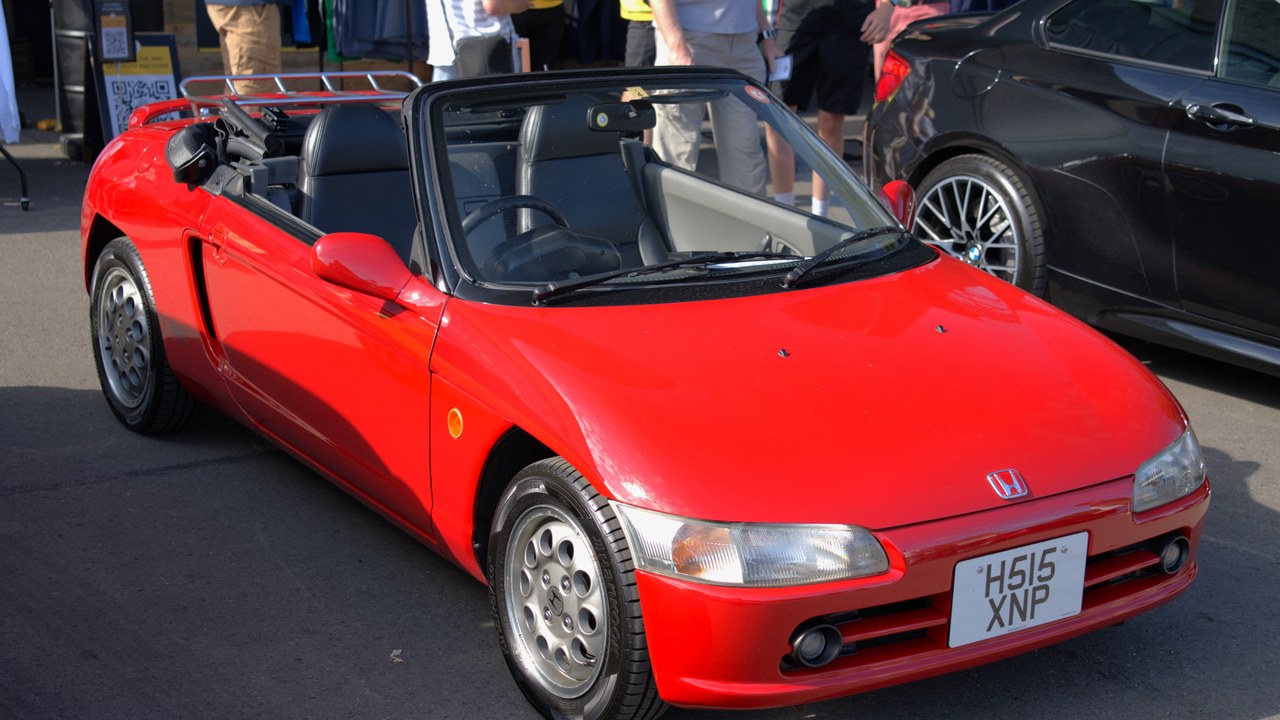
Honda built the Beat as a mid-engine, rear-wheel-drive roadster, an unusual layout for such a small machine. Sold between 1991 and 1996, it carried a naturally aspirated 656cc three-cylinder engine that spun past 8,000 rpm before reaching its limiter.
Output topped out near the 63-horsepower kei ceiling, yet the car weighed only around 1,700 pounds, so the tiny engine felt eager. Enthusiasts often point out that it was the last model approved by Soichiro Honda before his death. Now old enough to clear the twenty-five-year federal import rule, tidy examples are trickling into American driveways.
2. Suzuki Cappuccino: Front Engine, Rear Drive Fun
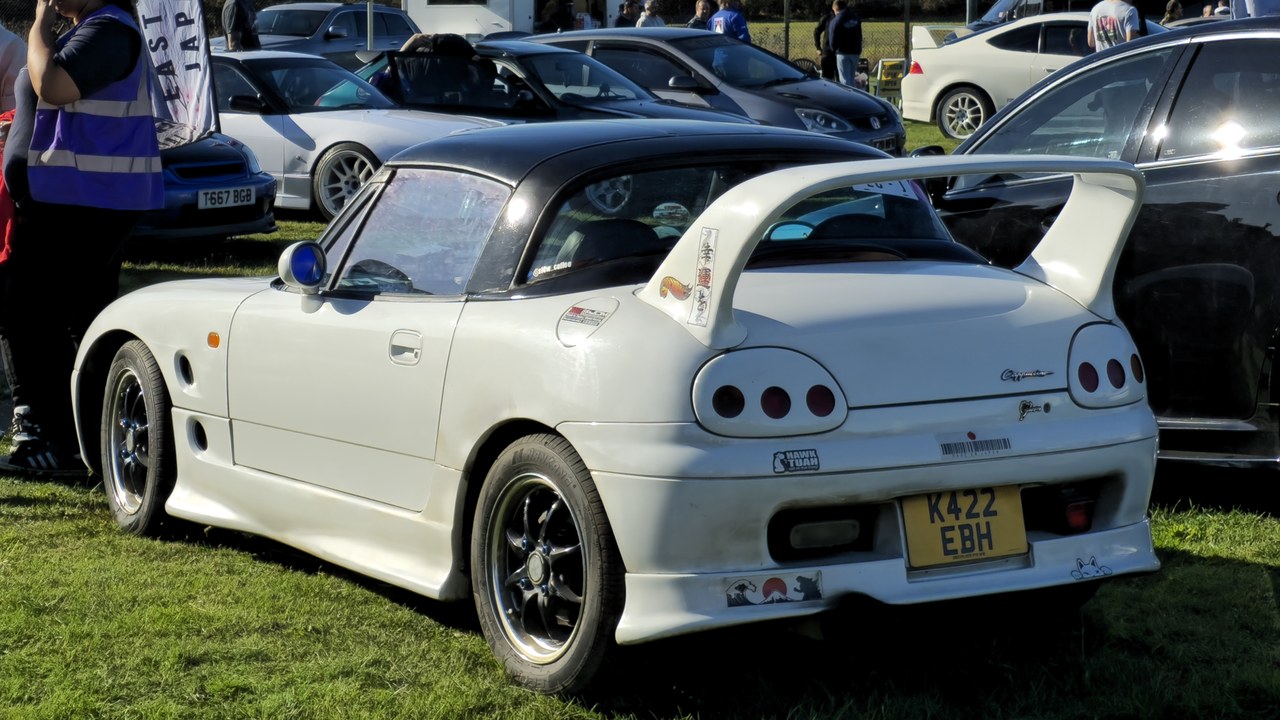
Suzuki took a different route with the Cappuccino, keeping the engine up front while sending power to the rear wheels. Its turbocharged 657cc three-cylinder and nearly even weight balance gave it genuine sports-car handling.
Removable roof panels let owners run it as a coupe, a targa, or a full convertible within minutes. Built from 1991 to 1998, it tipped the scales at roughly 1,600 pounds, light enough that modest power still felt lively. Because the oldest cars have now passed the quarter-century threshold, they qualify for legal entry into the United States.
3. Autozam AZ-1: The Gullwing Kei Oddball
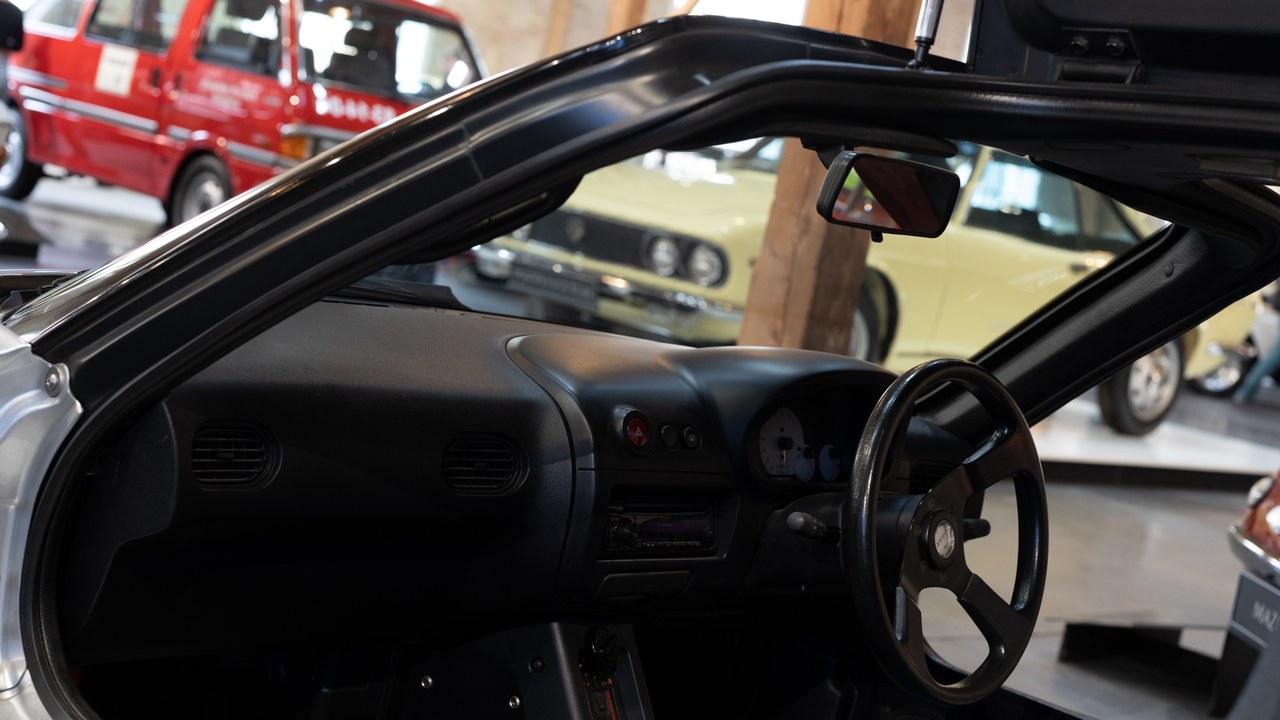
Mazda sold the AZ-1 through its Autozam sub-brand, and its gullwing doors made it the wildest of the kei sports cars. A mid-mounted 657cc turbo engine, supplied by Suzuki, sat behind the two seats.
Production ran only from 1992 to 1995, and the fiberglass-bodied coupe sold in small numbers, which keeps surviving cars scarce and highly coveted today. Those upward-swinging doors alone earn attention at any gathering, and the low, wedge-shaped body reinforces the exotic look. Its lightweight shell and quick steering made the little coupe feel darty on twisting roads. With the earliest builds now more than twenty-five years old, collectors can finally import them without running afoul of federal safety rules.
4. Suzuki Jimny: A Boxy Off-Road Cult Hero
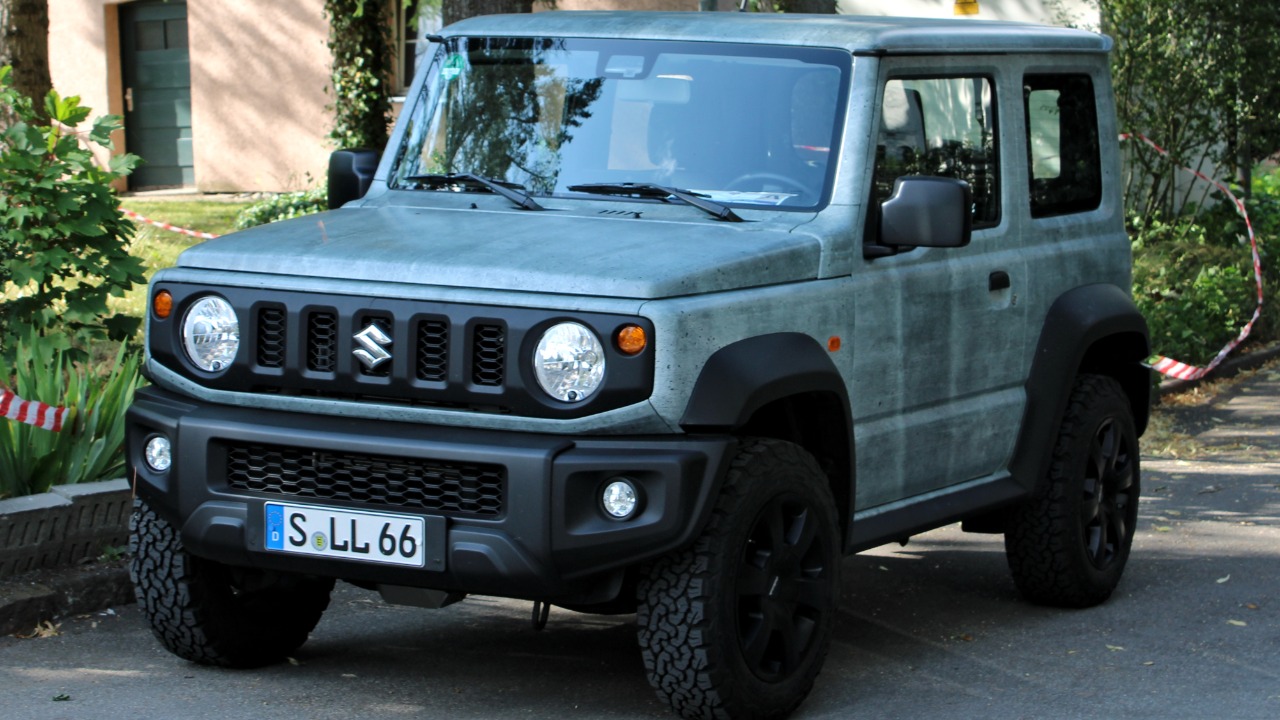
Few kei vehicles have earned the devoted following of the Suzuki Jimny, a boxy four-wheel-drive built for real off-road work. Its ladder frame and short wheelbase let it crawl over terrain that stops far larger trucks.
The nameplate stretches back to 1970, and each generation kept the upright, utilitarian shape that fans adore. Older kei-class versions weigh little and slot easily onto tight trails or narrow lanes where wider rigs simply cannot follow. Their simple mechanicals also make maintenance approachable for weekend hobbyists. Now that many of these earlier models satisfy the twenty-five-year import cutoff, American buyers are seeking them out as compact trail machines.
5. Honda Acty: The Farm-Favorite Cab-Over Truck
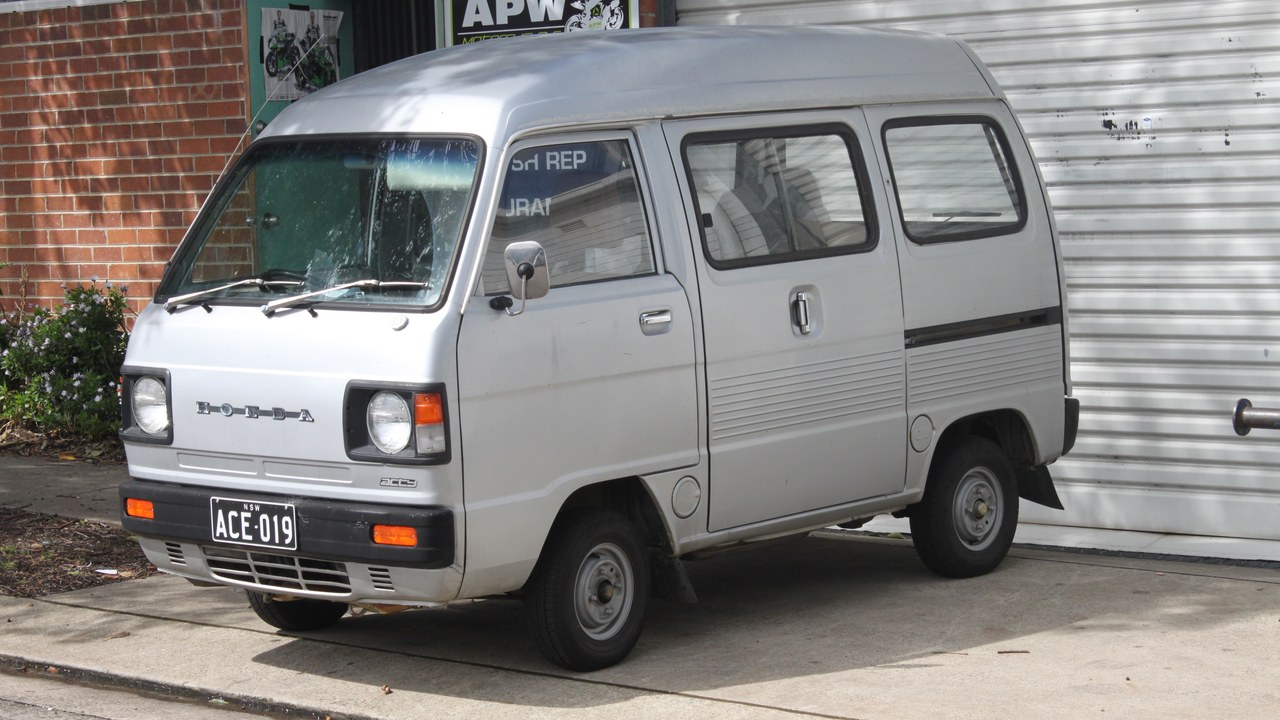
Farmers across the United States have embraced the Honda Acty, a cab-over kei truck with its engine tucked beneath the bed. The flat-nosed design packs a usable cargo area into a footprint smaller than most sedans.
Honda produced the Acty from 1977 until 2021, offering both pickup and van variants with optional four-wheel drive for muddy conditions. Its modest speed and light weight suit orchard rows, ranch chores, and campground duty rather than highways. Right-hand-drive controls take some getting used to, though most owners adapt within a few outings. Early generations have aged past the federal twenty-five-year mark, making them straightforward to bring into the country.
6. Subaru Sambar: Rear-Engine Microvan And Pickup
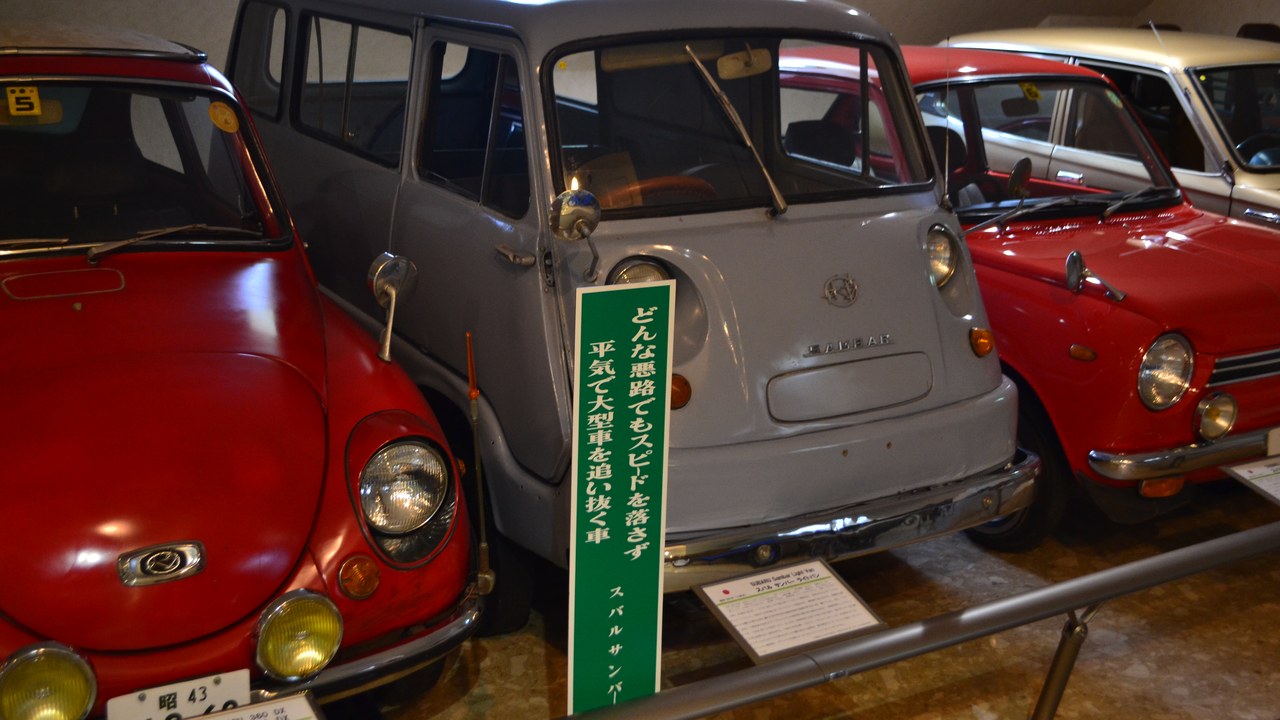
The Subaru Sambar stands out for its rear-engine layout, a design Subaru carried for decades across both microvan and pickup versions. Placing the motor behind the rear axle freed up cabin space in a very short body.
First launched in 1961, the Sambar built a reputation for durability in tight urban delivery work and on small farms. The pickup offered a flat load bed while the van seated several passengers under a tall, boxy roof. Certain later versions even added a supercharged engine option for a bit more pulling power. Because older examples now exceed twenty-five years, they meet the requirements for legal importation into America.
7. Daihatsu Copen: A Folding Hardtop In Miniature
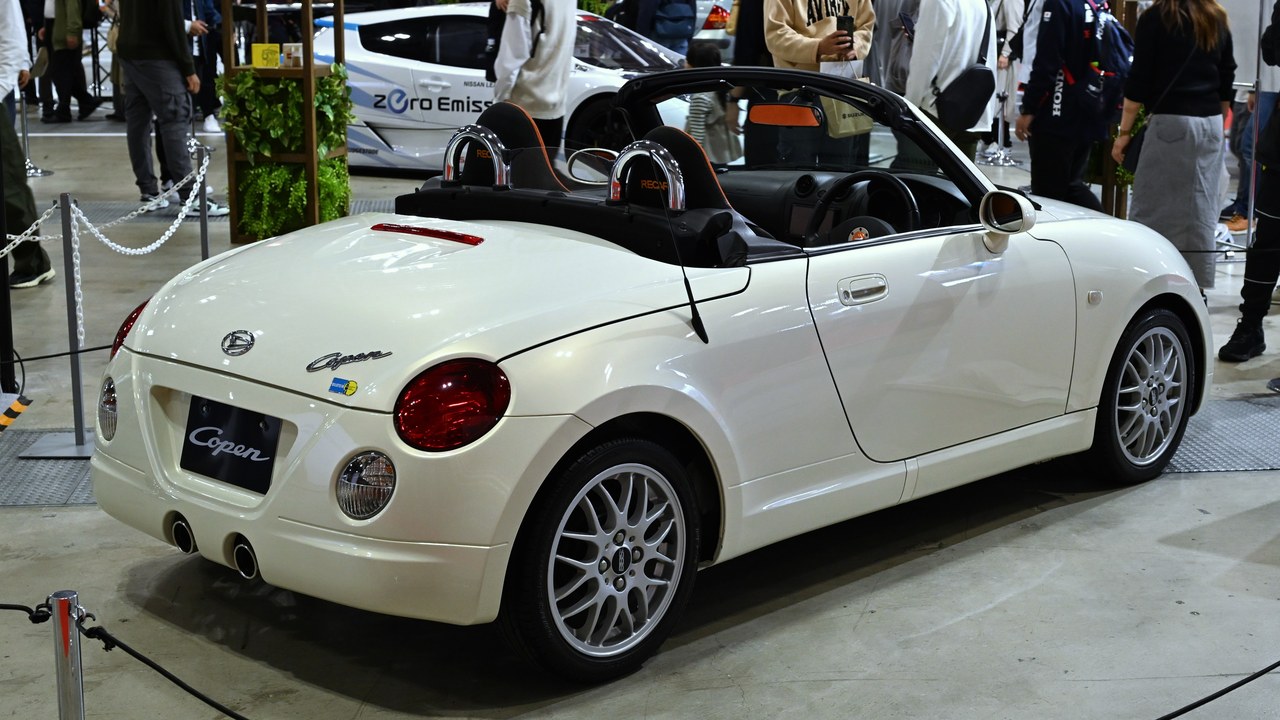
Daihatsu aimed the Copen at drivers who wanted open-top fun in the smallest possible package. A power-folding hardtop retracts into the trunk, turning the coupe into a convertible at the push of a button.
Introduced in 2002, it paired a turbocharged 659cc engine with rounded, toy-like styling that stood apart from boxier rivals on the road. The metal roof gave it coupe-quiet refinement when closed and roadster freedom when open. Owners praise the clever folding mechanism, though it does eat into cargo space once the panels are stowed. As the earliest cars approach the twenty-five-year mark, they are nearing eligibility for import under the federal rule.
8. Suzuki Alto: The Featherweight Budget Hatchback
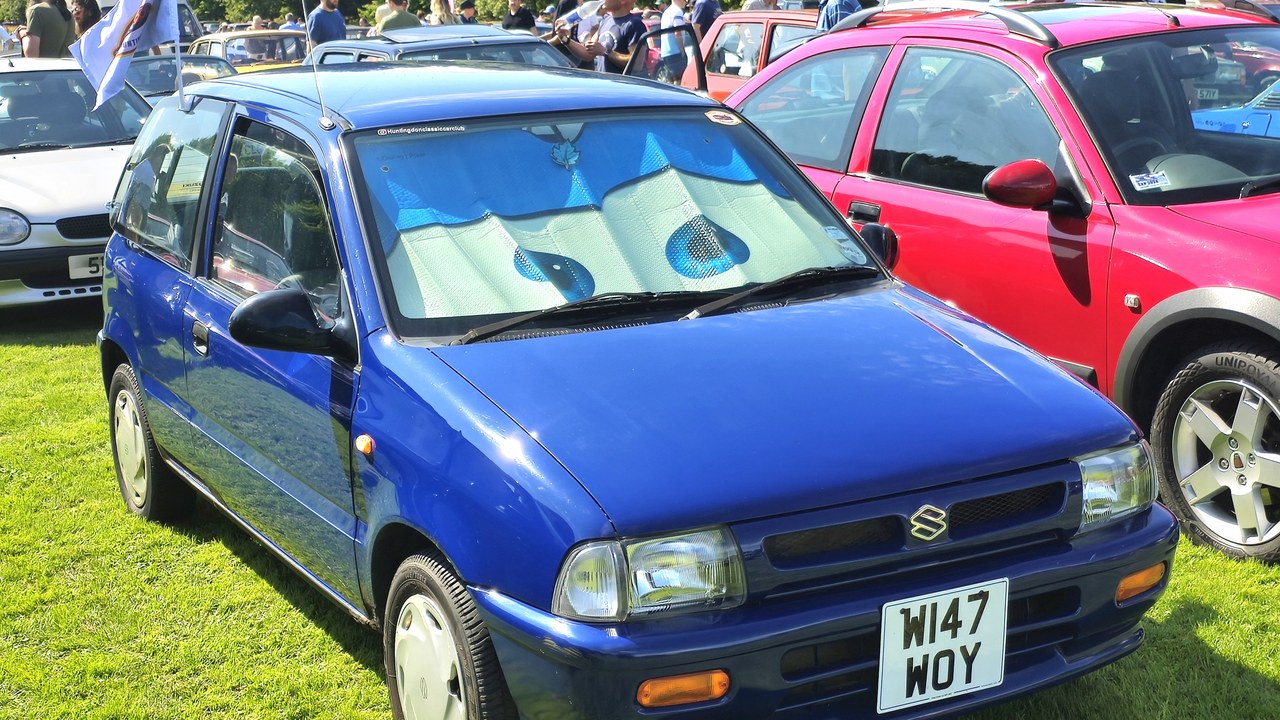
Among the most basic kei cars is the Suzuki Alto, a featherweight hatchback built to be cheap, frugal, and easy to park. Launched in 1979, early versions weighed well under 1,500 pounds.
Suzuki designed the Alto as no-frills transportation, prioritizing low running costs and easy parking over speed or luxury. Its tiny footprint and thrifty engine made it a fixture on crowded Japanese streets for generations of drivers. Successive updates kept that budget focus while gradually adding modern comfort and safety touches. Older editions have now passed the twenty-five-year federal threshold, so enthusiasts can legally register imported examples in the United States.
More from Morning Overview
