
Depreciation is the largest hidden cost of owning most new cars, and it lands hardest in the first five years. A small group of sports cars escapes that pattern, giving back only a fraction of the original price when a second owner takes over. Here are eight sports cars that barely lose their value.
1. Porsche 718 Cayman: Slowest To Lose Money
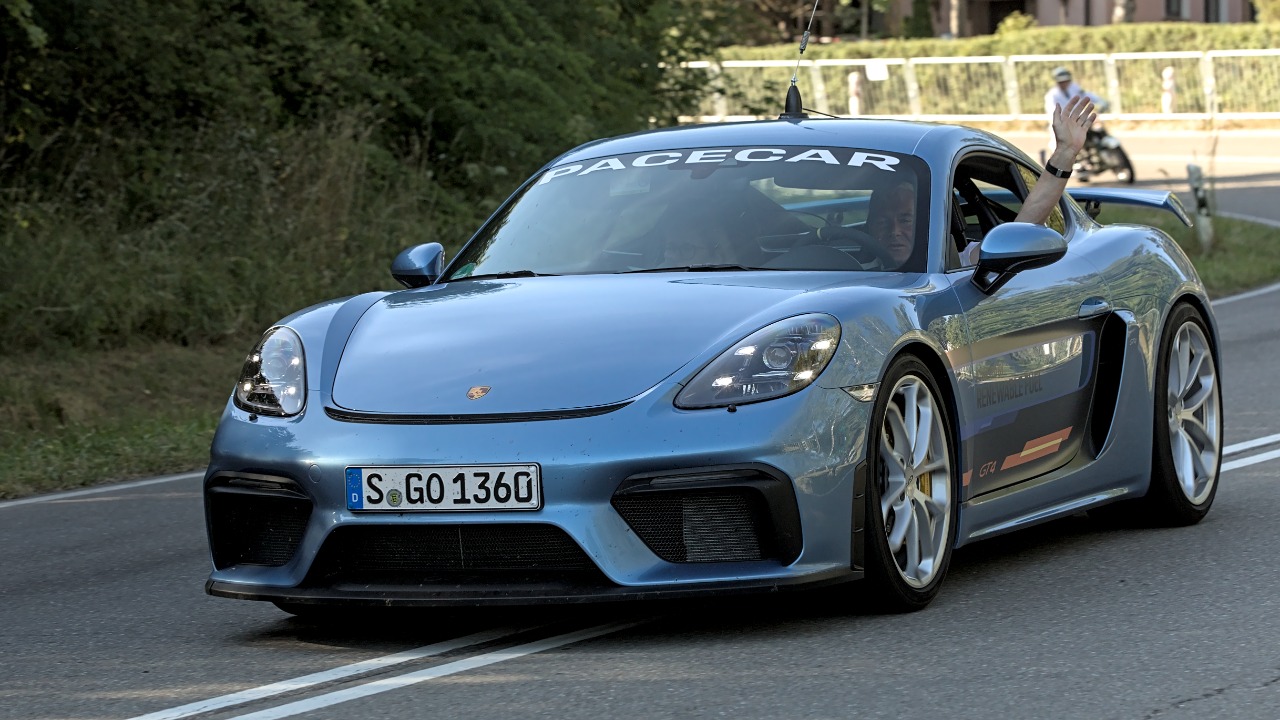
Porsche’s smallest coupe finishes first outright in the resale rankings. An iSeeCars resale study puts the 718 Cayman’s five-year depreciation at 9.6 percent, the lowest figure of any model in the comparison. Nothing else in the field, sports car or otherwise, gives back a smaller share of its original price.
That result changes the arithmetic of ownership. A car that sheds less than a tenth of its value over five years costs far less to run than the sticker suggests, since depreciation, not fuel or servicing, is usually the largest single cost of keeping a vehicle. The flip side lands on used buyers: a lightly aged Cayman rarely arrives at a discount.
2. Porsche 911: The Runner-Up
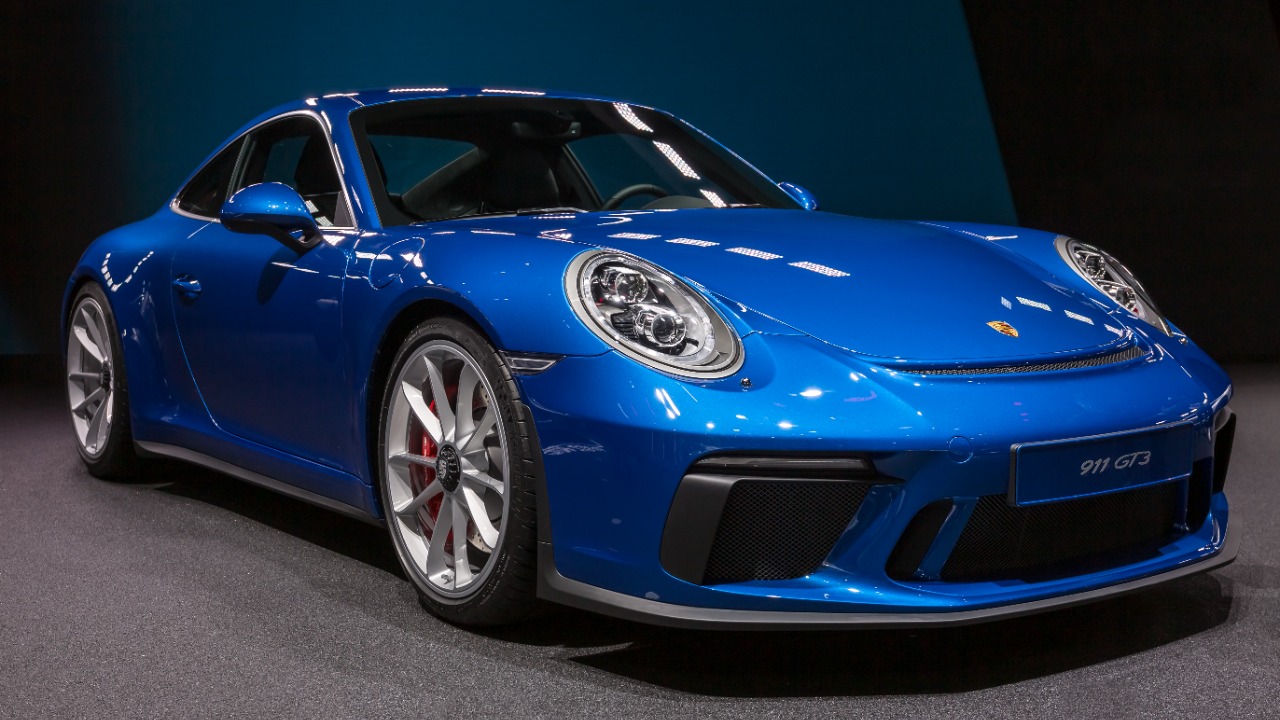
Only a smaller sibling protects money better. The same resale study measures the 911 shedding roughly 11.1 percent of its value across five years, second-best among every model ranked. Decades of continuity in the silhouette, the rear-engine layout and the badge keep demand alive long after a car leaves the showroom.
Scarcity at the top of the range does much of the work. Well-optioned manual cars and limited variants anchor prices for everything beneath them, lifting even ordinary examples on the used market. For a shopper, the consequence is a narrow gap between a used 911 and a new one, so waiting a few years saves less than it would on almost anything else.
3. Porsche 718 Boxster: The Convertible Twin
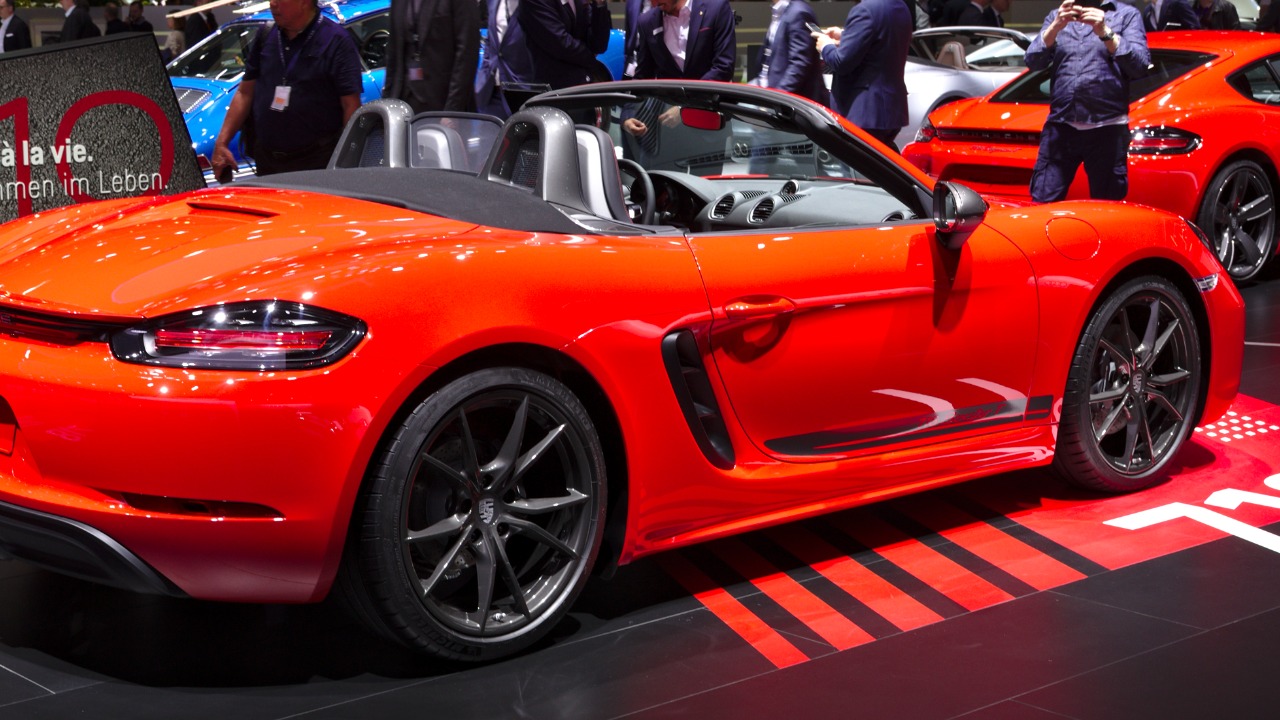
Removing the roof costs surprisingly little in resale terms. The 718 Boxster shares its mid-engine chassis and running gear with the Cayman coupe, and it holds value nearly as well. Open-top cars often fall behind their fixed-roof siblings on the used market, which makes this pairing an exception rather than the rule.
Thin supply reinforces the pattern. Production volumes stay modest next to mainstream convertibles, so used inventory never piles up and asking prices hold. The practical effect is that the choice between coupe and roadster can rest on preference and climate rather than on a calculation about which body style will be worth more in five years.
4. Toyota GR Supra: A Revived Icon
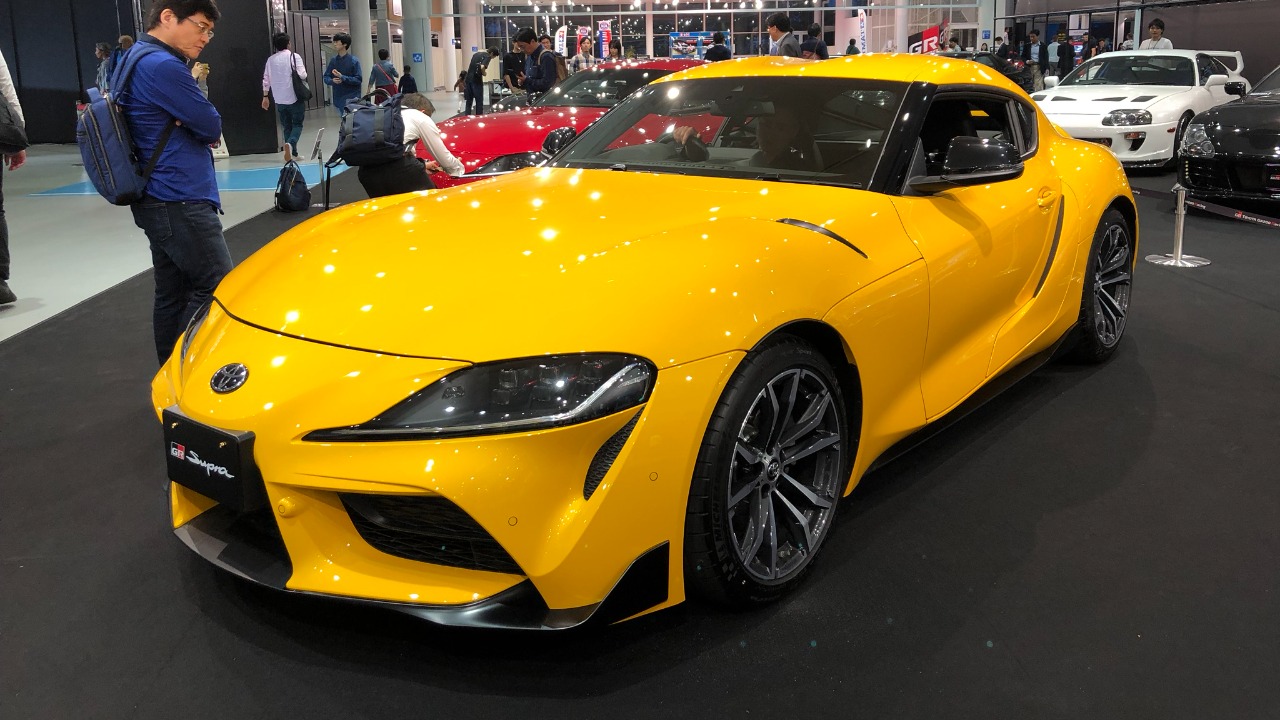
Toyota restarted a lapsed nameplate and found the audience already waiting. The GR Supra returned after a long absence, and used-market demand has stayed strong enough to keep resale values firm. Attachment to the Supra name, built across earlier generations, does much of the pricing work before a listing is even written.
Limited numbers narrow the supply side further. A car sold in small quantities does not flood dealer lots later, which supports asking prices for clean, standard examples. Modification is the caveat worth watching, because the Supra attracts heavy aftermarket work and a tuned engine tends to shrink the pool of interested buyers rather than widen it.
5. Chevrolet Corvette: Mid-Engine Demand
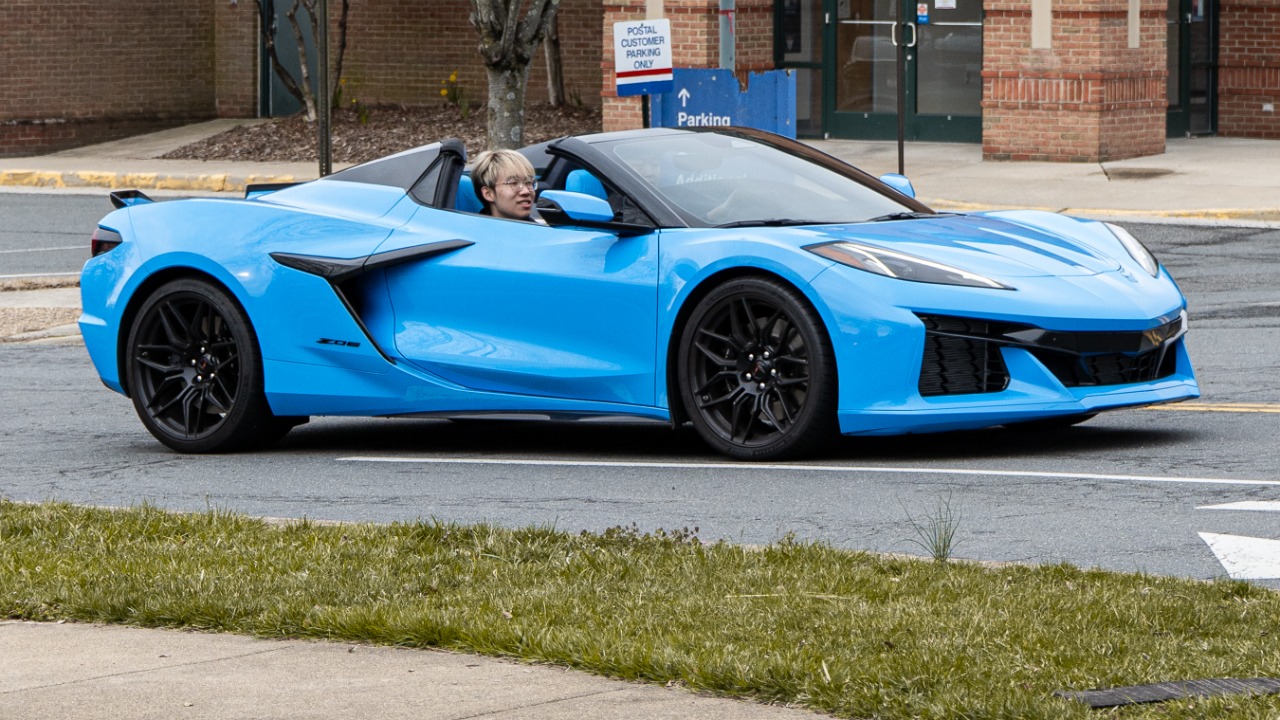
Moving the engine behind the seats changed how the car behaves on the used market. The mid-engine C8 holds value unusually well for an American performance car, a category better known for steep losses in the first few years of ownership.
Demand explains most of it. Interest in the newest generation has kept used examples trading close to what they originally cost, an outcome rare in this price bracket. Anyone hoping for the traditional discount on a two- or three-year-old Corvette tends to find the savings thinner than expected, and the cleanest cars move fastest of all.
6. Mazda MX-5 Miata: The Lightweight Constant
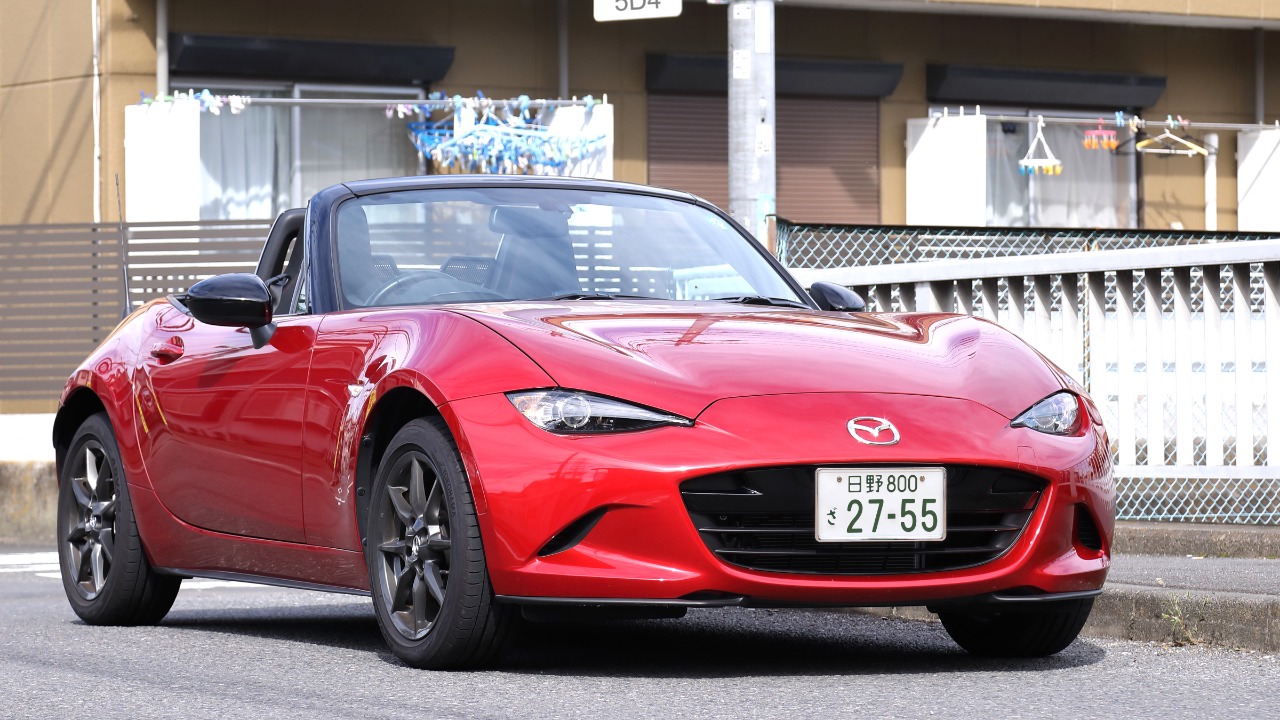
Low weight and low complexity have kept this roadster wanted through every generation. The Mazda MX-5 holds value consistently, and the pattern repeats across the model’s history rather than attaching to one celebrated version. Few cars in any class have stayed desirable for so long without growing heavier or more expensive.
Cheap running costs reinforce the resale story. A simple four-cylinder drivetrain and modest tires keep the car affordable to own, which widens the pool of second and third owners willing to pay real money. Steady demand also means bargains are rare, since sellers of tidy examples generally know exactly what the market will bear.
7. Toyota GR86: Affordable And Steady
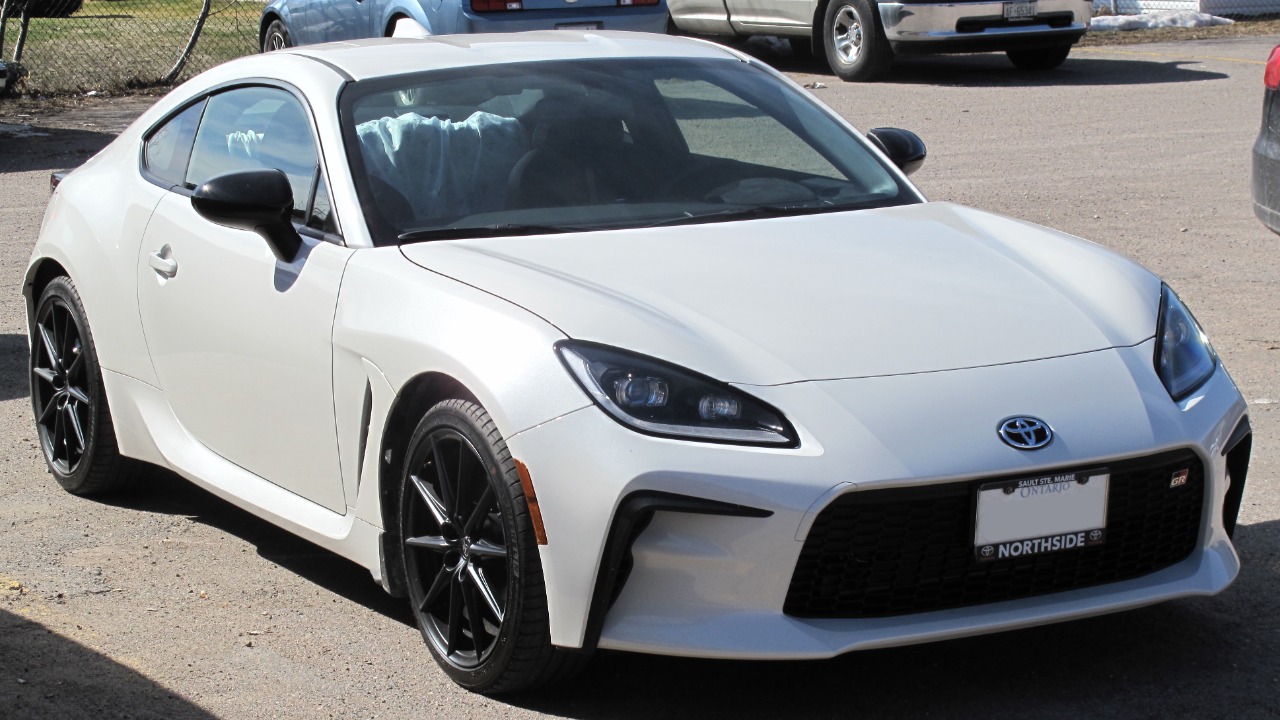
Price is the striking part of this entry. The Toyota GR86 sits at the affordable end of the sports-car market and still posts steady resale, an outcome that is not typical at that end of any showroom.
The formula explains the durability. Rear-wheel drive, a manual option and a modest entry price make it one of the few new sports cars within reach of drivers early in their careers, and that audience keeps buying used examples as newer ones arrive. Hard-driven or track-used cars remain the obvious exception, and inspection matters more here than on most of this list.
8. Ford Mustang GT: V8 Demand Holds Up
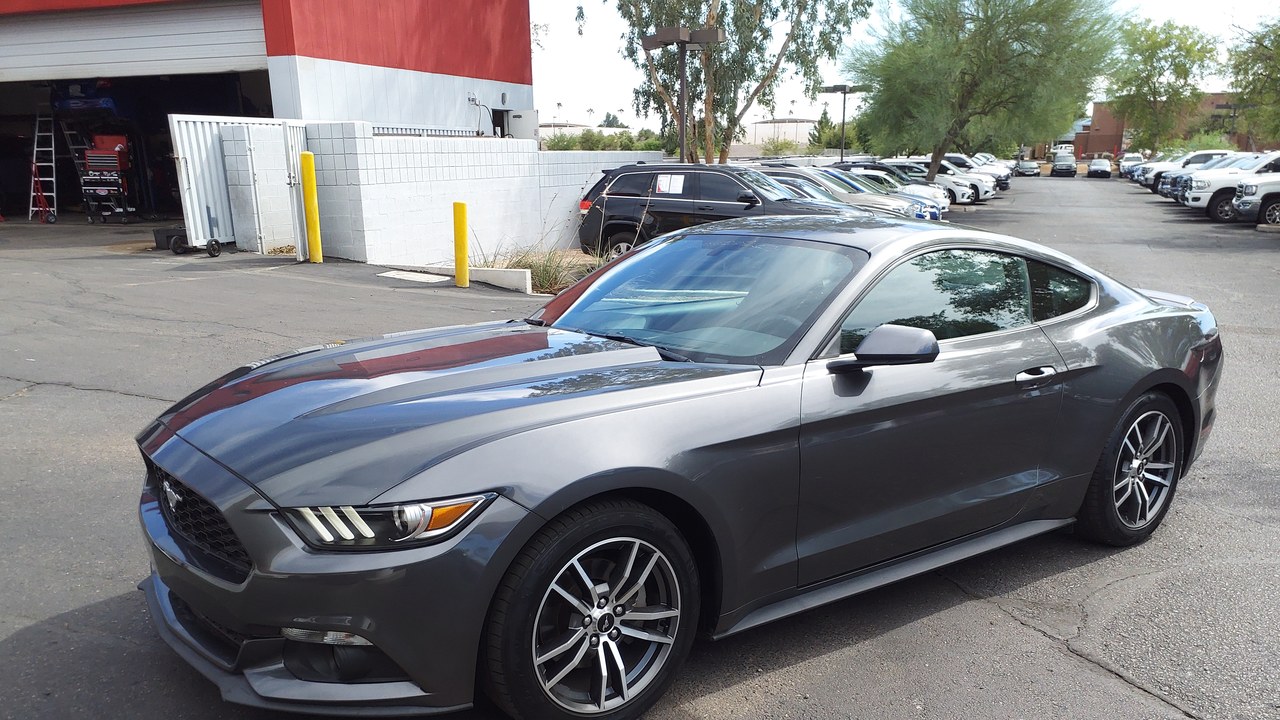
High production usually undercuts resale, yet the eight-cylinder version of Ford’s pony car resists the rule. The Ford Mustang GT carries durable used-market demand, and the V8 under the hood, rather than the badge alone, is what buyers are paying to secure.
The gap between trims matters more than the model name suggests. Lower-output Mustangs make up the bulk of used listings, so V8 cars stand apart and command the stronger prices. Condition then separates them again: unmodified examples with moderate mileage sell quickly, while heavily altered cars linger and eventually sell for less.
More from Morning Overview
