
Long after the launch coverage ends, a small fleet of robotic explorers keeps working in places no human has been. Some have been flying since the 1970s, while others left Earth only in the past few years and are still climbing toward their targets. Here are eight spacecraft still pushing outward through the solar system.
1. Voyager 1: The Farthest Object Ever Sent From Earth
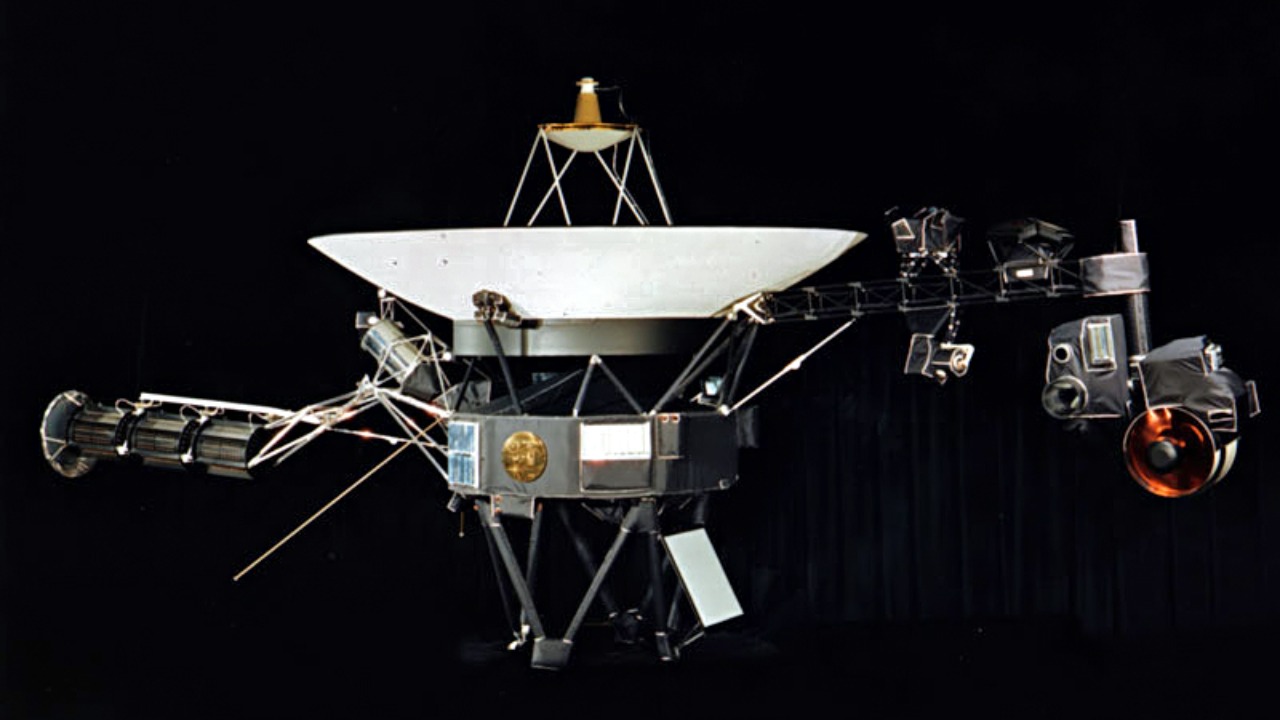
Nothing built on Earth has traveled farther. Launched in September 1977, NASA’s oldest working probe flew past Jupiter and Saturn before crossing into interstellar space in August 2012, more than 15 billion miles from home. A command sent from a ground antenna now needs roughly a day to arrive, and the reply takes about as long to come back.
Power, not distance, is the constraint. The plutonium generator aboard loses a few watts every year, so engineers have switched off instruments one at a time to keep the remaining science running. Current estimates put the end of useful transmissions somewhere in the 2030s.
2. Voyager 2: The Only Visitor To Four Giant Planets
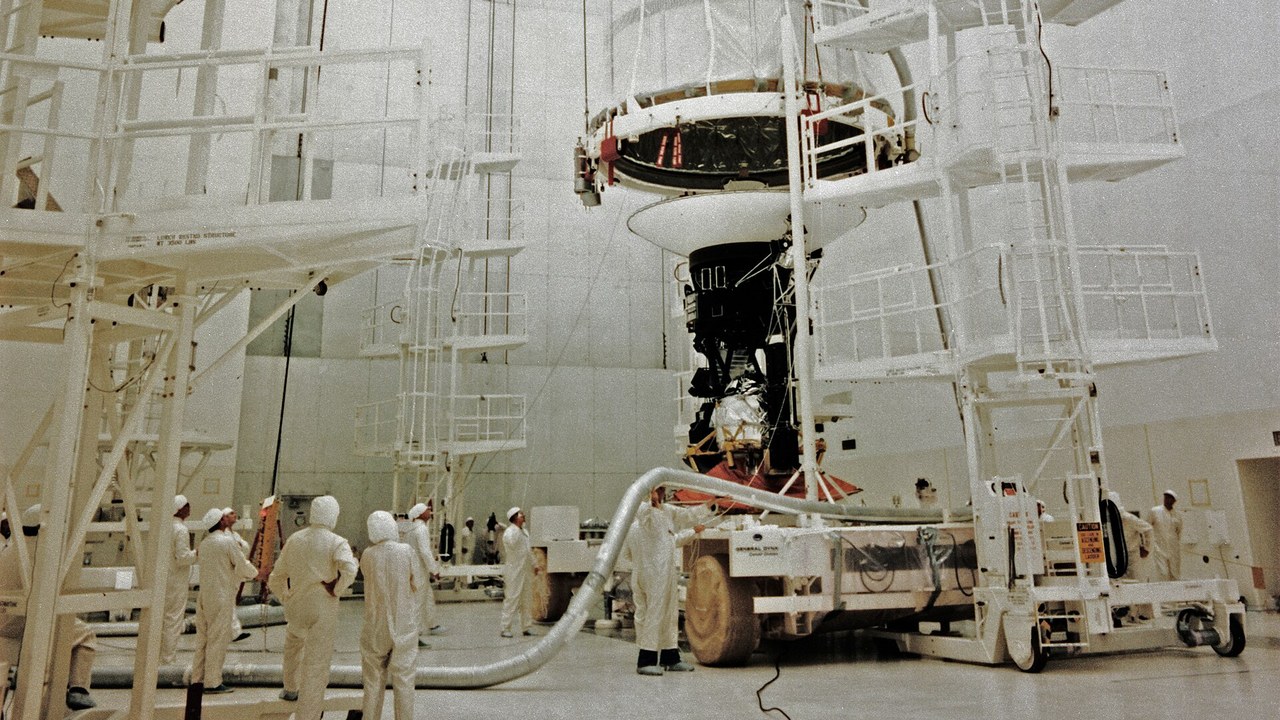
Uranus and Neptune have had exactly one visitor. The grand tour flown by the second Voyager probe took it past Jupiter in 1979, Saturn in 1981, Uranus in 1986 and Neptune in 1989, exploiting an alignment of the outer planets that comes around roughly every 175 years. It lifted off on 20 August 1977, sixteen days before its twin.
Interstellar space came in November 2018, six years behind Voyager 1 and along a very different path, angled below the plane of the planets. Two crossings at two different points give researchers a comparison of the boundary where the solar wind surrenders to the gas between stars that no single spacecraft could supply.
3. New Horizons: Still Working Far Past Pluto
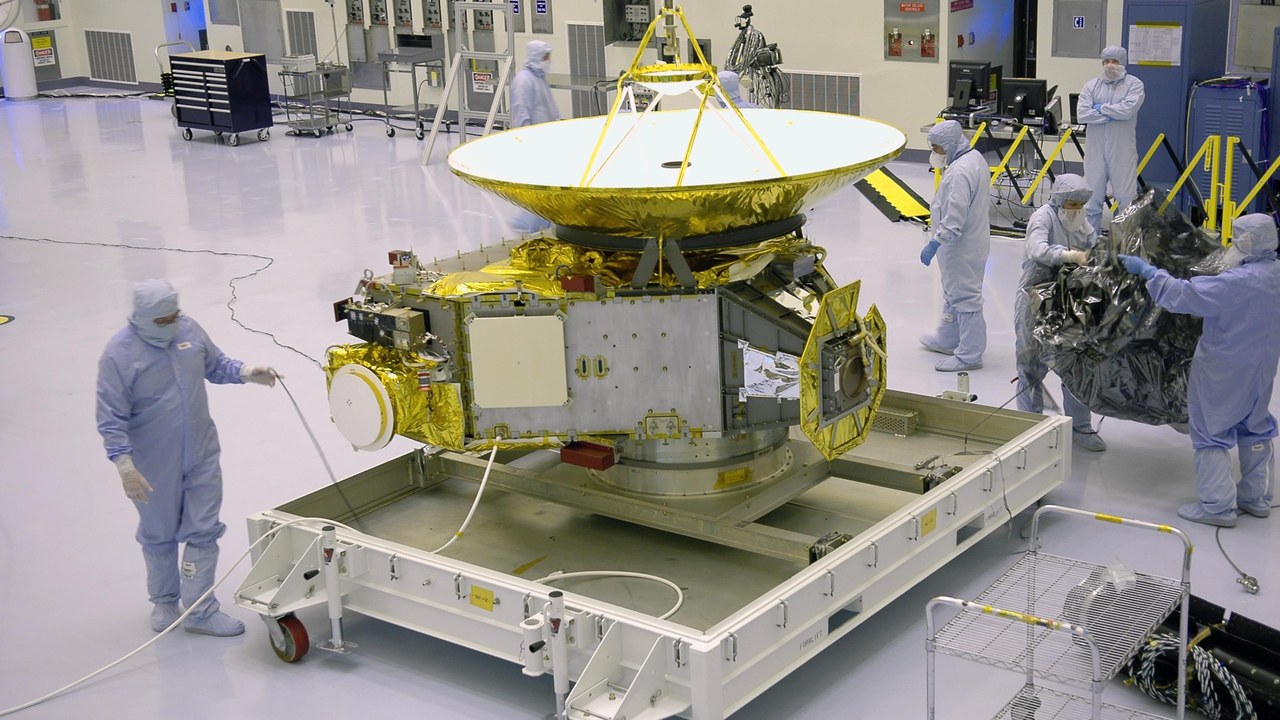
Pluto turned out to be the halfway point. The New Horizons spacecraft left Earth in January 2006 at the highest launch speed ever recorded, reached Pluto in July 2015, and then flew past a small Kuiper Belt object named Arrokoth on New Year’s Day 2019, the most distant body ever examined at close range.
No confirmed flyby target lies ahead of it now, and the craft is well beyond sixty times the Earth-Sun distance. Its remaining value is measuring dust, charged particles and the faint background glow of the universe from a vantage point free of the inner solar system’s haze.
4. Juno: Jupiter Studied From Inside A Titanium Vault
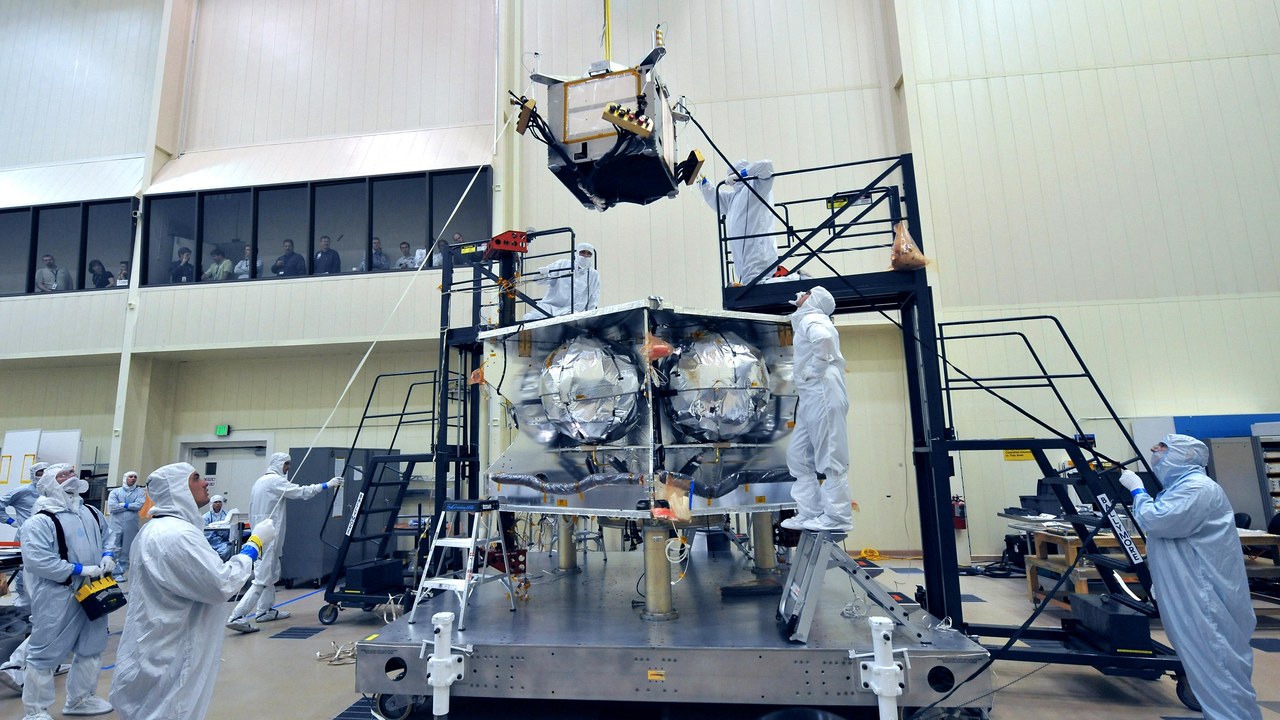
Jupiter’s radiation belts would ruin ordinary electronics within weeks. The Juno orbiter answers that with a titanium vault roughly the size of a car trunk built around its computer, plus a looping polar orbit that dives past the cloud tops and then swings far away to recover between passes. It arrived in July 2016 after a five-year cruise.
Its measurements rewrote the picture of the planet’s interior, pointing to a fuzzy, partly dissolved core rather than a sharp rocky center. The extended mission that followed ran through September 2025 and added close passes of Ganymede, Europa and Io; flying on beyond that date requires a further extension from NASA.
5. Parker Solar Probe: Flying Through The Sun’s Outer Atmosphere
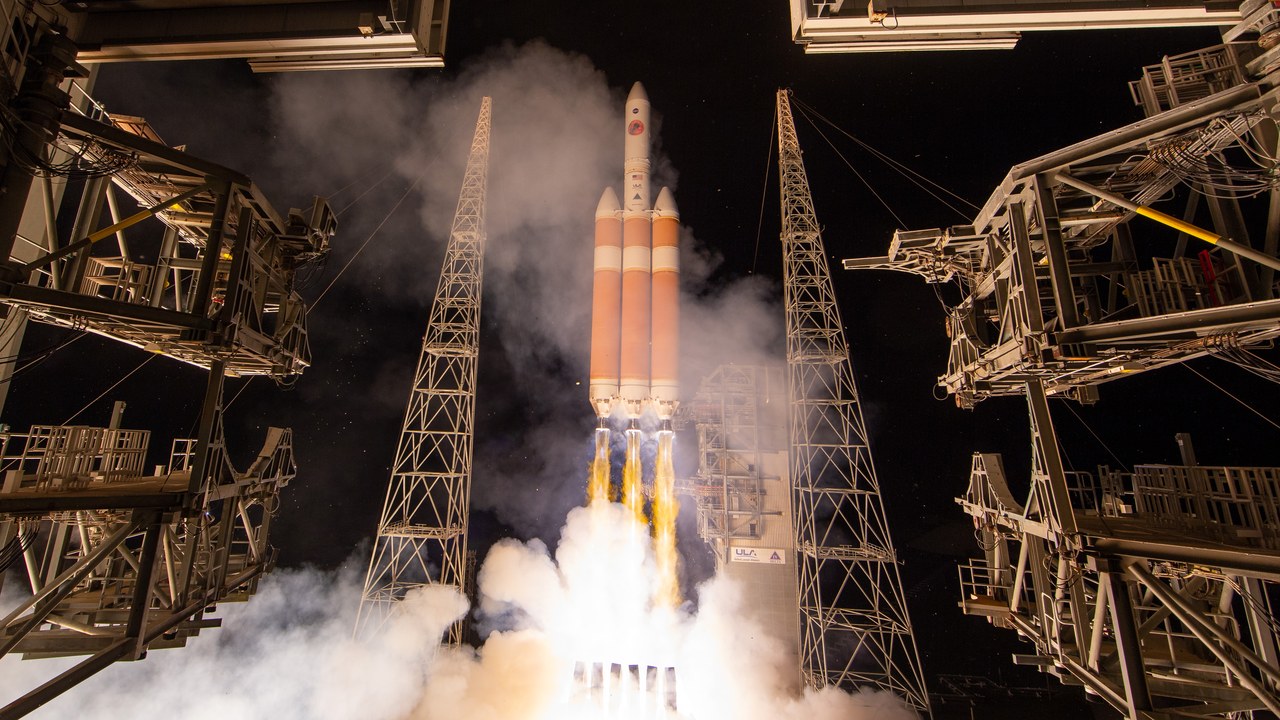
In December 2024 a NASA mission set a speed record that still stands. The Parker Solar Probe passed about 3.8 million miles above the Sun’s surface at roughly 430,000 miles per hour, closer to a star than any object built on Earth has ever come. A carbon composite heat shield about four and a half inches thick absorbs the worst of it.
Behind that shield the instruments sit near room temperature, which is the only reason readings from inside the corona are possible at all. Seven Venus flybys tightened the orbit into its final shape, and the close passes now repeat on a cycle of roughly three months rather than happening once.
6. Lucy: A Twelve-Year Tour Of Jupiter’s Trojans
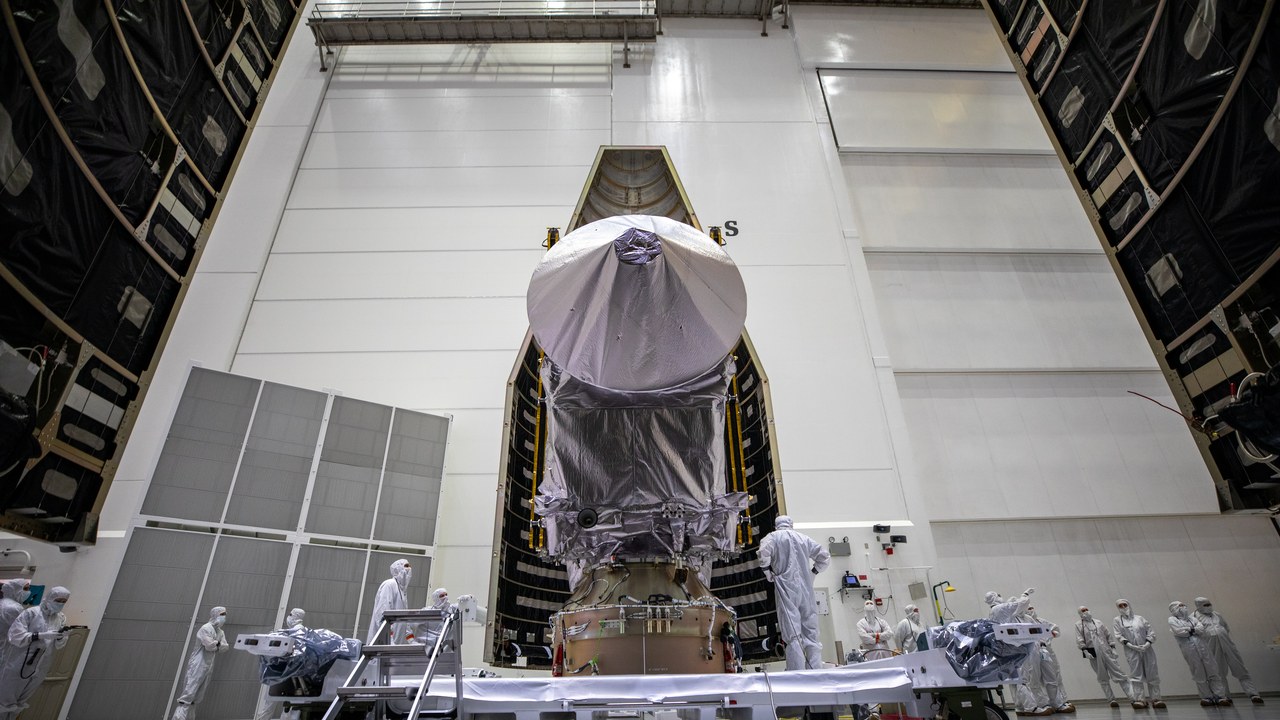
Two swarms of asteroids share Jupiter’s orbit, trapped ahead of and behind the planet, and until recently almost nothing was known about them up close. NASA launched the Lucy asteroid mission in October 2021 on a twelve-year route built to reach more of these Trojans than any earlier spacecraft, using Earth flybys to swing between the leading and trailing swarms.
Two warm-up encounters have already paid off. The small main-belt asteroid Dinkinesh turned out to carry a contact-binary moon when Lucy passed it in November 2023, and Donaldjohanson followed in April 2025. The first genuine Trojan target, Eurybates, is not due until August 2027.
7. Psyche: Chasing A World Made Largely Of Metal
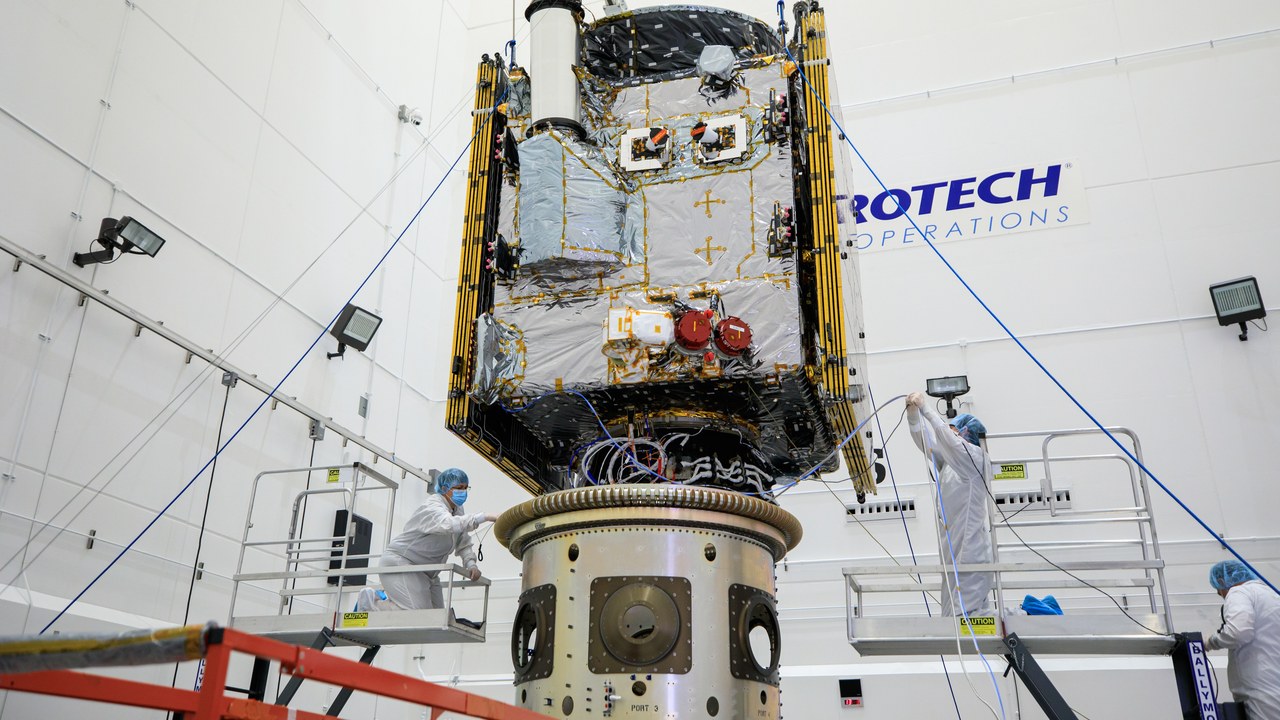
Most asteroids are rock or ice, but 16 Psyche appears to be substantially metal, possibly the stripped core of a small planet that never finished forming. That question sent NASA’s Psyche spacecraft off the pad in October 2023, bound for an object roughly 140 miles across in the outer main belt.
Getting there relies on solar electric propulsion, the first deep-space use of Hall-effect thrusters, which deliver a push measured in fractions of an ounce but keep firing for years on end. A gravity assist at Mars bends the trajectory outward, and arrival is not scheduled until 2029.
8. Europa Clipper: The Largest Planetary Probe NASA Has Built
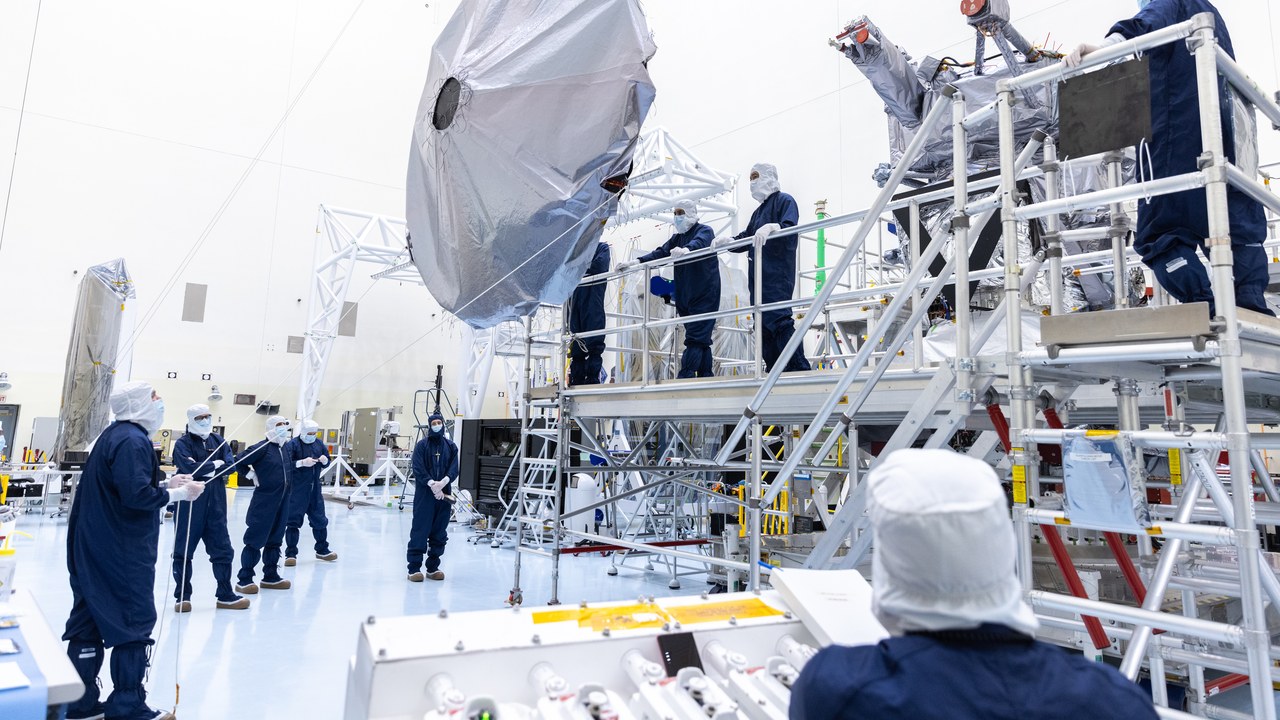
Solar arrays spanning about a hundred feet tip to tip make the Europa Clipper orbiter the biggest spacecraft NASA has ever built for a planetary mission, a size dictated by how little sunlight reaches Jupiter. It launched in October 2024 on a route of roughly 1.8 billion miles that reaches the Jupiter system in April 2030.
The plan is not to orbit Europa itself but to orbit Jupiter and make around fifty close passes of the moon, dipping into the radiation belts briefly each time instead of parking inside them. The objective is narrower than it sounds: not detecting life, but establishing whether the ocean beneath the ice could support it.
More from Morning Overview
- The FTC is warning about a scam quietly draining thousands from victims
- The NSA is again telling phone owners to switch off one location setting
- A handful of car transmissions are so tough mechanics say they almost never fail
- A handful of SUVs keep hitting 300,000 miles, and they share one engine trait
