
Depth is the least visible thing about a lake and the most consequential. The deepest basins hold water sealed away from the surface for centuries, sustaining species found nowhere else and layers of sediment that record the distant past. Ranked by maximum depth, here are eight lakes that plunge farther than any others.
1. Lake Baikal: The Floor No Other Lake Reaches
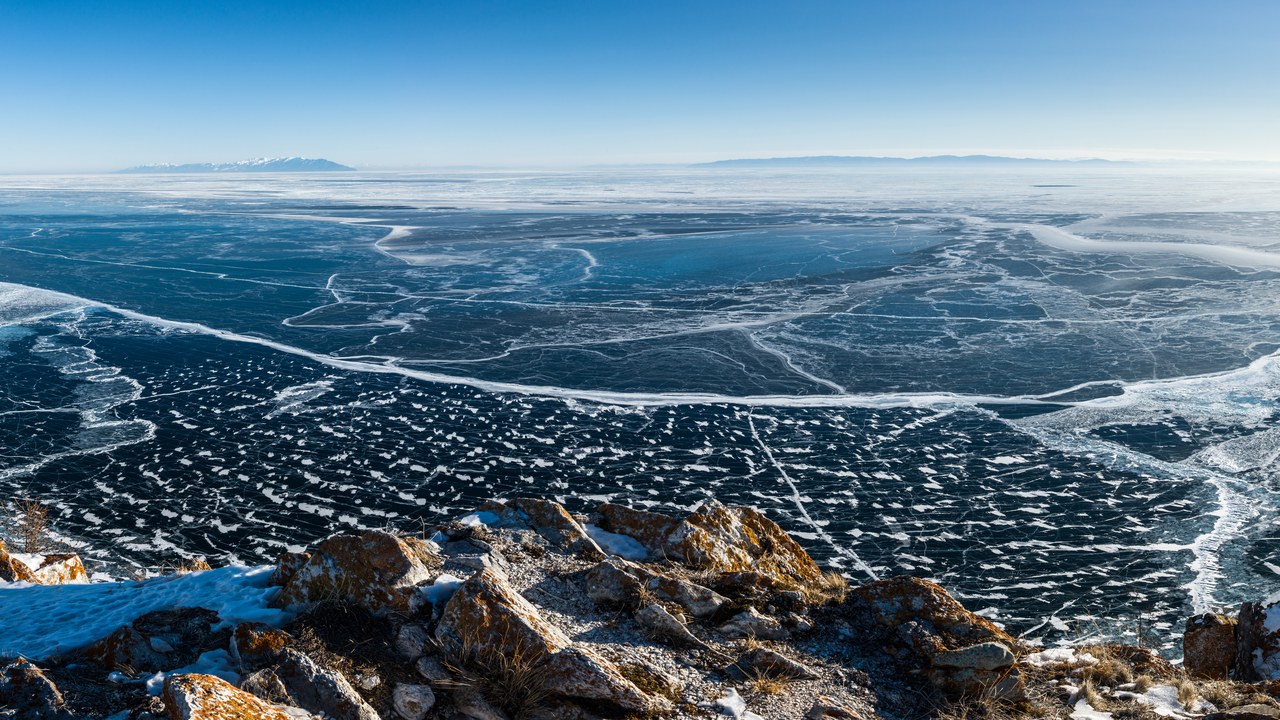
Baikal bottoms out at roughly 1,642 meters, about 5,387 feet, leaving every other lake on the planet hundreds of feet short of it. The Siberian rift valley it occupies has been pulling apart for something like 25 million years, so the world’s oldest lake is also the deepest one. Depth and age together explain the volume, which comes close to a fifth of the planet’s unfrozen surface fresh water.
That water column behaves unlike most. It circulates and stays oxygenated all the way to the bottom, so life continues far below the level where deep lakes usually go dead, and a large share of the species living there occur nowhere else.
2. Lake Tanganyika: Africa’s Longest Drop
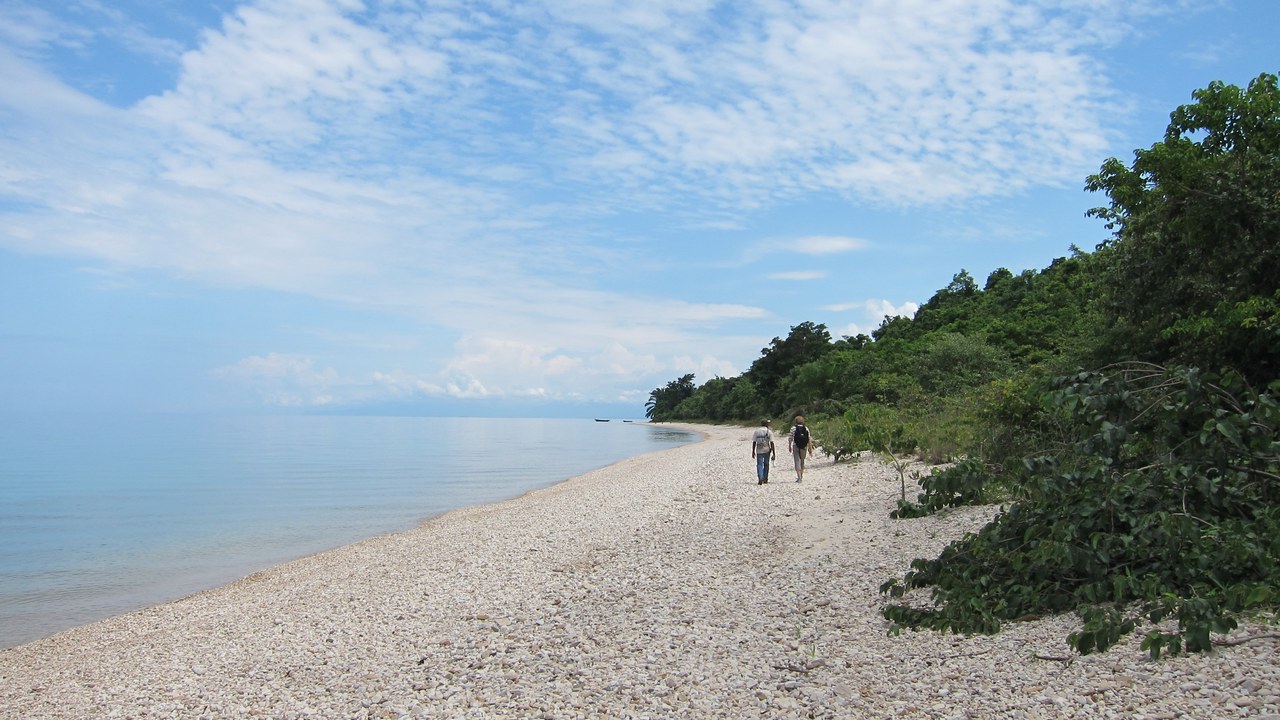
Tanganyika reaches about 1,470 meters, roughly 4,820 feet, second only to Baikal and by a wide margin the deepest lake in Africa. Its length rather than its width does the work, stretching some 400 miles along the western arm of the East African Rift with four countries on its shoreline. Only the upper layer supports fish, because the lake’s deep water holds almost no dissolved oxygen.
That dead zone, beginning a couple of hundred meters down, concentrates the lake’s celebrated cichlid diversity into a thin band near shore. Warming surface water slows the mixing that renews the habitable layer, which is why fisheries scientists track its catch numbers closely.
3. Caspian Sea: The Inland Sea That Still Counts
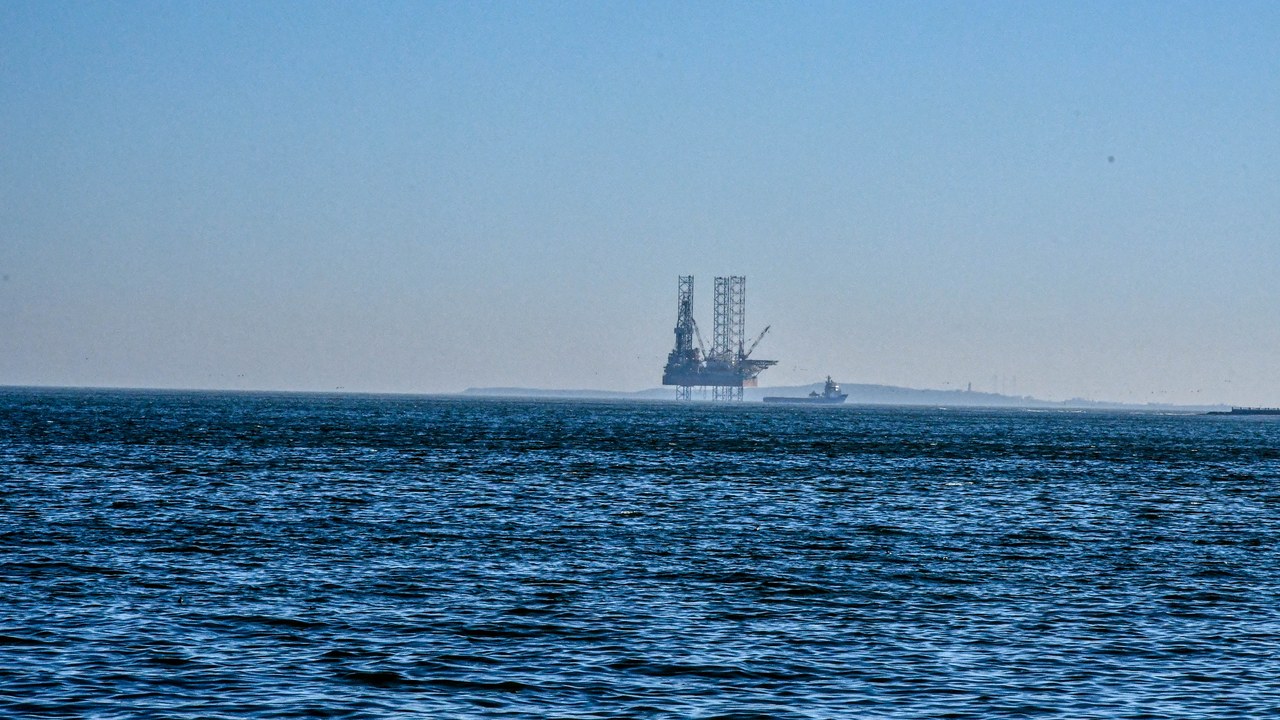
By surface area the Caspian dwarfs every lake on this list, roughly 143,000 square miles with no outlet to any ocean, which is why this inland body of water is classed as a lake at all. Its southern basin falls away to about 1,025 meters, deep enough for third place here, while the northern end is shallow enough to freeze in winter.
The water is brackish rather than fresh, roughly a third as salty as the ocean, a relic of an ancient sea that lost its connection to open water. Five countries border it, so the seabed beneath that depth has been the subject of long negotiations over oil and gas rights.
4. Lake Malawi: More Fish Than Any Rival
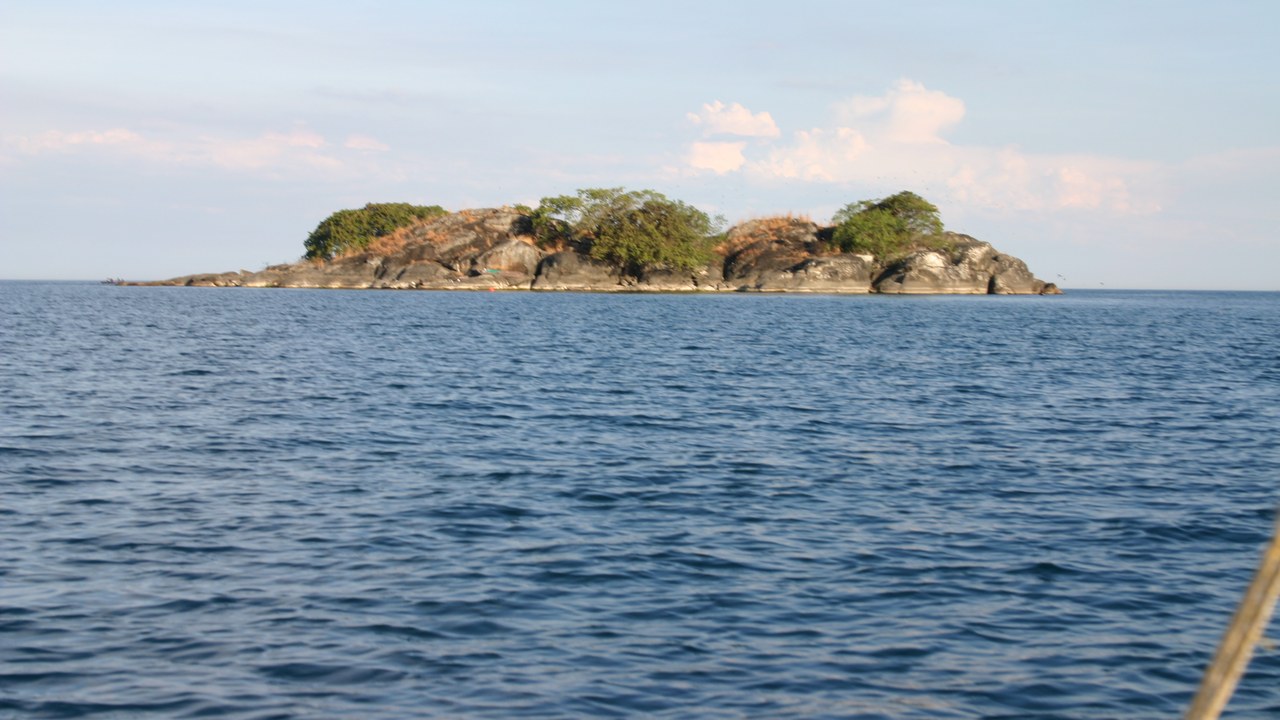
Malawi drops to about 706 meters, fourth on this list and second in Africa behind its rift neighbor. What sets it apart is less the number than what lives above it, since this deep rift lake has produced more fish species than any other, most of them cichlids and most of them found nowhere else. Estimates of how many distinct forms it holds run into the hundreds.
The stratification that afflicts Tanganyika applies here too, with oxygen thinning out well above the floor. That confines the fishery to shallow water shared by Malawi, Mozambique and Tanzania, where subsistence catches and the aquarium trade draw on the same rocky shores.
5. Issyk-Kul: Warm Water Under Snowcaps
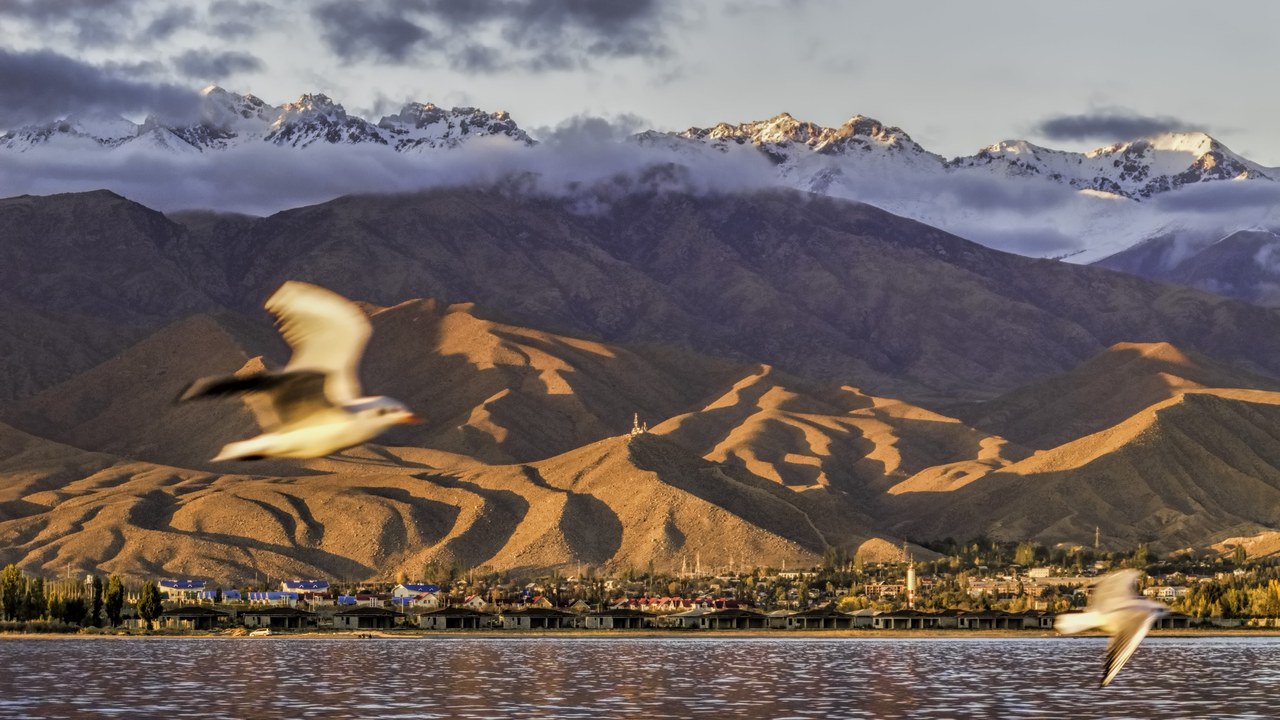
Set roughly 1,600 meters up in the Tian Shan of Kyrgyzstan, Issyk-Kul reaches about 668 meters at its deepest, which puts one of the world’s great mountain lakes into the global top five. Its name translates as warm lake, and it earns it: a lake that never freezes despite the winters around it, held liquid by mild salinity, sheer volume and geothermal input.
Because no river drains it, whatever the mountain streams carry in stays in, which is why the water is slightly salty rather than fresh. Soviet-era naval research exploited that depth and isolation, and lakeside resorts still trade on the odd pairing of snowline scenery and swimmable summer water.
6. Great Slave Lake: Deeper Than the Great Lakes
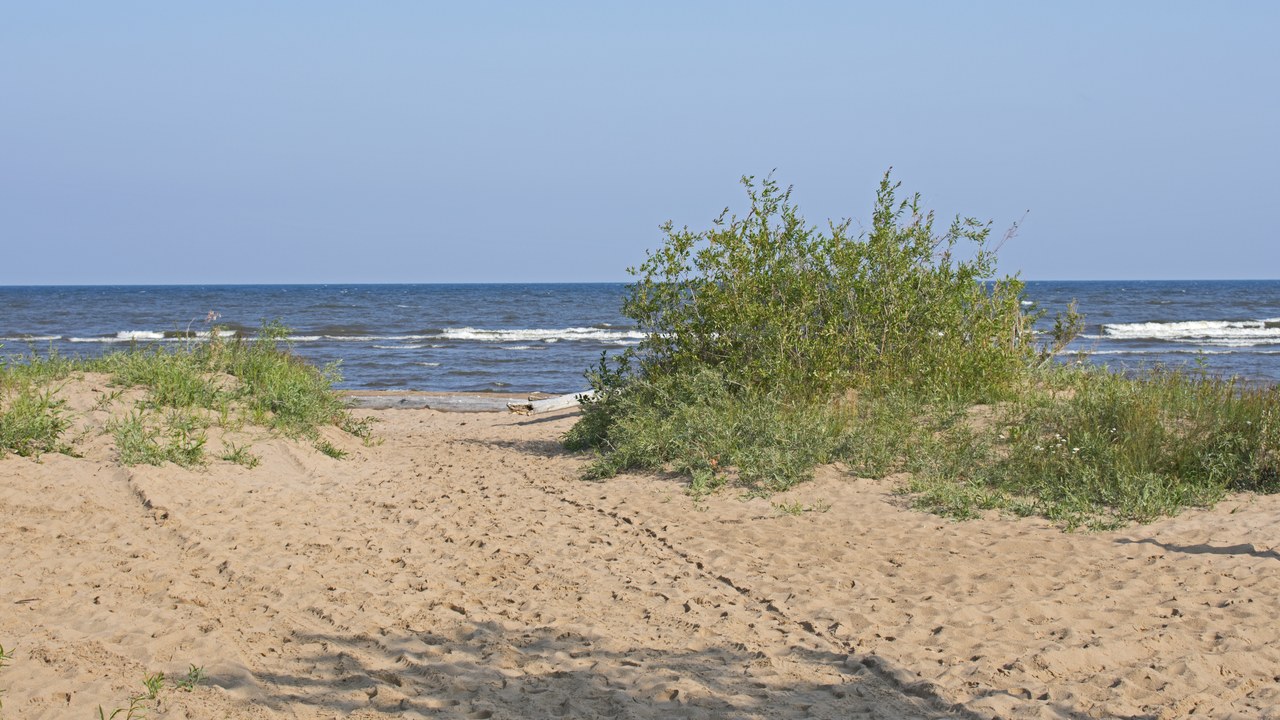
At about 614 meters, or just over 2,000 feet, Great Slave is North America’s deepest lake, below the floor of any of the Great Lakes and deeper still than Crater Lake. It sits in the Northwest Territories, straddling the boundary between hard Canadian Shield bedrock on its eastern arm and softer sedimentary ground to the west, which gives the two halves of the shoreline entirely different characters.
Ice governs access to it. The lake freezes hard enough that winter roads are laid across the surface to communities and mines with no all-season road of their own, and the deep water stays close to freezing through the year.
7. Crater Lake: A Caldera Filled by Snow
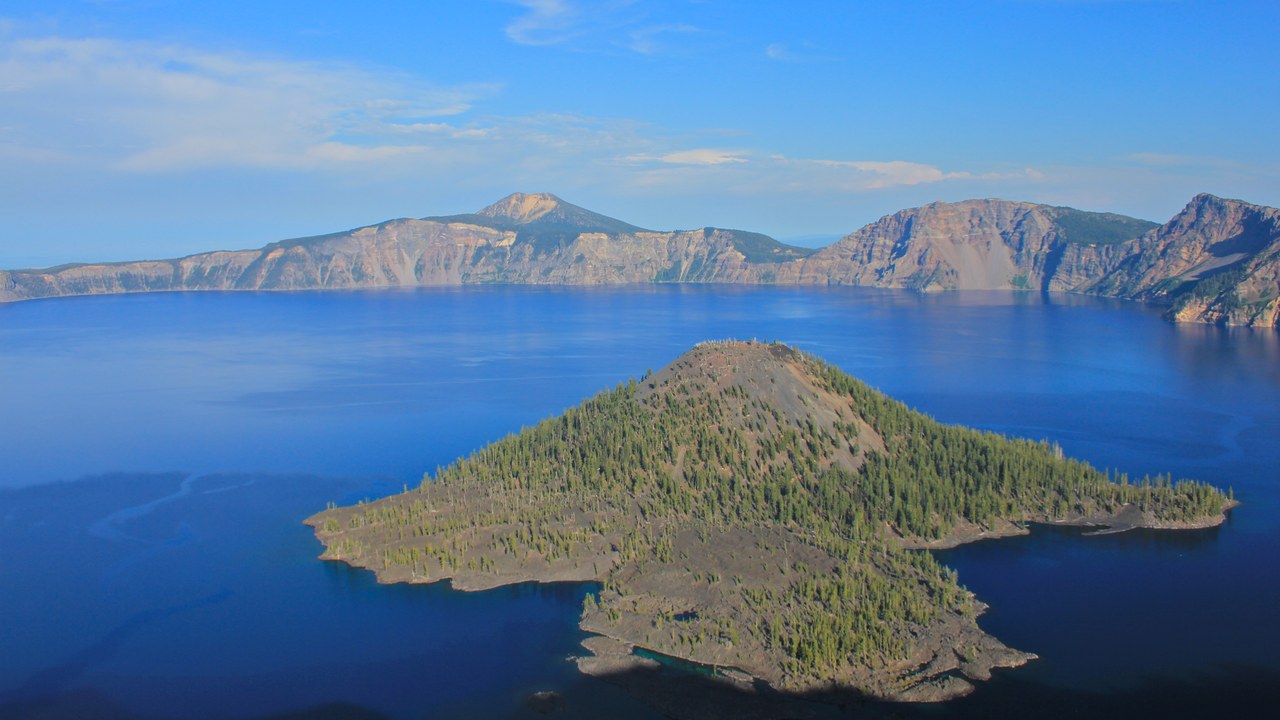
Crater Lake reaches about 594 meters, roughly 1,949 feet, enough to make this Oregon caldera lake the deepest in the United States despite being small enough to see across. It occupies the basin left when Mount Mazama collapsed after a colossal eruption thousands of years ago, and Wizard Island is a later cinder cone that grew from the floor.
No river feeds it and none drains it. Snowmelt and rain alone fill the caldera, balanced by evaporation and seepage through the rim, which is why the water carries so little sediment and why the blue reads as intensely as it does from the crater edge.
8. Lake Matano: The Iron Lake of Sulawesi
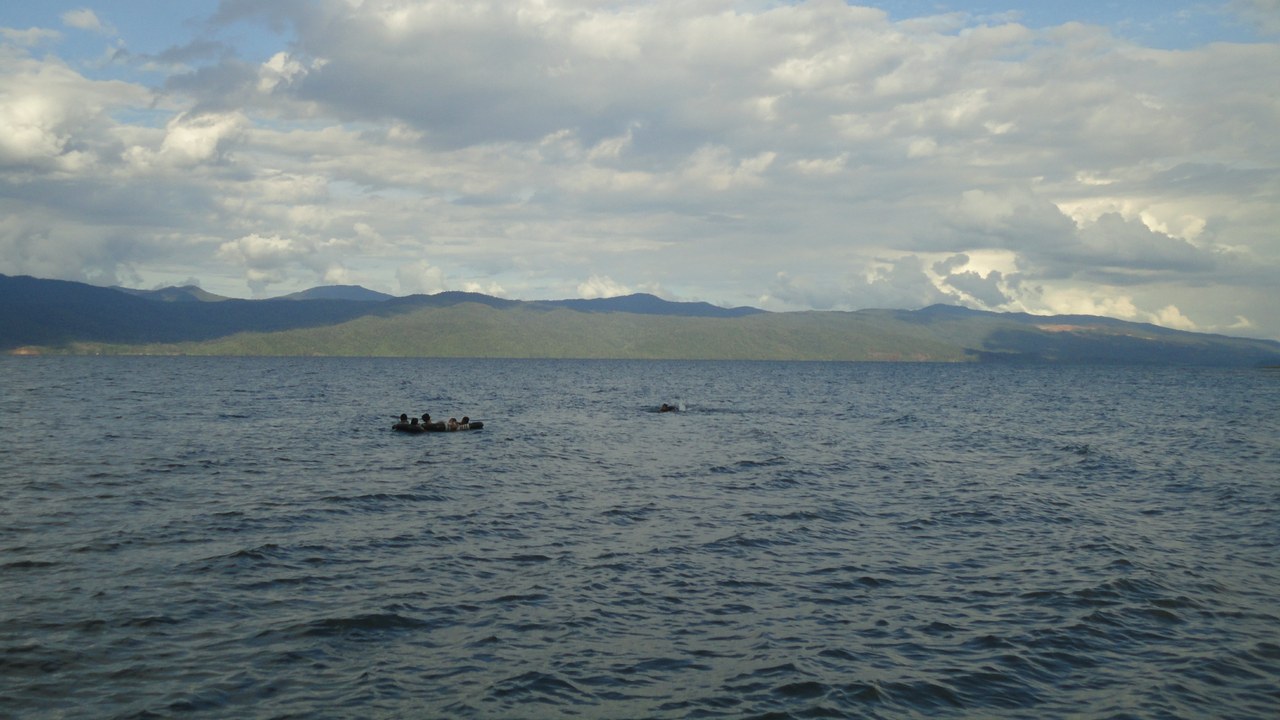
Matano, on the Indonesian island of Sulawesi, bottoms out near 590 meters, enough to close this list as Southeast Asia’s deepest lake. Its floor lies below sea level even though the surface sits several hundred meters above it, the signature of a tectonic basin opened along a major fault rather than a volcanic crater or a glacial scoop.
Its deep water is oxygen-free and loaded with dissolved iron, a chemistry rare enough that researchers treat the lake as a stand-in for the oceans of the early Earth. The surrounding hills are nickel country, so mining pressure sits close to a basin full of endemic fish and shrimp.
More from Morning Overview
- The FTC is warning about a scam quietly draining thousands from victims
- The NSA is again telling phone owners to switch off one location setting
- A handful of car transmissions are so tough mechanics say they almost never fail
- A handful of SUVs keep hitting 300,000 miles, and they share one engine trait
