
Minivans rarely inspire loyalty, but a handful of models keep drivers refusing to trade them in long after the odometer rolls past 200,000 miles. Reputation for durable engines, simple maintenance, and interiors built to survive years of kids, groceries, and road trips explains why owners hang on. Here is a look at these eight minivans that earned that kind of trust.
1. Toyota Sienna: A Hybrid System Built to Last
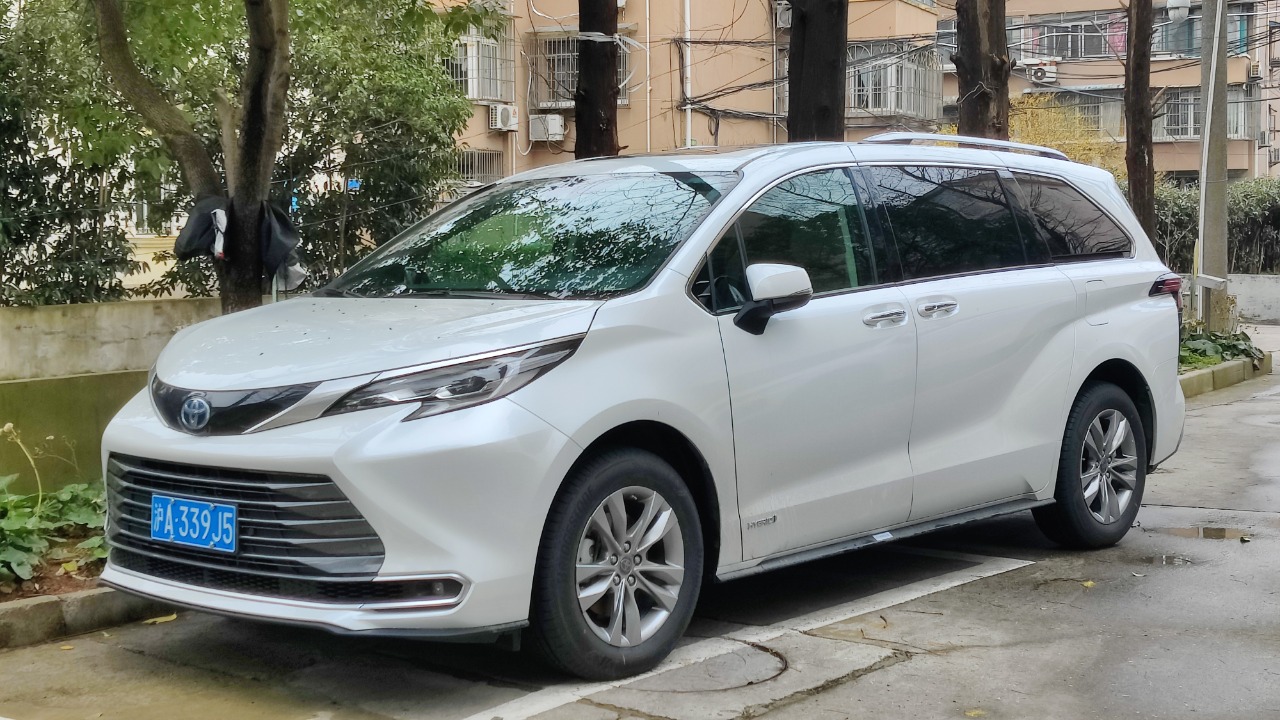
The Sienna’s standard hybrid powertrain has developed a reputation among high-mileage owners for shrugging off six-figure odometer readings with few major repairs. Toyota’s Atkinson-cycle four-cylinder pairs with electric motors that share the workload, reducing strain on the combustion engine over hundreds of thousands of miles. Fleet drivers and rideshare operators who log tens of thousands of miles a year regularly report the drivetrain outlasting the rest of the vehicle’s components.
Regular maintenance still matters, since transmission fluid changes and timely upkeep on the hybrid battery are what separate long-term survivors from early trade-ins. Owners who stay ahead of routine service tend to see the van cross well past 200,000 miles without a major driveline failure.
2. Honda Odyssey: Reliability Records Few Rivals Can Match

Honda’s Odyssey has built one of the strongest reliability records in the minivan segment, with its direct-injection V6 engine and smooth automatic transmission routinely reaching well past 200,000 miles with only routine upkeep. Independent longevity studies and owner surveys consistently rank the Odyssey near the top of its class for mechanical durability. Families who bought the van new often keep it through two or three sets of car seats before ever considering something newer.
The van’s cabin materials and suspension components also age gracefully, resisting the rattles and interior wear that push other high-mileage vehicles out of service early. That combination of mechanical and cosmetic durability is why so many Odysseys stay on the road well into their second decade.
3. Toyota Previa: A Cult Following for Odd Engineering
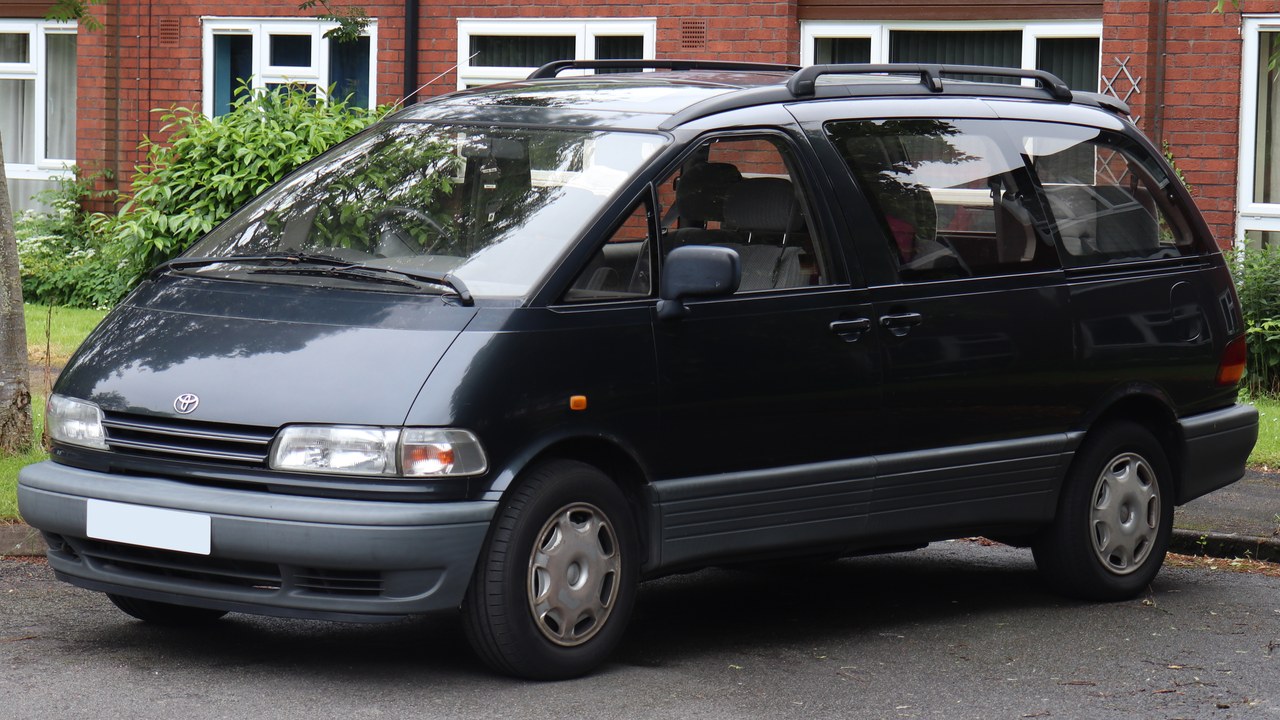
The Previa’s unusual mid-engine layout, borrowed more from sports car design than typical van engineering, has earned it a loyal following among owners who value its rarity and mechanical simplicity. The van’s supercharged four-cylinder, while unconventional, has proven capable of running well past 200,000 miles when the timing belt and cooling system receive consistent attention. Enthusiast forums are full of owners who have kept their Previas running for decades specifically because so few comparable vans remain on the road.
Parts have grown scarcer since production ended in the late 1990s, pushing dedicated owners toward specialty suppliers and online communities rather than trading the van away. For many, that scarcity only strengthens the attachment to a vehicle unlike anything else Toyota ever built.
4. Chrysler Pacifica: Hybrid Range and Family-First Design
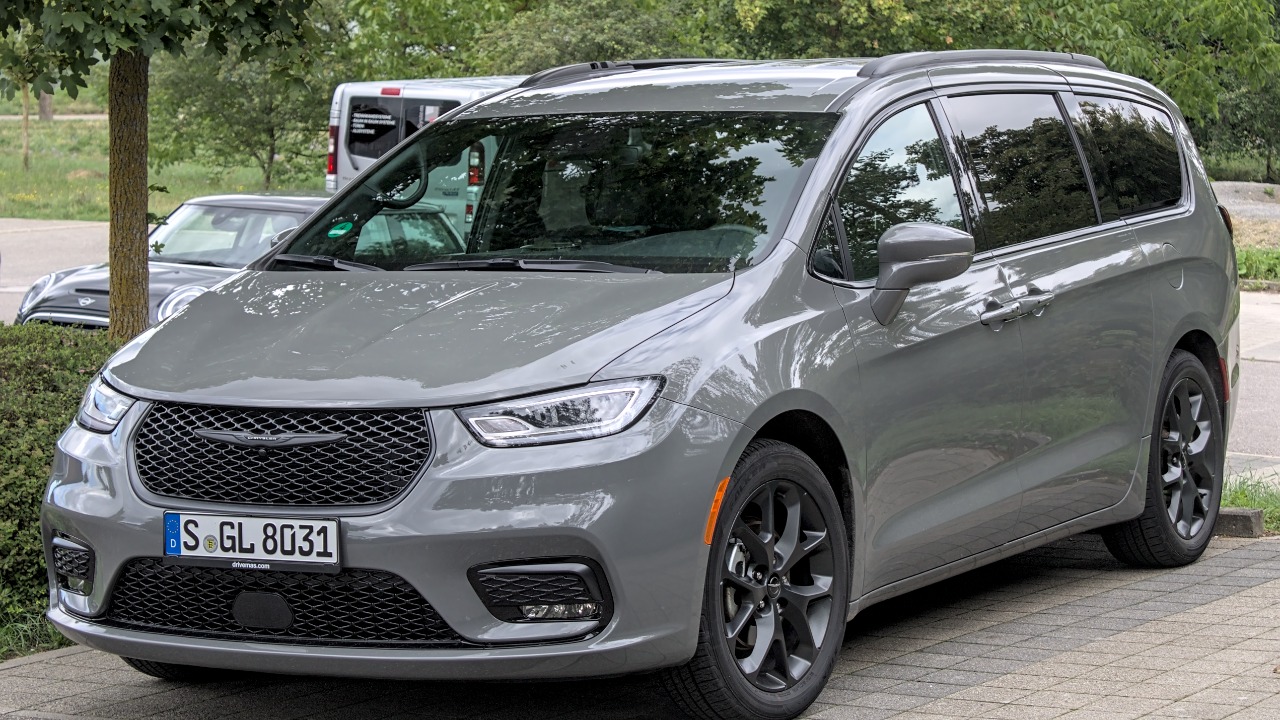
The Pacifica combined minivan practicality with genuine technology, and its plug-in hybrid variant in particular has drawn owners who want strong fuel economy without giving up cargo room. Stow-N-Go seating that folds flat into the floor keeps the interior flexible enough for road trips, hardware hauls, and everyday school runs alike. Owners who maintain the transmission and battery cooling system on schedule frequently report the van holding up well past 200,000 miles.
The van’s blend of comfort features and safety technology also means it ages well from a driver’s perspective, not just a mechanical one. That combination of longevity and livability keeps many Pacifica owners loyal well beyond the warranty period.
5. Kia Sedona: A Warranty That Outlasts Its Rivals
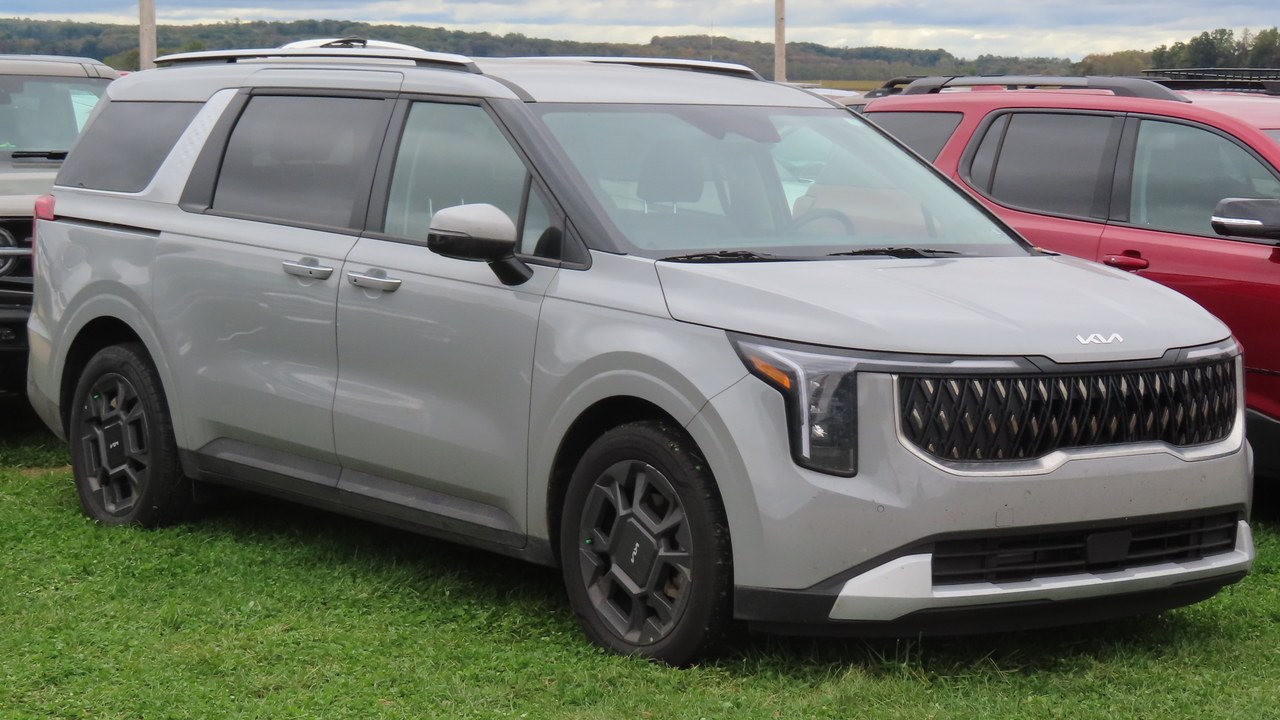
Kia backed the Sedona with one of the longest powertrain warranties in the industry, and that confidence has translated into a reputation for genuine mechanical staying power. The van’s V6 engine and conventional automatic transmission avoid the complexity that sends some rivals in for costly repairs, which keeps ownership costs predictable as the miles climb. Owners who bought the Sedona new often describe it as the most trouble-free vehicle they have owned, minivan or otherwise.
Kia’s successor to the Sedona, now sold as the Carnival, carried that same reliability reputation forward, which has only reinforced why long-time Kia minivan owners rarely feel a need to switch brands. Resale values for well-kept examples remain strong precisely because so few come back with major driveline problems.
6. Honda Element: Boxy Styling, Bulletproof Mechanicals
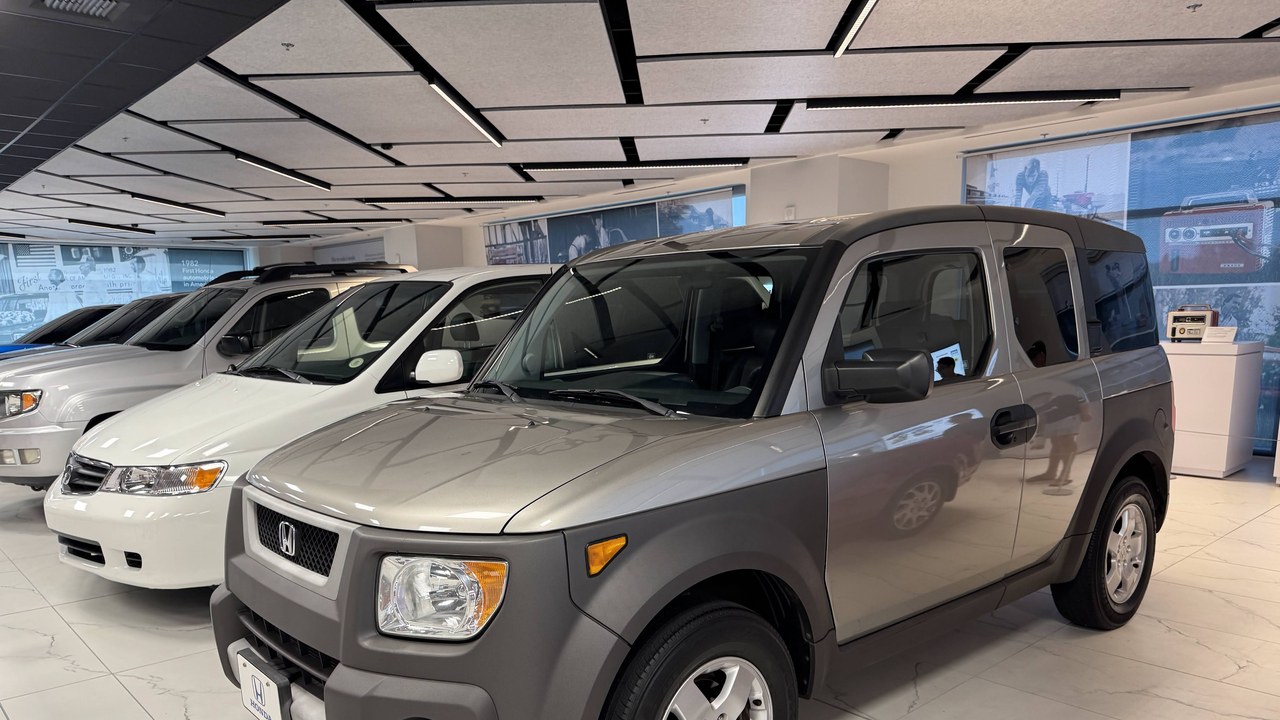
The Element borrowed its four-cylinder engine and drivetrain from other Honda models with well-documented reliability, giving the boxy little hauler a mechanical foundation that regularly outlasts its unconventional styling. Waterproof-friendly interior materials and a simple suspension layout mean fewer of the wear items that typically end a vehicle’s service life early. Surf, camping, and dog-owning communities in particular have kept Elements running well past 200,000 miles because replacements with the same utility simply do not exist anymore.
Honda discontinued the Element in 2011, and no direct successor ever arrived, which has only deepened the attachment among people who never wanted a conventional minivan or SUV. Clean examples with low rust now command a premium among buyers chasing that same rugged simplicity.
7. Dodge Grand Caravan: Cheap to Fix, Easy to Keep
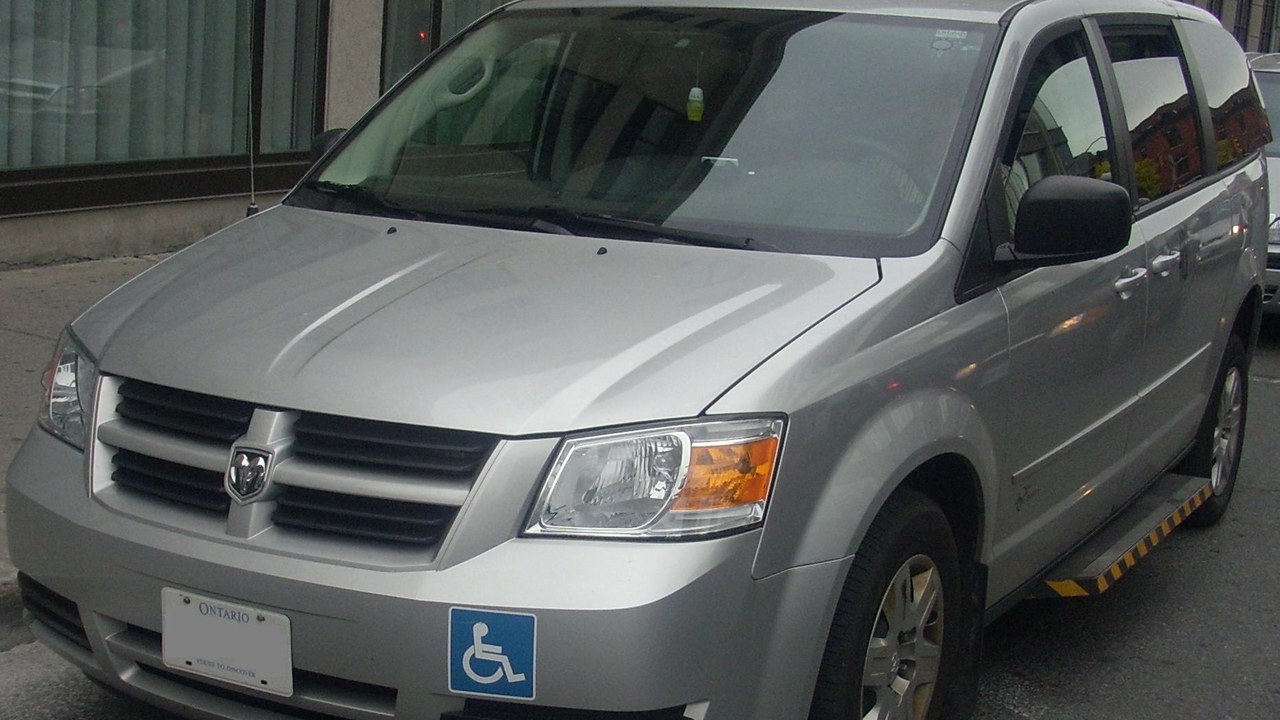
The Grand Caravan built its reputation on being inexpensive to maintain, with a widely available 3.6-liter V6 and parts that cost a fraction of what pricier rivals charge for the same repairs. Independent mechanics know the platform well after decades of production, which keeps labor costs down even as the van ages past 200,000 miles. Fleet buyers, rental companies, and budget-conscious families alike have long valued that combination of low cost and genuine durability.
The van’s Stow-N-Go seating, one of the segment’s most copied features, still folds flat in high-mileage examples with little else replaced besides brakes and fluids. That mix of low-drama ownership and genuine utility explains why so many Grand Caravans stay in daily use long after newer vans are traded away.
8. Nissan Quest: Comfort That Ages Better Than Expected
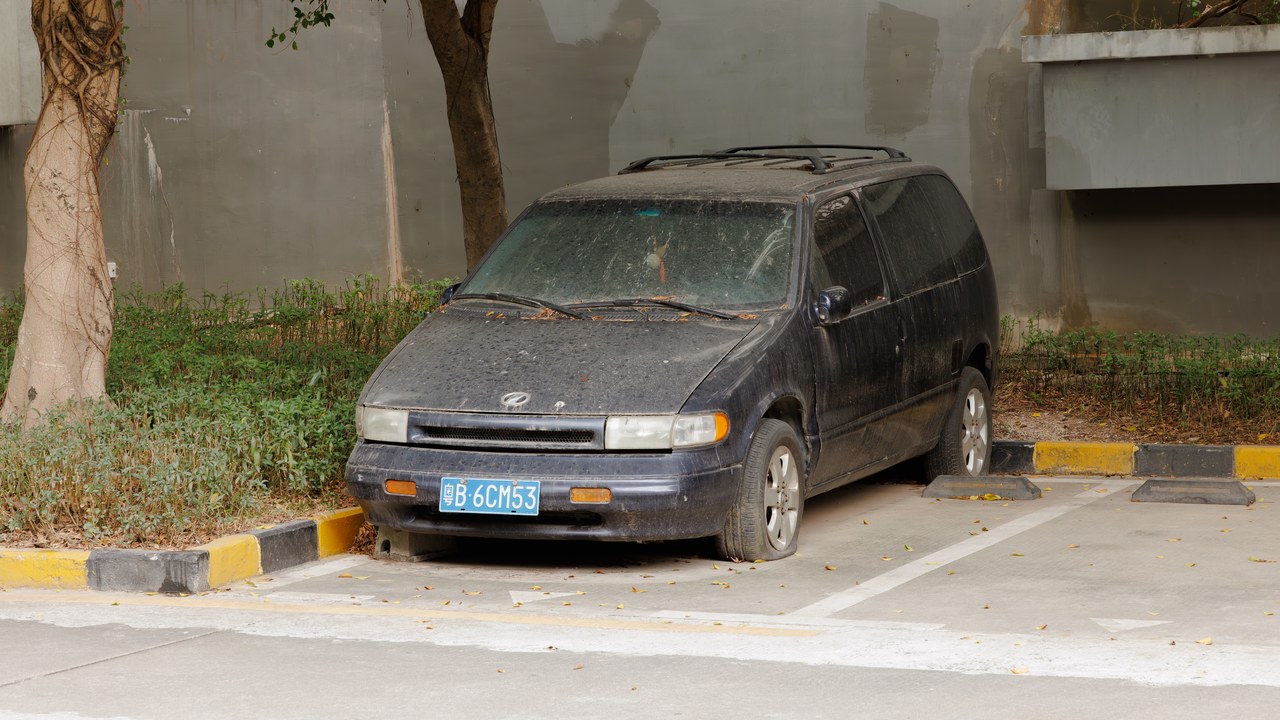
The Quest carved out a devoted niche among owners with its unusually spacious cabin and standard third-row legroom, one of the more comfortable long-distance haulers in its class. That comfort, combined with a distinctively boxy European-influenced design, kept many buyers loyal through multiple redesigns even as Nissan repeatedly reworked the model. Owners who stay on top of routine transmission fluid changes and suspension upkeep have kept examples running well past 200,000 miles despite a smaller ownership base.
Nissan discontinued the Quest in the US after 2016, so owners who love the layout have little reason to chase a newer model that no longer exists. That scarcity, paired with a small enthusiast community, keeps many high-mileage Quests on the road rather than in a junkyard.
More from Morning Overview
