
Minivans lost the style war to crossovers years ago, yet a stubborn group of owners keeps driving them long past the point of trading up. Sliding doors, flat floors and third rows that adults can actually use still solve problems no lifted wagon does. Here are eight minivans that families quietly refuse to give up.
1. Toyota Sienna: The Hybrid-Only Holdout
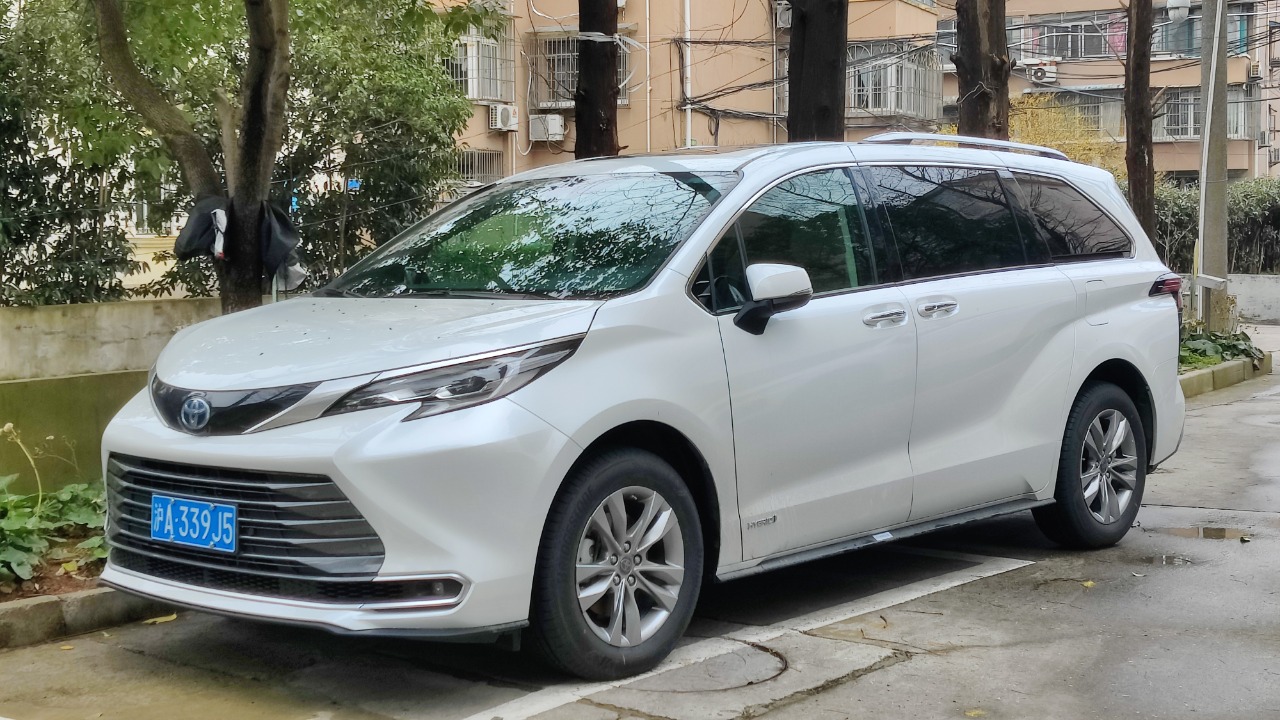
Toyota did what rivals hedged on in 2020: the fourth-generation Sienna dropped its V6 and became hybrid-only, pairing a four-cylinder engine with electric motors across every trim. The redesigned fourth generation offers all-wheel drive through a separate rear electric motor instead of a driveshaft, and EPA combined ratings sit around 36 mpg, territory no three-row gasoline SUV approaches.
That efficiency changes the math on holding onto one. An owner already covering school runs and road trips at hybrid fuel economy gains little by trading into a thirstier crossover, and the powertrain shares its basic architecture with Toyota hybrids that have logged high mileage for two decades. Buyers wanting a conventional V6 no longer have that choice.
2. Honda Odyssey: The Sliding-Seat Standard
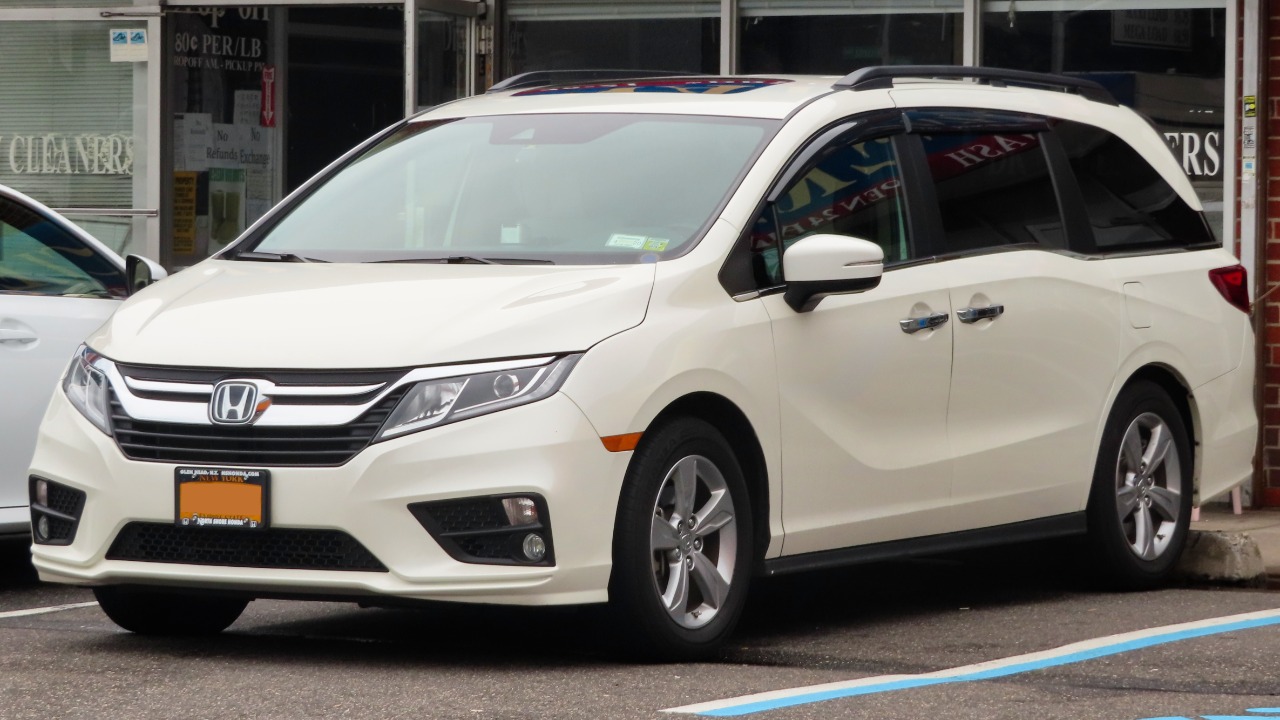
Sliding second-row seats are the Odyssey’s quiet advantage: Honda’s Magic Slide arrangement lets the middle chairs move laterally as well as fore and aft, so a parent can open a walkway to the third row without removing anything. Honda’s Odyssey minivan has run continuously in North America since 1994, and recent versions pair a V6 with a wide-ratio automatic and in-cabin camera and intercom systems aimed squarely at back-seat supervision.
Families with three car seats tend to stay because the layout problem is solved rather than tolerated. The cost is bulk, since the Odyssey is long, thirsty next to hybrid rivals, and offers no all-wheel-drive version, which pushes snow-belt shoppers toward competitors that do.
3. Chrysler Pacifica: The Fold-Flat Advantage
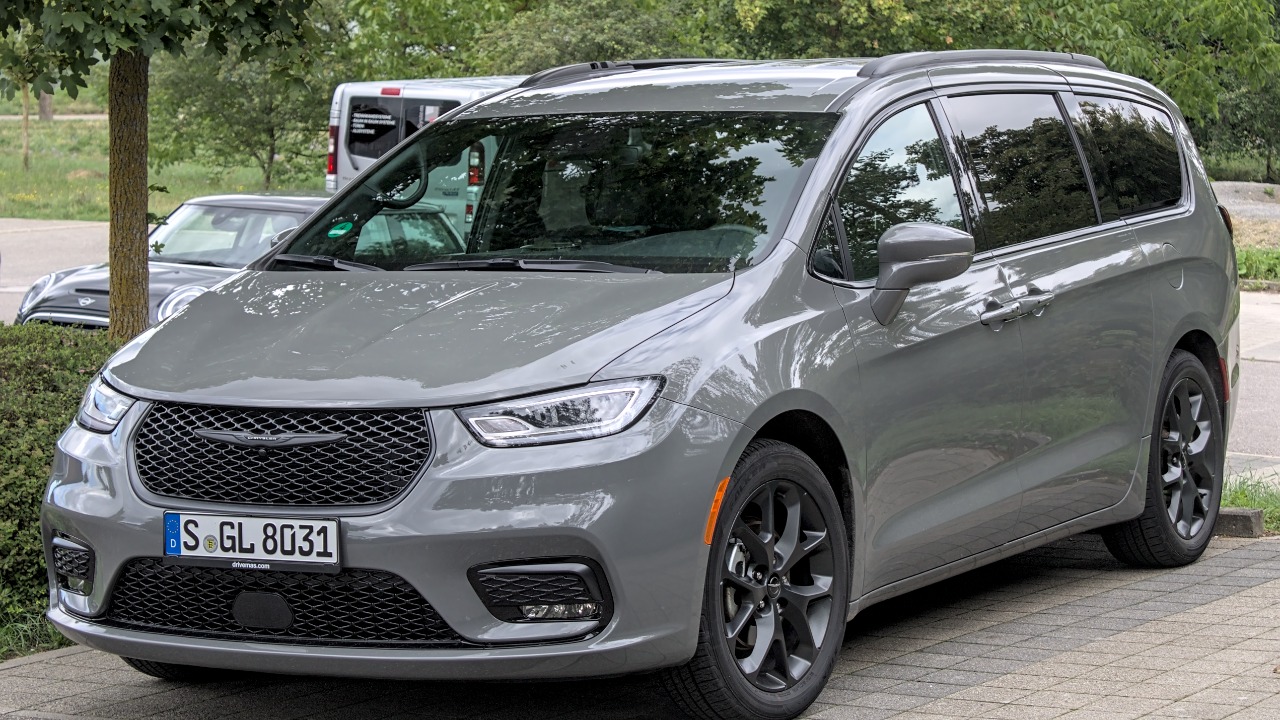
Chrysler’s Stow ‘n Go system remains the reason many Pacifica owners will not switch: both the second and third rows fold flat into wells built into the floor, turning a full seven-seater into a flat cargo bay without hauling seats out to the garage. The Pacifica’s folding rows sit alongside a plug-in hybrid variant that runs roughly 30 miles on battery before the V6 restarts.
No rival matches that trick with both rows, because the underfloor bins require packaging decisions made early in the design. The tradeoff is thinner second-row cushions and, on the plug-in hybrid, the loss of Stow ‘n Go in the middle row, where the battery lives instead.
4. Kia Carnival: The Van Dressed As An SUV
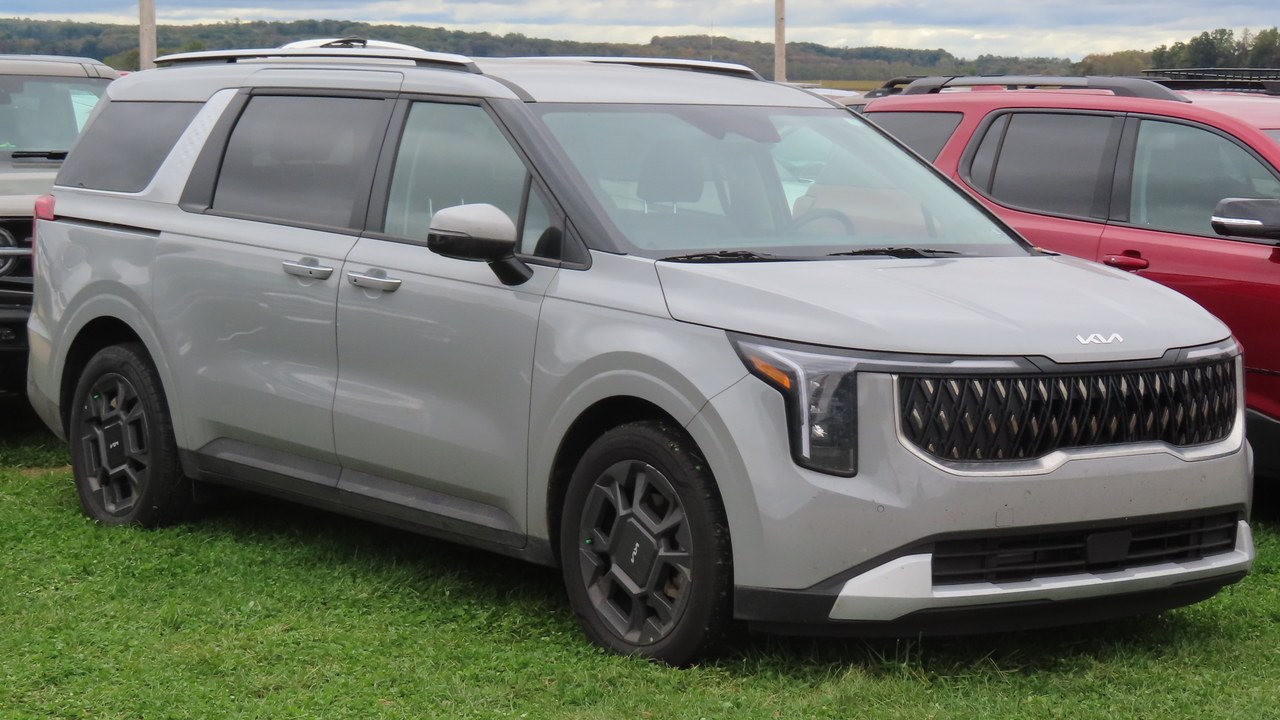
Kia sells the Carnival as a multi-purpose vehicle with deliberately SUV-shaped bodywork: squared shoulders, a tall grille and a roofline that hides the sliding doors better than most. The fourth-generation Carnival arrived for 2021 on a new platform with up to eight seats, and Kia later added a hybrid powertrain, giving the lineup an efficiency option it previously lacked.
The styling matters more than enthusiasts admit. Buyers who resisted the minivan label found a body that reads as a crossover from the curb while keeping the low floor and wide door aperture that make loading children easy. What it does not offer in most markets is all-wheel drive, still the standard argument for choosing a three-row SUV instead.
5. Toyota Previa: The Mid-Engine Cult Favorite
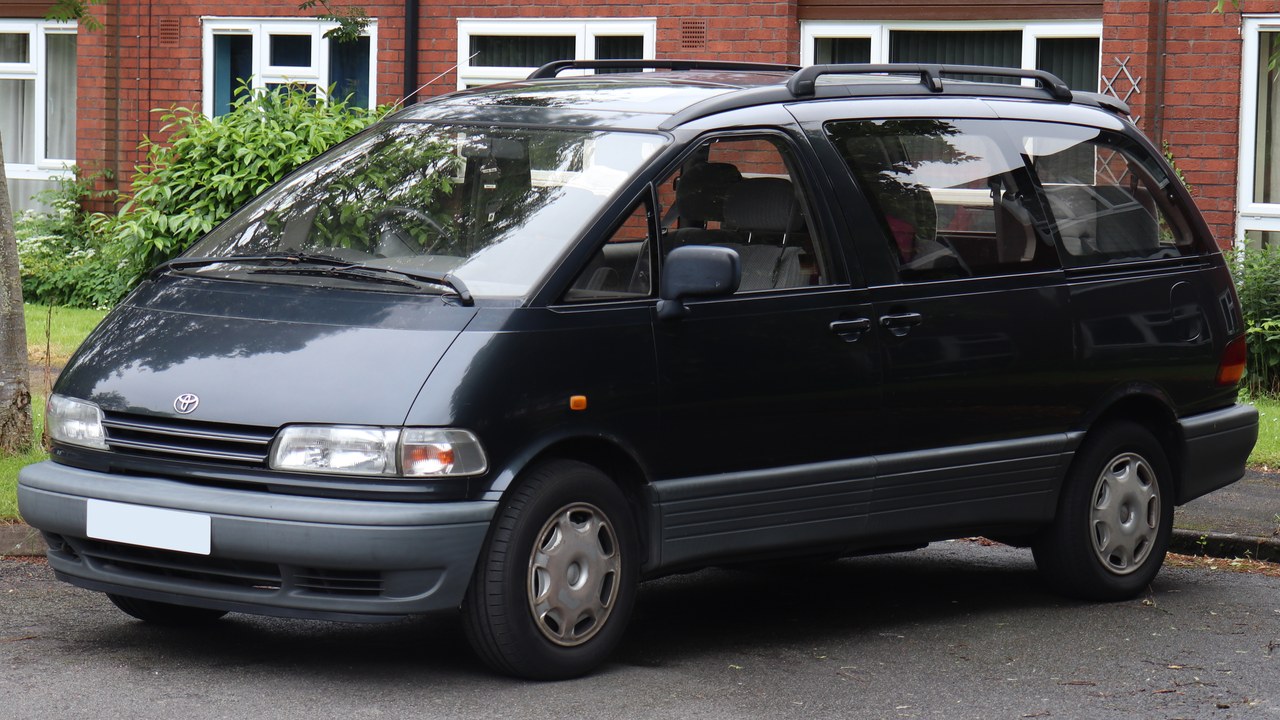
Almost nothing on the road has been shaped like the Previa since. Toyota mounted its engine under the front seats, canted and driving the accessories through a shaft to the front, which freed the designers to draw the egg-like body that gave the van its nickname. Toyota’s mid-engine van sold in North America from 1990 until 1997, latterly with a supercharger to compensate for its modest four-cylinder output.
That layout is also why owners hang on: nothing built afterward replicates the low cowl or the panoramic glass. Servicing is the price, since work on the engine means going in from underneath or through a hatch between the seats, and parts for a van out of production for decades are scarce.
6. Dodge Grand Caravan: The Cheap One That Refuses To Quit
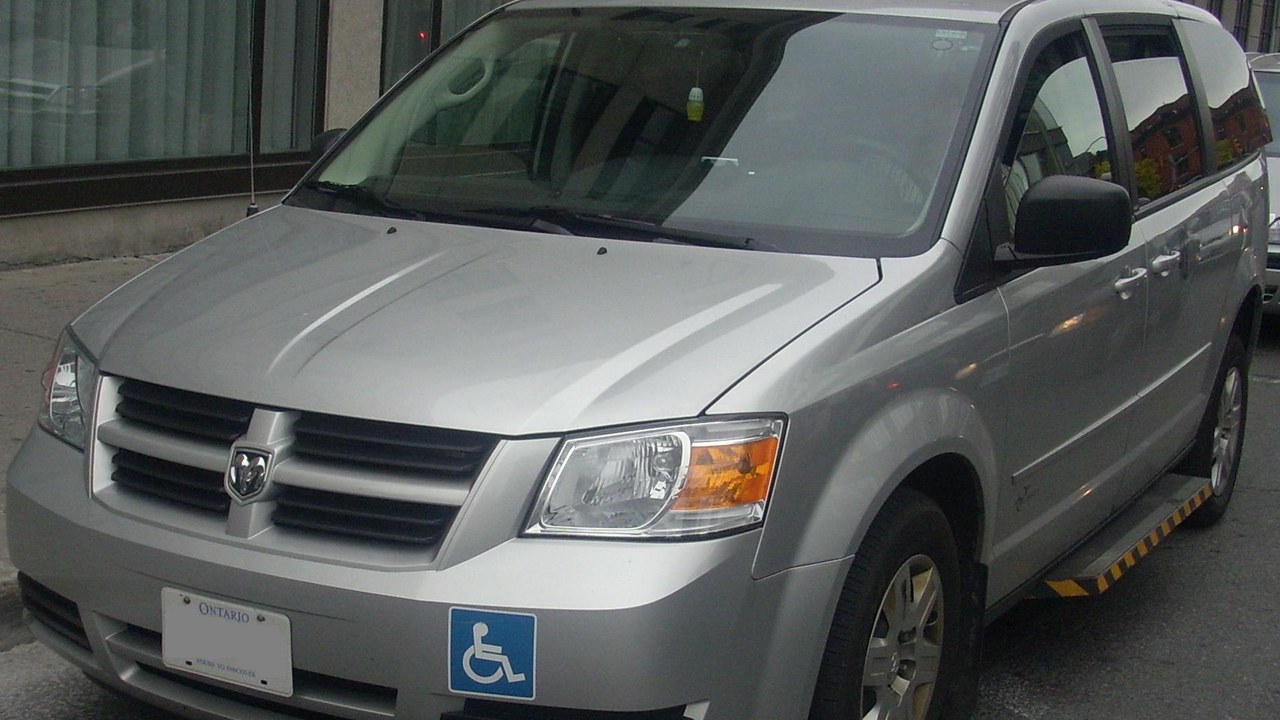
The Grand Caravan earned its following by being cheap, everywhere and hard to kill. Chrysler built the long-wheelbase Caravan through 2020, by which point the same basic van had been on sale in one form or another for more than three decades and had introduced Stow ‘n Go seating to the segment. Dodge’s long-running Caravan was also a fleet and rental staple, which flooded the used market with inexpensive examples.
Abundance is what keeps them running. Parts are common and cheap, independent shops know the platform intimately, and a replacement costs little enough that repairs stay rational far past the point where a pricier van would be scrapped. Refinement was never the argument, and buyers who kept one rarely claim otherwise.
7. Nissan Quest: The Van Nissan Walked Away From
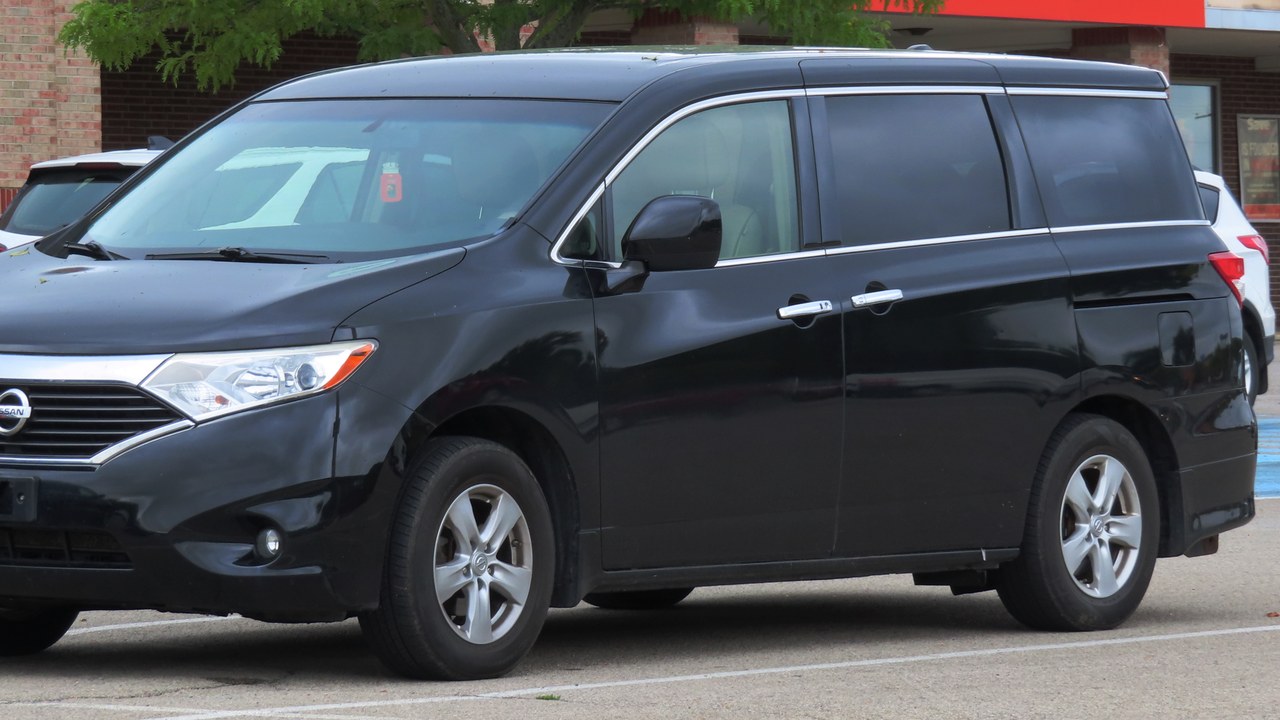
Nissan’s van never outsold the Japanese giants, but it kept a following through four distinct generations that shared almost nothing with each other. The last one, built in Japan alongside the Elgrand and sold in the United States until 2017, used a fixed third row that folded into a deep well rather than seats that came out. The Quest’s final generation traded the segment’s usual flexibility for a lower load floor and a squarer, glassier cabin.
Owners who liked that choice have nowhere to go now, since Nissan withdrew from the American minivan market and never replaced it. Resale reflects the thin demand, which makes a well-kept Quest cheap to buy and, for the same reason, rarely worth selling.
8. Mazda5: The Small Van With No Successor
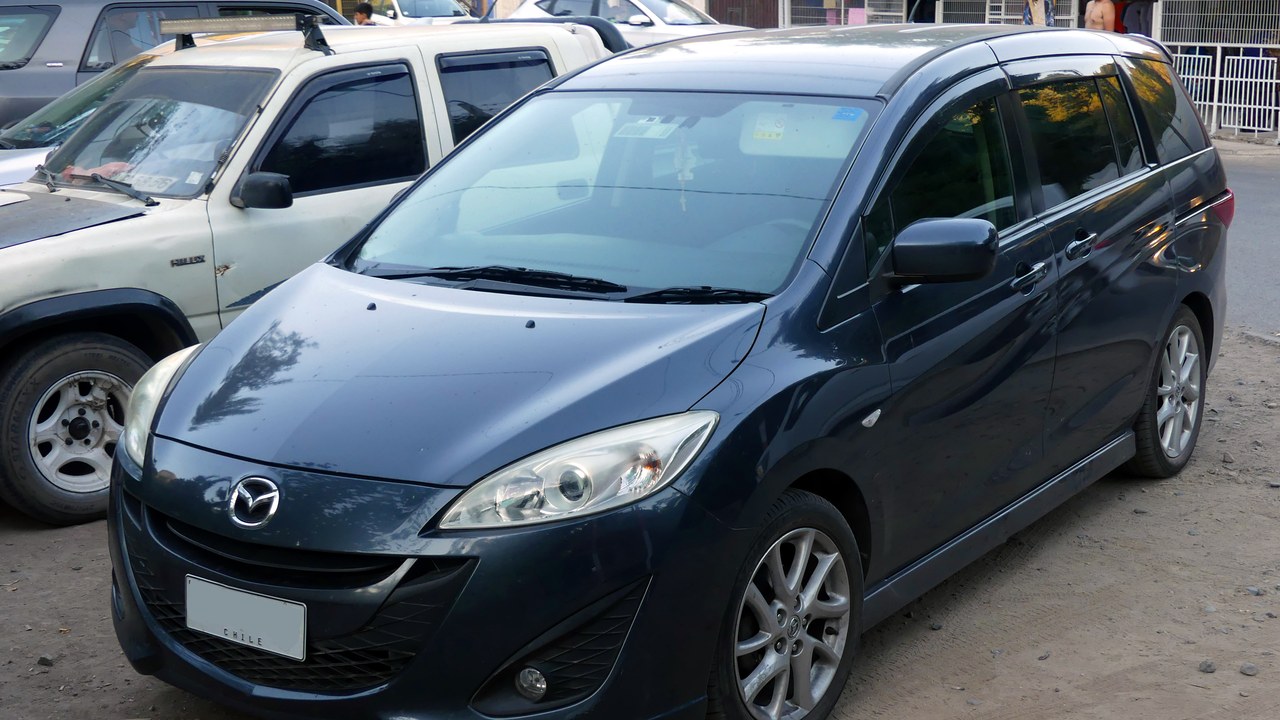
Mazda solved a problem nobody else took seriously: a van with sliding doors that fits in a compact parking space. Built on the underpinnings of the Mazda3, the compact Mazda5 wagon carried six people in three rows within a footprint closer to a small hatchback than to a full-size van, and it was sold in the United States from the 2006 model year until 2015.
Nothing has replaced it in North America, which is why the surviving cars stay in driveways. The compromises are real, from a four-cylinder engine moving a loaded van to a third row best suited to children, but for a family that needs sliding doors and a tight turning circle, the alternatives are all a size larger.
More from Morning Overview
