
The mid-engine layout was once the private language of Ferrari and Lamborghini, a packaging trick reserved for six-figure exotica. That barrier has quietly collapsed, and the configuration now spans everything from an American value benchmark to a French featherweight. Buyers walking into showrooms in 2026 can choose among these eight mid-engine sports cars still sold new.
1. Chevrolet Corvette: America’s Mid-Engine Bargain
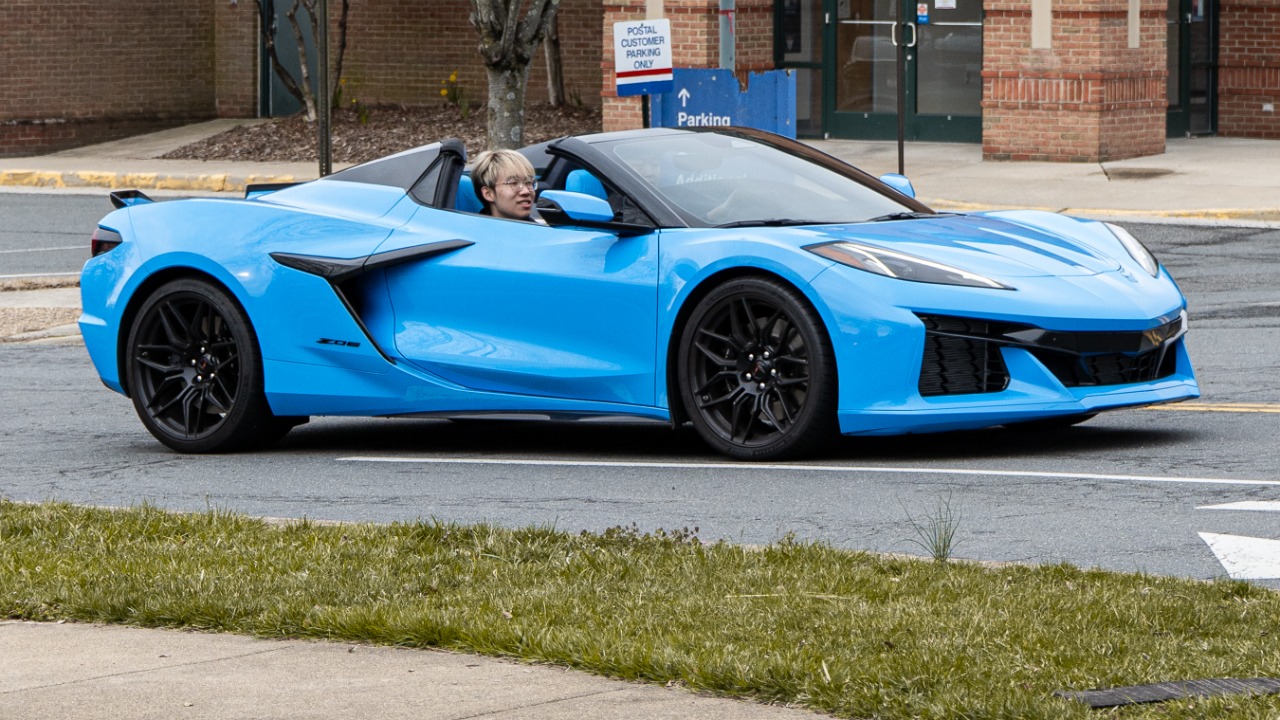
The eighth-generation Corvette rewired expectations by moving its V8 behind the seats, a layout Chevrolet once reserved for concept cars. Base Stingray coupes still open well under the six-figure line that rivals treat as an entry point, which is why one roundup of attainable sports cars keeps flagging it as the value benchmark of the class. A 6.2-liter naturally aspirated V8 drives the rear wheels through a dual-clutch transmission.
That price advantage carries a caveat: demand and dealer markups can push real transaction figures well above sticker, and the hotter Z06 and ZR1 variants climb into genuinely exotic territory. Even so, no other new mid-engine car pairs this performance with a mainstream service network.
2. Porsche 718 Cayman: Porsche’s Balanced Coupe
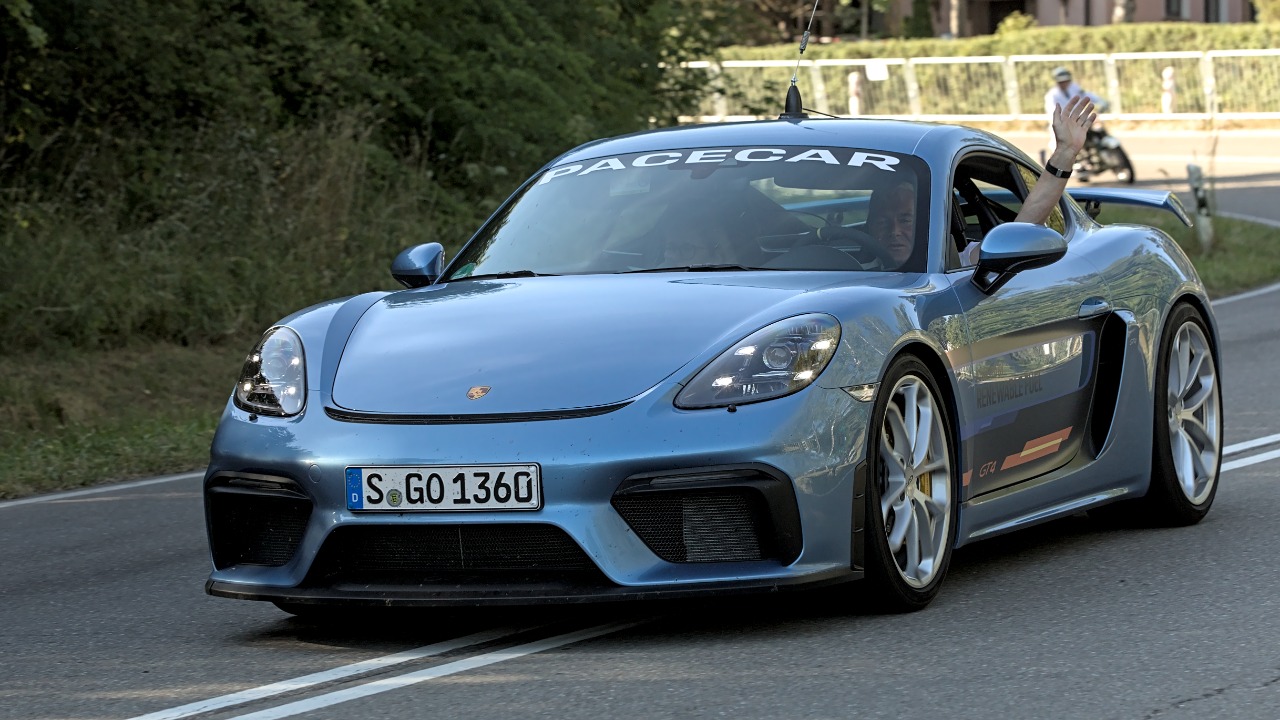
Slotting the flat engine ahead of the rear axle gives the 718 Cayman a balance that reviewers routinely rank above its 911 sibling on a tight road. Trims run from the turbocharged four-cylinder base car to the naturally aspirated flat-six GTS 4.0, and one guide to quick cars under fifty thousand singles the Cayman out for its composure rather than raw straight-line numbers.
Timing matters here, because Porsche has signaled that the combustion 718 is winding down ahead of an electric replacement, making the current gasoline coupe a closing chapter. Shoppers set on the manual flat-six should move quickly, since the most desirable configurations tend to sell out first and command firm resale.
3. Lotus Emira: Lotus’s Combustion Farewell
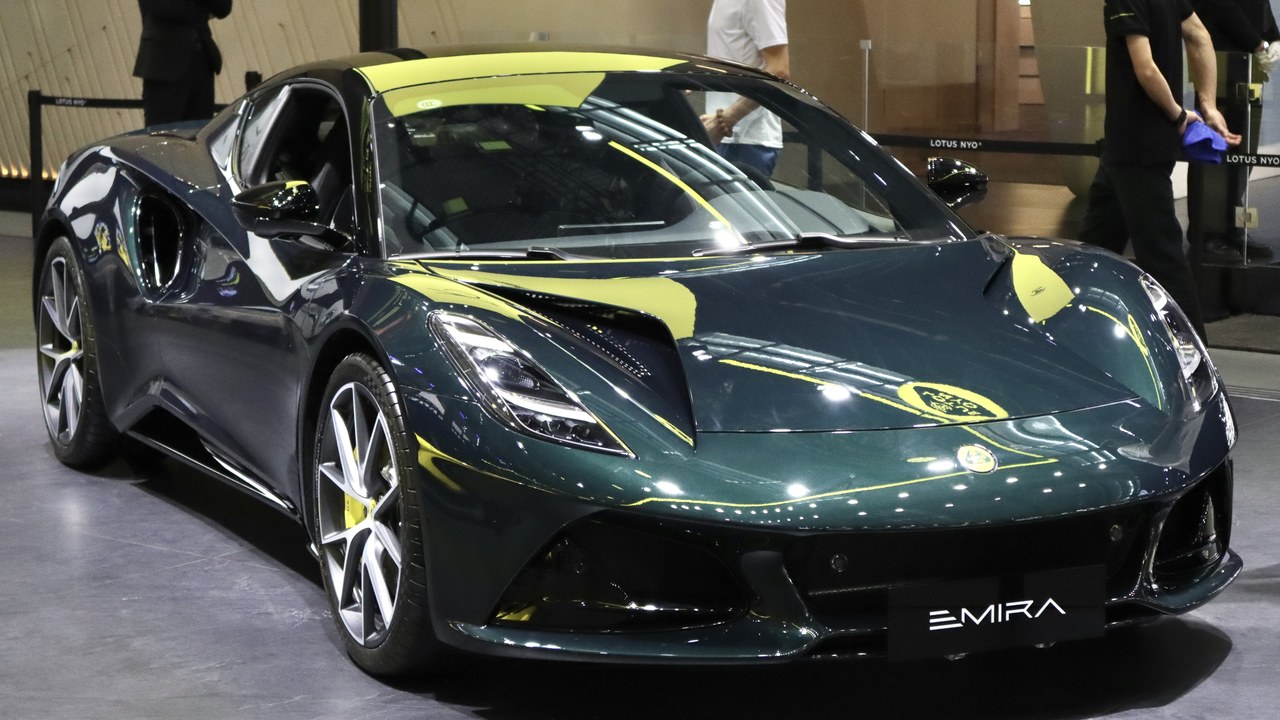
Positioned as the final purely combustion Lotus, the Emira caps decades of mid-engine sports cars before the brand commits fully to batteries. It offers a supercharged V6 borrowed from Toyota or a turbocharged four from AMG, and a survey of sub-sixty-thousand sports cars praises its exotic proportions for money that undercuts established rivals. Aluminum construction keeps weight modest by modern standards.
The trade-off is a small company’s reach: dealer coverage stays thin compared with mass-market brands, and early build quality drew scrutiny that Lotus has worked to address. For anyone who wants a hand-built driver’s car with genuine rarity, though, few new options feel this special.
4. Maserati MC20: Italy’s Twin-Turbo Flagship
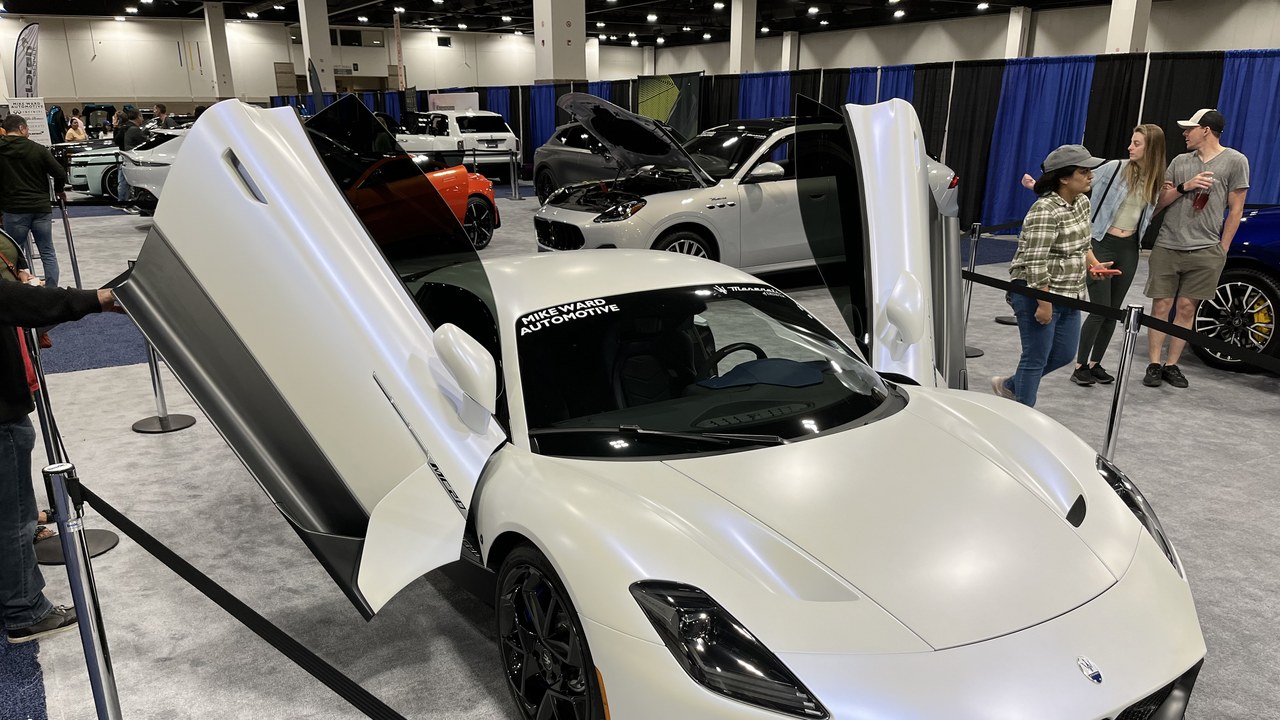
Maserati’s MC20 marks a return to a proper mid-engine supercar, built around a carbon-fiber tub and dihedral doors that swing skyward. Its Nettuno V6 uses Formula 1-derived combustion technology to make more than six hundred horsepower, and a list of the fastest cars available places it among the quickest machines wearing an Italian badge. A spider version adds open-air drama.
Value stays relative at this level, since the MC20 lands well into six figures and asks buyers to trust a marque still rebuilding its reputation. Maintenance and depreciation demand a clear-eyed budget, yet the car delivers exotic theater and a distinctive engine note that many rivals cannot match.
5. Ferrari 296 GTB: Ferrari’s Electrified V6
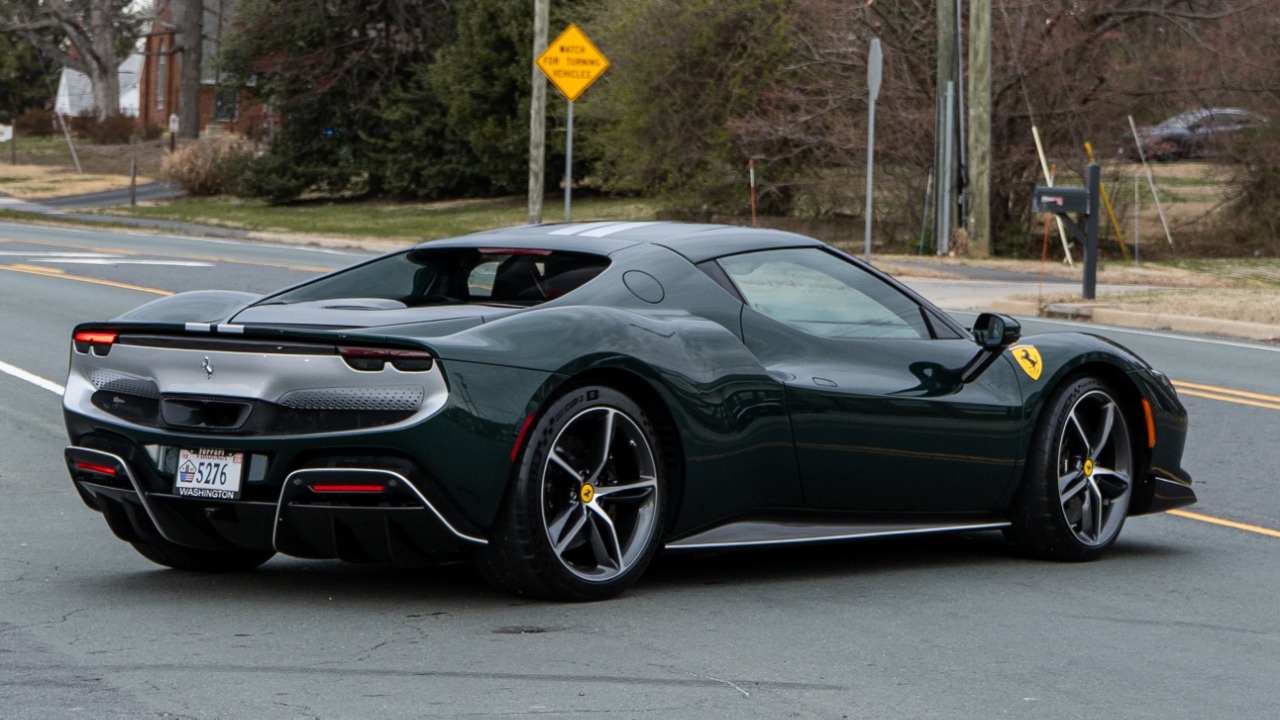
Ferrari shrank its engine and added electricity with the 296 GTB, pairing a twin-turbo V6 with a plug-in hybrid motor for a combined output that eclipses many past V8 flagships. The layout keeps mass low and central, and a reference on modern performance cars notes the hybrid system delivers short bursts of electric-only running. Rear-wheel drive preserves the traditional character.
Downsizing has not lowered the barrier to entry, as the 296 sits firmly in supercar pricing and demands running costs to match. Skeptics questioned a six-cylinder Ferrari at first, but road tests have largely silenced doubts about whether the smaller engine dilutes the experience.
6. McLaren Artura: McLaren’s Hybrid Coupe
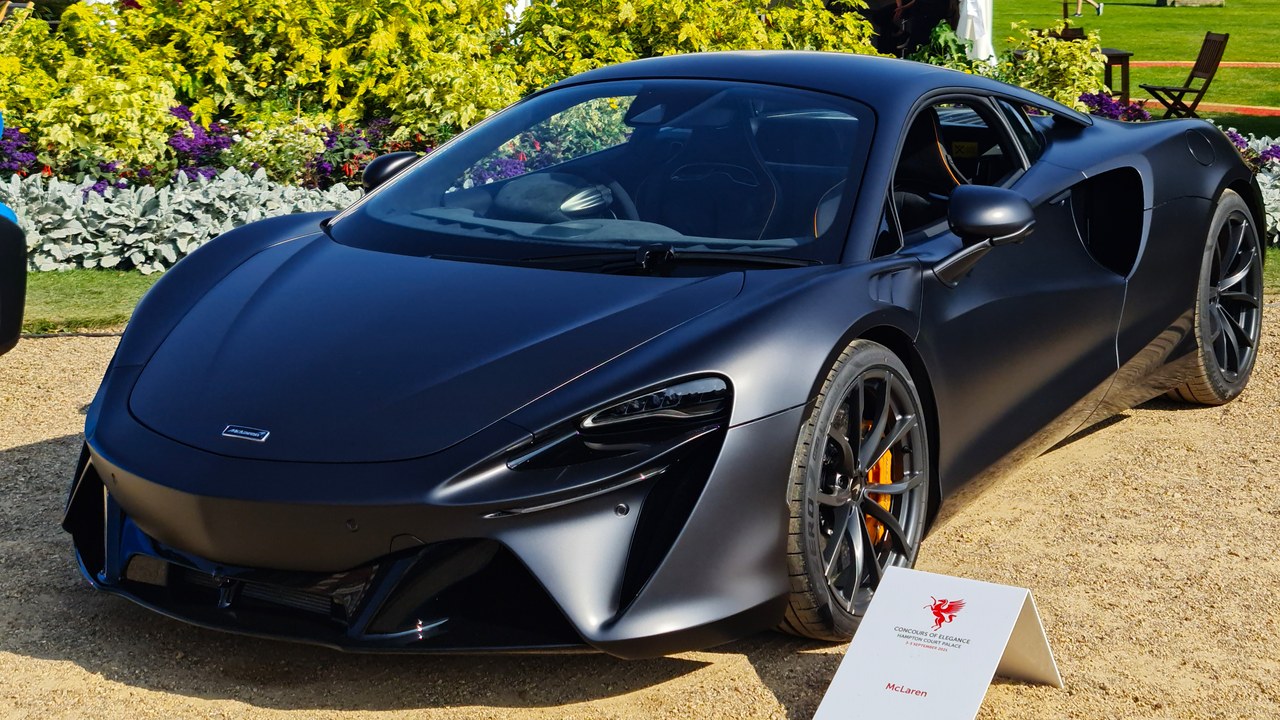
Built on an all-new carbon architecture, the Artura is McLaren’s first series-production hybrid and its bid to modernize the mid-engine formula. A twin-turbo V6 works with an electric motor for rapid response, and a ranking of high-speed models highlights its blend of straight-line pace and everyday usability. A modest battery allows brief silent travel through town.
Early cars faced software and reliability complaints that McLaren addressed through updates, a reminder that fresh platforms carry teething risks. Priced deep in supercar territory, the Artura still undercuts some rivals while promising lighter weight, and its ownership case rests on how cleanly those early issues stay resolved.
7. Lamborghini Temerario: The Huracan’s Hybrid Heir
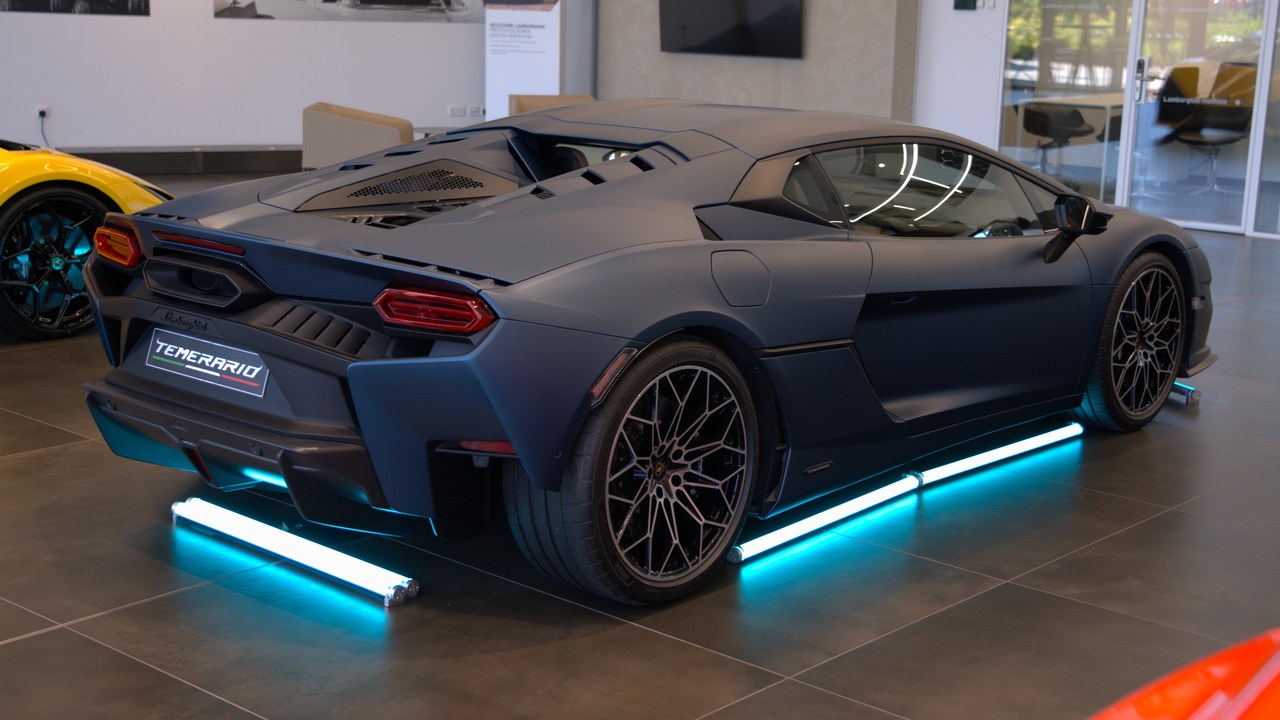
Replacing the beloved Huracan, the Temerario abandons the outgoing V10 for a twin-turbo V8 paired with three electric motors, a combination Lamborghini says revs beyond ten thousand rpm. According to the model’s technical overview, the plug-in hybrid drivetrain pushes combined output beyond nine hundred horsepower while adding limited electric-only capability. Its aluminum spaceframe is entirely new.
Such a radical break from the naturally aspirated V10 divided purists who mourn the old engine’s sound. As a fresh flagship, the Temerario also arrives at the very top of the price ladder, and real-world impressions will firm up only as deliveries begin reaching customers.
8. Alpine A110: France’s Featherweight Coupe
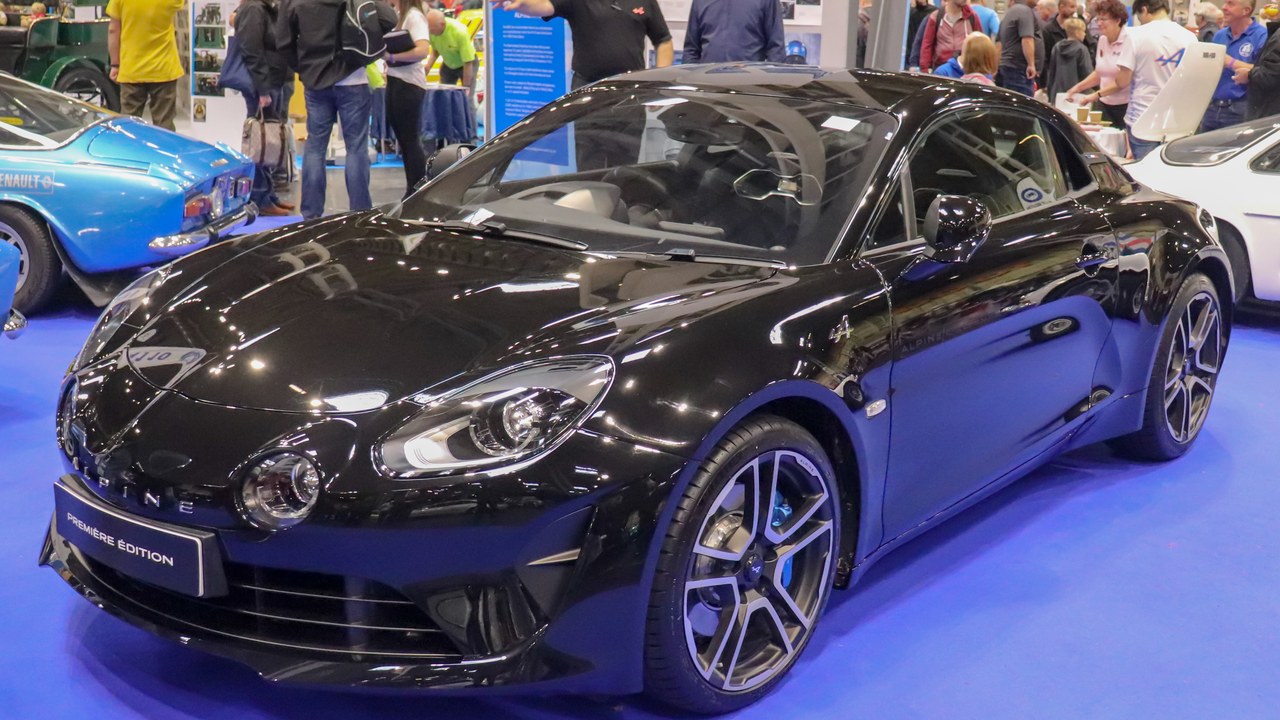
Where most rivals chase power, the Alpine A110 chases lightness, tipping the scales hundreds of pounds under comparable coupes thanks to its aluminum structure. A modest turbocharged four sits amidships, and the car’s detailed profile credits that low mass for agility which flatters ordinary roads rather than demanding a track. Purity, not horsepower, drives the pitch.
That focus comes with limits: the A110 is not sold through every market’s dealer network, and its restrained output disappoints anyone chasing headline numbers. For drivers who prize feel and balance over brute force, however, few modern cars distill the sports-car idea so cleanly.
More from Morning Overview
