
Japan’s performance era of the late 1980s and 1990s produced cars that were fast, affordable and, at the time, unremarkable to the people who owned them. Three decades later, import rules, hard use and nostalgia have turned the survivors into some of the most sought-after machines at auction. Here are eight Japanese sports cars that collectors now chase hardest.
1. Toyota Supra: The Iron-Block Legend
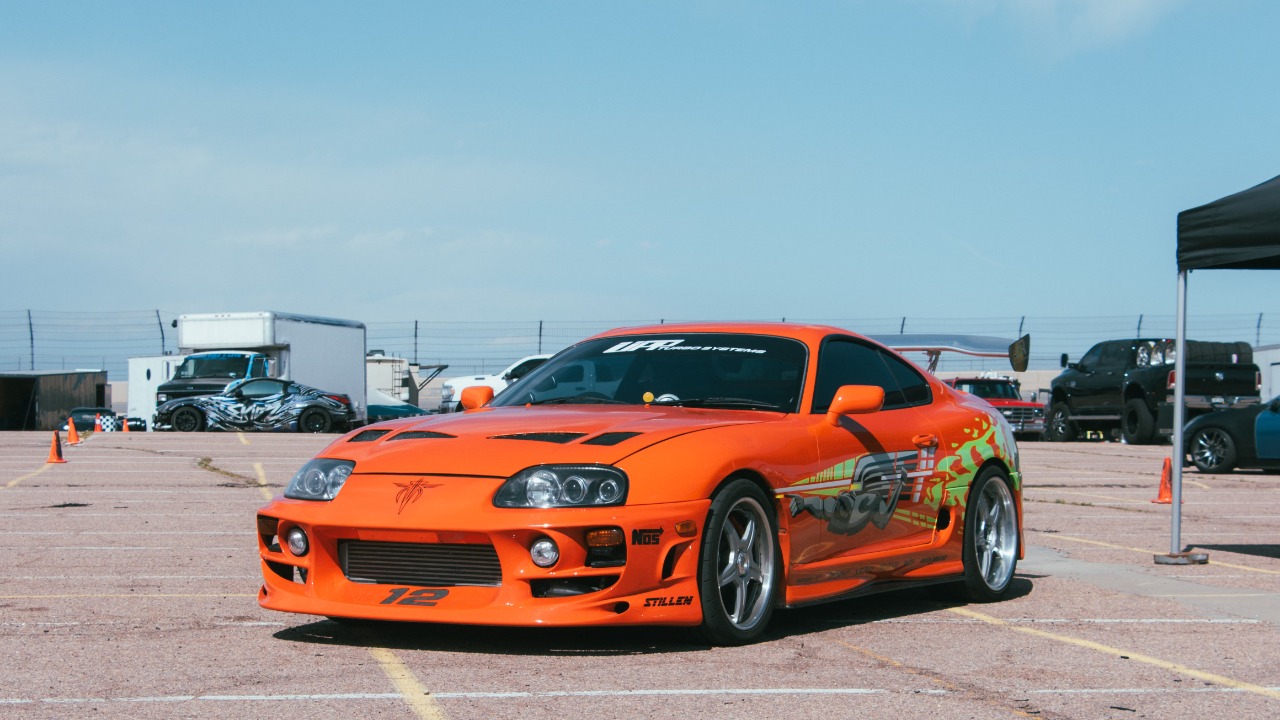
Toyota’s fourth-generation Supra earned its reputation on one component: the 2JZ-GTE, a cast-iron 3.0-liter inline-six with sequential twin turbochargers rated near 320 horsepower in export tune. The A80 Supra generation ran from 1993 to 2002, though American sales stopped after 1998, and its overbuilt bottom end tolerated far more boost than the factory ever asked of it.
That tuning headroom is also why intact survivors are scarce. Most turbo cars were modified hard, so an unmolested six-speed example with documented history commands a steep premium over an ordinary one. Naturally aspirated cars re-dressed to look like turbo models circulate freely, which makes verification matter more than paint.
2. Nissan Skyline GT-R R34: The Import-Clock Icon
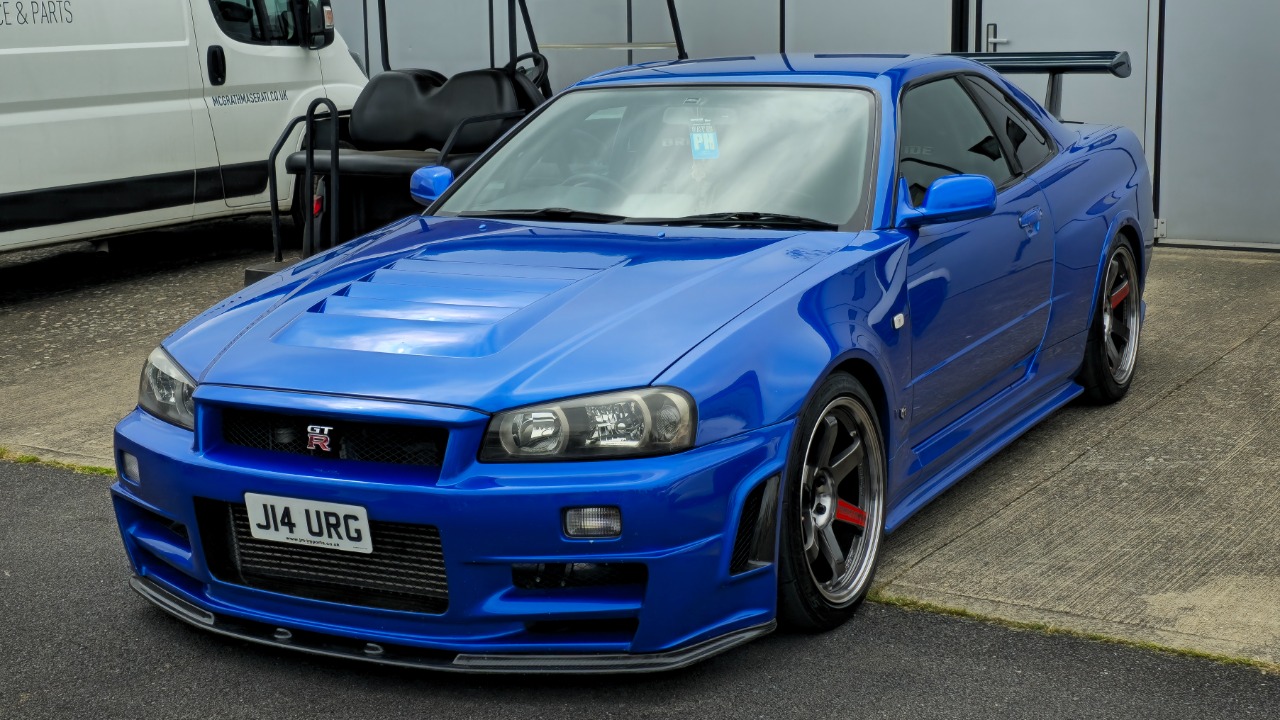
Nissan never sold the R34 new in the United States, which is half the reason collectors fixate on it. The Skyline GT-R lineage ran the RB26DETT twin-turbo 2.6-liter six, quoted at 276 horsepower under Japan’s voluntary output ceiling, driving through ATTESA E-TS Pro all-wheel drive with Super HICAS rear steering.
Federal rules bar importing a passenger car under 25 years old, so eligibility arrives one build year at a time and the youngest R34s are still waiting. That staggered clock concentrates demand on a small legal pool, and V-Spec and Nur variants sit well above ordinary cars.
3. Mazda RX-7: The Rotary Holdout
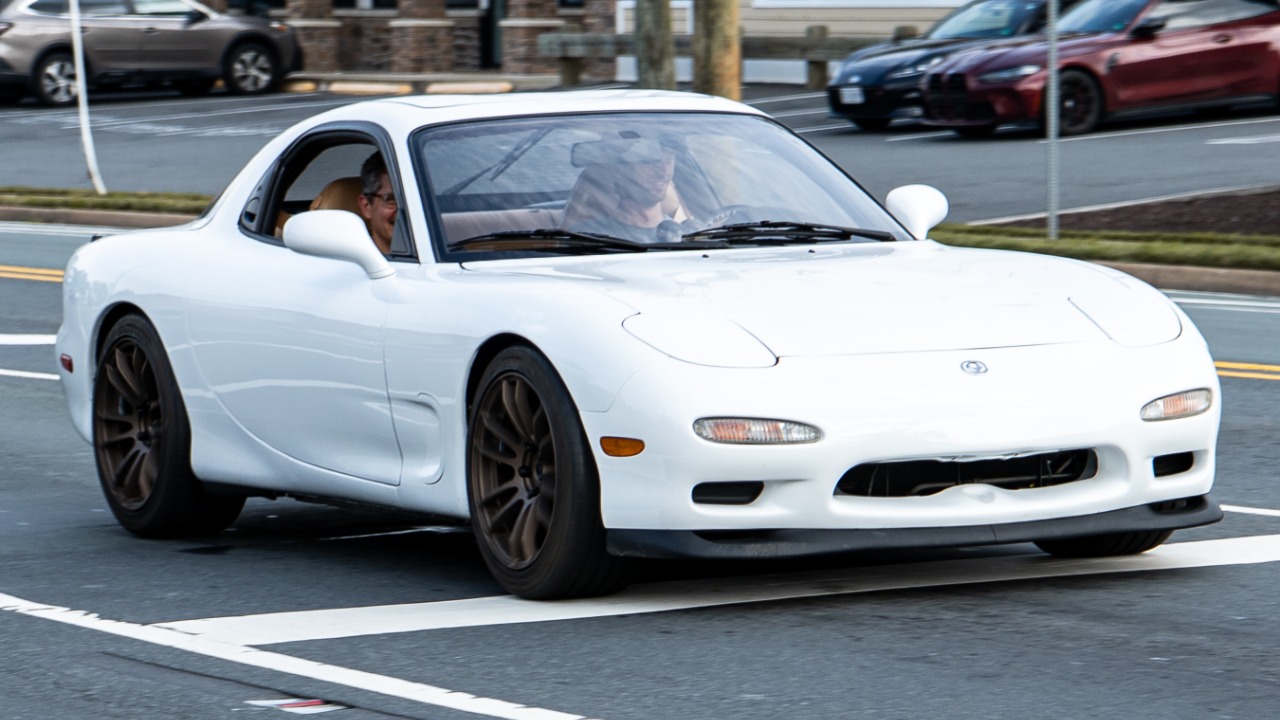
The third-generation car, known as the FD, paired a 13B-REW twin-rotor engine with sequential turbochargers for roughly 255 horsepower in a coupe weighing under 2,900 pounds. Sequential boost was unusual engineering for the period, and the RX-7 chassis carried near-even weight distribution that reviewers ranked against far costlier machinery.
Rotary ownership carries a specific tax. Apex seals wear, a rebuild is specialist work, and a neglected engine can cost more to put right than a tired piston motor. Careful buyers also inspect the sequential turbo plumbing, since frustrated previous owners frequently replaced the entire system.
4. Honda NSX: The Usable Supercar
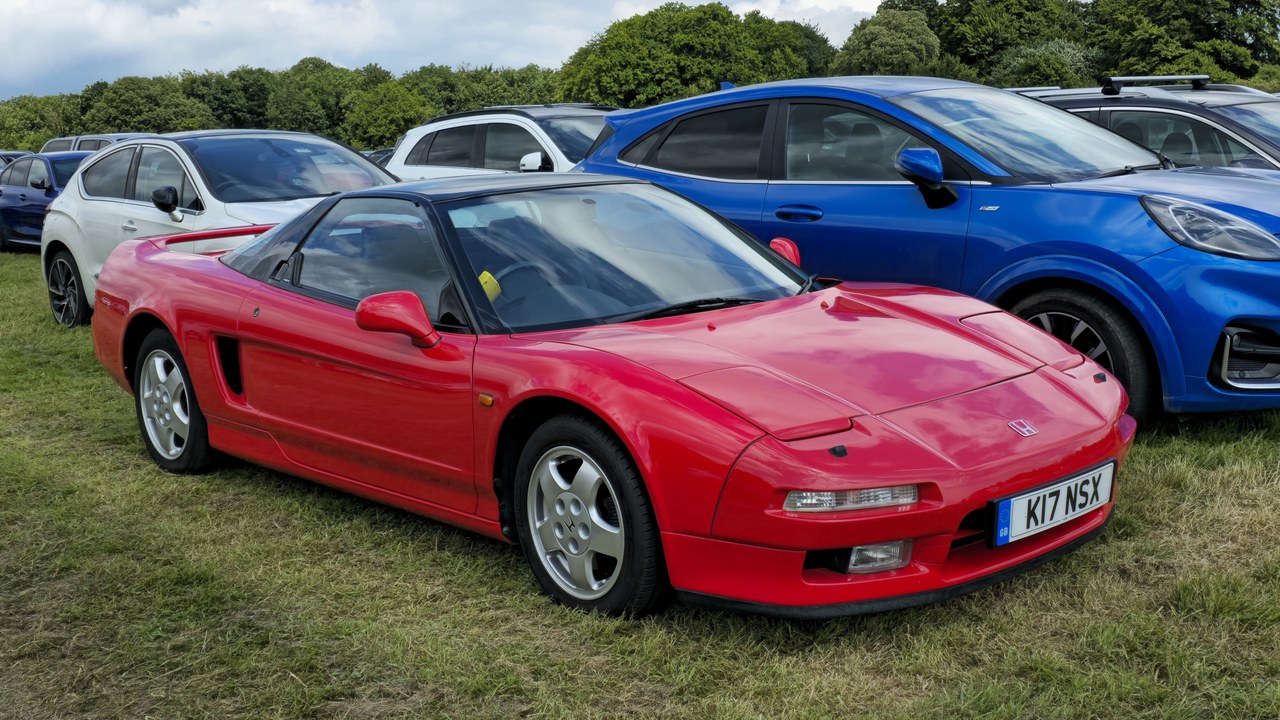
Honda built the car around an all-aluminum monocoque, a production first, with a mid-mounted VTEC V6 behind the seats. Ayrton Senna’s input during chassis development is the story most often retold, but the durable appeal of the original NSX’s design is ordinary usability: visibility, air conditioning and service intervals a Honda dealer could handle.
That combination is why values climbed while comparable exotics stalled. Low-mileage manual cars draw the most attention, and condition dominates the conversation because aluminum body panels are expensive and a poorly executed repair is difficult to correct afterward.
5. Toyota AE86: The Featherweight Cult Car
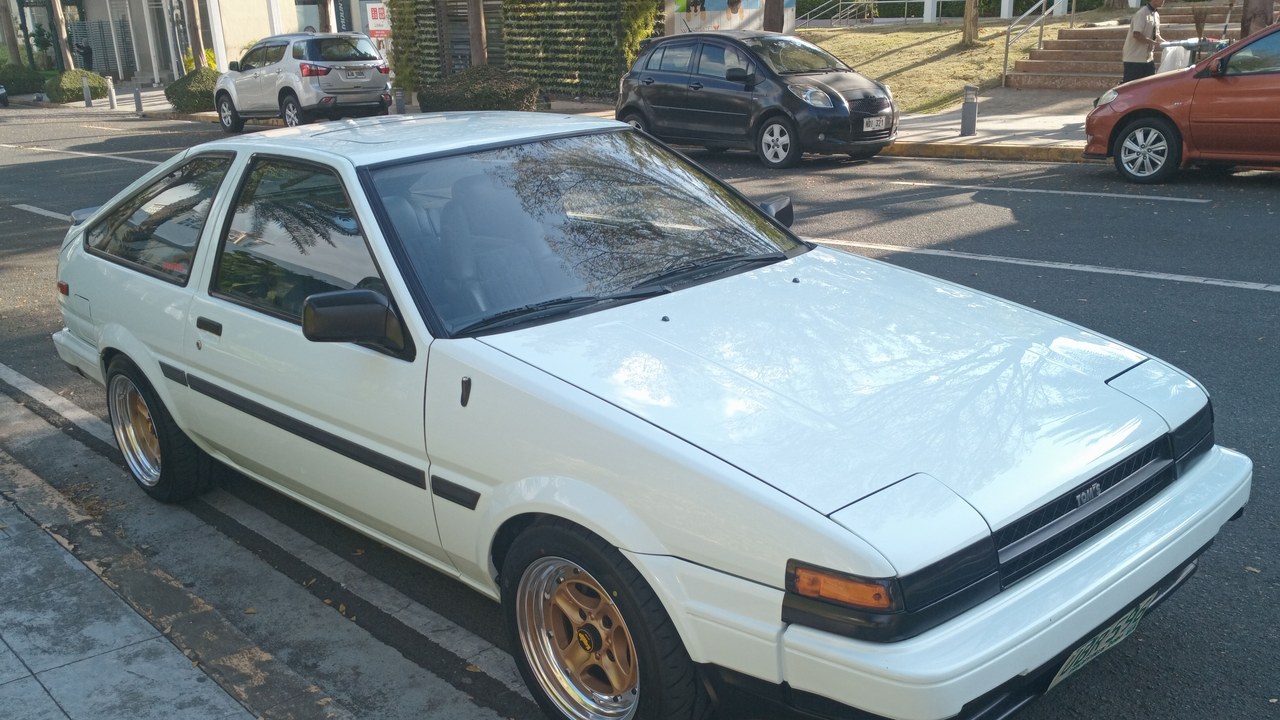
Speed was never the appeal. A 1.6-liter 4A-GE twin-cam made about 128 horsepower in Japanese trim, but the Sprinter Trueno coupe was light, rear-wheel drive and forgiving at the limit. Keiichi Tsuchiya’s touge exploits, followed by the Initial D manga, turned a mid-1980s economy car into a cultural object.
Cult status did nothing to preserve the fleet. Most were drifted into barriers or rusted through, and prices for intact examples would have looked absurd when these were disposable commuter cars. Corrosion at the strut towers and rear arches now decides what any given car is worth.
6. Nissan 240SX: The Drift-Tax Survivor
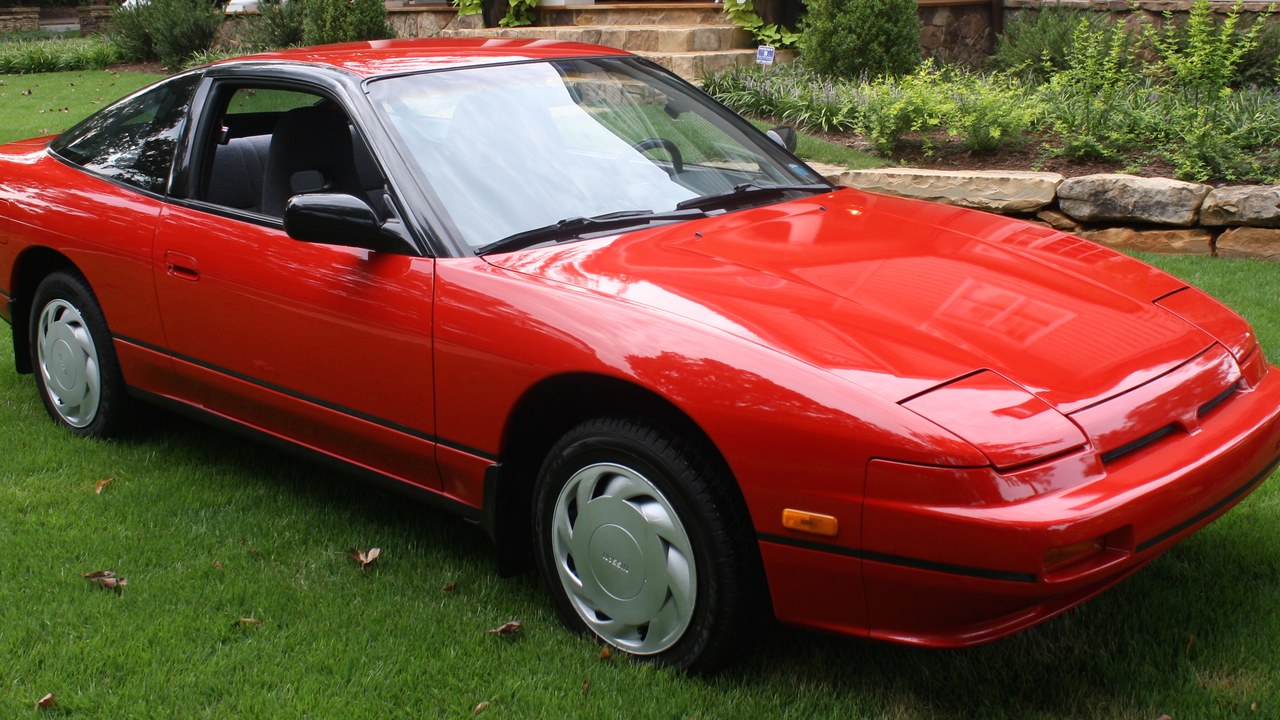
Sold in North America from 1989 to 1998 as the S13 and S14, the car shipped with a comparatively modest 2.4-liter KA24 four-cylinder. The engine was never the draw; the 240SX platform was, thanks to rear-wheel drive, a compact footprint and a suspension that responded well to modification, making it the default entry point into drifting.
That popularity became the problem. A whole generation of cars was engine-swapped, cut apart and crashed, so a rust-free, unmodified example is genuinely difficult to find. Inspections now focus on hidden collision repair and on swaps disguised beneath tidy paintwork.
7. Mitsubishi 3000GT: The Technology Flagship
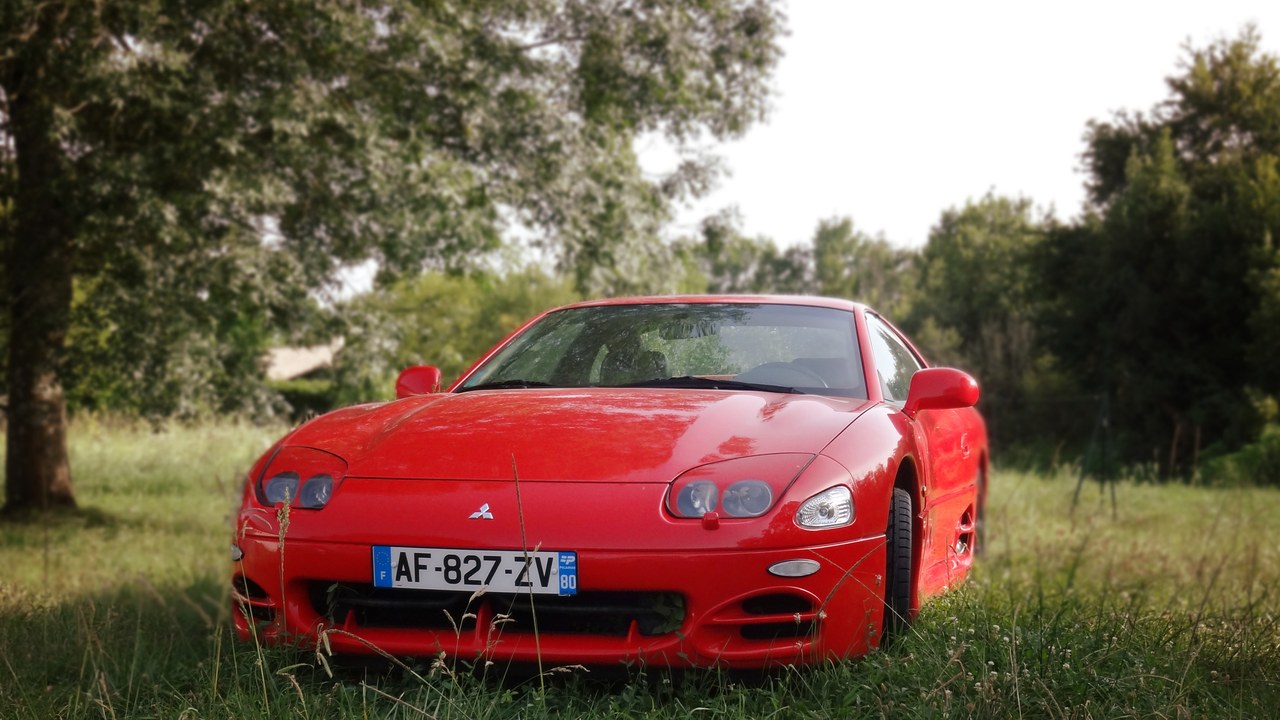
Badged the GTO in Japan, the flagship VR-4 arrived with a twin-turbocharged 3.0-liter V6, all-wheel drive, four-wheel steering, electronically adjustable damping and active aerodynamics that moved front and rear elements with road speed. Little else of the era stacked as much hardware into one coupe as the Mitsubishi GTO flagship’s specification‑sheet.
The technology is also the caveat. These cars are heavy, the engine bay is crowded, and a failed aero motor or suspension controller is awkward and costly to repair decades on. Well-kept VR-4s have appreciated steadily, while base models remain comparatively affordable.
8. Subaru Impreza WRX STI: The Rally Sedan
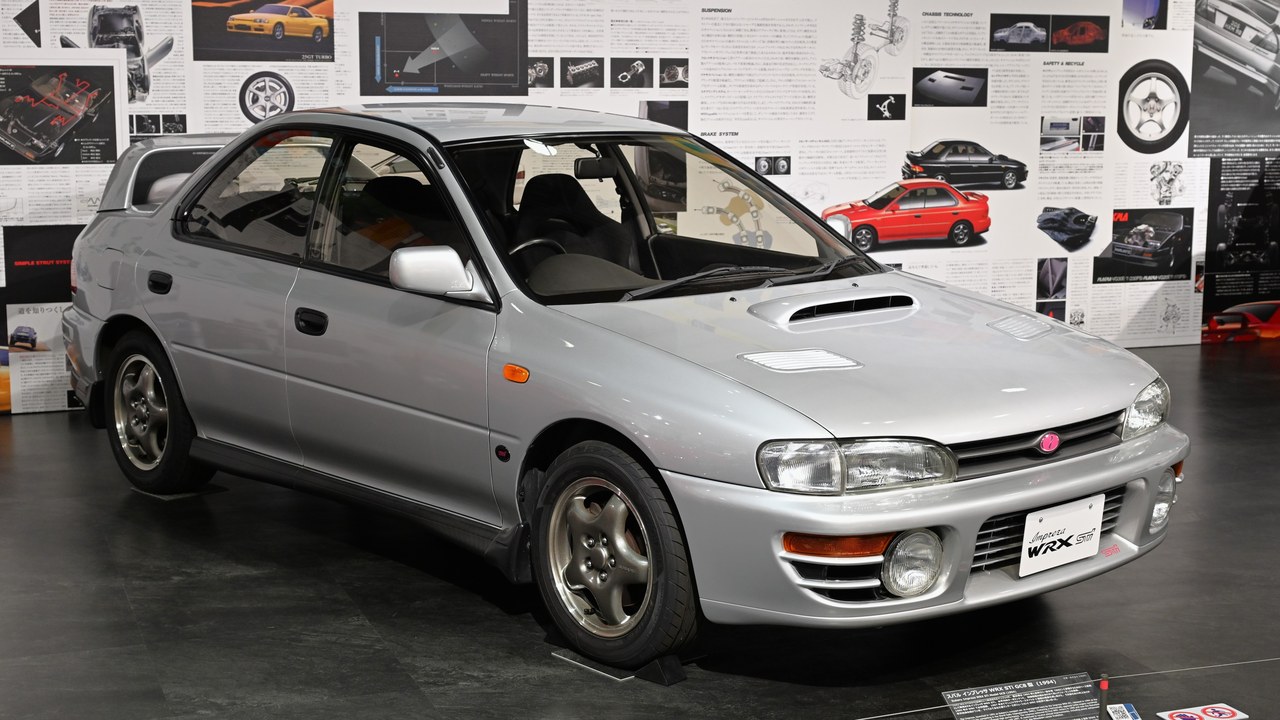
Rally engineering reached the road almost intact here: a turbocharged flat-four, symmetrical all-wheel drive and a driver-adjustable center differential, developed alongside a World Rally Championship program that carried Colin McRae and Richard Burns to titles. The American Impreza WRX STI’s debut came for 2004 with a 2.5-liter engine quoted at 300 horsepower.
Demand now runs straight into supply. Many were driven hard, heavily modified and, for a stretch, stolen at conspicuous rates, so an unmodified low-mileage sedan stands apart from the crowd. Earlier Japanese-market versions have separately become importable, adding competition for the same money.
More from Morning Overview
