
Hot hatchbacks turn an everyday commuter shape into something enthusiasts chase down years later, prized for handling, tunability, or a rally pedigree a regular economy car never had. Some of the cars below remain in production today; others were built for only a few years and now command a premium because automakers stopped making them. Here are eight hot hatchbacks that enthusiasts still track down.
1. Volkswagen Golf GTI: The Car That Started the Category
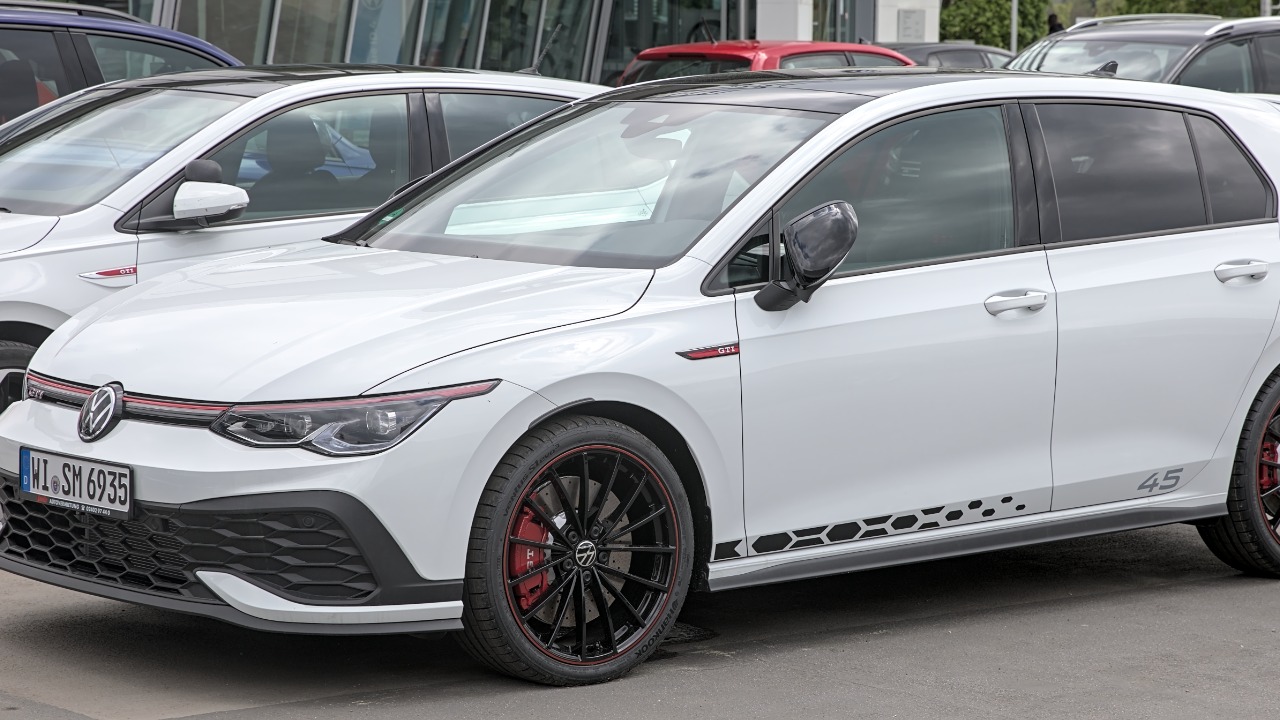
The Volkswagen Golf GTI debuted in 1976 as a factory experiment: take an economical hatchback, add a fuel-injected engine and firmer suspension, and see whether buyers wanted a small car that could embarrass sports cars off a stoplight. They did, and the original hot-hatch formula has carried through eight Golf generations.
Early Mk1 and Mk2 cars now draw serious collector money because they wrote the template every rival copied, while Mk6 through Mk8 versions remain a common daily-driver pick for buyers who still want a spirited backroad car. Deep aftermarket and independent-shop support keeps upkeep manageable even on well-used, high-mileage examples.
2. Honda Civic Type R: A Track-Ready Front-Driver With a Cult Following
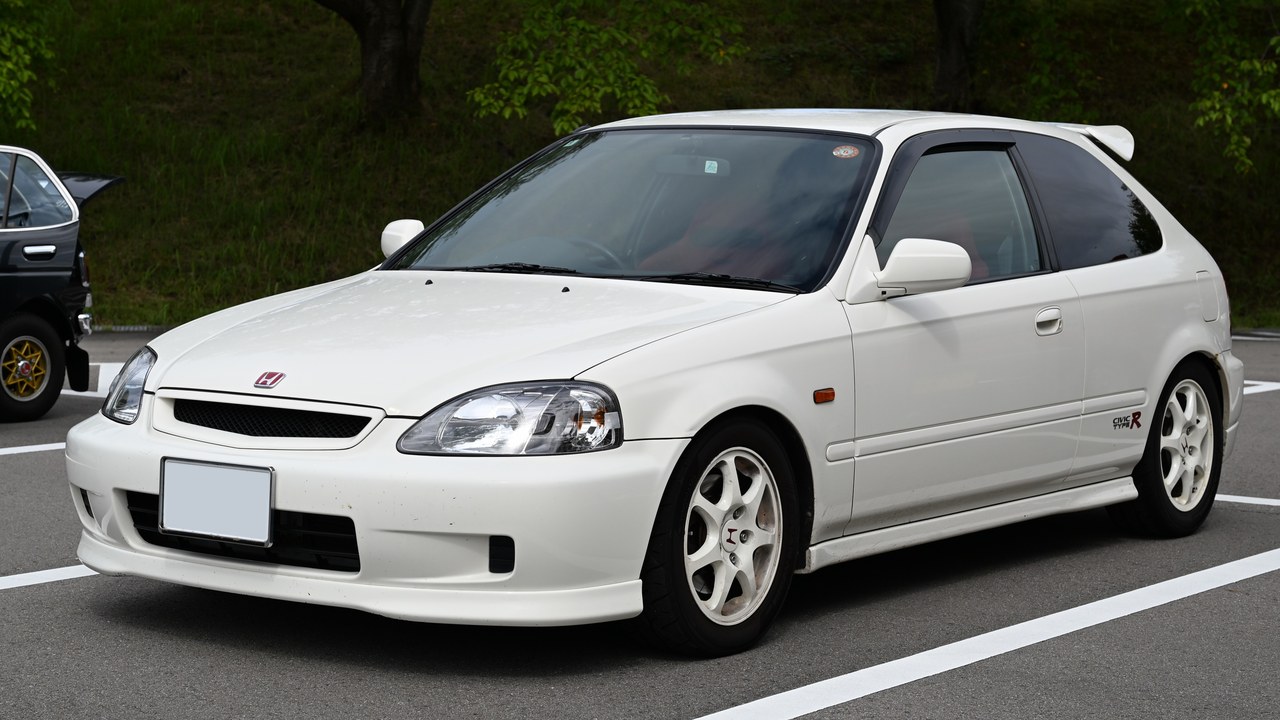
Honda’s first Civic Type R landed in Japan in 1997, built around a high-revving VTEC four-cylinder and a stripped, track-focused cabin that traded comfort for lap times. The Type R nameplate later went turbocharged and global, and the current FL5 generation holds one of the fastest front-wheel-drive lap records at the Nürburgring.
Early JDM-only EK9 and DC2 cars are now sought by importers once they clear the 25-year rule, commanding steep prices for clean, unmodified examples. Newer FK8 and FL5 cars are easier to insure and service in the U.S. but still draw a premium over a standard Civic, since Honda builds far fewer of them.
3. Ford Focus RS: All-Wheel Drive and a Drift Mode Made It Legendary

The third-generation Ford Focus RS, sold from 2016 to 2018, paired all-wheel drive with a dedicated Drift Mode that shifted extra torque to the rear axle, a party trick few hot hatches have matched. The Focus RS lineage traces back to earlier front-drive RS models built in smaller numbers.
Ford ended U.S. Focus and RS production in 2018, so surviving examples are a fixed, shrinking pool rather than a car dealers can still order new. Values have held up better than most compact performance cars because of that scarcity, and clean, unmodified RS models are increasingly treated as future collectibles rather than daily transportation.
4. Subaru WRX: Rally Roots and Turbo AWD Keep Demand High
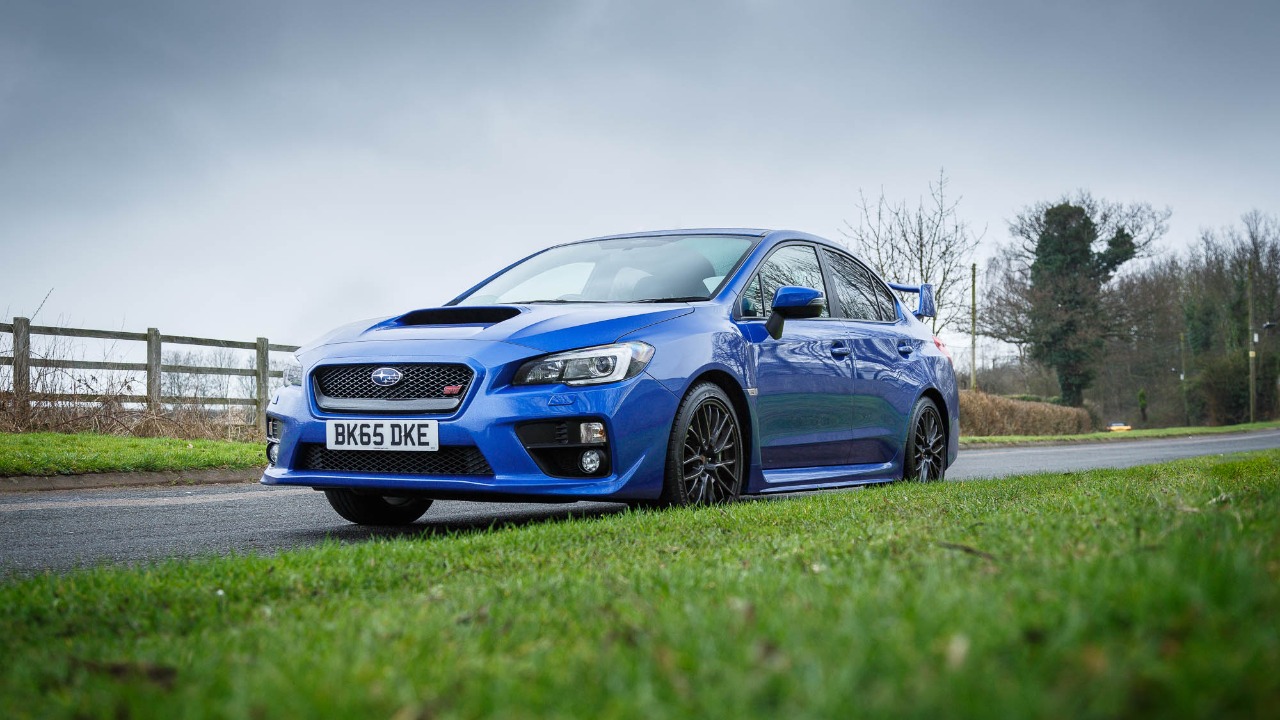
The Subaru WRX grew out of the brand’s World Rally Championship program, borrowing the turbocharged boxer engine and symmetrical all-wheel-drive layout that made Subaru’s rally cars competitive through the 1990s and 2000s. The WRX and WRX STI line carried that motorsport connection into a production car buyers could take home.
Because the WRX has stayed in near-continuous production since the mid-1990s, parts availability and shop familiarity are strong across nearly every generation, from boxy 2000s sedans to the current model. That makes it one of the more practical performance cars to own long-term, even though the STI’s most track-focused variants have since been discontinued.
5. Mini Cooper: Go-Kart Handling in a Tiny Footprint
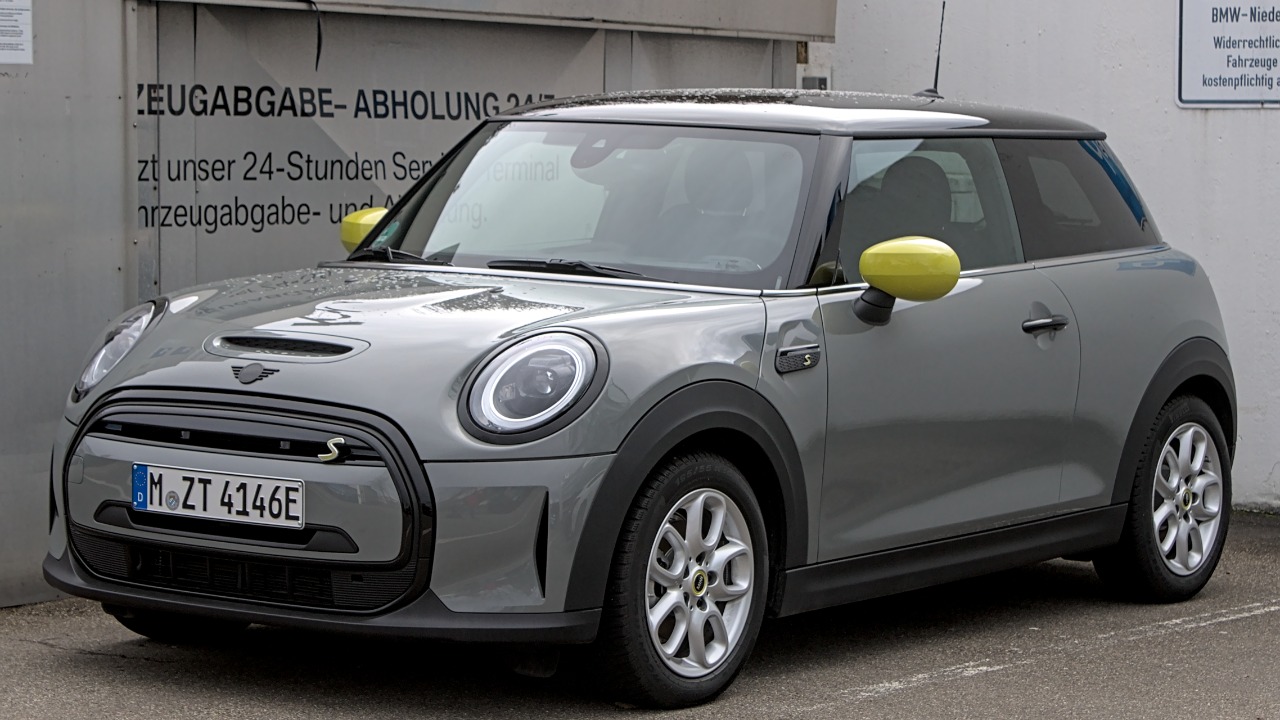
The modern Mini Cooper hatch, built by BMW since 2001, kept the go-kart handling and tight turning circle that made the original 1959 Mini famous, just wrapped in a larger, safer, better-equipped body. The Mini Hatch line has gone through four generations while keeping that short-wheelbase feel enthusiasts specifically seek out.
Cooper S and John Cooper Works versions add a turbocharged four-cylinder to the same compact chassis, and used examples are common enough that a good one doesn’t require a long search. Owners should budget for BMW-era electronics and cooling-system repairs, which show up more often on Minis than on more mainstream small hatchbacks.
6. Hyundai Veloster N: Hyundai’s N Division Stunned Enthusiasts With It
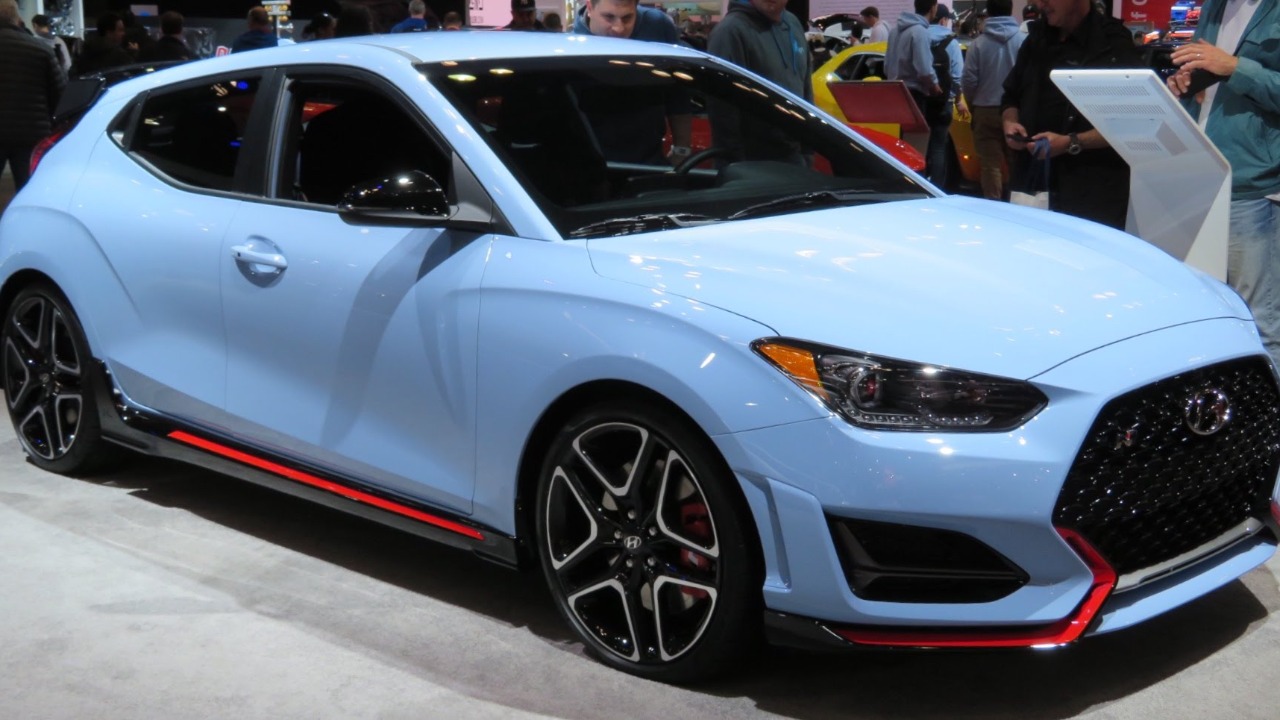
Hyundai’s N performance division launched its first U.S. model, the Veloster N, in 2019, pairing a turbocharged four-cylinder with adjustable dampers and a limited-slip differential aimed squarely at track-day buyers. The Veloster’s asymmetric door layout, with a single door on the driver’s side and two on the passenger’s, made it visually distinct from every rival on this list.
Hyundai discontinued the Veloster, and the N with it, after the 2022 model year, ending the run before the nameplate built the following of Honda’s or Volkswagen’s longer-running hot hatches. That short production window makes clean, unmodified Veloster N cars a smaller pool now than most cars on this list, and prices have started reflecting it.
7. Toyota GR Corolla: A Rally-Bred Turbo Hatch With Genuine Pedigree
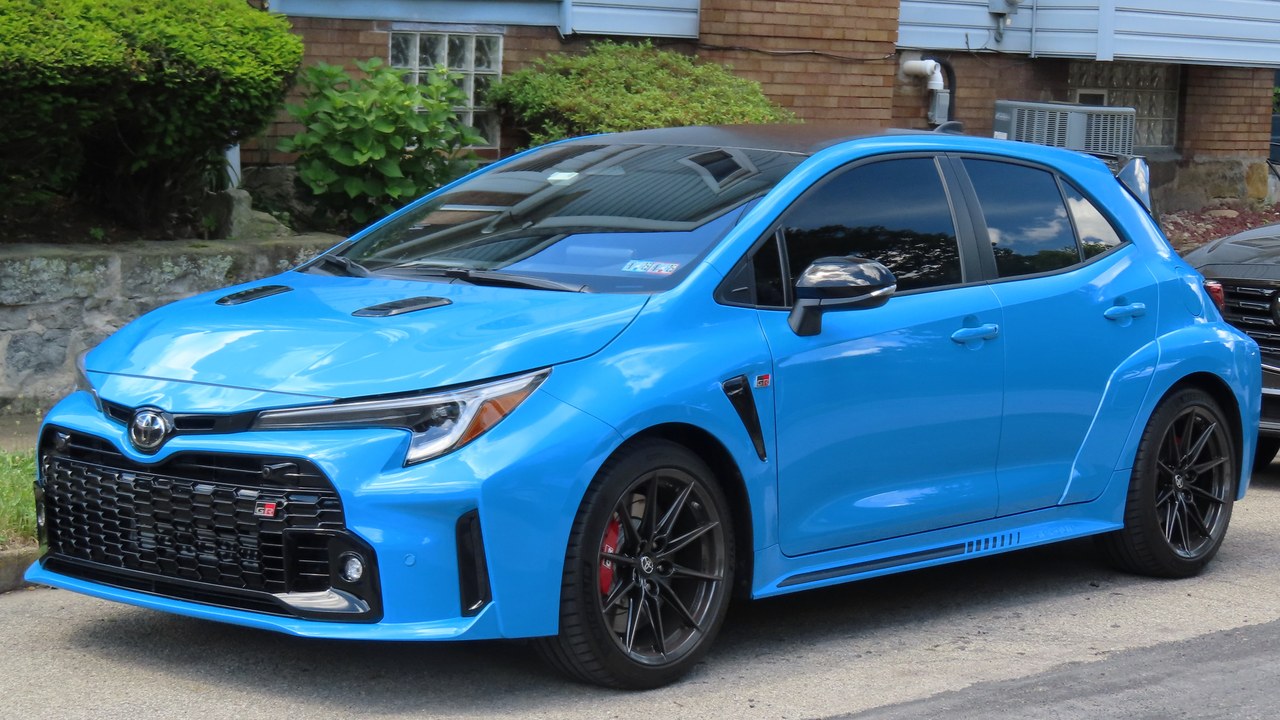
The Toyota GR Corolla, launched for 2023, borrows its turbocharged three-cylinder engine and rally-honed all-wheel-drive system directly from the GR Yaris program that Toyota built for the World Rally Championship. The GR Corolla gave U.S. buyers, who never got the smaller GR Yaris, their first taste of that rally-derived hardware.
Toyota builds the GR Corolla in limited numbers compared with the standard Corolla lineup, and early Morizo and Circuit Edition trims sold out quickly, pushing some used examples above their original sticker price. Enthusiasts specifically seek it out for the three-cylinder engine’s unusual character among modern performance hatchbacks, most of which use four-cylinder power.
8. Volkswagen Golf R: The GTI’s All-Wheel-Drive, More Powerful Sibling
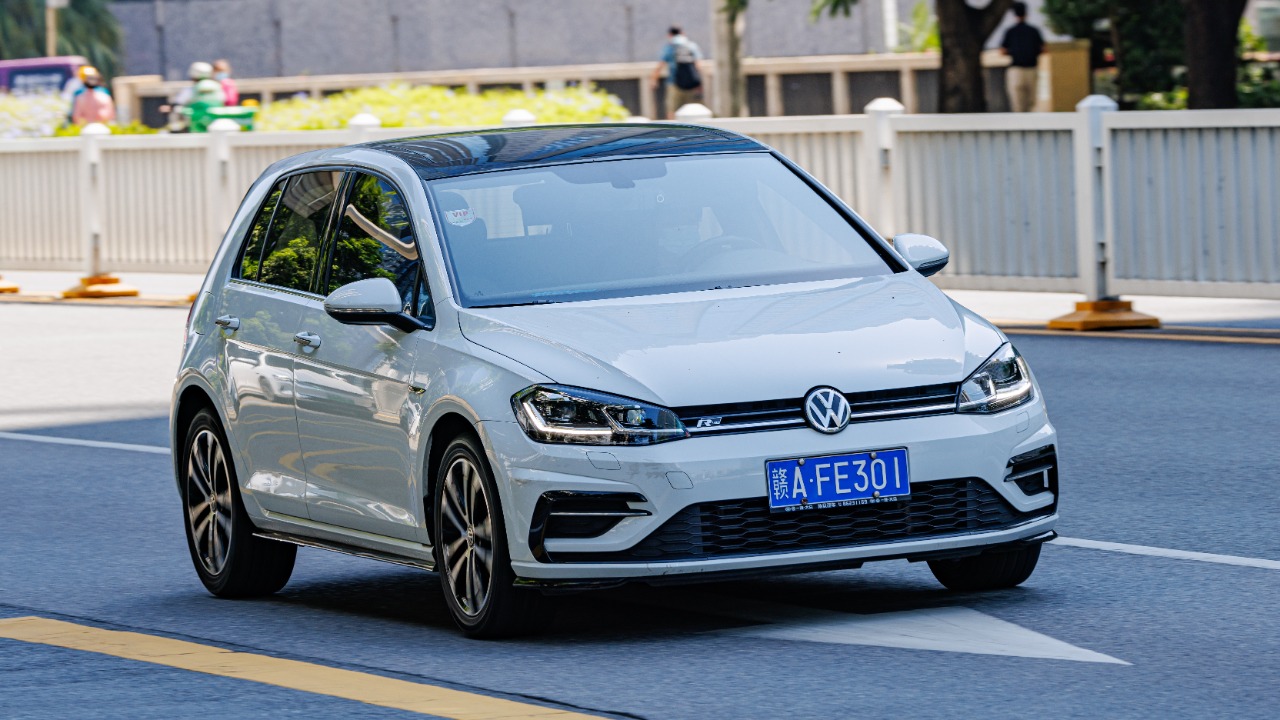
The Volkswagen Golf R sits above the GTI in Volkswagen’s hatchback lineup, adding all-wheel drive and a more powerful version of the same turbocharged four-cylinder engine. The Golf R has been sold across multiple Golf generations, giving buyers the GTI’s everyday usability with meaningfully more grip and power in poor weather.
Because the Golf R shares most of its structure and interior with the GTI, service costs and parts sourcing stay similar between the two, even though the R commands a real price premium when new and used. Enthusiasts who want GTI ownership with genuine all-weather traction tend to view the R as the natural step up.
More from Morning Overview
- Pythons keep spreading across Florida, and one county alone pulled out four tons of them
- 12 most reliable SUVs you can buy for 2026
- Hunters pulled a 19-foot python from the Everglades at 1 a.m., the longest ever recorded in Florida
- Ancient DNA suggests Neanderthals and humans mixed for reasons that had nothing to do with attraction.
