
Geothermal power taps heat trapped beneath the crust and turns it into steady, round-the-clock electricity without burning anything. The best fields sit where volcanic activity or a thinning crust brings that heat close to the surface, from California’s coastal hills to Iceland’s rift valleys. Here are eight geothermal fields that turn underground heat into power for homes, cities and industry.
1. The Geysers, California: The World’s Largest Complex
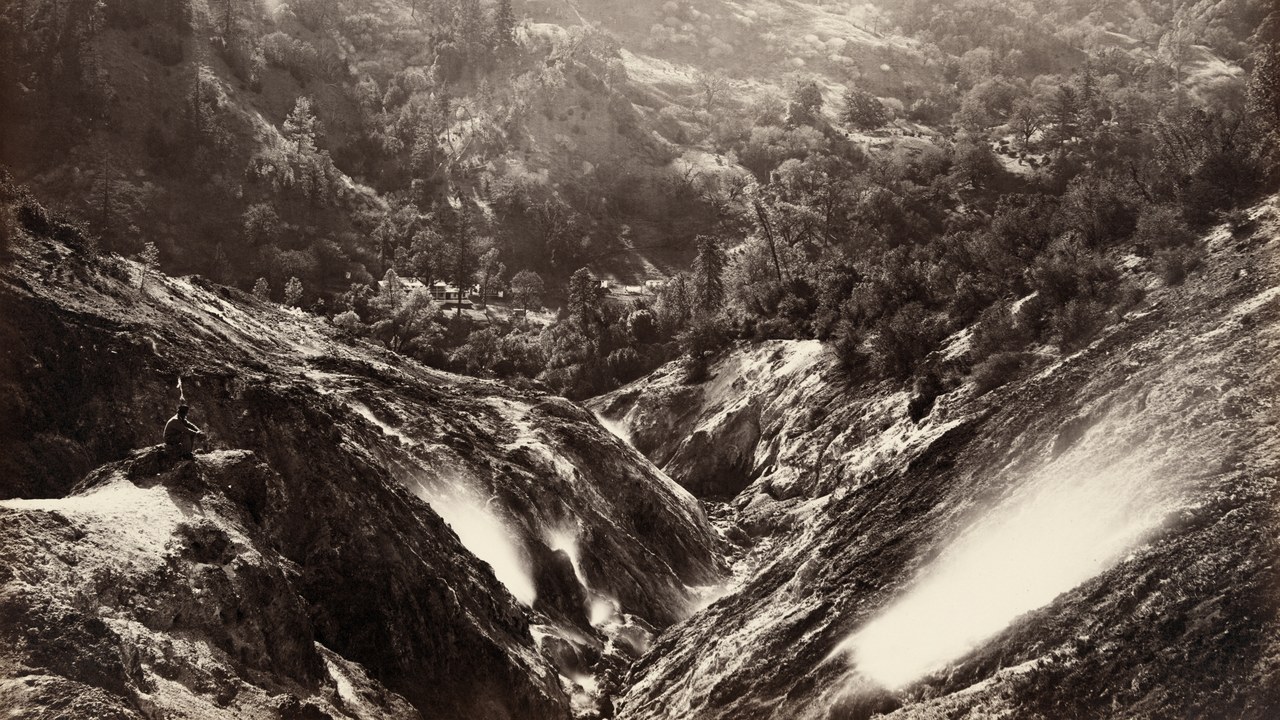
The Geysers is a sprawling complex of geothermal plants in the Mayacamas Mountains north of San Francisco, and by installed capacity it is the largest geothermal field on Earth. Calpine, which operates the geothermal complex, draws steam from more than a dozen plants scattered across the field to spin turbines around the clock. The field has been producing power since the 1960s, longer than almost any other geothermal site in operation today.
Because the plants pull straight from naturally pressurized steam rather than pumped hot water, output at The Geysers runs without the fuel deliveries, storage tanks or combustion emissions that a gas plant needs. Wells do decline over decades, so operators reinject treated wastewater to keep pressure and steam production up field-wide.
2. Cerro Prieto, Mexico: Five Decades Of Steam
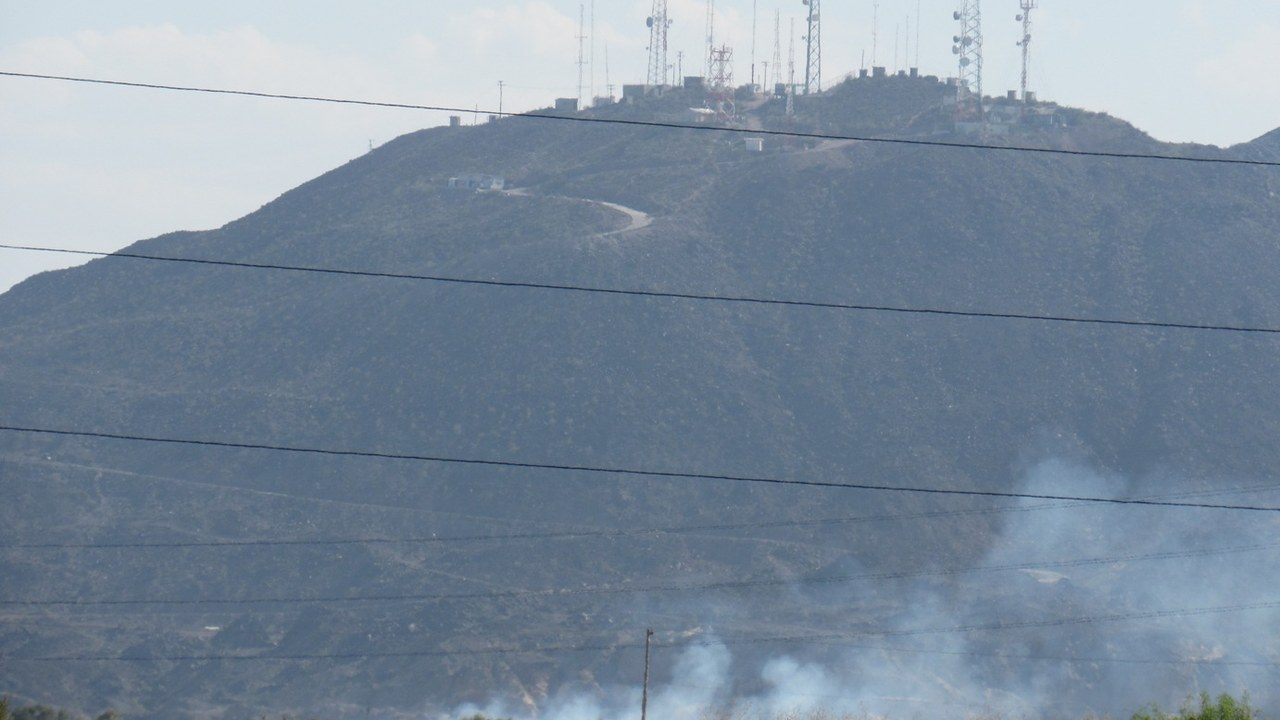
Cerro Prieto sits in the desert of Baja California, a few miles south of the U.S. border near Mexicali, and the geothermal power station has been converting underground steam into electricity since the 1970s. The field draws on one of the largest liquid-dominated reservoirs in the world, and Mexico’s state utility expanded it over decades. It remains one of the biggest fields outside the United States and Indonesia.
Because the reservoir sits under an active seismic zone, engineers monitor ground movement and reservoir pressure closely, since large earthquakes in the region can shift how wells perform. Steam from the field also supports nearby industry and irrigation drainage, making it a fixture of the regional economy beyond power alone.
3. Larderello, Italy: Where Geothermal Power Began
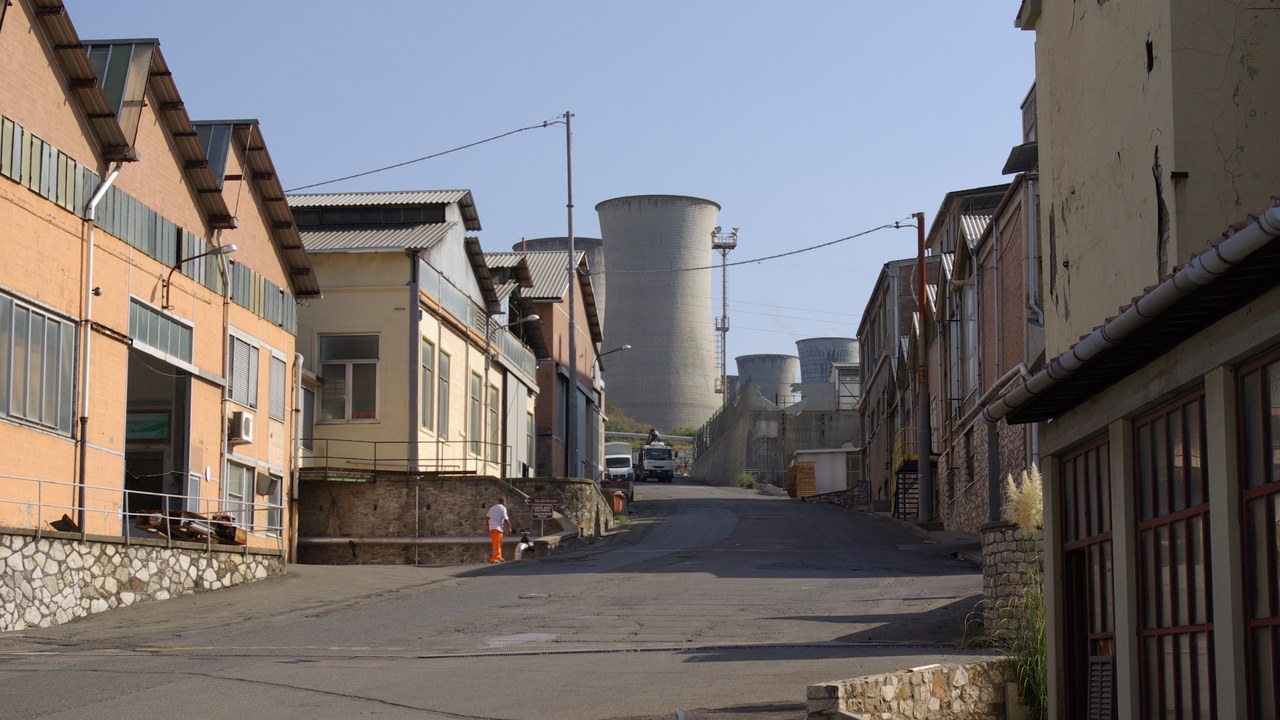
Larderello, in the hills of Tuscany, is the oldest geothermal complex in the world, with commercial electricity generation dating back to 1913. An engineer there first used natural steam vents to spin a turbine and light a handful of bulbs, proving heat from underground could run machinery at scale. Enel Green Power now runs the site, which still supplies a meaningful share of Tuscany’s electricity more than a century later.
The steam vents that first drew industrial attention to Larderello had been used for centuries to extract boric acid before anyone thought to generate power from them. Today the complex is treated as a proof of concept for the entire geothermal industry, and engineers from newer fields still study its long operating record.
4. Hellisheidi, Iceland: Powering And Heating The Capital
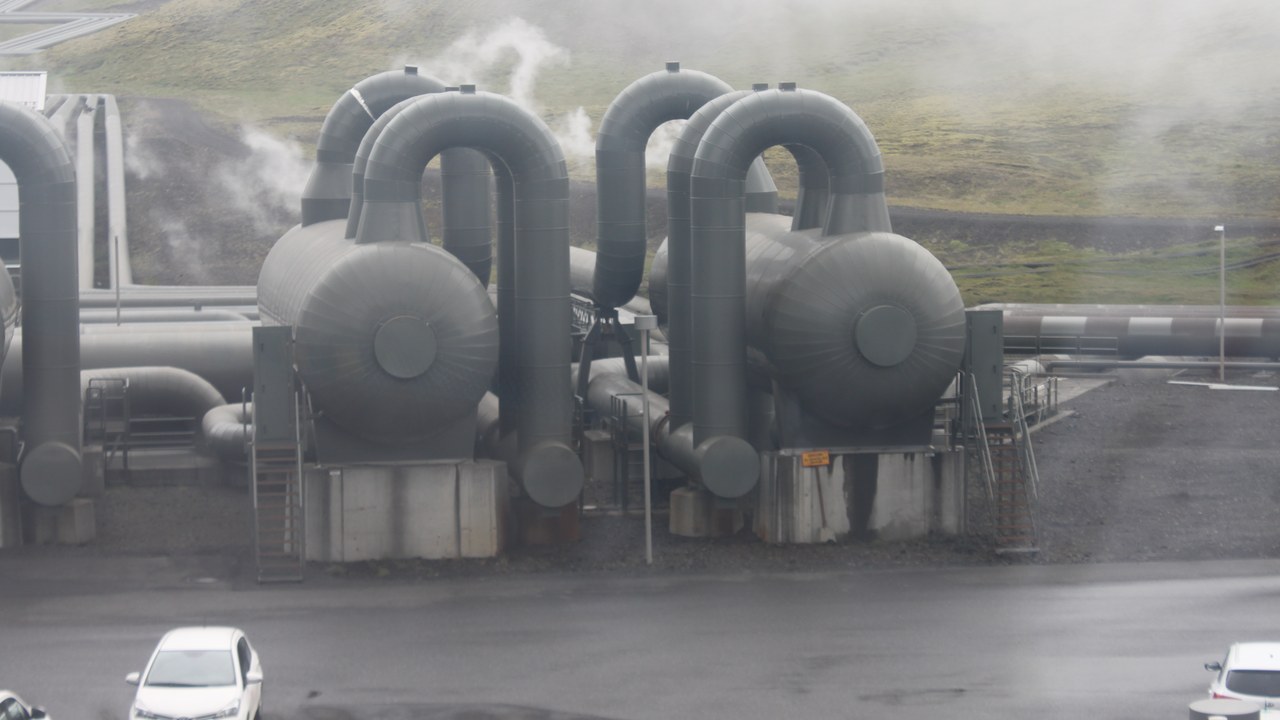
Hellisheidi sits on the slopes of the Hengill volcanic system southeast of Reykjavik and is Iceland’s largest geothermal plant. The power station generates electricity for the national grid while also heating water that is piped directly into homes across the greater Reykjavik area, a combined-use design common at Iceland’s biggest fields. It draws on one of the country’s most active high-temperature geothermal areas.
Because the plant supplies district heating as well as electricity, its overall energy output is counted in ways that go beyond a simple megawatt rating for power alone. Iceland gets nearly all of its electricity and heat from renewable sources, and Hellisheidi is one of the largest single reasons why.
5. Olkaria I, Kenya: East Africa’s Rift Valley Powerhouse
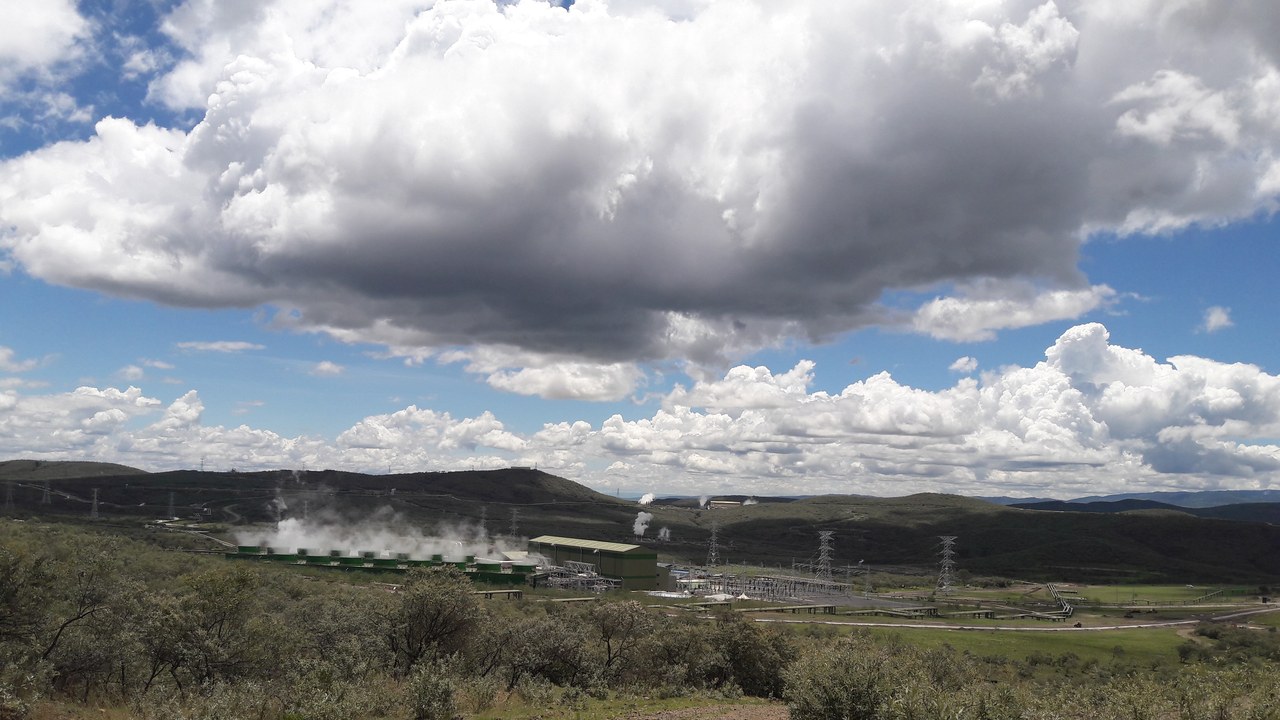
Olkaria I sits inside the Great Rift Valley near Hell’s Gate National Park and was the first geothermal plant built in Kenya. The plant tapped into the volcanic heat beneath the valley floor, and its early success led Kenya to build out several more Olkaria units nearby. Geothermal now supplies a large share of Kenya’s electricity, more than almost any other country in Africa.
The Rift Valley’s thin crust and volcanic activity make it one of the most promising geothermal regions on the continent, and Kenya has positioned itself as the leader in developing it. Engineers from other African nations now train at the Olkaria complex to learn how to build out their own geothermal capacity.
6. Wayang Windu, Indonesia: Tapping Java’s Volcanic Heat
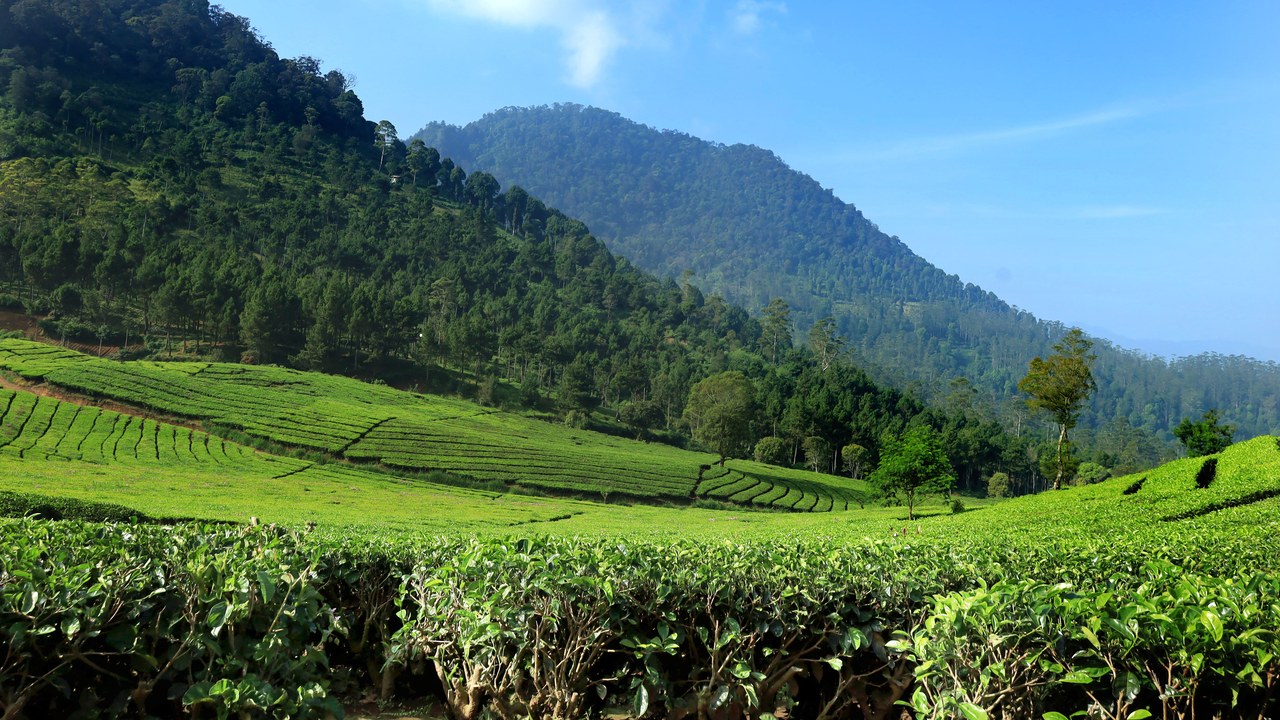
Wayang Windu sits on the slopes of a volcanic complex in West Java, part of the chain of resources that makes Indonesia one of the largest geothermal reserves on Earth. The field has been developed in stages since the 1990s, with wells drilled deep into the mountain to reach steam hot enough to drive turbines. Indonesia sits along the Pacific Ring of Fire, giving it some of the richest geothermal potential of any country.
Despite that potential, Indonesia has historically developed only a fraction of its estimated geothermal capacity, and fields like Wayang Windu are held up as models for how much room the country still has to grow. Local communities near the site also draw on the same volcanic slopes for farming and tourism.
7. Nesjavellir, Iceland: The Capital’s Second Big Field
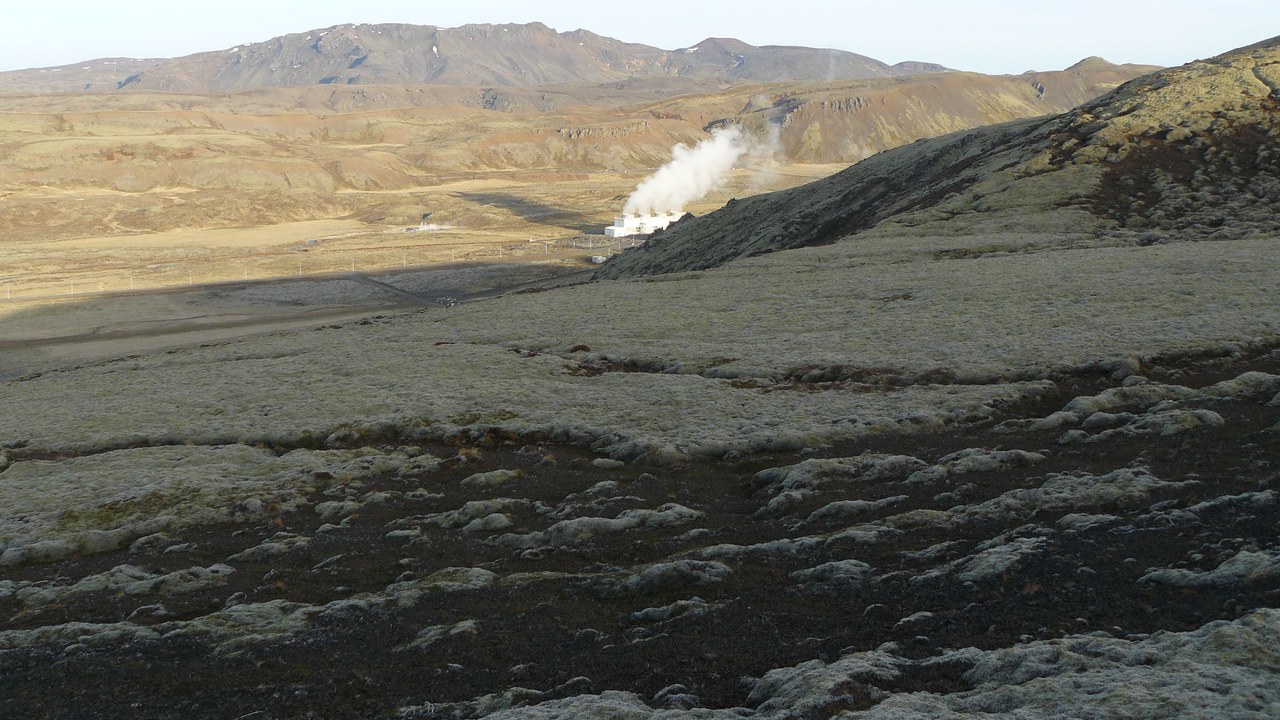
Nesjavellir sits near Thingvellir, in the same volcanic system that feeds Hellisheidi, and is Iceland’s second-largest geothermal plant. The station was built primarily to supply hot water to the Reykjavik area, with electricity generation added later as demand grew. Its pipeline carries hot water more than 25 miles to reach homes in the capital region.
Together, Nesjavellir and Hellisheidi cover most of greater Reykjavik’s hot water and a substantial share of its electricity, a pairing that shows how geothermal fields in Iceland are typically built to serve both needs at once. The site also draws heavy tourist traffic for its steam vents and mineral-rich landscape.
8. Salton Sea field, California: Power Plants Sitting On A Lithium Boom
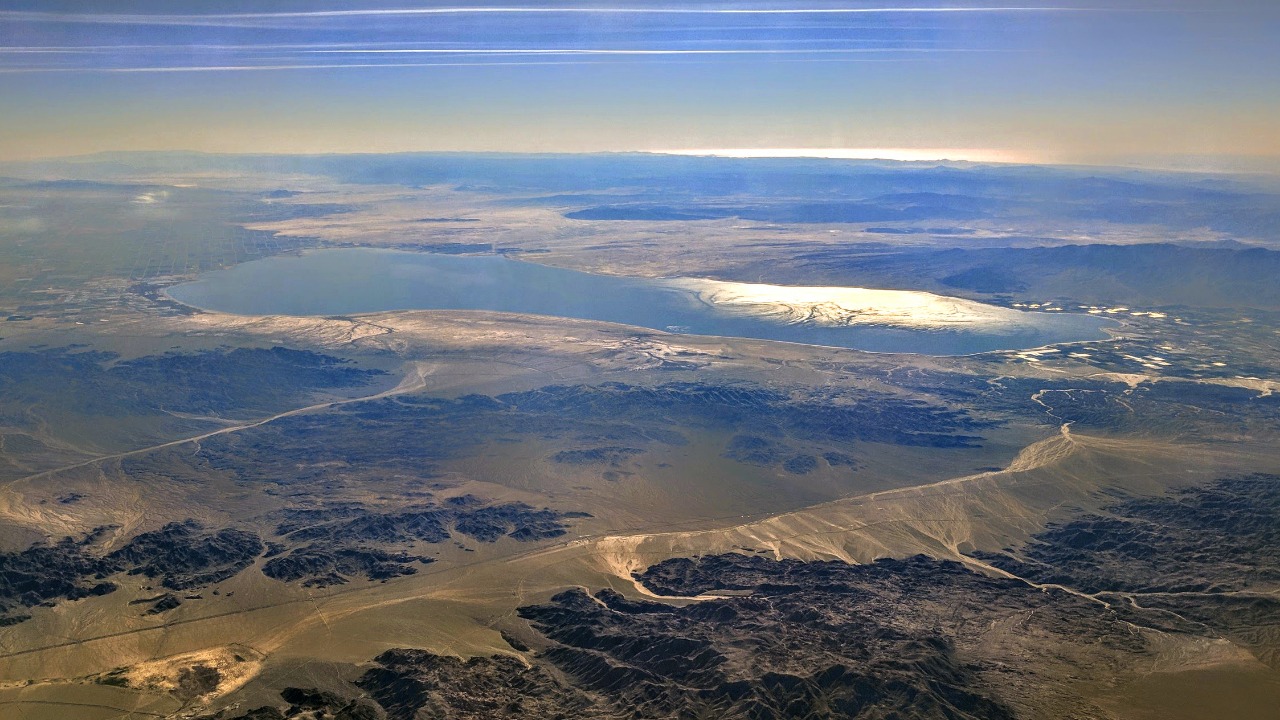
The Salton Sea field, in California’s Imperial Valley, is a cluster of geothermal plants that draw electricity from some of the hottest, most mineral-rich brine in the country. That same brine carries heavy concentrations of lithium, and the area ranks among the country’s most promising sources of the metal used in electric-vehicle batteries. Federal researchers have studied the region’s lithium potential alongside its long-running power output.
Companies operating in the area are now exploring ways to extract lithium directly from the geothermal brine after it has been used to generate electricity, pairing power production with mineral recovery at the same wells. If that combination scales up, the Salton Sea field could become a rare example of a power plant that is also a mine.
More from Morning Overview
