
Cold weather is the great equalizer for electric vehicles, stripping away real-world miles that no window sticker warns drivers about. The culprit is rarely one flaw but a mix of battery chemistry, cabin heating demands, and how each automaker manages thermal control in sub-freezing conditions. Here are eight electric cars that lose the most range once temperatures drop.
1. Nissan Leaf: No Liquid Cooling, No Winter Buffer
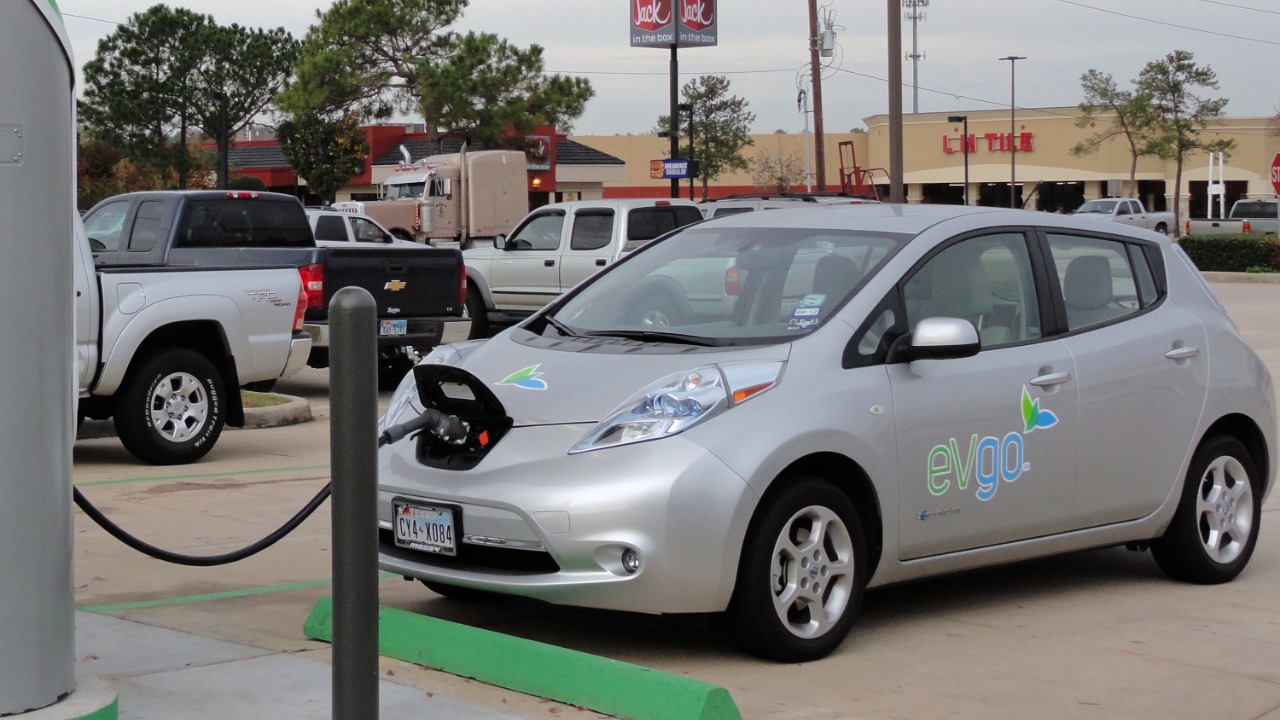
The Nissan Leaf’s battery system relies on passive air cooling rather than the liquid thermal loop most rivals use, so its cells have no active way to hold an efficient temperature once outside air turns cold. Internal resistance rises as the pack chills, meaning more of every charge is lost to heat inside the battery before it ever reaches the wheels.
Because the Leaf lacks a heat pump, cabin warmth is drawn straight from the same pack that powers the motor, so short winter commutes take the biggest hit before the drivetrain fully warms. Owners in freezing climates typically see indicated range fall well below the EPA figure until the battery works its way up to a milder operating temperature.
2. Tesla Model 3: Double-Digit Losses on Freezing Mornings
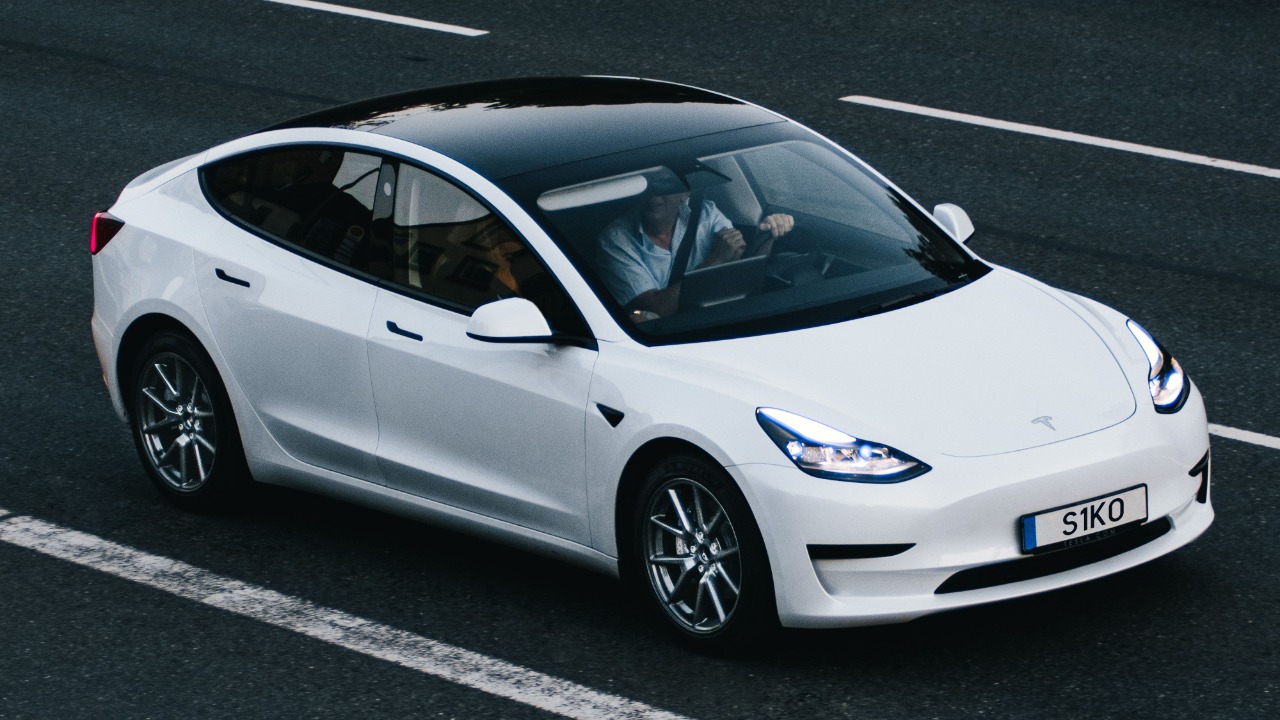
Despite one of the industry’s more sophisticated thermal systems, the Tesla Model 3’s battery pack still loses meaningful range once temperatures drop toward freezing, because lithium-ion chemistry itself slows down in the cold regardless of how well the pack is managed. Owners have long reported double-digit percentage drops in indicated range on the coldest mornings, especially before the battery has been warmed by driving or preconditioning.
The car’s heat pump softens the hit compared with older resistive-heating designs, but it still diverts energy that would otherwise move the car, and a cold-soaked pack pulls extra power to reach an efficient operating range. Preconditioning while still plugged in is the biggest lever owners have to blunt the loss before a cold-weather trip.
3. Chevrolet Bolt: Short Trips Take the Steepest Hit
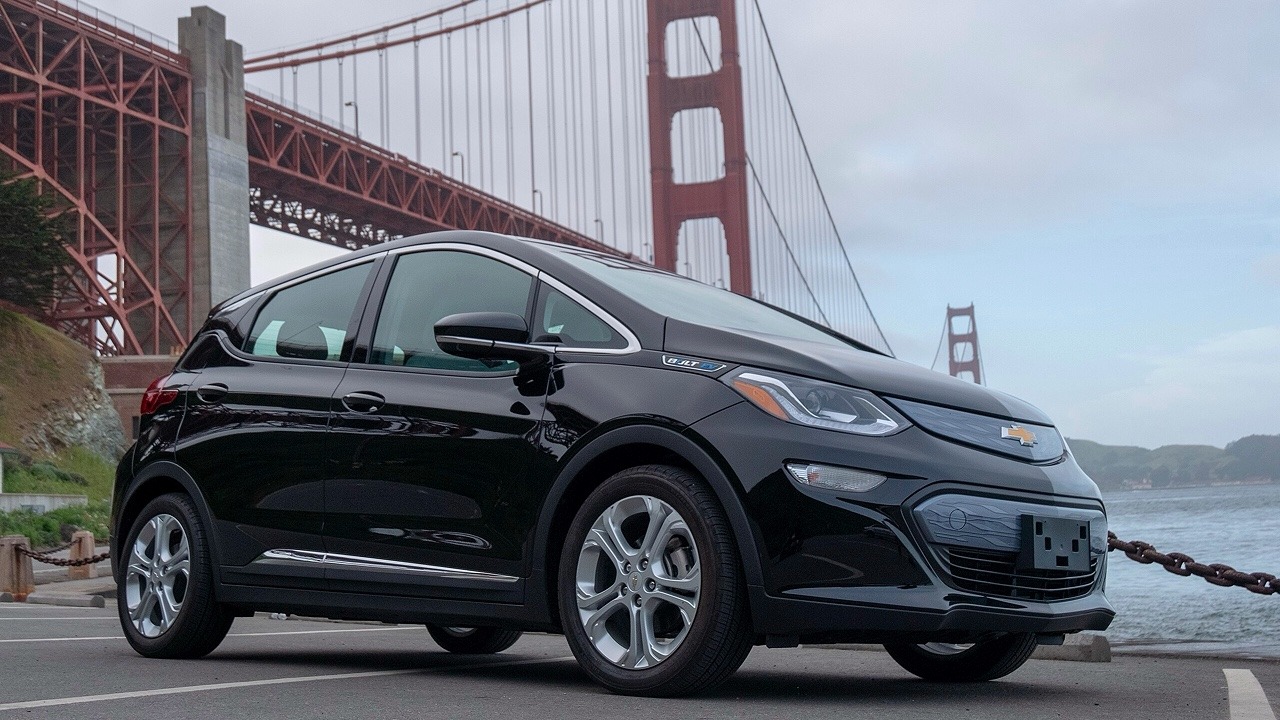
The Chevrolet Bolt EV’s compact battery gives it less thermal mass to work with than larger packs, so it cools faster in freezing air and loses efficiency more quickly on short, stop-and-start trips than on longer highway runs. Cabin heating draws directly from that same modestly sized pack, and because the Bolt was engineered around affordability rather than a heat pump in its earlier years, more of that warmth comes from resistive elements.
For drivers who mostly run short errands in winter, the battery rarely gets the chance to warm to its efficient range, so indicated range can fall well short of the rated figure on the coldest days. Letting the car precondition on shore power before unplugging helps offset some of that loss.
4. Ford Mustang Mach-E: Size and Speed Both Work Against It
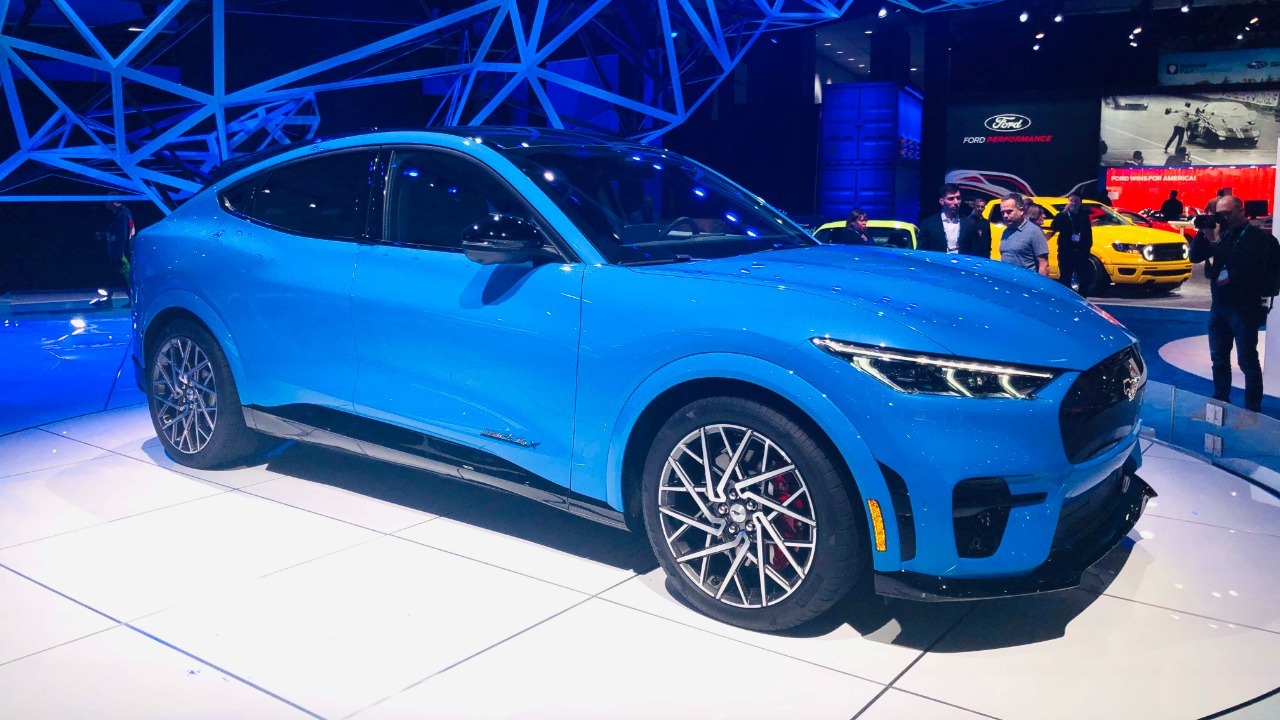
The Ford Mustang Mach-E’s larger footprint means more frontal area pushing through cold, dense winter air, and that added aerodynamic drag compounds with the energy the battery loses simply from being cold. Highway speeds, already the most range-punishing driving mode for any EV, make the combination worse in winter than in milder months.
Cabin heating and battery conditioning both pull from the same pack on long, fast winter drives, so owners who combine highway commutes with freezing temperatures see some of the steepest range drops in the lineup. Slower speeds and a pre-warmed cabin before departure both meaningfully soften the loss.
5. Hyundai Kona Electric: A Smaller Pack Has Less to Give
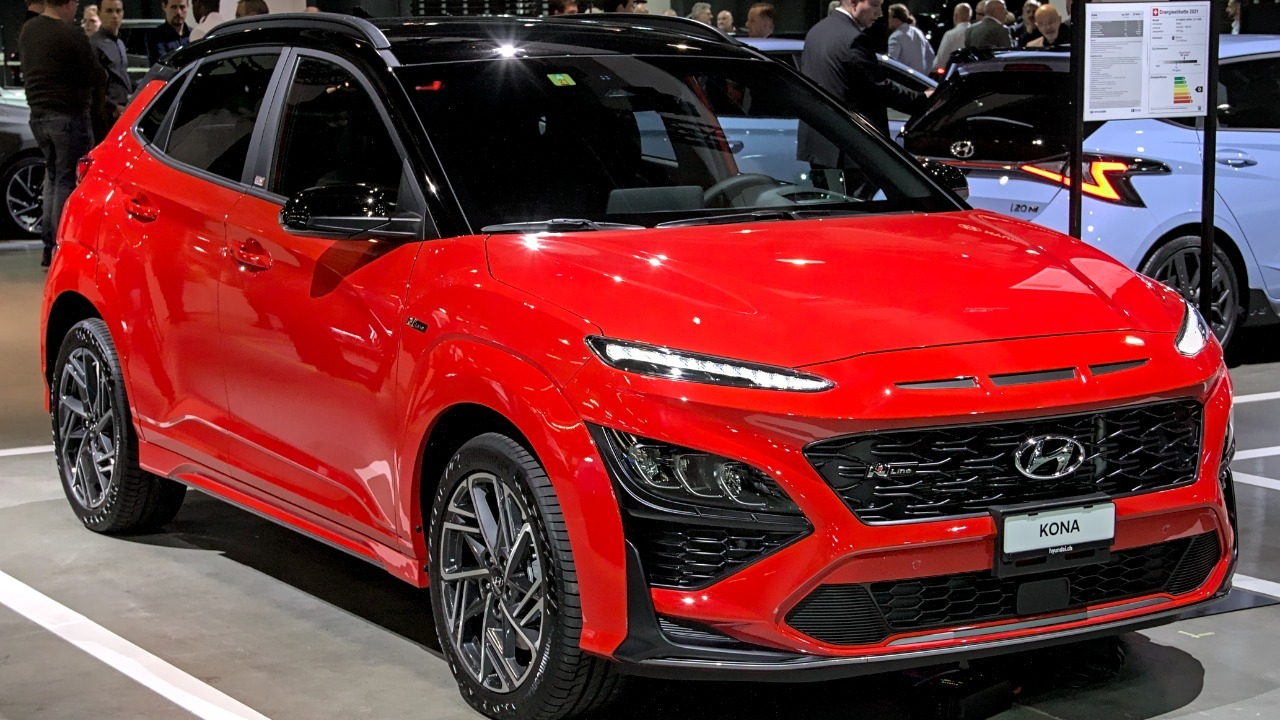
The Hyundai Kona Electric’s battery is smaller than most of the packs on this list, so the fixed energy cost of warming the cells and heating the cabin represents a larger share of its total capacity than it does in a bigger vehicle. A cold-soaked pack that sat outside overnight starts a trip already behind, since some of the first miles go toward simply bringing the battery up to temperature.
That makes the Kona Electric especially sensitive to how it is parked and charged in winter; drivers who precondition while plugged in recover a meaningful share of the range they would otherwise lose. Without that step, short cold-weather trips can see range fall noticeably below the rated number.
6. Volkswagen ID.4: Cabin Warmth Comes Straight From the Pack
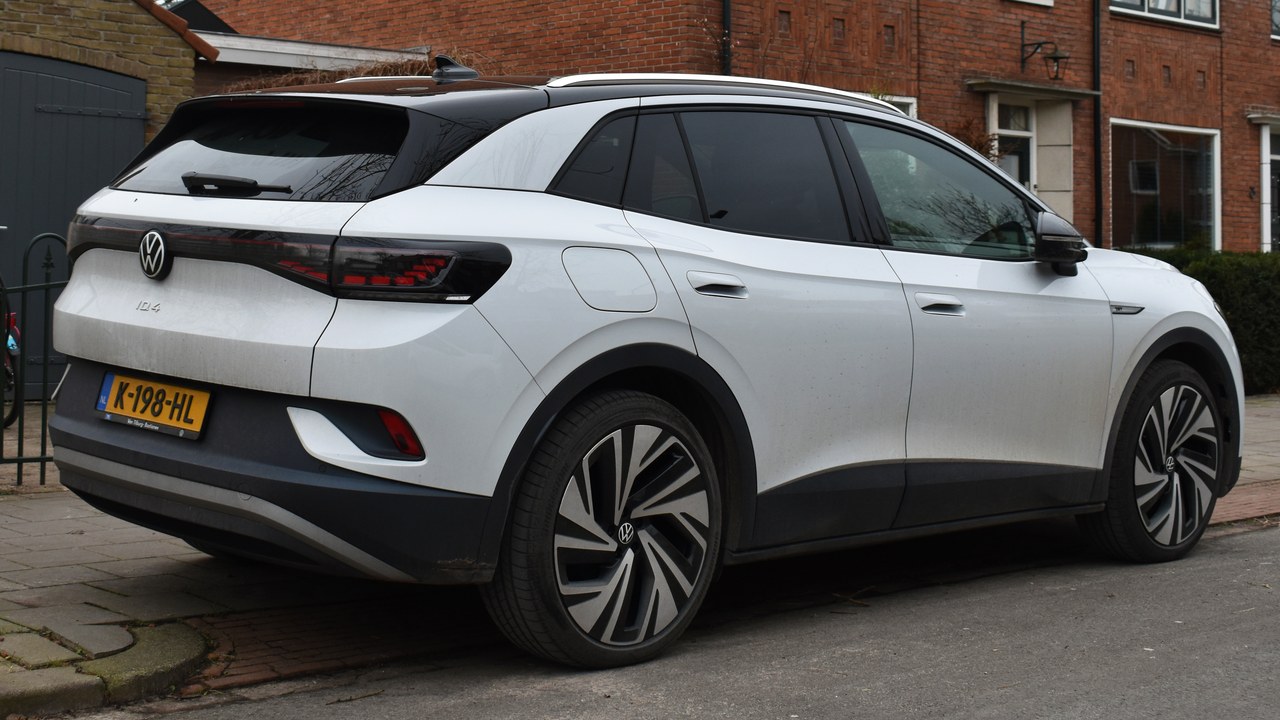
The Volkswagen ID.4’s cabin heating system draws heavily on the main battery, and in cold climates that demand competes directly with the energy the motor needs to move the car. Because the pack itself also loses efficiency as it cools, the ID.4 faces the same double squeeze many EVs do: less energy available and more of it going toward warmth instead of miles.
Owners who set a scheduled departure time so the SUV can preheat while still on the charger avoid pulling that warmth from the battery mid-drive, which is the most effective single fix for the seasonal loss. Skipping that step tends to show up fastest on short, cold commutes.
7. Tesla Model Y: Bigger and Heavier Still Is Not Immune
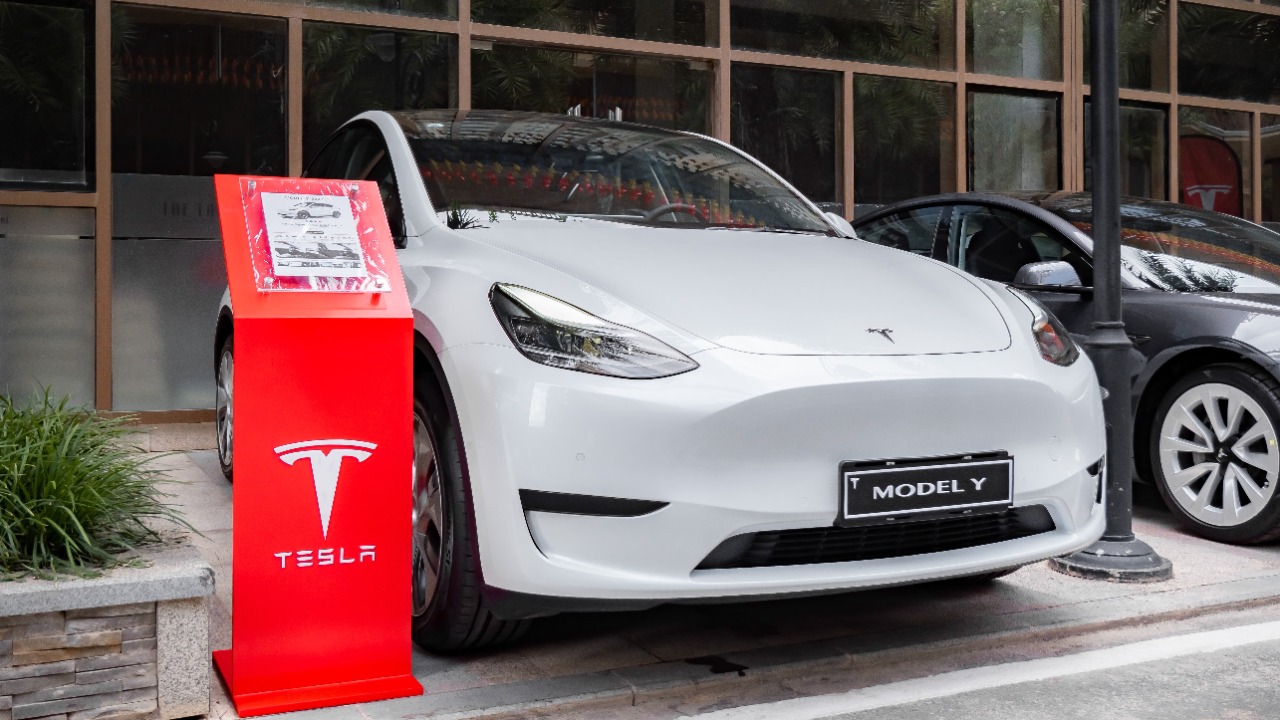
Being larger and heavier than its sedan sibling gives the Tesla Model Y’s battery pack more capacity to draw from, but that advantage only partly offsets the added mass and frontal area the motor has to push through cold winter air. Like the Model 3, its heat pump helps limit losses compared with resistive-only systems, yet the SUV still gives up meaningful winter range compared with its three-season numbers.
The extra ride height and boxier shape add aerodynamic drag that becomes more noticeable at highway speeds in winter, when cold-thickened air and heating demand stack on top of each other. Preconditioning and moderating highway speed remain the most reliable ways owners claw back some of that lost range.
8. Kia Niro EV: An Efficiency Edge That Narrows in the Cold
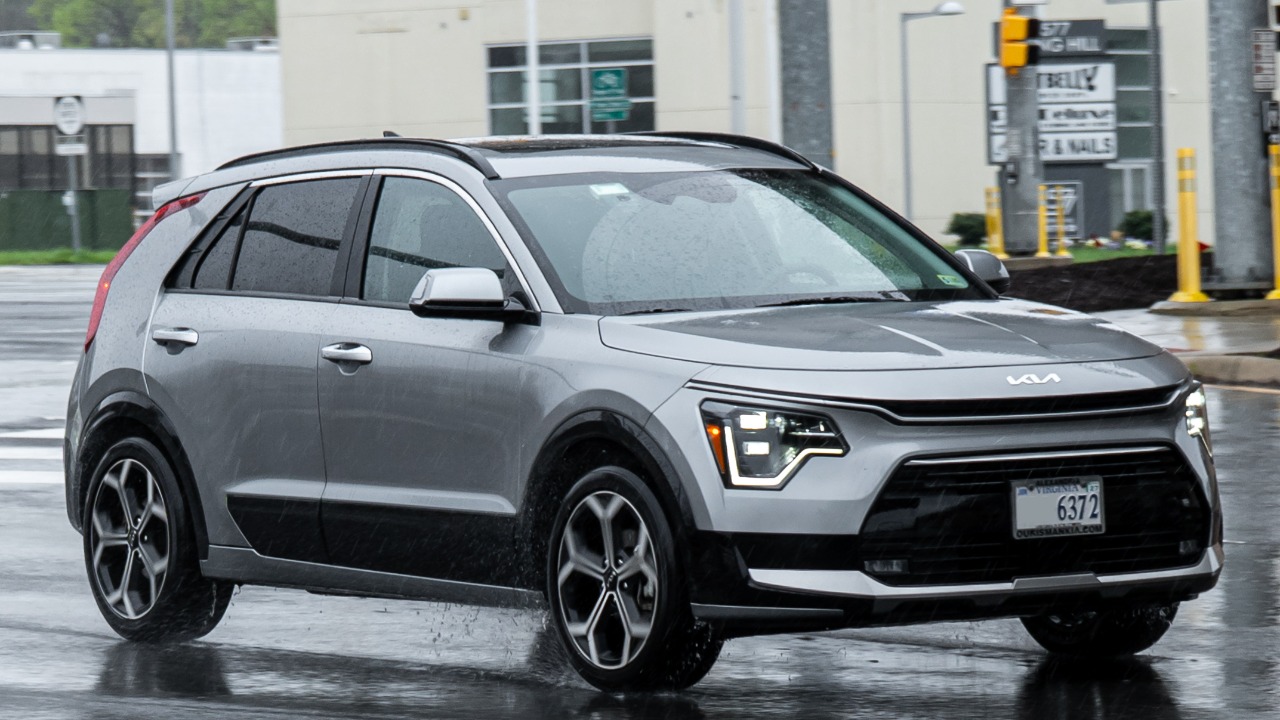
The Kia Niro EV’s efficient platform normally gives it strong range for its battery size, but that advantage shrinks once temperatures drop, because the same aerodynamic and low-rolling-resistance design that helps in mild weather does nothing to offset a chilled battery pack or a cabin needing active heat. The Niro’s compact battery leaves less buffer than larger packs when charge goes toward keeping the cells warm.
Drivers who rely on the Niro EV for a daily cold-climate commute typically see its efficiency edge over less efficient EVs narrow in winter months, even though it stays competitive once the pack and cabin reach a stable temperature. Preconditioning on the charger remains the most effective offset available to owners.
More from Morning Overview
- A cargo jet crashed after an engine and pylon separated during takeoff
- The largest genetic study of fibromyalgia found new risk factors rooted in the nervous system
- Toyota grabbed six of the ten spots on Consumer Reports’ most-reliable-cars list
- Evacuations spread as the Gann Fire chews through 10,000 acres of California’s Gold Country
