
Charging speed increasingly separates one electric car from another, and a handful of models now add real highway range in the time it takes to grab a coffee. Most of the quickest chargers share a common trick: an 800-volt-or-higher electrical architecture that pushes far more power into the battery than older 400-volt designs allow. These eight electric cars post some of the fastest minutes-to-miles results on the market today.
1. Hyundai Ioniq 5: 800-Volt Fast Charger

The Ioniq 5 rides on Hyundai’s 800-volt E-GMP platform, one of the first mainstream systems built to accept a 350-kilowatt charger without a voltage-boosting converter. On a fast enough public charger, the battery moves from a low state of charge toward roughly 80 percent in well under twenty minutes, so a short plug-in stop still returns a meaningful chunk of range.
That speed comes from dual charging ports and a battery chemistry tuned for high current, not from a larger pack than rivals carry. Real-world results depend heavily on finding a charger that can actually deliver 350 kilowatts, since slower stations flatten the advantage considerably.
2. Kia EV6: Shares Hyundai’s Fast Platform
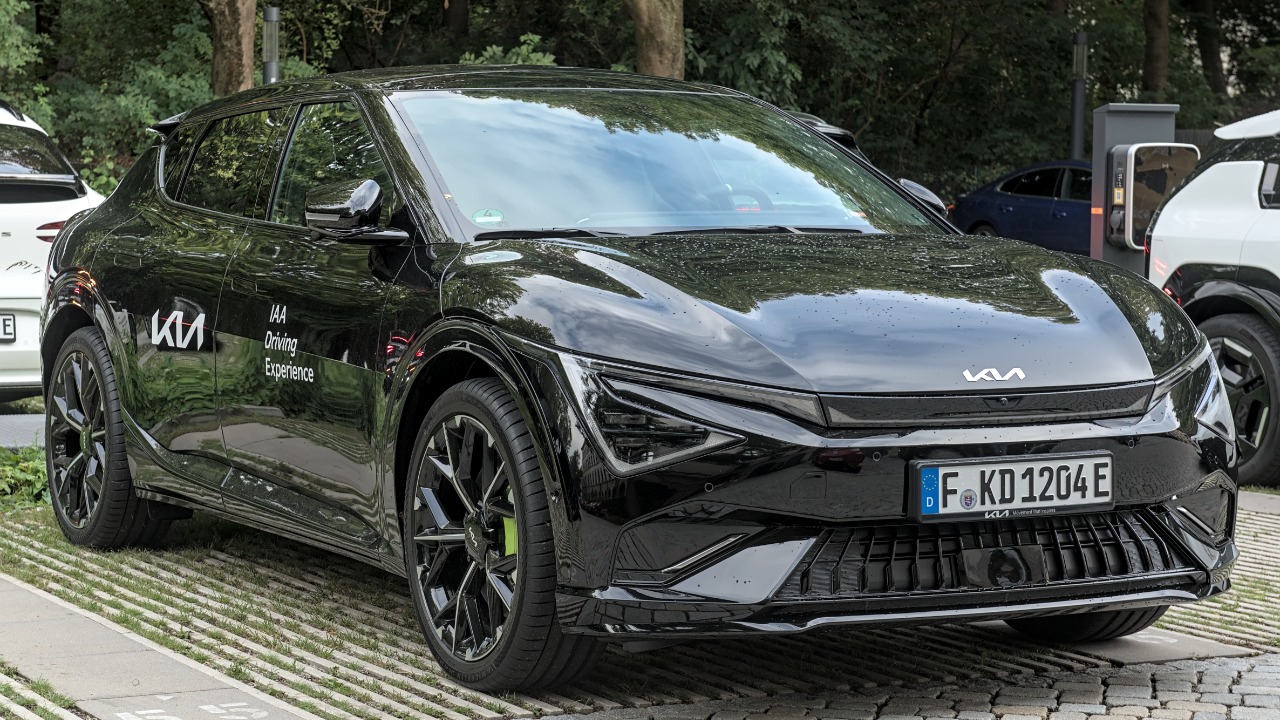
Built on the same underpinnings as its Hyundai sibling, the EV6 inherits the 800-volt E-GMP architecture and its ability to accept ultra-fast direct current charging. Kia has marketed the car around a roughly eighteen-minute run from a low charge to about eighty percent on a capable enough station.
The GT-Line and standard trims share the charging hardware, though battery size and aerodynamics shift the exact miles added per minute slightly between versions. As with its corporate cousin, the real gain shows up only at chargers rated well above the common 150-kilowatt tier.
3. Porsche Taycan: High-Voltage Sports Sedan
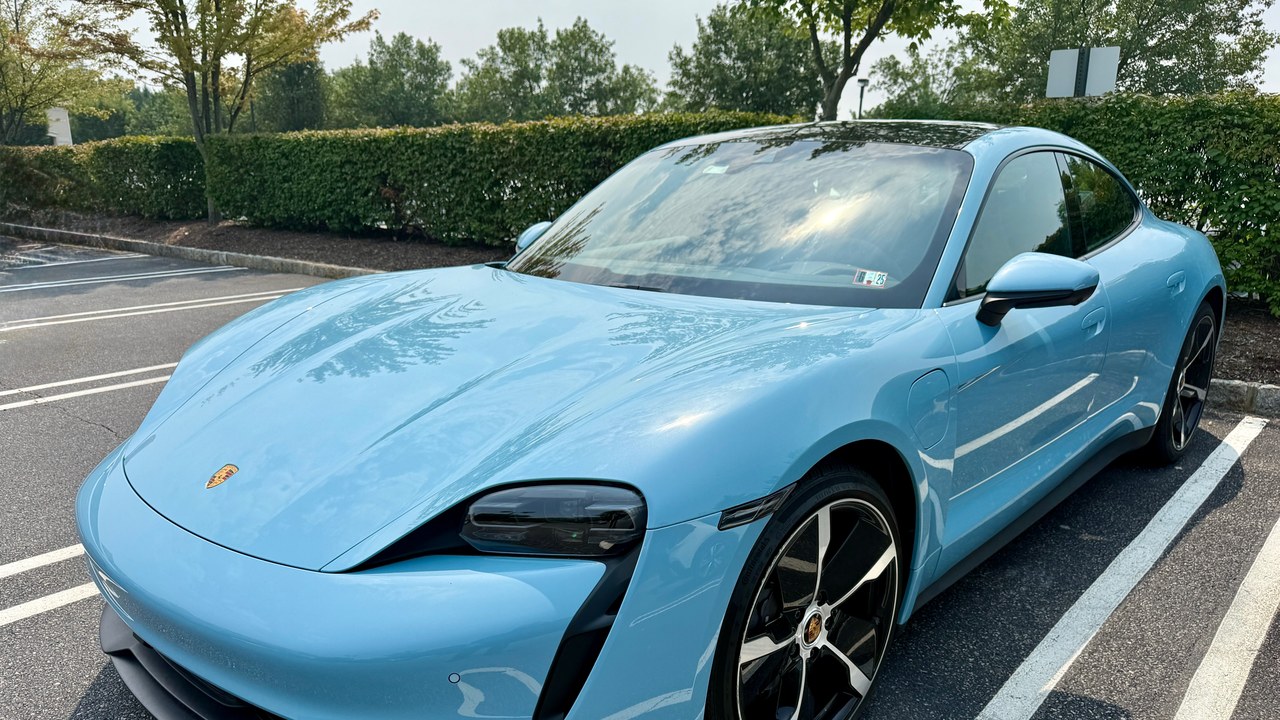
Porsche engineered the Taycan around an 800-volt system years before most rivals followed, letting it sustain a high peak charging rate for longer than many competitors before the curve tapers off. That steadier curve means a brief stop still adds a substantial number of highway miles rather than a quick spike that fades.
The tradeoff is a smaller usable battery than some rivals, so the car leans on charging speed rather than sheer capacity to keep road trips practical. Finding a high-power station still matters more than any spec sheet number.
4. Lucid Air: Highest-Voltage Production EV
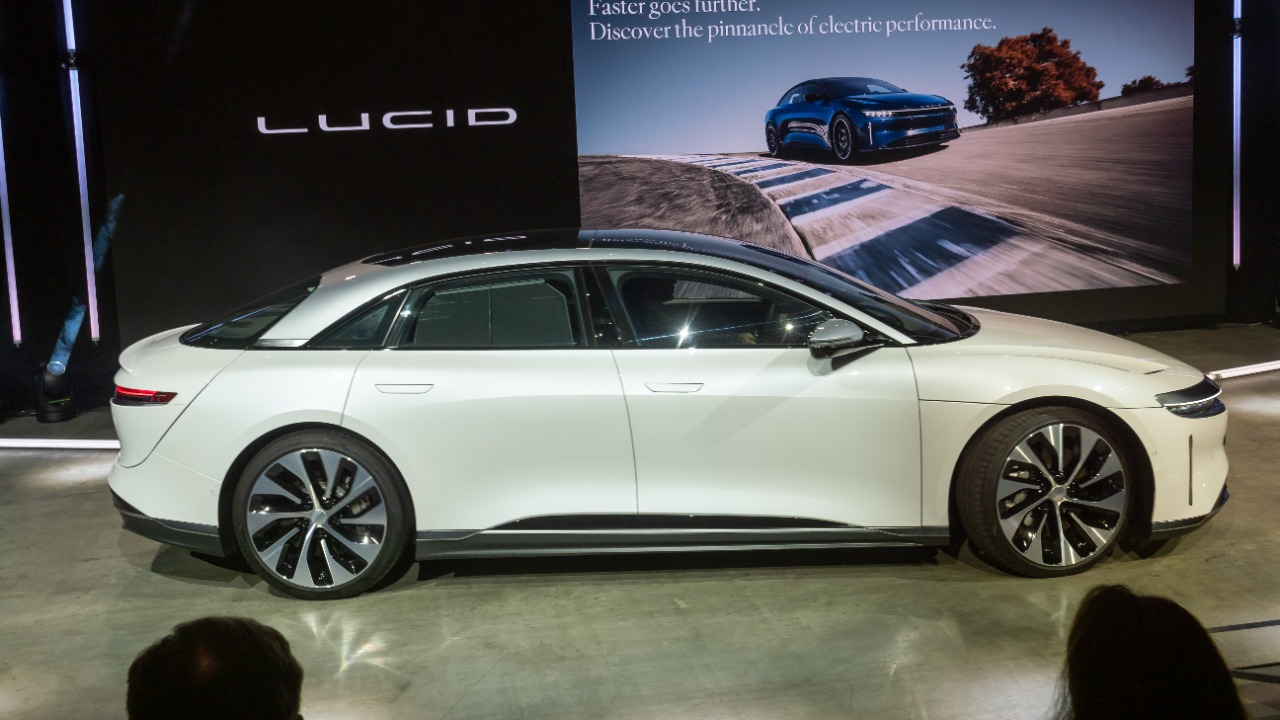
Lucid pushed voltage higher than nearly any other production car, giving the Air a charging architecture built for very high peak rates. Combined with strong efficiency, the sedan can convert a short charging stop into a large number of added highway miles compared with less efficient EVs charging at similar power.
Efficiency matters as much as raw charging speed here, since a car that uses less energy per mile stretches every kilowatt-hour added during a brief stop further. Owners still need one of the relatively few chargers capable of approaching the car’s peak rate.
5. Tesla Model 3: Supercharger Network Advantage
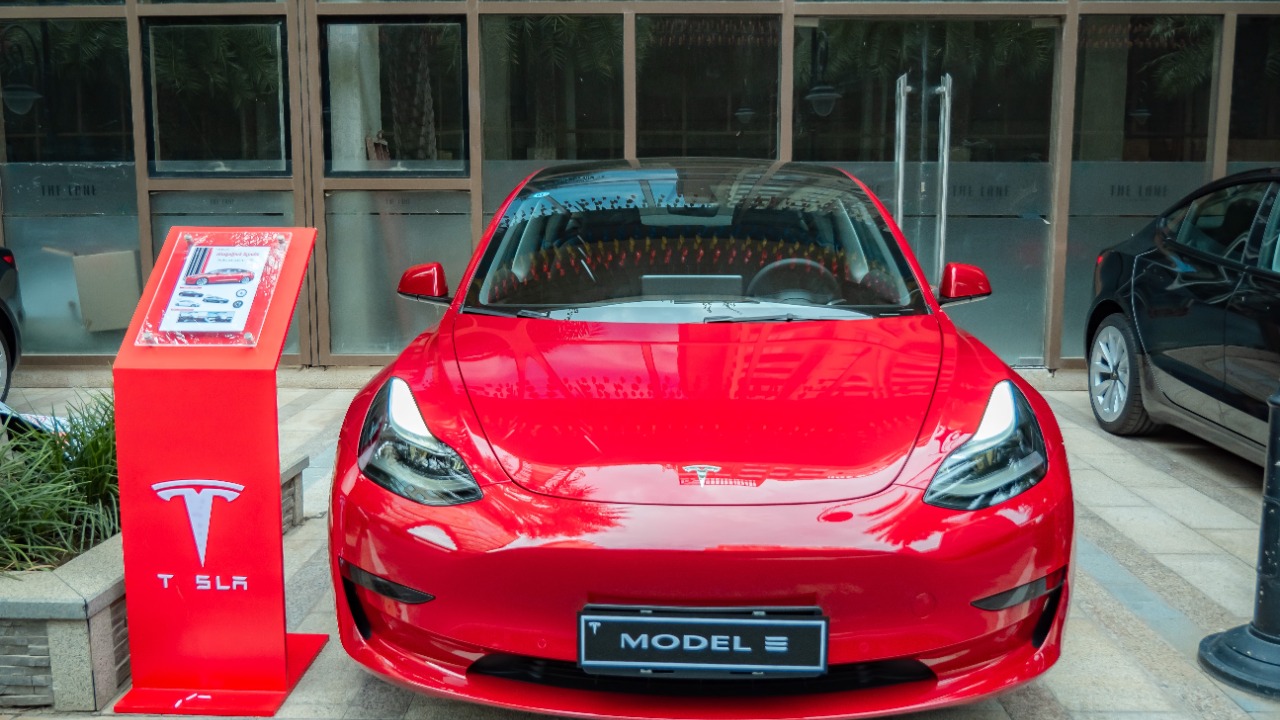
The Model 3 does not run the highest voltage on this list, but its access to Tesla’s dense Supercharger network means it reliably reaches a high peak charging rate without hunting for a compatible station. That consistency lets drivers plan around a short stop with more confidence than owners of rarer fast-charging standards.
Reliability and availability, not a headline voltage figure, are the real advantage: a fast charger that is actually working nearby beats a faster one that is hard to find. Newer versions of the car and network keep pushing the achievable rate higher.
6. Genesis GV60: Luxury E-GMP Crossover
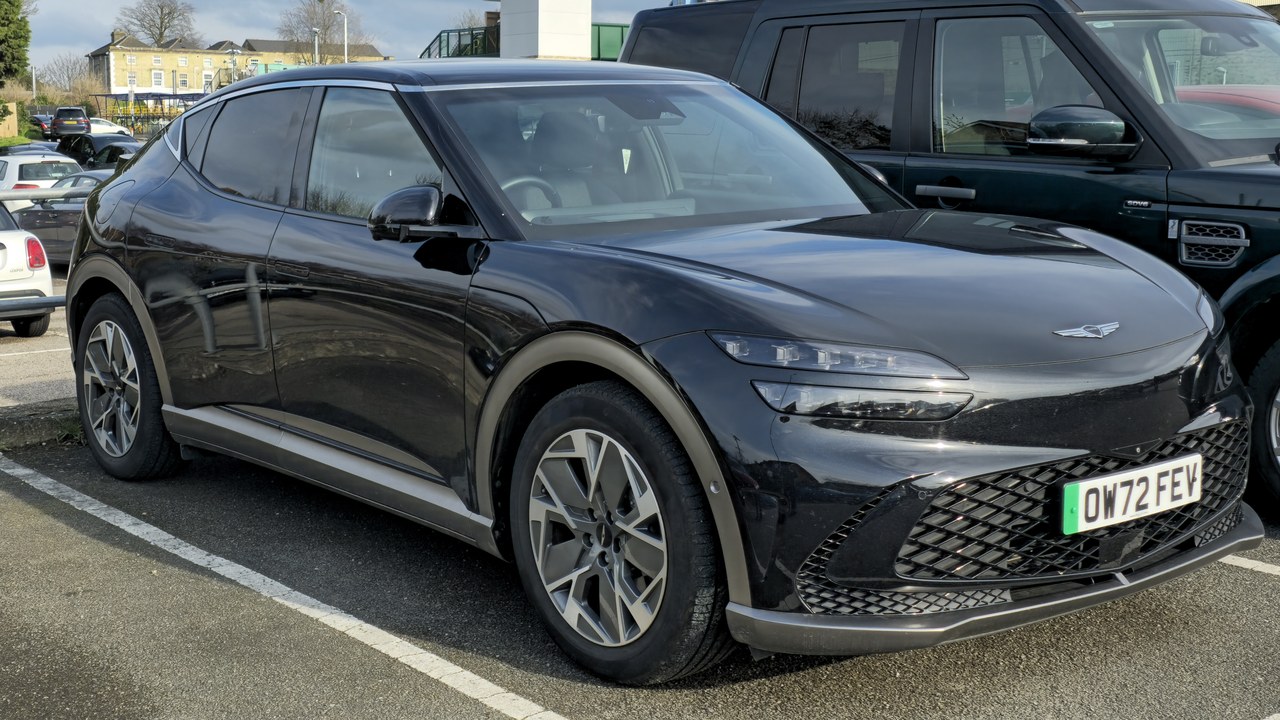
As Hyundai’s luxury arm, Genesis builds the GV60 on the same 800-volt E-GMP hardware underpinning the Ioniq 5 and EV6. That shared foundation lets the compact crossover hit a similarly quick run to a high state of charge when parked at a sufficiently powerful station.
The GV60 adds a more upscale cabin, softer ride tuning, and different exterior styling without sacrificing the charging speed of its corporate siblings. As with the rest of the E-GMP family, the payoff depends on locating a charger strong enough to use the full 800-volt capability, since a standard home outlet cannot come close.
7. Hyundai Ioniq 6: Aerodynamic Efficiency Edge
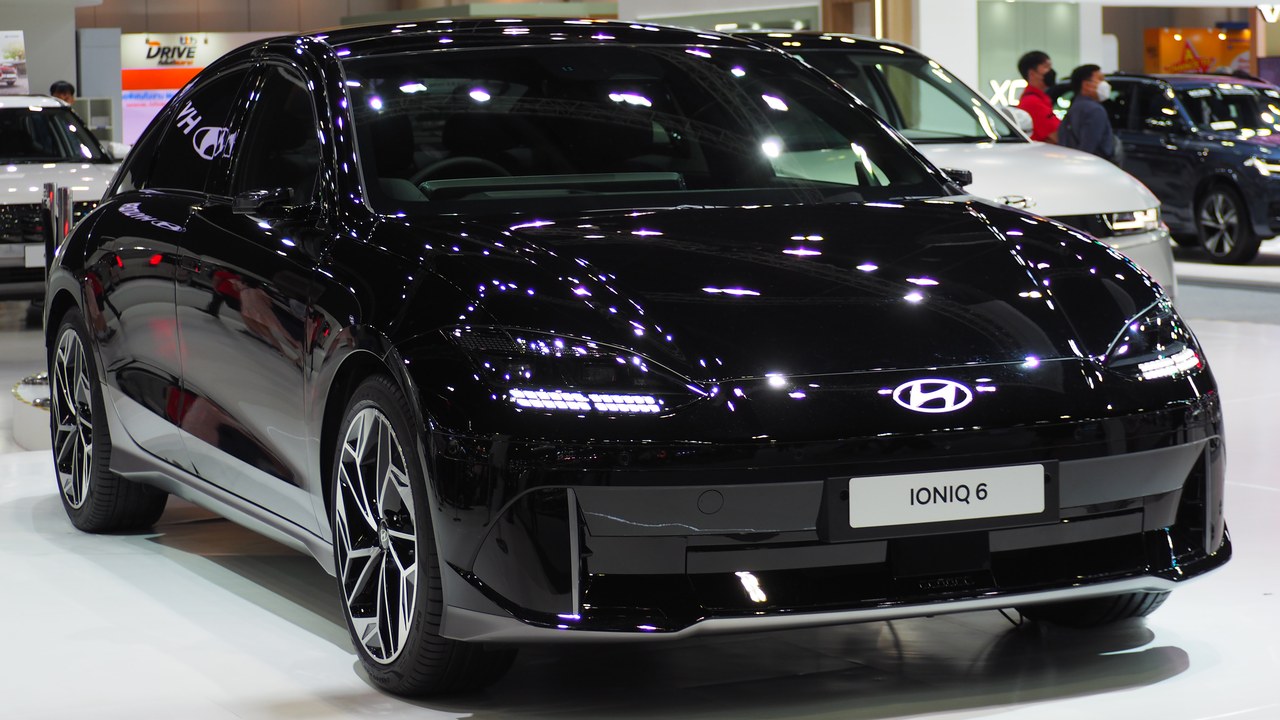
The Ioniq 6 pairs the same 800-volt charging system as its Ioniq 5 sibling with a notably slippery, low-drag body shape. Because the sedan uses less energy to cover a given distance, every kilowatt-hour it adds during a short stop translates into more actual driving range than a boxier vehicle would get from the same charge.
That efficiency advantage compounds with fast charging rather than replacing it, which is why the sedan tends to post some of the best minutes-to-miles results in the Hyundai and Kia family. Highway speeds erode the efficiency edge somewhat compared with city driving.
8. Kia EV9: Fast-Charging Three-Row SUV
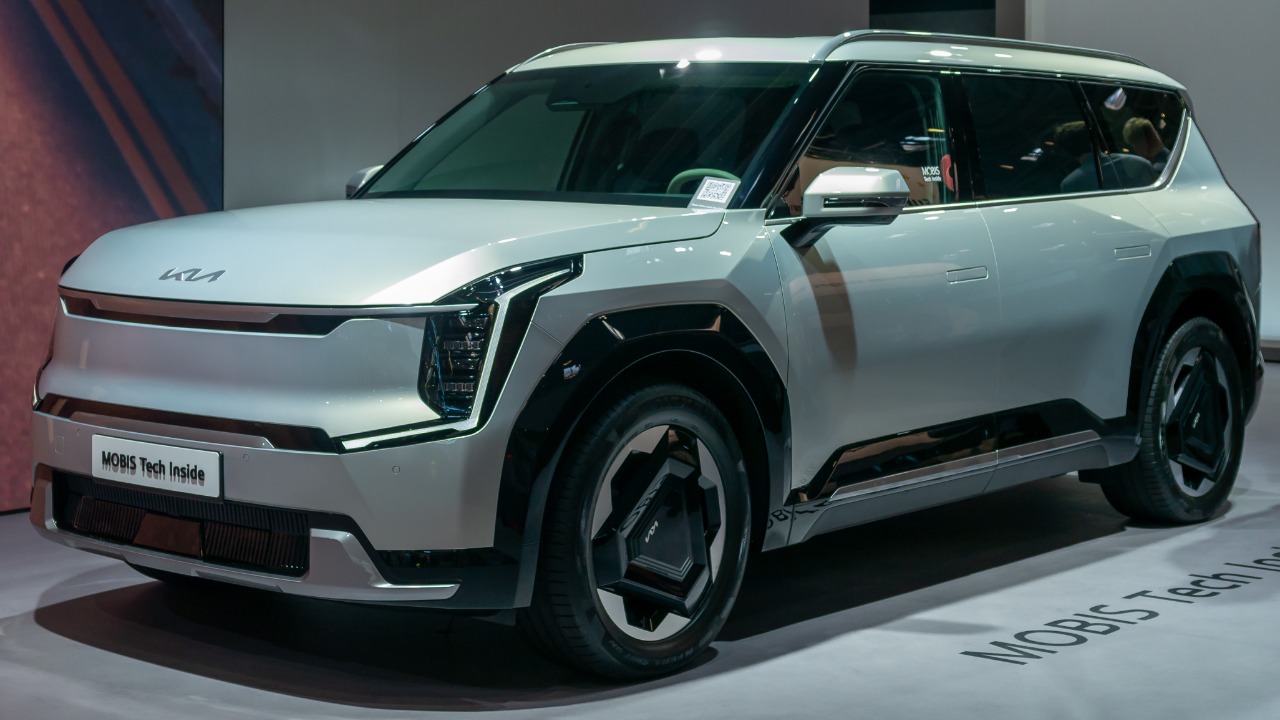
Kia extended its 800-volt E-GMP charging system to the three-row EV9, giving a family-sized SUV the same rapid-charging capability as the smaller EV6. That keeps stops manageable even though the larger, heavier vehicle needs more energy to cover the same distance as a compact hatchback or sedan.
The bigger battery pack means a ten-minute stop adds a smaller percentage of total range than in smaller siblings, even at a similar charging rate in kilowatts. Buyers trade some of that charging efficiency for genuine three-row passenger and cargo space, plus a taller, more practical ride height for family duty.
More from Morning Overview
- Long-term use of common heartburn pills is tied to kidney and dementia risk
- A California supervolcano has bulged upward about two and a half feet since 1978
- The FTC is warning about a scam quietly draining thousands from victims
- The NSA is again telling phone owners to switch off one location setting
