
Range anxiety fades fastest when the battery simply lasts longer, and a handful of electric vehicles now travel farther on one charge than many gasoline cars manage on a tank. EPA ratings vary sharply by trim, wheel size and drivetrain, so a headline figure rarely applies to every version sold. These eight models built their reputations on distance.
1. Lucid Air: The Five-Hundred-Mile Benchmark
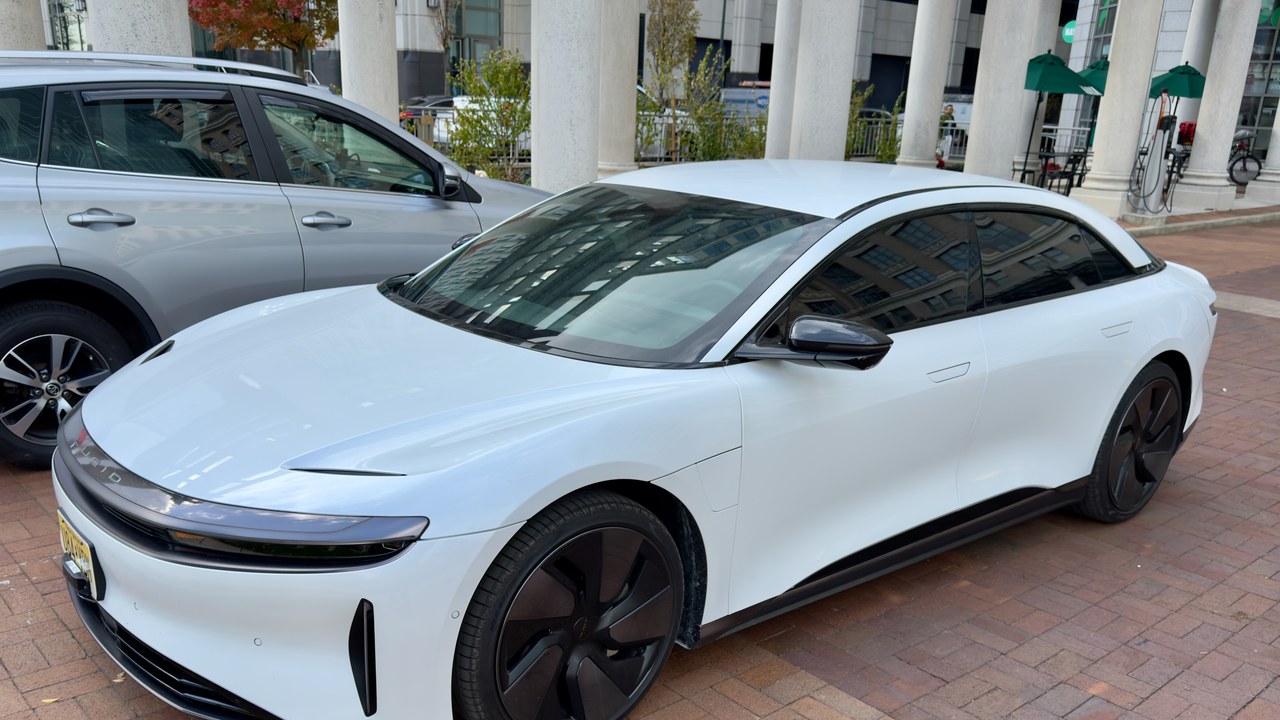
Lucid’s debut sedan reset expectations for how far a battery-powered car could travel. The Dream Edition Range variant earned an EPA rating of 520 miles on a single charge, a figure no rival matched when it arrived, while the Grand Touring trim followed at 516 miles. A 900-volt architecture and an unusually efficient drive unit did much of the work, extracting more distance from each kilowatt-hour than raw pack size alone would explain.
Those ratings belong to specific trims on specific wheels, not to every Air on the road, and smaller-battery Pure versions travel considerably less. Efficiency, rather than sheer capacity, is the real lesson buried in the number.
2. Tesla Model S: The Original Distance Leader
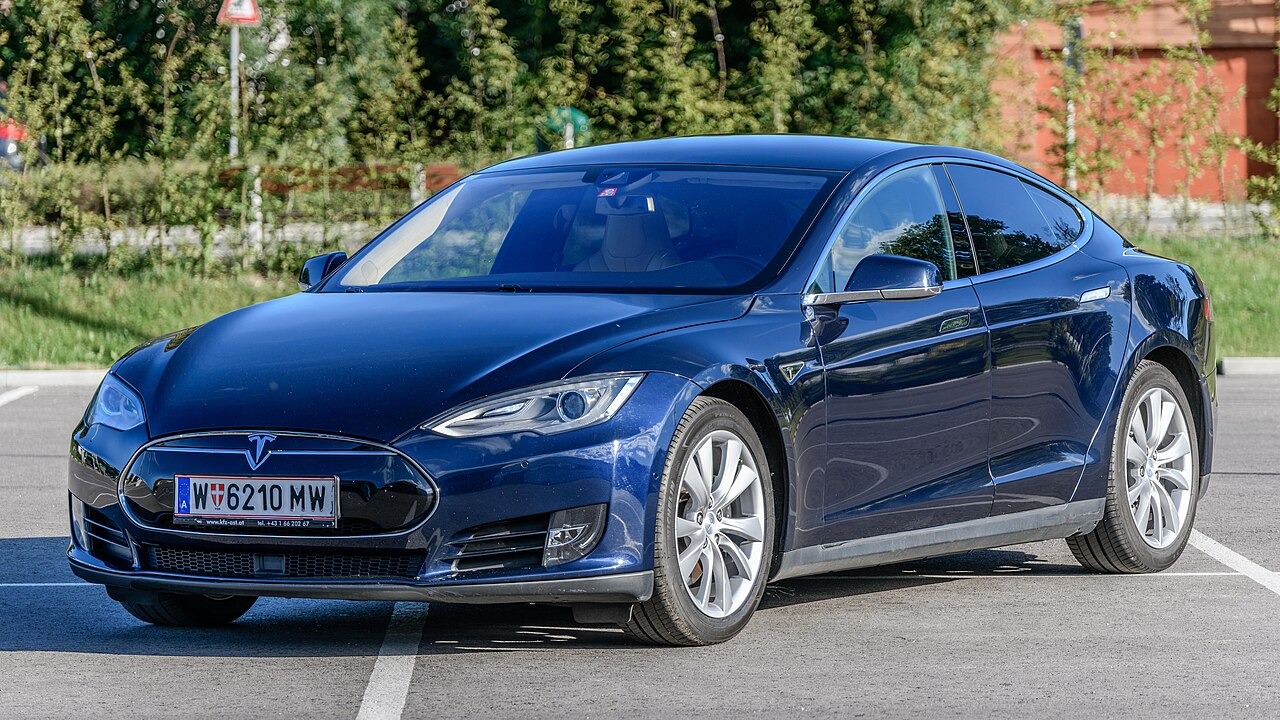
For years this sedan defined how far an electric car could go before stopping. The Long Range dual-motor version reached an EPA rating of 405 miles, and Tesla kept the car near the top of the range charts through repeated battery and drivetrain revisions rather than one dramatic redesign. Software updates and quieter hardware changes nudged the figure upward over time.
Ratings have moved in both directions with wheel choice and testing methodology, so the specific model year matters far more than the badge. The Plaid performance variant trades some of that distance for acceleration, landing below its Long Range sibling.
3. Tesla Model 3: Small Battery, Long Legs
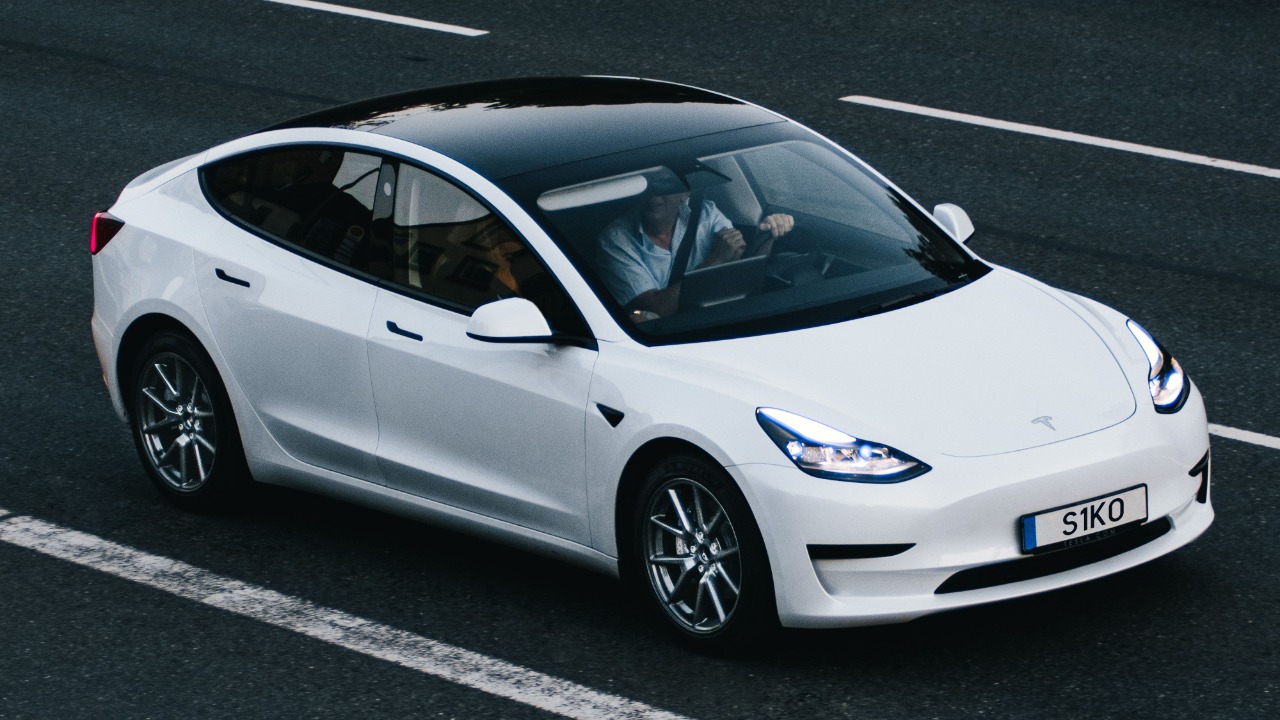
The cheaper sedan borrows the same efficiency playbook in a smaller package. EPA figures for Long Range Model 3 versions have consistently cleared 300 miles across model years, with the rear-wheel-drive Long Range rated at 363 miles. That is a striking result given a battery meaningfully smaller than what full-size luxury EVs carry.
Standard Range trims sit well below that mark, and larger 19- or 20-inch wheels shave further miles off the total. Comparisons only make sense when the drivetrain and wheel size are matched, since a single nameplate covers several very different ratings.
4. Rivian R1T: A Pickup That Refuses To Stop
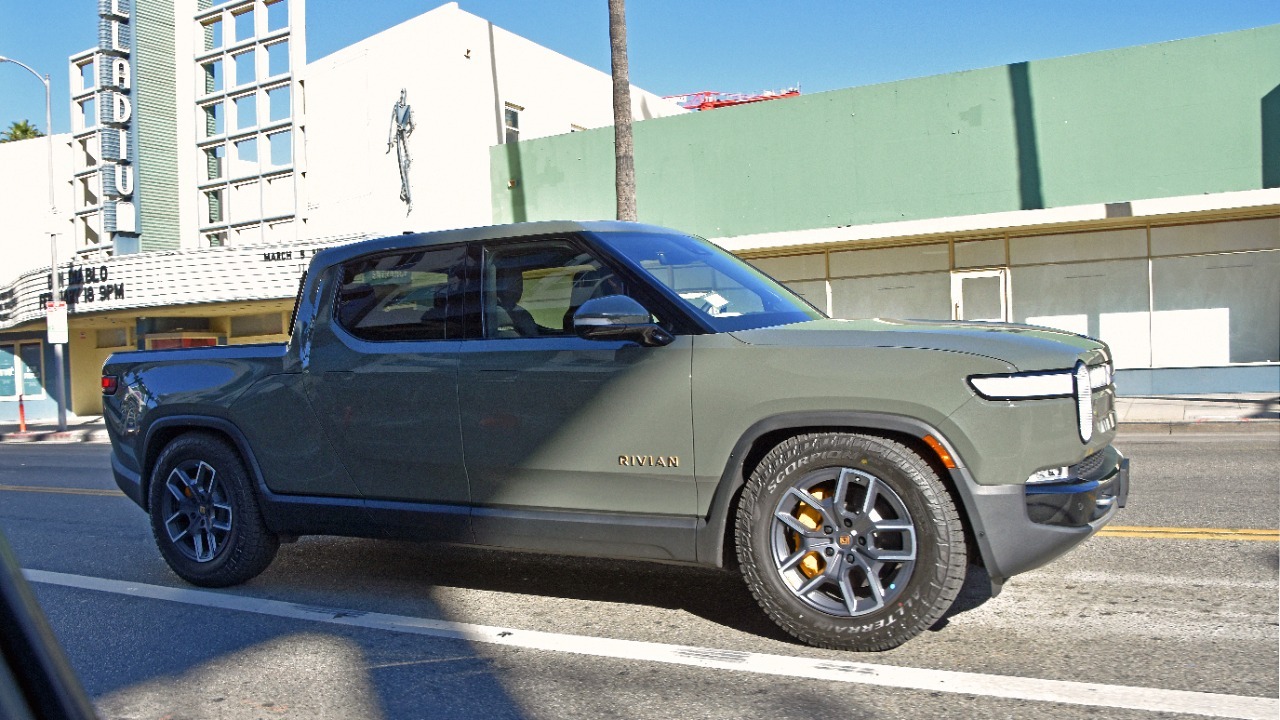
Trucks fight aerodynamics and mass, yet Rivian’s first pickup posted numbers that embarrassed some sedans. Fitted with the Max battery pack, the dual-motor R1T carried an EPA rating of 410 miles, the highest figure recorded for an electric pickup at the time. Rivian achieved it partly through pack size and partly through a quad-free, lower-drag configuration.
Configuration is everything here: multi-motor versions and knobby all-terrain tires drop the rating substantially, and towing a trailer can halve real-world distance. On a truck, a published range figure describes the best possible case, never the working day.
5. Ford F-150 Lightning: Extended Range Changes The Math
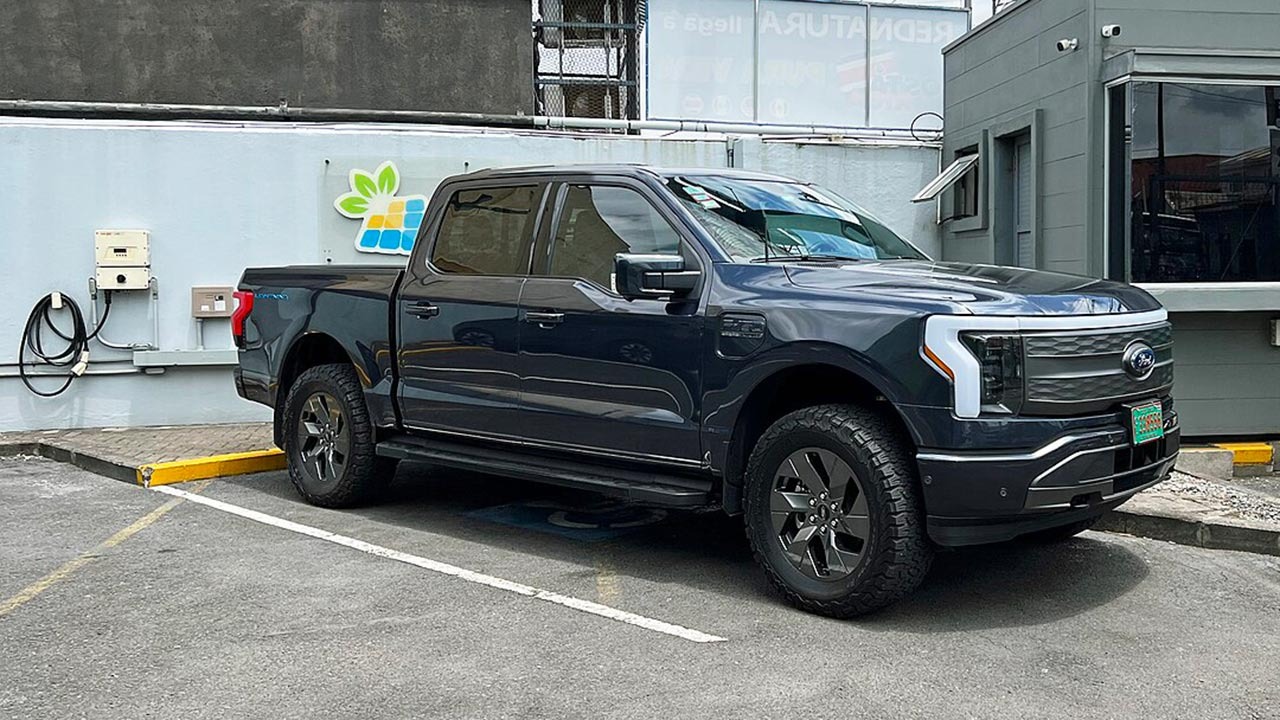
Ford electrified its best-selling pickup and offered a second, larger battery for buyers who needed distance. The extended-range battery configuration earned EPA ratings as high as 320 miles, while the standard pack lands far closer to 240. The gap between the two options is wide enough to determine whether the truck suits a commute or a job site.
Payload, trailer weight and cold weather all bite hard, and Ford’s onboard estimator revises the number once a load is entered. Fleet operators tend to treat the rating as a ceiling reached only with an empty bed.
6. Hyundai Ioniq 6: Aerodynamics Doing The Heavy Lifting
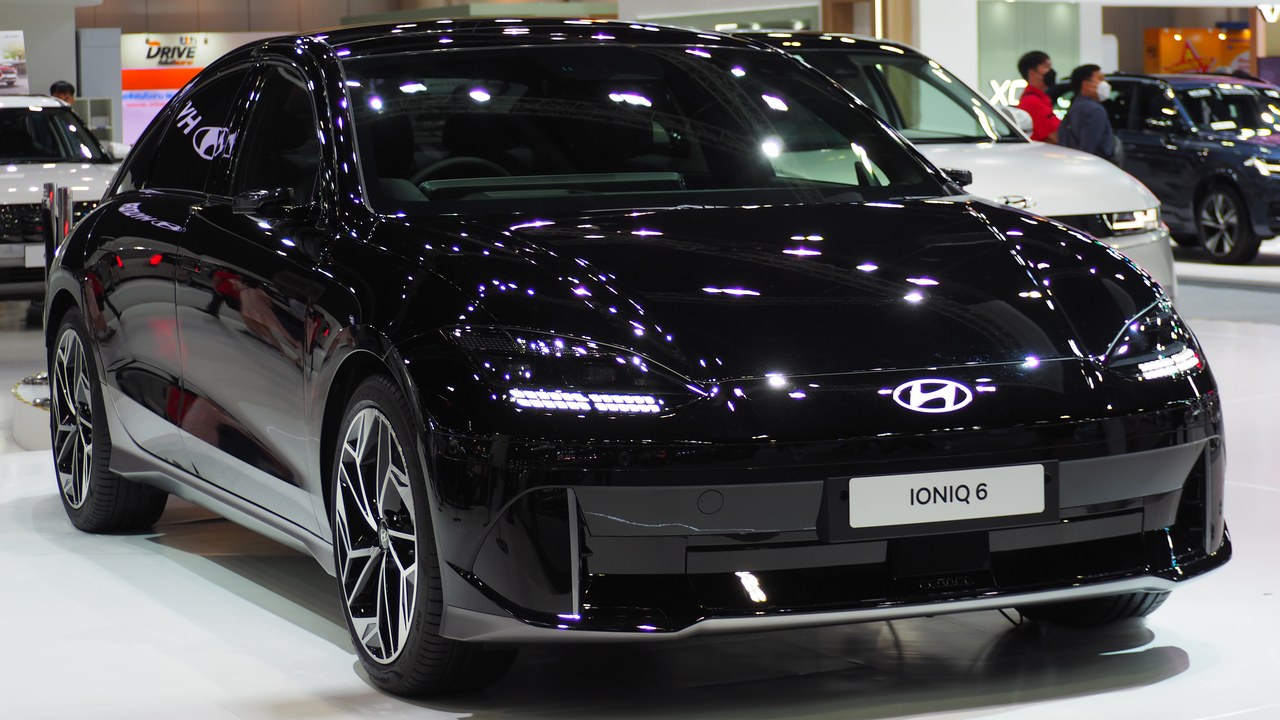
Airflow shapes range more than most shoppers expect, and Hyundai built an entire car around that principle. The Long Range rear-wheel-drive Ioniq 6 riding on 18-inch wheels earned an EPA rating of 361 miles, outrunning far more expensive machinery while carrying a battery of fairly ordinary size. The teardrop silhouette is the whole argument.
Adding a front motor or stepping up to 20-inch wheels costs meaningful distance, which underlines how much the slippery shape actually contributes. An 800-volt electrical system also makes replenishing the pack unusually quick once the distance does finally run out.
7. Chevrolet Silverado EV: Brute-Force Battery Capacity
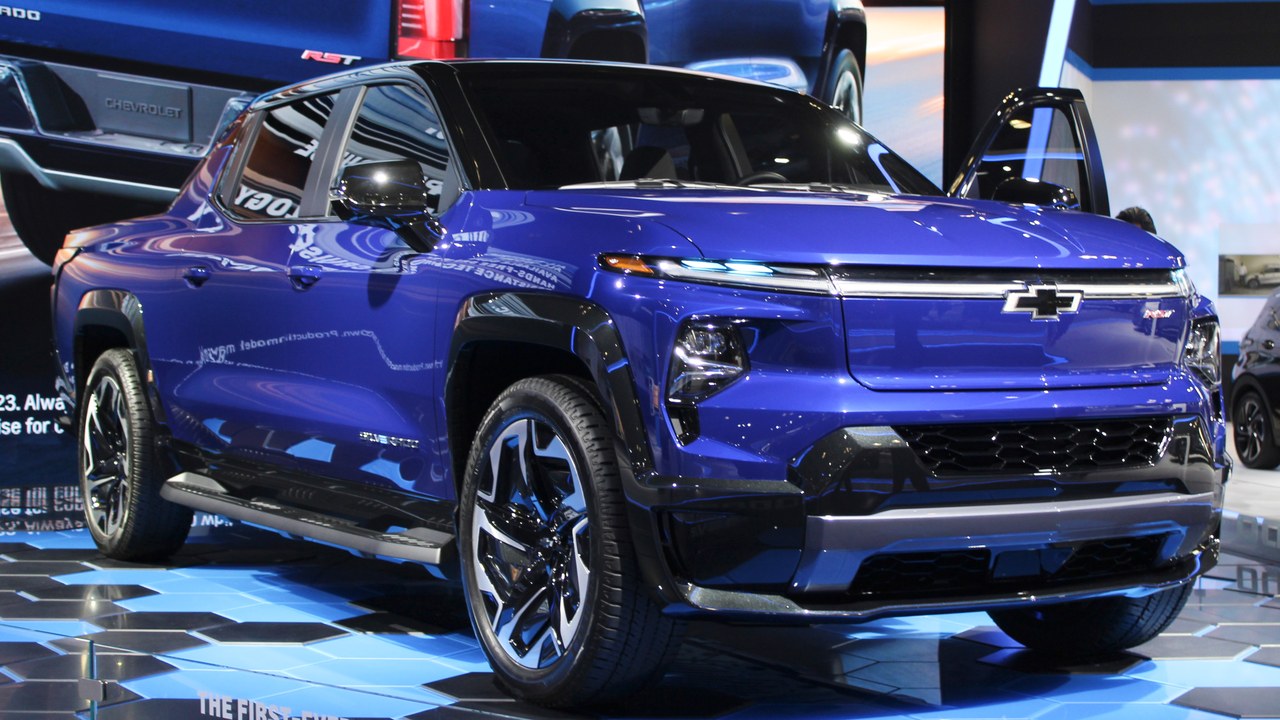
Chevrolet answered the range question with sheer size rather than finesse. The RST First Edition launched with an EPA-estimated 440 miles, drawing on a pack of roughly 200 kilowatt-hours, among the largest ever fitted to a production vehicle. Nothing exotic is happening beneath the skin; there is simply an enormous amount of stored energy on board.
That strategy carries penalties in weight, cost and charging time, and lower work-truck trims with smaller packs travel less. Later configurations have been marketed with higher figures still, though ratings shift by trim and model year.
8. Cadillac Lyriq: Three Hundred Miles, Quietly
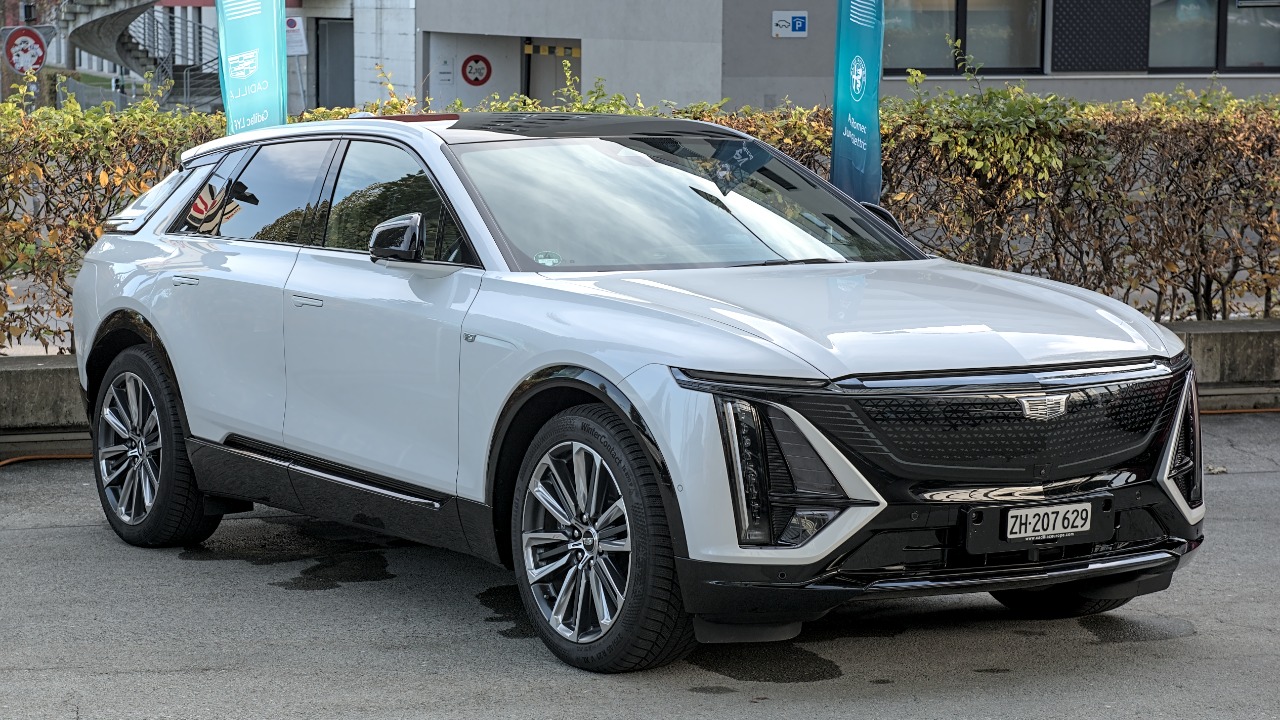
Cadillac’s electric SUV leans on GM’s shared battery architecture instead of exotic engineering. The rear-wheel-drive Lyriq was EPA-rated at 314 miles, with the dual-motor all-wheel-drive version surrendering a few of those miles in exchange for traction. A pack in the neighborhood of 100 kilowatt-hours does most of the work.
It is not the longest-legged vehicle here, and it was never meant to be. What the Lyriq demonstrates instead is that a mainstream luxury SUV can now clear 300 miles without special hardware, an exotic voltage architecture, or a headline-grabbing price tag attached to the window sticker.
More from Morning Overview
- A California supervolcano has bulged upward about two and a half feet since 1978
- The FTC is warning about a scam quietly draining thousands from victims
- The NSA is again telling phone owners to switch off one location setting
- A handful of car transmissions are so tough mechanics say they almost never fail
