
Discontinued sport utility vehicles can remain desirable long after their factories move on, especially when a model combines distinctive styling, durable mechanicals, or genuine trail ability. That demand keeps certain older nameplates visible in classified listings and enthusiast circles instead of fading into ordinary transportation. These eight discontinued SUVs still attract determined used-vehicle buyers.
1. Toyota FJ Cruiser: Retro Style Became a Cult Favorite
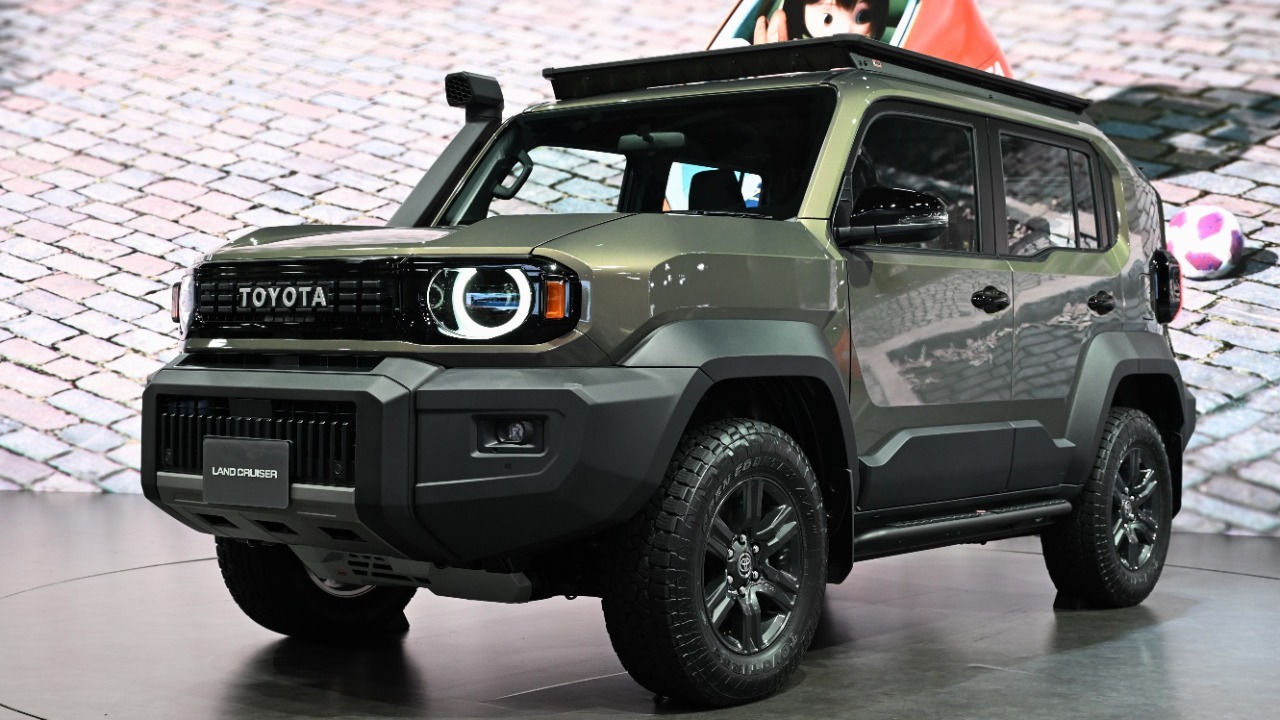
The Toyota FJ Cruiser paired deliberately retro styling with hardware intended for more than an urban commute. Its model history ties the design to Toyota’s classic off-road lineage, while the upright body, short overhangs, and unusual rear-hinged access doors gave it an identity that newer crossovers rarely match. That combination helped the FJ become recognizable even after it disappeared from American showrooms.
Used demand reflects more than nostalgia. Buyers still seek clean examples for trail capability, Toyota familiarity, and styling that has aged into something distinctive rather than anonymous. Condition matters because off-road use, modifications, rust, and incomplete maintenance can separate a carefully kept vehicle from an expensive project. The strongest examples command attention for originality and documented care.
2. Nissan Xterra: Rugged Simplicity Still Has Buyers
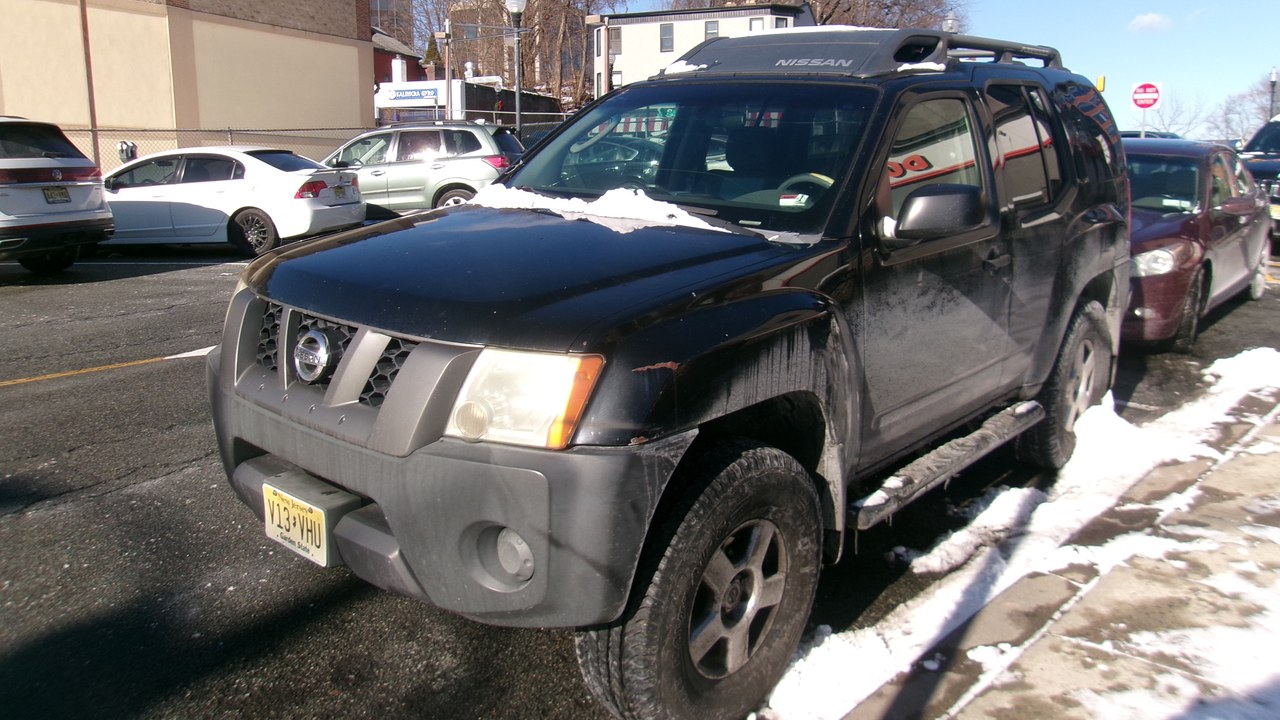
The Nissan Xterra built its reputation around a straightforward truck-based formula at a time when many sport utility vehicles were becoming softer crossovers. The Xterra’s production history shows two generations shaped around practical utility, recognizable roof detailing, and an outdoor-oriented identity rather than luxury. Its relatively simple mission is precisely what keeps it relevant among shoppers who want a used utility vehicle without layers of premium equipment.
That appeal does not make every surviving Xterra equally desirable. A buyer still has to assess frame condition, signs of hard trail use, cooling-system history, and any suspension or tire modifications. Well-maintained, largely original examples preserve the durability and usability that created the following. Few newer vehicles offer the same compact, rugged personality.
3. Ford Flex: The Boxy Outlier Found Its Audience
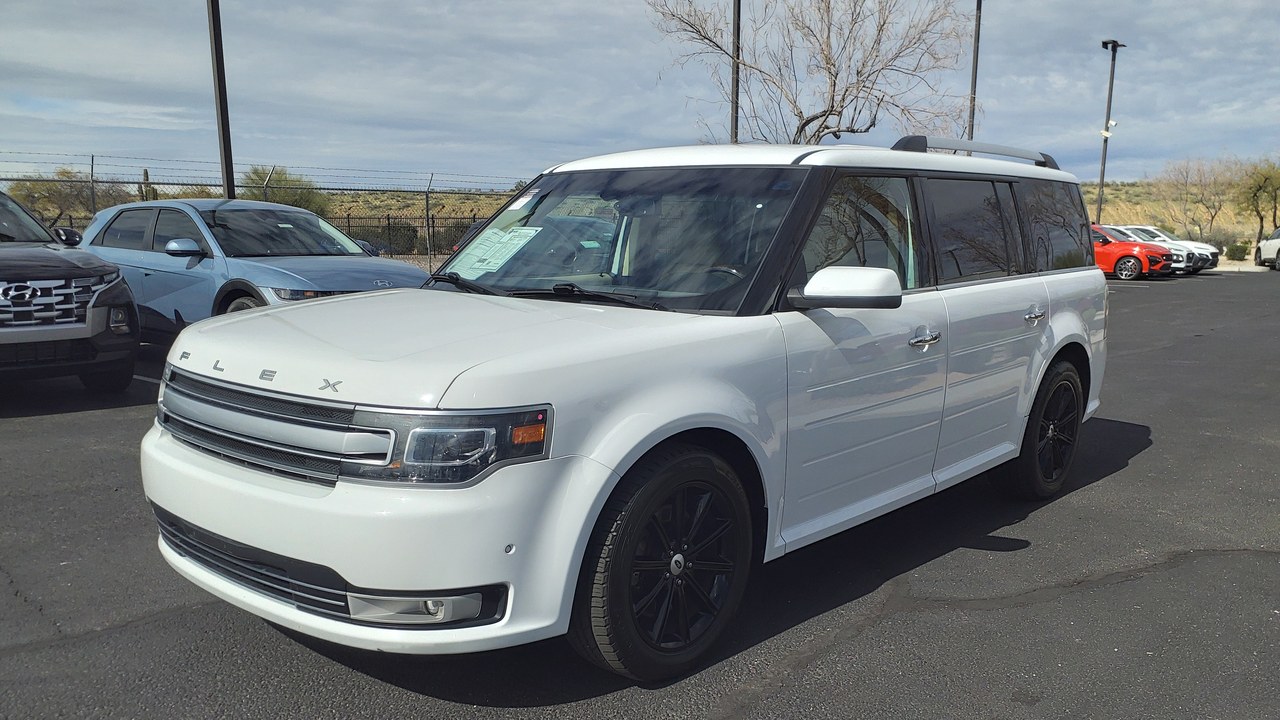
The Ford Flex never followed the usual tall, rugged-looking SUV template. Its long-roof design combined a low, boxy profile with three-row practicality, making it look closer to a modern wagon than a conventional family crossover. That visual difference limited its mass-market fit, yet it also created a devoted audience that appreciates roomy packaging without the bulk and stance of a full-size sport utility vehicle.
Used shoppers often focus on configuration and maintenance because the Flex ranged from ordinary family transport to more powerful versions. Service records, drivetrain condition, electronics, and signs of heavy passenger use matter more than the novelty of the silhouette. Few current vehicles offer the same broad cabin, road-oriented manners, and unmistakably squared-off styling.
4. Hummer H3: Smaller Size Kept Real Trail Credibility
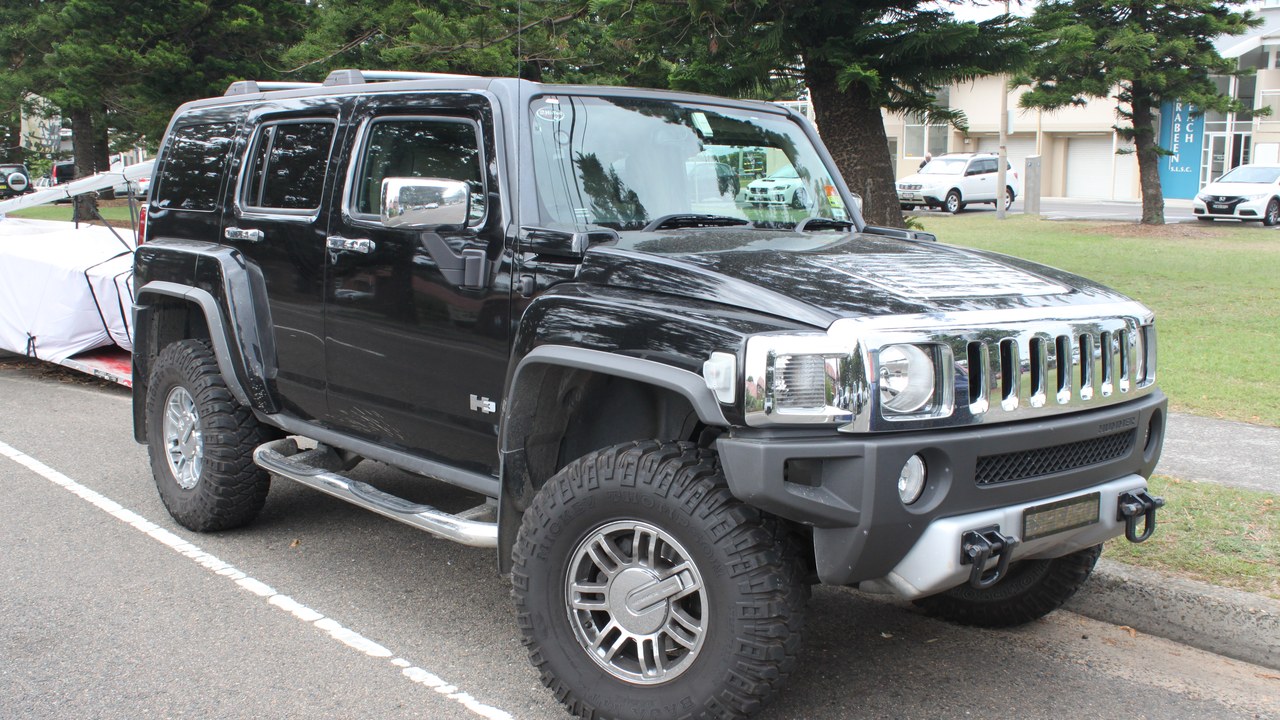
The Hummer H3 translated the brand’s military-inspired look into a smaller package without abandoning the off-road image that defined the badge. The H3 model record describes a body-on-frame sport utility vehicle with four-wheel-drive capability, giving it substance beyond the squared bodywork and upright grille. For buyers drawn to the Hummer identity, it remains a more manageable alternative to the much larger models that made the name famous.
Enthusiasm still requires careful inspection. H3s may have spent years towing, exploring trails, or carrying oversized aftermarket wheels, affecting steering, suspension, and driveline wear. Unmodified examples with maintenance documentation retain the original balance of daily usability and off-pavement ability. No current showroom equivalent offers quite the same scale, image, and hardware.
5. Toyota Land Cruiser (200 series): A Departed Flagship Became a Target
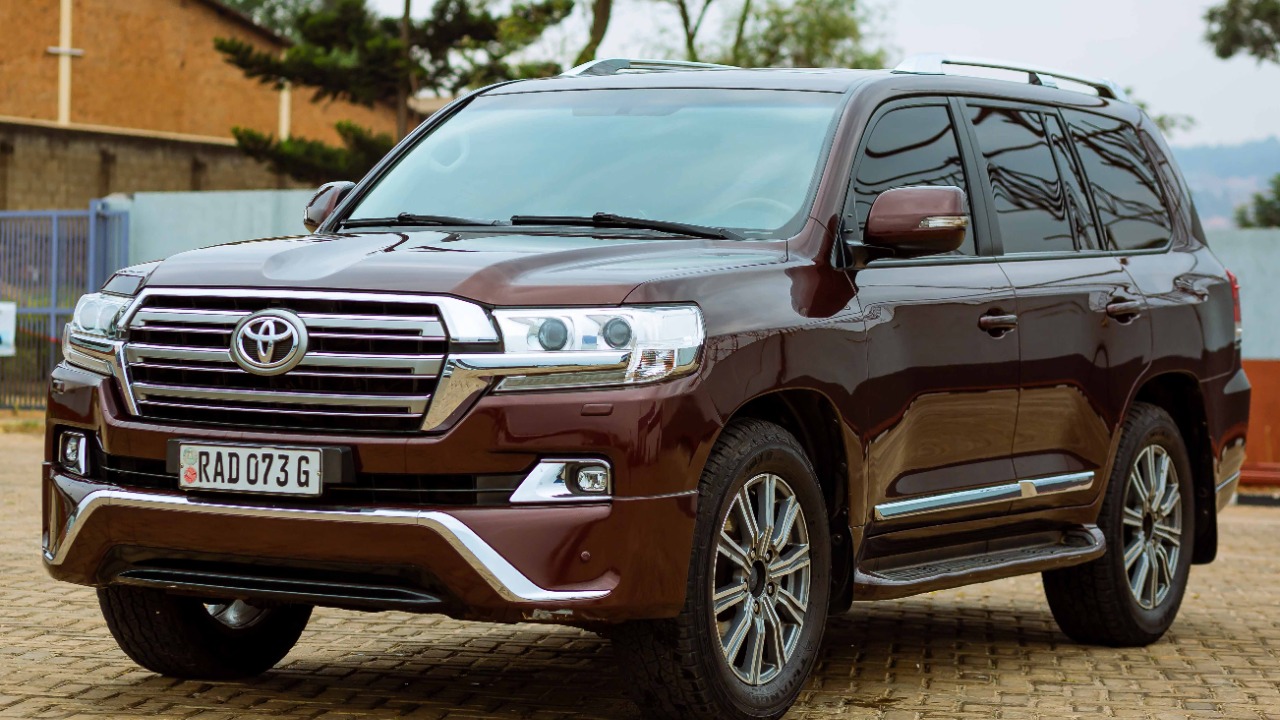
The 200-series Toyota Land Cruiser combined full-size comfort with a reputation for serious utility. The Land Cruiser lineage stretches across decades of four-wheel-drive development, and the 200 series represented a substantial modern interpretation before leaving the American market after 2021. Its withdrawal turned a familiar flagship into a finite used-market choice for buyers who valued that generation.
Demand centers on capability and durability, but age and complexity make documentation essential. A prospective example warrants scrutiny for maintenance, underbody condition, towing history, suspension wear, and comfort-system operation. High mileage alone does not settle the question; careful servicing can matter more than a low odometer reading on a neglected vehicle.
6. Mitsubishi Montero: Proven Utility Outlasted Its Showroom Run
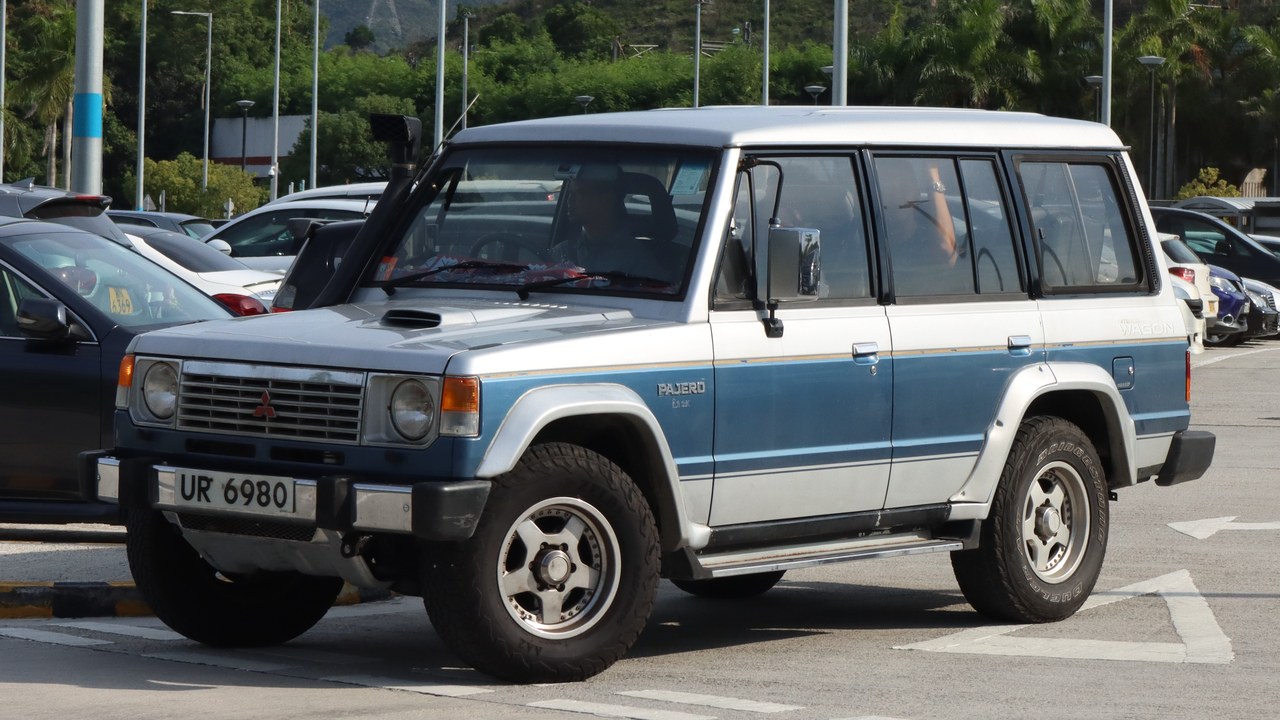
The Mitsubishi Montero, sold elsewhere under the Pajero name, developed a following through a long production run rooted in four-wheel-drive utility. Its international model history spans several generations, body styles, and markets, giving used buyers a broad field of possibilities. American-market Monteros remain especially interesting because the nameplate disappeared locally while its reputation continued through global enthusiast communities.
A worthwhile Montero depends on generation, specification, and preservation rather than the badge alone. Buyers examine rust, drivetrain maintenance, four-wheel-drive operation, and the quality of prior repairs or modifications. Parts availability can vary with age and configuration, raising the value of complete records. A solid example still offers classic proportions and genuine utility outside the mainstream.
7. Isuzu VehiCROSS: Rare Styling Turned Into Collectibility
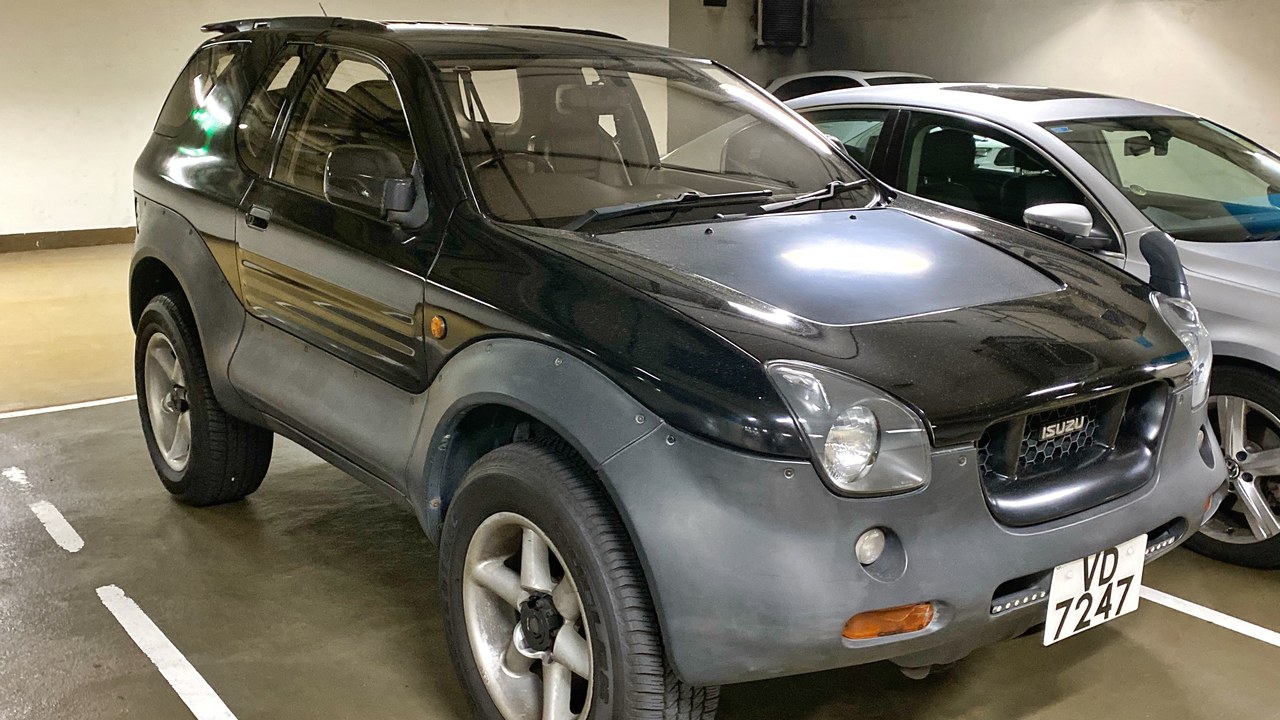
The Isuzu VehiCROSS looked experimental when new and remains startling decades later. Its short production story centers on a compact two-door SUV with dramatic body cladding, a distinctive stance, and genuine four-wheel-drive intent. Limited availability and unconventional styling now make surviving examples appealing to collectors who prefer rarity and design character over broad familiarity.
Scarcity complicates ownership as much as it strengthens interest. VehiCROSS-specific trim, body panels, and interior pieces can be difficult to replace, so completeness deserves close attention. Mechanical condition remains important, but missing unique components can be equally consequential. The strongest examples preserve the details that made the model unusual instead of hiding them under extensive modification.
8. Lexus GX 470: Luxury Trim Hid Serious Hardware
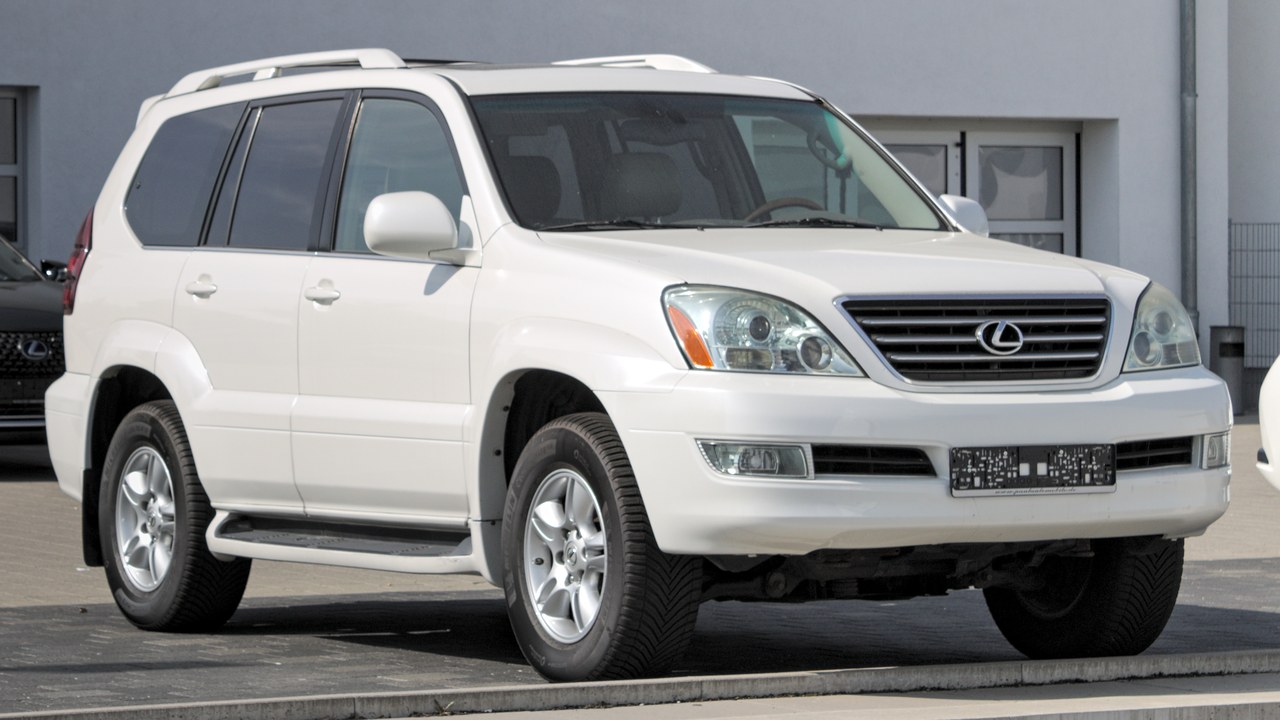
The Lexus GX 470 wrapped traditional four-wheel-drive underpinnings in the quieter presentation of a luxury SUV. The GX model history identifies it as the original generation of the nameplate, closely related to Toyota’s Land Cruiser Prado line. That mechanical connection gives the GX 470 an appeal extending beyond leather, wood trim, and a familiar luxury badge.
Used demand comes from shoppers seeking comfort and a durable platform, including enthusiasts who prepare examples for trail or overland use. Inspection should cover major service, suspension condition, four-wheel-drive operation, rust, and aging electronics. Modifications may suit a particular purpose but can also conceal hard use. A documented GX 470 remains desirable because it combines old-school utility with everyday refinement.
More from Morning Overview
- The Pentagon’s newest UFO files describe a fish-scaled, potato-shaped object on camera
- Scientists spotted a rare tusked whale alive at sea for the first time, then fired a crossbow at it.
- A Colorado wildfire forced level-three ‘leave now’ orders across Ouray County
- A skeleton beneath Petra’s Treasury was found clutching a chalice that resembles the Holy Grail
