
Discontinuation rarely follows public demand. Corporate restructuring, tightening safety regulation and shifting buyer taste have retired nameplates that enthusiasts never stopped defending, and used-market prices frequently reflect that stubborn loyalty decades after the last unit rolled off the line. Here are eight discontinued cars that owners, collectors and tuners still argue deserve to come back.
1. Ford Crown Victoria: The Last Body-On-Frame Sedan
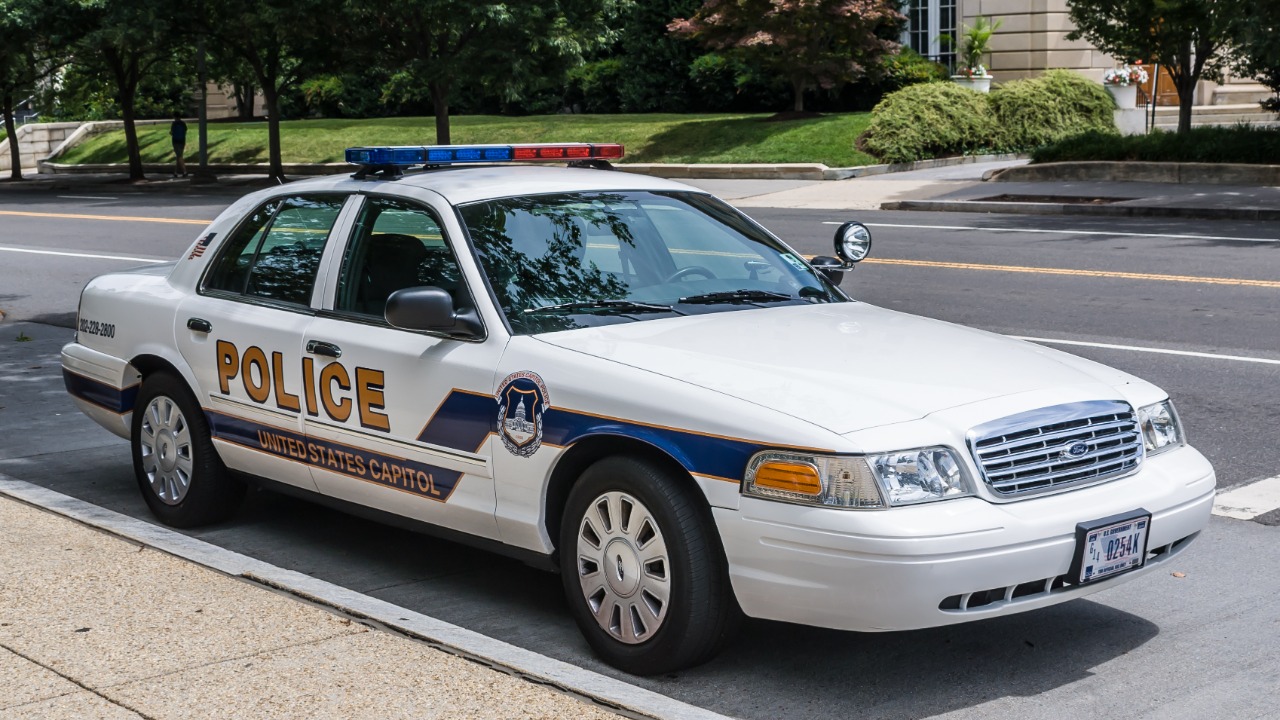
Ford kept the Crown Victoria on the rear-wheel-drive Panther platform with body-on-frame construction long after rivals moved to unibody design, a choice that kept repairs cheap and structures durable under abuse. Police fleets and taxi operators bought it in enormous numbers, and the Police Interceptor variant became the default American patrol car through the 1990s and 2000s. The final Crown Victoria left the St. Thomas Assembly plant in Ontario in September 2011, ending a run that began in 1992.
Nothing directly replaced it. Departments migrated to the Taurus-based Police Interceptor and then to SUVs, while used Crown Victorias still trade briskly among buyers who want a full frame, a 4.6-liter V8 and mechanical simplicity.
2. Pontiac Firebird: The F-Body That Never Returned
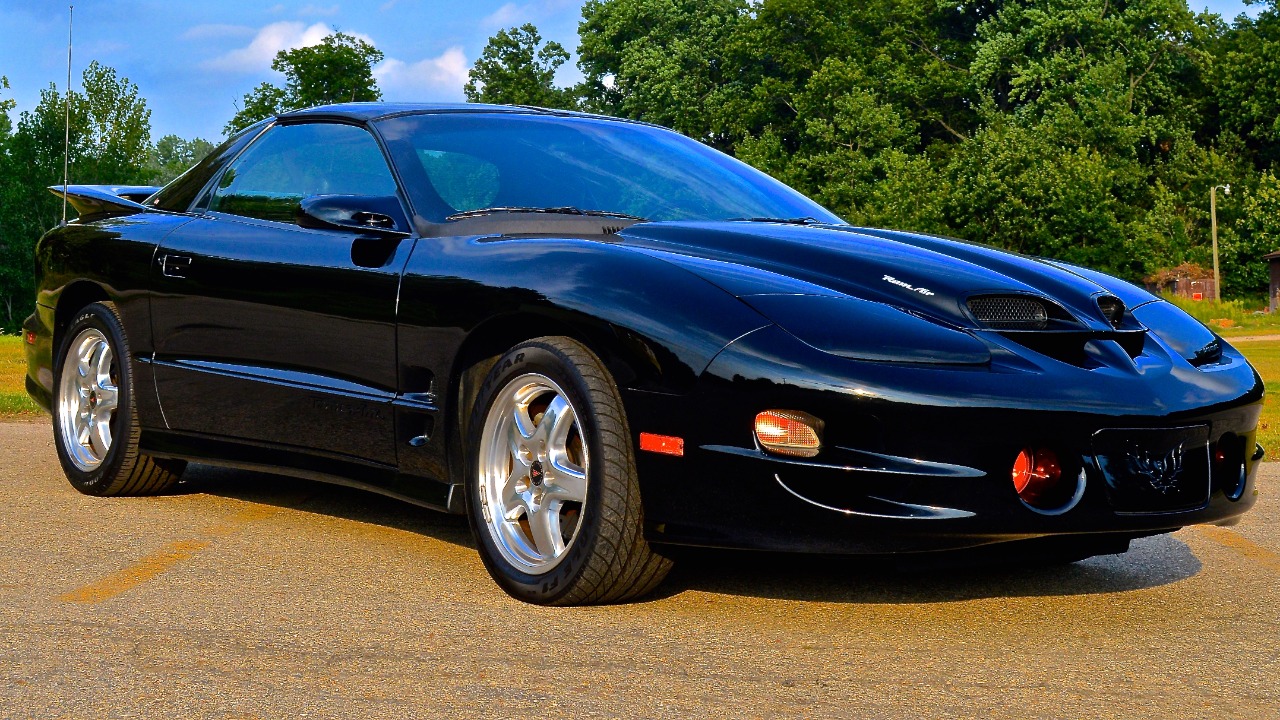
Pontiac’s F-body coupe ran four generations from 1967 to 2002, sharing a platform and much of its structure with the Chevrolet Camaro while keeping its own sheet metal, a split nose and, in Trans Am form, a hood decal that became shorthand for 1970s American performance. General Motors ended Firebird production in 2002 as two-door coupe sales collapsed, then shut the Pontiac division entirely in 2010.
The asymmetry is what stings. Chevrolet revived the Camaro in 2009 on a fresh rear-drive platform, so the engineering basis for a modern Firebird plainly existed, but with the division gone there was no badge left to wear it. Clean fourth-generation Trans Ams have appreciated accordingly.
3. Chevrolet El Camino: The Coupe Utility With A Cult
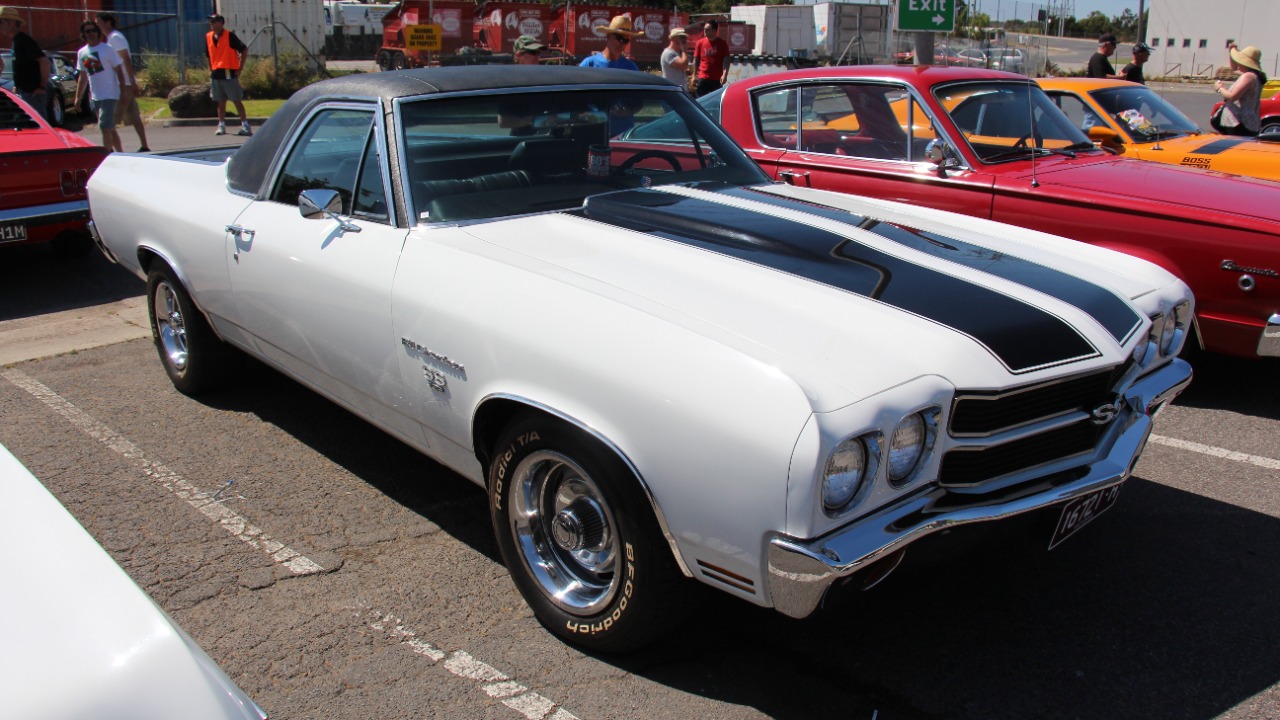
Chevrolet answered Ford’s Ranchero with a car-based pickup that combined a passenger-car floorpan, a passenger-car ride and an open cargo bed, selling it briefly from 1959 to 1960 and then continuously from 1964 to 1987. Later versions rode on Chevelle and Malibu underpinnings, and SS trim could be ordered with big-block V8s that made the El Camino nameplate a genuine muscle machine rather than a novelty.
Appetite for the format outlived the model. Anyone wanting a comfortable cab and a usable bed now shops midsize crew-cab trucks instead, which is why tidy El Caminos routinely command more than a comparable Malibu sedan of the same year.
4. Dodge Viper: Ten Cylinders, No Safety Net
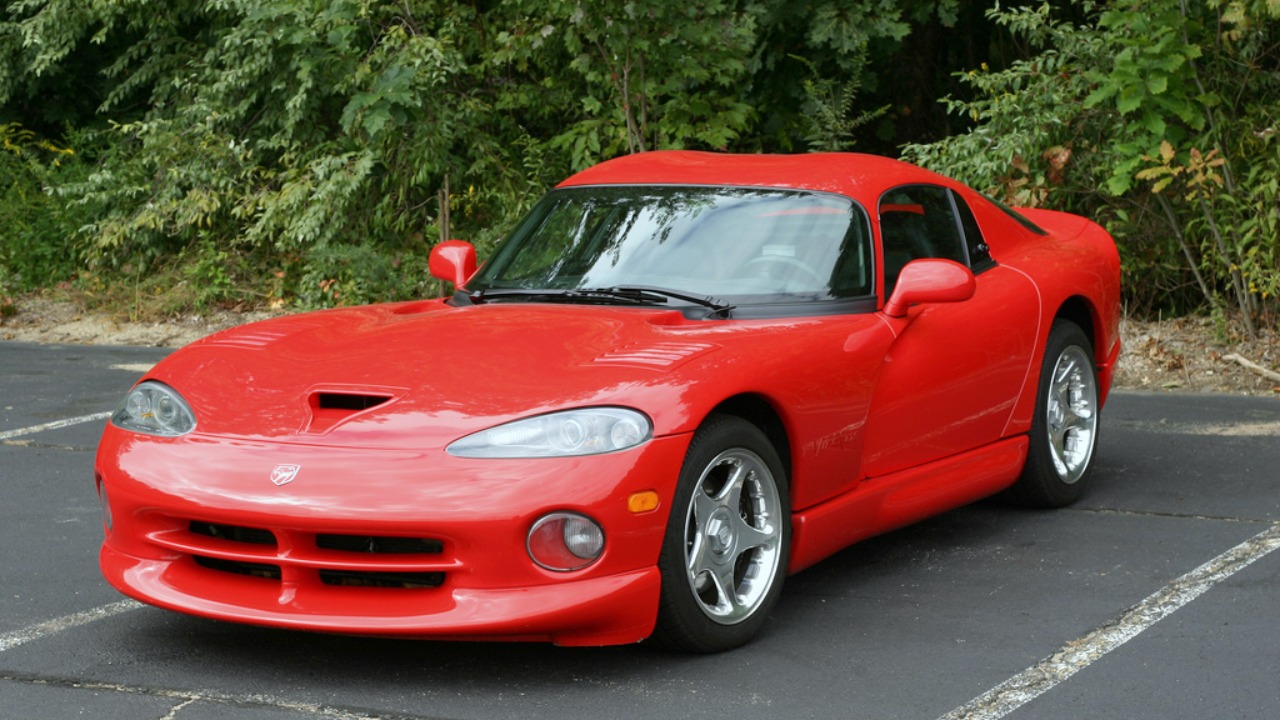
Dodge launched the Viper in 1992 around an 8.0-liter V10, a manual gearbox and a deliberately spartan specification: early RT/10 roadsters shipped without exterior door handles, without glass side windows and without anti-lock brakes. Displacement later grew to 8.4 liters and output climbed past 600 horsepower, yet the front-mid-engine layout and the reputation for punishing sloppy inputs survived intact. Viper production ended in 2017 at the Conner Avenue plant in Detroit.
Regulation closed the file, not indifference. Meeting a side-curtain airbag standard would have required a redesign that Viper volumes could never repay, so a car with no direct successor was retired while demand for the final examples still outstripped supply.
5. Plymouth Barracuda: The Pony Car That Beat The Mustang
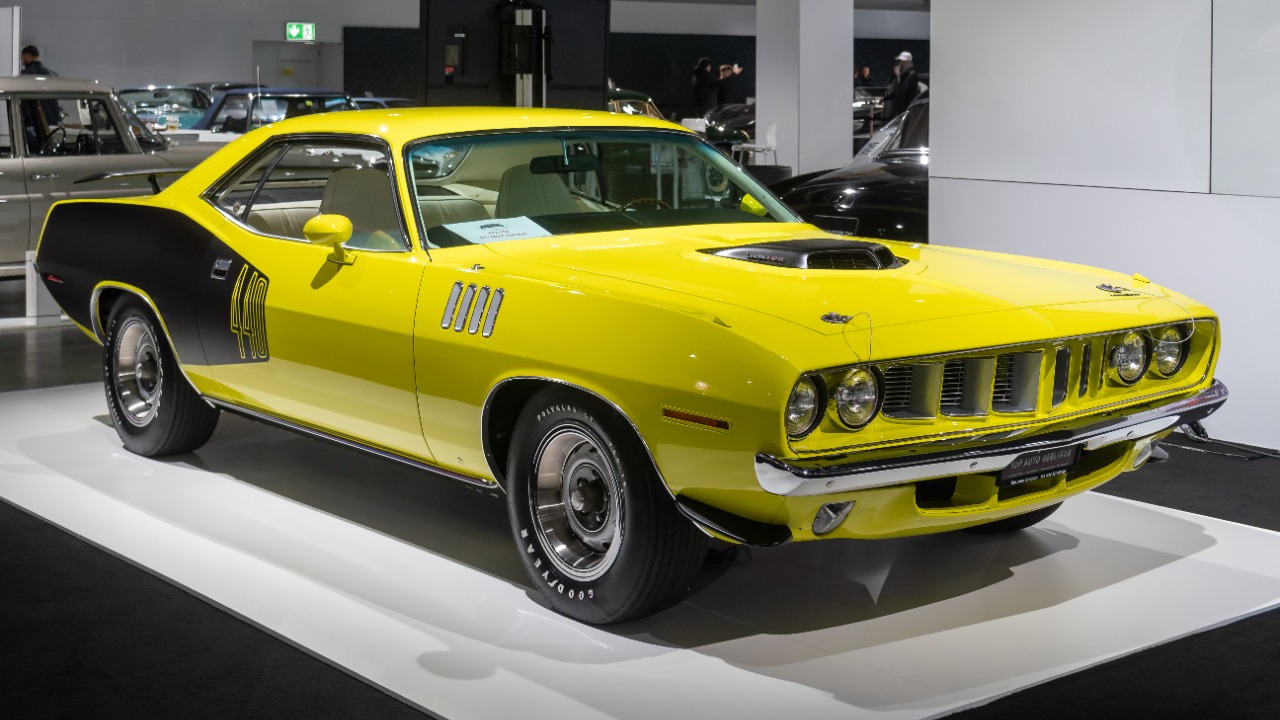
Plymouth put the Barracuda on sale on April 1, 1964, roughly two weeks ahead of the Ford Mustang, giving the glass-backed fastback a claim as the first modern pony car. Three generations followed through 1974, and the 1970-71 E-body cars could be ordered with engines up to the 426 Hemi. Just 11 Hemi ‘Cuda convertibles were built for 1971, a scarcity that has pushed survivors into seven-figure auction territory.
Chrysler retired the name rather than the idea. The Challenger came back in 2008 and has carried the E-body memory ever since, while the Barracuda badge stayed dormant through repeated revival rumors, leaving collectors bidding on originals instead of buying something new.
6. Mercury Cougar: The Brand Died With It
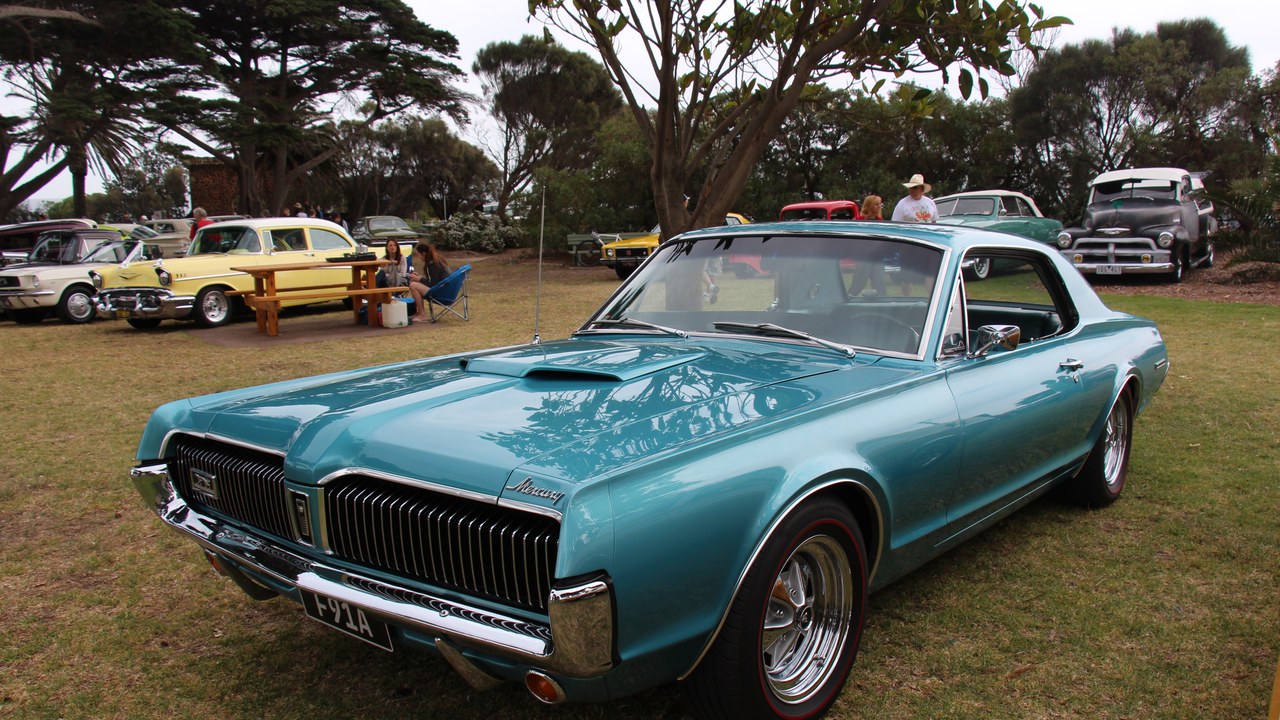
Arriving in 1967 as an upmarket Mustang on a longer wheelbase, the first Cougar paired hidden headlights and sequential taillights with a plusher cabin and took Motor Trend’s Car of the Year award in its debut season. Eight generations later the nameplate had drifted through personal-luxury coupes and mid-size sedans to a front-wheel-drive hatchback sharing the Ford Contour’s bones, and Cougar production stopped in 2002.
Mercury itself followed. Ford wound the division down in 2010, erasing the dealer network any revived Cougar would have needed, and enthusiasm has since concentrated on the 1967-70 cars, whose Mustang mechanicals keep restoration parts unusually easy to source.
7. Honda S2000: Nine Thousand RPM, Gone
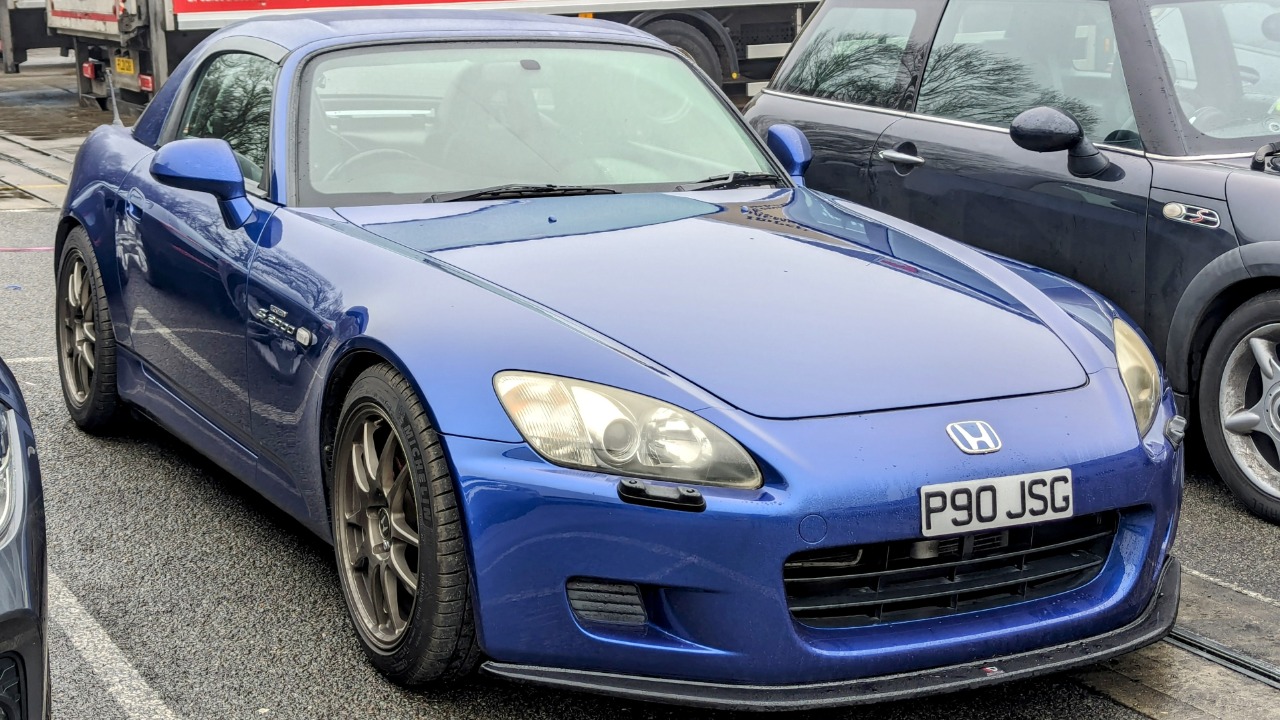
Honda mounted a 2.0-liter F20C behind the front axle line, and an 8,800-rpm redline with roughly 240 horsepower in US trim worked out near 120 horsepower per liter, the highest specific output of any naturally aspirated production engine at its 1999 launch. A six-speed manual was the only gearbox offered, and the front-mid layout delivered close to 50:50 weight distribution. S2000 production ran through 2009.
No successor arrived. Honda has since built the Civic Type R and rebuilt the NSX as a hybrid, but nothing in the range pairs a naturally aspirated screamer with rear-wheel drive and a folding roof, and low-mileage examples now change hands above their original sticker.
8. Nissan 240SX: Drifting’s Default Chassis
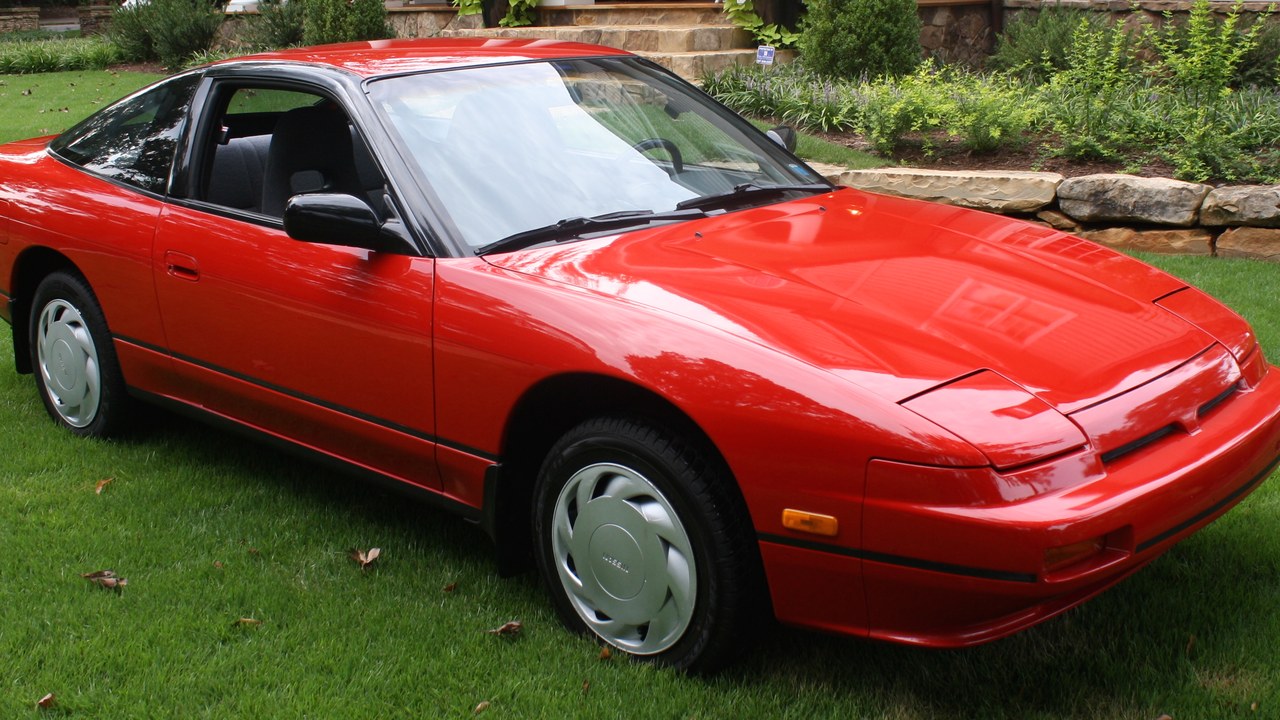
Nissan sold the 240SX in North America from 1989 to 1998 across the S13 and S14 chassis, fitting the workaday KA24 four-cylinder instead of the turbocharged SR20DET that powered its Silvia and 180SX siblings overseas. Rear-wheel drive, modest weight and abundant salvage-yard parts turned the 240SX chassis into the default entry point for drifting, and swapping in those overseas engines became a small industry of its own.
Scarcity is the problem now. Two decades of hard use, crash damage and heavy modification thinned the supply, and Nissan never fielded a North American replacement, so unmolested examples trade at prices that would have looked absurd when they were merely cheap used coupes.
This article was produced with the assistance of AI and reviewed by Morning Overview editors prior to publication.
More from Morning Overview
- A Colorado wildfire has exploded past 87,000 acres with no containment
- A wildfire near Ouray swelled past 18,000 acres, putting Colorado towns on alert
- The Pentagon’s newest UFO files describe a fish-scaled, potato-shaped object on camera
- Scientists spotted a rare tusked whale alive at sea for the first time, then fired a crossbow at it.
