
American hurricane losses are no longer counted in the millions; the worst storms now run past $100 billion apiece. Dense coastal development, aging levees and inland rainfall flooding have pushed those totals far higher than wind speed alone would suggest. These eight hurricanes stand as the costliest ever to strike the United States.
1. Hurricane Katrina: The $125 Billion Benchmark
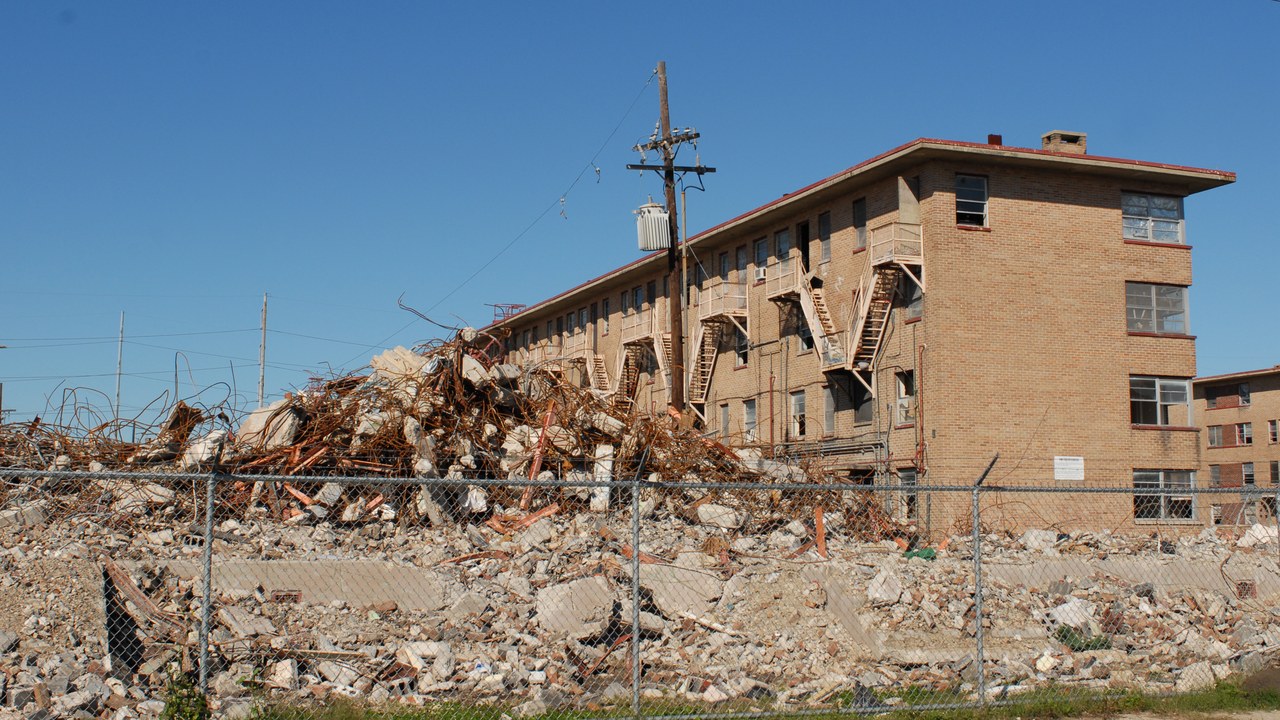
Katrina made landfall in southeast Louisiana on August 29, 2005 as a Category 3 storm, yet the destruction came from water rather than wind. Surge breached the levee and floodwall system protecting New Orleans, flooding roughly 80 percent of the city, and the storm’s total damage is put at about $125 billion. Its toll of roughly 1,392 dead makes it the deadliest American hurricane since 1928.
Investigators later traced much of the flooding to design and construction flaws in the federal levee system rather than to a storm that simply overwhelmed a sound defense. That distinction reframed Katrina as an engineering failure, and the rebuilt walls, gates and pumps have since cost tens of billions more.
2. Hurricane Harvey: Four Days of Rain Over Houston
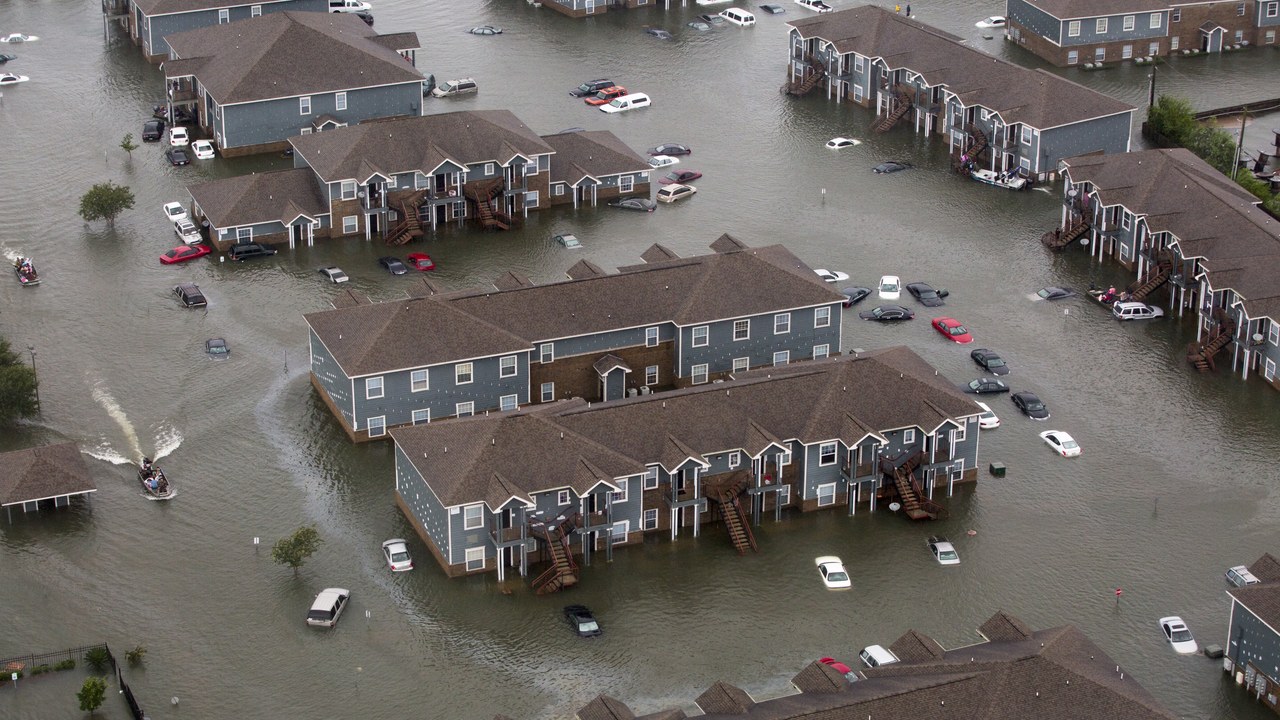
After coming ashore near Rockport, Texas in August 2017, Harvey stalled over the coast and the rain did not stop for four days. A gauge near Nederland recorded 60.58 inches, the highest total ever measured from a tropical cyclone in the continental United States, and the resulting flood losses reached roughly $125 billion, tying Katrina as the costliest tropical cyclone on record.
Harvey showed that a weakening storm can still be the expensive one. Much of the flooded property around Houston sat outside mapped high-risk zones and carried no flood insurance, leaving repair bills with homeowners who had been told the water would never reach them.
3. Hurricane Ian: Florida’s Costliest Storm
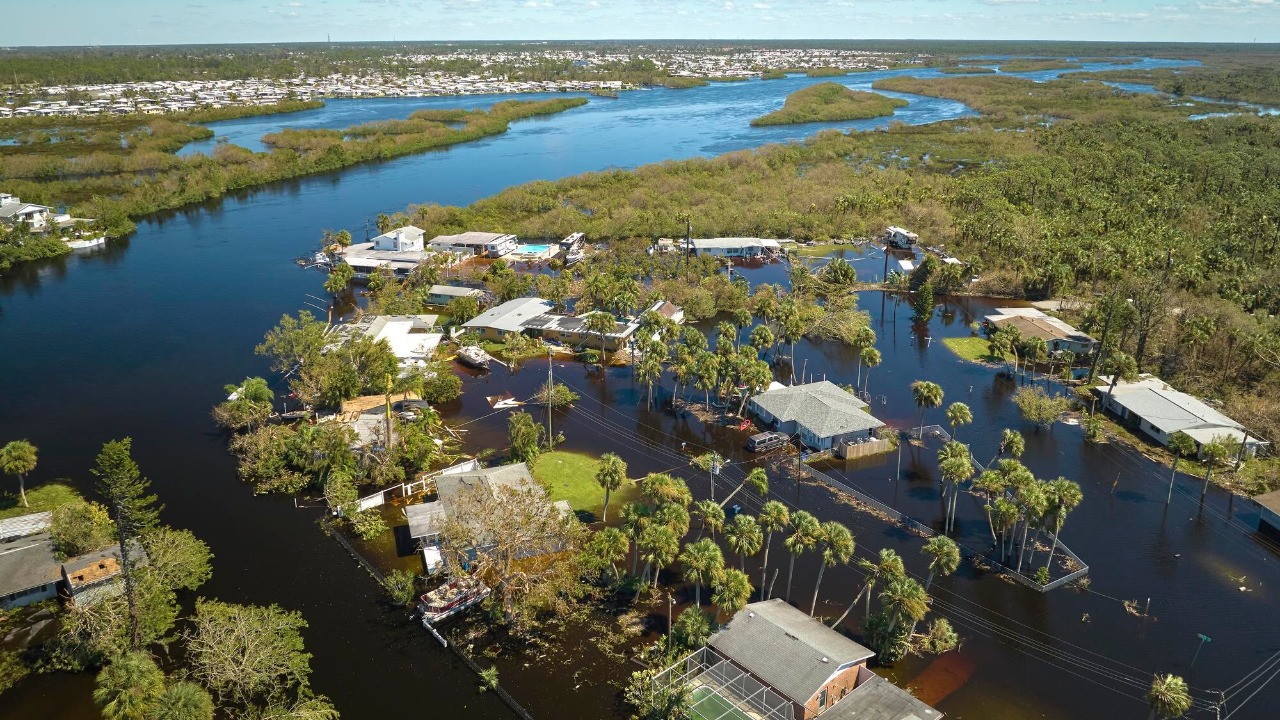
Ian struck Cayo Costa, Florida on September 28, 2022 with 150 mph sustained winds, driving a surge of 10 to 15 feet into Fort Myers Beach and Sanibel, where the causeway to the mainland was severed in three places. Damage across the Southeast is estimated near $113 billion, the largest total any hurricane has produced in Florida.
More than 150 people died, most of them drowning in Lee County, where the county issued evacuation orders later than several of its neighbors. Ian also pushed Florida’s property insurance market into a crisis that outlasted the physical cleanup by years. Power failed for more than 2.6 million Florida customers, and on the barrier islands whole rows of houses were removed rather than damaged.
4. Hurricane Maria: The Blackout That Lasted Months
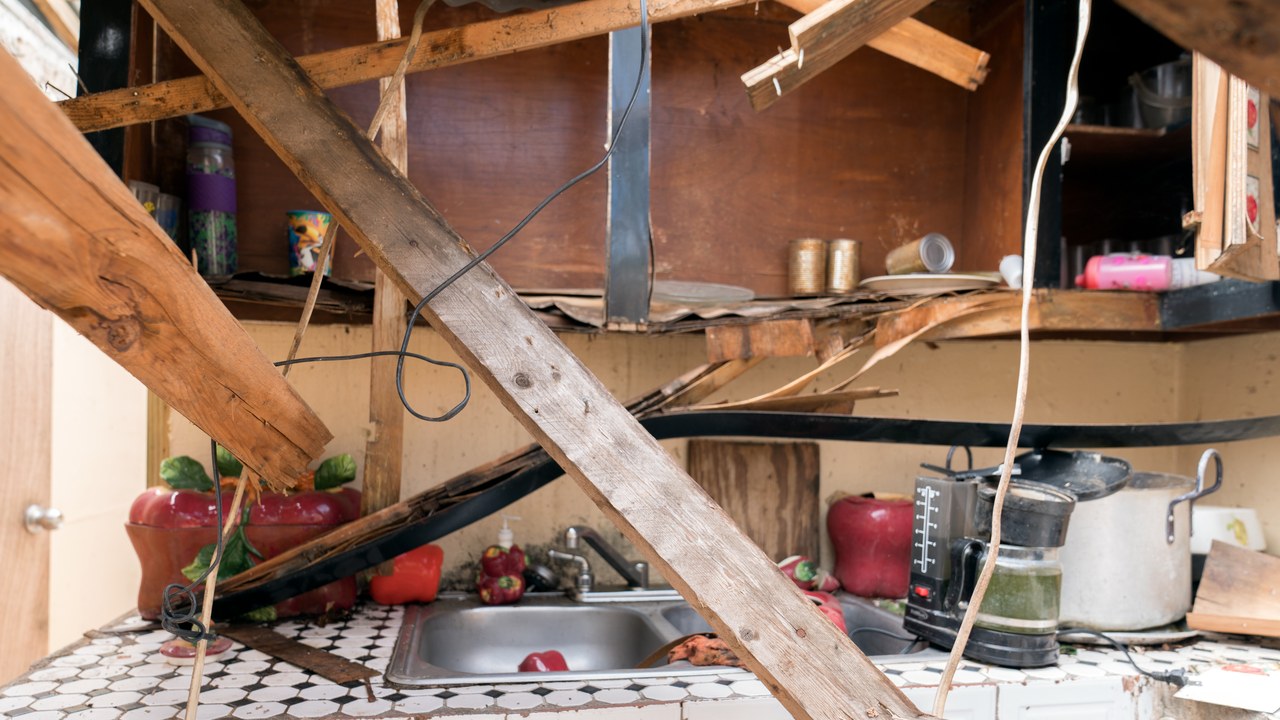
Crossing Puerto Rico on September 20, 2017 as a high-end Category 4, Maria destroyed the island’s transmission grid outright. Some communities waited close to eleven months for power, the longest blackout in American history, and damage on the island is estimated at about $90 billion. A George Washington University study commissioned by the territory later put excess deaths near 2,975, against an initial official count of 64.
The gap between those two numbers became its own controversy, exposing how storm mortality gets counted when hospitals, dialysis clinics and water systems fail for months after the wind stops. Grid repairs stretched on for years afterward, and migration from the island to the mainland accelerated sharply once residents saw how long normal service would take.
5. Hurricane Sandy: A Surge Into the Subway
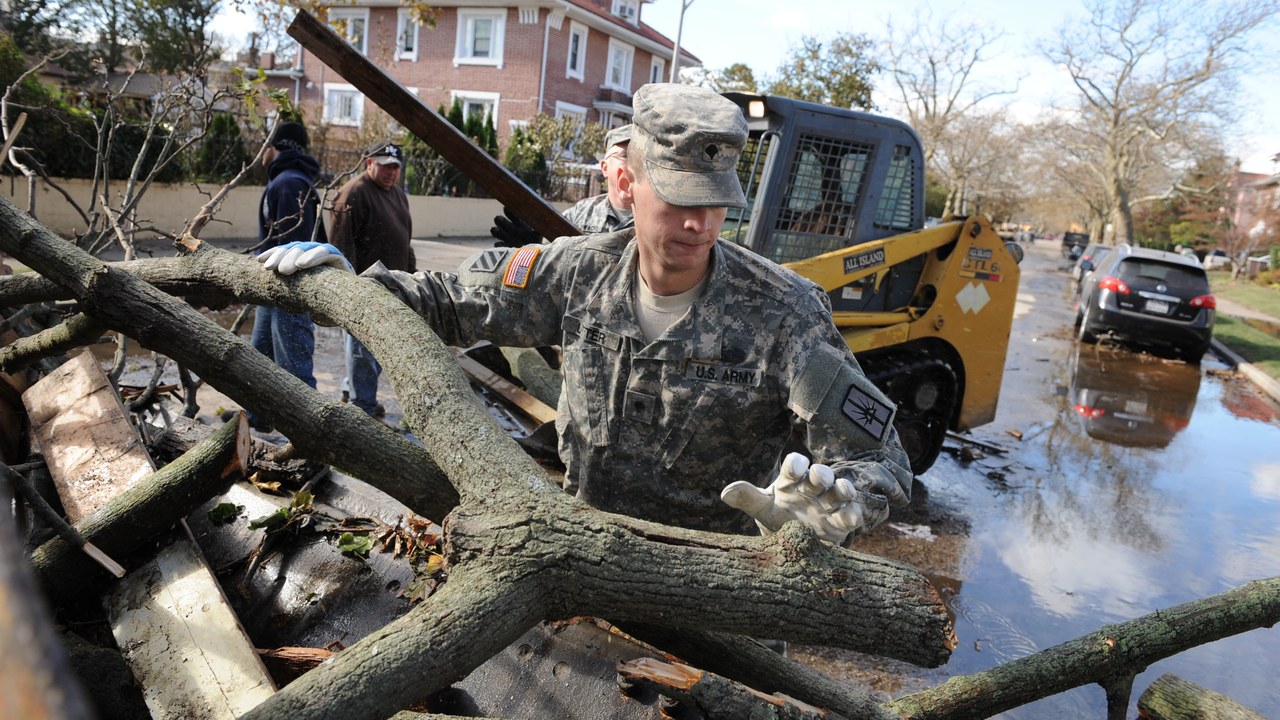
Sandy had already lost its tropical characteristics when it came ashore near Brigantine, New Jersey on October 29, 2012, but an enormous wind field pushed a record surge into New York Harbor, close to 14 feet at the Battery. Seawater poured into subway tunnels, road tunnels and Lower Manhattan substations, and the total damage bill reached about $68.7 billion.
The blackout that followed darkened Manhattan below 39th Street for days and forced a rethink of where critical equipment sits relative to sea level. Flood barriers and elevated switchgear installed since trace directly back to that night. Roughly 650,000 homes were damaged or destroyed across the affected states, most of them by water rather than wind.
6. Hurricane Irma: 185 MPH for 37 Hours
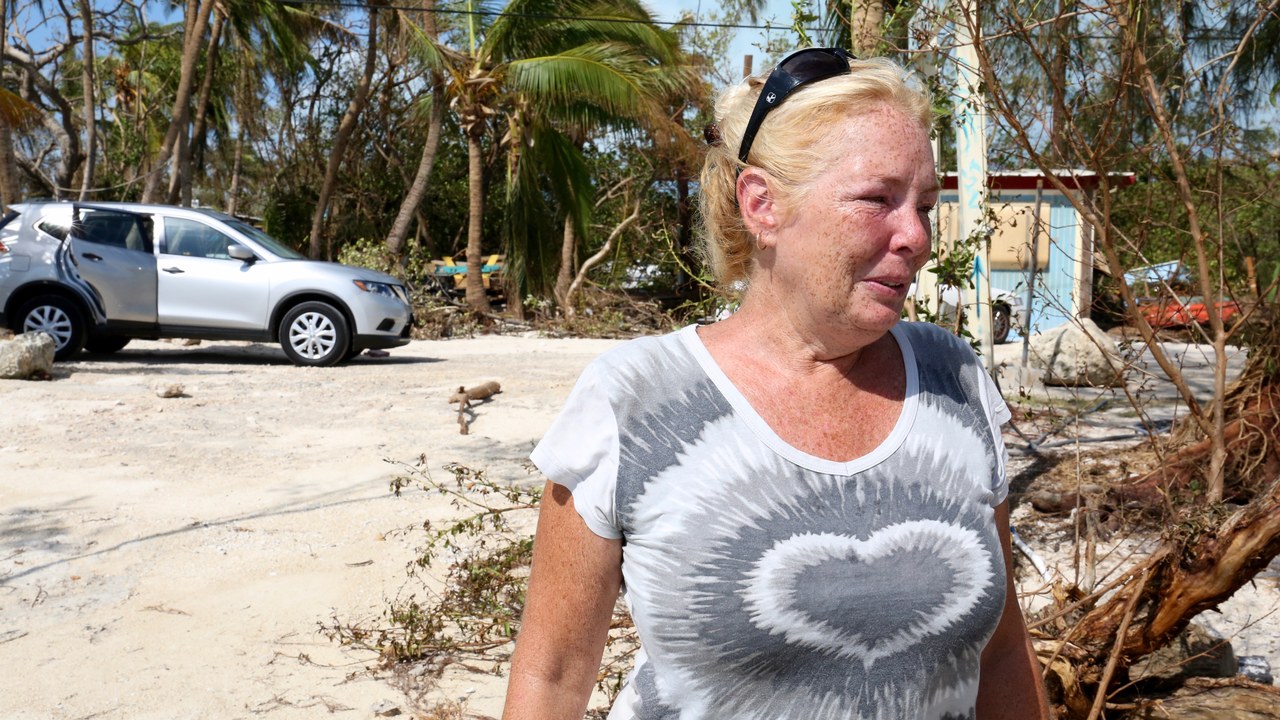
For 37 hours in September 2017, Irma held sustained winds of 185 mph, the longest any tropical cyclone on record has maintained that intensity. It flattened Barbuda, then hit Cudjoe Key, Florida as a Category 4 and ran the length of the peninsula; losses along its track across the Caribbean and the United States total roughly $77 billion.
Around 6.5 million Floridians were told to leave ahead of it, one of the largest evacuations the state has ever ordered. The fuel shortages that stranded drivers on the interstates became a planning problem every hurricane season since has had to answer for.
7. Hurricane Ida: Landfall in Louisiana, Drowning in New Jersey
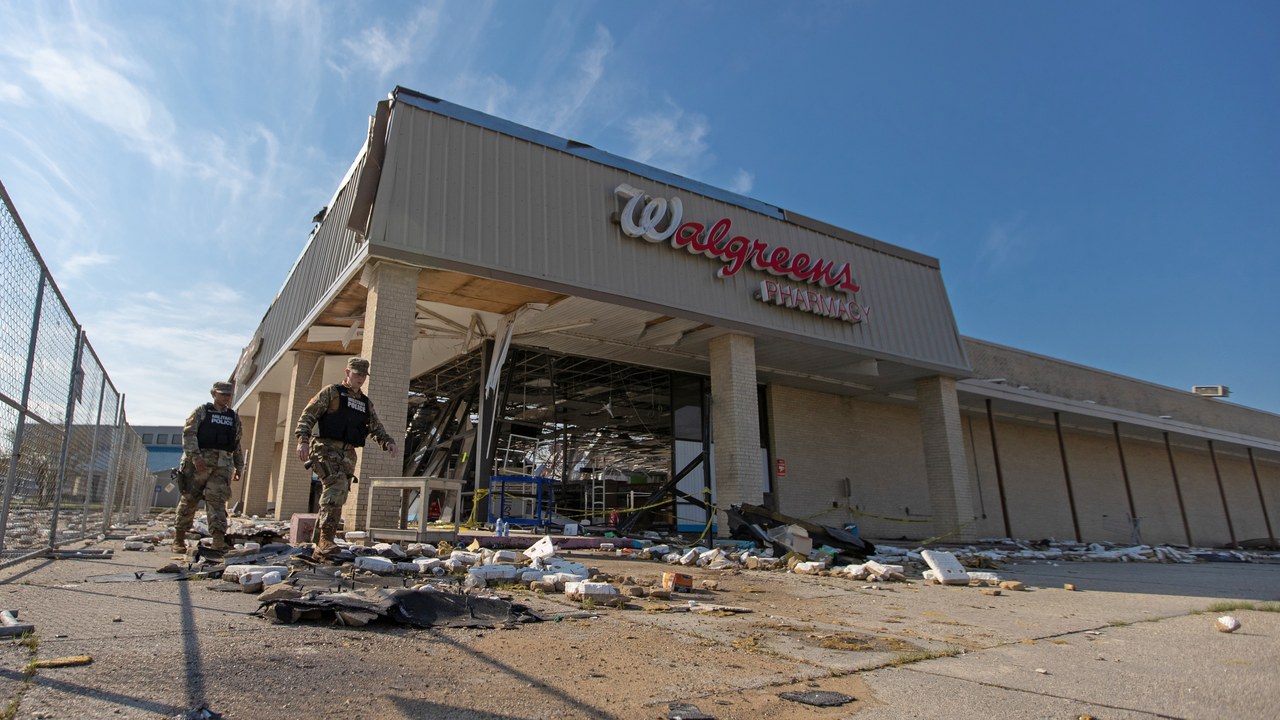
Ida hit Port Fourchon, Louisiana on August 29, 2021 with 150 mph winds, tying the strongest landfall ever recorded in the state and leaving New Orleans dark for days in late-summer heat. Four days later its remnants stalled over the Northeast, where Central Park logged 3.15 inches of rain in a single hour; the combined damage is estimated near $75 billion.
New York City issued its first flash flood emergency that night, and most of the region’s deaths happened in basement apartments that filled faster than anyone could climb out, a hazard with nothing to do with the coastline where the storm came ashore.
8. Hurricane Andrew: The Storm That Broke the Insurers
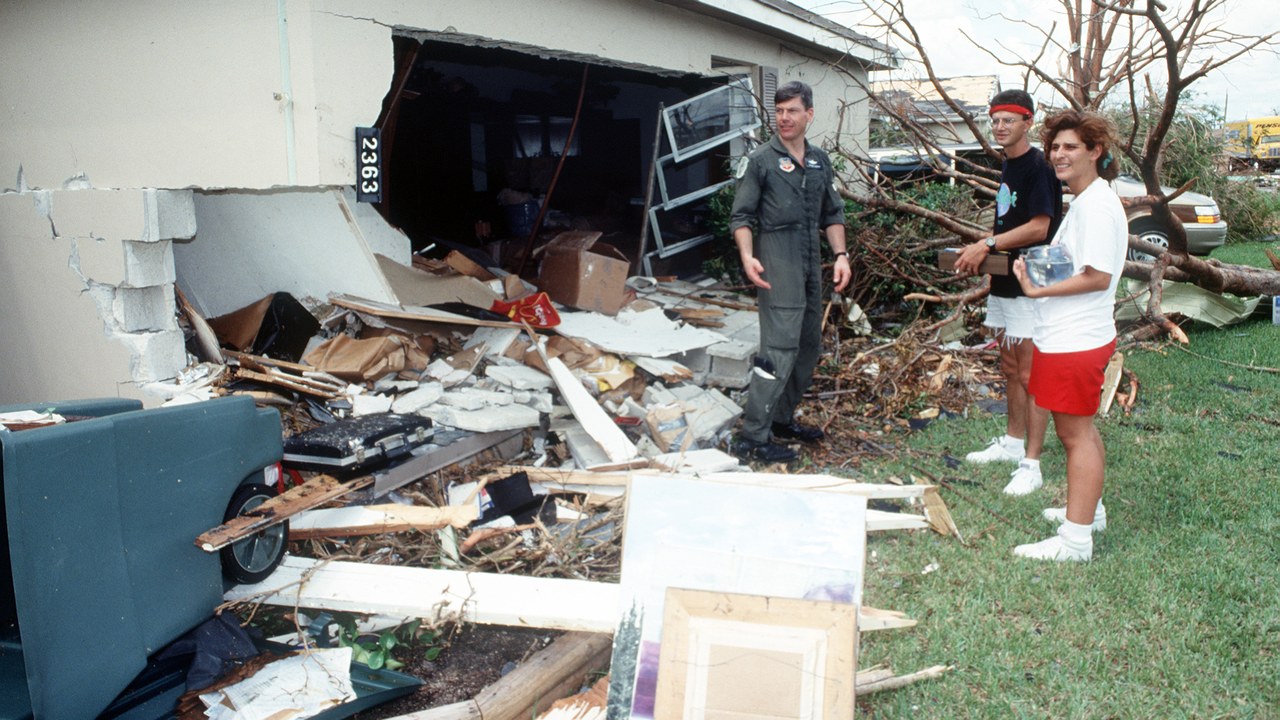
Andrew crossed southern Miami-Dade County on August 24, 1992 with 165 mph winds, a Category 5 rating restored by reanalysis a decade later, and destroyed 63,500 homes while leaving about 175,000 people without shelter. The damage figure of roughly $27.3 billion is stated in 1992 dollars; adjusted for inflation alone it is well over $50 billion today.
Eleven insurance companies were driven into insolvency by the claims, and the wreckage around Homestead exposed how loosely South Florida’s building code had been enforced. The rewritten code that followed is a large part of why later storms did less structural damage. Rebuilding around Homestead took years, and the Air Force base there was so badly wrecked that it never returned to its former front-line role.
This article was produced with the assistance of AI and reviewed by Morning Overview editors prior to publication.
More from Morning Overview
- A Colorado wildfire has exploded past 87,000 acres with no containment
- A wildfire near Ouray swelled past 18,000 acres, putting Colorado towns on alert
- The Pentagon’s newest UFO files describe a fish-scaled, potato-shaped object on camera
- Scientists spotted a rare tusked whale alive at sea for the first time, then fired a crossbow at it.
