
Depreciation punishes most new cars hardest in the first five years, but a small group of convertibles resists the slide. Limited production, cult followings, and body styles with no obvious replacement keep used-market demand stubbornly firm. Here are eight convertibles that tend to hold their value best once the five-year mark arrives.
1. Mazda MX-5 Miata: The Roadster That Refuses To Fall
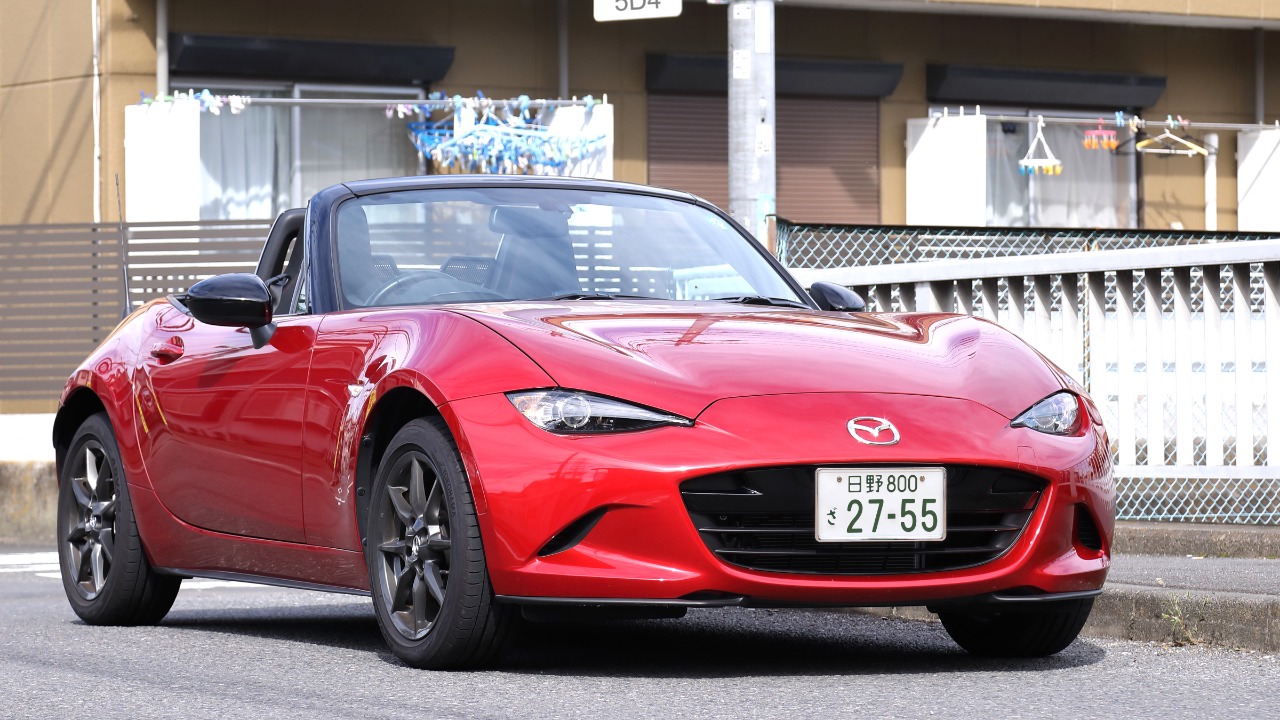
Launched in 1989, the MX-5 became the world’s best-selling two-seat roadster and has never left production since. Mazda’s refusal to abandon light weight, rear-wheel drive and a manually folding fabric roof means the current car is recognizably the same product as the original, and its four-generation production run gives used buyers an unusually deep set of comparable cars. That continuity keeps demand steady rather than fashion-driven.
Condition still separates a strong price from an ordinary one. Rear plastic windows on older soft tops craze, sills corrode in salted climates, and track-driven examples hide wear that a short test drive misses. Unmodified cars with a documented history command the firmest money.
2. Porsche 911 Cabriolet: Open Top, Same Reputation
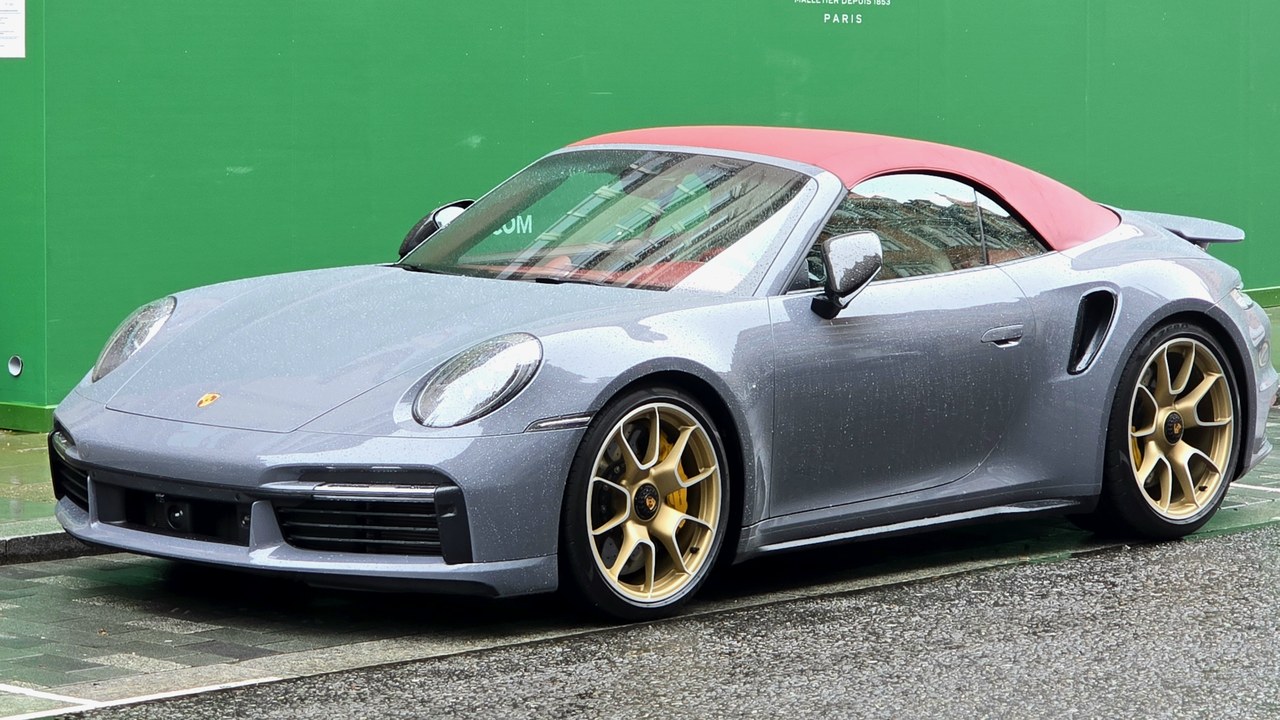
Porsche has refined rather than replaced the rear-engine 911 since 1964, and the Cabriolet has been a factory model since the early 1980s. Because the open car shares its drivetrain and chassis engineering with the coupe, it inherits that reputation instead of being treated as a softened derivative. Eight numbered generations of uninterrupted model continuity give the used market a clear yardstick for what any given car should cost.
Ownership costs are the counterweight. Out-of-warranty repairs are expensive, the powered roof mechanism and its seals need periodic attention, and a gap in the service record erodes much of the price premium a well-kept example otherwise earns.
3. Ford Mustang Convertible: The Unbroken Pony Car
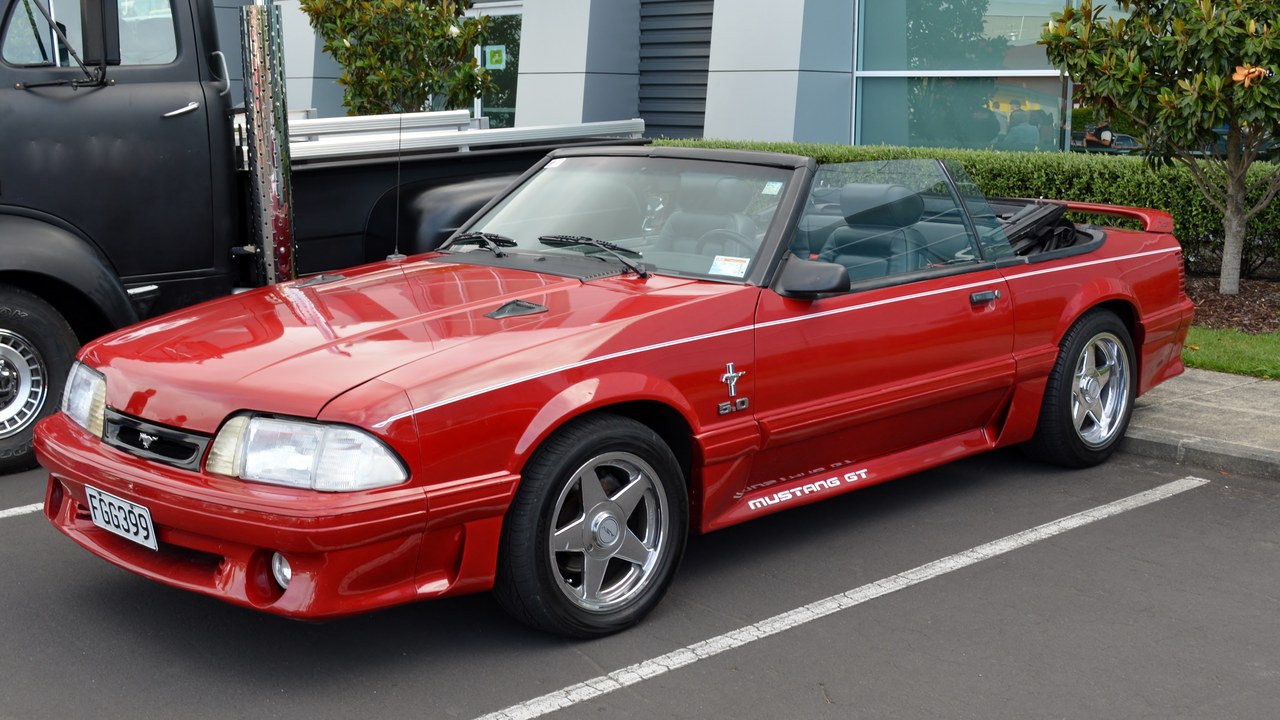
Few nameplates survive six decades without a pause, yet the Mustang has been sold continuously since 1964 while its original rivals disappeared and returned. A convertible has been offered in every generation, and that continuous production history built a parts supply and enthusiast base large enough that a five-year-old drop-top is easy to service and easier still to sell.
Trim choice drives the outcome more than mileage does. Four-cylinder turbo convertibles shed value faster than V8 GT cars, and unusual color and option combinations can linger on a lot. Inspect the rear window seam and the folding frame, which take the brunt of repeated cycling.
4. Jeep Wrangler: No Real Substitute Exists
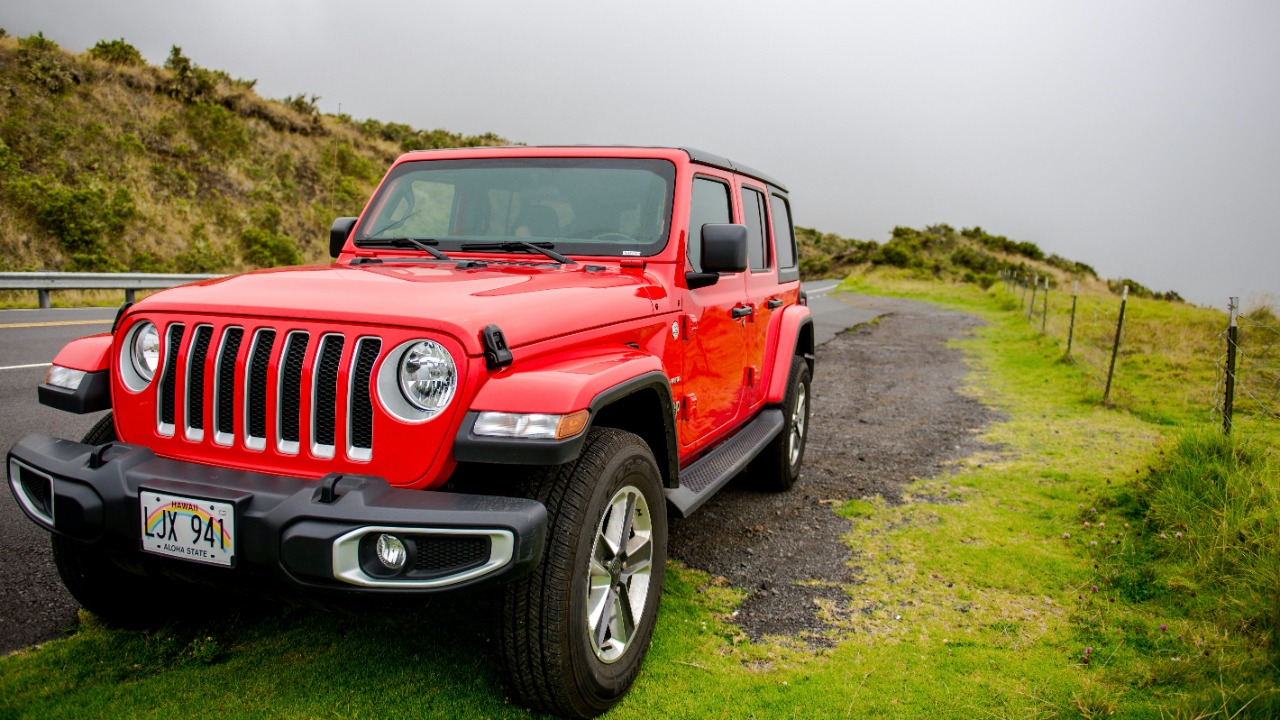
Nothing else sold in volume pairs a removable roof and doors with genuine off-road hardware, and the absence of a direct competitor is precisely what props up Wrangler prices. Its unbroken body-on-frame lineage traces back to the wartime Willys, and every redesign has preserved the solid axles and open-air format buyers actually want.
Living with one demands tolerance. Fuel economy is modest, wind noise at highway speed is constant, and soft tops leak once their seals harden. Check the footwells for water staining and confirm that any suspension lift was installed with matching alignment and driveline work.
5. Chevrolet Corvette Convertible: Mid-Engine Scarcity At Work
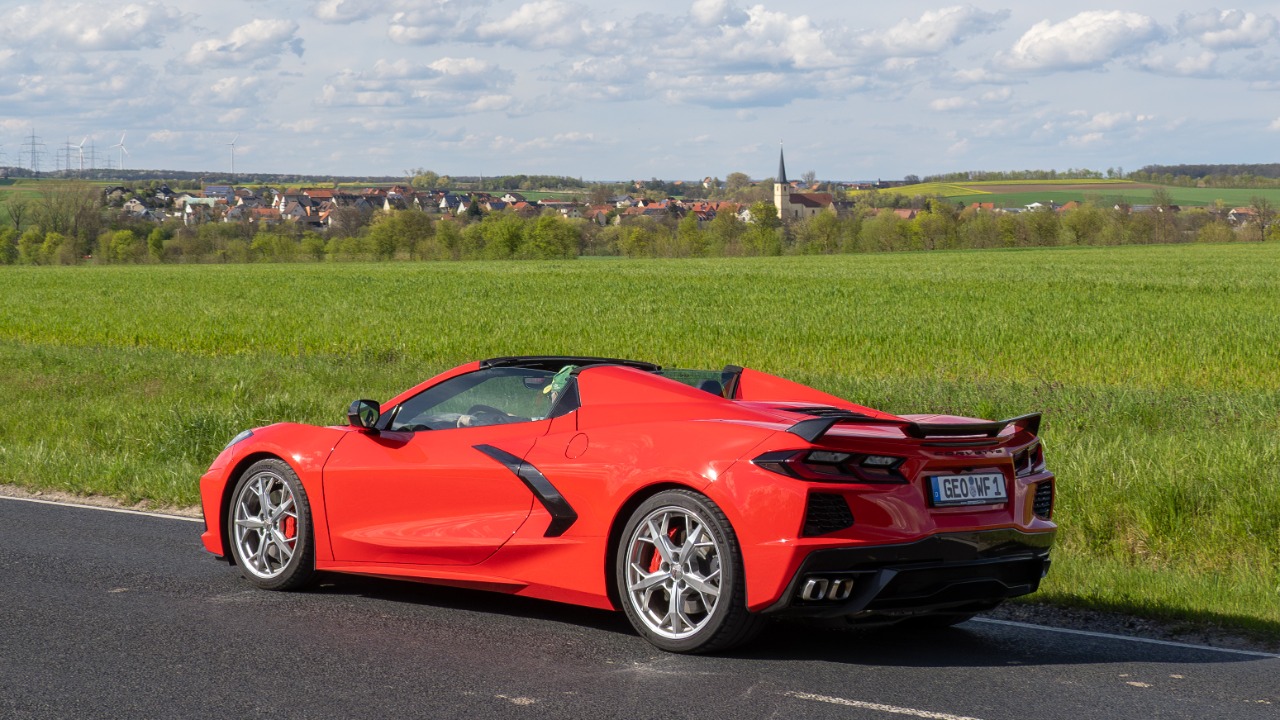
Chevrolet moved the Corvette behind the driver with the C8, and the convertible uses a retractable hardtop that stows without spoiling the coupe’s proportions. A mid-engine sports car at this price point has no obvious domestic rival, and early demand outran supply badly enough that cars traded near sticker well after delivery. The nameplate’s unbroken production run dates to 1953.
Later build years and calmer order books have narrowed that gap, so the badge alone no longer guarantees a firm price. Mileage, color and whether a car carries the higher performance packages now do most of the work in separating a strong listing from an average one.
6. Porsche 718 Boxster: Balance Buyers Keep Paying For
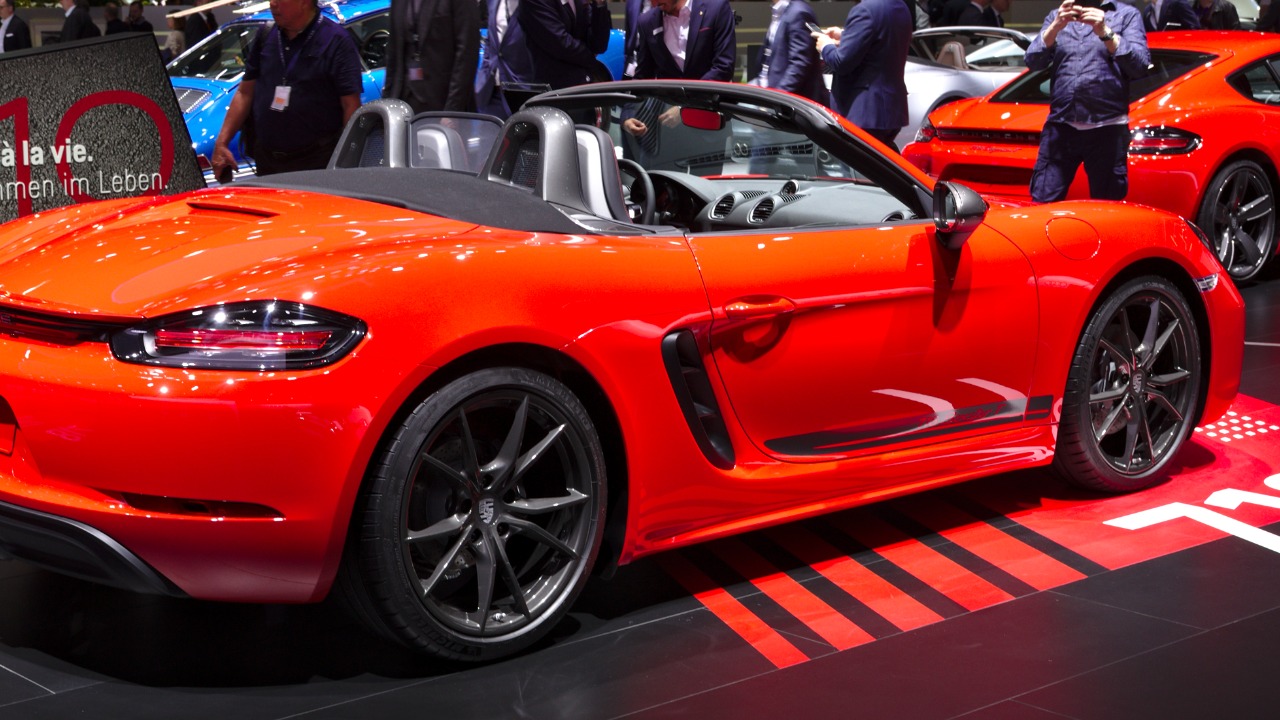
Arriving in 1996, the Boxster restored Porsche’s finances and established a mid-engine roadster line the 718 still continues. Mid-engine balance in a soft-top car remains rare at any price, and Porsche’s long-running roadster line gives the market a deep comparison set that keeps pricing orderly rather than volatile. The six-cylinder GTS and Spyder variants hold money most firmly of all.
Four-cylinder turbo versions were never embraced as warmly as the flat-sixes they displaced, and resale reflects that split. Buyers should read the full service history, have a used engine inspected for bore wear, and confirm the roof motor cycles cleanly before agreeing a price.
7. BMW Z4: Last Roadster Standing
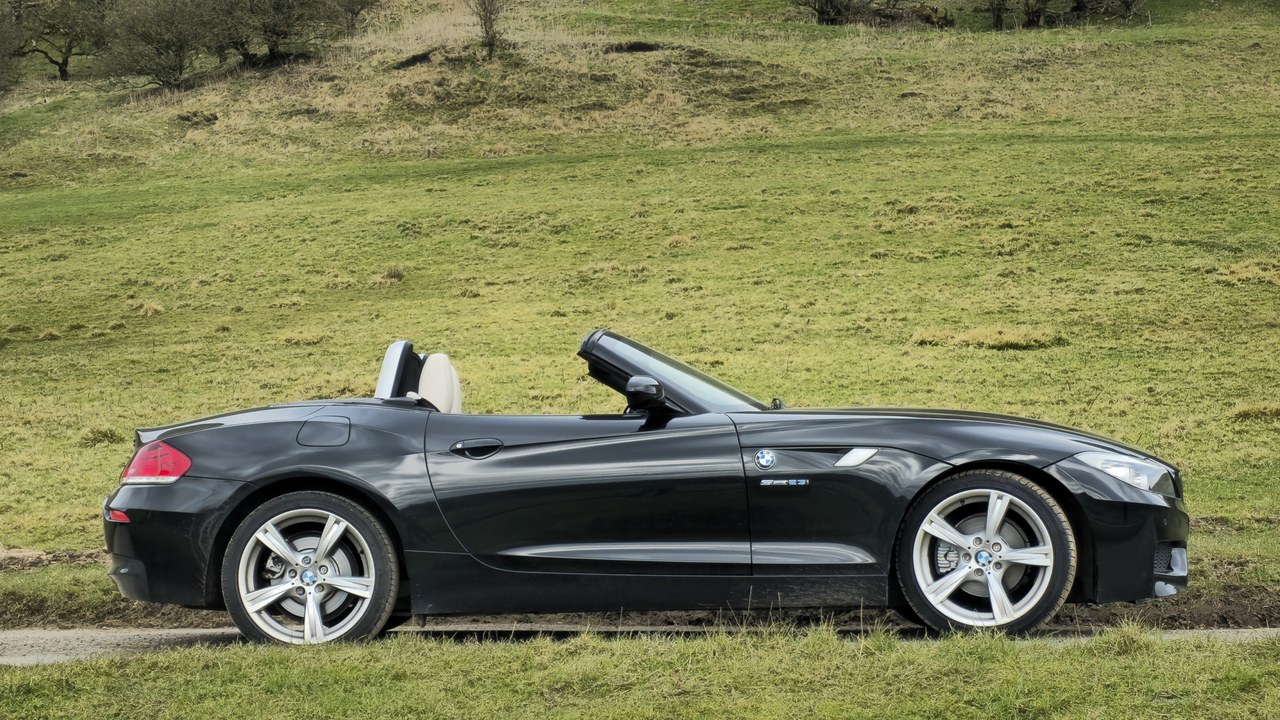
Scarcity is the whole mechanism here. As mainstream brands abandoned the two-seat convertible, BMW kept building one, returning to a lighter fabric roof for the current generation after a folding metal hardtop era. That surviving two-seat roadster line now absorbs buyers who have almost nowhere else to shop, and the six-cylinder M40i moves fastest of the range.
Depreciation is uneven across trims, so a four-cylinder base car can lag well behind its six-cylinder sibling. Confirm the roof opens and closes smoothly at low speed, examine run-flat tires for uneven wear, and read the service record for skipped intervals.
8. Mercedes-Benz SL-Class: Flagship Badge, Lasting Demand
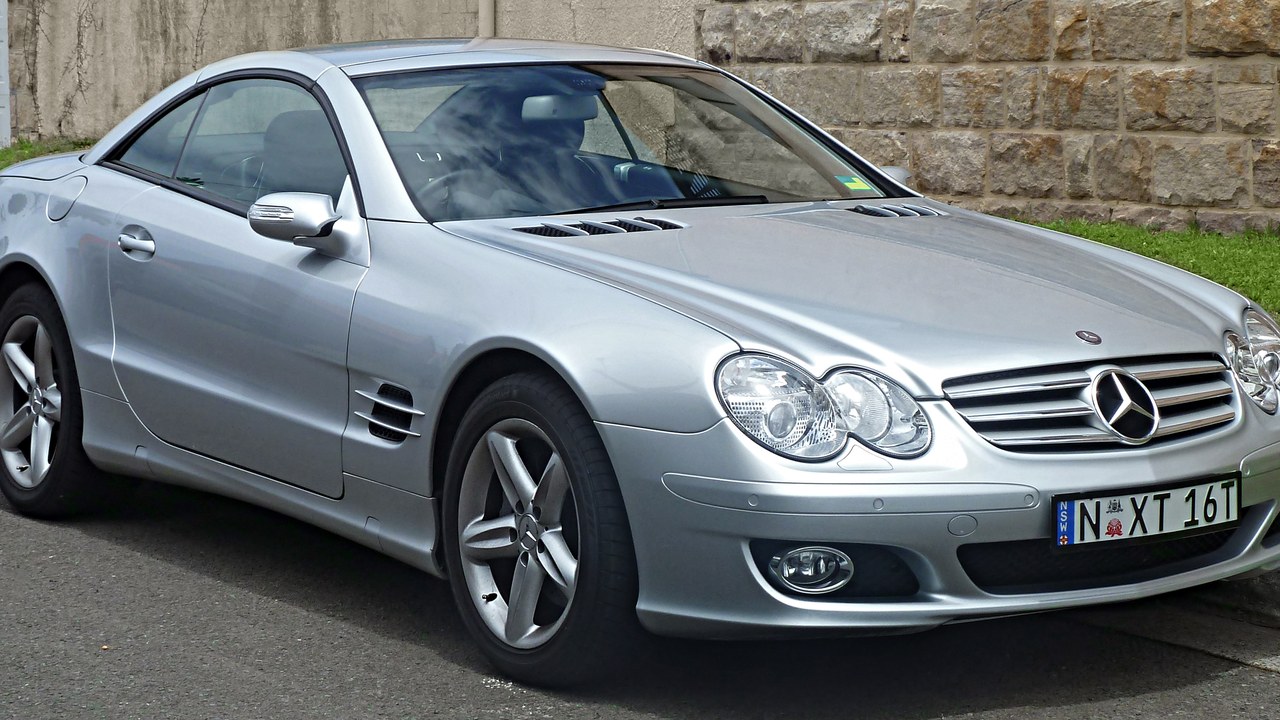
Mercedes has fielded an SL flagship since the 1950s, and the current car returned to a fabric roof, added small rear seats and was developed by the company’s AMG performance division. A seven-decade model lineage and a badge that never left the top of the range keep well-specified examples from collapsing the way an ordinary luxury sedan does.
Older, heavily depreciated cars tell a different story. They are cheap to buy and expensive to keep, because air suspension, roof hydraulics and electronics dominate the repair bills. The value holds on documented, lower-mileage cars, and disappears fastest on neglected ones.
More from Morning Overview
