
Headlights stopped being bulbs somewhere in the last decade and quietly became electronic assemblies, packed with LED arrays, control modules, cooling hardware and sensors. Replacing one is no longer a parts-counter errand; it is a body-shop job that often ends with a scan tool and a calibration routine. Here are eight cars whose front lighting turns a minor knock into a four-figure conversation.
1. BMW 7 Series: The Sealed Laser Module
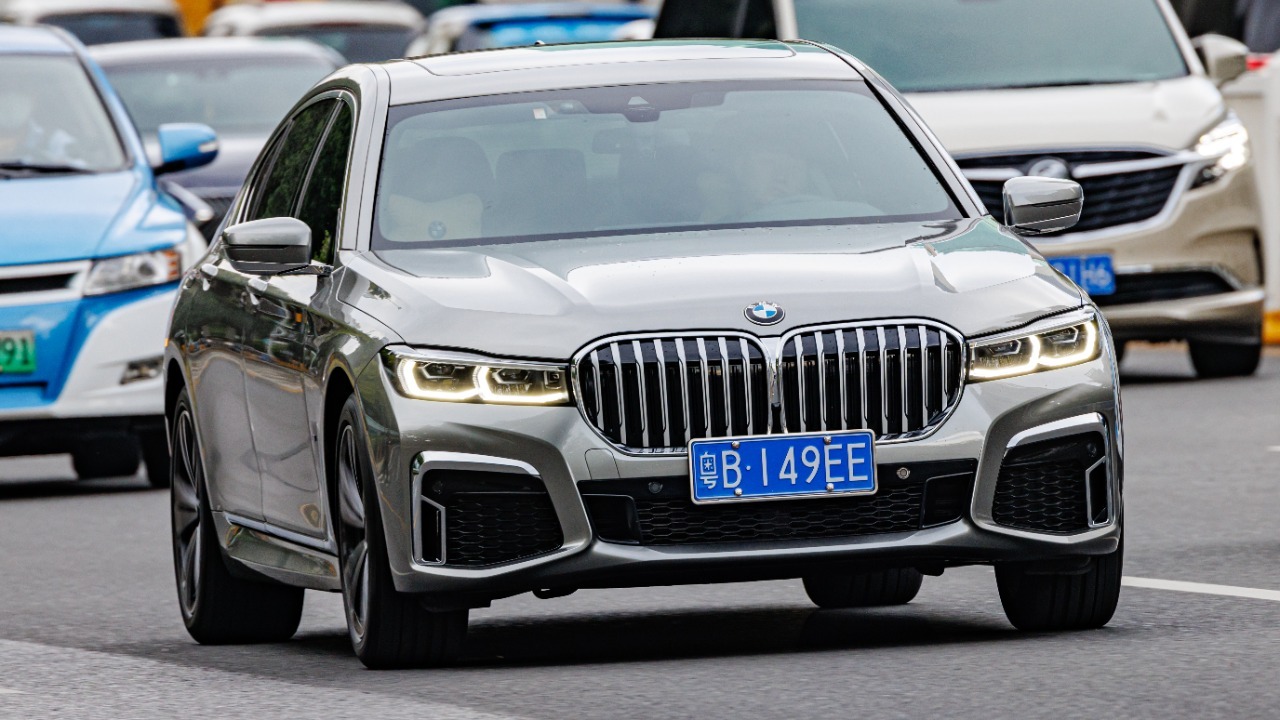
BMW put laser high beams into series production on its flagship 7 Series, pairing them with adaptive matrix LEDs. One housing can carry a laser module, dozens of individually switched LEDs, cornering optics, a leveling motor and the electronics that swivel the beam around oncoming traffic. Nothing inside is user-serviceable, so a replacement arrives as a single sealed unit.
Owners discover the economics after a low-speed shunt, when a cracked lens means the whole module, not a lens. The unit typically needs coding to the car before the adaptive functions work again, which keeps the job inside a franchised workshop and pushes the bill into four figures.
2. Mercedes-Benz S-Class: A Million Micromirrors Per Lamp
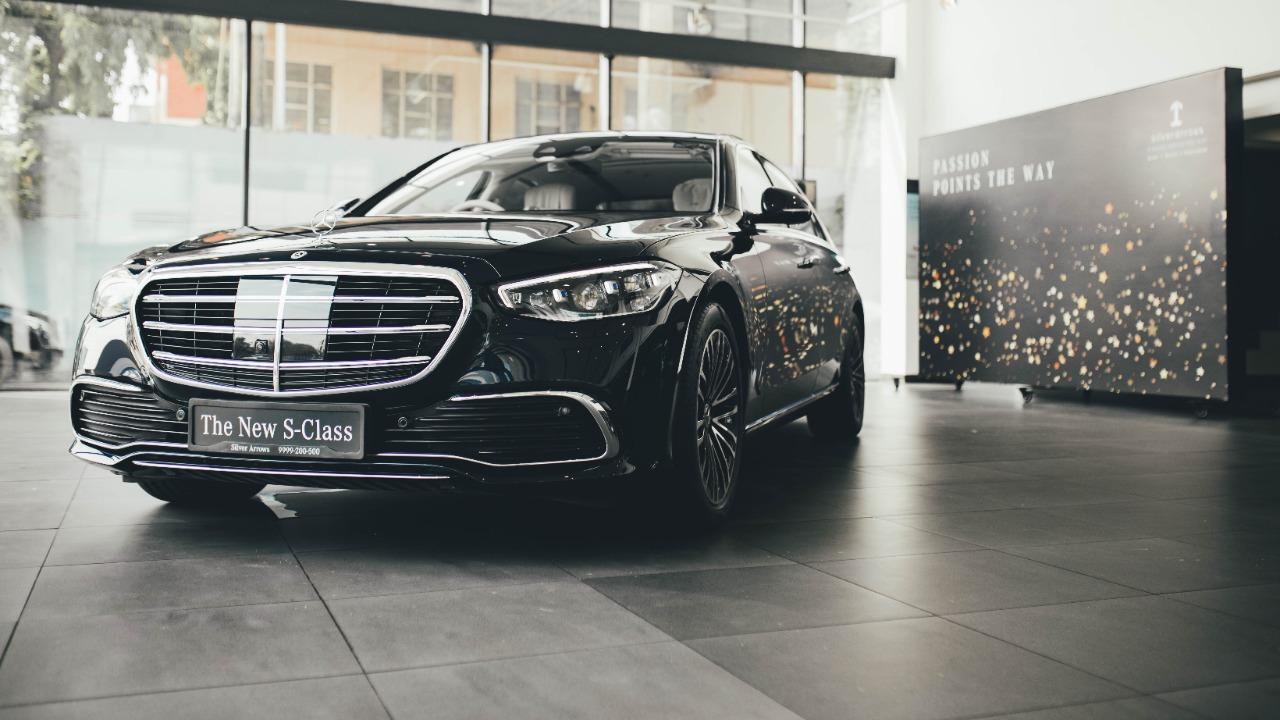
Digital Light, the projection system Mercedes offers on the S-Class flagship, drives each headlamp through an array of more than a million micromirrors that can carve dark tunnels around other cars or throw guidance symbols onto the road. That optical stack sits behind a camera feed and a dedicated controller, and it is calibrated to the specific vehicle.
Replacing one is therefore a two-part job: the hardware, then the software session that teaches the car what it is now looking through. Insurers notice, because a corner impact that leaves the bodywork straight can still write off a lightly damaged car once both lamps and the calibration are added up.
3. Audi A8: Matrix Optics With A Laser Assist
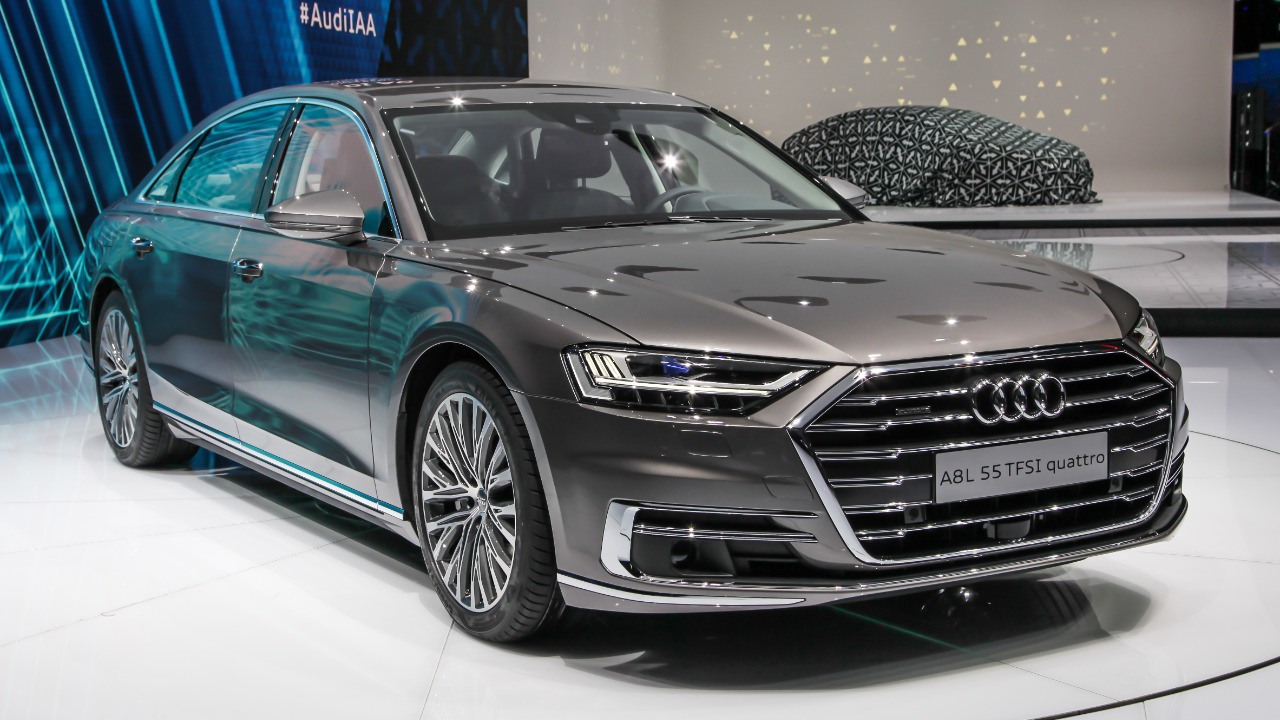
Audi’s HD Matrix system on the A8 luxury sedan splits the high beam into individually addressable segments, switching them off one by one to cut a shadow around a car ahead while lighting everything else. Higher specifications add a laser spot for motorway range and a digital matrix projector that paints lane markers ahead of the car.
Each of those features lives inside the same sealed housing, which is why a stone strike through the lens rarely ends with a cheap repair. Aftermarket copies exist, but many fail to communicate with the light control module, leaving fault codes and a dead adaptive beam, so the dealer part usually wins by default.
4. Cadillac Escalade: Light Blades Across The Fascia
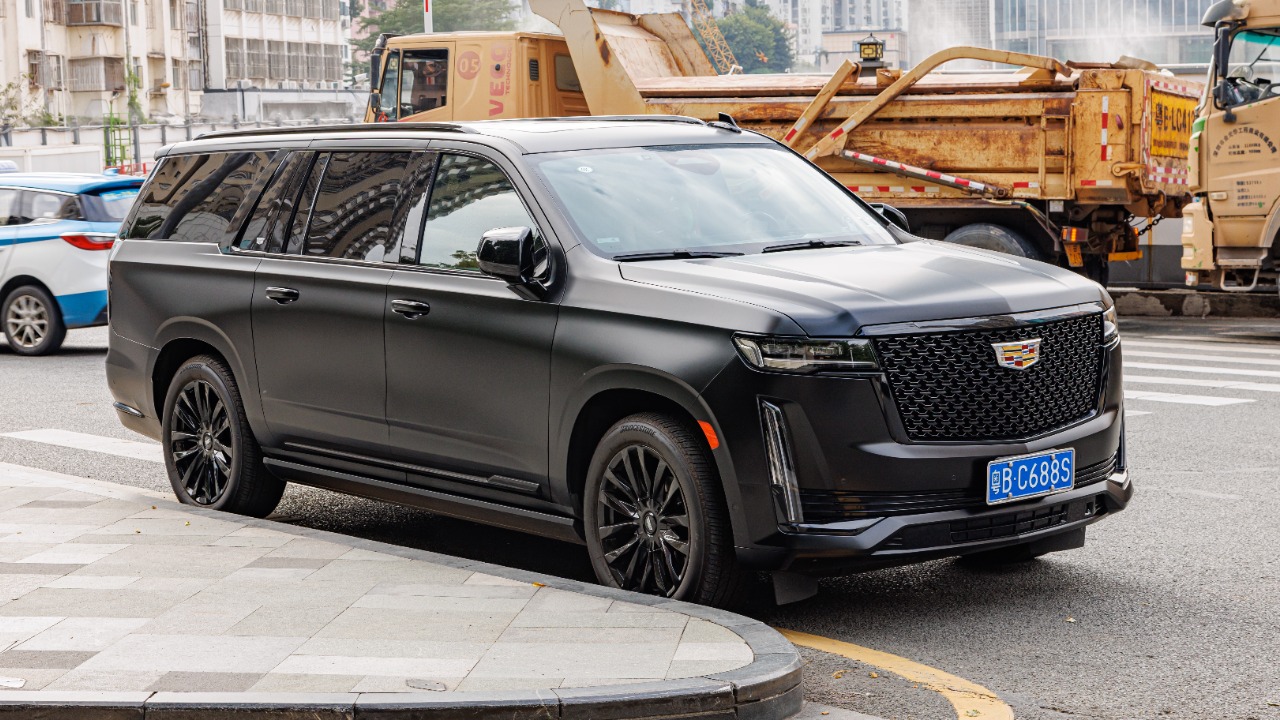
The vertical LED signature that frames the front of Cadillac’s full-size Escalade is not a lamp with a bulb behind it but a tall stack of LED strips, optics and drivers built into one oversized module. Size alone makes it costly to ship and awkward to replace, and the surrounding fascia usually has to come apart to reach the fixings.
Parking-lot damage is the common cause, since the assembly sits at bumper height on a vehicle that fills its space. When one side is replaced, the other often looks visibly older, and matching a weathered lens to a new one is a second conversation many owners do not expect.
5. Lexus LS: The Rotating Blade Beam
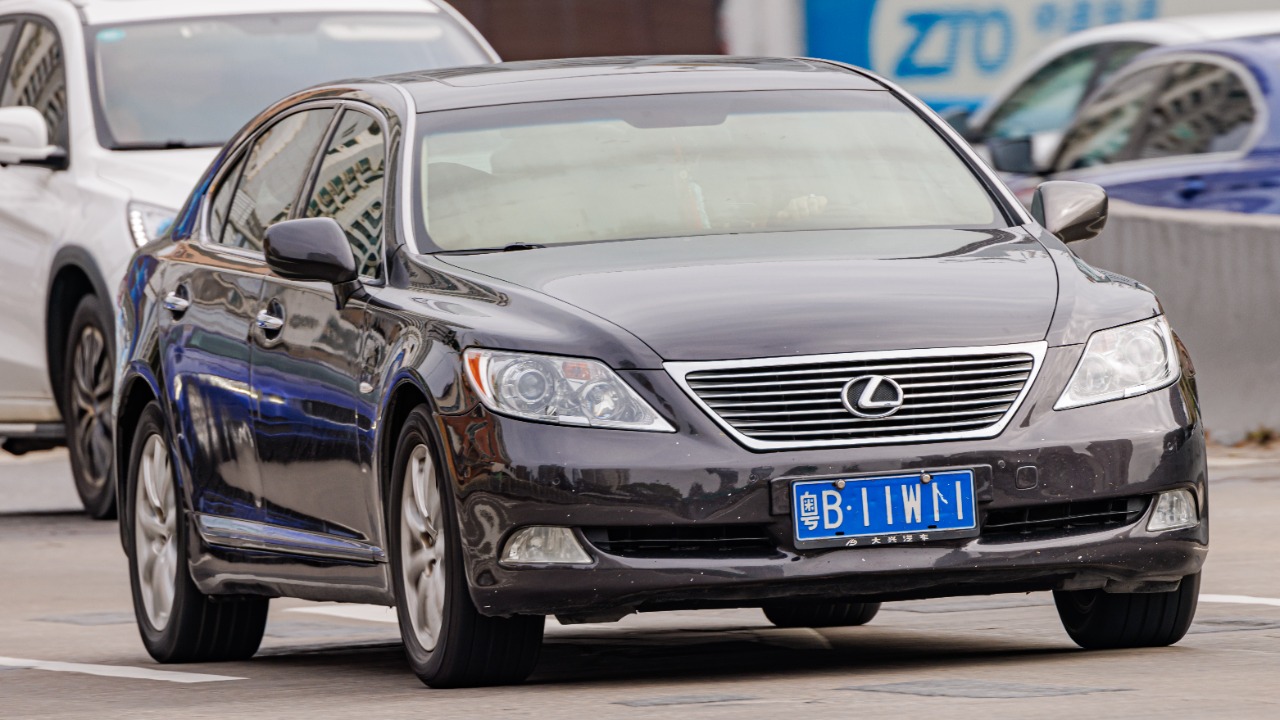
Lexus went an unusual route on its LS flagship sedan, using a spinning mirror to sweep LED light across the road fast enough that the eye reads it as a continuous beam, then blanking the slices that would dazzle another driver. Triple projector units, a leveling system and the camera that feeds them all share one housing.
Mechanical complexity is the cost driver here: moving parts inside a sealed lamp cannot be rebuilt in a workshop, so a failure means a new assembly. Depreciation makes it worse, because a used car worth a modest sum can need a lighting repair worth a meaningful fraction of the whole vehicle.
6. Tesla Model S: One Channel, One Price
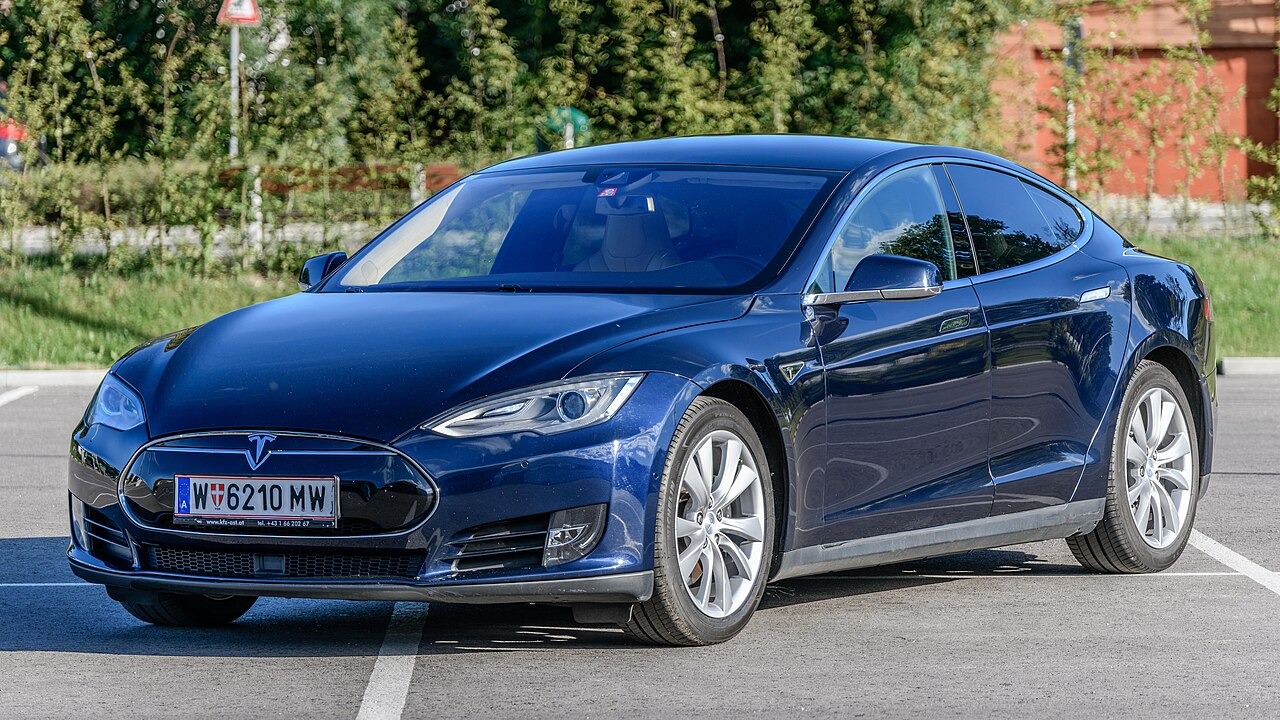
Lighting on the Tesla Model S is a bonded assembly with the turn signal, daytime running light and matrix elements integrated behind a single lens, and later cars add adaptive beam control tied to the car’s cameras. Nothing about it is designed to be opened; there are no serviceable bulbs, and the unit is registered to the vehicle in software.
Because parts flow almost entirely through one company’s own service network, there is little independent supply to compete on price, and the repair timeline depends on that channel too. Condensation inside the lens is the classic complaint, and the standard remedy is replacement of the entire unit rather than a seal.
7. Porsche Panamera: Pixels By The Thousand
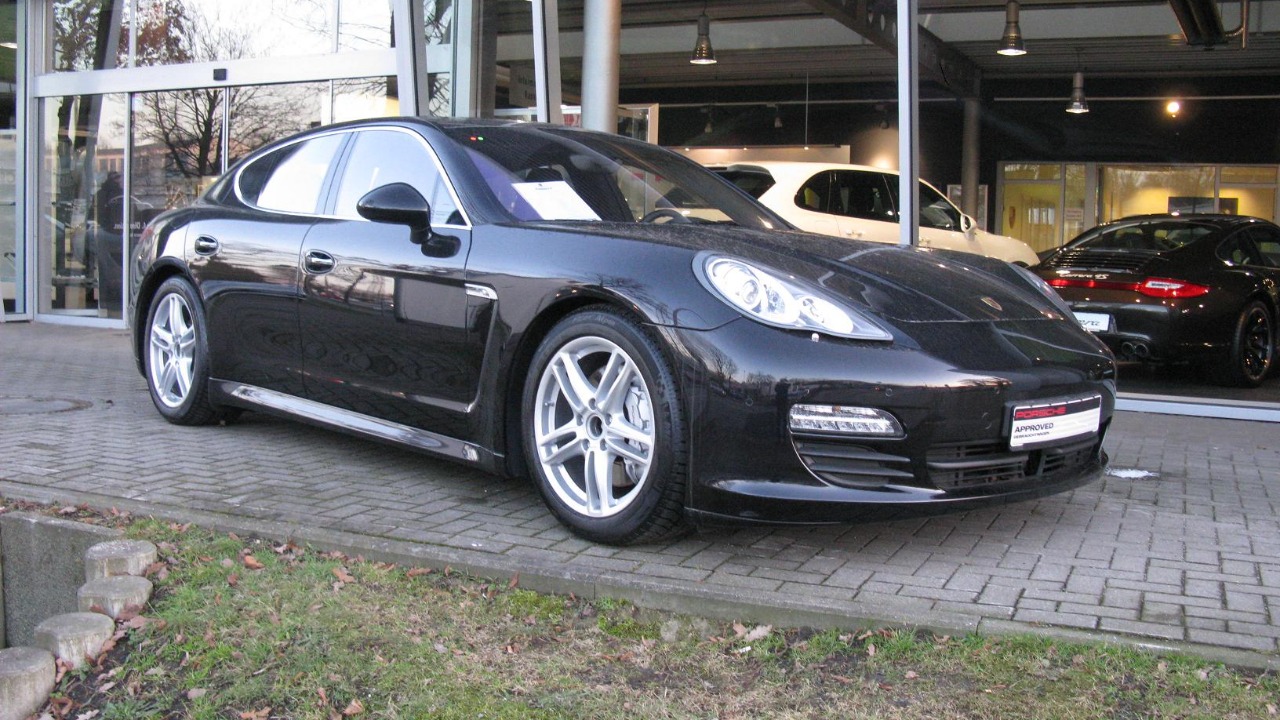
Porsche’s HD Matrix design, offered on the Panamera grand tourer, is advertised with more than 32,000 individually controlled pixels per headlight, each one switchable to shape the beam around traffic, road signs and weather. Cornering optics, dynamic range control and the sensing that drives them are packaged into the same unit.
Complexity that dense does not degrade gracefully. A failed driver board or a cracked lens takes the whole assembly with it, and the replacement has to be coded before the adaptive functions return, which is why a scuffed corner on a car like this rarely stays a cosmetic problem.
8. Range Rover: Pixel Beams On A Heavy SUV
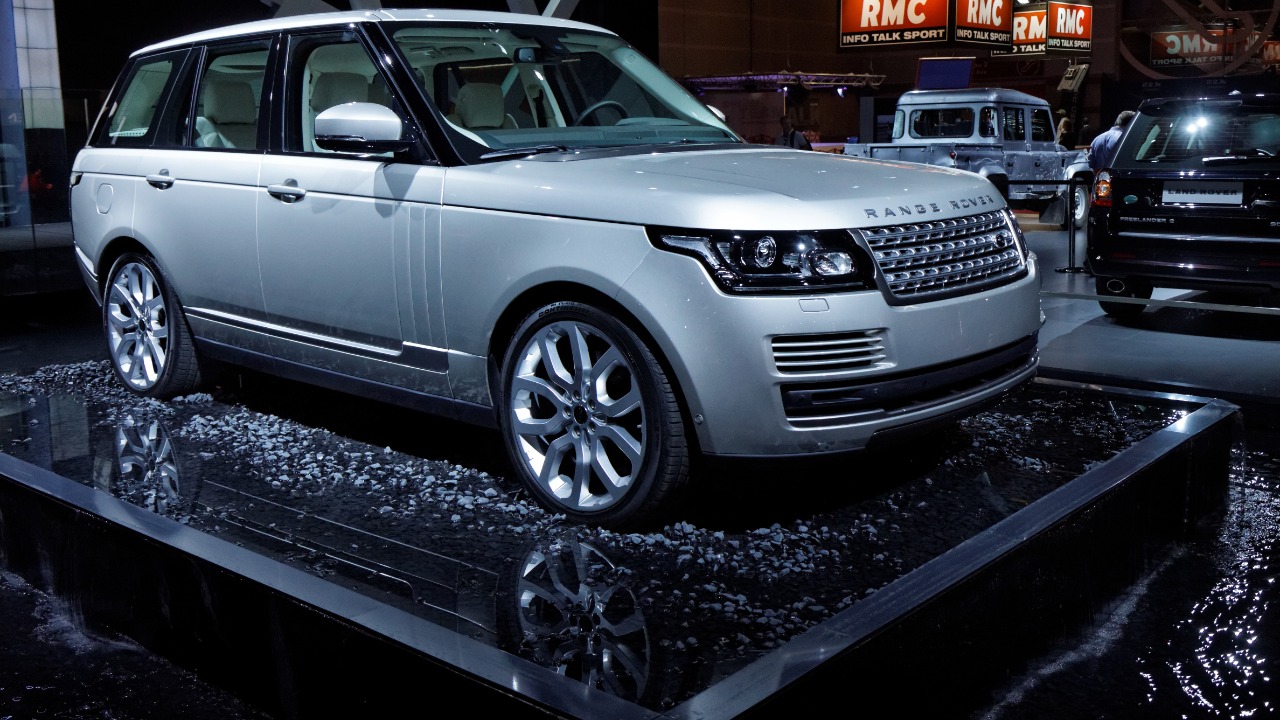
Land Rover fits pixel LED lighting to the full-size Range Rover, with a slim signature lamp whose elements can be dimmed segment by segment while the rest of the beam stays on full. The housings are shaped to the aluminium body structure, so a replacement is as much a panel-fit exercise as an electrical one.
Height works against owners as well: the lamps sit where a hedge, a gatepost or another vehicle’s tow bar tends to land. Add the driver-assistance sensors clustered nearby, which often need re-aiming after front-end work, and a single broken headlight can drag several other operations onto the invoice.
More from Morning Overview
