
Most cars open the same boring way, with a hinge on the front edge and a swing to the side. A handful of designers refused to accept that, engineering doors that lift toward the sky, scissor upward, or fan out like wings. These are eight cars whose unconventional doors became the single feature everyone remembers.
1. Mercedes-Benz 300SL: The Original Gullwing
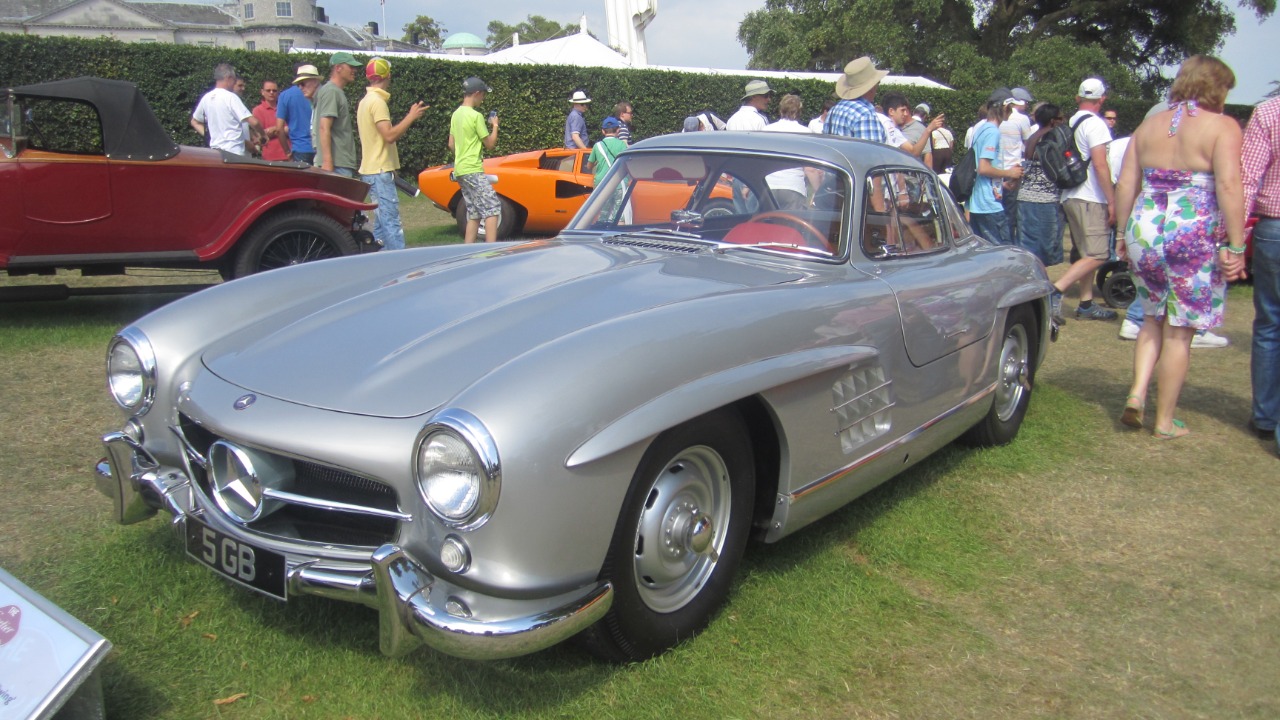
The 300SL production coupe put the upward-swinging door on the road in 1954, and it did so out of necessity rather than showmanship. Its lightweight tubular spaceframe ran so high along the sides of the cabin that a conventional door was impossible, so Mercedes engineers hinged the panels at the roof instead.
Racing success gave the car its reputation, but the doors gave it immortality. Collectors now treat clean examples as blue-chip investments, and the outline of those raised panels remains the template every gullwing that followed has been measured against.
2. DMC DeLorean: Stainless Steel and Science Fiction
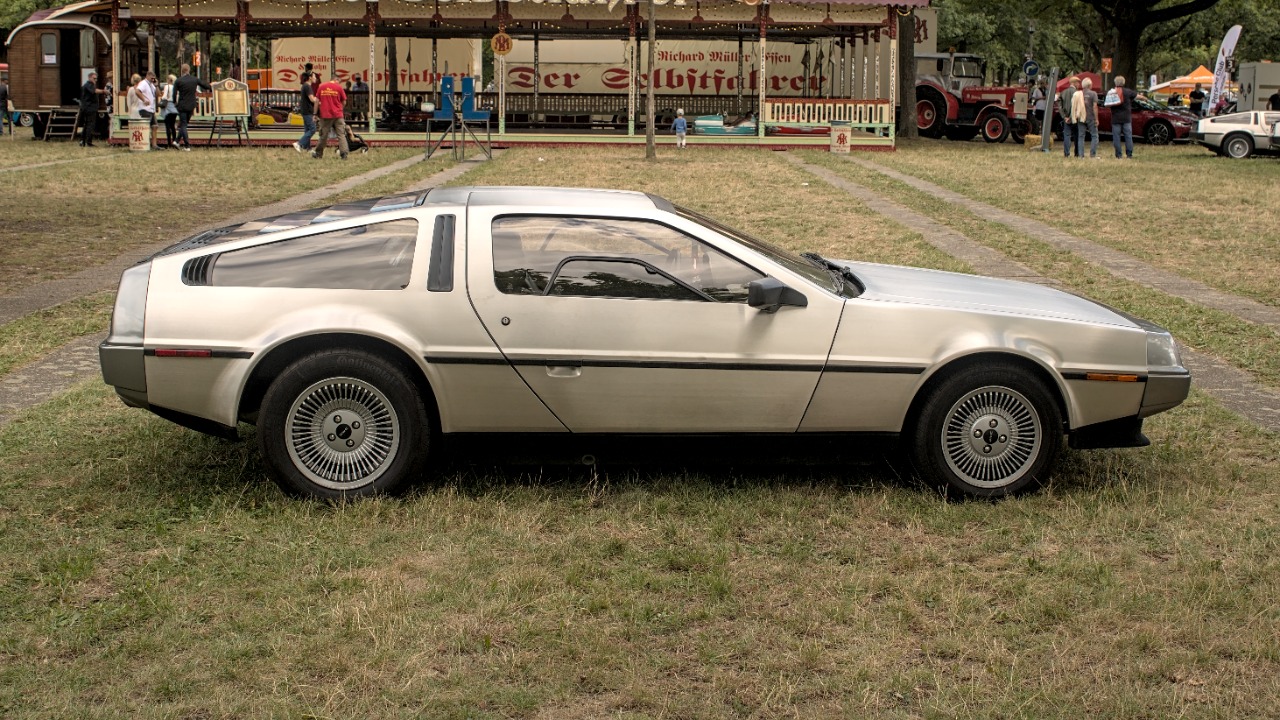
The DeLorean paired brushed stainless-steel bodywork with a pair of gullwing doors, a combination the short-lived company hoped would signal the future. Underneath the dramatic styling sat a modest rear-mounted V6, so the DeLorean sports car always promised more performance than it delivered.
Poor sales and a financial scandal killed the marque within a few years, long before it could refine the car into the performer its looks promised. What saved the shape from obscurity was a starring role in Hollywood, which turned an unloved commercial flop into one of the most instantly recognizable cars ever built and kept demand alive among collectors decades later.
3. Mercedes-Benz SLS AMG: The Modern Revival
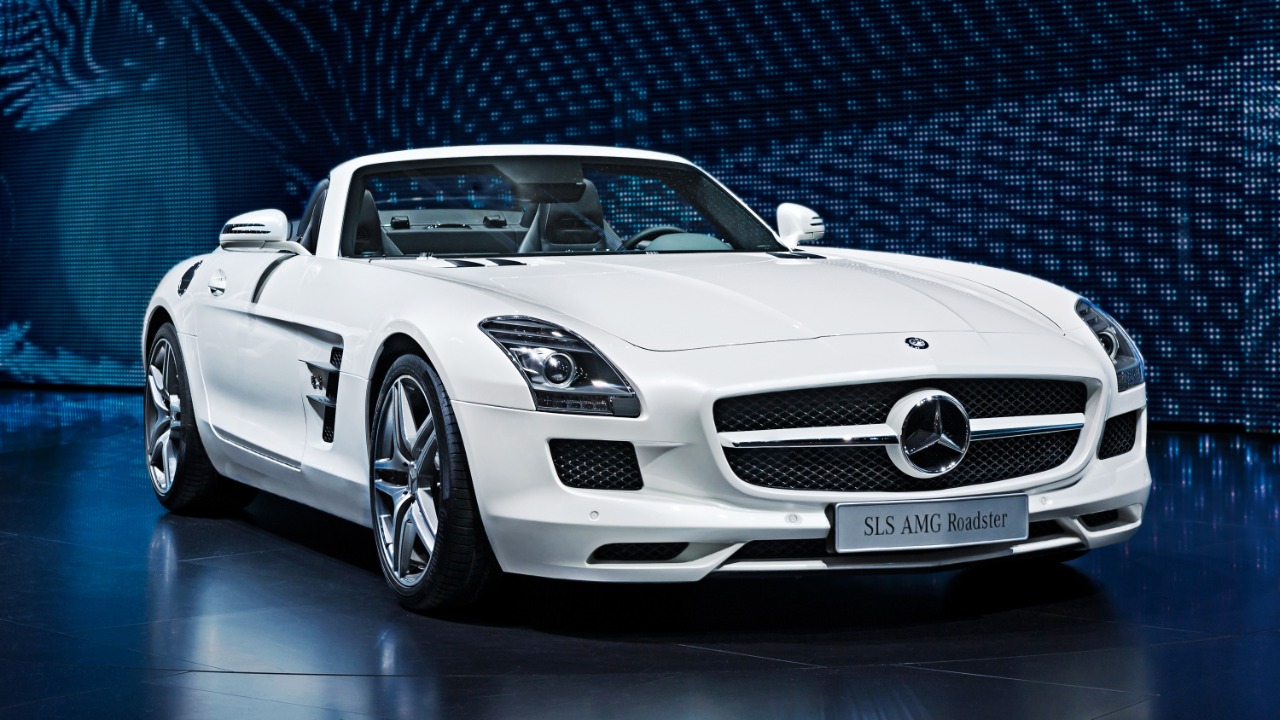
More than half a century after the 300SL, AMG revived the gullwing idea with the SLS. The SLS AMG supercar stretched a long hood over a hand-built 6.2-liter V8 and topped the cabin with roof-hinged doors that deliberately echoed the 1950s original.
The design was more than nostalgia, since the low, wide body genuinely suited the roof-hinged door layout and the front-mid engine placement kept weight low. It gave Mercedes a halo car that connected its performance division to the most famous silhouette in the company history without simply copying it, and later spawned a roadster and an electric variant that carried the badge forward.
4. Tesla Model X: Falcon Wings for the Family

Tesla brought upward-opening doors to a very different buyer with the Model X, an electric SUV built to carry up to seven people. Its rear falcon-wing doors hinge twice as they rise, folding in the middle so they can open in tight parking spaces where a normal door would hit the car alongside.
The mechanism drew early complaints about sensors and reliability, a reminder that dramatic doors add complexity. Even so, they made climbing into the third row far easier than in a conventional SUV, giving the gimmick a genuine practical payoff.
5. BMW i8: Scissor Doors Go Hybrid

BMW wrapped its plug-in hybrid halo car in a carbon-fiber structure and finished the look with scissor doors that swing upward and slightly forward. The i8 hybrid coupe paired a small turbocharged three-cylinder engine with an electric motor, proving exotic doors did not have to mean a thirsty supercar.
The doors made a clear statement that this was not an ordinary BMW, and they matched the low, layered bodywork and laser headlights that marked the car as a technology showcase. They also demanded care in low garages and parking structures, where the upward swing needed more headroom than owners expected and made an awkward exit in tight spots.
6. Lamborghini Countach: The Scissor-Door Blueprint
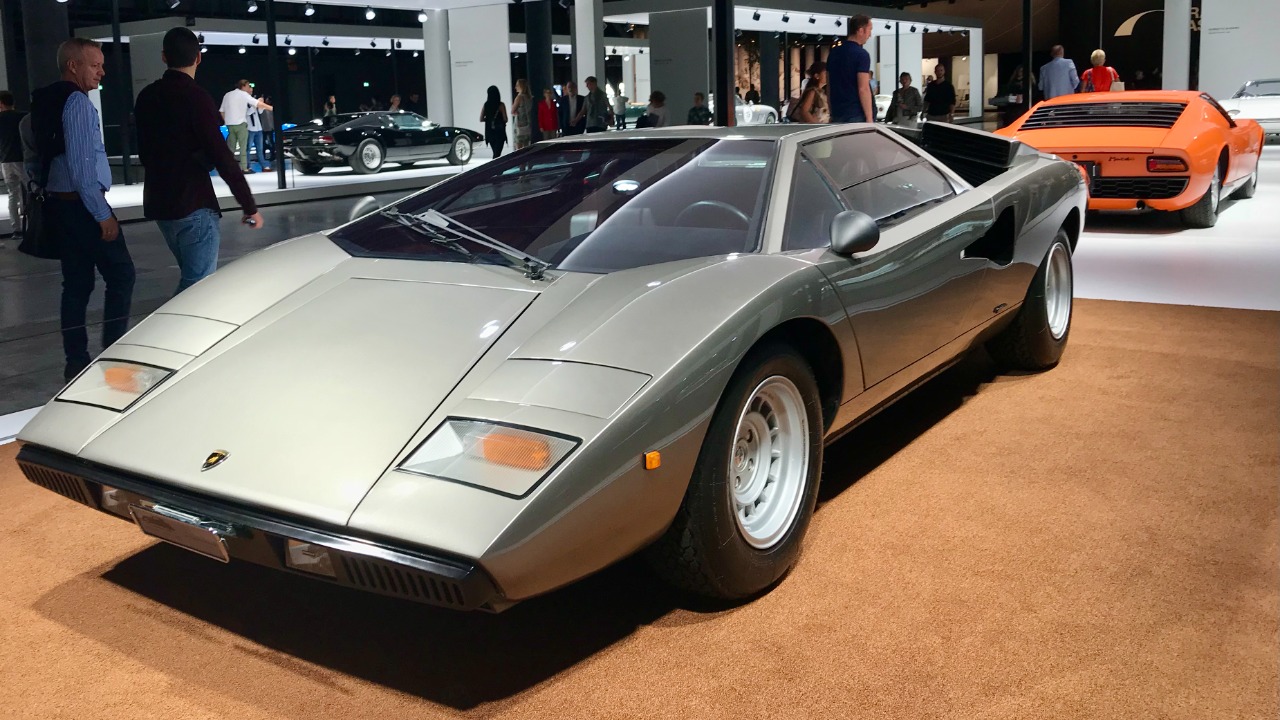
The Countach introduced the scissor door that would become a Lamborghini signature, with panels that pivot at the front and rise vertically. The wedge-shaped Countach needed them partly because its extreme width and poor rear visibility made reversing easier if the driver could open the door and lean out.
Every flagship V12 Lamborghini since, from the Diablo to the Aventador, has kept the upward-swinging doors as a matter of tradition. What began as a practical answer to a visibility problem hardened into brand identity, and rivals borrowed the idea to signal their own supercar credentials, until scissor doors became shorthand for a car meant to stop traffic.
7. Toyota Sera: Butterfly Doors on a Budget
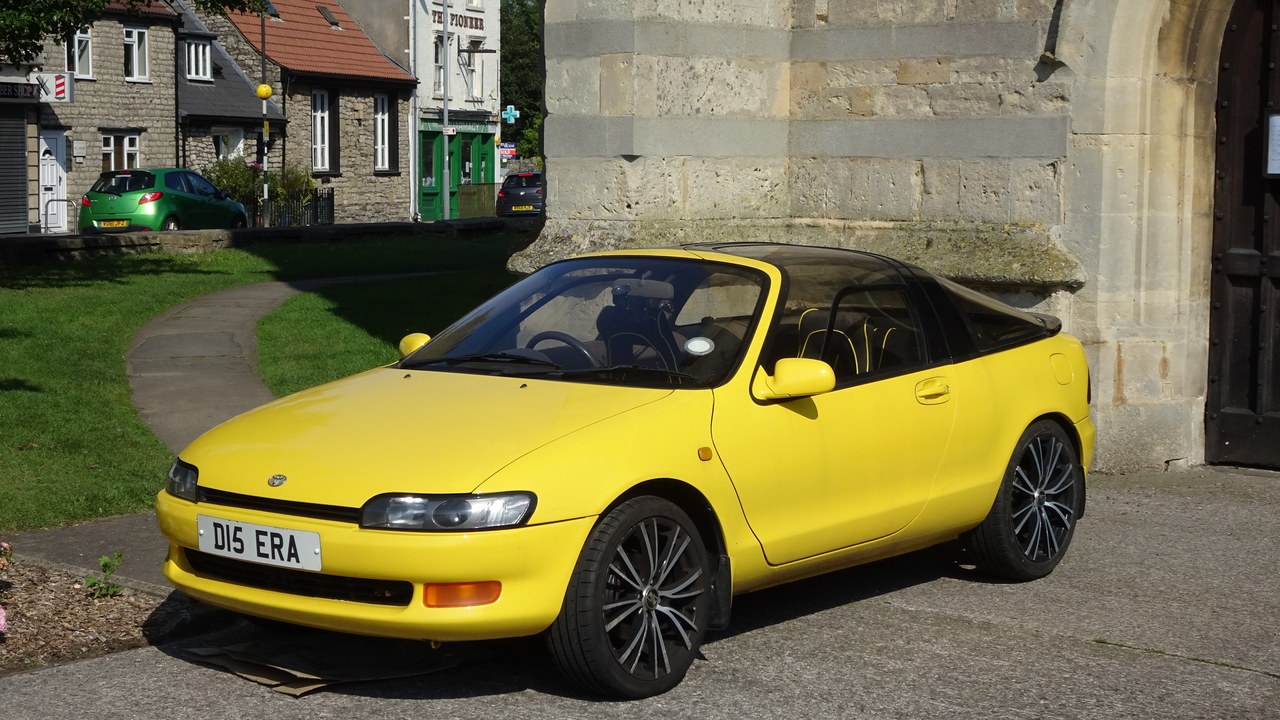
Exotic doors are usually reserved for expensive machinery, but Toyota fitted them to a small, affordable coupe in the early 1990s. The Toyota Sera hatchback used butterfly doors that lifted up and out along with a huge glass canopy, giving an economy car a genuinely theatrical entrance.
Sold mainly in Japan and never officially exported to the United States, the Sera became a cult favorite and is often credited with inspiring later supercar door designs, including talk that it influenced a famous McLaren. It proved that unconventional doors could work on a modest, front-drive economy platform, not only on six-figure exotics, and clean survivors now command surprising money.
8. Koenigsegg Agera: Up, Out, and Over
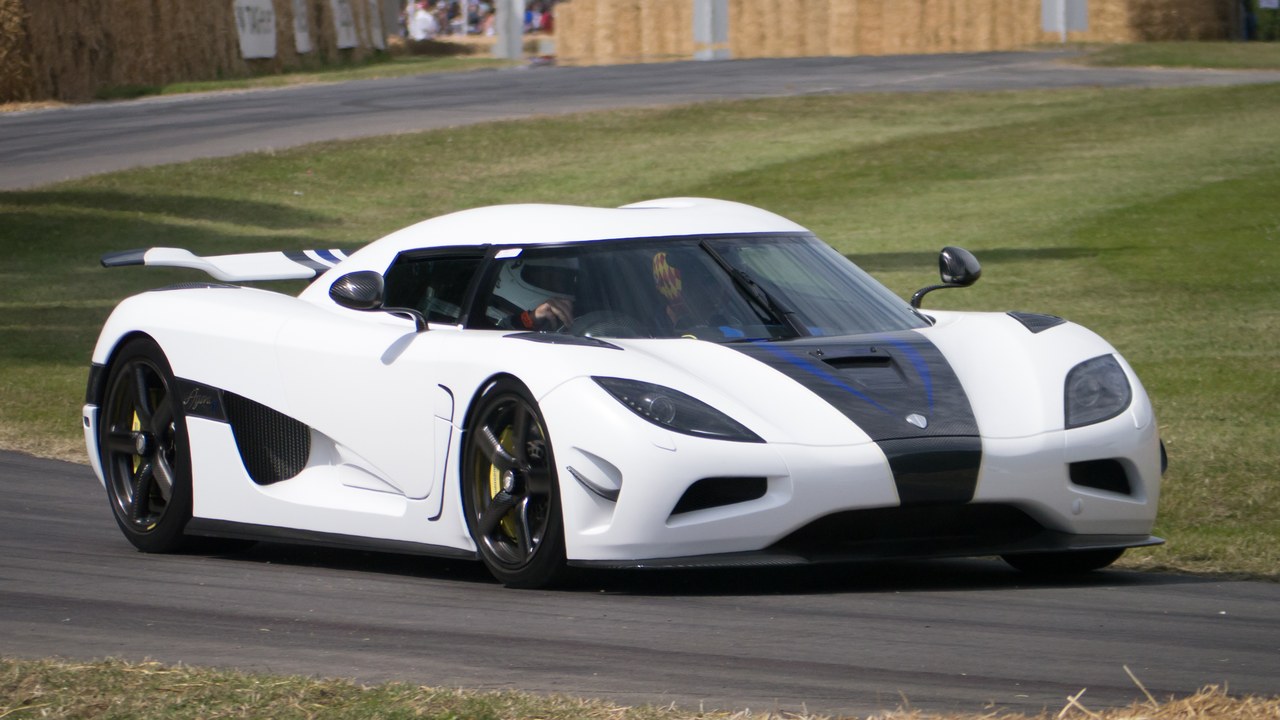
The Swedish maker Koenigsegg developed its own answer to the exotic door, a dihedral synchro-helix design. On the Agera hypercar each door rotates outward and up in a single twisting motion, clearing the wide sill without needing much side clearance.
The system is more complex than a simple scissor hinge, relying on a single rotating arm rather than a fixed pivot, but it lets the doors open fully in tight spaces while still delivering the drama buyers expect at this price. It has become a recognizable trait across the brand limited-production hypercars, from the CCX through the Agera and beyond, and marks a Koenigsegg as clearly as its badge.
More from Morning Overview
- Long-term use of common heartburn pills is tied to kidney and dementia risk
- A California supervolcano has bulged upward about two and a half feet since 1978
- The FTC is warning about a scam quietly draining thousands from victims
- The NSA is again telling phone owners to switch off one location setting
