
Some vehicles earn their reputations through styling or speed, while others become famous because the engine keeps running after ordinary cars have disappeared. Durable design, conservative engineering, and consistent maintenance can turn a powerplant into the defining reason a model remains desirable. These eight cars were built around engines known for exceptional staying power.
1. Toyota Land Cruiser (1FZ-FE): The Inline-Six Built a High-Mileage Legend
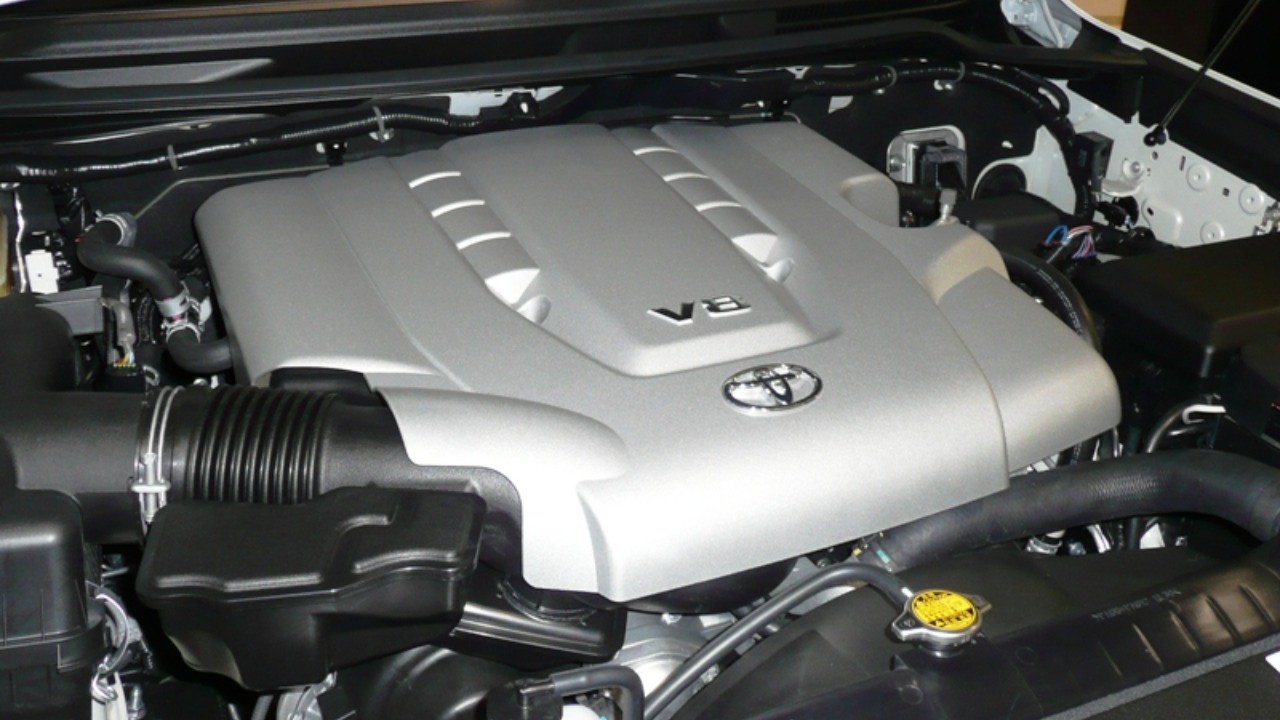
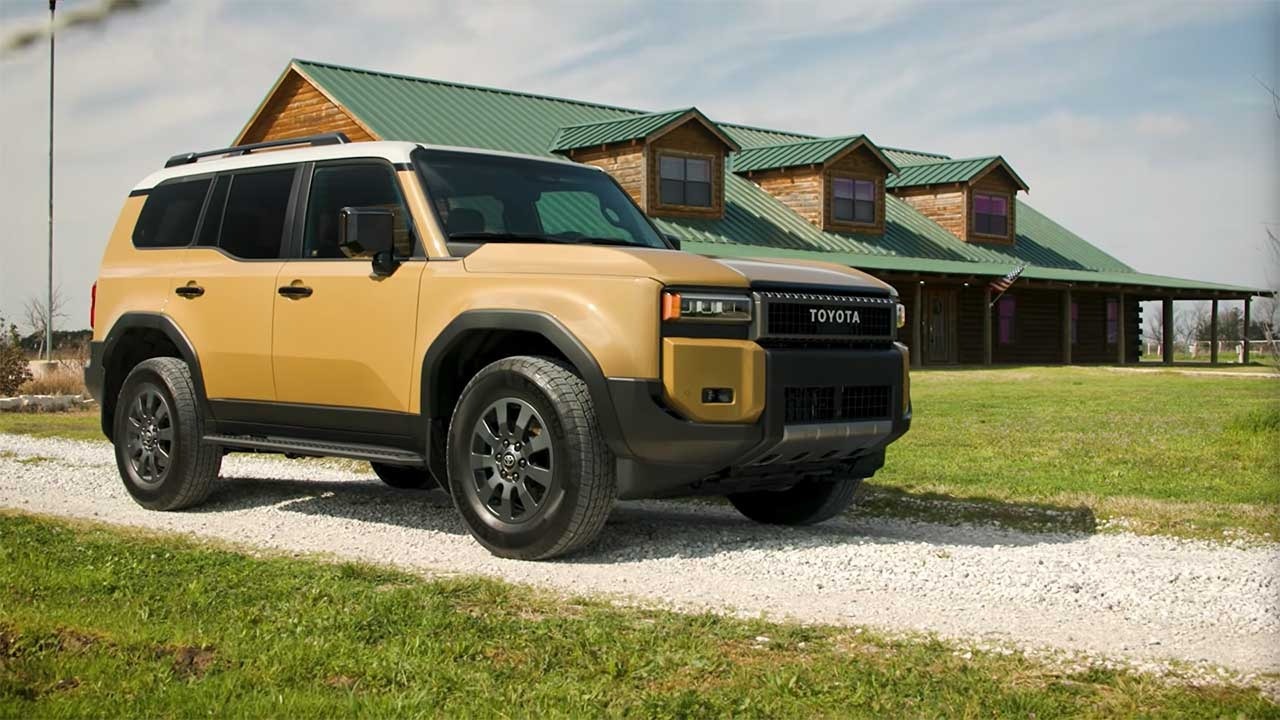
The Toyota Land Cruiser’s durability reputation rests partly on powertrains designed for hard use and long service, including the 1FZ-FE inline-six. An iSeeCars longevity study places the Land Cruiser among vehicles notable for reaching exceptional mileage. The engine’s sturdy, relatively unstressed design helped create the 300,000-mile stories that follow well-maintained examples across markets.
Longevity still depends on cooling-system care, clean oil, sound accessories, and attention to leaks before they become damaging. The Land Cruiser’s weight and off-road use can also test the rest of the vehicle even when the engine remains healthy. Buyers therefore value complete maintenance records and overall condition, not an engine reputation alone. The 1FZ-FE is the foundation, but preservation keeps the legend running.
2. Lexus LS 400 (1UZ-FE): Toyota Engineered the V8 for Relentless Smoothness
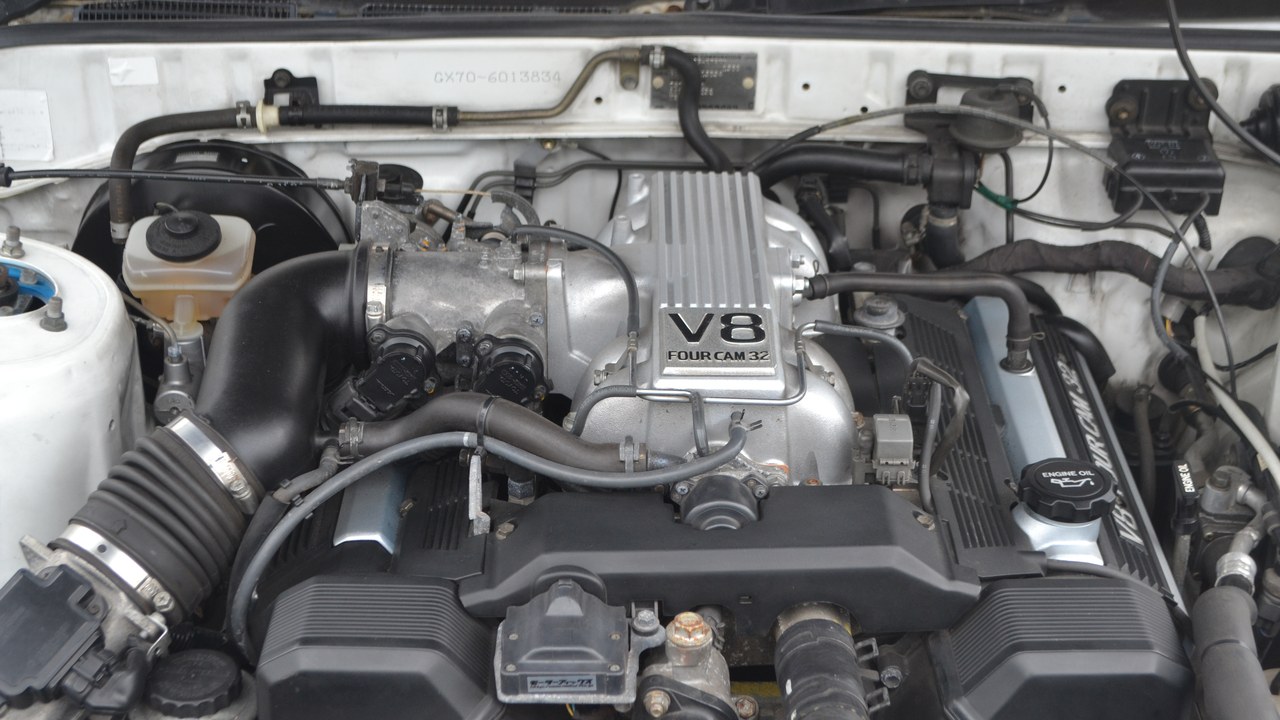
The Lexus LS 400 introduced the 1UZ-FE, a smooth Toyota V8 developed with unusually demanding durability targets. The UZ engine family combined an aluminum construction, four-cam layout, and careful engineering that supported the flagship’s quiet, low-stress character. Stories of extensive test-bench running and high-mileage road cars made the engine central to Lexus’s early quality reputation.
The V8’s strength is not only that it can keep operating, but that many examples retain the refinement expected from a luxury sedan. Age still affects timing components, seals, sensors, cooling parts, and surrounding electronics. A properly serviced LS 400 therefore offers the best evidence of the original engineering promise: an engine capable of accumulating enormous use without turning the car coarse or unpleasant.
3. Toyota Supra (2JZ-GTE): An Iron Block Welcomed Enormous Power
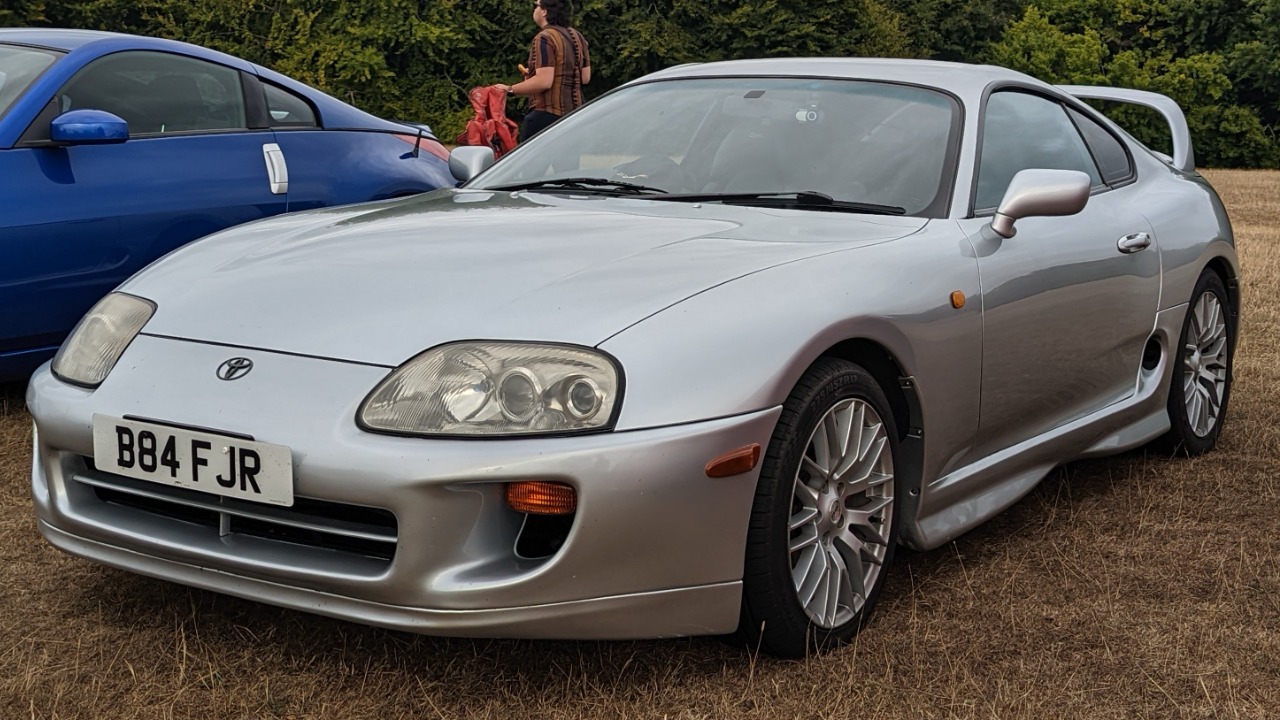
The Toyota Supra’s 2JZ-GTE became famous for an iron block and bottom end that could tolerate power far beyond ordinary factory use. The Toyota JZ engine family paired robust construction with a twin-turbo performance layout in the Supra. Tuners discovered that the basic architecture offered unusually deep headroom when fuel, cooling, airflow, and engine management were upgraded together.
That reputation has encouraged decades of modification, which makes condition and workmanship especially important in surviving cars. A powerful build can be reliable when every supporting system is engineered properly, while a careless one can squander the engine’s strength quickly. Stock and lightly modified examples attract buyers for different reasons, but both benefit from compression health, clean maintenance history, and evidence that heat and detonation were controlled.
4. Honda Civic (B-series): High Revs Did Not Require Fragility
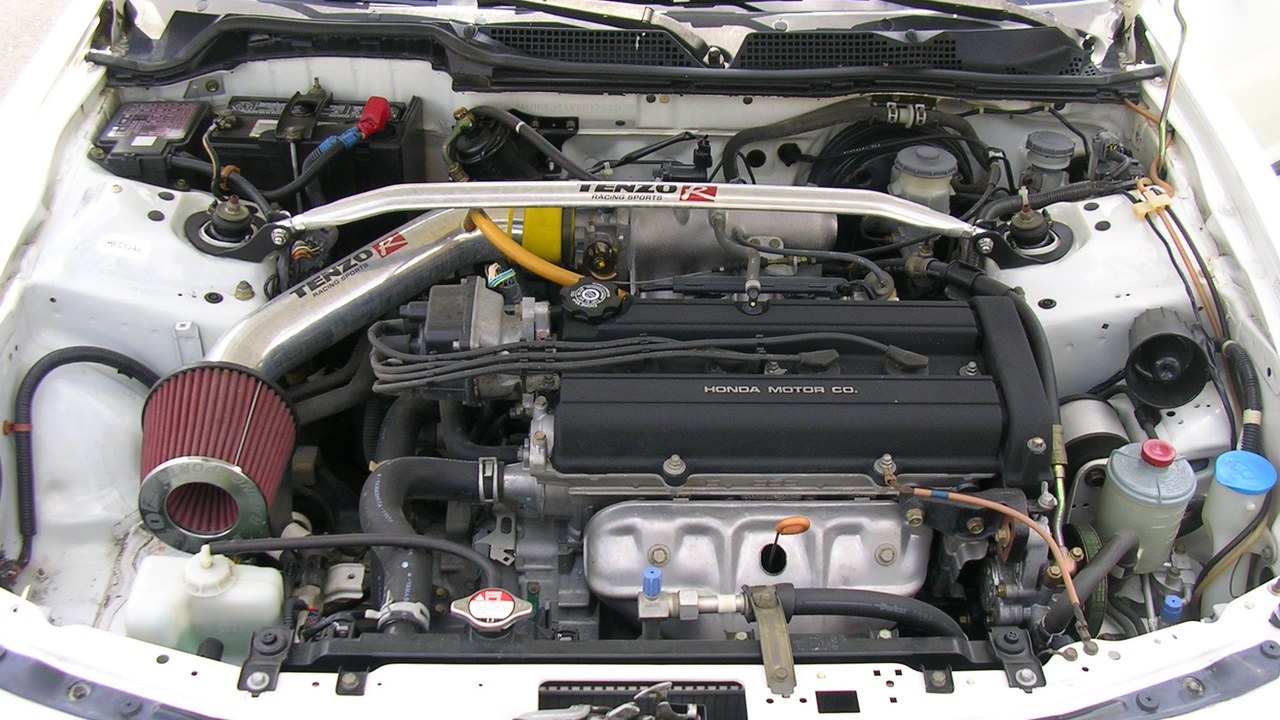
Honda’s B-series showed that a small four-cylinder could rev eagerly, make specific power, and still develop a reputation for long service. The Honda B engine range covered several displacements and performance levels, including celebrated VTEC versions installed across Civic-related models. Strong fundamentals and enormous parts support made the family a favorite for both daily transportation and ambitious builds.
Many engines survived enthusiastic use because Honda paired precise valvetrain control with a design that responded well to regular maintenance. Oil level, cooling health, timing service, and sensible modification remain essential, particularly after decades of swaps and high-rpm driving. A clean B-series Civic is increasingly difficult to find, and originality often matters because the engine’s reputation encouraged owners to test its limits repeatedly.
5. Chevrolet Corvette (LS V8): Simple Architecture Became Swap Royalty
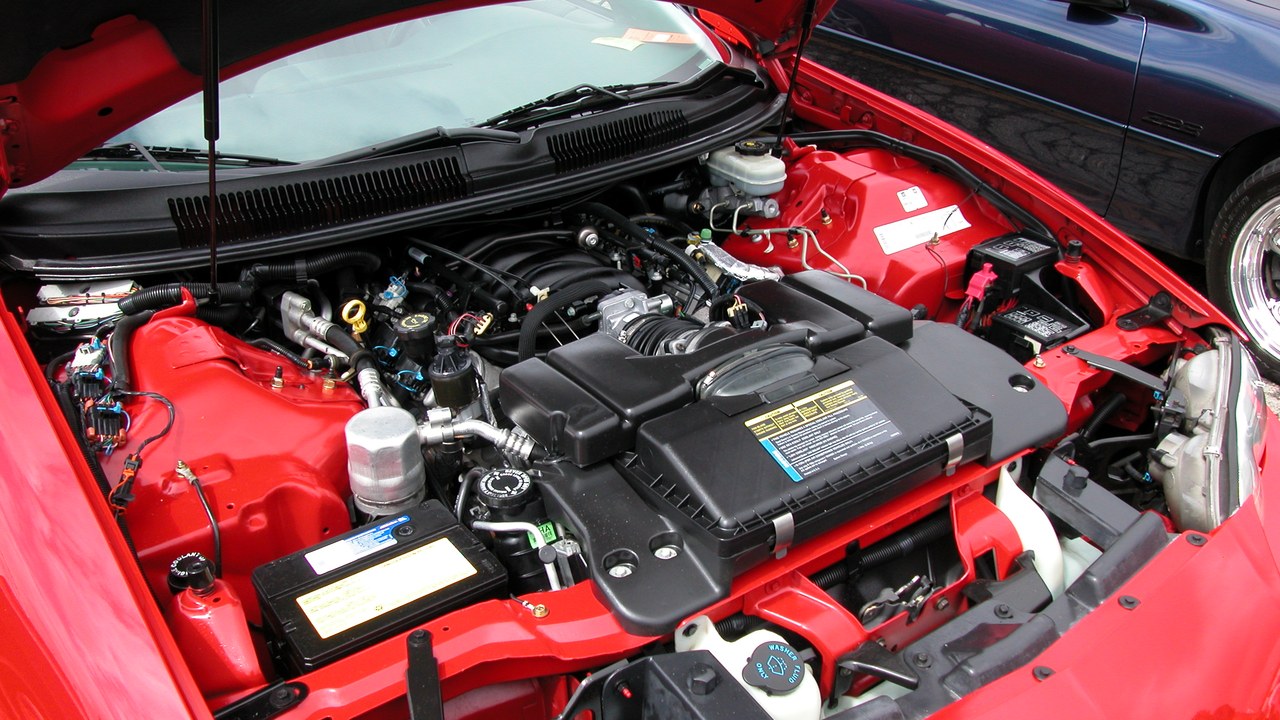
The Chevrolet Corvette helped establish the LS V8 as a modern performance engine with compact dimensions, broad torque, and durable fundamentals. The LS-based small-block family expanded across cars and trucks while retaining an architecture that builders found straightforward to package. Reliability, parts availability, and tuning support made the engine a default answer for swaps into countless unrelated vehicles.
In a Corvette, that same combination provides everyday drivability alongside serious performance. Maintenance remains easier when modifications preserve proper oiling, cooling, fuel delivery, and calibration rather than chasing one headline number. The engine’s popularity also means replacement parts and technical knowledge are unusually widespread. That support network reinforces mechanical durability, keeping older LS-powered cars serviceable even as individual components and electronics age.
6. Dodge Ram (Cummins B): Industrial Diesel Roots Built a Mileage Myth
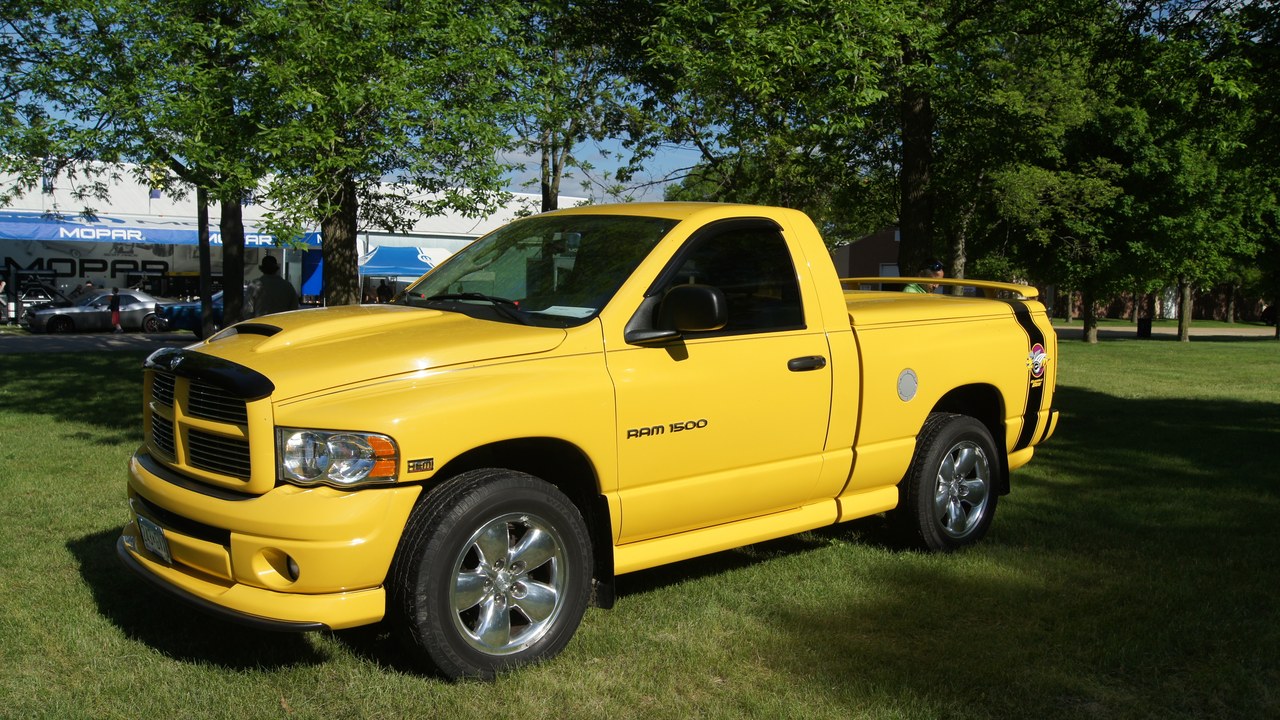
The Dodge Ram gained a defining identity when Cummins B-series turbodiesel power brought industrial-engine credibility into a pickup. The Cummins B family spans applications beyond light trucks, helping explain the heavy-duty construction behind its million-mile stories. Strong low-speed torque and rebuildable mechanical fundamentals made early versions especially attractive to owners who expected years of towing and work.
Truck longevity still involves more than the long block. Fuel systems, turbochargers, cooling components, transmissions, axles, and the body can all require major attention while the core engine remains viable. Modifications can also increase stress far beyond factory intent. The strongest used examples pair the famous diesel with measured tuning and documented service, preserving the dependable work-truck character that created the following.
7. Mercedes-Benz 300D (OM617): The Diesel Five Outlasted Its Surroundings
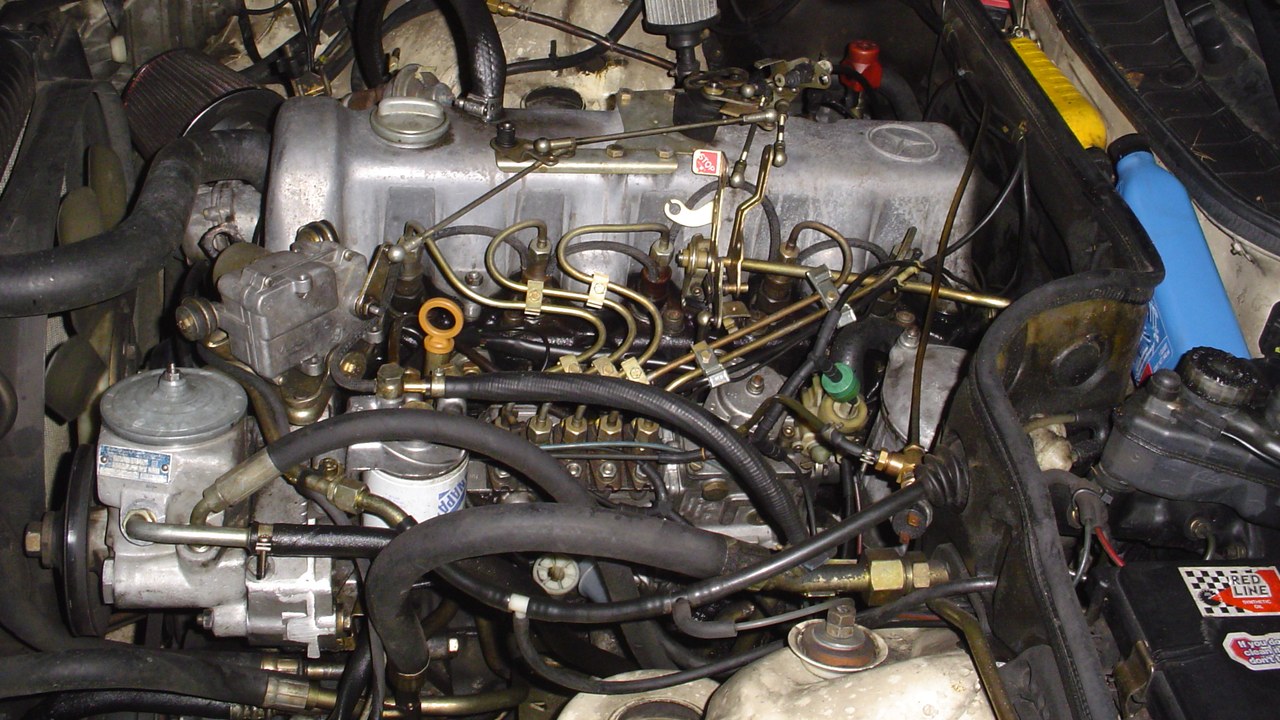
The Mercedes-Benz 300D’s OM617 diesel five-cylinder became synonymous with slow, steady endurance. The OM617 engine history covers naturally aspirated and turbocharged forms used across Mercedes vehicles, with mechanical simplicity and heavy construction supporting remarkable service lives. Many examples kept running long enough for rust, interiors, vacuum systems, and other age-related problems to become the larger challenge.
That durability rewards owners who maintain valve adjustment, clean fuel delivery, cooling, lubrication, and glow-plug systems rather than treating the engine as maintenance-free. Performance is modest by modern standards, but the appeal lies in consistency and repairability. A well-kept 300D can feel like a working artifact from an era when diesel passenger cars prioritized longevity and mechanical accessibility over speed.
8. Volvo 240 (Redblock): A Simple Four-Cylinder Became a Durability Icon
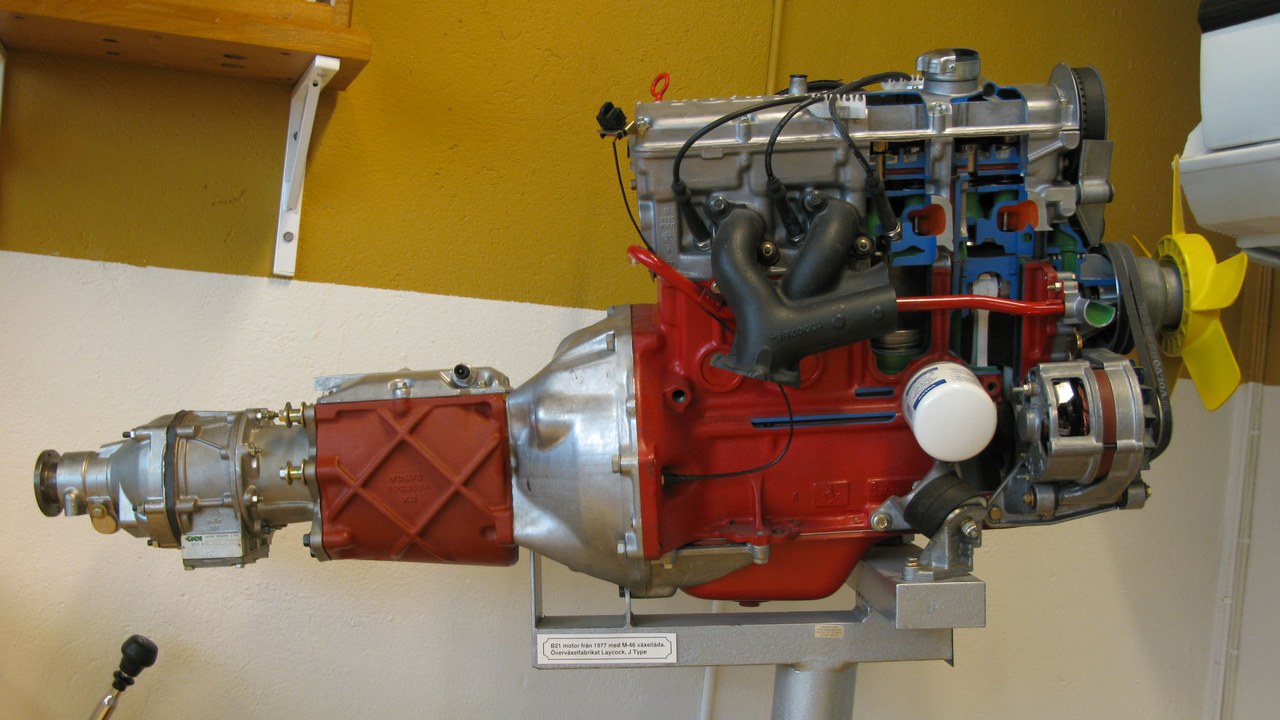
The Volvo 240’s Redblock four-cylinder earned durability status through a sturdy layout, conservative output, and decades of widespread use. The Volvo Redblock family included the B21 and B23 engines associated with the model’s long-lived reputation. Accessible mechanical design helped owners and independent shops keep the cars operating, while turbocharged variants showed the architecture could support more performance.
Age now tests wiring, fuel systems, seals, cooling parts, transmissions, and body condition as much as the engine itself. The best examples survive because owners address those supporting systems instead of relying on the block’s reputation. A maintained Redblock rewards that attention with simple diagnostics and deep parts knowledge. Its character suits the 240 perfectly: practical, square-edged, and engineered for use measured in decades.
More from Morning Overview
- A wildfire near Ouray swelled past 18,000 acres, putting Colorado towns on alert
- The Pentagon’s newest UFO files describe a fish-scaled, potato-shaped object on camera
- Scientists spotted a rare tusked whale alive at sea for the first time, then fired a crossbow at it.
- A Colorado wildfire forced level-three ‘leave now’ orders across Ouray County
