
The first motorcycle matters more than almost any other choice a new rider makes, because weight, seat height and throttle response shape how fast confidence arrives. Machines built around forgiveness rather than outright speed let a beginner learn clutch control and cornering without fighting the bike. Here are eight beginner motorcycles that new riders can actually handle.
1. Honda Rebel 300: Low Seat, Light Clutch
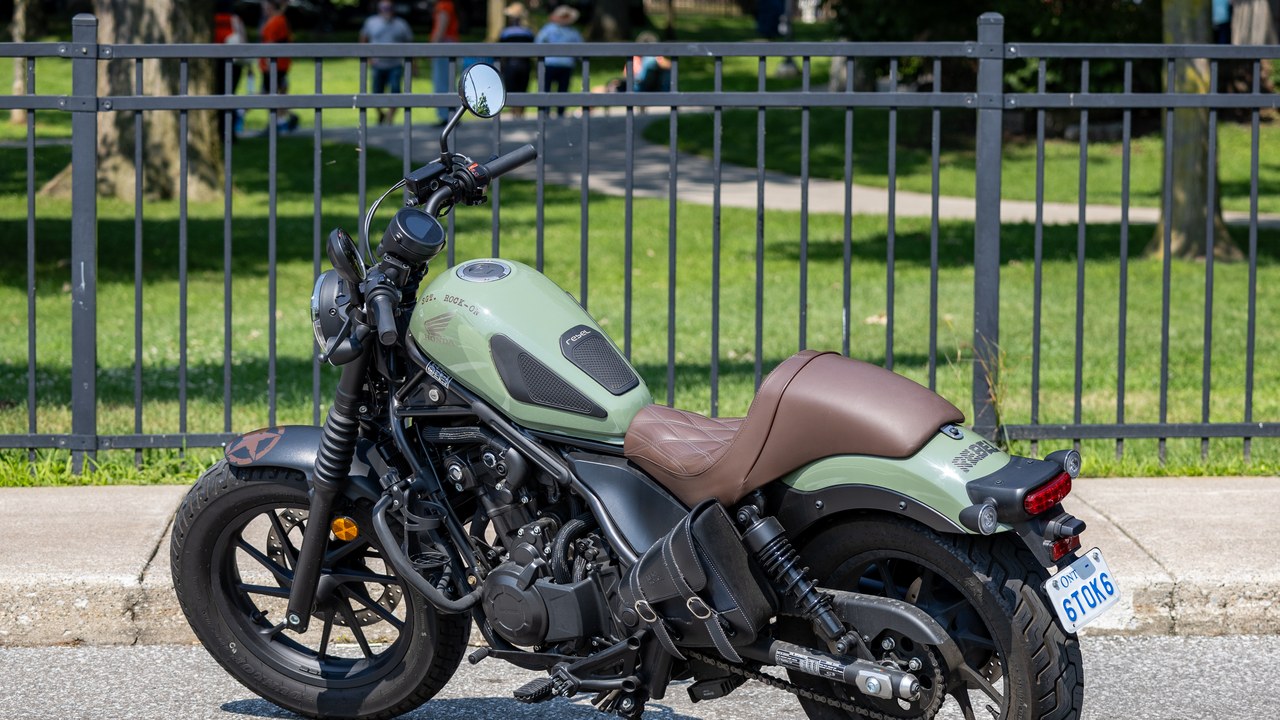
The Rebel line has long been Honda’s entry point for people who have never balanced a motorcycle at a stoplight, and the formula barely changes: a low-slung cruiser chassis that keeps the saddle close to the ground and the mass low between the wheels. Feet reach the pavement easily at a stop, which removes the tipping-over anxiety that derails many first outings.
Cruiser ergonomics carry a trade-off. The relaxed riding position and modest power make highway merging less effortless than on a sportier machine, and riders who log freeway miles often outgrow the class within a season or two. As a first bike, forgiveness beats capability.
2. Kawasaki Ninja 400: Fairings Without the Fear
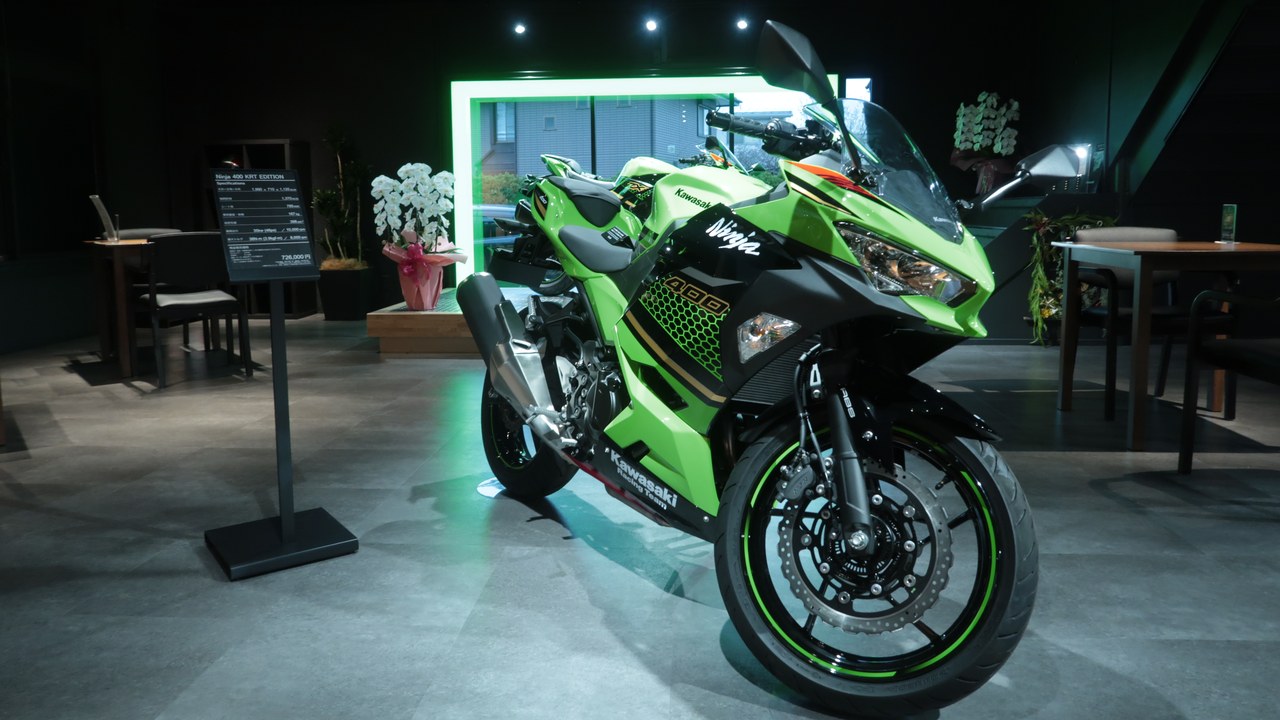
Full sportbike bodywork usually signals intimidating power, but the Ninja 400 pairs the look with a forgiving small-displacement twin that pulls smoothly from low revs instead of snapping. Handlebars sit higher than on a full-size supersport, so wrists and lower back take less punishment during the long, slow parking-lot drills that build real skill.
The trade is straightforward. Fairings add plastic that cracks in even a slow tip-over, and bodywork repairs cost more than scuffs on a bare frame, so a first season of drops gets expensive. Learners who expect to put the bike down sometimes start on a naked model and move to a faired one afterward.
3. Yamaha MT-03: Naked and Nimble
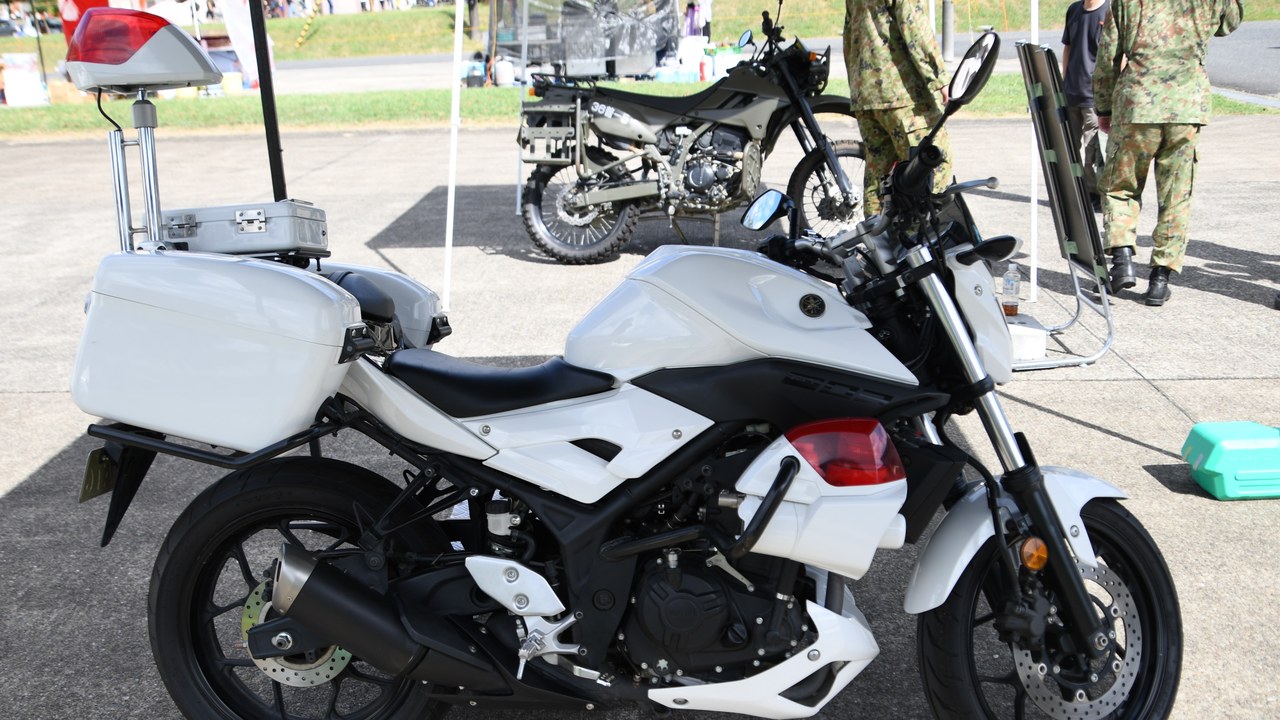
Stripping the fairing off a small sportbike produces something like the MT-03, a lightweight naked platform whose upright bars put a rider’s eyes level with traffic instead of over the front wheel. Steering inputs stay light at parking speeds, and the exposed frame means a tip-over usually scuffs a lever or bar end rather than a panel.
Manageable power is the point rather than a limitation. Throttle response stays progressive enough that a jerky hand does not launch the bike, which matters most in stop-and-go traffic. The upright seating position keeps weight off the wrists on longer rides, though wind protection is minimal and highway cruising grows tiring without a screen.
4. Yamaha YZF-R3: Track Looks, Street Manners
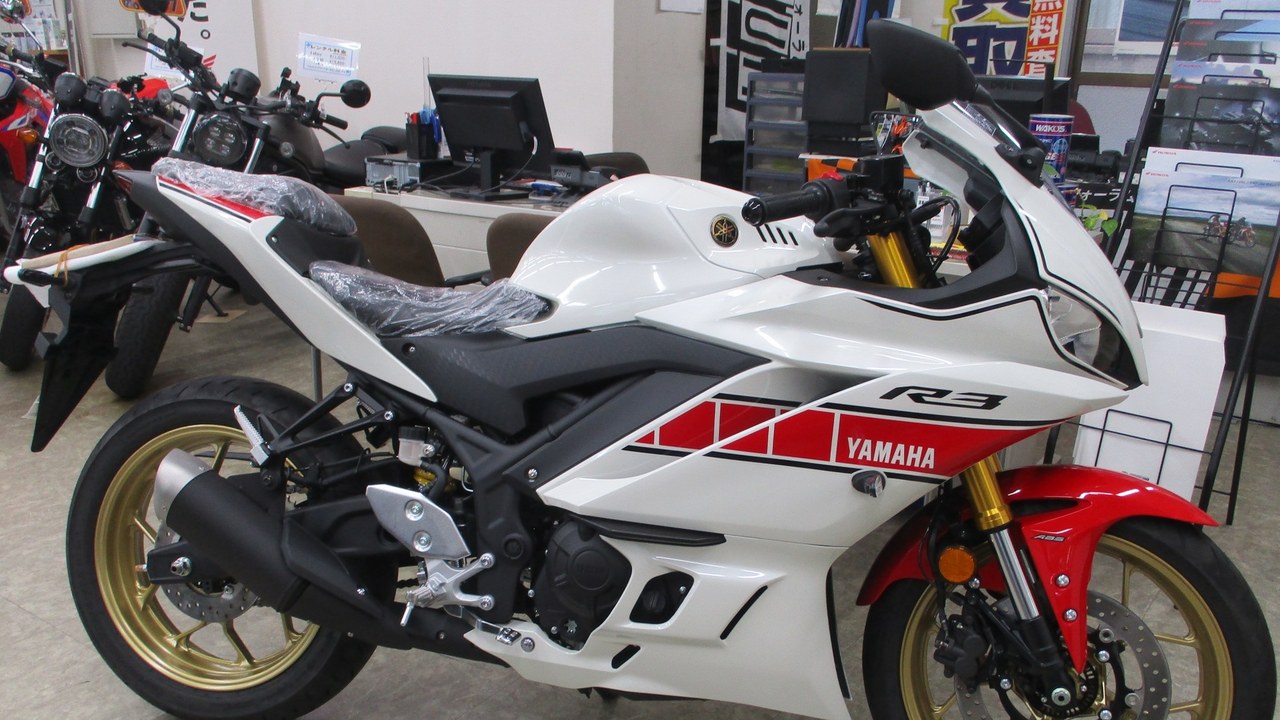
Race-styled bodywork covers a friendly small-displacement engine on the YZF-R3, which is what makes the model a common first sportbike rather than a mistake. The riding position leans forward but stops well short of a liter-bike crouch, and the machine’s light weight makes low-speed maneuvering and figure-eight drills approachable rather than punishing.
Sport bars reward smooth inputs and punish tense arms, so the bike teaches technique quickly. That same geometry grows uncomfortable in slow city traffic over time, and the tucked position asks more of the wrists than a naked model does. Short-distance commuters tend to find the trade worthwhile for the handling.
5. Honda CB300R: Simple Standard, Modern Look
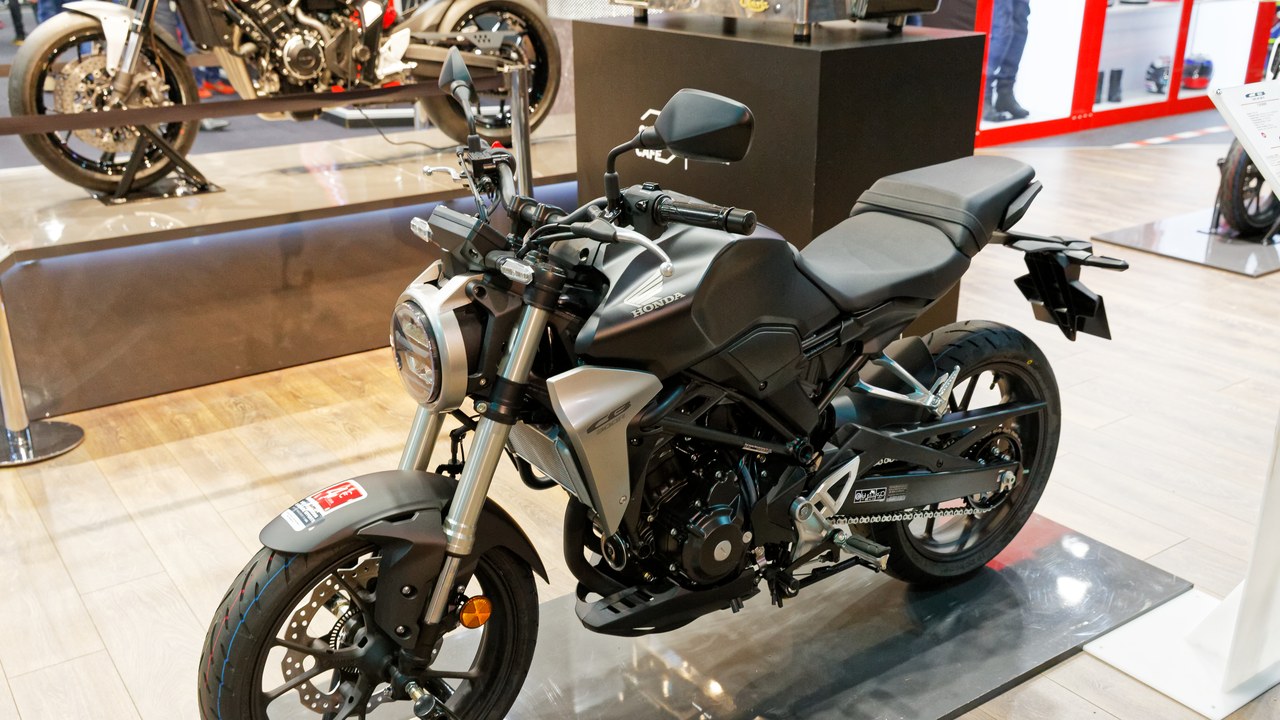
Looks aside, the CB300R rides like an old-fashioned standard: a small-displacement standard motorcycle with a flat seat, mid-mounted pegs and a neutral riding triangle that suits short and tall riders alike. Light weight makes the bike easy to push around a garage or paddle backward into a parking space, a detail beginners underrate until the first time it matters.
Neutrality has costs. Minimal bodywork means no wind protection, and the compact chassis leaves little room for luggage or a passenger on a long trip. What the model does well is disappear underneath the rider, which is what a first motorcycle should do while basic reflexes are still forming.
6. KTM Duke 390: Punchy but Still Light
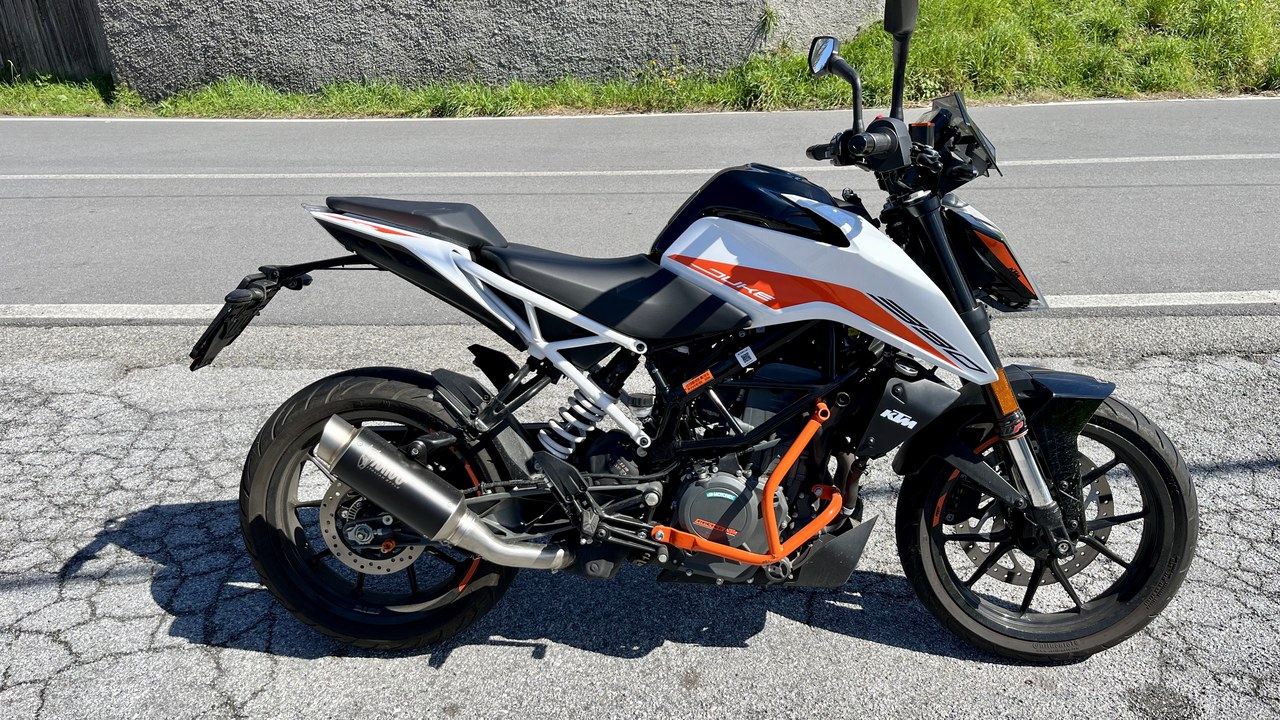
Among small bikes aimed at newcomers, the 390 Duke sits at the sharper end: a punchy single-cylinder engine in a very light chassis, a pairing that feels noticeably more urgent than most machines in the class. The bike rewards riders who already have some seat time and treat the throttle with respect, and it forgives abrupt inputs less readily than a twin.
Confident beginners are the intended audience, not absolute first-timers. Strong brakes and short gearing demand deliberate control, though those same traits build precise habits once the basics are solid. Riders coming straight out of a training course sometimes find the immediacy taxing in heavy traffic and grow into it over several months.
7. Suzuki DR-Z400: Dirt, Pavement, Either Way
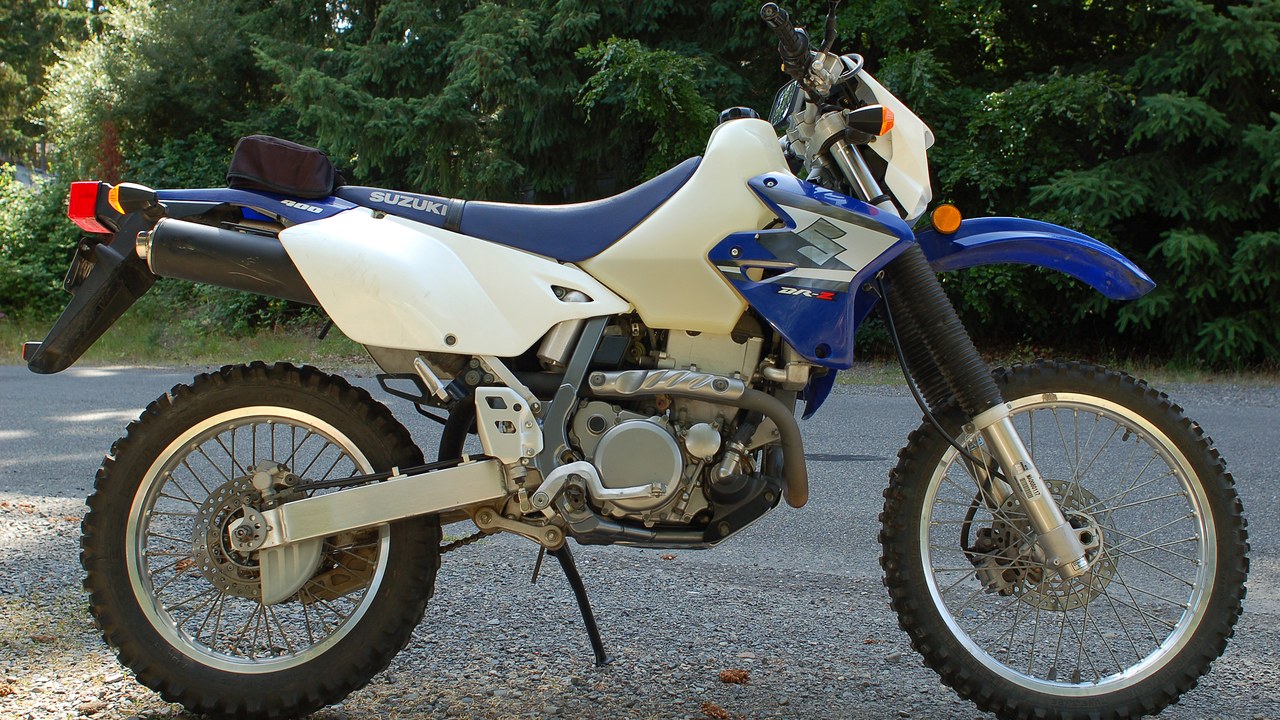
Dual-sport design makes the DR-Z400 unusually tolerant of beginner error, since the long-travel suspension setup and dirt-ready tires shrug off curbs, gravel shoulders and rutted driveways that unsettle a street bike. Practicing throttle and clutch control on loose surfaces at low speed also transfers to pavement, where a slipping rear tire becomes a familiar sensation rather than a surprise.
The compromises are height and comfort. A tall seat challenges shorter riders at stops, and the narrow saddle is not built for hours of highway droning. In exchange the bike goes almost anywhere, and its simple, long-serving design keeps repairs undramatic after the low-speed drops that come with learning.
8. Kawasaki Z400: Approachable Ergonomics, Everyday Bike
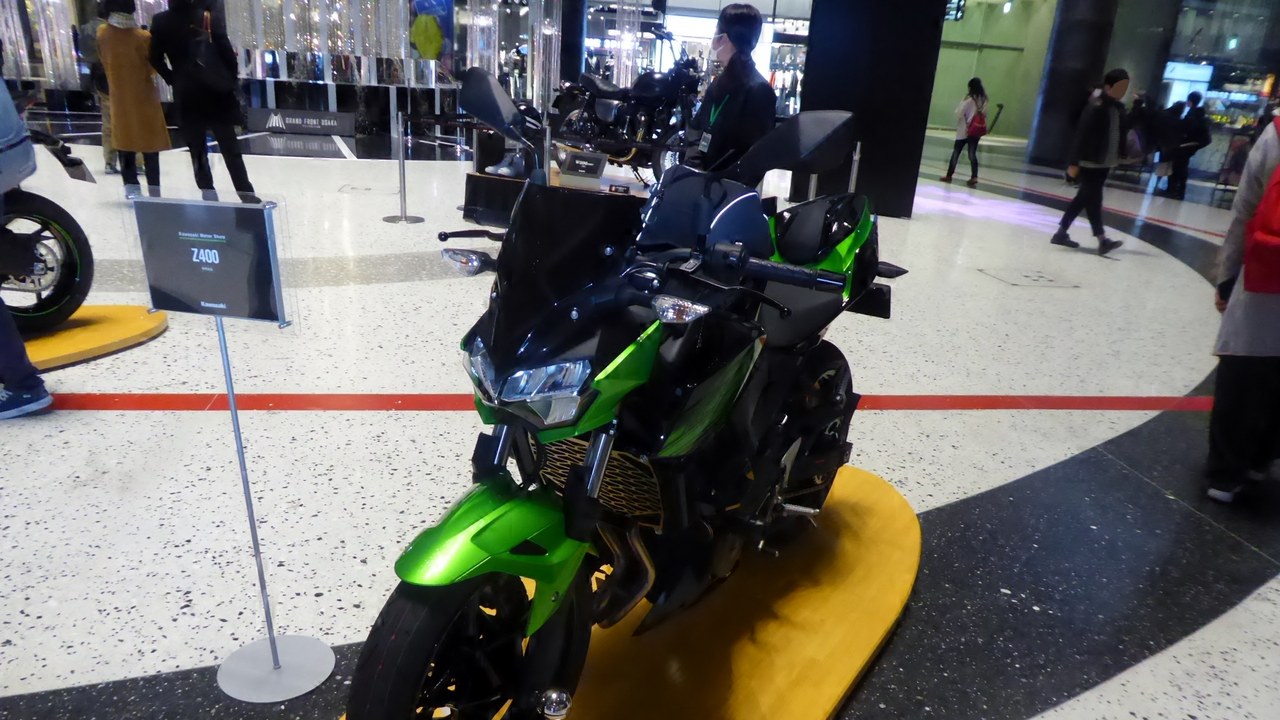
Sharing a naked-bike recipe with its faired sibling, the Z400 delivers approachable riding ergonomics: a low seat, wide handlebar and a light front end that turns with little effort. Sitting upright improves the view over traffic, and the absence of fairing plastic keeps the repair bill modest when a first-year rider misjudges a stop and lets the machine lean over.
Everyday usability is the strength here. Narrow proportions make maneuvering in crowded parking lots simple, and the friendly power delivery avoids the abrupt surge that makes some machines exhausting in commuting traffic. Wind protection remains minimal, so riders who add long highway stretches to the routine usually end up wanting a screen.
More from Morning Overview
- Long-term use of common heartburn pills is tied to kidney and dementia risk
- A California supervolcano has bulged upward about two and a half feet since 1978
- The FTC is warning about a scam quietly draining thousands from victims
- The NSA is again telling phone owners to switch off one location setting
