
A first motorcycle rewards restraint far more than horsepower, and the machines that build confidence tend to be light, low and predictable at small throttle openings. None of that replaces a licensing course, proper gear or seat time in an empty lot, which remain the real safety equipment. The eight bikes below earn their beginner reputations on numbers rather than marketing.
1. Honda Rebel 300: Low Enough To Flat-Foot
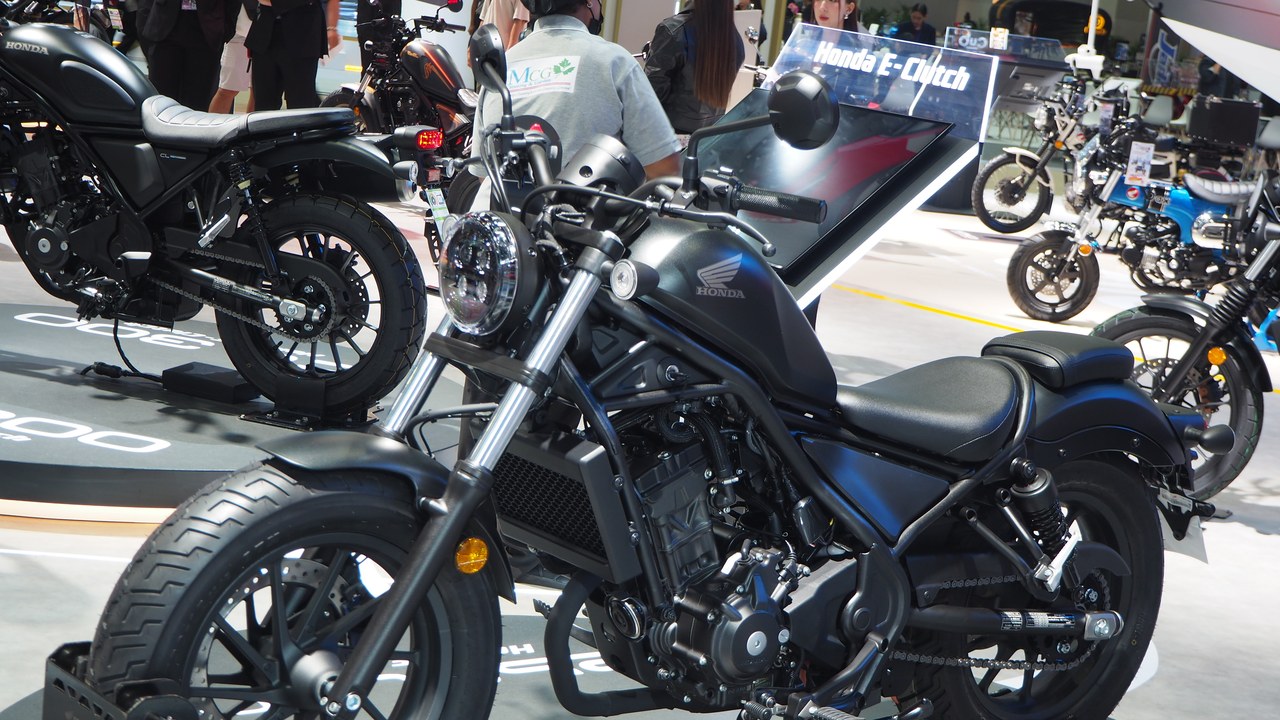
The Rebel 300 pairs a 286cc single-cylinder engine with a seat that sits about 27.2 inches off the ground, one of the lowest figures on any current showroom floor. Height matters more than horsepower to a nervous beginner, because planting both feet at a stoplight removes the most common cause of a parking-lot tip-over. Honda’s long-running Rebel line has leaned on that low-slung geometry since the 1980s.
Highway work is the trade-off. At roughly 364 pounds and under 300cc, the bike settles happily at 55 mph but keeps little in reserve for sustained interstate passes, so long-distance commuters tend to outgrow it within a season or two.
2. Kawasaki Ninja 400: Sportbike Looks, Sensible Numbers
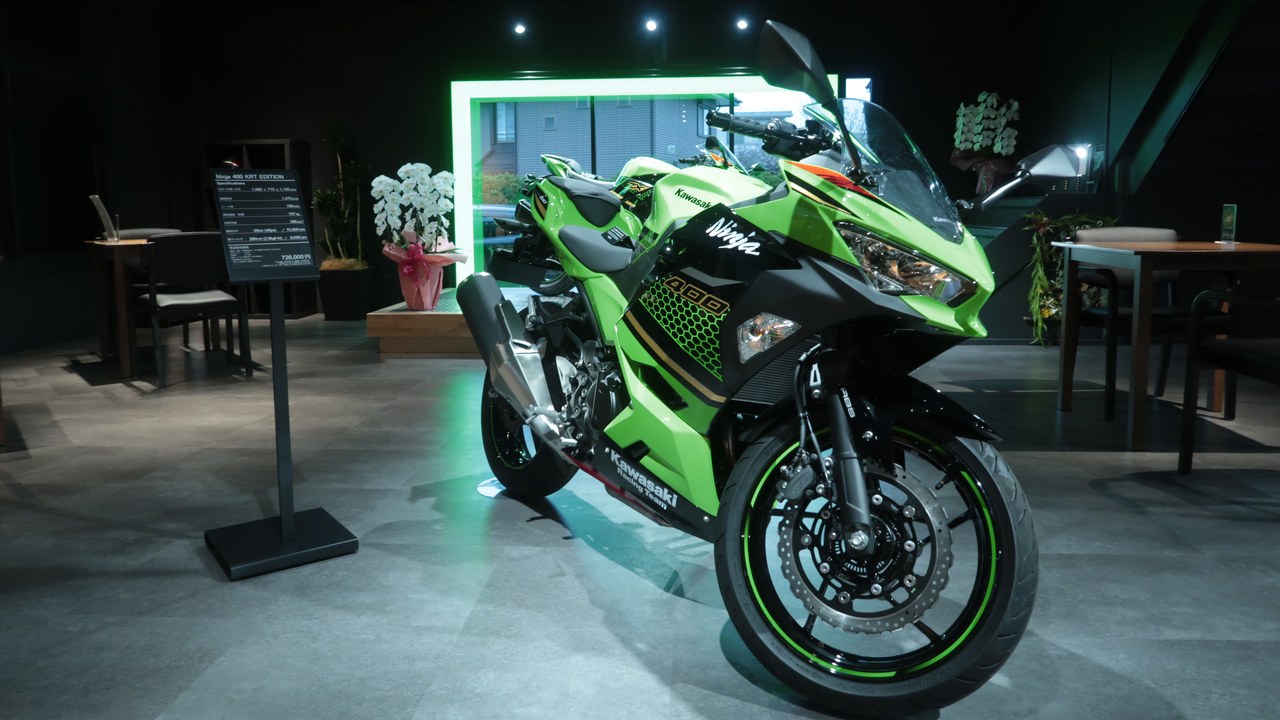
Full fairings suggest aggression, yet the Ninja 400’s parallel twin displaces 399cc and produces roughly 45 horsepower, enough to hold a lane on the freeway and nowhere near enough to punish a clumsy handful of throttle. Curb weight sits near 366 pounds, and the 30.9-inch seat suits riders of average height.
What makes it a durable first bike is that the learning curve never ends abruptly. The same machine is welcome at a track day, and the twin’s linear delivery gives an honest read on how throttle, lean angle and brakes interact, lessons far better absorbed in a rider-training course than on a public road.
3. Yamaha MT-03: Naked, Light And Unintimidating
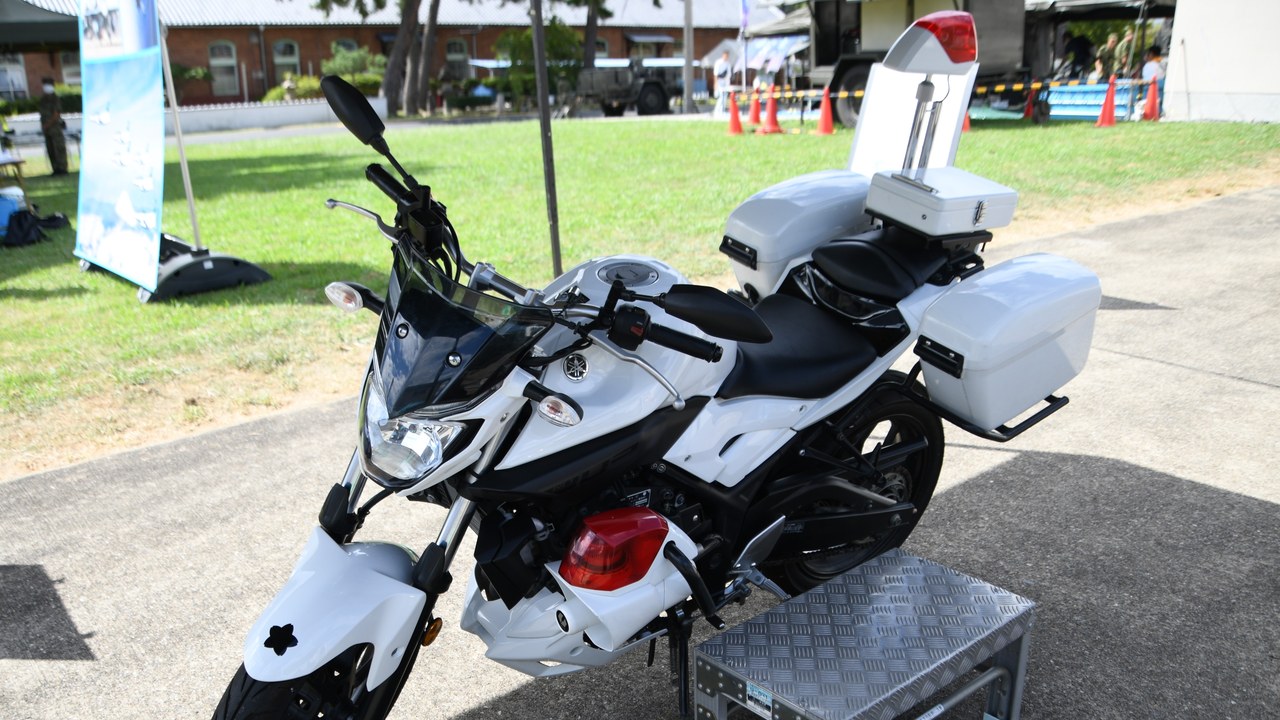
Stripped of bodywork, the MT-03 wraps a 321cc parallel twin in a chassis weighing about 373 pounds fueled, with a 30.7-inch seat and wide handlebars that supply real leverage at walking pace. Slow-speed maneuvering is where most new riders struggle, and the MT-03’s upright stance shifts weight onto the hips instead of the wrists.
Around town that geometry pays off constantly: threading into a parking space, holding a line through a tight turn, catching a wobble before it becomes a drop. Modest output means a panicked twist of the grip produces noise rather than a lunge, though the bike still demands proper gear and a license earned the slow way.
4. KTM 390 Duke: Sharp Without Being Savage
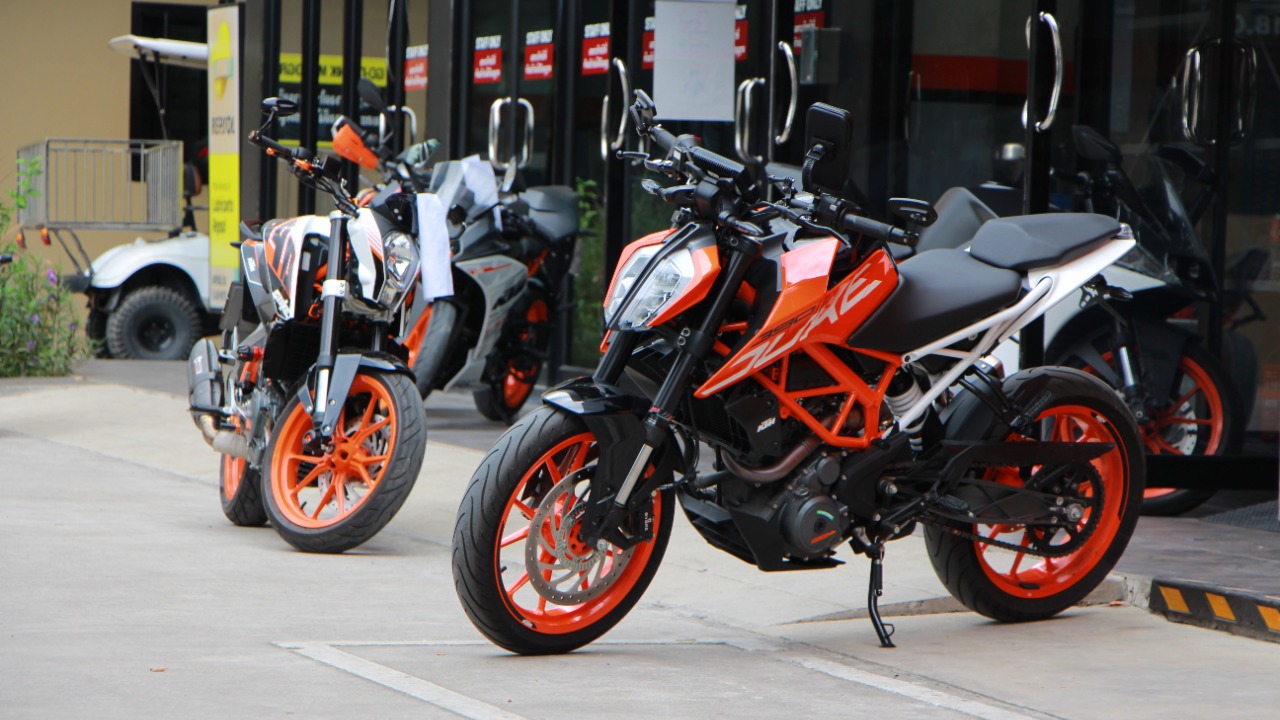
KTM’s entry model uses a single-cylinder engine of roughly 373cc making about 43 horsepower in a package that stays under 350 pounds ready to ride. That ratio is livelier than most starter machines, but the 390 Duke’s single cylinder telegraphs its intent, running out of revs rather than surging without warning.
The caveat is reach. A seat around 32.7 inches high leaves shorter riders tiptoeing at stops, which undercuts the confidence a beginner is trying to build. Ride-by-wire and cornering ABS on later versions add a genuine safety net, yet the Duke rewards someone who has already finished formal training over someone still hunting for the friction zone.
5. Suzuki SV650: The Twin Riders Keep
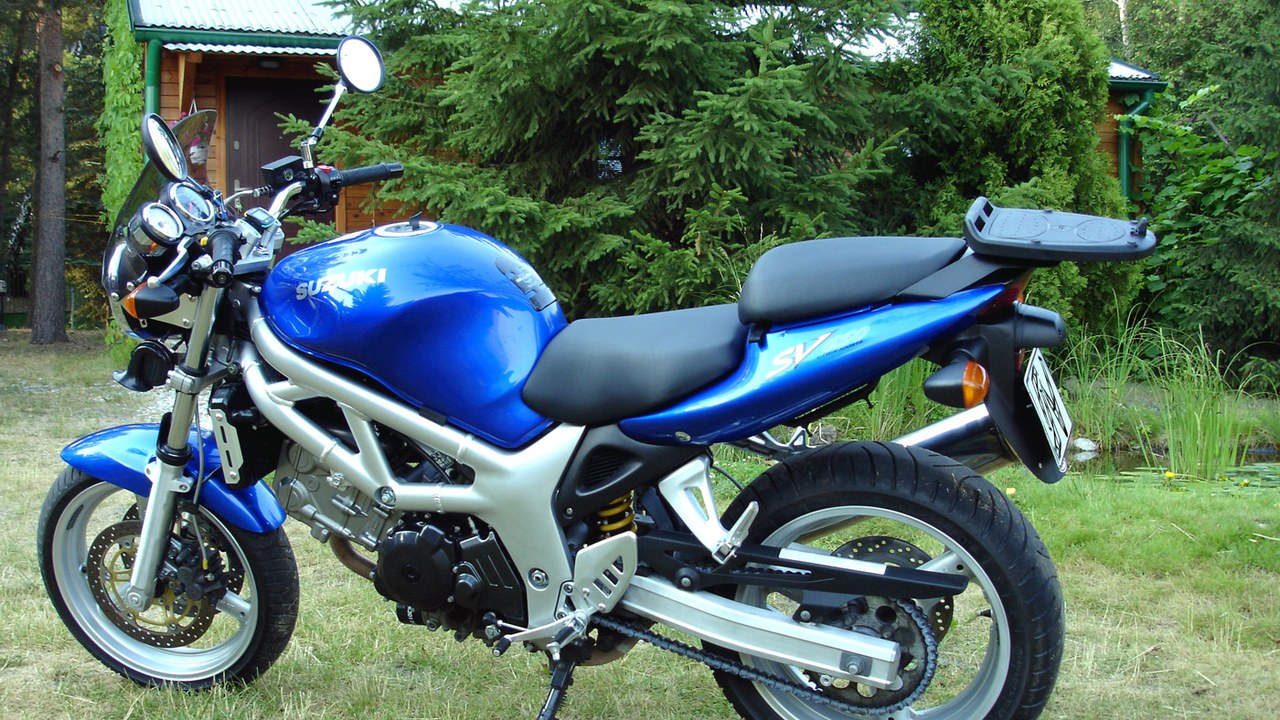
A 645cc V-twin making around 75 horsepower sounds like the wrong answer for a novice, but delivery is what built this bike’s reputation: torque arrives low and swells smoothly instead of spiking near redline. The SV650’s V-twin engine has kept broadly the same character since 1999, and Suzuki’s low-rpm assist feeds in throttle at takeoff to head off stalls.
Respect is the price of admission. Seventy-five horsepower will outrun untrained reflexes, so this is the graduation bike on the list rather than the day-one bike. A 30.9-inch seat and roughly 430 pounds keep it easy to shuffle in a driveway, and European buyers can order an A2-restricted version capped for newly licensed riders.
6. Honda CB500F: Built To A Learner Rulebook
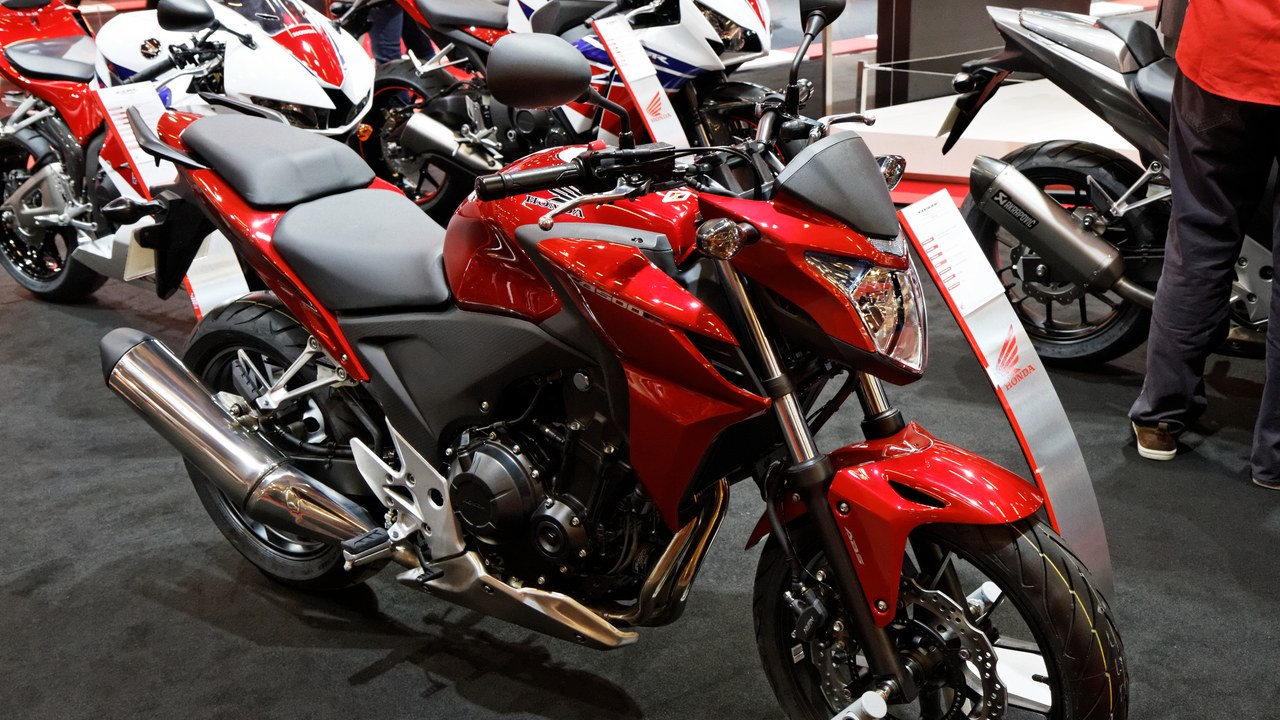
Honda engineered this one around Europe’s A2 license cap, which limits newly qualified riders to 47 horsepower, so its 471cc parallel twin was designed to land at that ceiling rather than be strangled down to it. Curb weight comes in around 416 pounds, with a 30.9-inch seat and ABS on the versions sold across most markets.
Designing to a regulation turns out to have a practical payoff: nothing about the CB500F feels like a watered-down copy of something better. It carries a passenger and luggage without protest, holds highway speed comfortably, and its predictable midrange gives a rider room to build habits before the bike ever runs short of capability.
7. Kawasaki Z400: Same Engine, Fewer Fairings
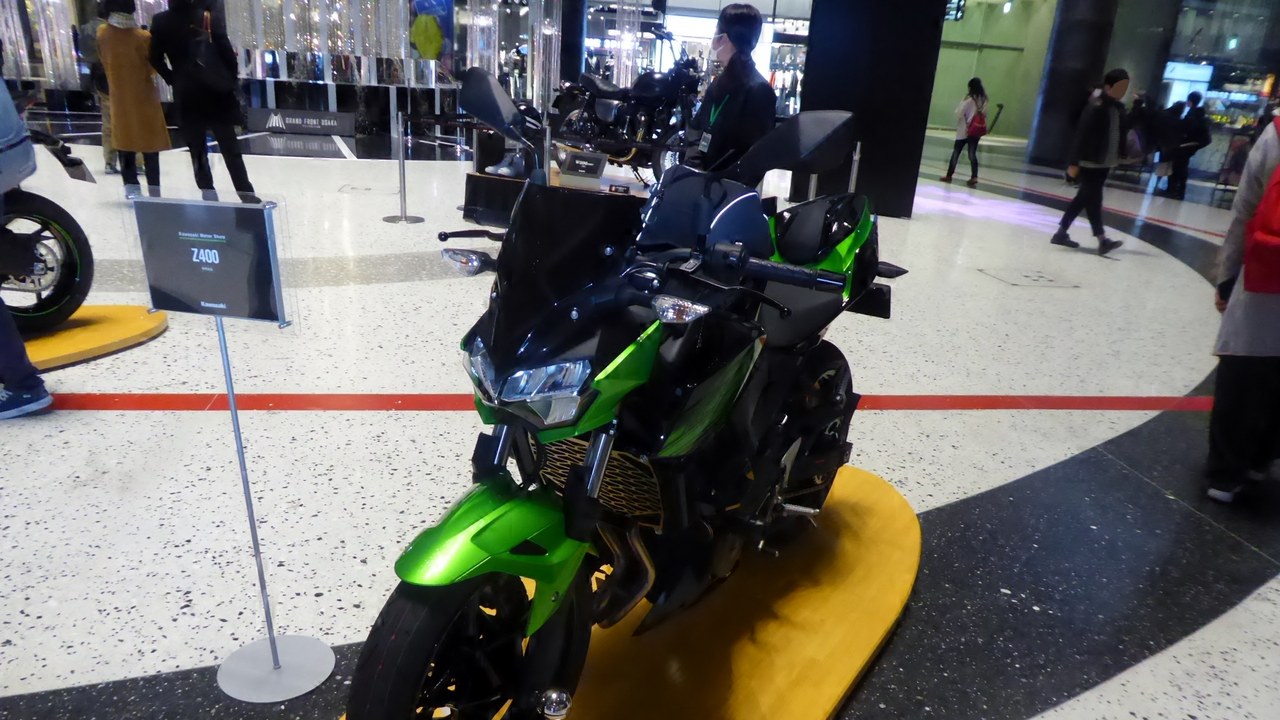
Mechanically this is a Ninja 400 without the plastic: the same 399cc parallel twin, the same steel trellis frame, a curb weight near 364 pounds and a 30.9-inch seat. Riding position is the real difference, since Kawasaki’s naked Z400 uses a taller handlebar that sits the rider upright for better sightlines in traffic.
Bare bodywork also lowers the cost of the slow-speed drop that almost every new rider experiences at least once. A scuffed bar end and a bent lever are cheap next to a cracked fairing panel, which makes the Z400 a forgiving place to make the early mistakes that come with learning.
8. Royal Enfield Interceptor 650: Retro Looks, Gentle Delivery
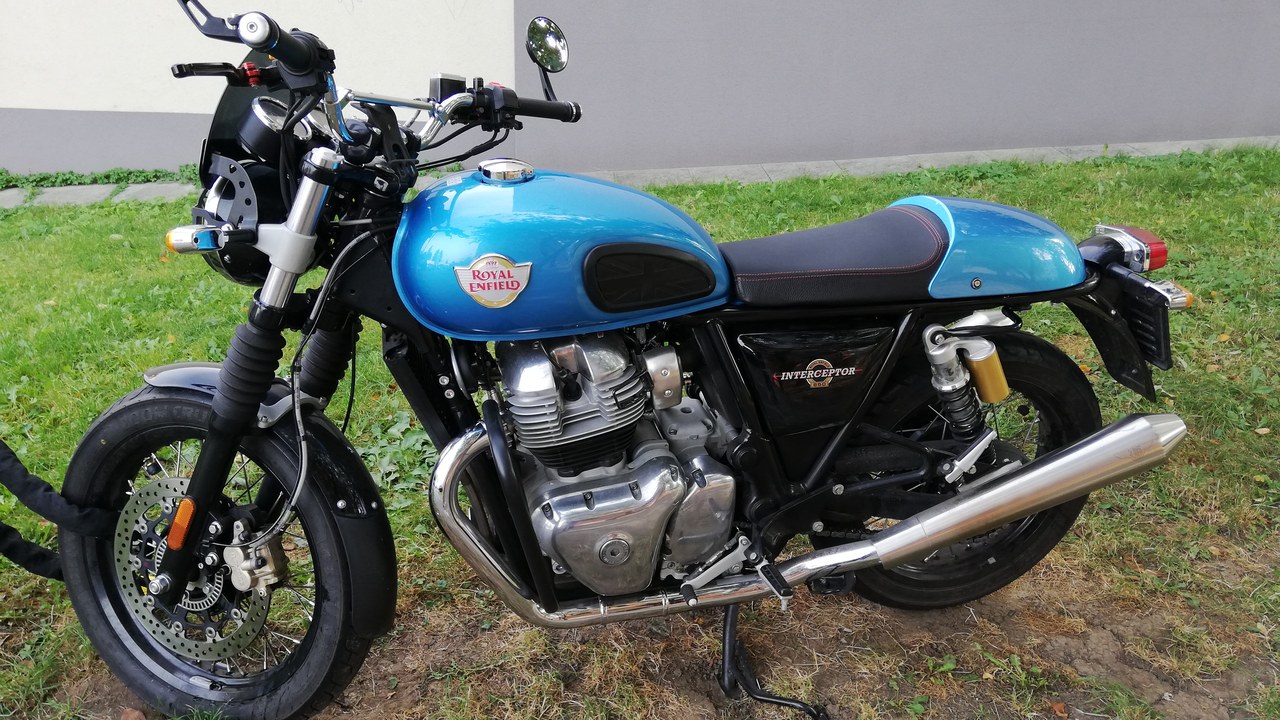
About 47 horsepower comes out of a 648cc air- and oil-cooled parallel twin, with a torque peak low enough that the Interceptor’s 648cc twin pulls cleanly away from town speeds without constant downshifting. The seat measures roughly 31.7 inches, and the machine weighs about 445 pounds with fluids aboard.
Weight is the honest caveat: this is the heaviest bike here, and walking it backward up a sloped driveway takes deliberate technique rather than brute force. In motion the mass disappears and even steadies the chassis at highway speed, which suits a beginner planning weekend distance over short city hops.
More from Morning Overview
