
Ninety-nine percent of Americans now live under light-polluted skies, yet a handful of towns changed their own ordinances to win the stars back. Their rules cover shielded fixtures, floodlight limits and municipal retrofits, and each town earned recognition for them. Here are eight communities that rewrote their lighting laws, starting with Flagstaff in 2001.
1. Flagstaff, Arizona: First Of Its Kind
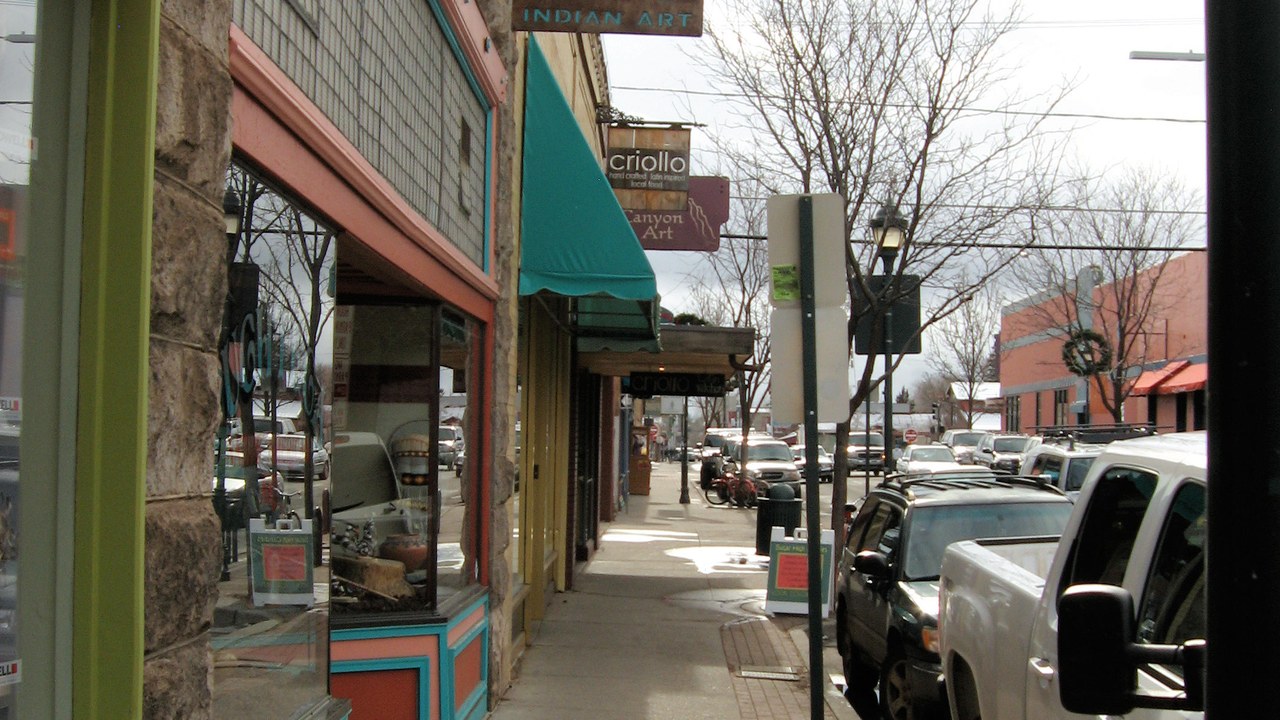
The Wikipedia dark-sky directory lists Flagstaff as designated in 2001 and describes it as the first Dark Sky Place certified by the International Dark-Sky Association. That placement makes the Arizona city the oldest entry on the American list, a full thirteen years ahead of Sedona, which the same table dates to 2014. Flagstaff is listed with a population of 17,100.
The listing shows how early the idea took hold in northern Arizona, long before shielded fixtures became a common talking point elsewhere. For a town, the lesson is that the designation is a municipal commitment first. Residents and visitors alike benefit from the darker sky overhead, though the directory entry itself is only a summary of that longer effort.
2. Sedona, Arizona: Red Rock Darkness
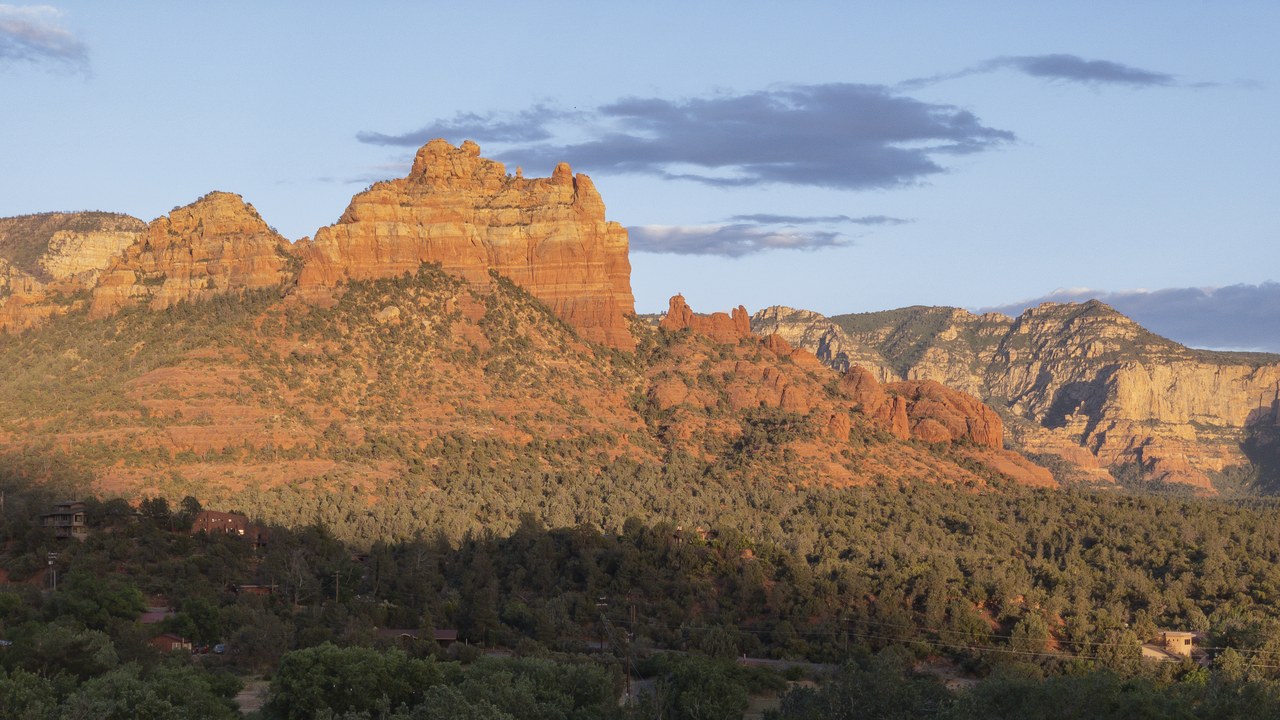
The same directory lists Sedona, Arizona as designated in 2014, carrying Dark Sky Community status. Sedona draws its visitors for daylight scenery, yet the listing places the town among the American communities recognized for how they treat the night. The entry is one line in a long table, so the wording reflects what the directory reports and nothing beyond it.
A town built around tourism has a stake in this kind of recognition, because evening visitors expect a sky worth looking at. The practical effect depends on how well local lighting rules are followed, from shielded fixtures to lower-output bulbs. Status in a directory marks a starting point, and upkeep of the rules keeps it meaningful.
3. Bisbee, Arizona: Copper Town Conversion
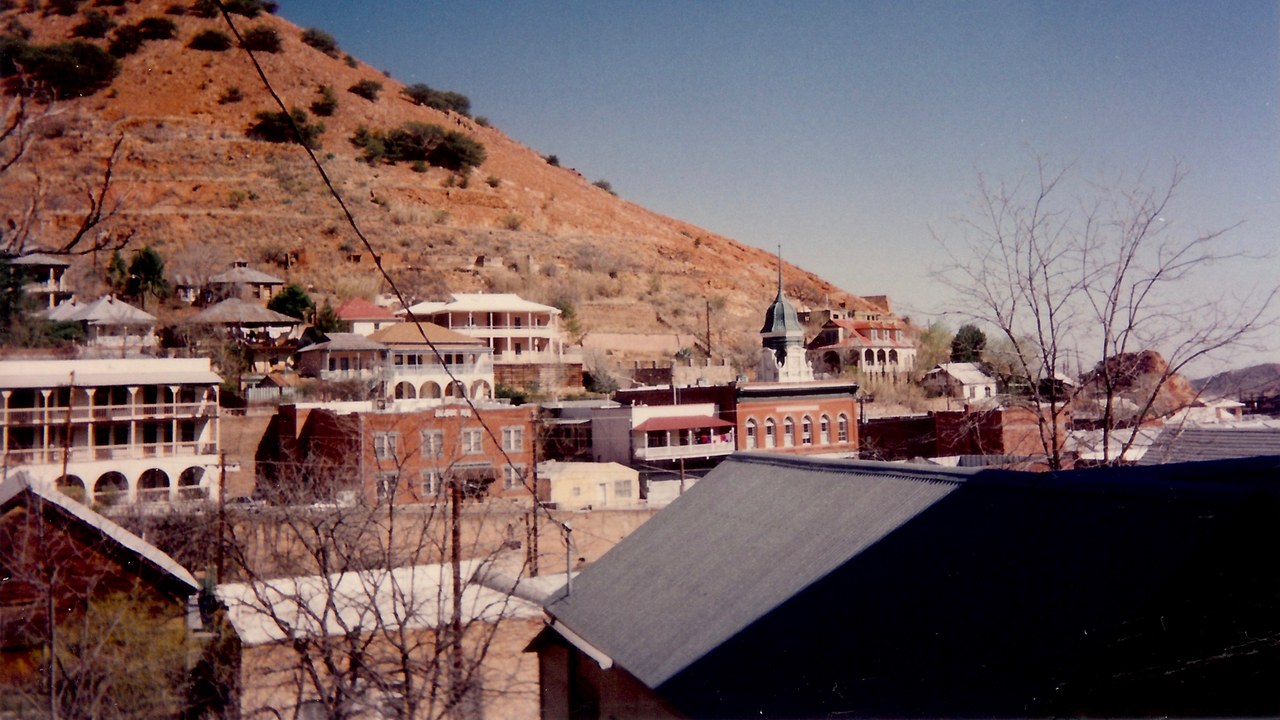
Dark Sky International reported that “the city of Bisbee has been certified as an International Dark Sky Community,” and that the city “is converting all of its municipal lighting to dark-sky compliant fixtures over the next 5 years.” The pledge covers city-owned fixtures only, so private property falls outside it. The announcement came from the certifying organization’s own news page.
A former mining town perched in steep canyons has a natural advantage, since hillsides can shield neighbors from stray glare when lights point down. The five-year timetable gives the conversion a measurable finish line. Owners of homes and businesses are not bound by that pledge, which leaves private lighting as the open question.
4. Bluff, Utah: Canyon Country Rules
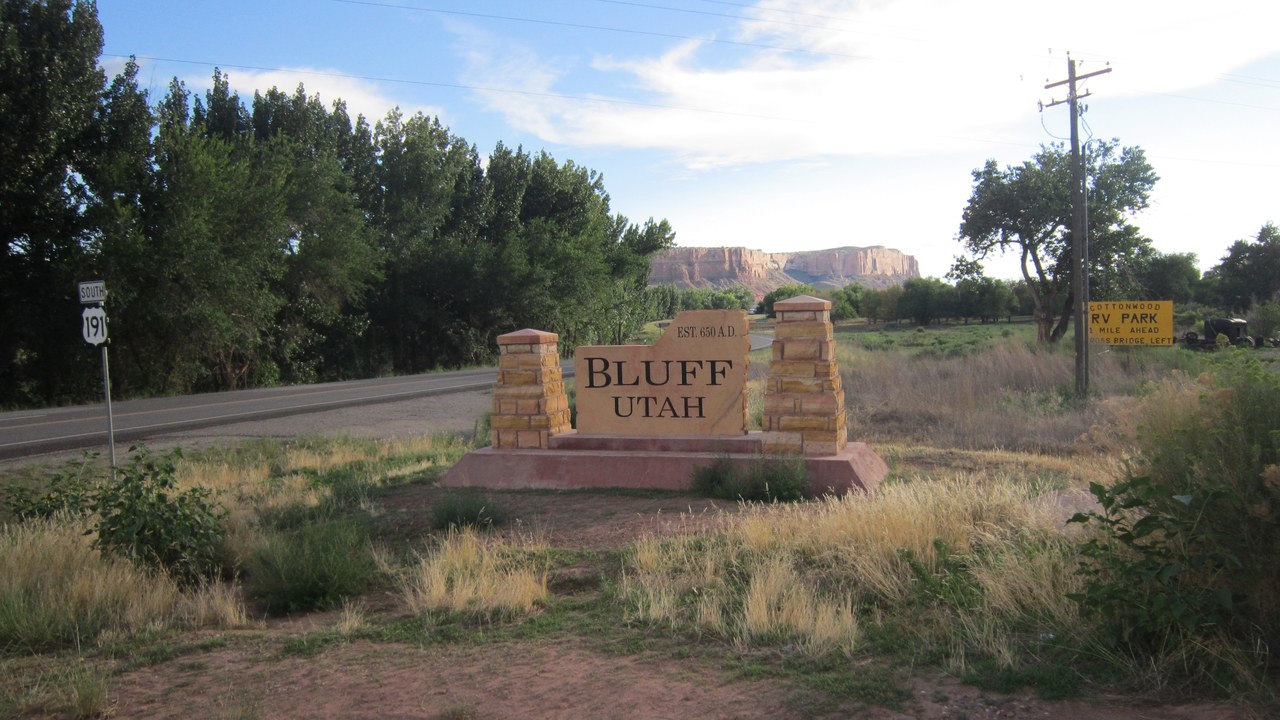
The town’s own government page states that “the Town of Bluff, Utah has been officially designated an International Dark Sky Community by DarkSky International.” The same page links the Exterior Lighting Ordinance that the town adopted. Because the claim comes from the municipality itself, the page serves as a primary record of both the designation and the rule behind it.
An ordinance is the part that outlasts a certificate, because it governs every new porch light, sign and outbuilding in the community. Bluff sits in a remote corner of San Juan County, where little other light competes with the sky. Anyone planning a visit or a building project can read the exterior lighting rules directly on the town’s page.
5. Sisters, Oregon: Oregon’s Second
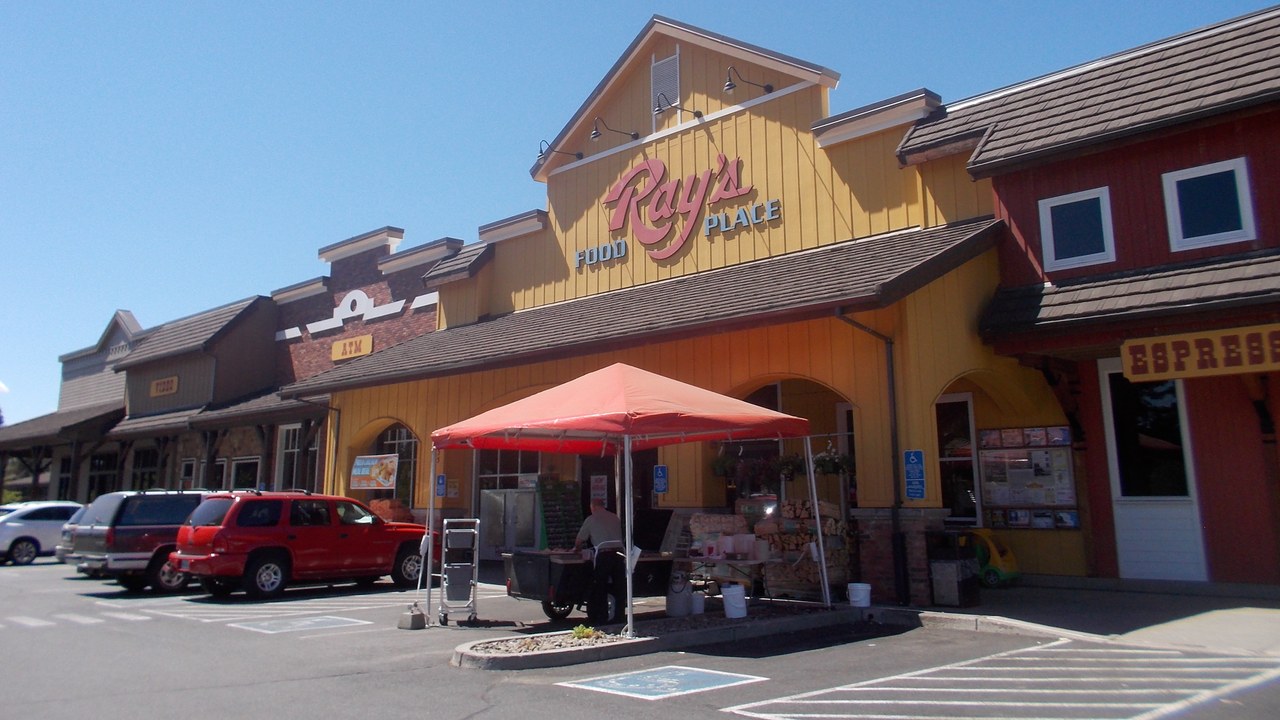
Local television coverage reported Sisters becoming Oregon’s second International Dark Sky Community after the city “updated its Dark Skies Outdoor Lighting Ordinance to meet certification standards.” The report is dated January 24, 2025, and also describes the designation as the sixth area in the state to receive recognition of that kind. The ordinance change came first, with the certification following it.
That sequence matters, because it shows a council rewriting its own rules to qualify rather than simply applying for a badge. Central Oregon’s tourism economy leans on mountain scenery, and a clear night sky adds to it. Existing fixtures may take time to replace, so the visible result depends on how quickly property owners comply.
6. Antelope, Oregon: Oregon’s First
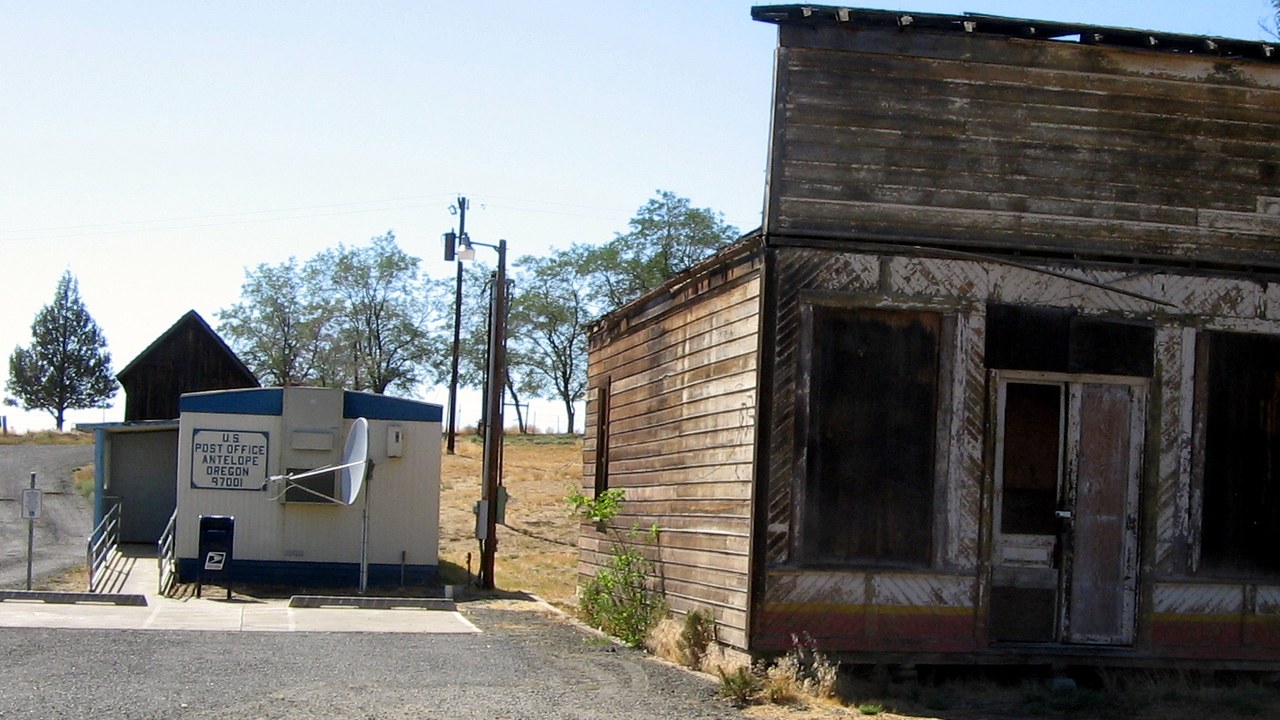
The same report quotes Antelope’s mayor saying the city became Oregon’s first Dark Sky Community “just weeks ago,” putting it ahead of Sisters in the state’s sequence. Antelope is a small Wasco County community, and the quote comes from a local-news account instead of a certification record. That makes the mayor’s phrase the source for the timing, which the report leaves without a specific date.
Small places often move first because a handful of residents can agree on lighting rules quickly, while larger cities need longer debates. Antelope’s early status gave Sisters a nearby example to follow. For visitors, the practical appeal is a rural setting with few competing lights, though the mayor’s remark alone does not establish an exact calendar date.
7. Village of Oak Creek, Arizona: Shielded Fixtures Only
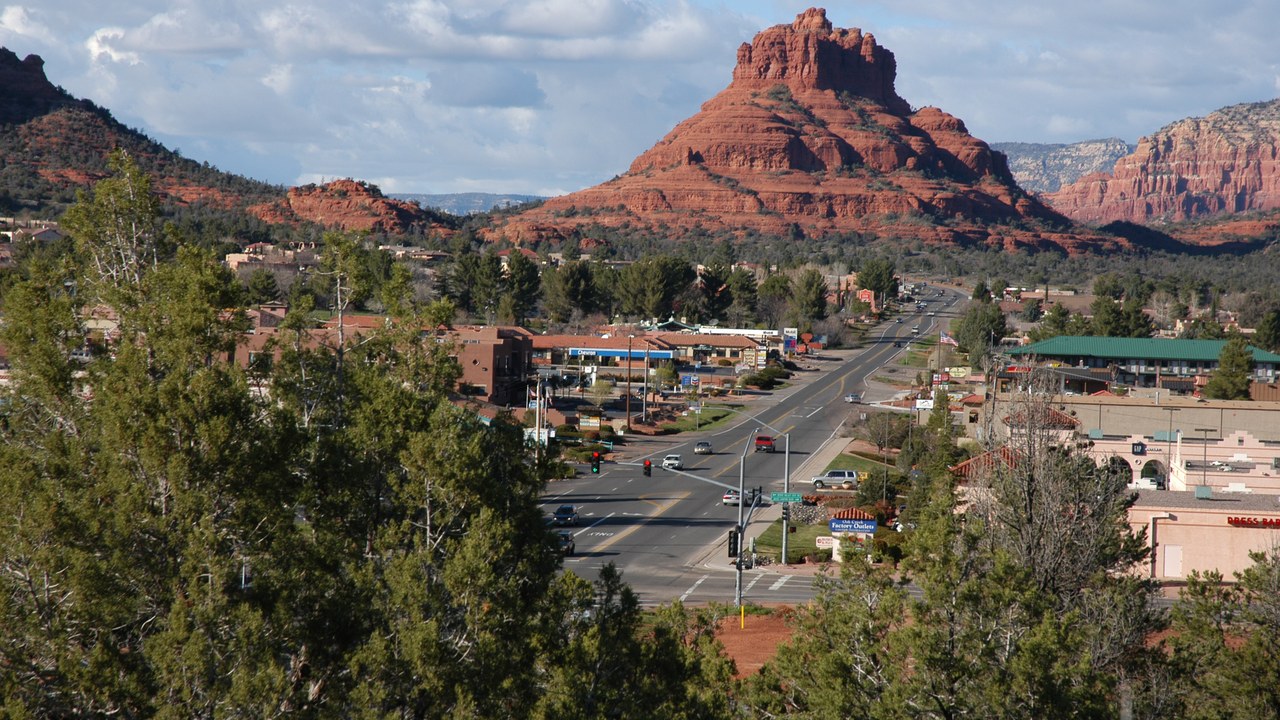
Arizona public radio reported that the village “lobbied for changes in the outdoor lighting code to earn the designation.” The code requires shielded fixtures “so the bulb is only visible from below” and bans most floodlights. Those two provisions describe what changed on the ground, which is more concrete than a certificate alone. The report carries no year, so none is stated here.
Shielding is the practical heart of most dark-sky ordinances, because light aimed downward lights the ground and leaves the sky alone. A floodlight ban removes the most common source of glare in residential areas. Homeowners in the community near Sedona therefore face real rules about fixtures, which is exactly what separates a lighting law from a slogan.
8. Fountain Hills, Arizona: Fountain Park Skies
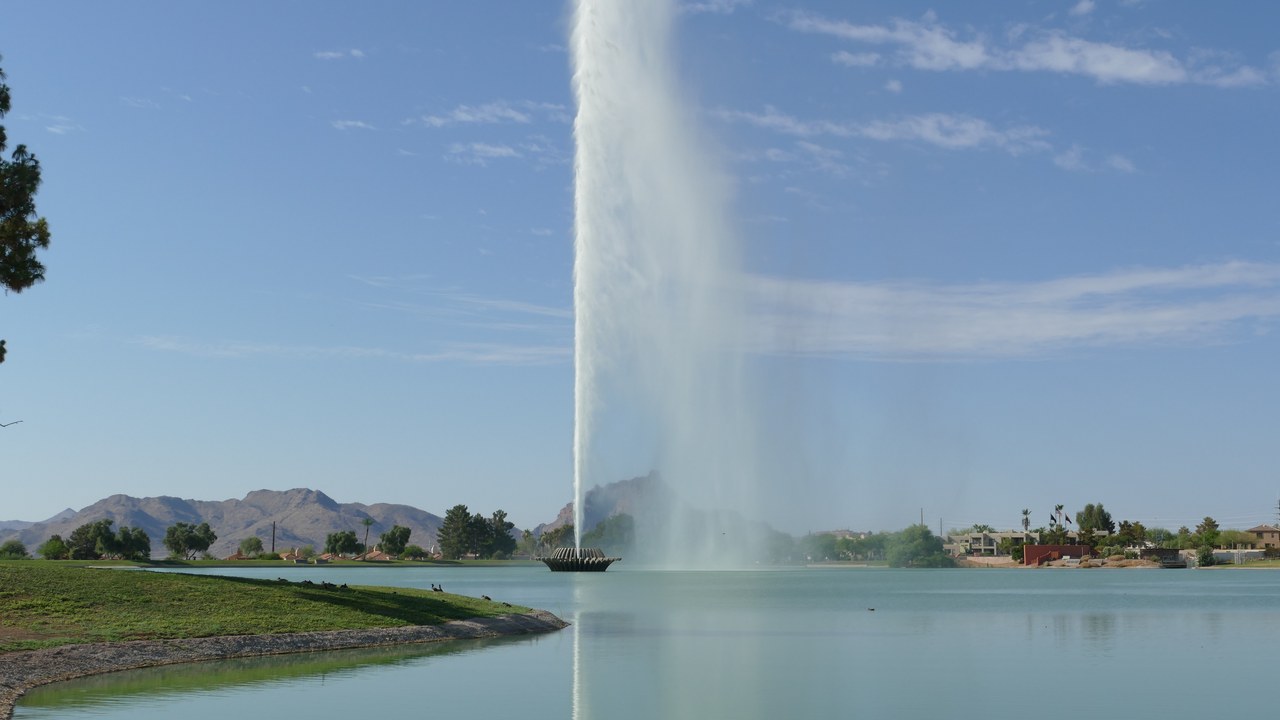
The dark-sky directory lists Fountain Hills, Arizona as designated in 2018, giving the town a listed population of about 5,270. That figure comes from the directory’s own table, as does the year. The town is best known for the tall fountain at its center, yet the listing places it among communities recognized for protecting the night sky as well.
For a suburb-sized community near a major metropolitan area, keeping skies dark takes steady enforcement of lighting rules rather than remoteness. The entry is a summary, so the detail of the local ordinance lives in town records. Readers who want specifics on fixture standards would need to consult the town’s code directly.
More from Morning Overview
- Hybrids have 15% fewer problems than gas cars, while EVs and plug-in hybrids have about 80% more, Consumer Reports finds
- Regulators cleared the first U.S. small modular reactor, 4 months early
- Lake Powell sank to a record 3,517 feet, nearing the level that stops Glen Canyon Dam’s turbines
- Seven of Earth’s nine planetary boundaries are breached, and all seven are worsening
