
Artificial light has erased the Milky Way from the skies above most Americans, turning a once-universal sight into something that takes a trip to find. A small set of parks now carries formal dark-sky designations that certify the galaxy is still visible overhead. Here are ten of them, from desert basins to a Pennsylvania ridge and a Florida swamp.
1. Death Valley National Park: Mojave Darkness
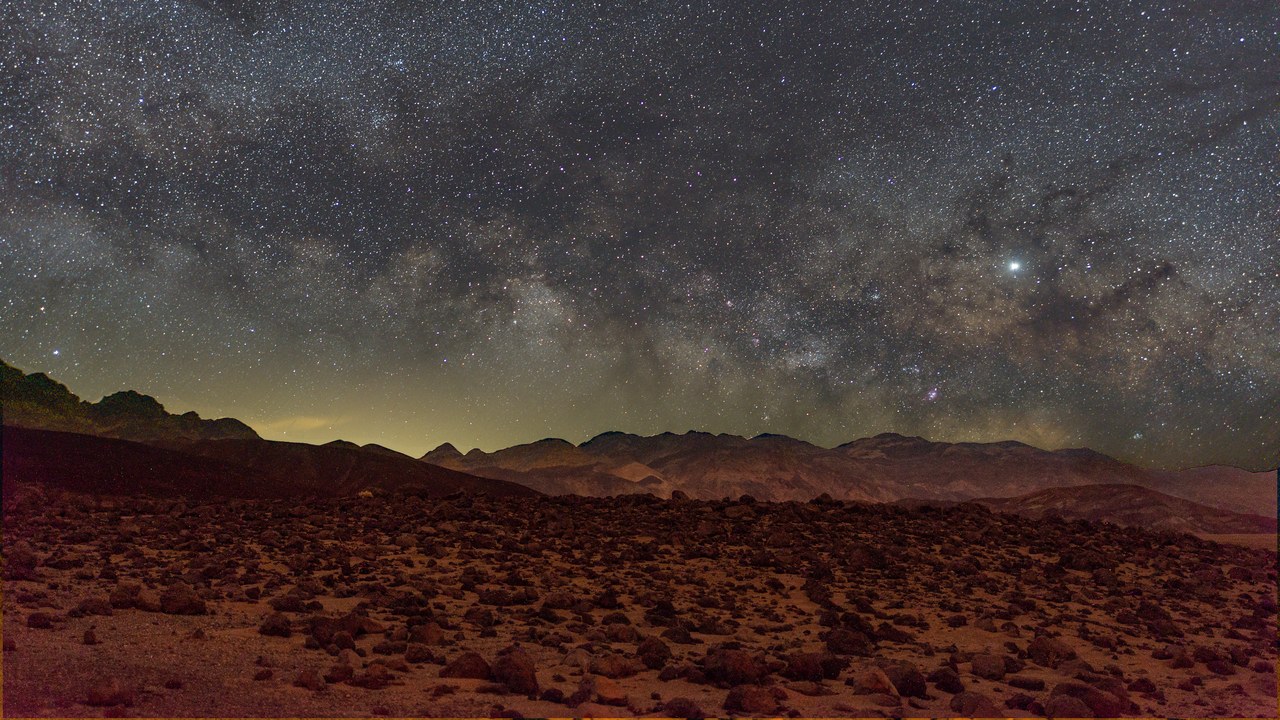
Death Valley National Park earned its status as an International Dark Sky Park in 2013, according to a state-by-state dark-sky list, which makes it one of the earliest national parks in the country to hold the designation. The park sits in the driest, least-lit corner of California, far from the glow of large cities.
For visitors, the designation means a night sky worth planning around. Clear desert air and very little nearby lighting give the Milky Way room to stretch from horizon to horizon, so a trip timed to a moonless night rewards the effort.
2. Grand Canyon National Park: Rim After Dark
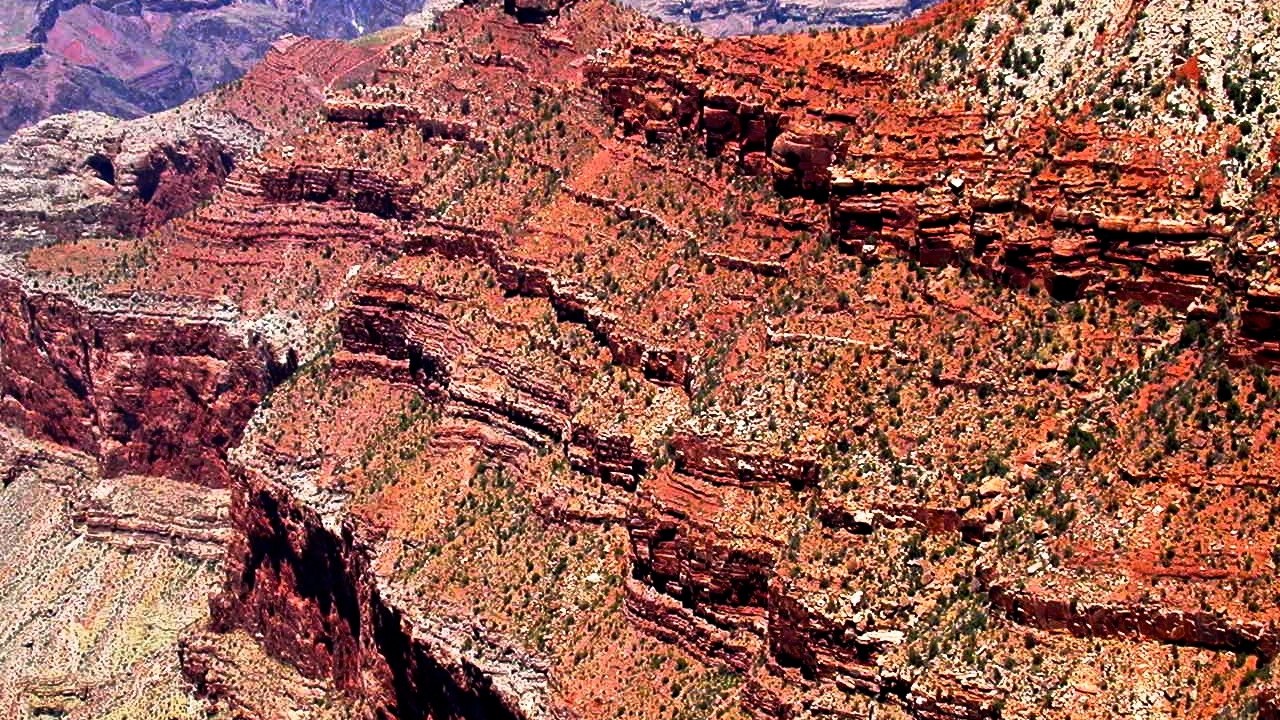
Grand Canyon National Park was certified as an International Dark Sky Park in 2016, as recorded in the Wikipedia dark-sky directory. Earning the designation required the park to retrofit its lighting across the developed areas of both the South Rim and the North Rim.
That work matters because a canyon this popular concentrates lodging, parking and walkways in a few places. Shielded, downward-pointing fixtures keep those clusters from washing out the stars, which lets the sky above the rim stay dark enough for the galaxy to show.
3. Mesa Verde National Park: Stars Over the Cliff Dwellings
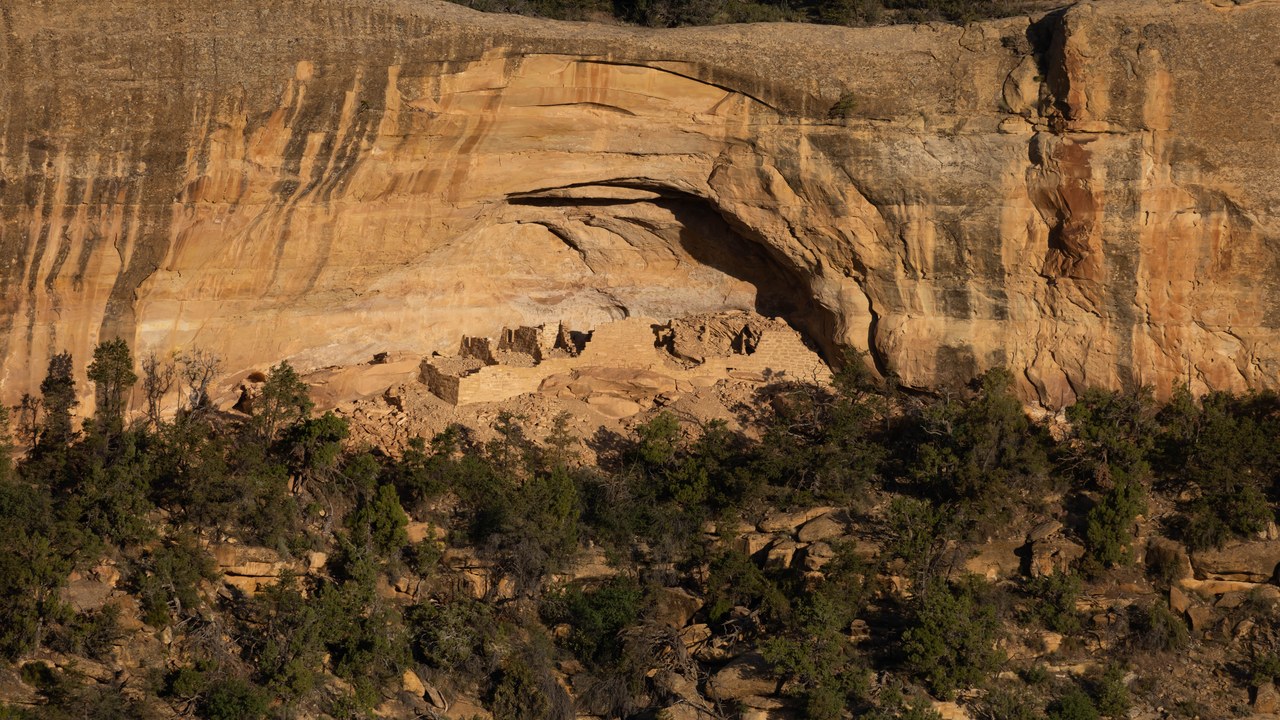
Mesa Verde National Park was certified as an International Dark Sky Park in 2021, a date given in the published dark-sky list. The designation puts a formal night-sky status over the cliff dwellings of southwest Colorado, a landscape already known for its ancient architecture.
The pairing is deliberate. The cliff dwellings were built long before electric light existed, and protecting darkness above the mesa tops lets modern visitors see a night sky closer to the one that framed the place originally, with far less glow in view.
4. Cherry Springs State Park: Pennsylvania’s Starry Ridge
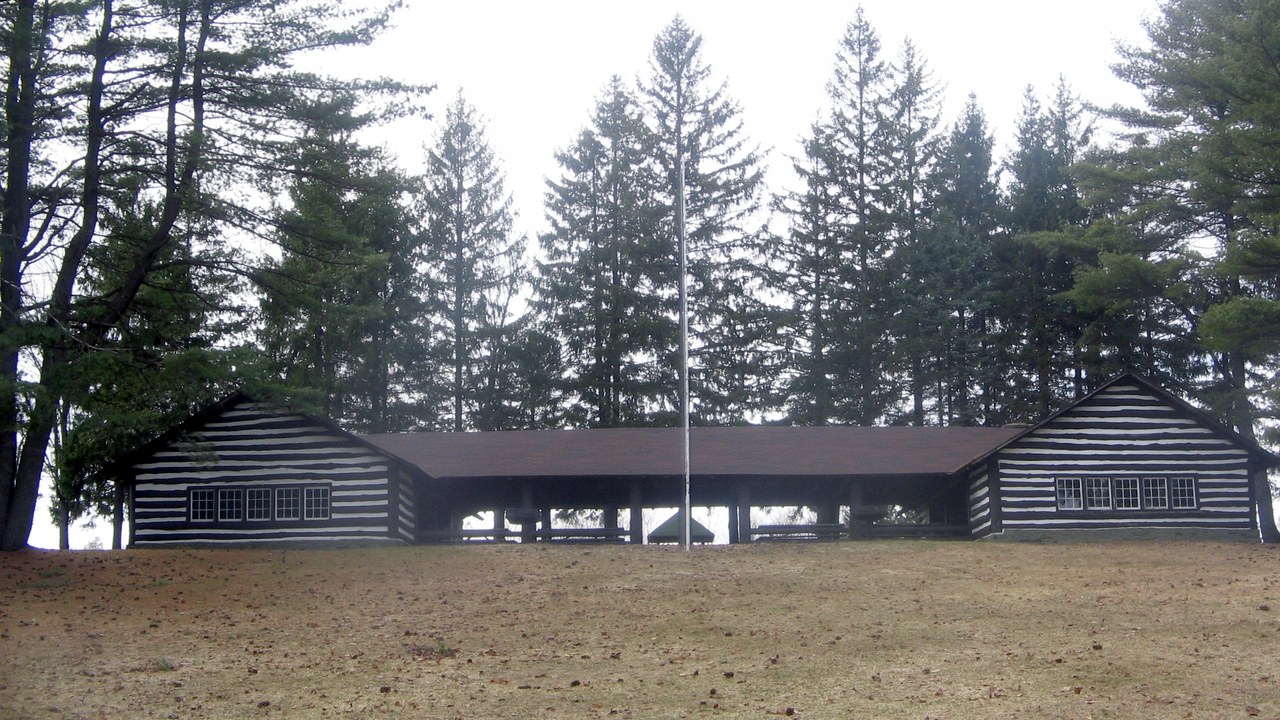
Cherry Springs State Park was certified in 2007 as an International Dark Sky Park, the oldest certification among the ten places here, per the dark-sky preserve list. The park is in Pennsylvania, well east of the big desert and plateau destinations that usually dominate such rankings.
Its early start helped turn it into a draw for amateur astronomers from across the Northeast. Proof that a densely populated region can still hold a sky dark enough for the Milky Way is arguably the park’s most useful lesson.
5. Arches National Park: Red Rock Night Sky
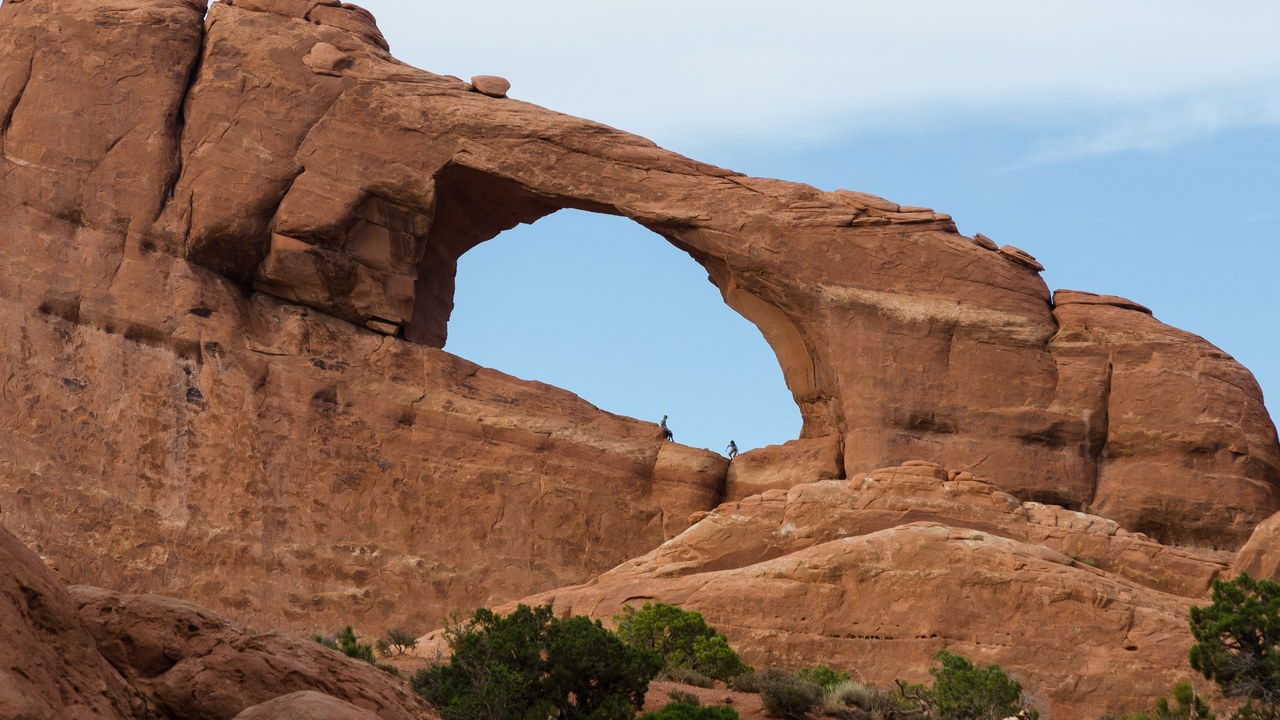
Arches National Park appears in DarkSky International’s certified-places directory under the Parks category, with a listed date of July 5, 2019. The directory does not label that date as the certification date, so it is best read as the date attached to the entry.
The park’s sandstone fins and balanced rocks make a striking foreground once the light fades. With an official dark-sky listing behind it, the Utah park offers photographers and stargazers a reliable reason to stay past sunset instead of leaving when the day ends.
6. Badlands National Park: Newest Listing in the Badlands
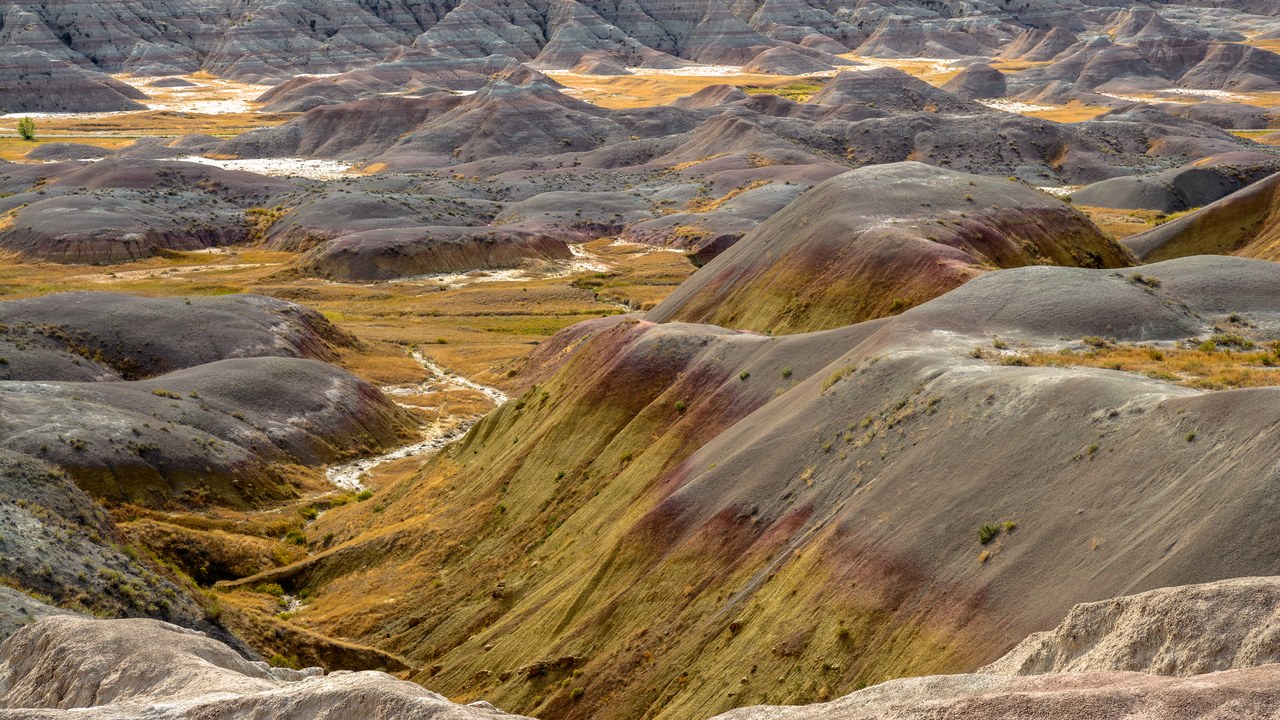
Badlands National Park appears in the DarkSky certified-places directory under the Parks category with a listed date of July 17, 2026, the newest US national park entry in that directory. As with other entries, the page does not label the date as a certification date.
The South Dakota park pairs eroded buttes and open prairie with very little nearby development. Its recent listing shows the movement is still growing, with fresh parks joining the roster rather than the list being a finished chapter.
7. Black Canyon of the Gunnison National Park: Gunnison’s Deep Gorge
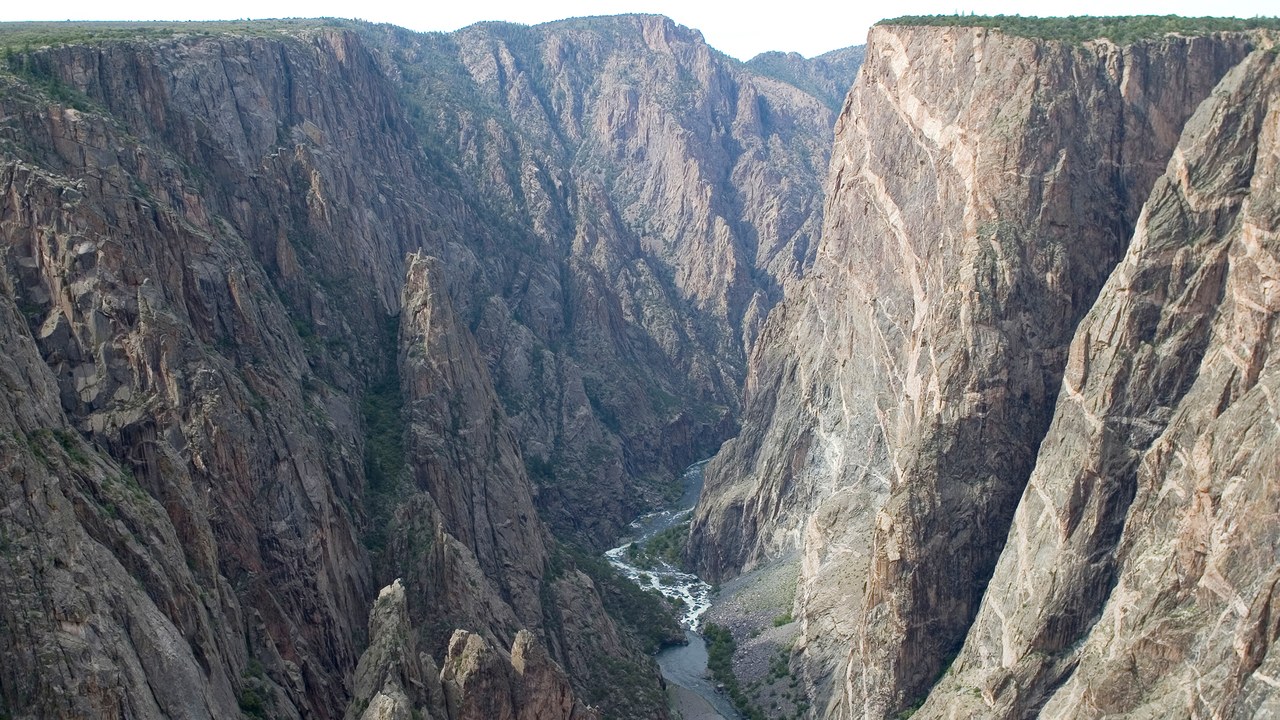
Black Canyon of the Gunnison National Park is listed in DarkSky International’s directory of places under the Parks category, with a date of September 8, 2015. The directory shows that date without calling it the certification date.
The Colorado canyon is a fitting match for the designation. Its walls are steep and narrow, so the strip of sky overhead feels framed, and the remote setting keeps stray light low enough for the Milky Way to cross that slot after dark.
8. Anza-Borrego Desert State Park: Desert Dark Near the City
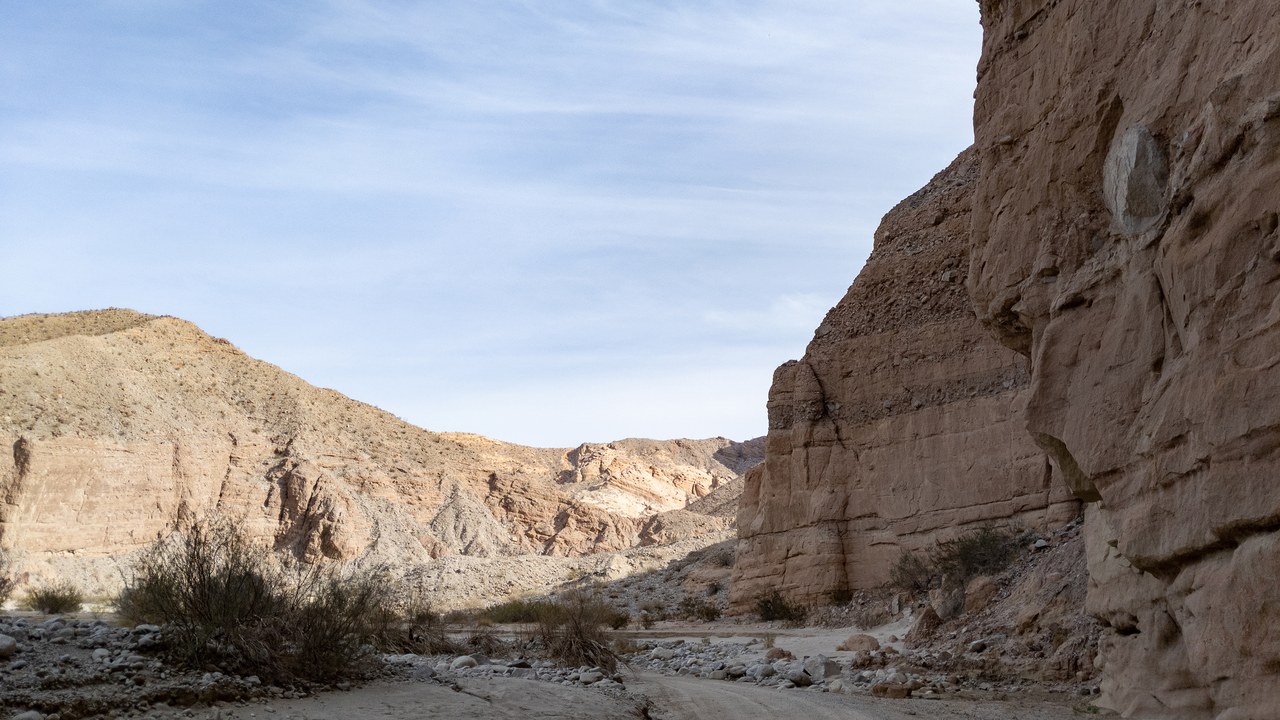
Anza-Borrego Desert State Park is listed in the DarkSky certified-places directory under the Parks category with a date of January 19, 2018. That listing makes it the darkest certified sky within reach of San Diego.
Proximity is the story here. A large metropolitan area sits within driving distance of the park, and the combination of open desert basins and a formal designation means a real Milky Way is an evening trip away rather than a long expedition for anyone in the region.
9. Big Cypress National Preserve: First East of Colorado
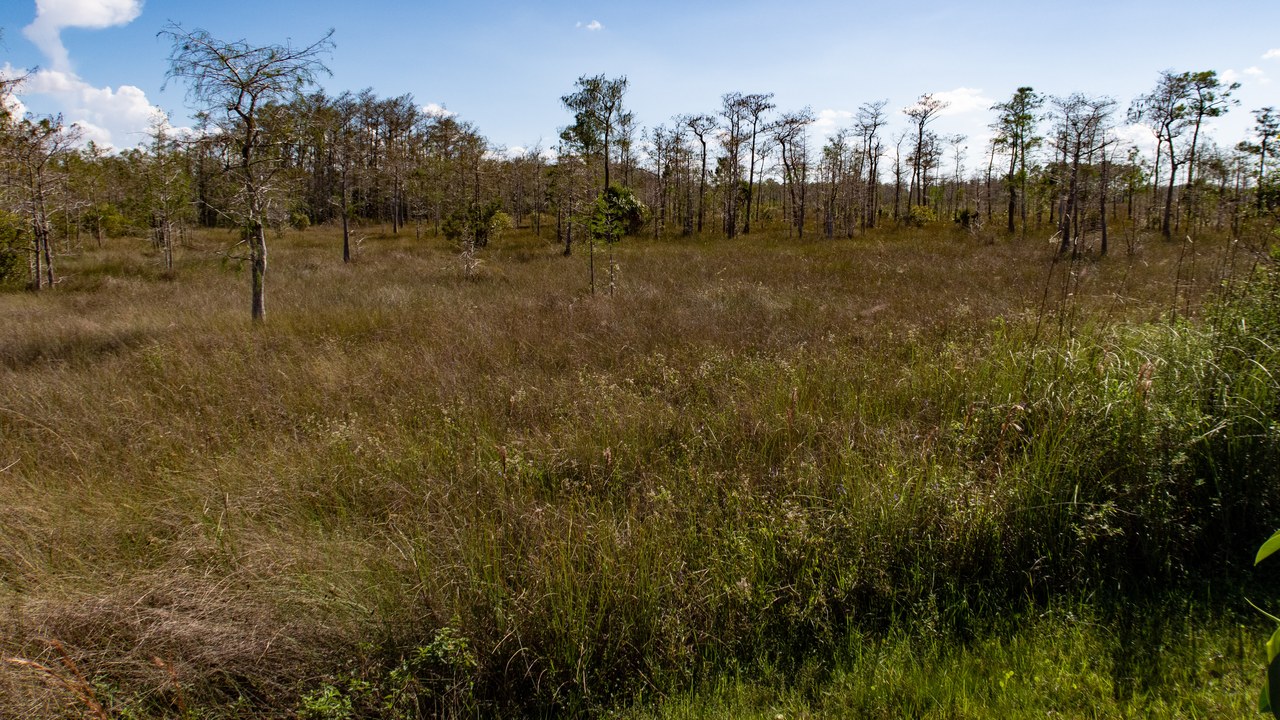
The National Park Service calls Big Cypress National Preserve a milestone for the eastern half of the country, stating in its dark-sky parks tour that it “was the first park east of Colorado to become an International Dark Sky place!”
The claim covers National Park Service units, not every certified place in the country. Even so, a Florida swamp holding that distinction shows that dark skies are not limited to the arid West, and that protected wetlands can double as stargazing ground.
10. Obed Wild and Scenic River: Tennessee’s Starry Gorge
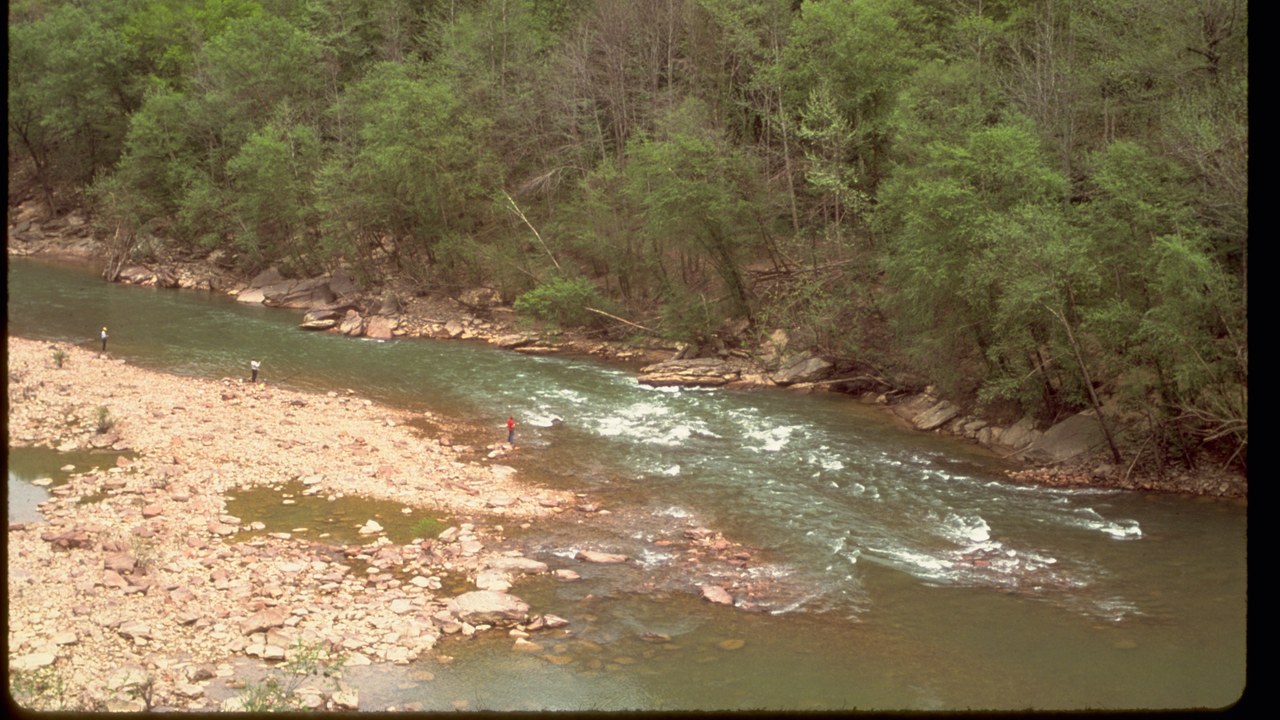
The National Park Service describes Obed Wild and Scenic River in its night-skies tour article as “The 17th NPS site to receive International Dark Sky Place designation.” The Tennessee gorge is a river corridor rather than a classic national park.
That ordering shows how the program has spread across the park system. A river unit with rapids, cliffs and forest, rather than a famous desert or mountain, now sits among the sites certified to protect natural darkness for visitors, and the label applies to eastern gorges as much as western deserts.
More from Morning Overview
- Ford is recalling 223,472 F-150 pickups because the fuel tank can leak or detach
- Hybrids have 15% fewer problems than gas cars, while EVs and plug-in hybrids have about 80% more, Consumer Reports finds
- Regulators cleared the first U.S. small modular reactor, 4 months early
- Lake Powell sank to a record 3,517 feet, nearing the level that stops Glen Canyon Dam’s turbines
