
The V8 has been squeezed by fuel rules, downsizing and electrification, yet a handful of American nameplates never gave up the eight-cylinder rumble that defined the breed. Displacement, a deep exhaust note and rear-wheel drive still separate these cars from the turbocharged crowd. Here are eight American muscle cars built around a V8 engine.
1. Ford Mustang GT: The Coyote V8 Holdout
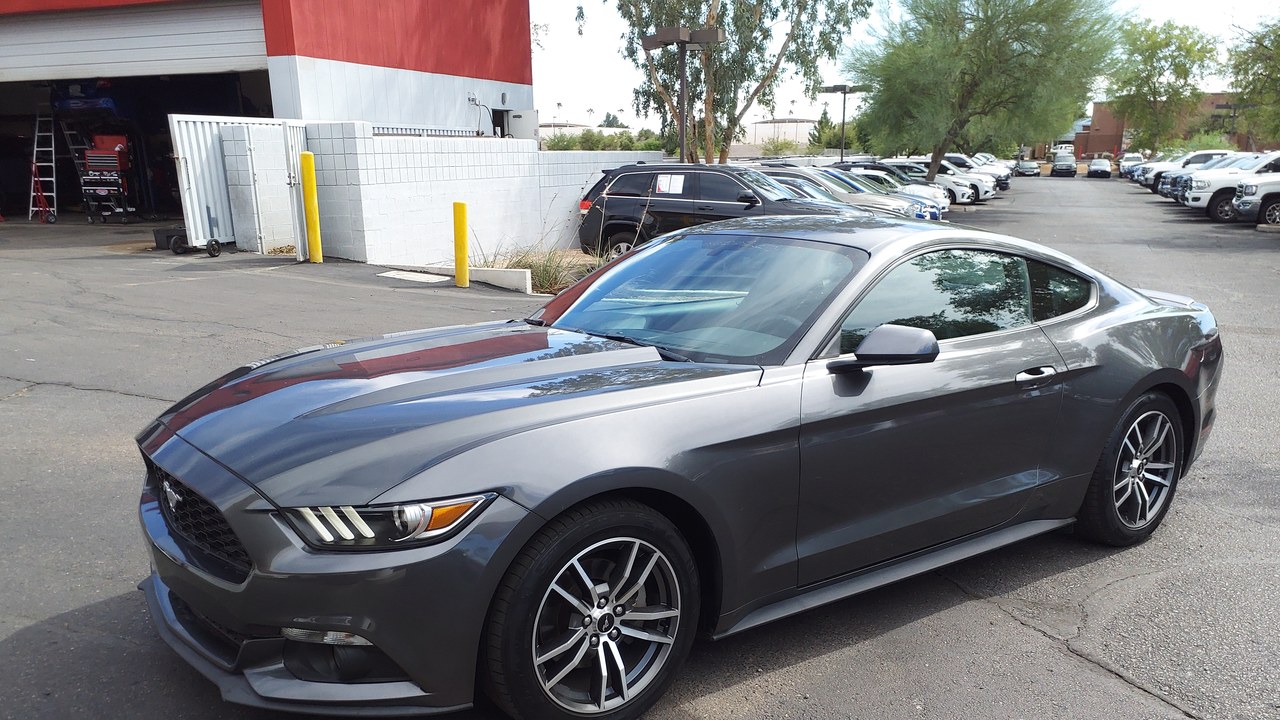
Ford’s Coyote V8 remains the heart of the Mustang GT, a 5.0-liter naturally aspirated engine rated at roughly 480 horsepower in the current seventh-generation car and a little more when the active exhaust is fitted. Buyers can still order a six-speed manual rather than the ten-speed automatic, a combination almost nothing else in the segment offers. Ford’s long-running pony car has outlasted every direct rival it launched against.
That survival is the practical argument for the GT: parts, dealer coverage and aftermarket support are unmatched, and depreciation on a well-kept V8 Mustang tends to be gentler than on turbocharged alternatives. The trade-off is running cost, since a big-displacement engine driven the way it invites is thirsty and expensive to insure.
2. Chevrolet Corvette: Mid-Engine, Old-School V8
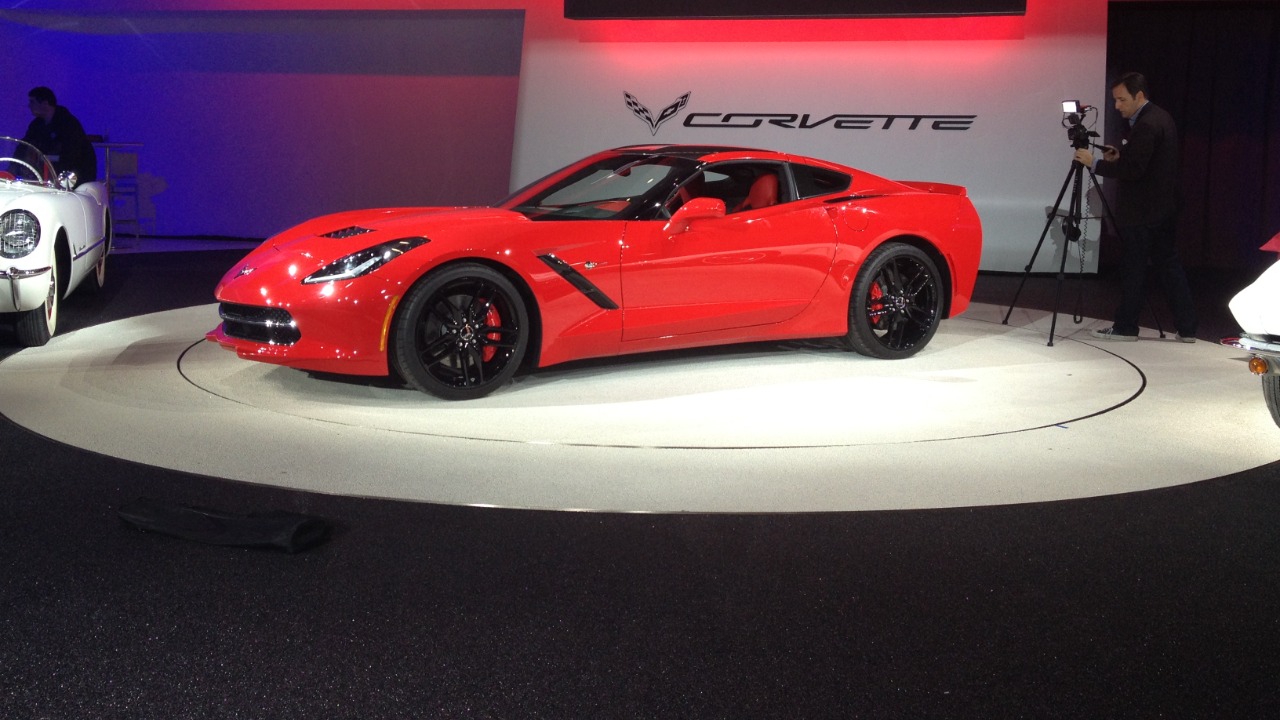
Chevrolet moved the Corvette’s engine behind the driver for the C8 generation, yet the powertrain stayed defiantly old-school: a 6.2-liter LT2 V8 with pushrods and no turbochargers, rated at 495 horsepower with the performance exhaust. An eight-speed dual-clutch transaxle handles the shifting, because the manual gearbox did not survive the move. Chevrolet’s mid-engine sports car also spawned a flat-plane-crank 5.5-liter V8 in the Z06.
The layout buys supercar traction and a base price far below the European machinery it embarrasses, which is the whole pitch. What it costs is everyday flexibility: cargo room is split between two small compartments, visibility is compromised, and insurance quotes reflect the performance rather than the badge.
3. Dodge Durango SRT: Three Rows and a Hemi
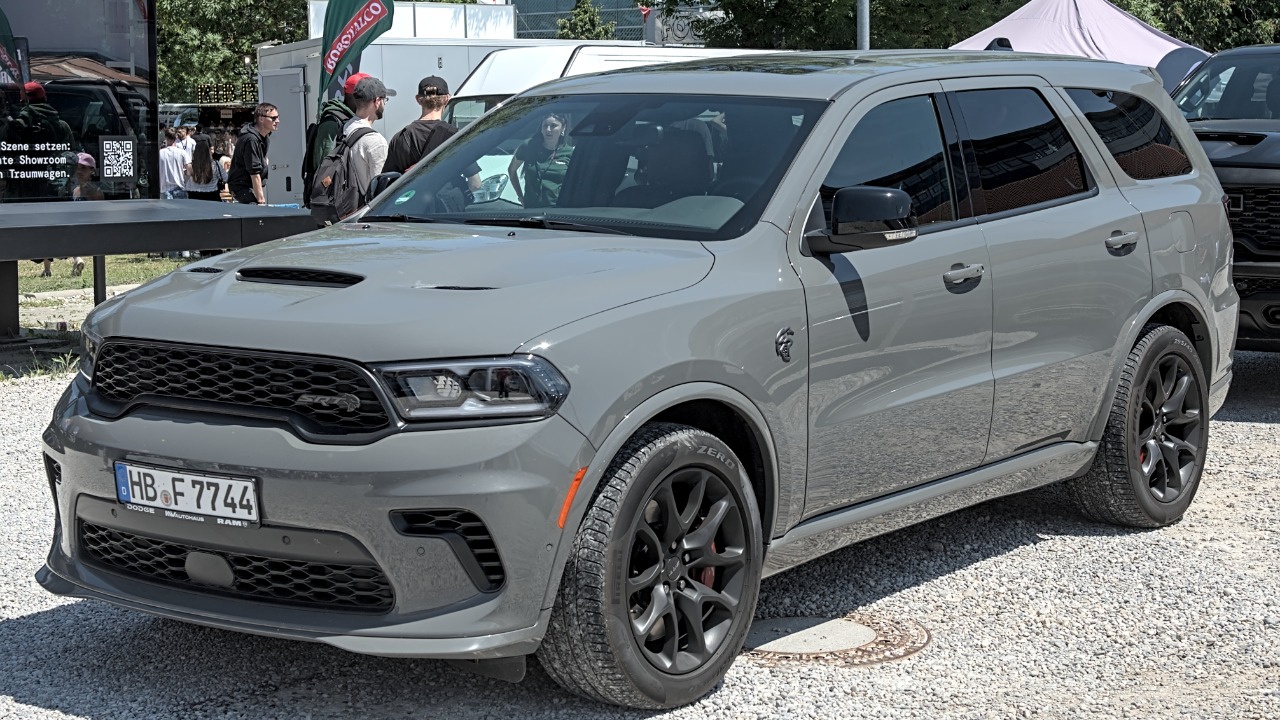
Three rows of seats and a 392-cubic-inch Hemi rarely appear on the same window sticker, which is the Durango SRT’s entire reason for existing. The 6.4-liter V8 produces about 475 horsepower through an eight-speed automatic and all-wheel drive, and the hotter Hellcat variant adds a supercharger for more than 700. Dodge’s full-size performance SUV tows around 8,700 pounds in that configuration.
For a family that refuses to give up the noise, that combination is unusually practical, since the same vehicle carries six passengers and a trailer. Fuel economy is the obvious penalty, sitting in the mid-teens at best, and tire and brake wear climb steeply once the supercharged version is driven with intent.
4. Cadillac CT5-V Blackwing: The Supercharged Super-Sedan
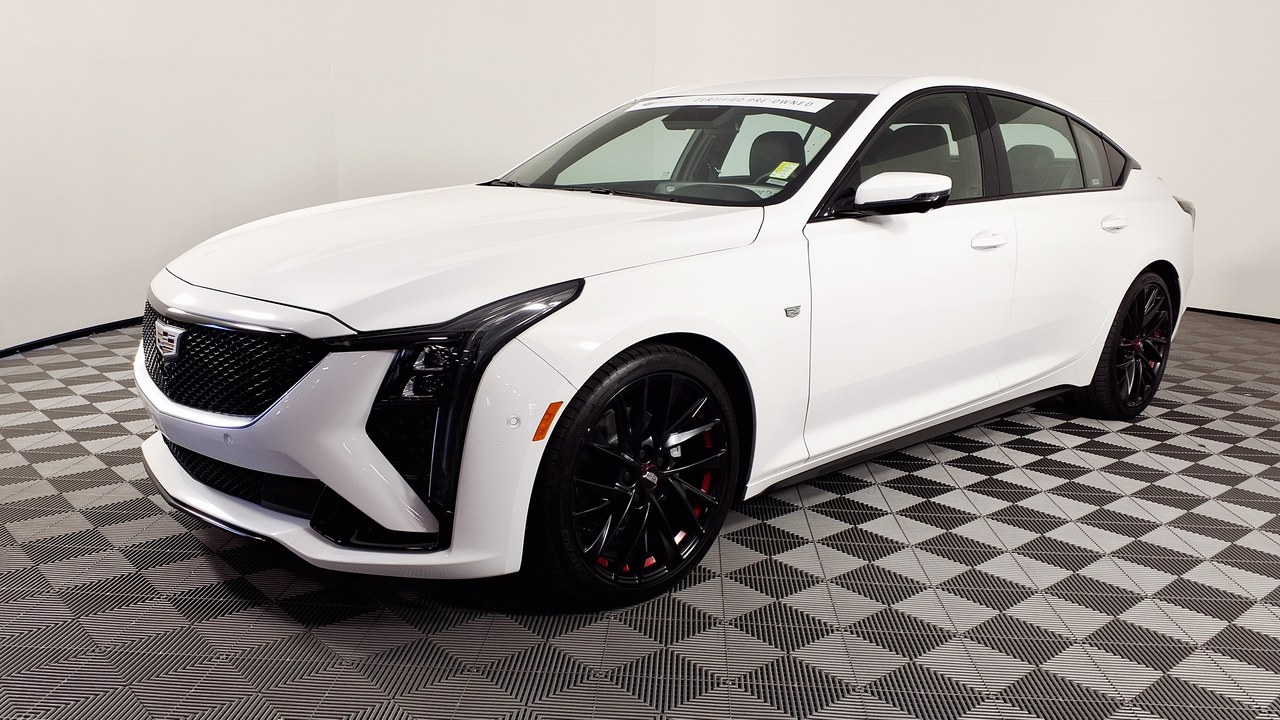
The supercharged 6.2-liter LT4 under the CT5-V Blackwing’s hood makes roughly 668 horsepower, the most Cadillac has ever put in a production car. More surprising is the gearbox: a six-speed manual is standard, with a ten-speed automatic offered as the alternative, in a rear-drive sedan with back seats and a trunk. Cadillac’s mid-size V-series sedan was engineered around that layout rather than adapted to it.
That makes it the rare car that satisfies a commute and a track day without compromise on either, and the manual has become a genuine collector argument. The cost of entry is high, options push it higher, and the supercharged V8 punishes both the fuel budget and the rear tires.
5. Ford Mustang Dark Horse: The Track-Tuned Coyote
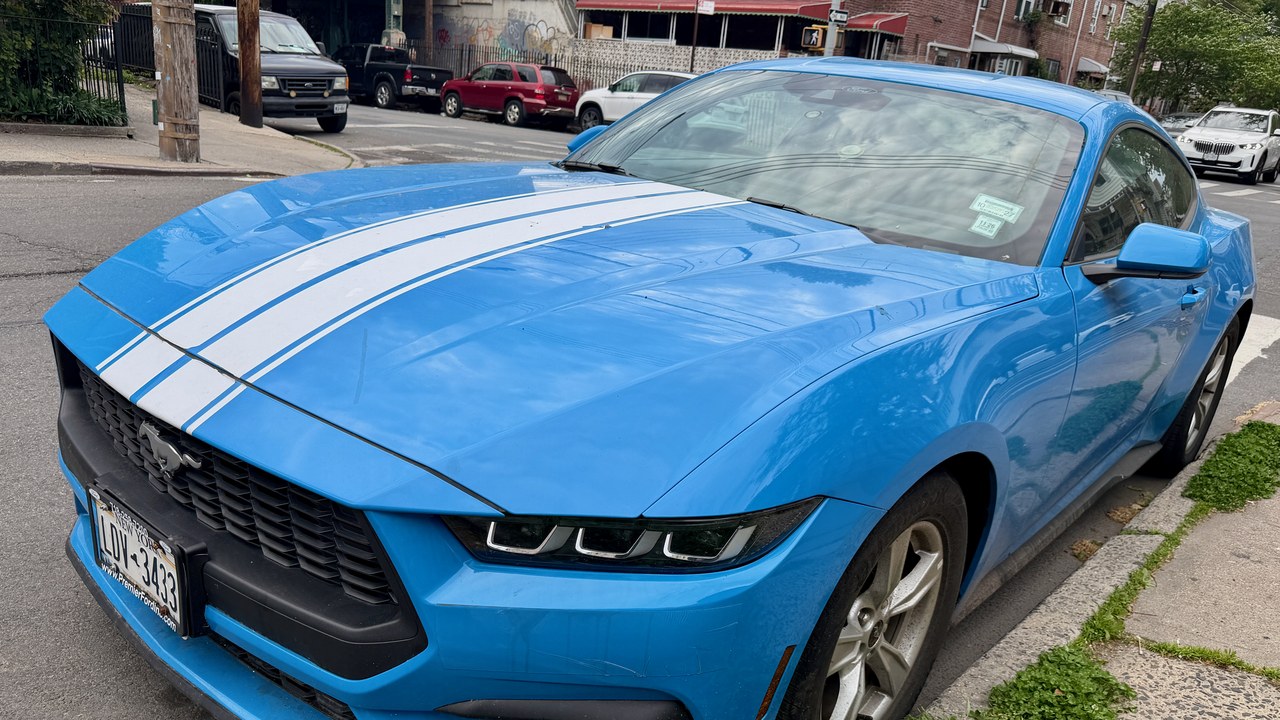
Track duty produced the Dark Horse, a version of the seventh-generation Mustang built around a strengthened 5.0-liter Coyote V8 rated at about 500 horsepower. Ford fitted a Tremec six-speed manual, extra oil and transmission coolers, and a stiffer chassis tune, positioning it above the standard GT without a supercharger. Ford’s track-focused Mustang variant replaced the outgoing Mach 1 in the lineup.
The appeal for a buyer is durability under repeated hard use rather than a headline power figure, since the cooling and driveline upgrades are what survive a full day of lapping. The premium over a well-optioned GT is substantial, and much of the hardware only pays for itself on a circuit.
6. Chevrolet Camaro: The LT1 Send-Off
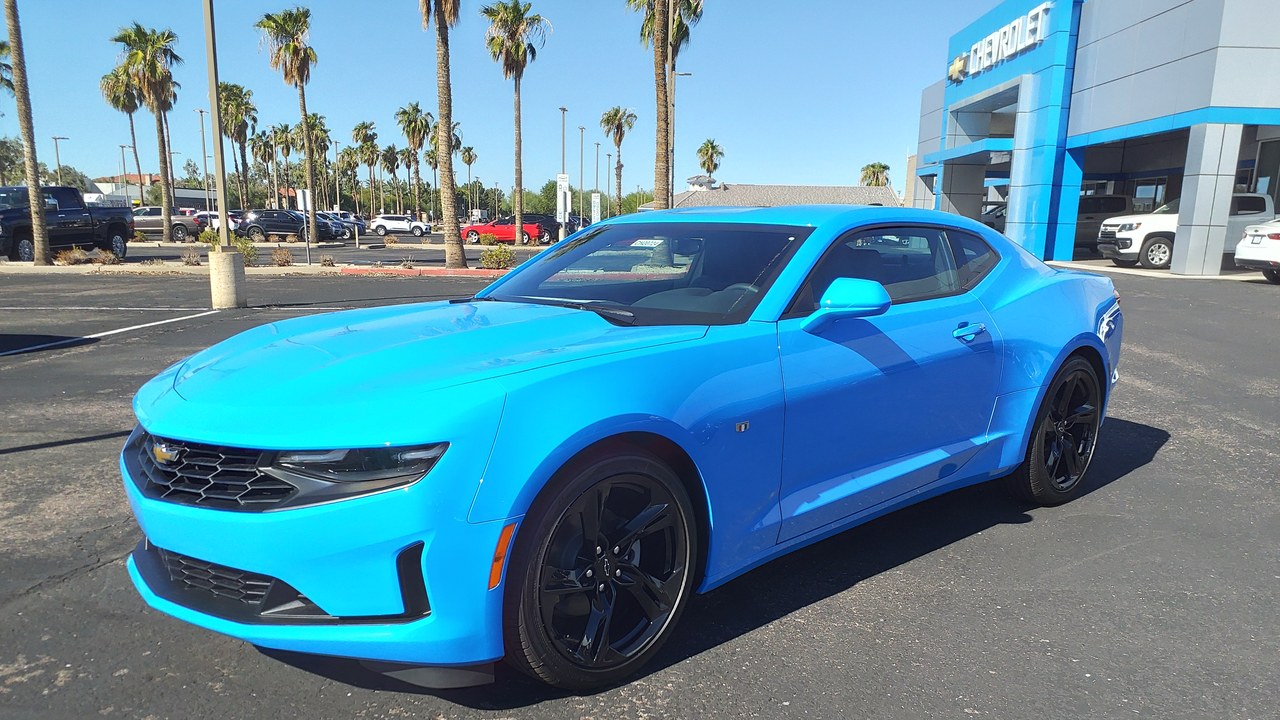
The sixth-generation Camaro remained a V8 car to the end of its run, with the 6.2-liter LT1 rated at 455 horsepower in the SS and a supercharged LT4 pushing the ZL1 to 650 horsepower. Both could be ordered with a six-speed manual, an increasingly rare option at that power level. Chevrolet’s rear-drive muscle coupe shared its Alpha architecture with Cadillac’s V-series sedans.
For a shopper today that translates into leftover and late-model inventory rather than a fresh factory order, which has made a V8 Camaro one of the better performance-per-dollar buys on the market. Insurance, tire cost and the SS model’s tight rear seat and narrow glass remain the practical objections.
7. Dodge Charger: Four Doors, Hemi Power
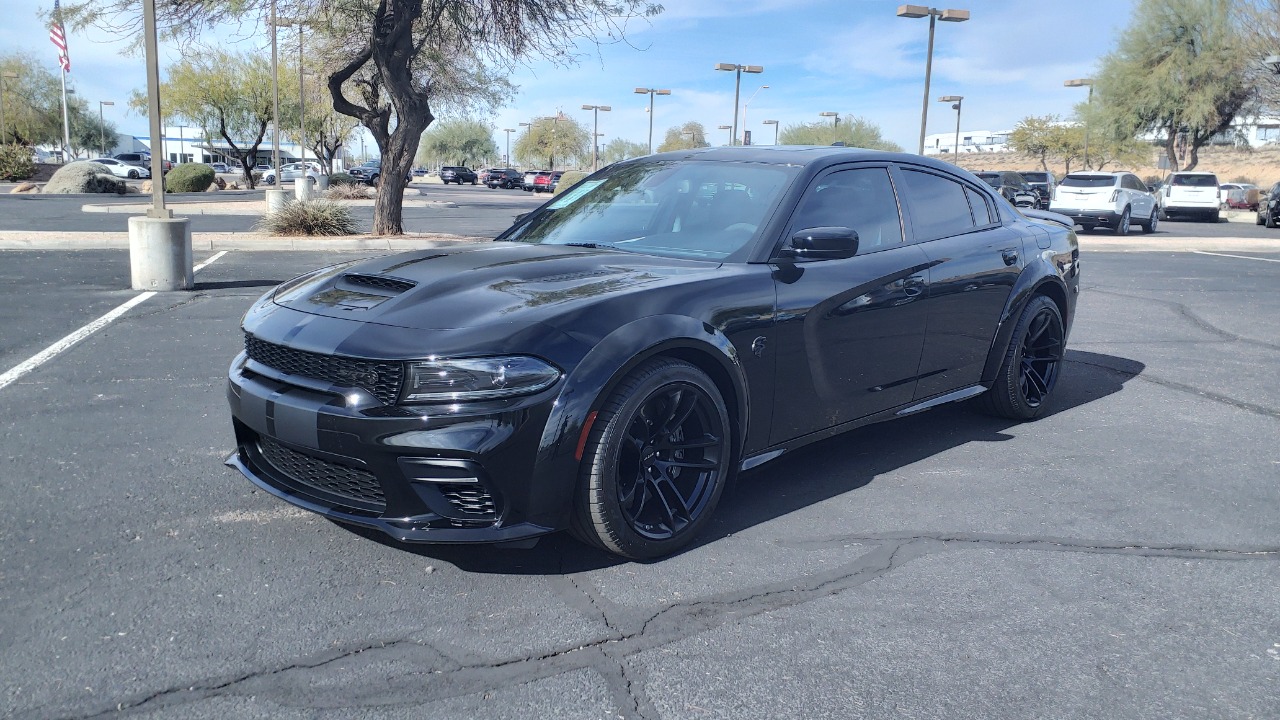
Few nameplates carried V8 power as long as the Charger, which offered the 5.7-liter Hemi, the 6.4-liter 392 in the Scat Pack at 485 horsepower, and a supercharged 6.2-liter Hellcat above 700 through the end of its previous generation. All of it went to the rear wheels through an eight-speed automatic. Dodge’s four-door muscle sedan has since moved to a new platform, with Hemi power signalled to return.
The four-door format is what made it unusual, delivering muscle-car acceleration alongside genuine rear-seat space and a large trunk. Values for clean Scat Pack and Hellcat examples have held up firmly, though running costs, insurance premiums and a thirst measured in the mid-teens per gallon come with the territory.
8. Cadillac Escalade-V: Cadillac Saved the V8 for Its Biggest Truck
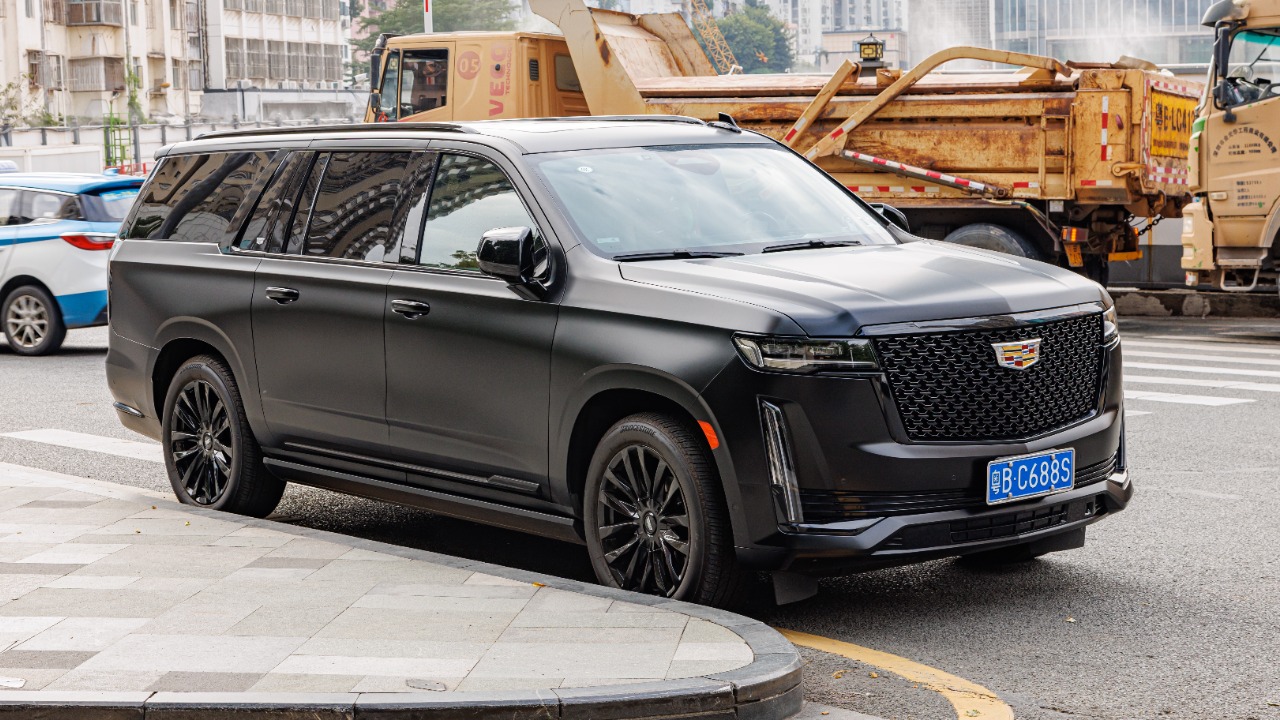
Cadillac reserved its most aggressive engine for its largest vehicle. The Escalade-V drops a supercharged 6.2-liter V8 rated at roughly 680 horsepower into a full-size, three-row luxury SUV, making it the most powerful vehicle the brand builds. Adaptive air suspension, a wider track and a bespoke quad-tip exhaust separate it from a standard Escalade, and none of it costs the truck its third row.
The caveat waits at the pump and on the window sticker. Something weighing well over three tons with a blower on top returns fuel economy near the bottom of anything sold new, and the V badge adds a steep premium to an Escalade that was already expensive. Almost nothing else pairs that much power with that much space.
More from Morning Overview
- Card skimmers hidden on gas pumps and ATMs are draining accounts, and here’s the tell
- The FBI says hackers are hijacking outdated home routers, and it named the models to check
- Older Teslas are wearing out in ways early owners never saw coming
- A common childhood virus is now tied to multiple sclerosis years later
