
Airliners are built to last for decades, and a surprising number of older designs still earn their keep carrying paying passengers. Some are being phased out on published schedules, while others have been refurbished to keep flying. Here are eight aging jetliners that airlines continue to operate today.
1. Boeing 737-200: Gravel-Runway Veteran
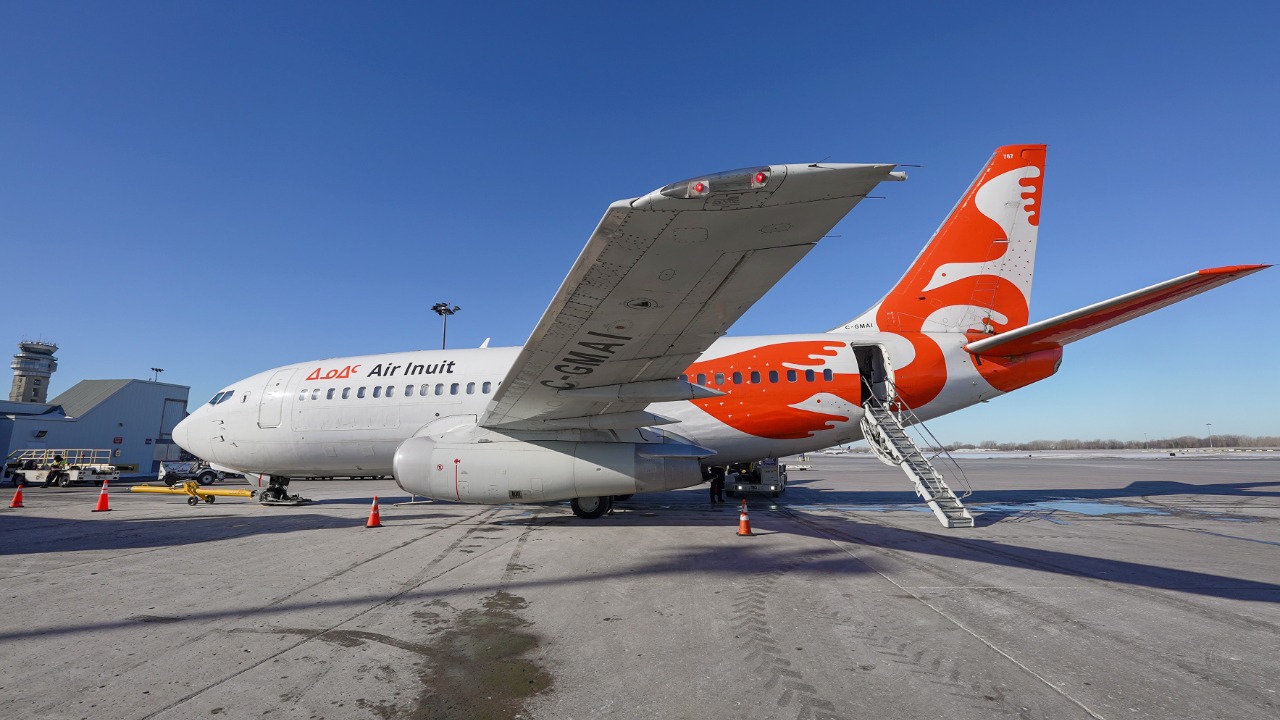
Canada’s Nolinor flies eight 737-200s, including C-GNLK, which entered service in May 1974 and is described by Flymag as the oldest 737 still in service and among the oldest jetliners operating commercially. The airline’s jets can use gravel runways.
Few passenger jets can make that claim, and an aircraft in service since 1974 is still earning revenue more than five decades later. The trade site’s headline says Nolinor operates more of the type than anyone. The airline has therefore turned a design most carriers abandoned into a specialty, which is unusual for a jetliner of this age.
2. Boeing 717: Island Hopper’s Last Years
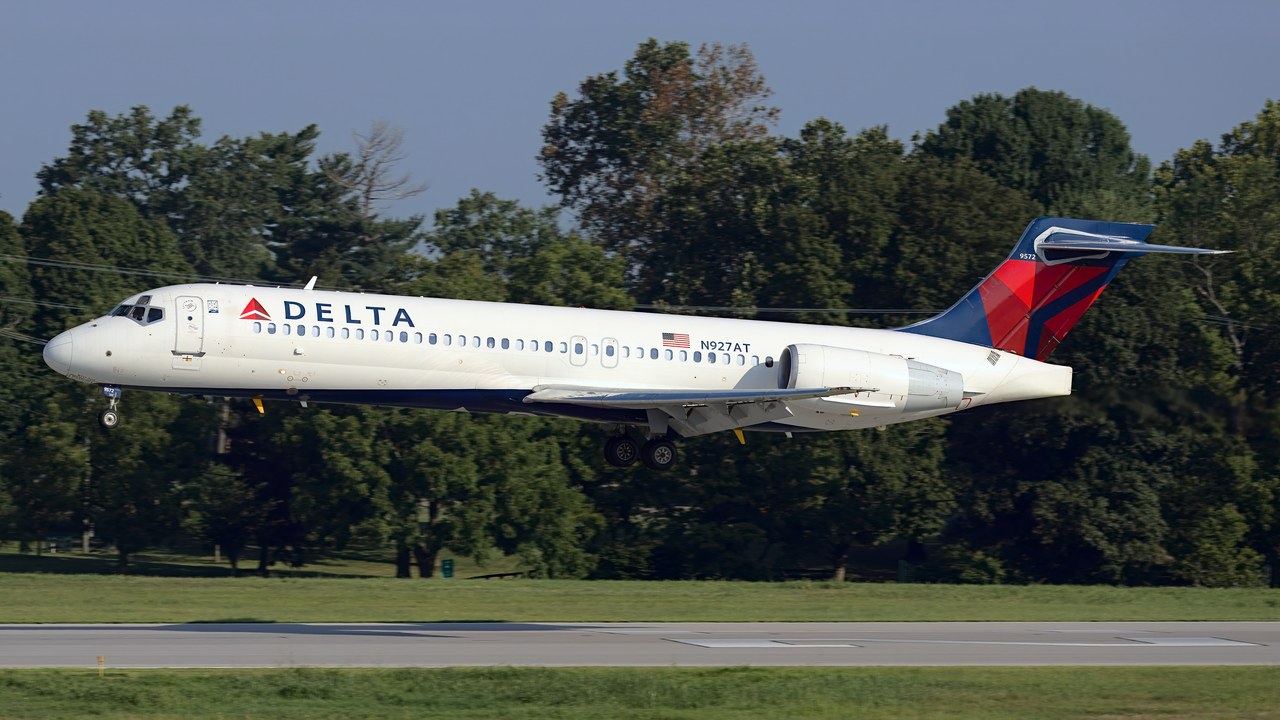
Hawaiian Airlines plans to replace its retiring interisland Boeing 717 fleet with 737-800s, with the transition starting in 2028. Interisland flights will then be served by Hawaiian-branded 737-800 aircraft.
Until then the small twinjets keep shuttling passengers between the islands. The plan puts a horizon on the type’s Hawaiian service, but the changeover has not yet begun, so the 717 remains part of everyday flying there for now. Travelers who want to ride one of these jets on an island hop still have some time, though the retirement is official.
3. Boeing 757: Delta’s Big Narrowbodies
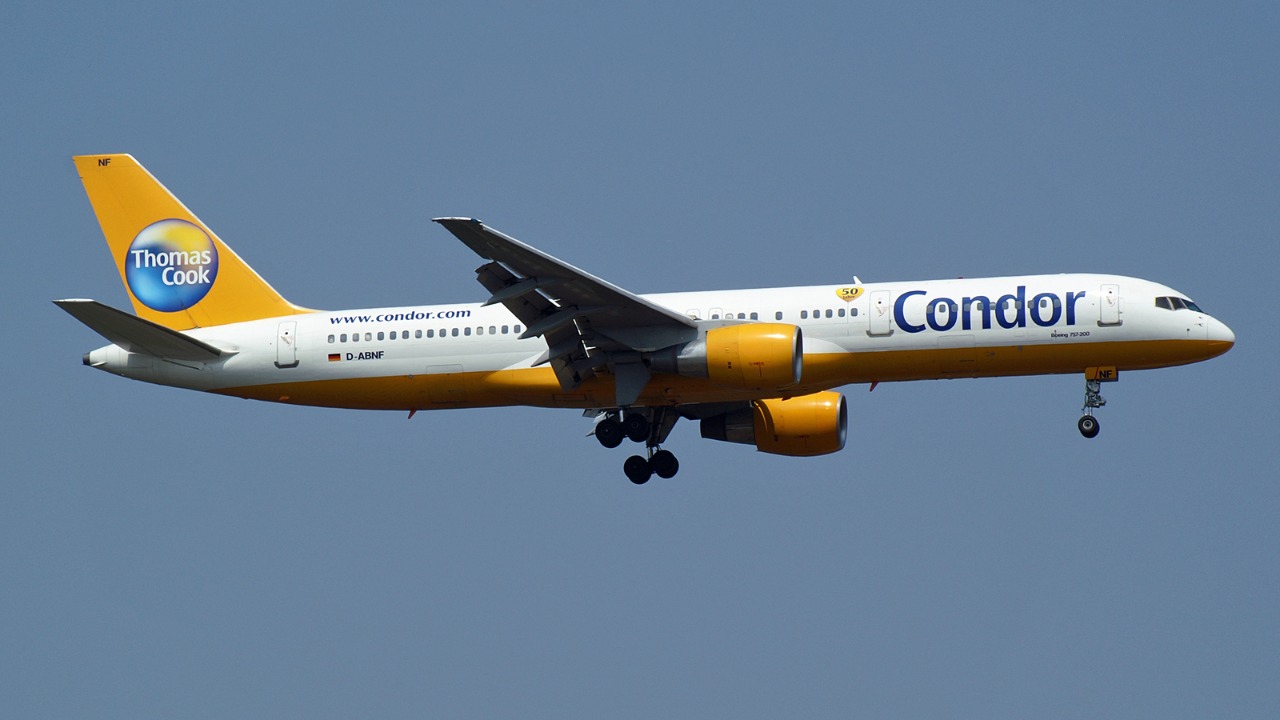
Delta still lists 12 757-200s and 16 757-300s in its mainline fleet as of December 2025, according to Delta’s fleet listing on Wikipedia. The same listing notes that older aircraft are to be retired.
The 757-300 is the stretched version of the type, and both variants remain in daily use at a major American carrier. The listing shows that a long-running design continues to earn a place in a modern airline, though the older 757-200s appear to be on borrowed time. Fleet tables are updated as plans change, so timelines may shift.
4. Boeing 767-400ER: Split Futures At Delta
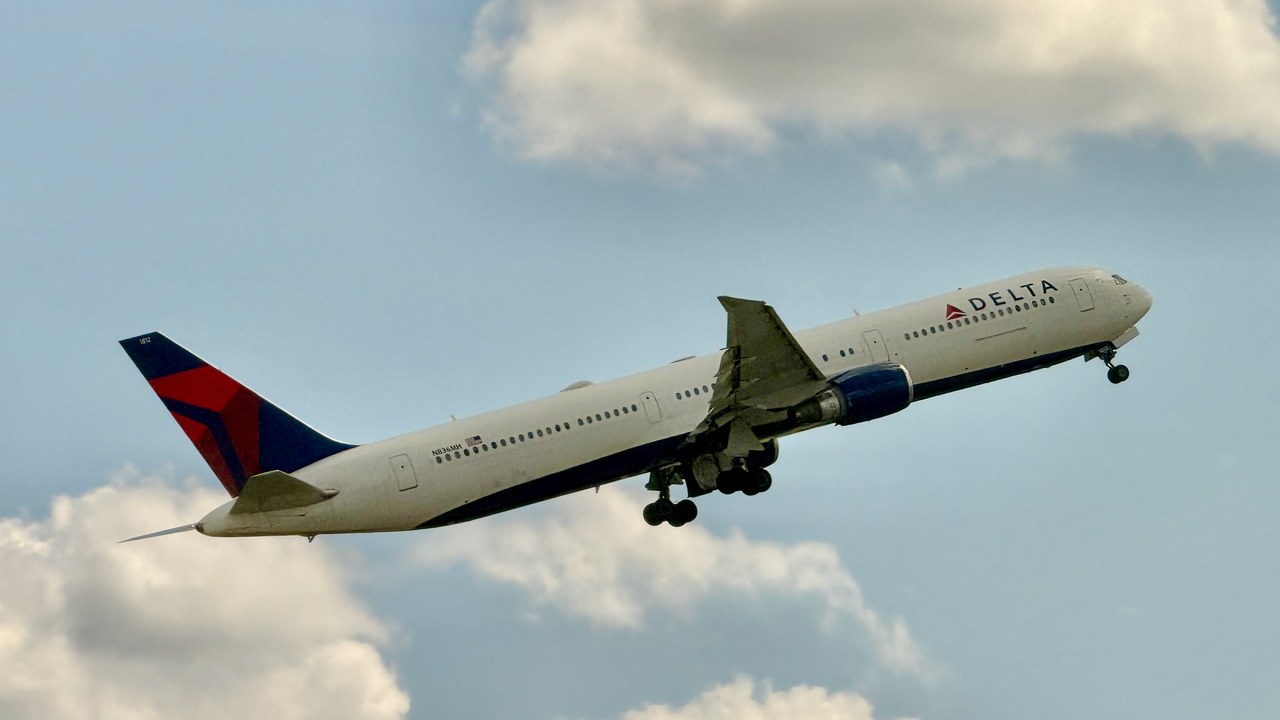
Delta flies 21 767-400ERs as of December 2025, while its remaining 767-300ERs are slated for retirement by 2030, according to the airline’s Wikipedia fleet page.
The split matters because two versions of one airliner have different futures at the same company. The shorter model has a date on the calendar, while the stretched 400ER has no retirement date listed in the source. Fleet tables change as airlines revise their plans, so those timelines could shift, and passengers on Delta’s long routes may still land on either version for several more years.
5. Boeing 747-400: Jumbo Countdown
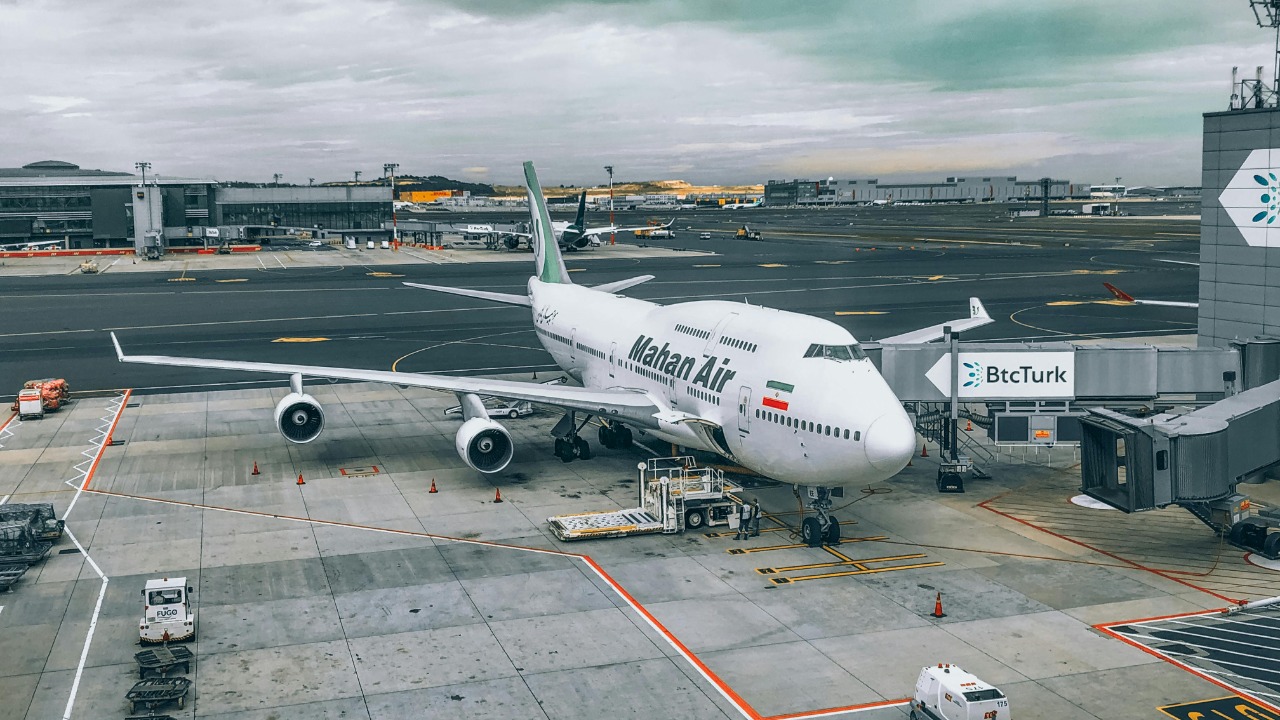
Lufthansa still flies eight 747-400s as of March 2026, and its fleet listing says they are to be retired by 2028 and replaced by the 777-9.
The jumbo’s remaining time at the German carrier is now measured in a couple of years. Passengers hoping to fly the classic hump-nosed airliner on a scheduled Lufthansa route have a limited window. Lufthansa’s own listing names the 777-9 as the replacement, and that jet is a twin-engine design, which marks a clear change in how the airline plans to serve the routes where the 747-400 currently works.
6. Airbus A340: Four Engines, Fading Fast
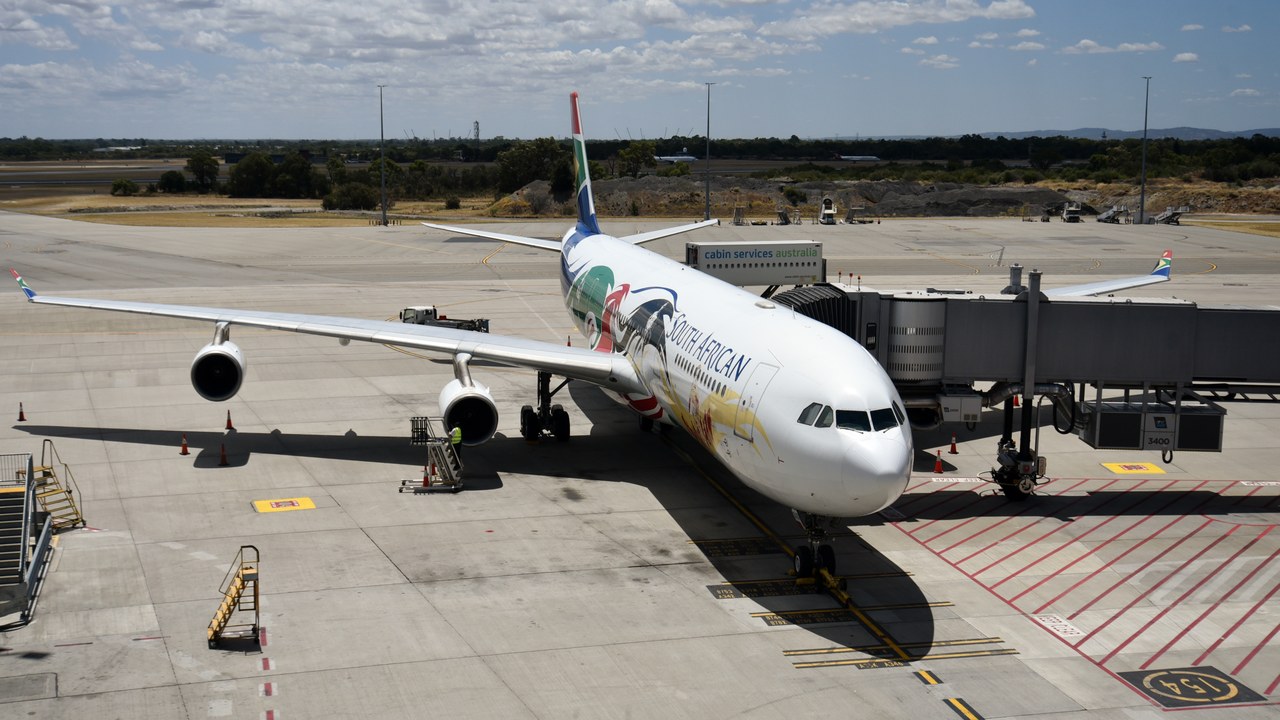
Lufthansa had 14 A340-300s in service in March 2026, and Lufthansa’s fleet page says they are to be retired by 2028.
The four-engine Airbus is the kind of aircraft many airlines have traded for twin-engine models, and Lufthansa’s own schedule shows the same fate arriving here. With 14 aircraft still working, the type has a larger presence than the 747-400 fleet at the same airline, according to the same table. Both are listed for retirement by 2028, so the two four-engine types are set to leave the fleet together, and travelers hoping for a last ride have a limited window.
7. Airbus A380: Double-Decker Refresh
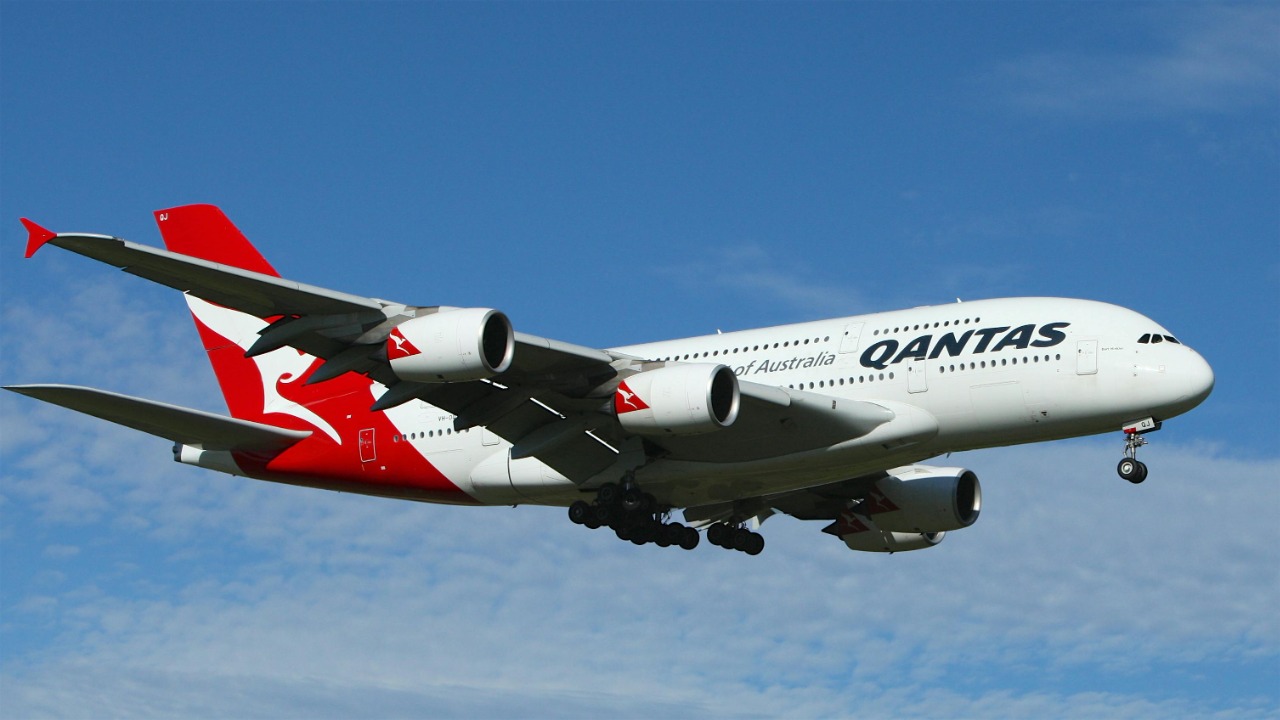
Emirates says 47 of its A380s have received a complete nose-to-tail refresh since November 2022, as of July 2026, according to a retrofit program milestone announcement.
Rather than retiring the double-decker, the airline is investing in it. The refurbishment signals an intent to keep the giant aircraft working, which stands in contrast to carriers that have set exit dates for their older four-engine jets, including Lufthansa’s A340s and 747-400s elsewhere on this list. The announcement comes from the airline itself, so the figures reflect Emirates’ own accounting of the program, and independent counts may differ.
8. Boeing 777: A Refurbished Workhorse
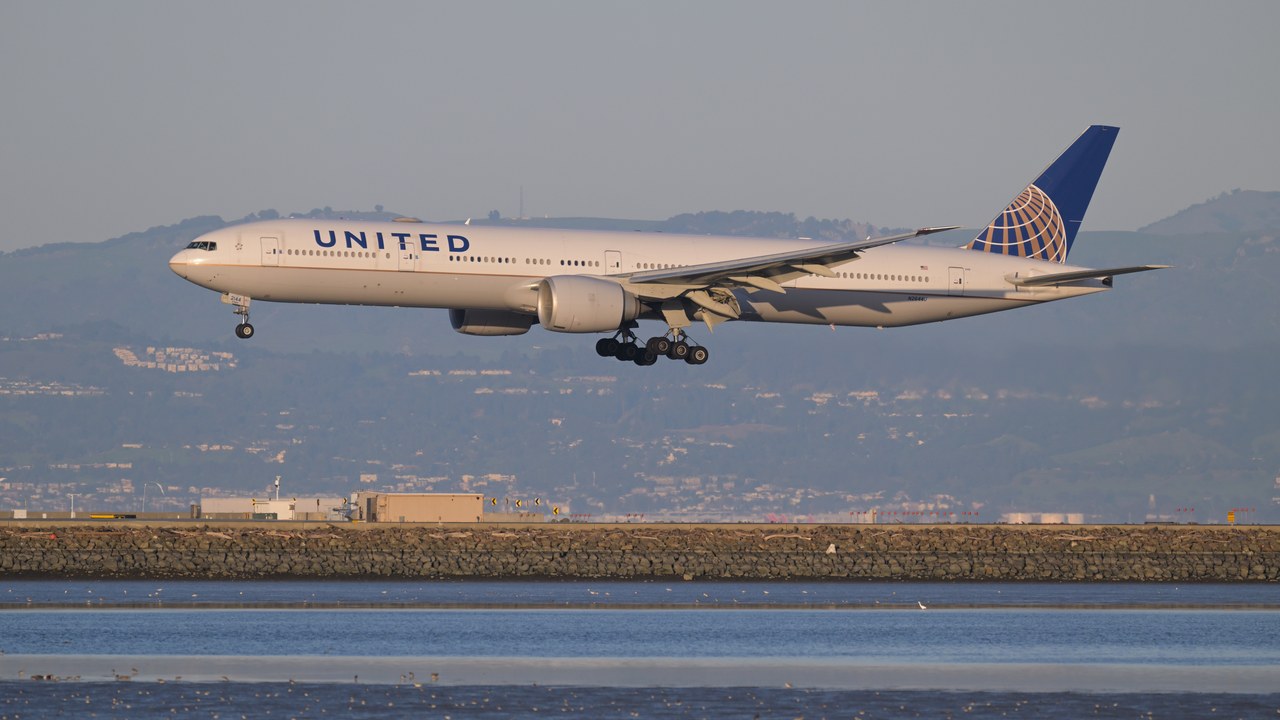
The same Emirates announcement says 53 Boeing 777s have been given a complete nose-to-tail refresh, part of an Emirates retrofit program that together with the A380 work reached 100 aircraft.
The 777 numbers show the refurbishment is not limited to the double-decker. Older widebodies at the carrier are being renewed, not replaced, according to the company, and passengers may find fresh interiors inside airframes that have been flying for years. The figure is the airline’s own report as of July 2026, and the program is described as a retrofit effort still marking milestones along the way.
More from Morning Overview
- Herbal supplements are landing Americans in the hospital with liver damage, doctors warn
- General Motors is switching on cameras that record inside your vehicle by update
- A geomagnetic storm is forecast to hit Earth today, pushing the northern lights unusually far south
- A recalled pill hid a stimulant dose linked to heart attacks and death
