
Robotic probes have carried instruments into regions no crewed mission could reach, and several kept transmitting for decades past the missions they were built for. Their records include the first crossing of the asteroid belt, the only close looks at Uranus and Neptune, and the boundary where the Sun’s influence gives way to interstellar space. Here are seven spacecraft that pushed deepest into the solar system.
1. Voyager 1: The Farthest Object Ever Sent From Earth
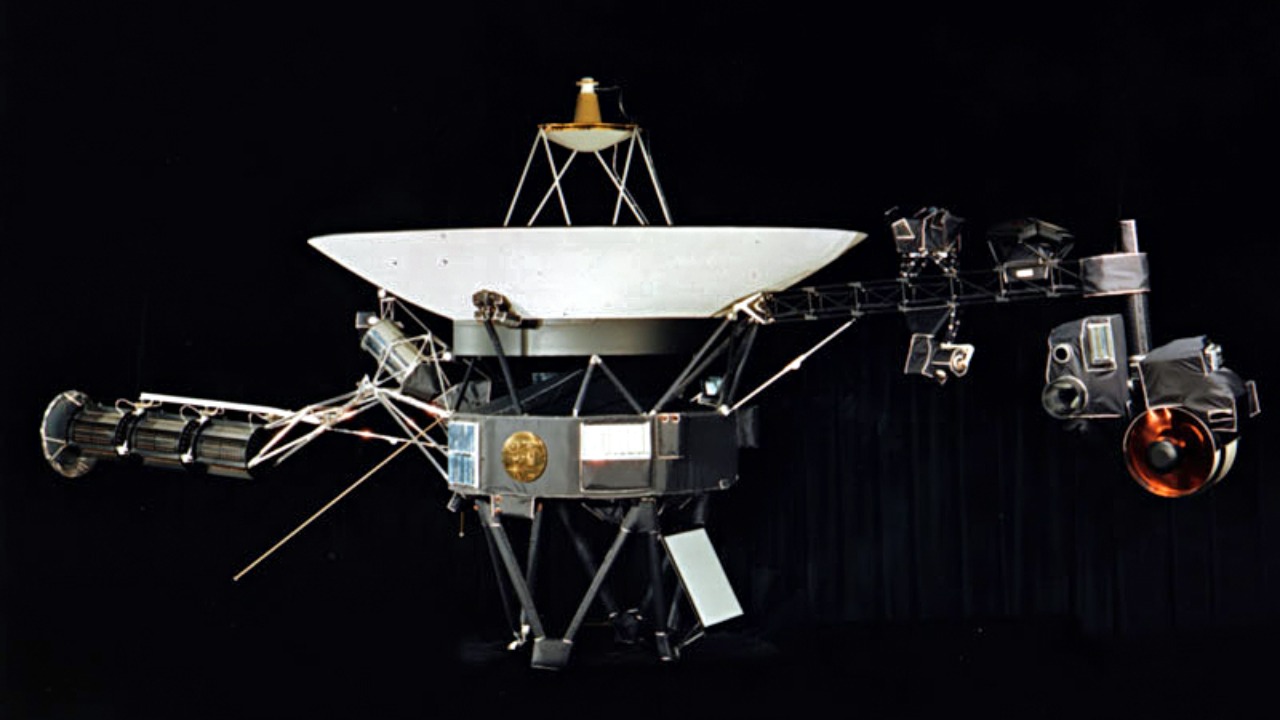
Launched on September 5, 1977, Voyager 1 flew past Jupiter in 1979 and Saturn in 1980, where a steep pass by the moon Titan threw it above the plane the planets orbit in. It overtook Pioneer 10 in February 1998 to become the most distant human-made object, and crossed the heliopause on August 25, 2012, about 121 astronomical units from the Sun.
Distance figures for the probe age instantly, since it recedes roughly three and a half astronomical units each year; any number holds only for the date its source states. Plutonium generators lose a few watts annually, so engineers switch off instruments one at a time to stretch what power remains.
2. Voyager 2: The Only Visitor to All Four Giants
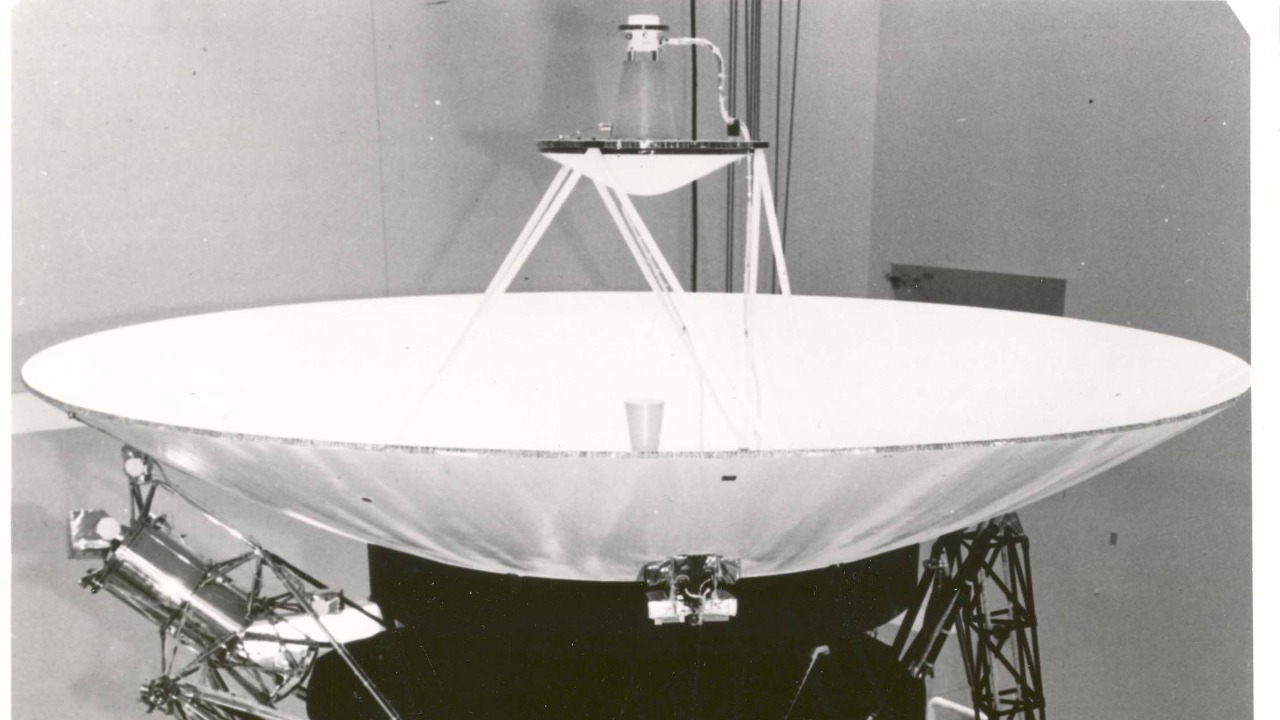
Voyager 2 left Earth on August 20, 1977, sixteen days ahead of its twin, and took the slower path that made the full Grand Tour possible: Jupiter in 1979, Saturn in 1981, Uranus in 1986 and Neptune in 1989. Nothing else has reached the outer two, which leaves its passes by all four giant planets unmatched.
The probe crossed the heliopause on November 5, 2018, six years after Voyager 1 and heading somewhere else entirely, because the Neptune encounter bent its course steeply south of the planets’ plane. Two crossings at two separate points let physicists compare the boundary directly rather than infer its shape from a single sample.
3. Pioneer 10: First Through the Asteroid Belt
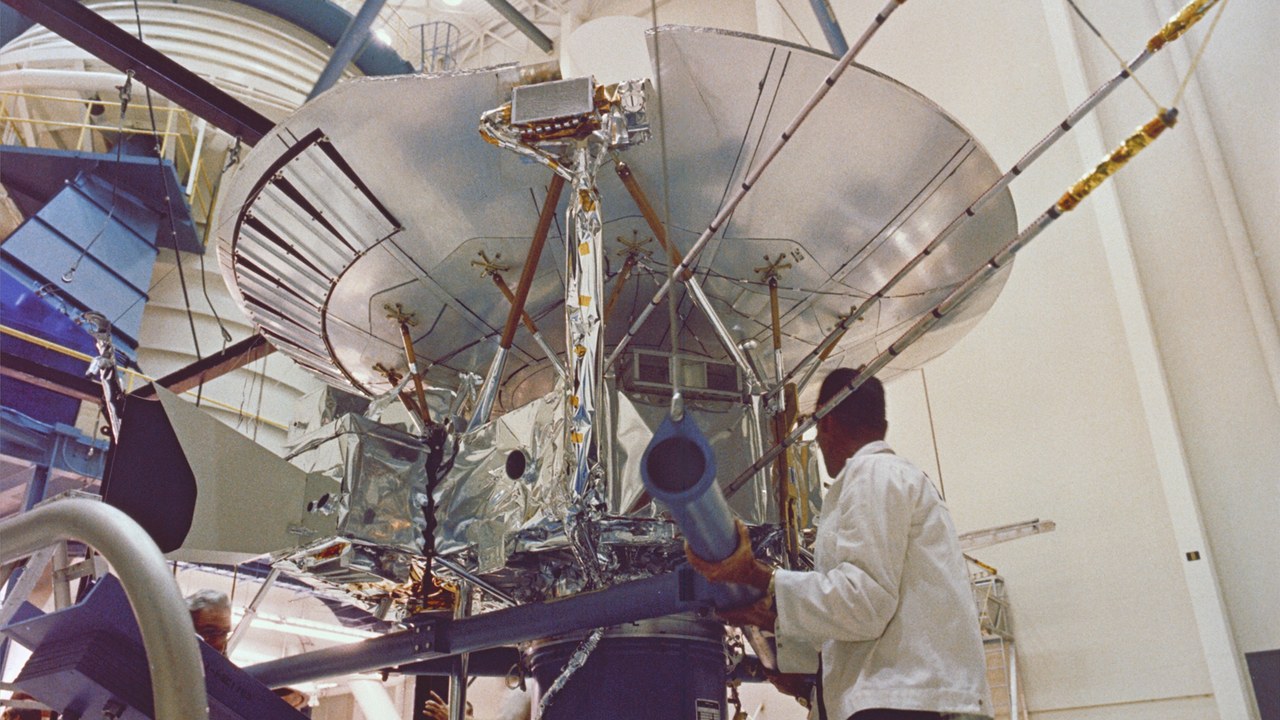
Mission planners genuinely feared the region Pioneer 10 entered after its launch on March 2, 1972, because nobody knew whether the debris between Mars and Jupiter was thick enough to shred a spacecraft. It emerged intact as the first probe to cross the asteroid belt, then reached Jupiter in December 1973 and returned the first close images of the planet and the first readings of its radiation environment.
Those readings showed the belt was survivable, clearing the way for every outer-planet mission that followed. The last faint signal reached Earth on January 23, 2003, when the power supply could no longer drive the transmitter, and the silent craft now coasts toward the star Aldebaran on a crossing that will take more than two million years.
4. Pioneer 11: The First Spacecraft to Reach Saturn
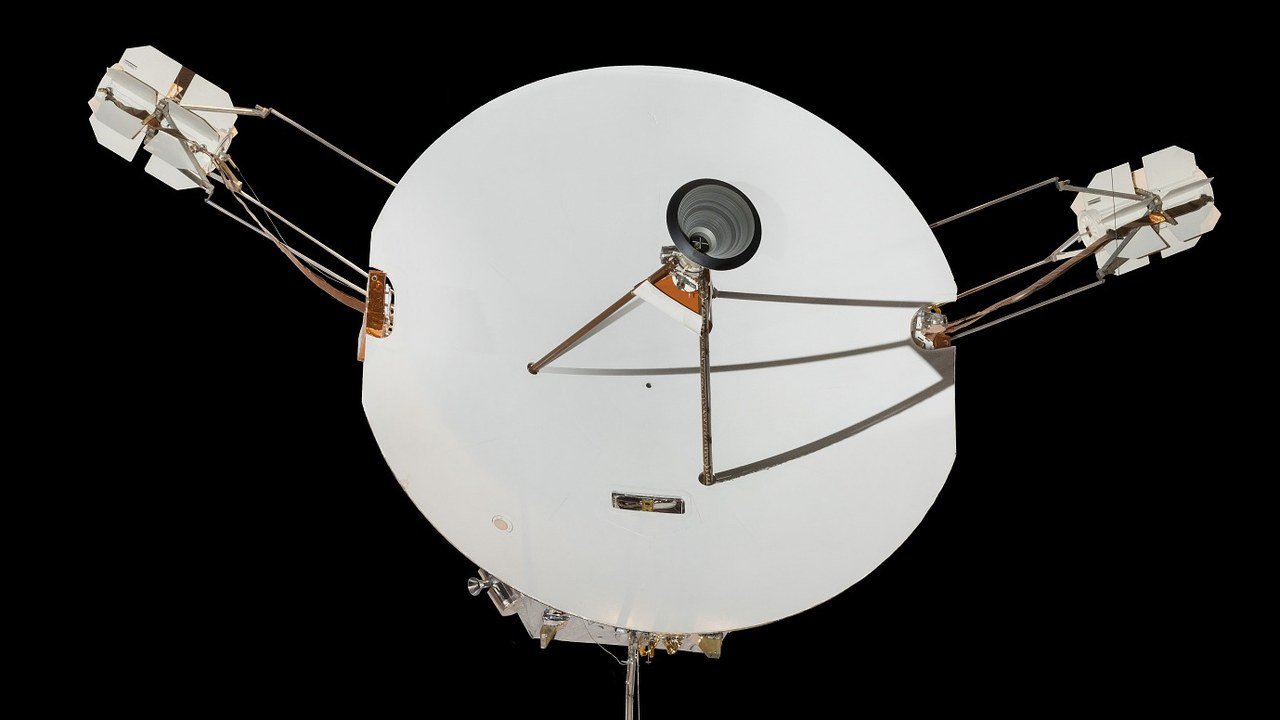
A close swing past Jupiter in December 1974 slung Pioneer 11 across the solar system, and on September 1, 1979 it arrived as the first spacecraft to fly by Saturn. Launched on April 6, 1973, the probe passed roughly 21,000 kilometres above the cloud tops, spotted a previously uncharted ring and a small moon, and took the first measurements of Saturn’s magnetic field.
The encounter doubled as reconnaissance, since it showed which paths through the ring plane were safe and helped planners route the Voyagers that followed. Contact was lost in November 1995, after the power supply weakened past the point where the antenna could be held on Earth, ending a mission that had outlasted its design life several times over.
5. New Horizons: The Only Close Look at Pluto
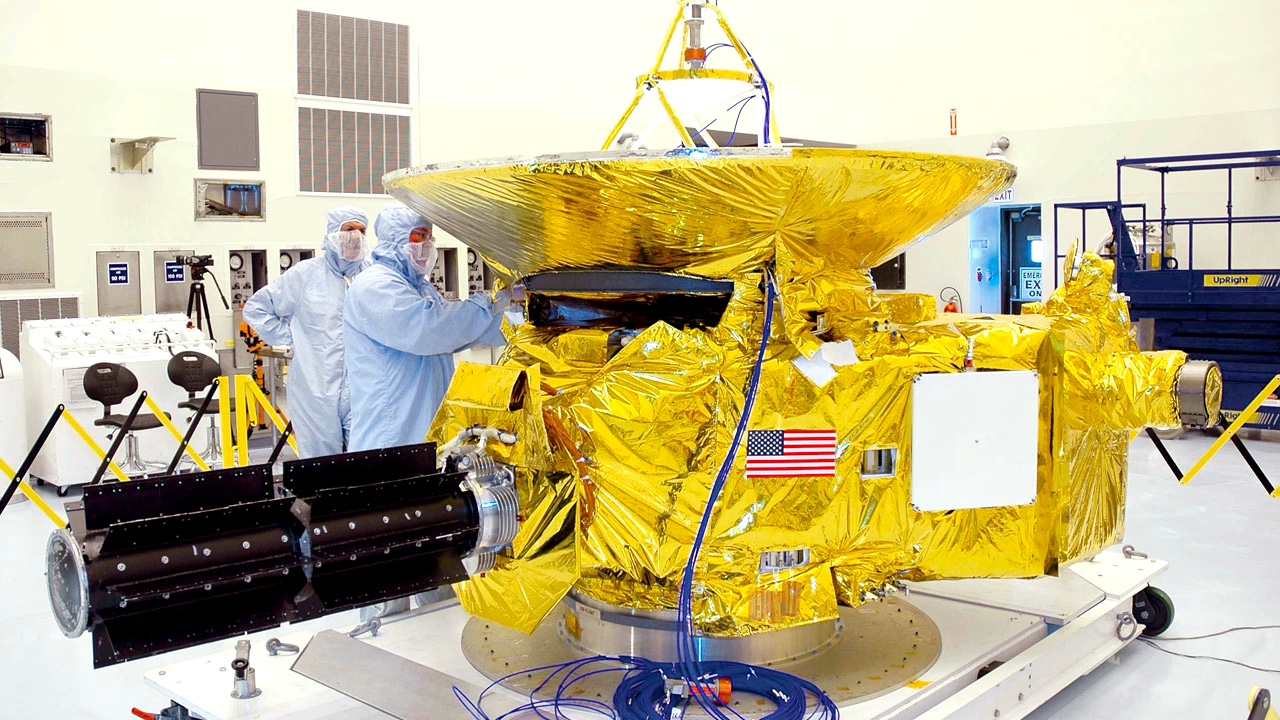
No spacecraft has ever left Earth faster than New Horizons did on January 19, 2006, and it still needed nine and a half years to arrive. Its flyby of Pluto on July 14, 2015 passed within about 12,500 kilometres of the surface and revealed a nitrogen-ice plain roughly the size of Texas beside mountains of water ice several kilometres tall.
Radio links across that distance carry only a trickle of data, so returning everything gathered during those few hours took about sixteen months. The craft continued outward and passed the small Kuiper Belt object Arrokoth on January 1, 2019, the most distant body any probe has examined at close range.
6. Cassini: Thirteen Years Orbiting Saturn
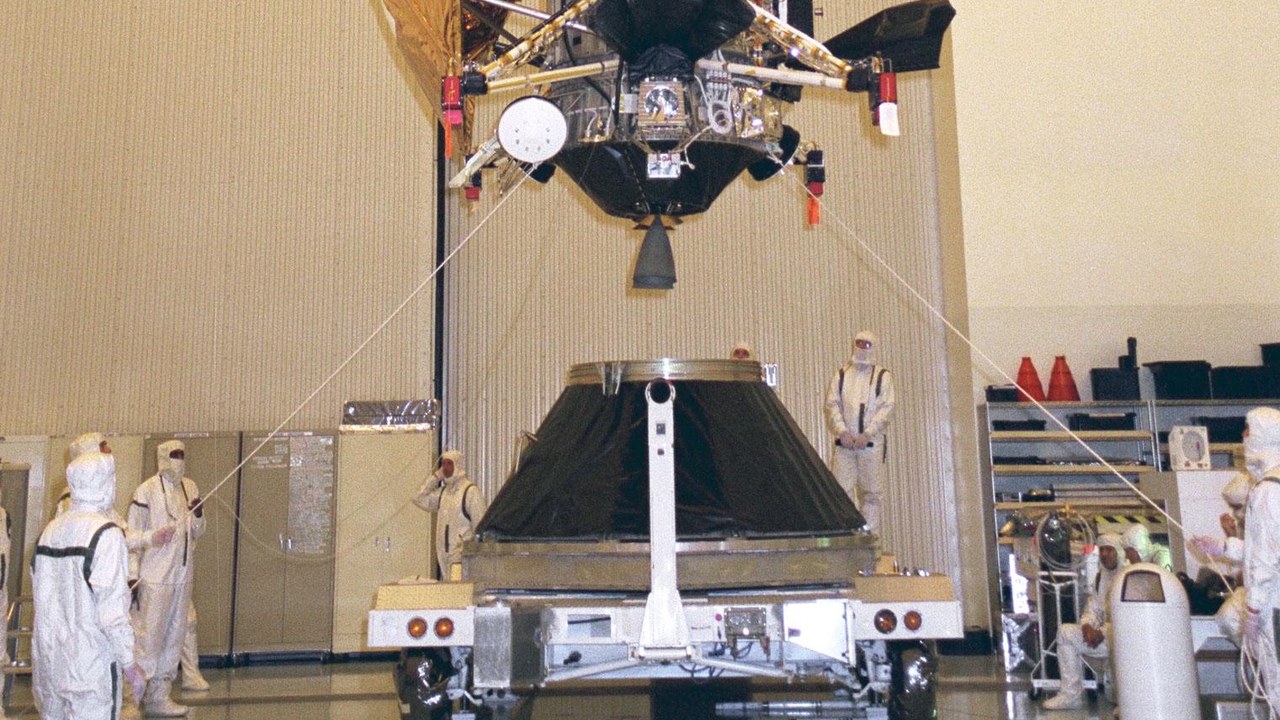
Thirteen years in orbit at Saturn is a run no other mission has matched, and Cassini earned it after launching on October 15, 1997 and arriving on July 1, 2004. It carried the European-built Huygens probe, which parachuted onto Titan on January 14, 2005 in the most distant landing ever attempted, and it found icy plumes venting from cracks near the south pole of Enceladus.
Those plumes carry salts and organic molecules from a subsurface ocean, which shaped how the mission ended. Running short of propellant, controllers steered the orbiter into Saturn’s atmosphere on September 15, 2017 and destroyed it deliberately, so that a craft they could no longer command would never drift into a moon that might support life.
7. Juno: Jupiter From Pole to Pole
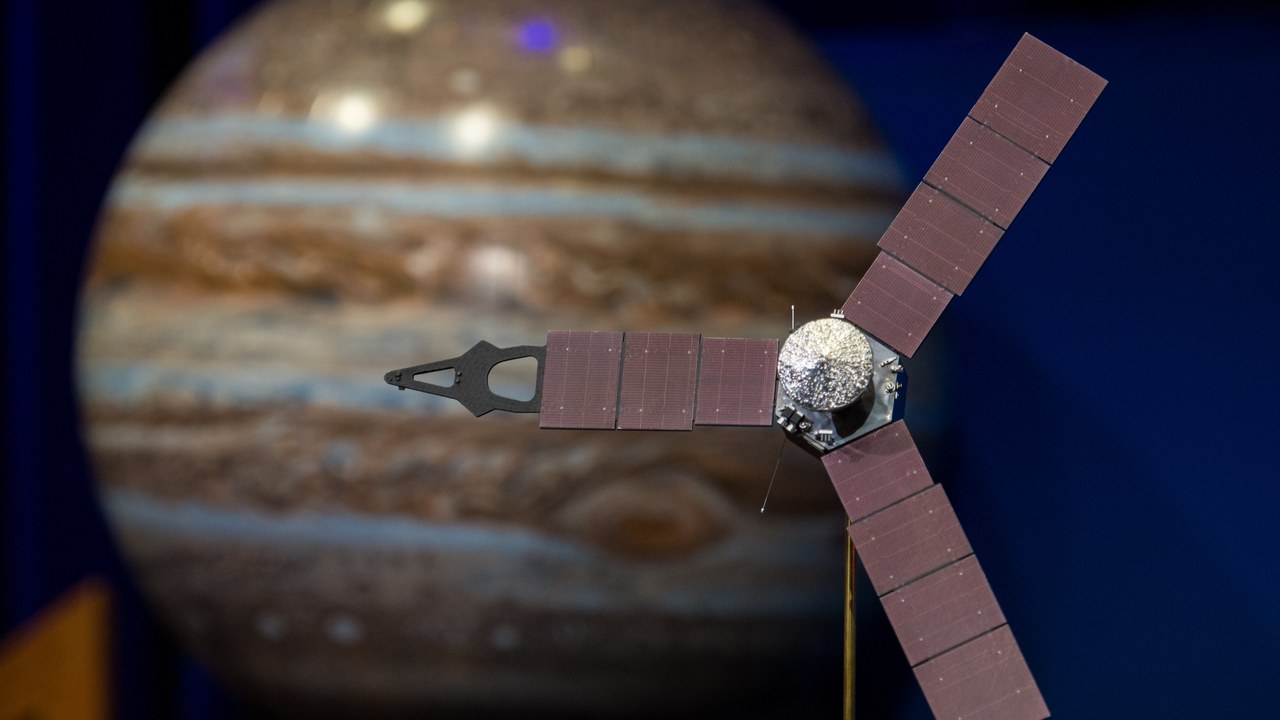
Juno settled into a polar orbit around Jupiter on July 4, 2016, nearly five years after launching on August 5, 2011, and became the first mission to loop the planet over its poles instead of around the equator. The long, looping path drops the craft within a few thousand kilometres of the cloud tops, then carries it far out again to limit the time spent inside Jupiter’s radiation belts.
A titanium vault shields the electronics, and large solar arrays run the spacecraft farther from the Sun than any earlier solar-powered mission operated. Data from the close passes described a diluted rather than sharply bounded core, clusters of cyclones ringing both poles, and winds running thousands of kilometres deep; NASA’s extended mission ran through September 2025.
This article was produced with the assistance of AI and reviewed by Morning Overview editors prior to publication.
More from Morning Overview
- A Colorado wildfire has exploded past 87,000 acres with no containment
- A wildfire near Ouray swelled past 18,000 acres, putting Colorado towns on alert
- The Pentagon’s newest UFO files describe a fish-scaled, potato-shaped object on camera
- Scientists spotted a rare tusked whale alive at sea for the first time, then fired a crossbow at it.
