
Robotic explorers have carried humanity’s instruments past every planet in the solar system and, in a few cases, beyond it entirely. Some flew by for a single close look, while others settled into orbit for years of continuous study before their missions ended. Here are eight probes that pushed exploration hardware to its outer limits.
1. Voyager 1: Humanity’s Farthest Traveler
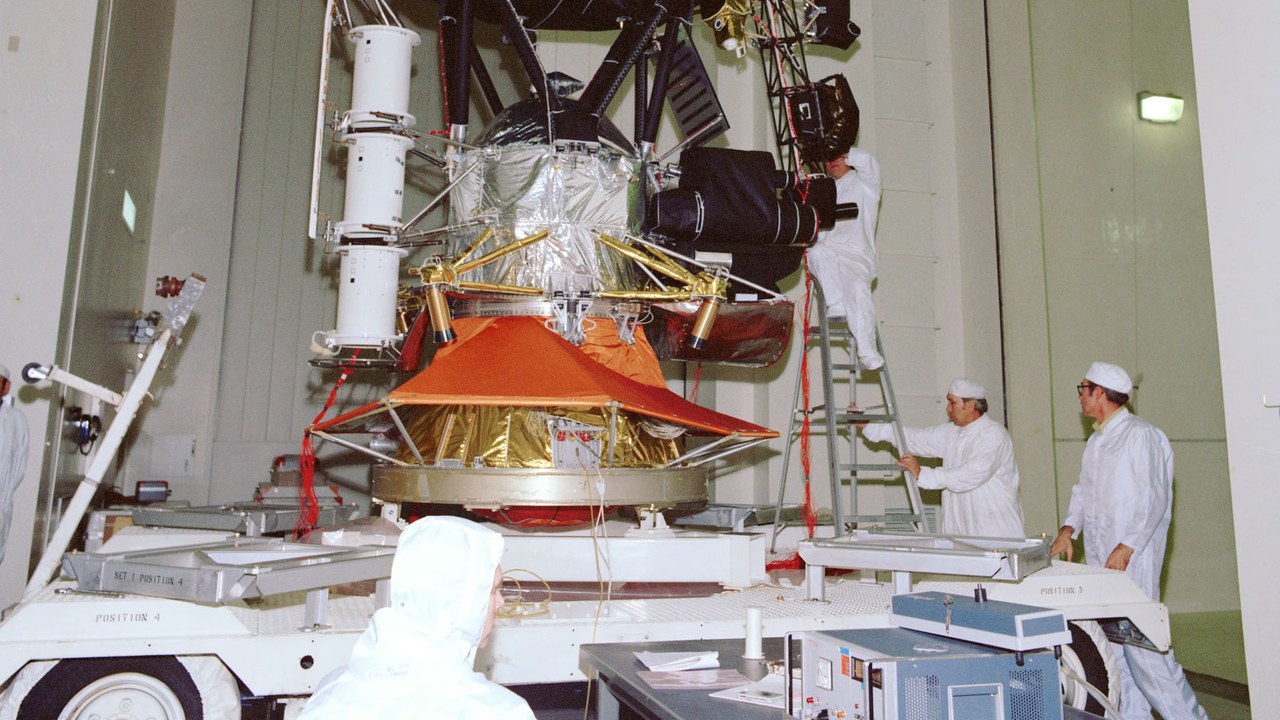
Voyager 1 launched on September 5, 1977, atop a Titan IIIE-Centaur rocket, on a mission built around back-to-back flybys of Jupiter and Saturn. It found active volcanoes erupting on Jupiter’s moon Io and returned detailed views of Saturn’s rings before its trajectory carried it toward the outer solar system. NASA’s Voyager mission page credits the spacecraft with crossing into interstellar space in 2012, making it the farthest human-made object ever launched.
Both Voyager probes carry a golden record etched with sounds and images of Earth, a message meant to outlast the mission itself. Power from its plutonium generators keeps fading, so mission engineers have shut down instruments one at a time to stretch communication into the 2030s.
2. Voyager 2: The Grand Tour Specialist
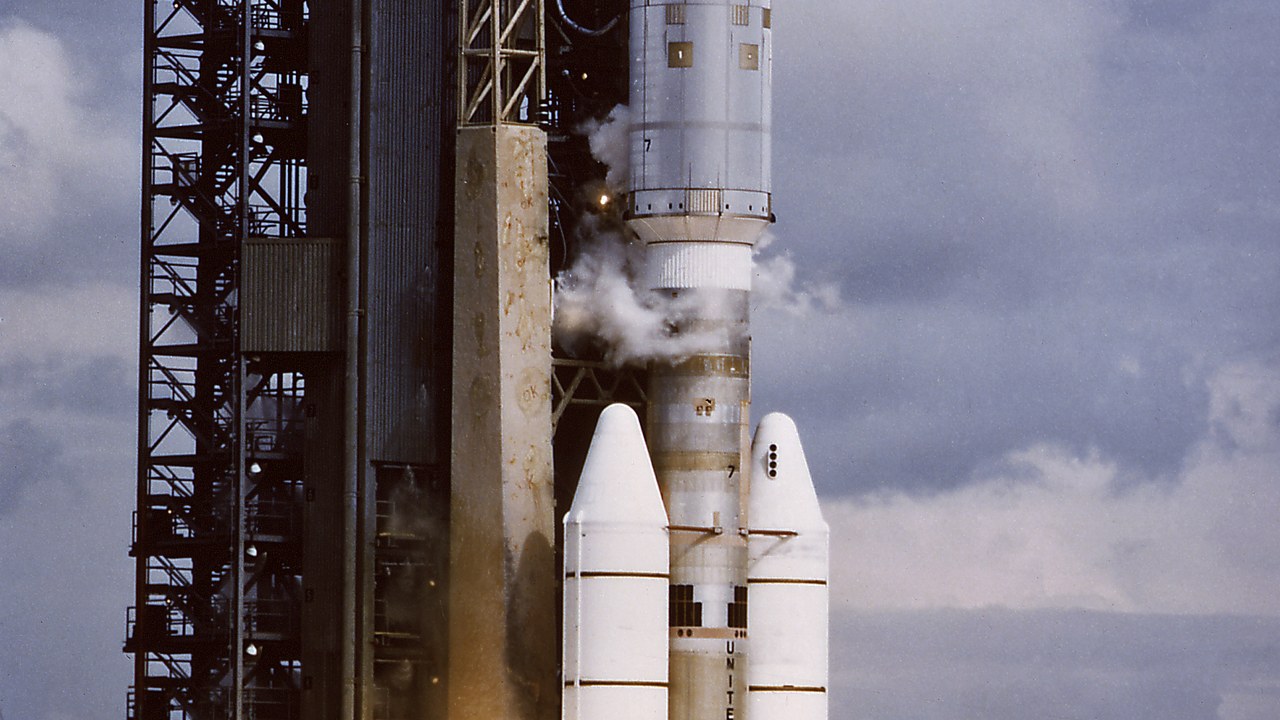
Voyager 2 lifted off on August 20, 1977, roughly two weeks before its twin, riding a Titan-Centaur rocket into a trajectory tuned for a rare planetary alignment. That path let it become the only spacecraft to fly past Jupiter, Saturn, Uranus and Neptune in a single mission, closing out the flyby sequence in 1989. Its mission record includes discovering new moons and rings at both outer ice giants.
Because Uranus and Neptune had never been visited before or since, Voyager 2’s images remain the only close-up look either planet has ever gotten. It followed its twin into interstellar space in 2018 and still radios data back on a delay measured in hours.
3. Pioneer 10: First Through The Asteroid Belt
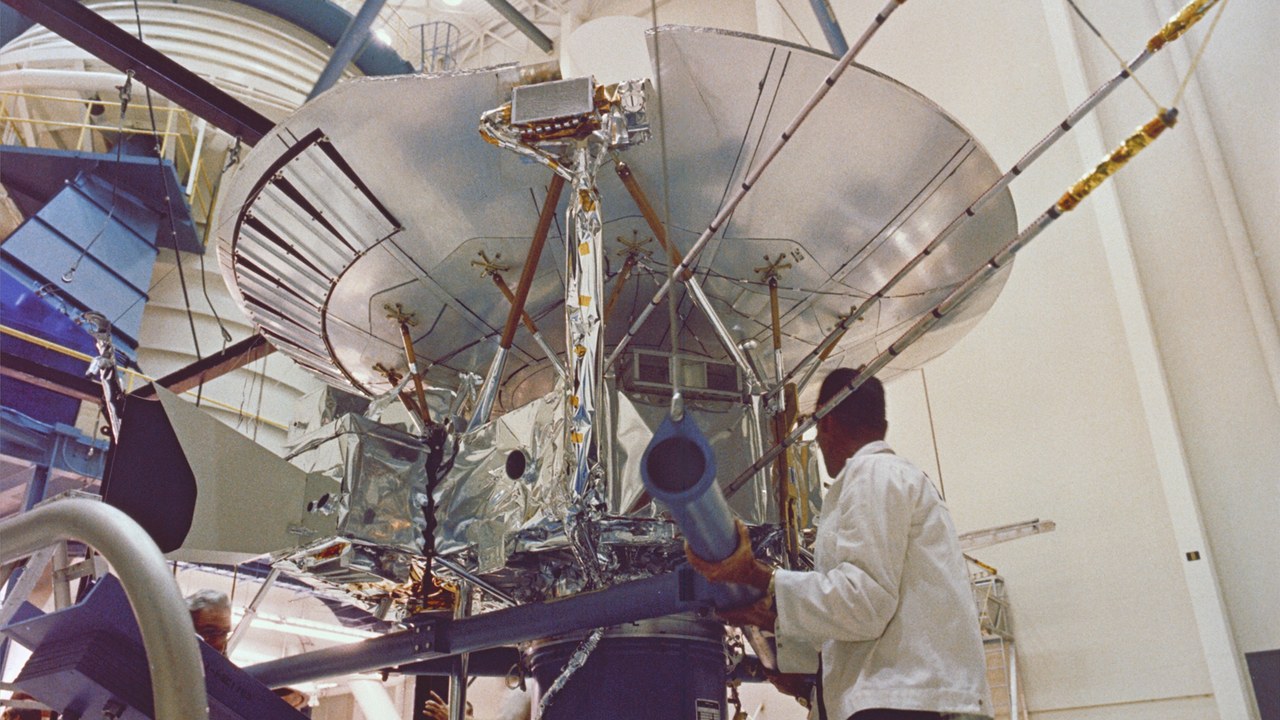
Pioneer 10 launched on March 2, 1972, and spent the next year and a half crossing the asteroid belt, a region engineers had feared might be too debris-filled to survive. It emerged intact and reached Jupiter in December 1973, sending back the first close-up images of the planet’s cloud bands. Built by TRW, the spacecraft’s mission history shows it also carried a plaque describing Earth’s location for anyone who might one day find it.
That plaque, designed with help from Carl Sagan, became a template for the golden records flown on the later Voyager probes. Ground controllers received Pioneer 10’s last usable signal in January 2003, more than three decades after launch.
4. Pioneer 11: The First Saturn Flyby
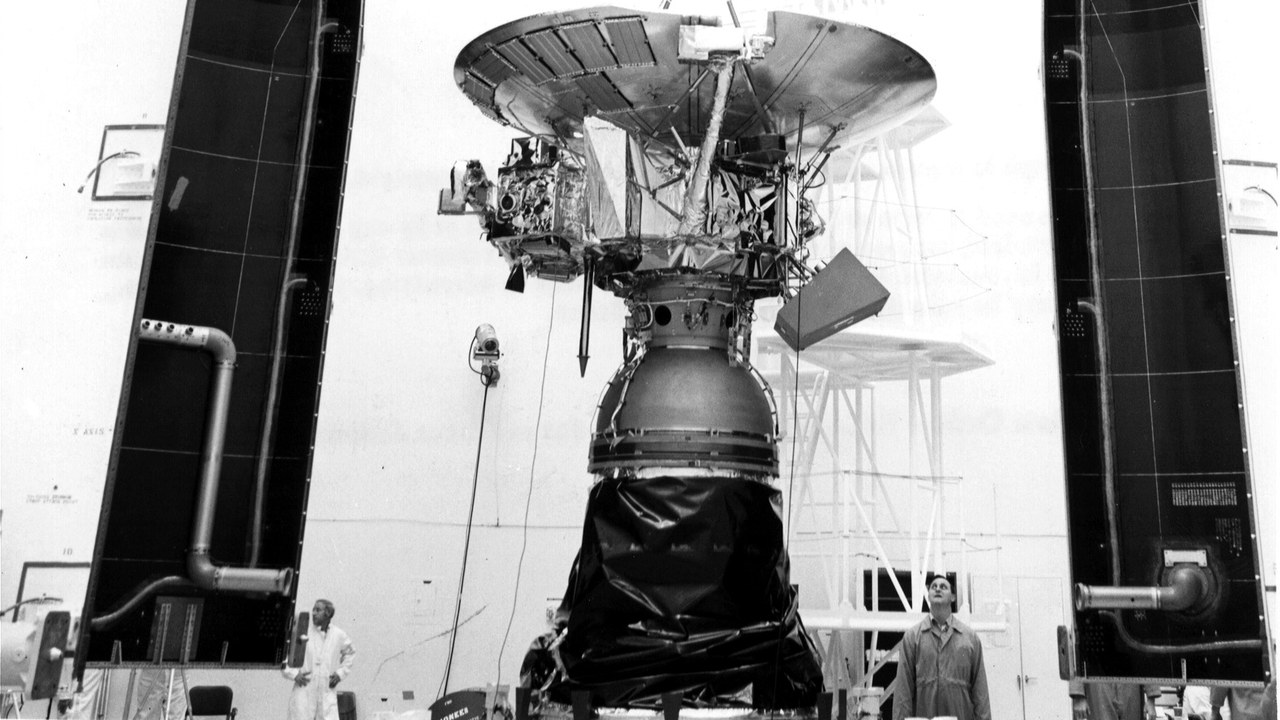
Pioneer 11 followed its sister craft off the pad on April 5, 1973, and used a Jupiter flyby in December 1974 to bend its path toward Saturn. That gravity-assisted route made it the first spacecraft to fly past Saturn, arriving in September 1979 and skimming through the outer ring plane. Its flyby data revealed a previously unknown ring and helped confirm a new moon.
The close pass also mapped Saturn’s magnetic field for the first time, data that shaped planning for the Voyager flybys that followed a year later. Pioneer 11’s radio signal grew too faint to track in 1995, and contact was never reestablished.
5. New Horizons: The Pluto Closeup
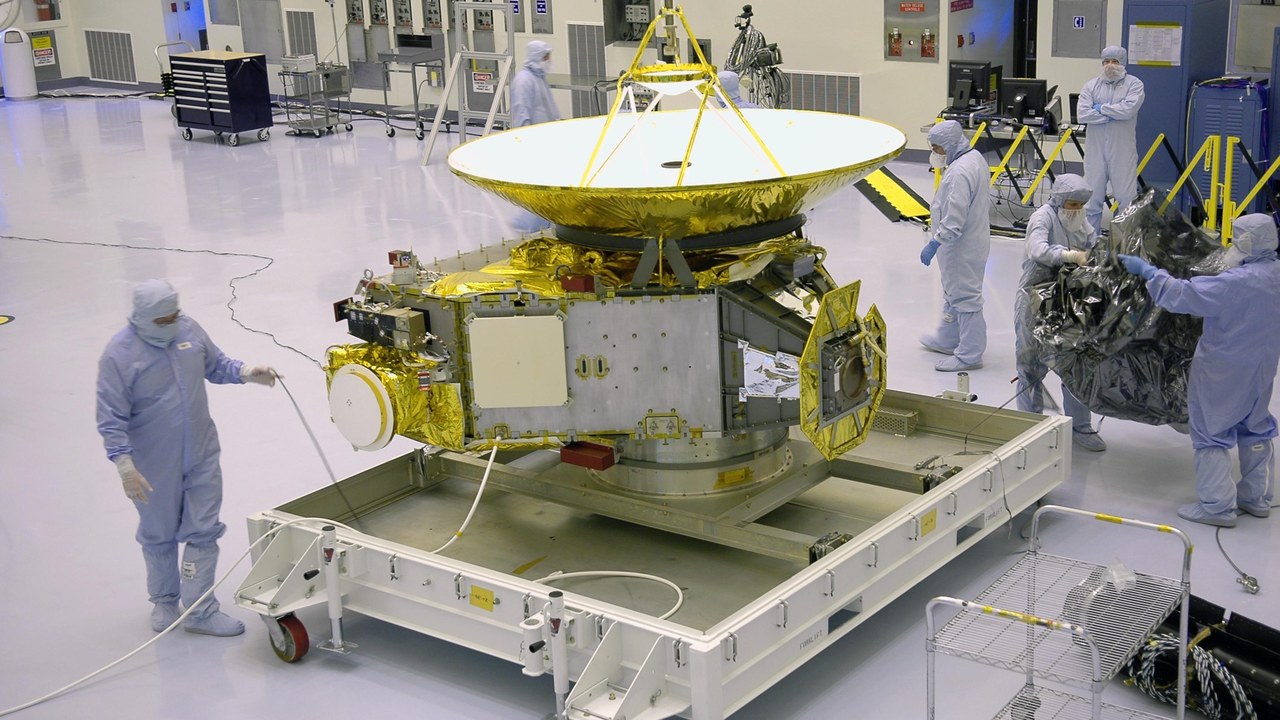
New Horizons launched on January 19, 2006, the fastest spacecraft ever sent from Earth, and spent nine and a half years crossing the solar system to reach Pluto. Its July 14, 2015 flyby returned the first close-up images of Pluto’s surface, revealing nitrogen-ice plains and mountain ranges nobody had predicted. The mission timeline also credits it with a second flyby, of the Kuiper Belt object Arrokoth, in January 2019.
That second encounter made Arrokoth the most distant object any spacecraft has ever examined up close. New Horizons still carries working instruments and continues sending back readings from the far edge of the Kuiper Belt.
6. Cassini: Saturn’s Longtime Orbiter
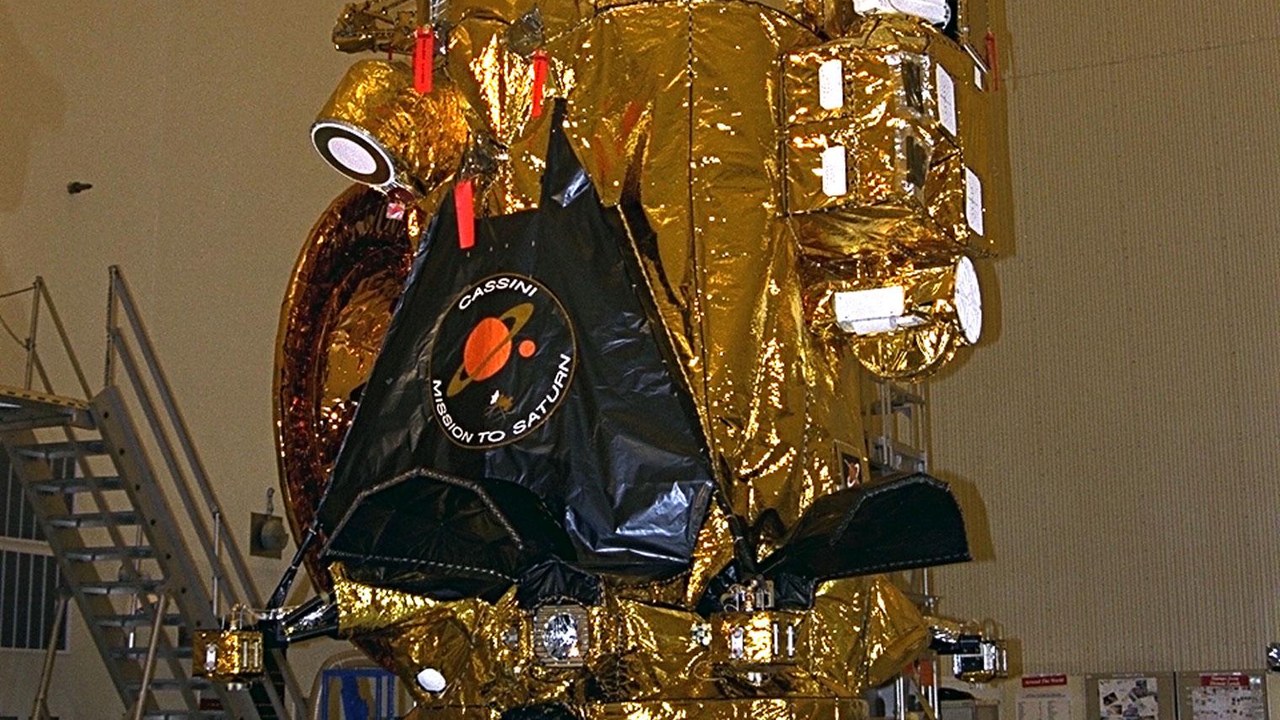
Cassini launched on October 15, 1997, carrying the European-built Huygens probe attached to its side, and reached Saturn in July 2004 after a seven-year cruise. Huygens detached and landed on the moon Titan in January 2005, the most distant landing any spacecraft has made. Over 13 years in orbit, Cassini’s observation record documented icy geysers erupting from the moon Enceladus.
Those geyser plumes pointed to a subsurface ocean that later became a leading candidate for hosting microbial life. To keep Saturn’s moons free of contamination, mission planners steered Cassini into the planet’s atmosphere on September 15, 2017, ending the mission by design.
7. Galileo: Jupiter’s First Orbiter
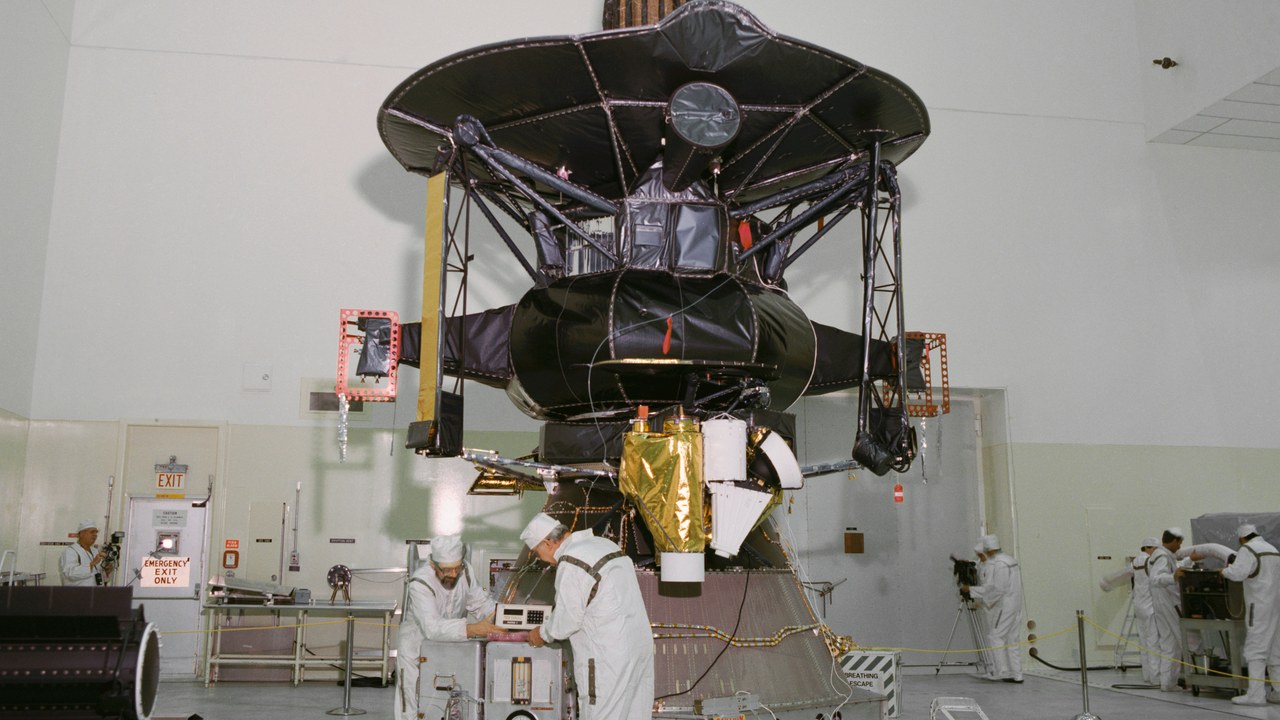
Galileo launched from the shuttle Atlantis on October 18, 1989, then took a six-year, gravity-assisted route past Venus and Earth twice before reaching Jupiter in December 1995. Just before arrival, it released a separate probe that plunged into Jupiter’s atmosphere and radioed back nearly 58 minutes of direct readings before being crushed. Its orbital survey found strong evidence of a salty ocean beneath the icy crust of the moon Europa.
That Europa finding reshaped where scientists look for habitable environments in the outer solar system. Running low on fuel, ground controllers deliberately crashed Galileo into Jupiter in September 2003 to prevent any risk of contaminating Europa.
8. Juno: Still Circling Jupiter
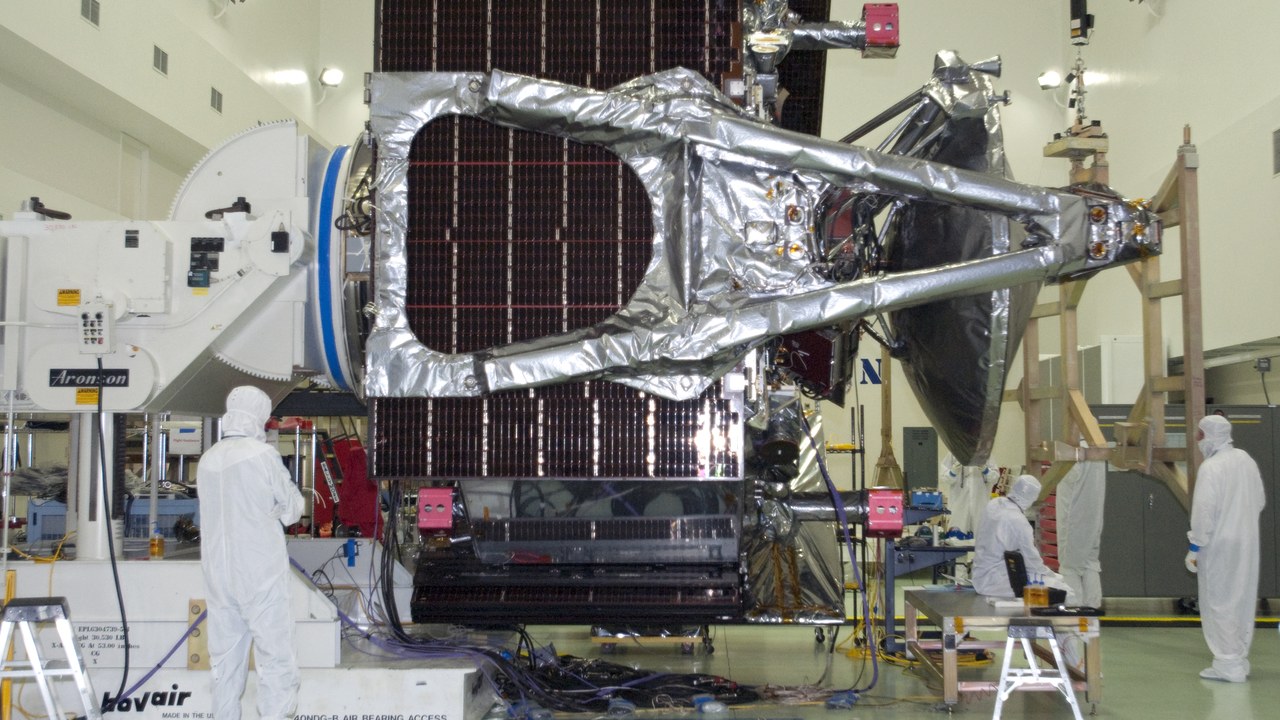
Juno launched on August 5, 2011, and settled into a looping polar orbit around Jupiter on July 4, 2016, arriving on solar power alone rather than the plutonium generators earlier outer-planet missions relied on. Its three enormous solar wings, the largest ever flown on a planetary probe, keep it running far past the sunlight levels most solar spacecraft are built for. The mission overview credits its instruments with mapping Jupiter’s interior structure and its intense magnetic field.
Juno’s tight polar passes have also produced close images of swirling storms at both of Jupiter’s poles. Its extended mission keeps returning new data, still active well past what was originally the spacecraft’s planned end date.
More from Morning Overview
- The NSA warns one messaging setting can clone your texts to a stranger
- Security experts still urge phone owners to switch off one location-tracking setting
- Automakers are quietly dropping the stop-start feature many drivers love to hate
- A granite sarcophagus surfaced in Egypt with its original lid still sealed
