
Depth is the least visible thing about a lake, and the numbers behind it are strange: some basins go down more than a mile, holding water that has sat undisturbed for millions of years. A few are rift valleys still tearing open, others are drowned volcanoes or pockets sealed beneath ice. Here are seven of the deepest lakes in the world.
1. Lake Baikal: The Bottom of the Freshwater World
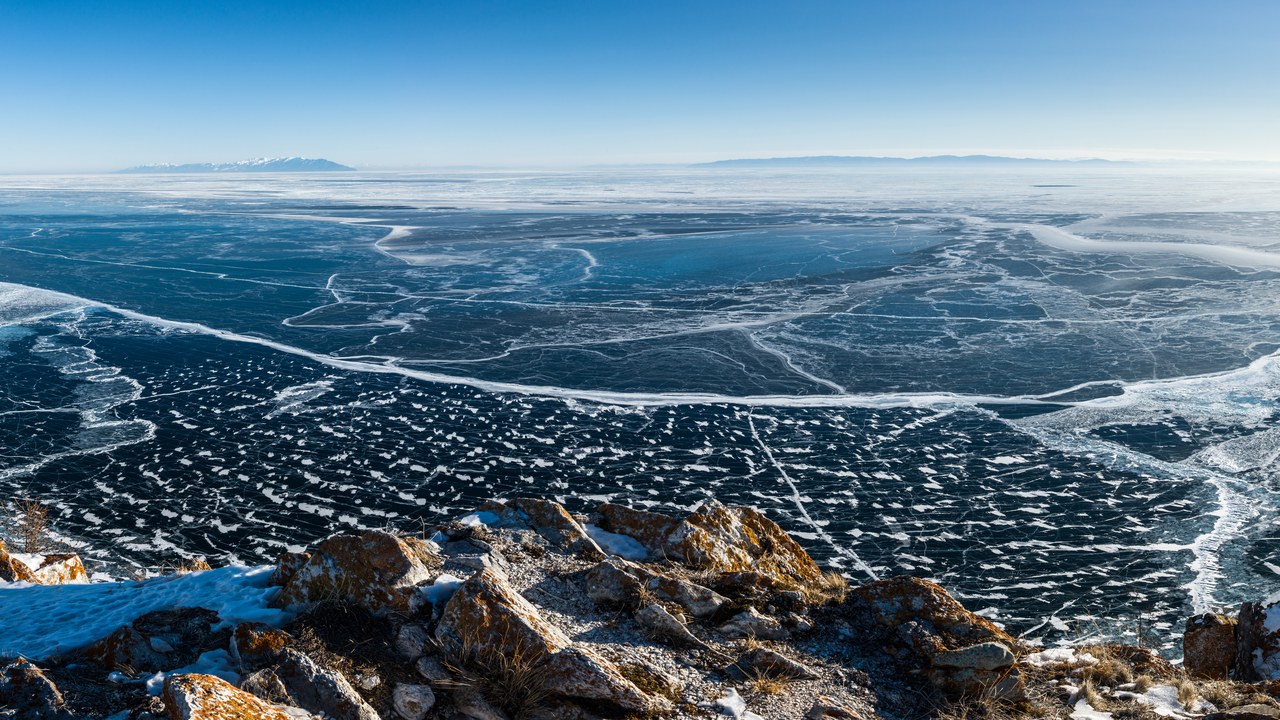
Siberia’s rift lake at Baikal bottoms out at 5,387 feet, more than a mile down and deeper than any other lake on the planet. The basin is a continental rift still pulling apart, and it has been collecting water for roughly 25 million years, which makes Baikal the oldest lake in the world as well as the deepest. It holds about 5,700 cubic miles of fresh water.
Depth on that scale produces conditions found nowhere else in fresh water. Baikal stays oxygenated all the way to the bottom, so life occupies the entire water column instead of a thin surface band, and more than a thousand endemic species live there, including the only seal on Earth that lives exclusively in fresh water.
2. Lake Tanganyika: Africa’s Long Deep Trench
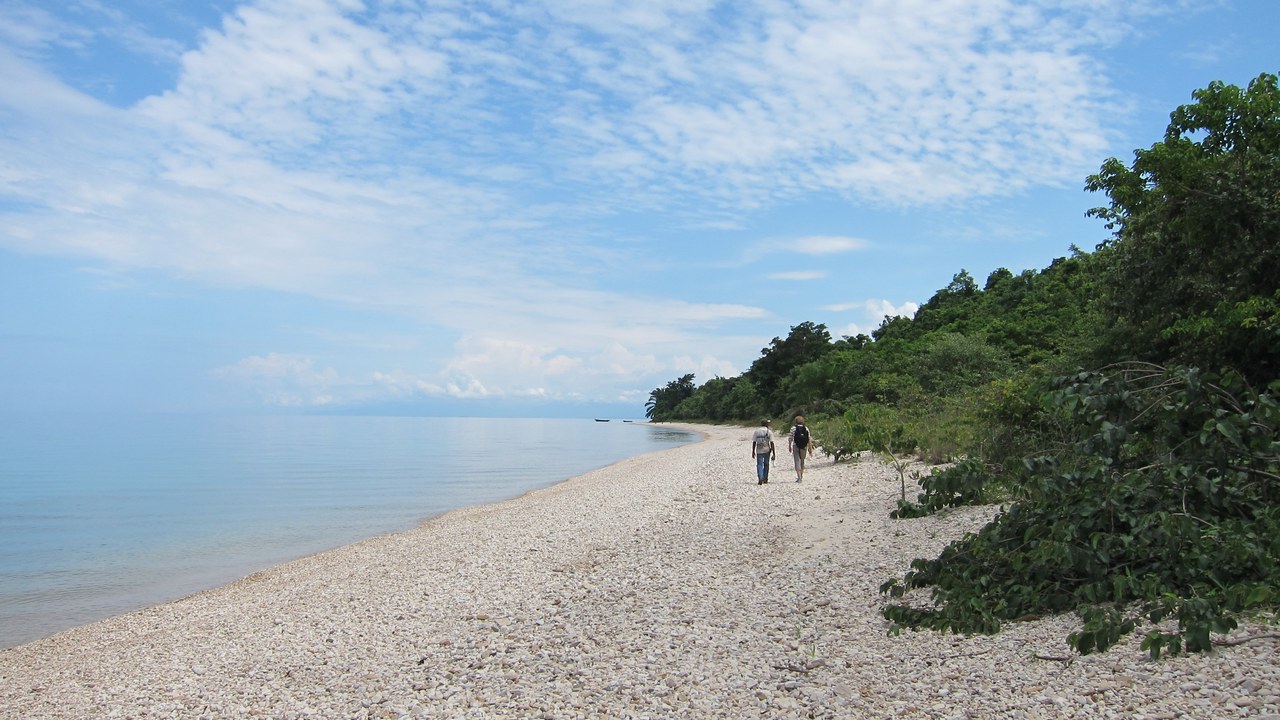
Stretched some 418 miles along the western branch of the East African Rift, the Tanganyika rift basin falls to 4,823 feet, second only to Baikal, and is the longest freshwater lake anywhere. Four countries share its shoreline: Burundi, the Democratic Republic of the Congo, Tanzania and Zambia. Its volume of roughly 4,500 cubic miles ranks second in the world as well.
Most of that water is biologically empty. Below about 650 feet the lake is permanently anoxic, with no oxygen and almost no mixing into the layer above, so animals stay confined to a comparatively thin upper band. The crowding helps explain why the lake’s celebrated cichlid diversity concentrates along rocky shallows rather than spreading through the volume beneath.
3. Caspian Sea: An Inland Sea With a Deep South End
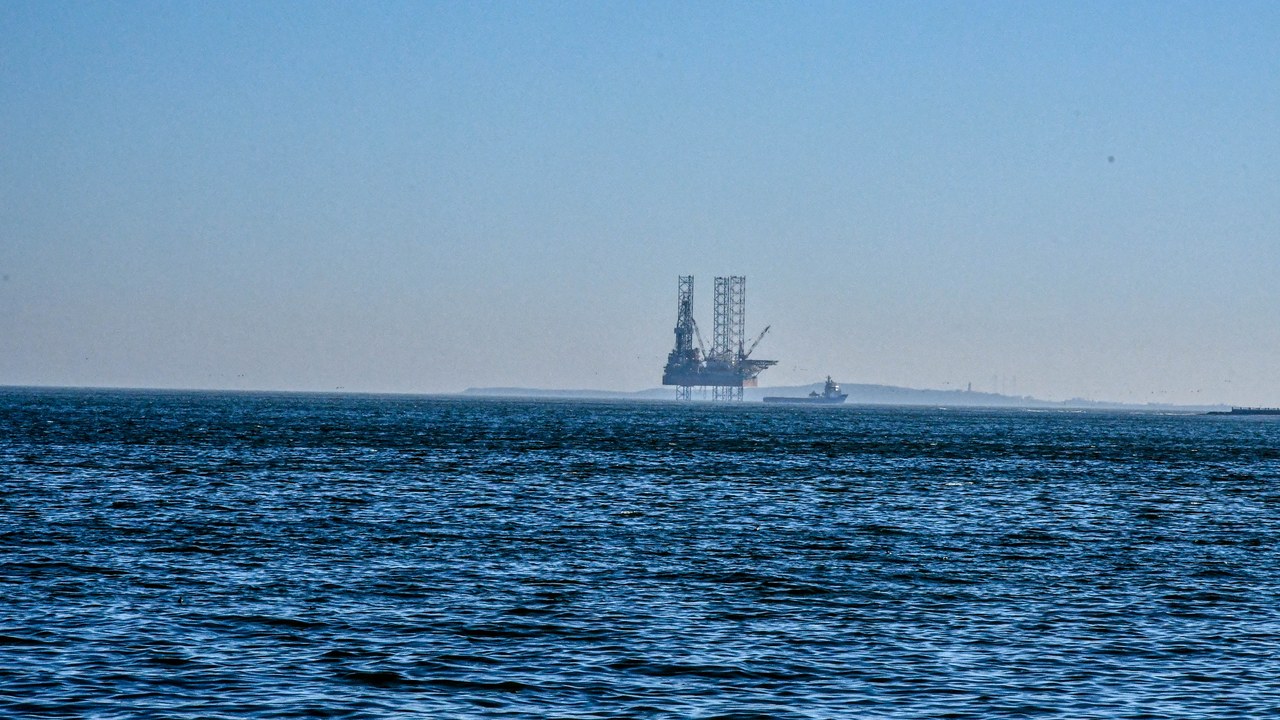
Landlocked between Europe and Asia, this brackish inland sea covers about 143,000 square miles, the largest inland body of water on Earth by a wide margin. Its depth is wildly uneven. The northern shelf averages under 20 feet, shallow enough to freeze in winter, while the South Caspian Basin drops to roughly 3,360 feet. The surface sits about 92 feet below global sea level.
Whether it counts as a lake at all has been argued for over a century, and the answer carries real money. The water is around a third as salty as the ocean, and the legal line between sea and lake governs how five bordering states divide the oil and gas beneath the seabed. A 2018 convention granted it a status of its own instead.
4. Lake Vostok: Sealed Under Two Miles of Ice
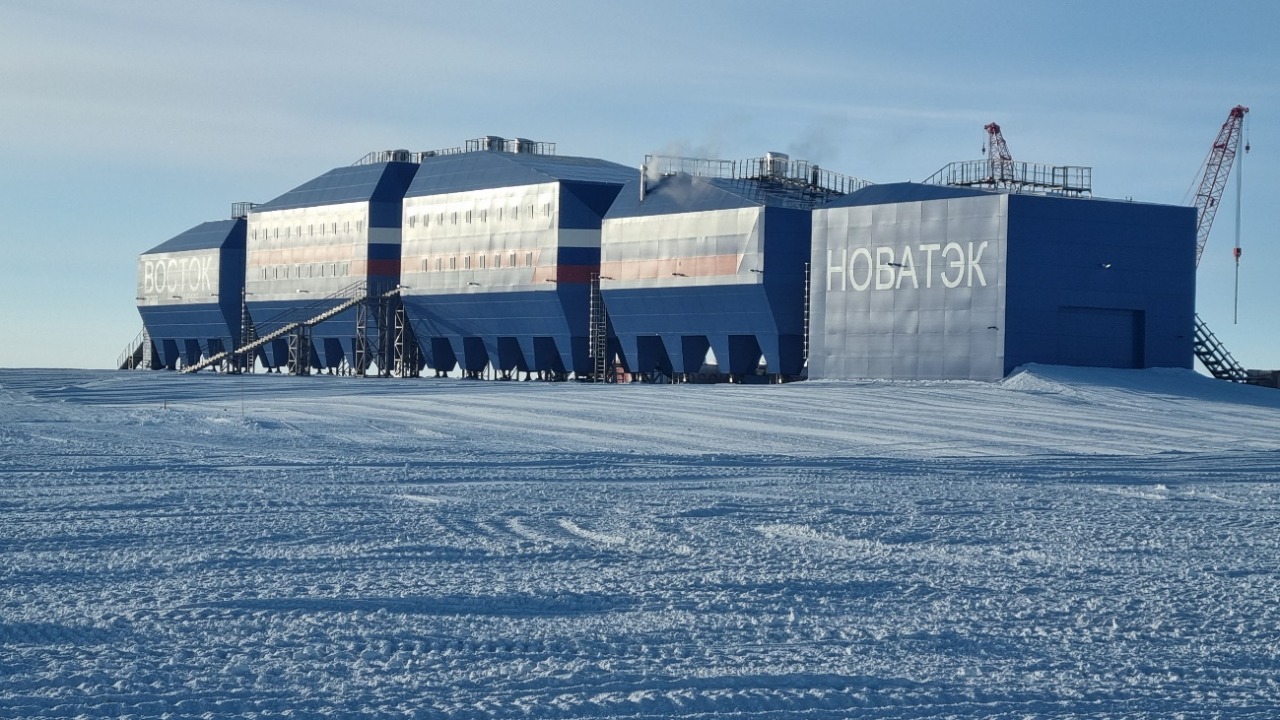
Nobody has ever laid eyes on the subglacial lake at Vostok. It lies beneath roughly 2.3 miles of East Antarctic ice, about 155 miles long and more than 3,000 feet deep at its lowest point, kept liquid by geothermal heat from below and the immense pressure of the ice above. Airborne radar mapped its outline in the 1990s; a Russian drill reached the lake surface in February 2012.
Isolation is what makes it valuable. The water has plausibly been cut off from the atmosphere for millions of years, turning it into a natural experiment in what survives without sunlight or air, and a rehearsal for probing the ice-capped oceans of Europa and Enceladus. Contamination remains the standing objection, since the borehole was held open with kerosene-based drilling fluid.
5. Crater Lake: No River Feeds It
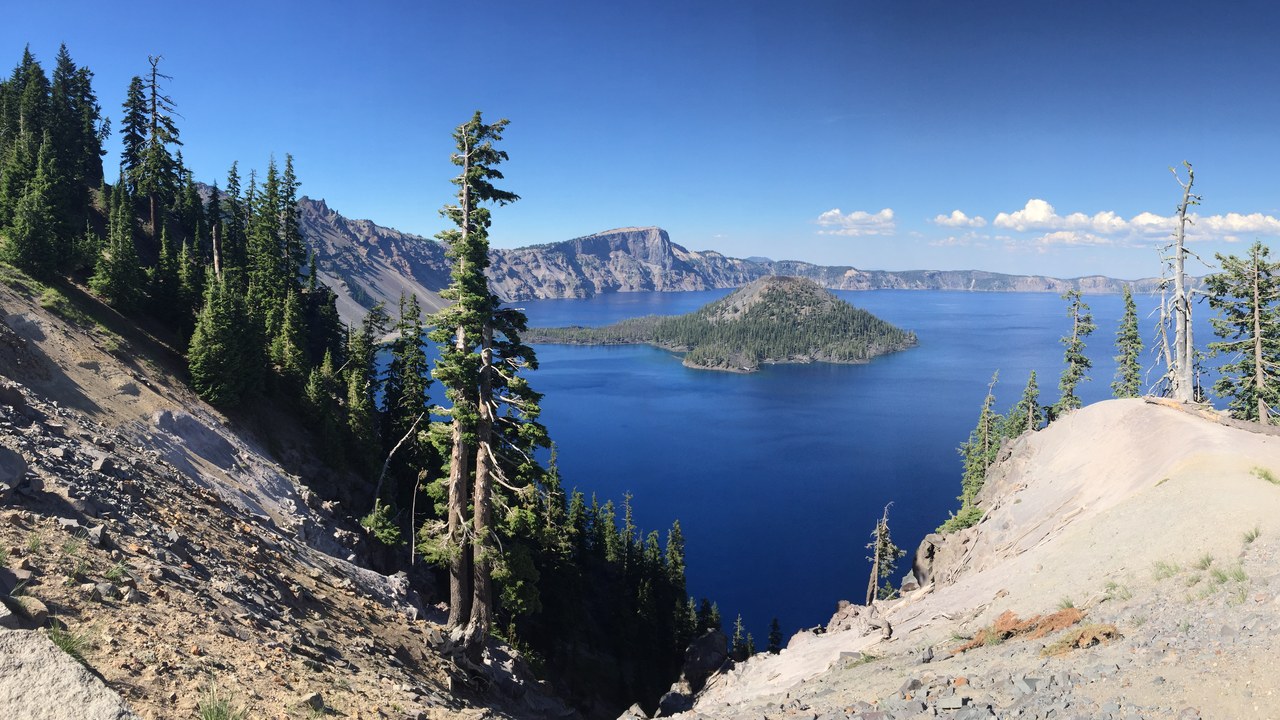
Oregon’s Mount Mazama caldera lake reaches 1,949 feet, deeper than any other lake in the United States, and fills the collapsed summit of a volcano that destroyed itself roughly 7,700 years ago. No river runs in and none runs out. Every drop arrives as rain or snowmelt and leaves by evaporation and seepage, a closed budget that keeps the water nearly free of sediment.
That purity can be measured. A Secchi disk, the white plate limnologists lower until it vanishes, has been tracked to about 140 feet here, among the clearest readings recorded in any natural water body, which is why the surface reads as such a saturated blue. Wizard Island, the cinder cone near the western shore, erupted after the caldera began filling.
6. Great Slave Lake: The Deepest Water in North America
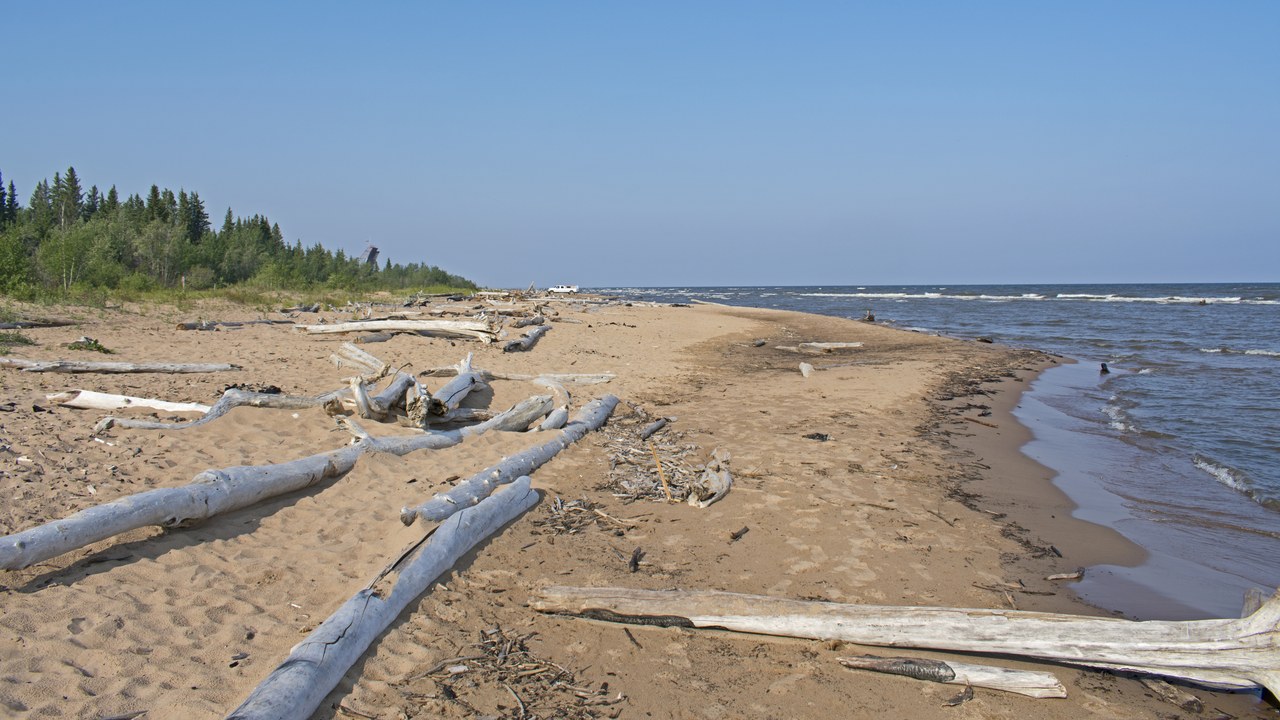
In Canada’s Northwest Territories, the deepest lake in North America reaches 2,014 feet across a surface of roughly 10,500 square miles. It drains north through the Mackenzie River toward the Arctic Ocean and carries ice for something like eight months of the year, long enough that the frozen surface becomes usable infrastructure rather than an obstacle to work around.
Ice roads run across it each winter to communities and mines with no year-round highway; the crossing to Dettah cuts a 17-mile drive down to about four. Yellowknife, the territorial capital, sits on the north shore and grew out of a 1930s gold rush at the lake’s edge. Warmer winters keep shortening the season those roads can carry heavy freight.
7. Lake Malawi: More Fish Than Any Other Lake
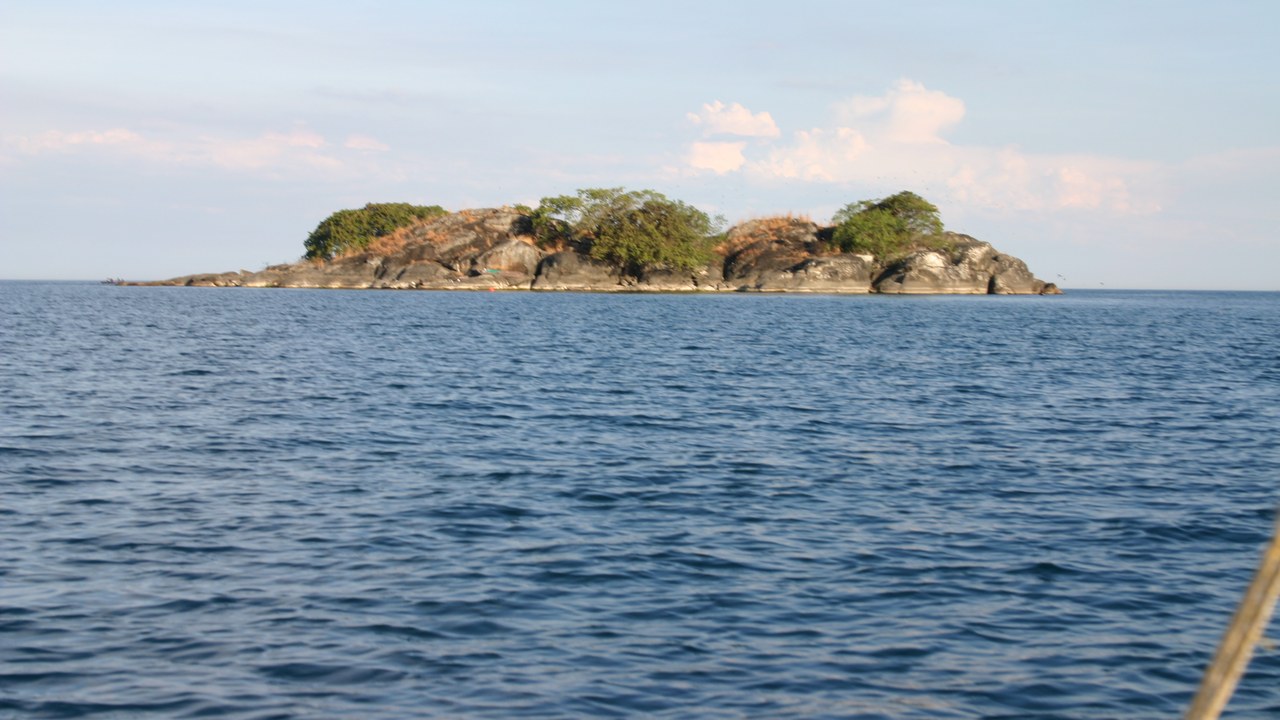
At the southern end of the East African Rift, the rift lake known as Nyasa drops to 2,316 feet and runs about 350 miles end to end, and it holds more fish species than any other lake on Earth. Estimates range from roughly 700 to more than 1,000, the overwhelming majority of them cichlids, and most exist nowhere else.
Depth sets the boundary again. Below about 800 feet the water holds no oxygen, so all that diversity is compressed into sunlit rocky margins where habitat can change every few hundred yards. Lake Malawi National Park on the southern shore became a World Heritage site in 1984 for those fish, and overfishing now presses on the same narrow band.
