The disappearance of dinosaurs from the face of the Earth has long fascinated scientists and enthusiasts alike. While the accepted theory involves a cataclysmic asteroid impact, some suggest that these magnificent creatures may have found ways to survive. Here are six intriguing theories that propose dinosaurs might still roam our world in some form.
Evolution into Birds
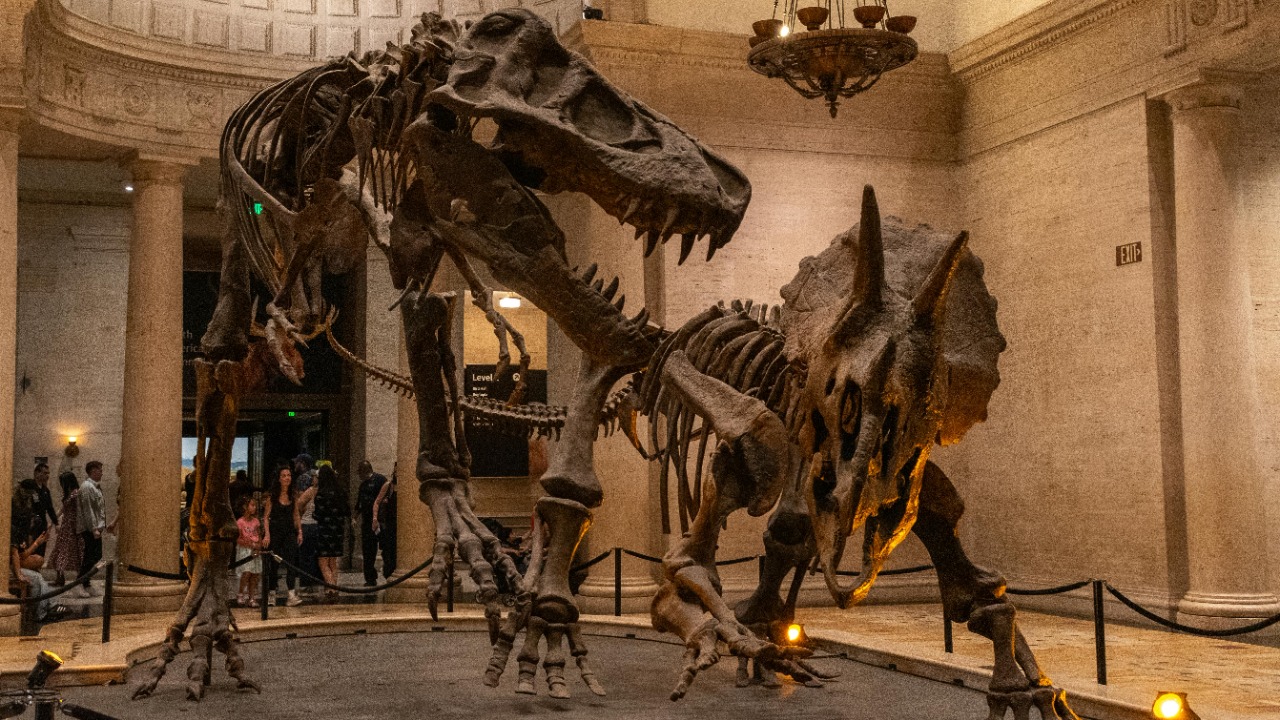
The most widely accepted scientific theory is that dinosaurs did not entirely vanish but evolved into birds. This concept is supported by extensive fossil evidence indicating that many characteristics of modern birds, such as hollow bones and feathers, were present in theropod dinosaurs. Over millions of years, these creatures adapted to new ecological niches, eventually becoming what we now recognize as birds.
This evolutionary transition is further corroborated by similarities in bone structures and nesting behaviors. The Archaeopteryx, often cited as the first bird, showcases these transitional features, bridging the gap between non-avian dinosaurs and birds. This theory not only explains the survival of some dinosaurs but also highlights their incredible adaptability.
Deep Ocean Survival
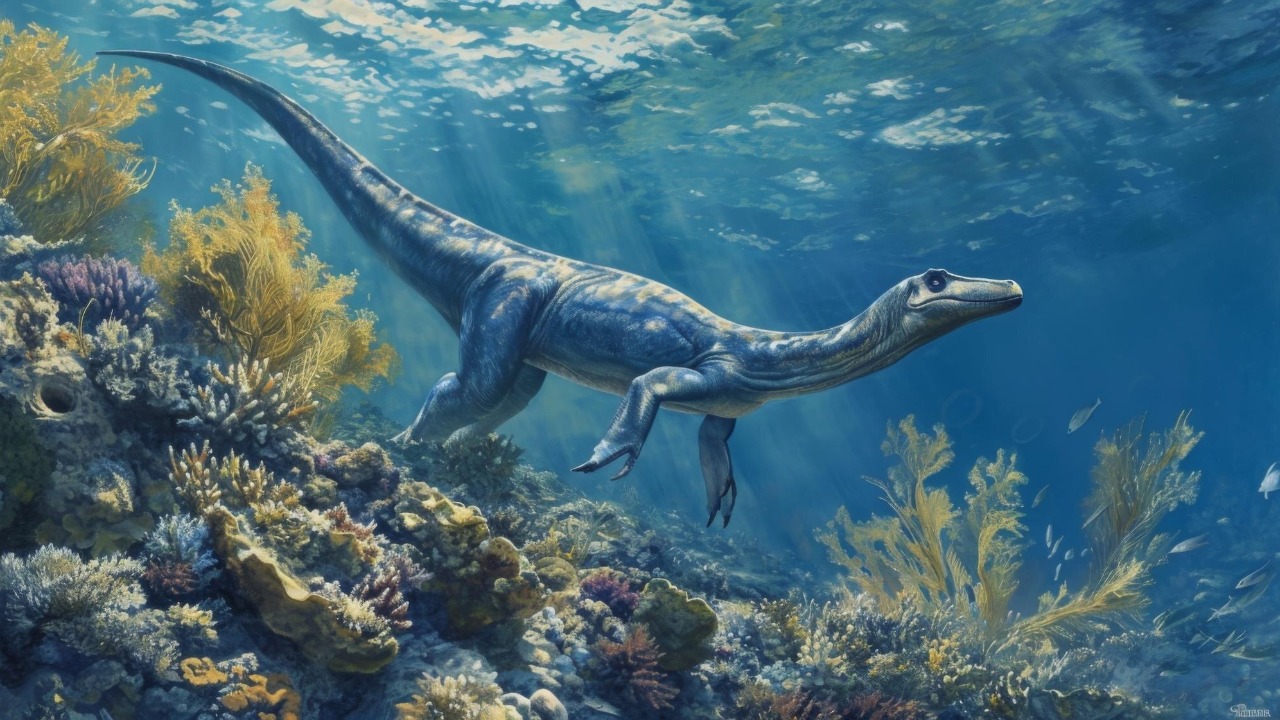
Another theory suggests that some dinosaurs may have found refuge in the vast, unexplored depths of the oceans. The idea is that certain aquatic or semi-aquatic dinosaurs could have survived the mass extinction event by adapting to life underwater. Modern-day sea creatures like the coelacanth, once thought extinct, lend credence to the possibility of hidden marine survivors.
While fossil evidence for this theory is scant, the oceans’ immensity and the continuous discovery of new species suggest that there could be more to learn. The deep sea remains one of Earth’s least explored frontiers, leaving room for speculation about what ancient secrets it might hold.
Underground Shelters
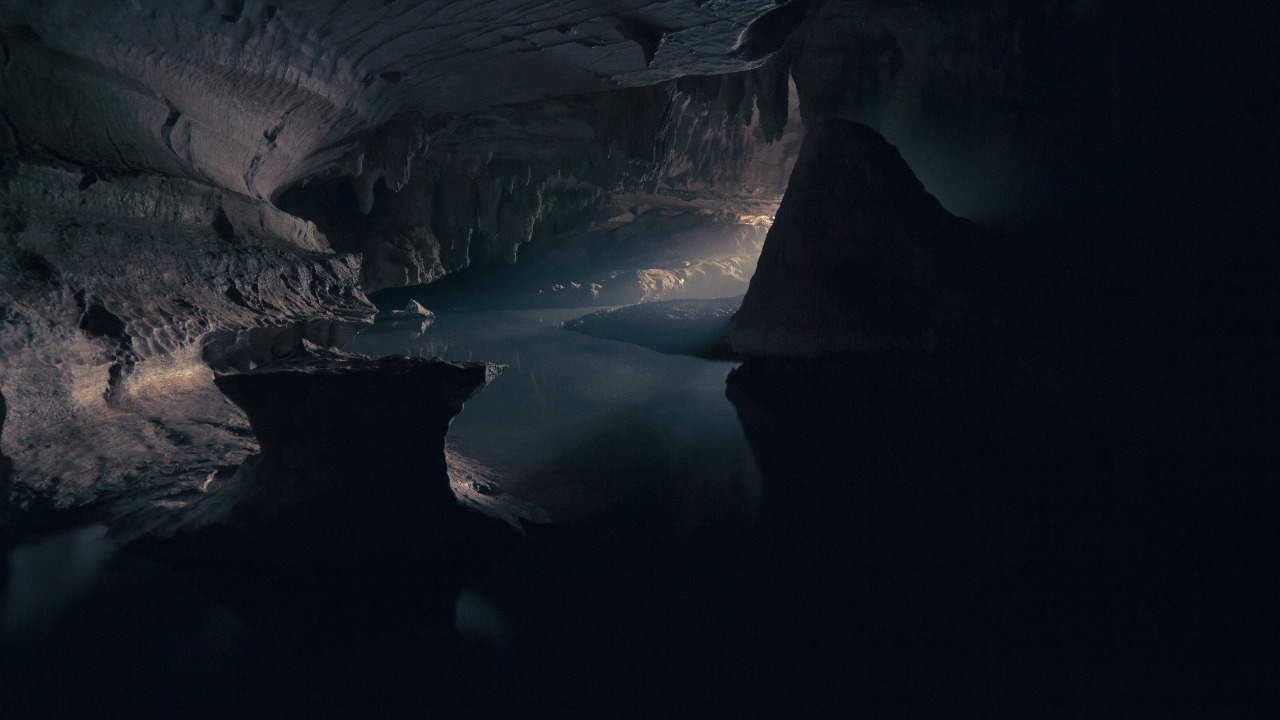
Some theories propose that dinosaurs could have survived by seeking shelter underground. This idea posits that certain species, capable of burrowing or inhabiting caves, might have escaped the worst effects of the environmental changes following the asteroid impact. These subterranean sanctuaries could have provided protection from climate extremes and predators.
Although direct evidence is minimal, fossilized remains of smaller dinosaurs suggest they may have had the ability to burrow. The concept aligns with survival strategies observed in modern-day animals that endure harsh conditions by retreating underground, offering a plausible pathway for dinosaur survival.
Parallel Evolution on Isolated Islands
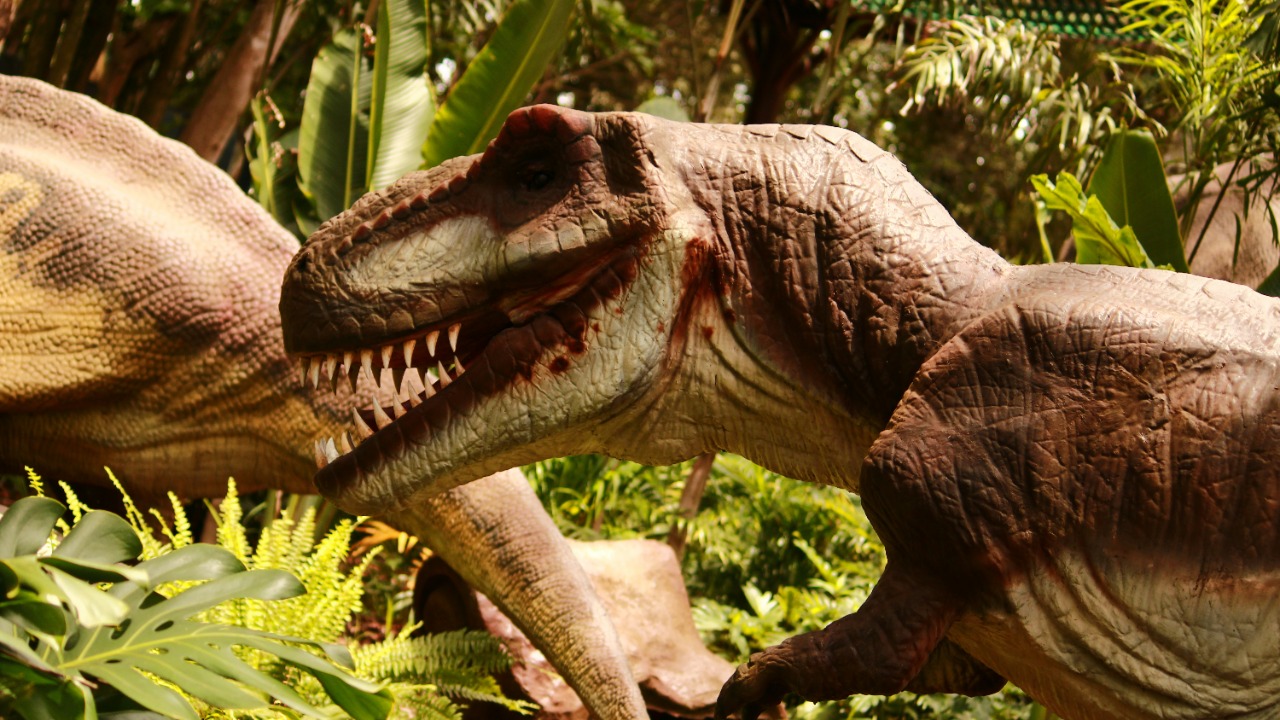
The theory of parallel evolution on isolated islands suggests that some dinosaurs might have survived on remote landmasses, evolving independently from their mainland counterparts. Islands like Madagascar and New Zealand are known for their unique ecosystems, where isolated evolution has resulted in distinctive species.
This concept is supported by the discovery of ancient species like the moa and elephant birds, which evolved in the absence of typical mainland predators. Such isolated conditions could have allowed dinosaurs to persist and evolve uniquely, away from the catastrophic events affecting the rest of the planet.
Reptilian Morphing
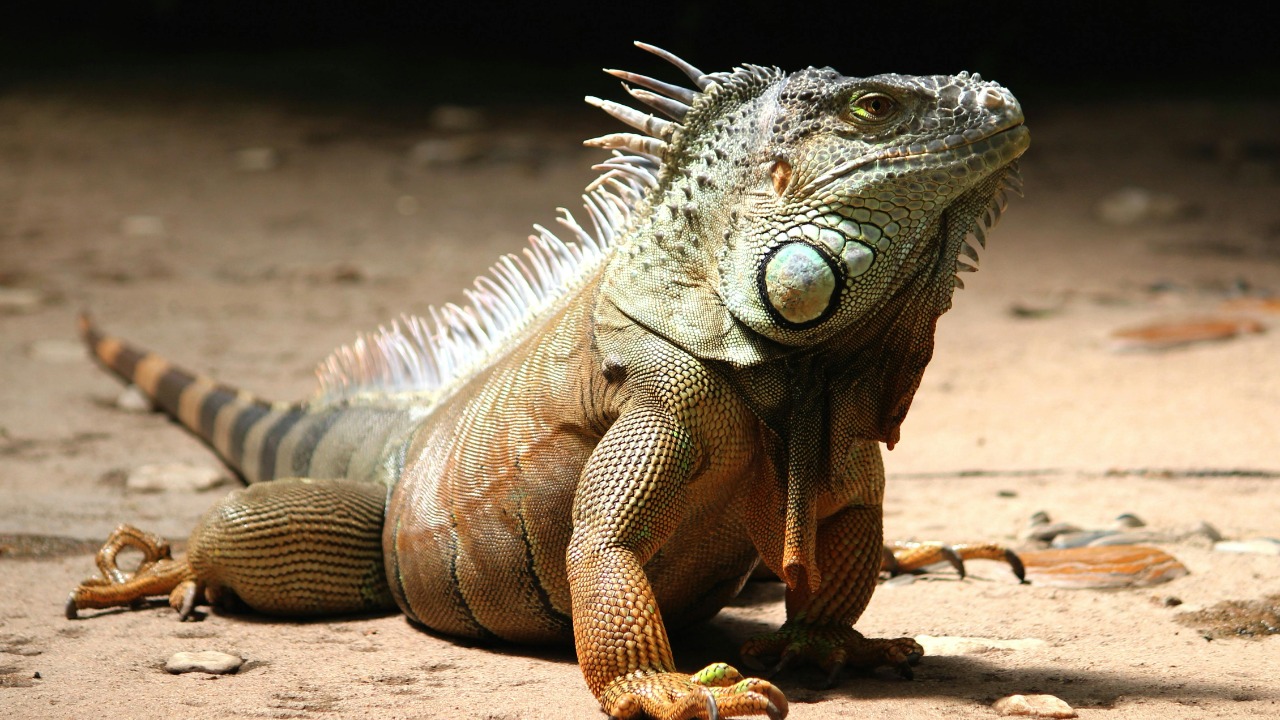
Some theorists argue that dinosaurs may have survived by morphing into reptilian forms more suited to the post-extinction environment. This theory suggests that certain species could have undergone rapid evolution, adapting to new ecological niches and climatic conditions. Over time, these adaptations would result in creatures distinct from their dinosaur ancestors yet sharing a common lineage.
While largely speculative, this theory draws on the evolutionary flexibility exhibited by reptiles, which have thrived in diverse environments across the globe. It raises intriguing questions about the nature of evolutionary change and the potential for drastic transformation in response to environmental pressures.
Time-Travel Relocation
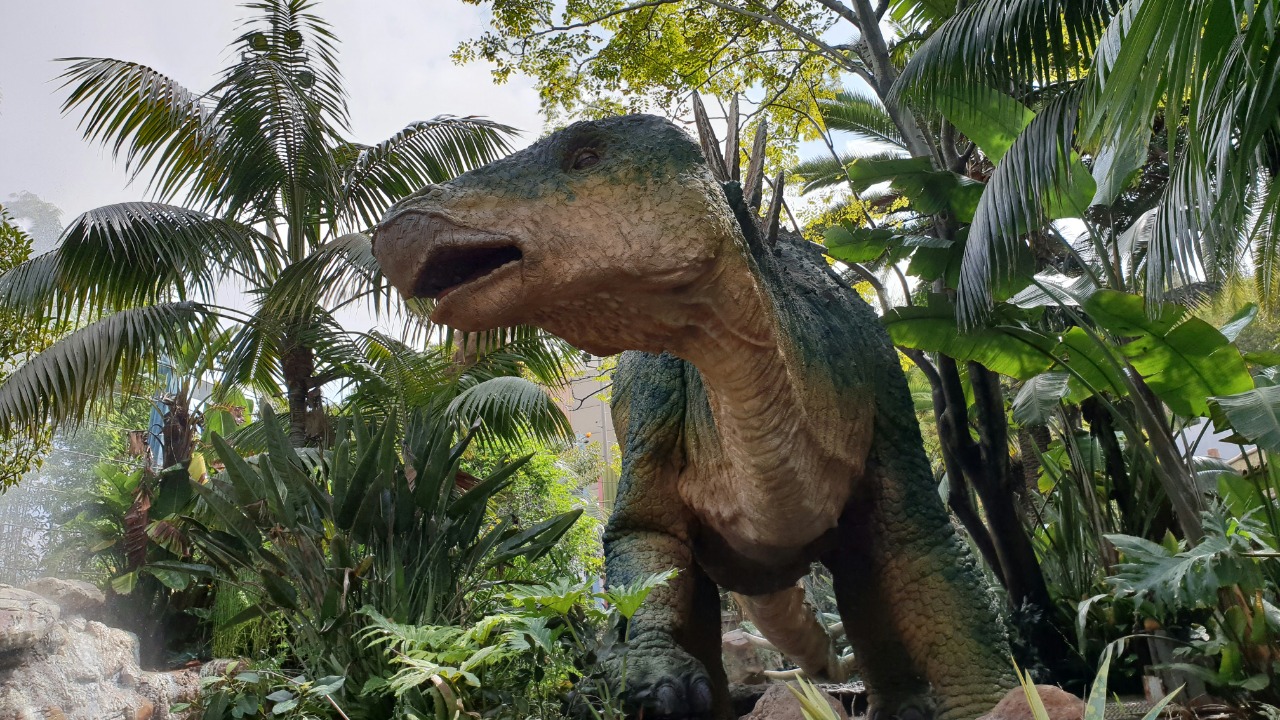
In the realm of science fiction, the idea of dinosaurs surviving through time travel offers an imaginative twist. This theory suggests that some dinosaurs might have been transported through time, either naturally or artificially, to escape extinction. While purely speculative and lacking scientific evidence, it provides a fascinating narrative.
Time travel remains a popular topic in fiction, capturing the imagination of those who ponder the possibilities of technology and the mysteries of the universe. Although unlikely, this theory underscores the enduring fascination with dinosaurs and the creative ways we explore their potential survival.
