
Archaeological evidence can preserve more than buildings and objects; it can record destruction, injury, coercion, and social conflict long after witnesses are gone. Burned materials, human remains, graves, and chemical traces let researchers reconstruct episodes that written histories may miss. Here are six sites where violence left evidence modern research could still read.
1. Pompeii: Ash Preserved the Final Moments of a Roman City
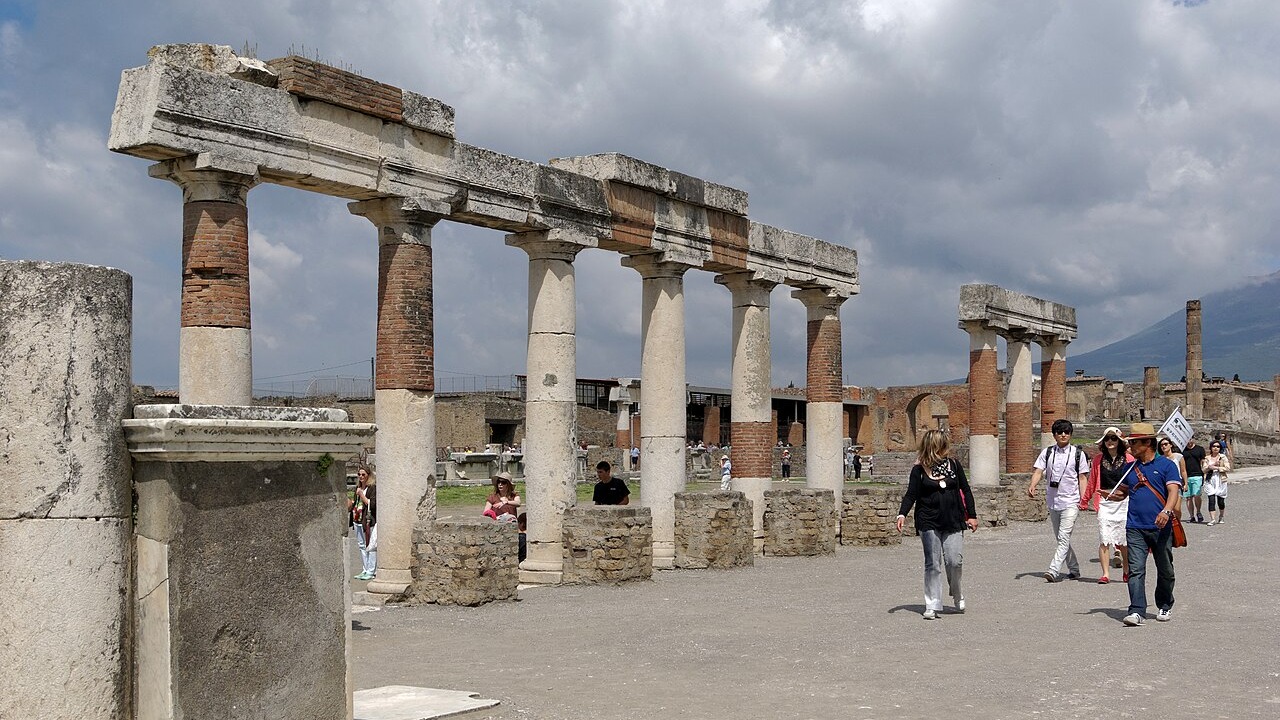
At Pompeii, new analysis of victims adds biological detail to the bodies preserved by the eruption of Vesuvius in 79 CE. Ash hardened around people as the city was overwhelmed, leaving voids that later excavators filled with plaster. Skeletal material inside those casts now lets researchers test assumptions about identity, relationships, health, and the final positions of the dead.
The casts are powerful images, but appearance alone can encourage stories the evidence does not support. Genetic and skeletal work can correct old labels while still leaving many individual experiences uncertain. Pompeii remains unusually readable because catastrophe sealed streets, rooms, objects, and bodies within one event horizon. That combination lets archaeology connect a citywide disaster with intimate human evidence instead of treating the ruins and the victims as separate records.
2. Jerusalem: Charred Beams Preserve Destruction

In Jerusalem, burned wooden beams preserved evidence of a destructive event. Wood that survived only because it was charred can retain information about a building, the intensity of fire, and the moment a structure ceased functioning normally. Instead of disappearing completely, the material became a durable clue within an archaeological layer shaped by heat and collapse.
A burned beam does not explain an entire conflict by itself, and researchers must connect it with dating evidence, surrounding architecture, and other finds. Its value comes from providing a direct physical trace of destruction in a city repeatedly rebuilt over long periods. That context can help separate one episode from another and reveal how violence affected inhabited spaces. The surviving timber demonstrates how a fragile material can become unusually legible after catastrophe changes it.
3. Herculaneum: Extreme Heat Left Microscopic Evidence of Death
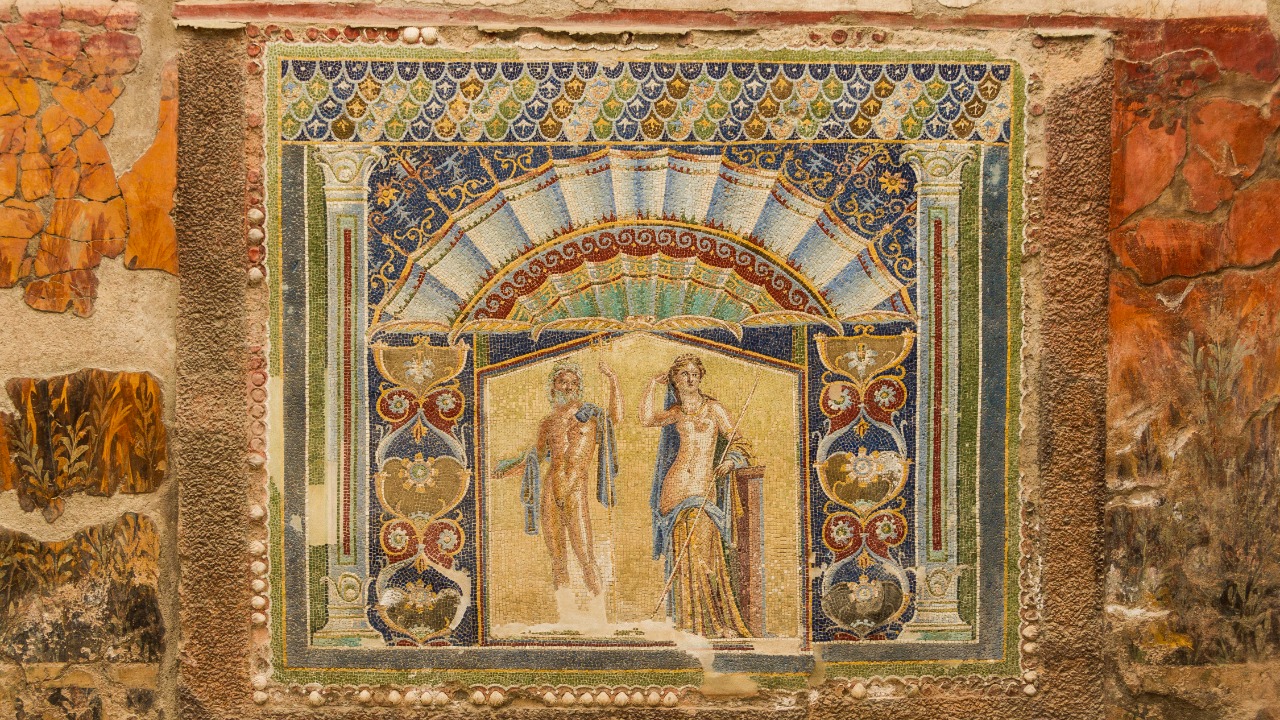
At Herculaneum, vitrified material in a victim’s skull gave researchers unusual evidence of the extreme heat released when Vesuvius erupted in 79 CE. Microscopy and chemical analysis identified glassy material associated with neural tissue, a transformation that required rapid heating followed by cooling. The find ties a microscopic physical change to the lethal conditions that struck the Roman town.
The evidence comes from one individual and should not be stretched into a complete account of every death at Herculaneum. It nevertheless shows how catastrophe can alter tissue in a way that survives for nearly two millennia. Buildings, carbonized wood, shoreline victims, and this rare glassy material provide evidence at different scales. Read together, they turn an eruption described in history into measurable consequences preserved inside the site and its people.
4. Dahshur: Royal Bones Complicate Palace Life
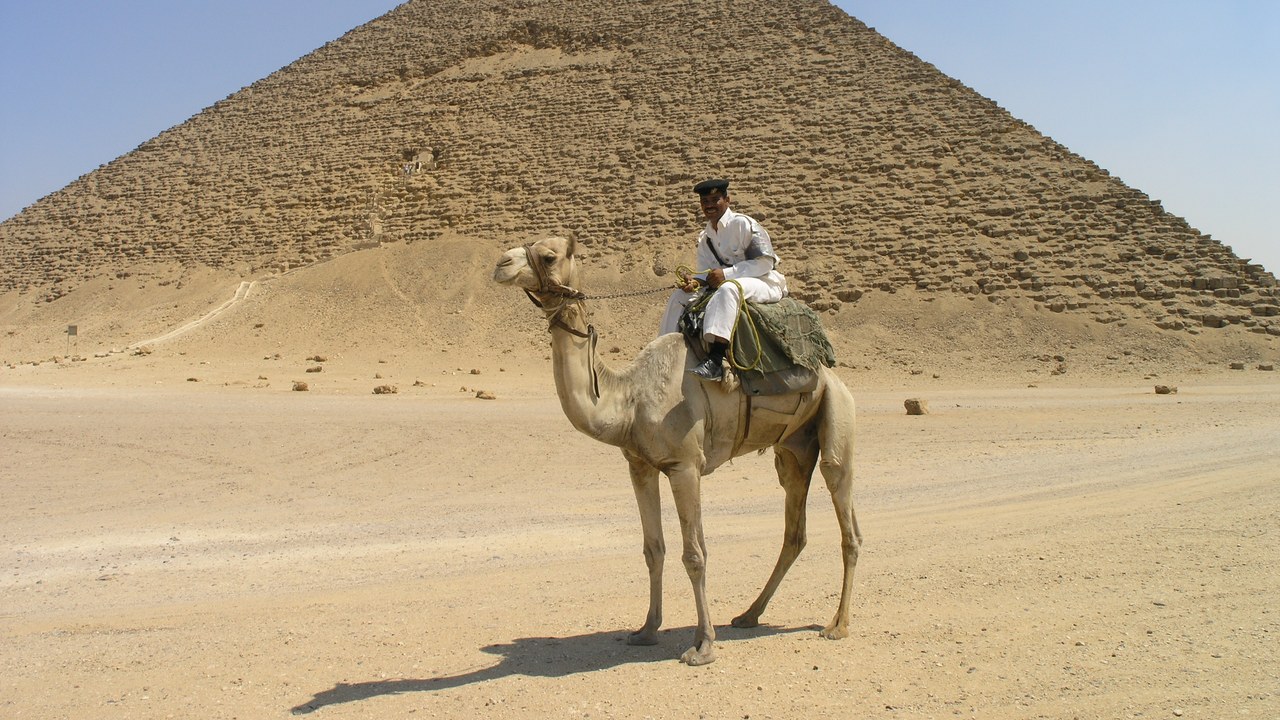
At Dahshur, injuries found in royal burials complicated the polished image often attached to palace life. High status did not erase the body’s record of trauma, and skeletal evidence allowed researchers to examine experiences that monuments and titles might conceal. The contrast between privileged burial and physical injury makes the remains especially important for understanding violence within an elite setting.
Bones can document injury, but they do not automatically identify an attacker or reconstruct a complete biography. Age, healing, burial treatment, and the pattern of trauma all matter when researchers consider what an injury means. Dahshur therefore resists a simple tale of royal luxury or a sensational conclusion about one violent act. The site shows how human remains can challenge assumptions created by wealth, architecture, and rank, revealing that social position and physical vulnerability existed together.
5. Colosseum: The Arena’s Architecture Organized Public Killing
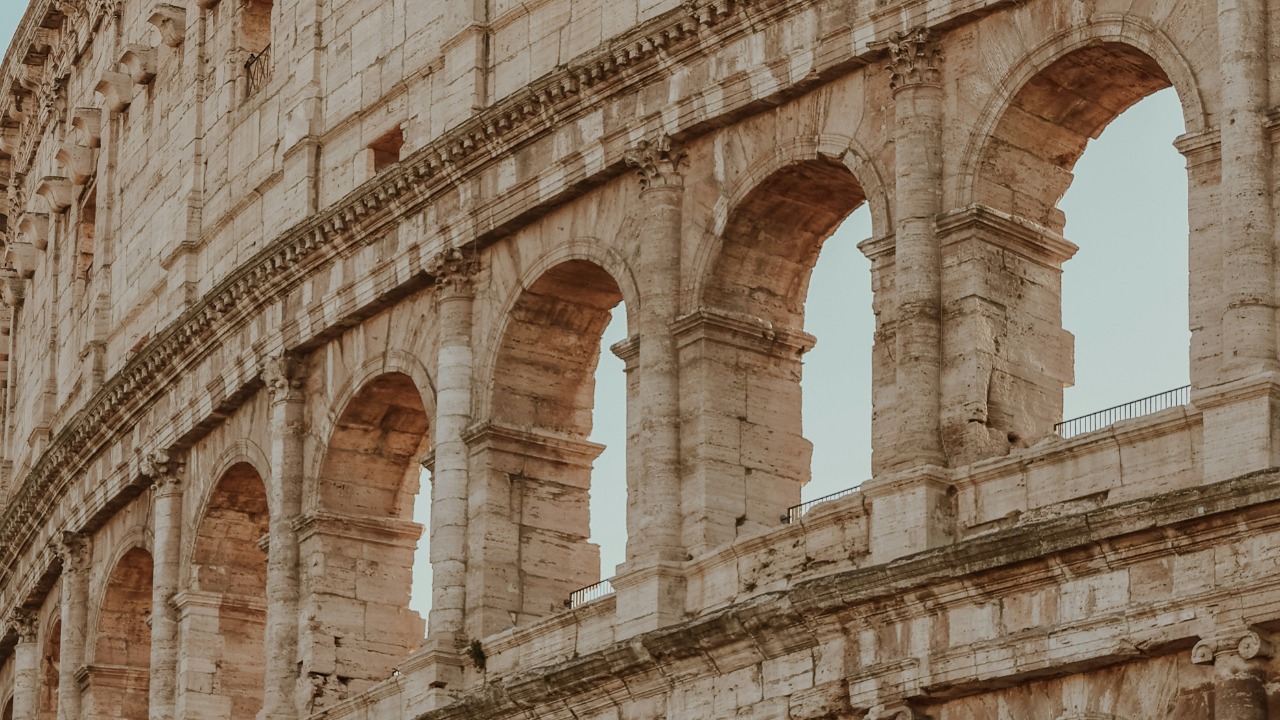
The Colosseum’s surviving structure records how imperial Rome organized gladiatorial combat, animal hunts, executions, and mass spectacle. Seating separated social ranks, while passages moved crowds, fighters, and animals through different routes. Beneath the arena, the hypogeum’s corridors, cages, lifts, and trapdoors show that violence was not improvised entertainment but a carefully managed system built into the monument itself.
The ruins cannot supply a complete death toll, and later damage complicates reconstruction of the arena’s earliest form. Even so, architecture preserves the relationship between performers, spectators, and imperial power more directly than a literary description alone. The Colosseum makes public violence legible through circulation, sightlines, barriers, and machinery. Its stones reveal how the Roman state transformed injury and death into a controlled experience for tens of thousands of viewers.
6. Acropolis of Athens: Persian Destruction Survived Beneath the Rebuilt Sanctuary

At the Acropolis of Athens, sculptures damaged in the Persian destruction were buried when Athenians cleared and rebuilt the sanctuary after 480 BCE. The debris preserved broken dedications, architectural pieces, and traces of burning together in a sealed archaeological context. Objects meant for public display became evidence of a violent rupture because their damaged remains were deliberately placed beneath the renewed sacred landscape.
The deposit does not reconstruct every moment of the attack, but it connects historical destruction with materials recovered on the hill. Breakage, fire damage, style, and burial context help researchers distinguish the older Archaic sanctuary from the Classical monuments erected afterward. The Acropolis is therefore readable in layers: the famous later buildings stand above evidence of what was destroyed, cleared, and remembered after war transformed the site.
