
Some vehicles become shorthand for an idea larger than the machines themselves: durability, value, mobility, or raw performance. Their original markets changed, yet the names kept carrying meanings established by earlier generations. These five vehicles show how a reputation can remain culturally useful long after the era that first shaped it has receded.
1. Lexus GX: Luxury Wrapped Around a Durable Foundation

The Lexus GX earned its place through a combination that has become increasingly unusual: traditional sport-utility construction, an established off-road lineage, and luxury appointments. Its connection to Toyota’s Land Cruiser family gives the name a durable mechanical identity, while its presence among reliable SUV rankings reinforces the reputation with ownership evidence rather than nostalgia alone.
That image outlasted the period when body-on-frame luxury SUVs were the default answer for affluent buyers seeking capability. The market shifted toward lighter crossovers and efficiency, but the GX remained recognizable as a vehicle built around robustness first. Its appeal rests less on novelty than continuity: buyers understand what the badge is supposed to represent. That clear identity lets older examples and newer generations participate in the same long-running story of toughness with a polished cabin around it.
2. Honda Civic: Practical Value That Survived Reinvention
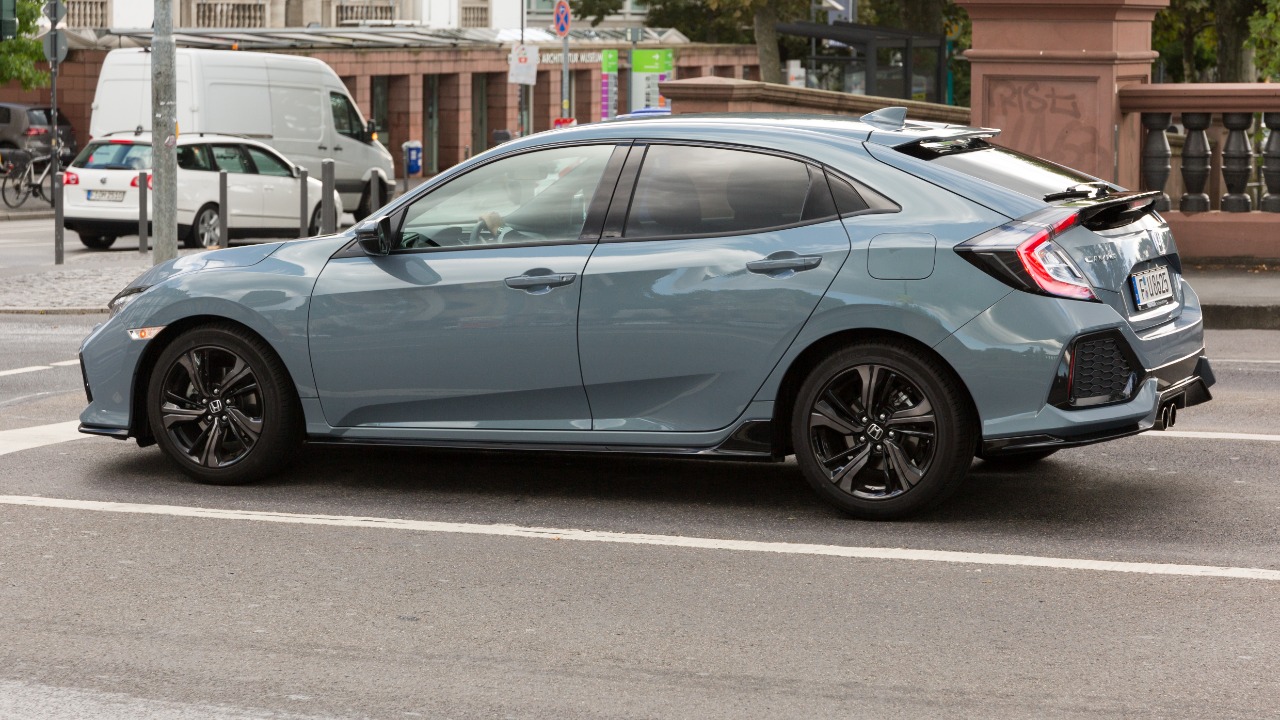
The Honda Civic built its reputation in an era when a compact car’s strongest arguments were low operating costs, modest dimensions, and mechanical simplicity. That practical image still has measurable force. In an iSeeCars resale-value study, the Civic lost 22.9 percent over five years, equal to $5,828 and the smallest dollar decline among the top 25 vehicles listed.
The result matters because the Civic did not remain frozen in its original economy-car form. Successive generations grew, added technology, and moved through changing tastes, safety expectations, and fuel-price cycles. Even so, the name continued to signal rational transportation with a strong secondary market. Its reputation now links very different versions of the car, from basic commuters to sportier trims. That continuity gives buyers a familiar reference point, while restrained depreciation shows that the market still assigns real financial value to the identity established decades earlier.
3. Toyota Corolla: Dependability Became the Product
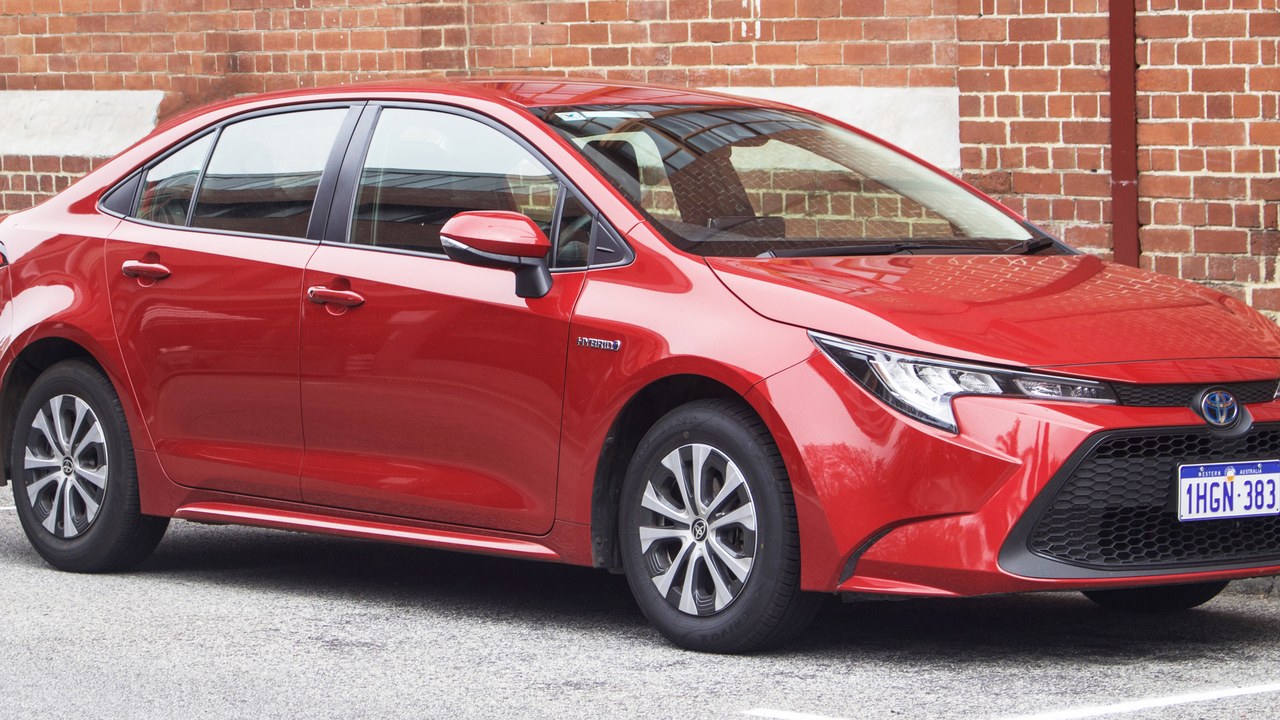
The Toyota Corolla’s defining achievement is not a single engineering breakthrough but the persistence of a simple promise. Across generations, it became the default example of inexpensive, dependable transportation. That standing fits a broader iSeeCars emphasis on long-lasting vehicles: durability shapes reputation most powerfully when ordinary owners can experience it over years rather than admire it only in specifications.
The era that created the Corolla expected small cars to be tools, not rolling technology showcases. Modern versions operate amid screens, driver aids, crash standards, and hybrid powertrains, yet the badge is still judged against that older ideal. Its cultural role survives even as the machinery changes. A Corolla does not need to dominate performance or styling conversations to succeed. The enduring expectation is that it will start, commute, and contain ownership costs without drama, which is a demanding reputation precisely because consistency must be demonstrated repeatedly.
4. Ford Model T: Mass Mobility Became Its Lasting Legacy
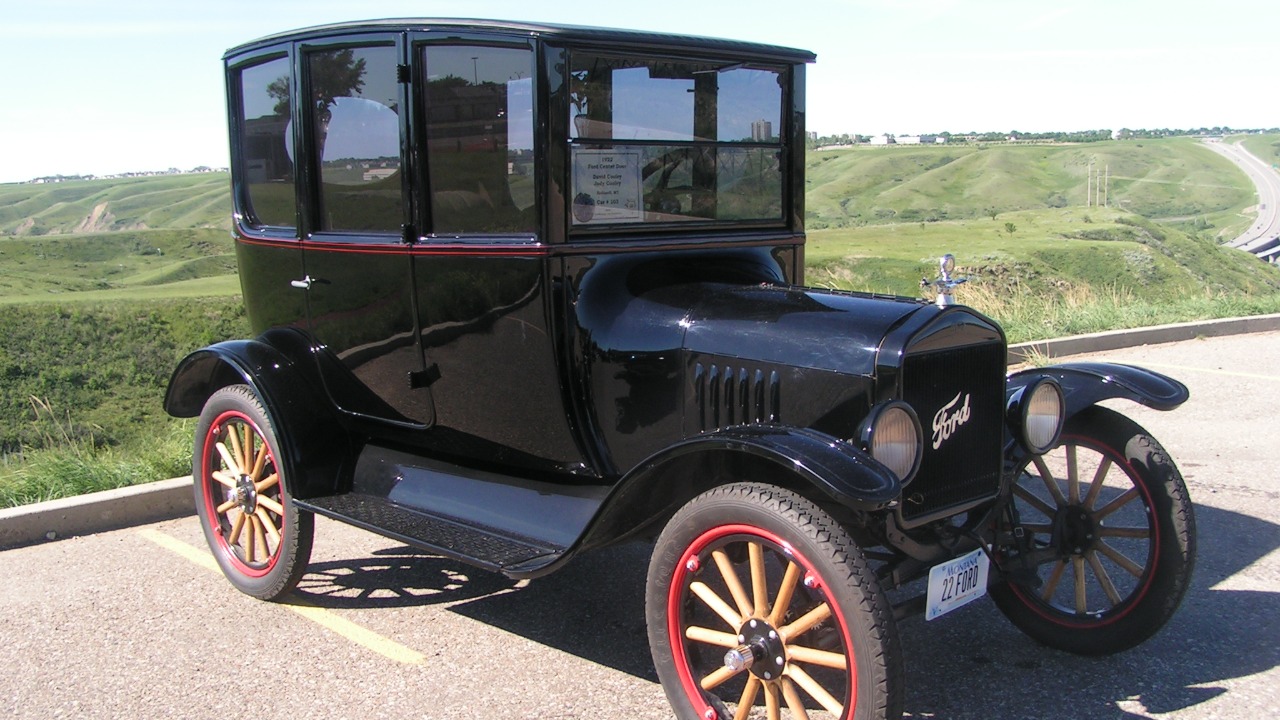
The Ford Model T carries a reputation larger than its surviving mechanical details. Introduced in 1908, it became closely associated with making automobile ownership attainable for a mass market, helped by production methods that drove scale and reduced cost. The Model T’s history explains why it remains the standard shorthand for the car that put a broad public on wheels.
Its original world of unpaved roads, hand controls, and rapidly expanding industrial production is gone, but the reputation persists because it describes a social change rather than a driving experience. Most people will never operate one, and modern cars share little with it beyond basic purpose. The name still communicates the moment personal mobility became a mass-market proposition. That symbolic role has outlived the vehicle’s practical relevance, allowing a century-old machine to remain central whenever affordability, manufacturing scale, or the transformation of everyday travel enters the conversation.
5. Pontiac GTO: The Muscle-Car Formula Found a Name
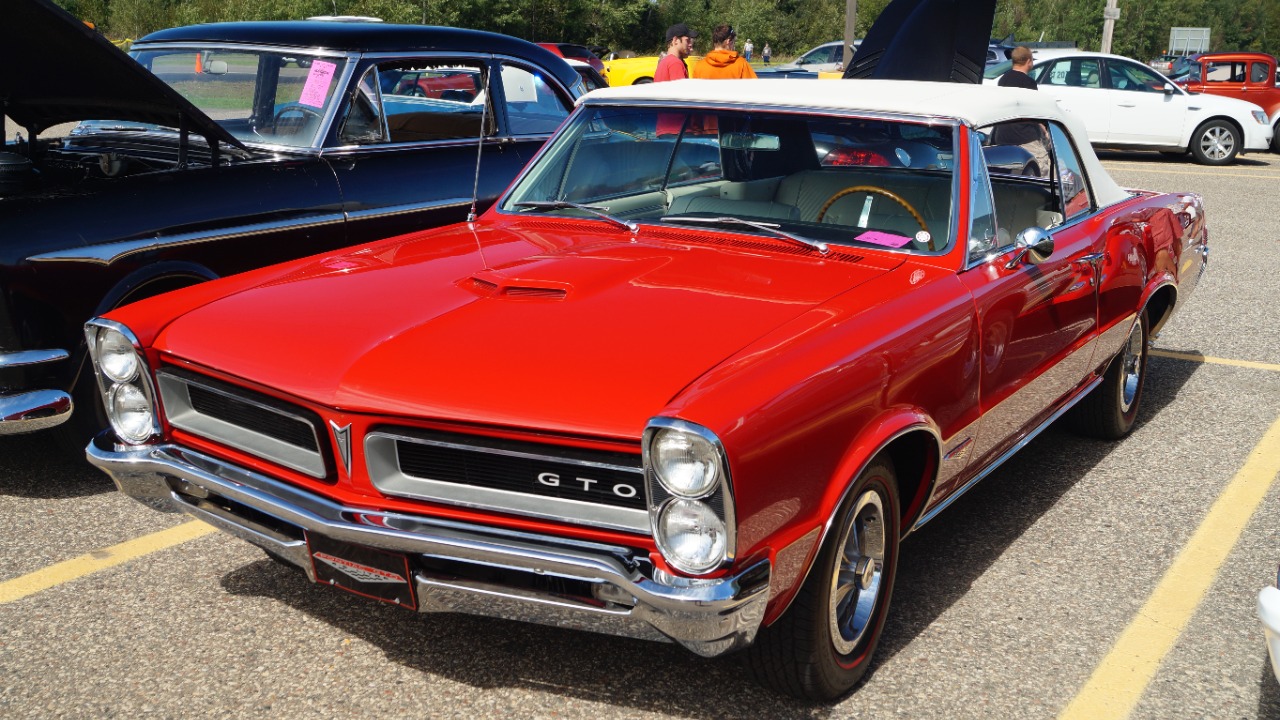
The Pontiac GTO’s reputation rests on a formula that came to define an American performance era: putting a large, powerful engine into a relatively accessible midsize car. The 1964 GTO is widely credited with helping start the muscle-car era, giving Pontiac’s badge a cultural weight far beyond the number of original cars still on the road.
That era eventually collided with insurance costs, emissions rules, fuel concerns, and changing product strategies. Pontiac itself disappeared, yet the GTO name still identifies the basic muscle-car ideal with unusual clarity. Later performance cars became quicker, safer, and more sophisticated, but they continued to be measured against the excitement associated with that earlier combination of attainable price and oversized power. The GTO’s afterlife is therefore less about uninterrupted production than influence. Its reputation survived because enthusiasts kept using it as a reference point for what the category was supposed to feel like.
This article was produced with the assistance of AI and reviewed by Morning Overview editors prior to publication.
More from Morning Overview
- A Colorado wildfire has exploded past 87,000 acres with no containment
- A wildfire near Ouray swelled past 18,000 acres, putting Colorado towns on alert
- The Pentagon’s newest UFO files describe a fish-scaled, potato-shaped object on camera
- Scientists spotted a rare tusked whale alive at sea for the first time, then fired a crossbow at it.
