
Some passenger machines become recognizable for more than speed, comfort, or capacity. Repeated testing, careful engineering, and public experience can make protection part of a machine’s reputation, even when the vehicles operate in very different environments. These five machines show how safety can become inseparable from a transportation identity.
1. Subaru Forester: The Highest IIHS Tier Reinforces the Nameplate
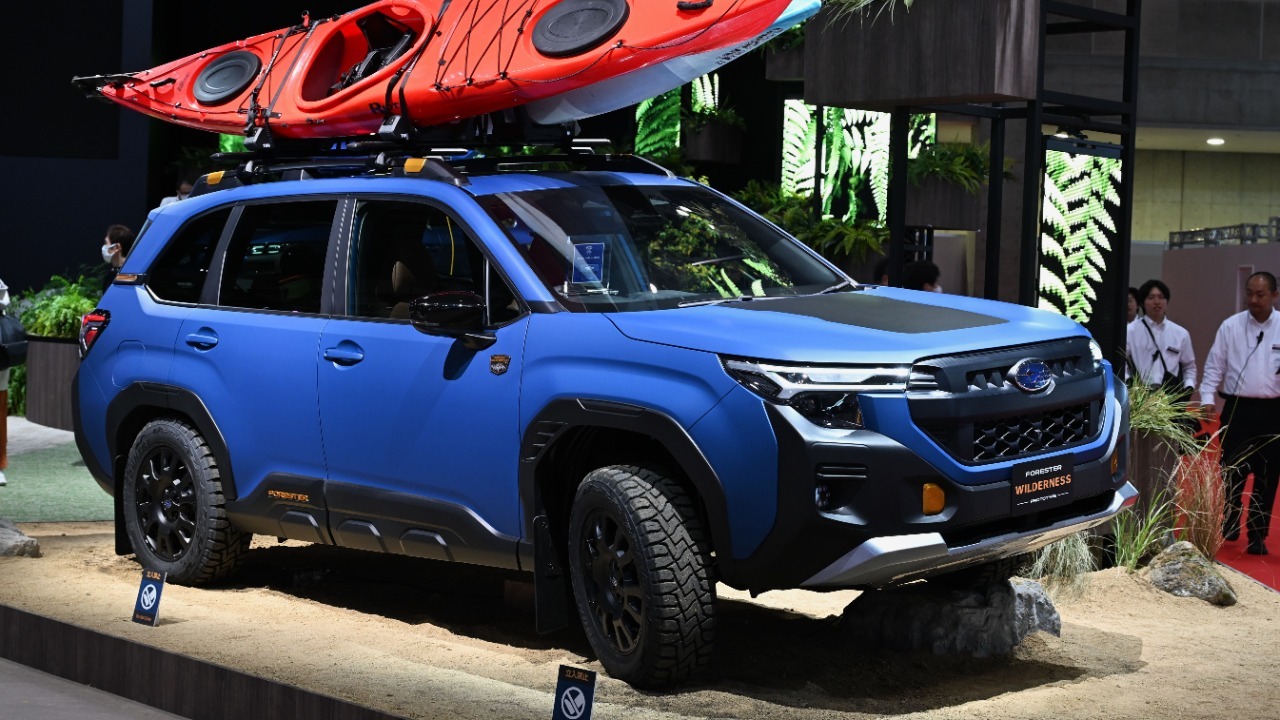
Safety awards rarely make a vehicle famous by themselves, but they can reinforce a reputation built around protection. The IIHS rating page places the 2026 Subaru Forester in the small-SUV Top Safety Pick+ tier, the institute’s highest award level for that model year. That distinction gives the Forester a concrete, current marker for a quality long associated with the nameplate.
The award is best read as evidence about a particular tested model rather than a lifetime guarantee for every Forester. Safety performance still depends on configuration, condition, tires, maintenance, and the circumstances of a crash. Even with those limits, reaching the top IIHS tier strengthens the Forester’s identity as a practical passenger vehicle designed with occupant protection near the center of its appeal.
2. Honda Passport: A Midsize SUV Earns the Top Award
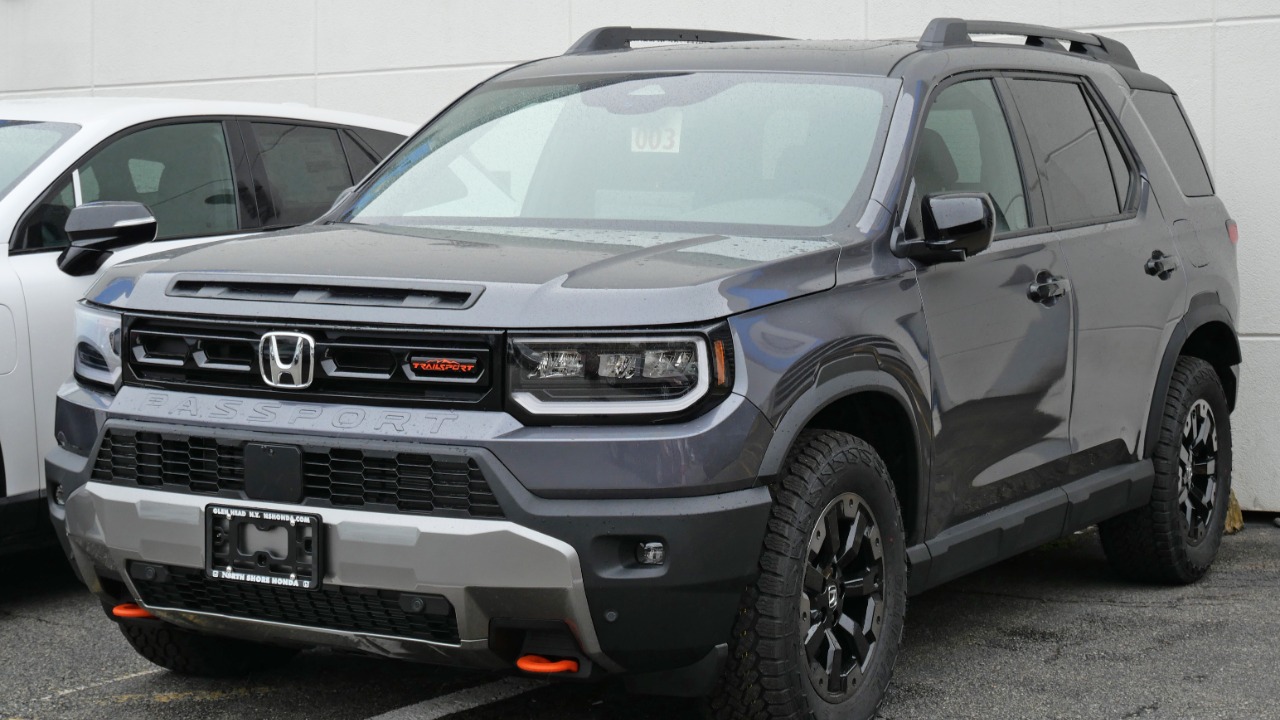
The Honda Passport pairs a rugged midsize-SUV image with a current safety distinction. On the IIHS vehicle-rating page, the 2026 Passport earns Top Safety Pick+ in the midsize SUV class. The award gives the model a result that is easy to understand: the Passport reached the institute’s highest recognition tier for the specified model year and class.
That recognition adds substance to a passenger vehicle often chosen for carrying people and cargo beyond short urban trips. It does not make crashes harmless or erase differences among road conditions, drivers, and vehicle upkeep. The rating instead shows that safety is a measured part of the Passport’s contemporary identity, not simply a marketing adjective. For buyers comparing similarly sized SUVs, that independent result creates a useful point of separation.
3. Kia Sorento: A Build-Date Line Defines the Award
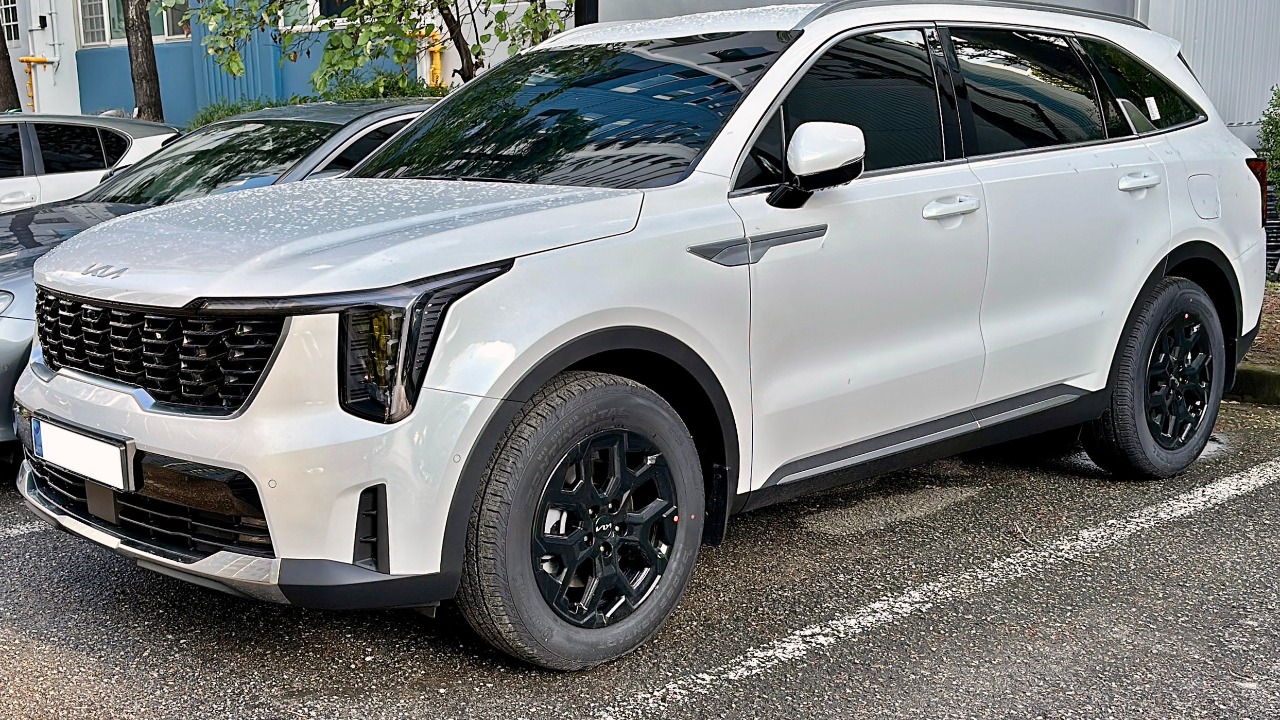
The 2026 Kia Sorento carries a Top Safety Pick+ designation, but the qualification includes an important boundary. The IIHS rating applies to vehicles built after September 2025. That production cutoff is part of the result, not a footnote to discard, and it shows why a model name alone cannot describe every vehicle’s tested safety standing.
The distinction still gives qualifying Sorentos a prominent safety credential in the passenger-vehicle market. At the same time, the date condition makes careful identification essential because an earlier build may not share the award status. That combination of recognition and specificity is valuable: safety becomes part of the Sorento’s identity without turning into a blanket claim. The award describes a defined group of vehicles and should remain attached to that group.
4. Shinkansen: High-Speed Rail Began With a New Standard
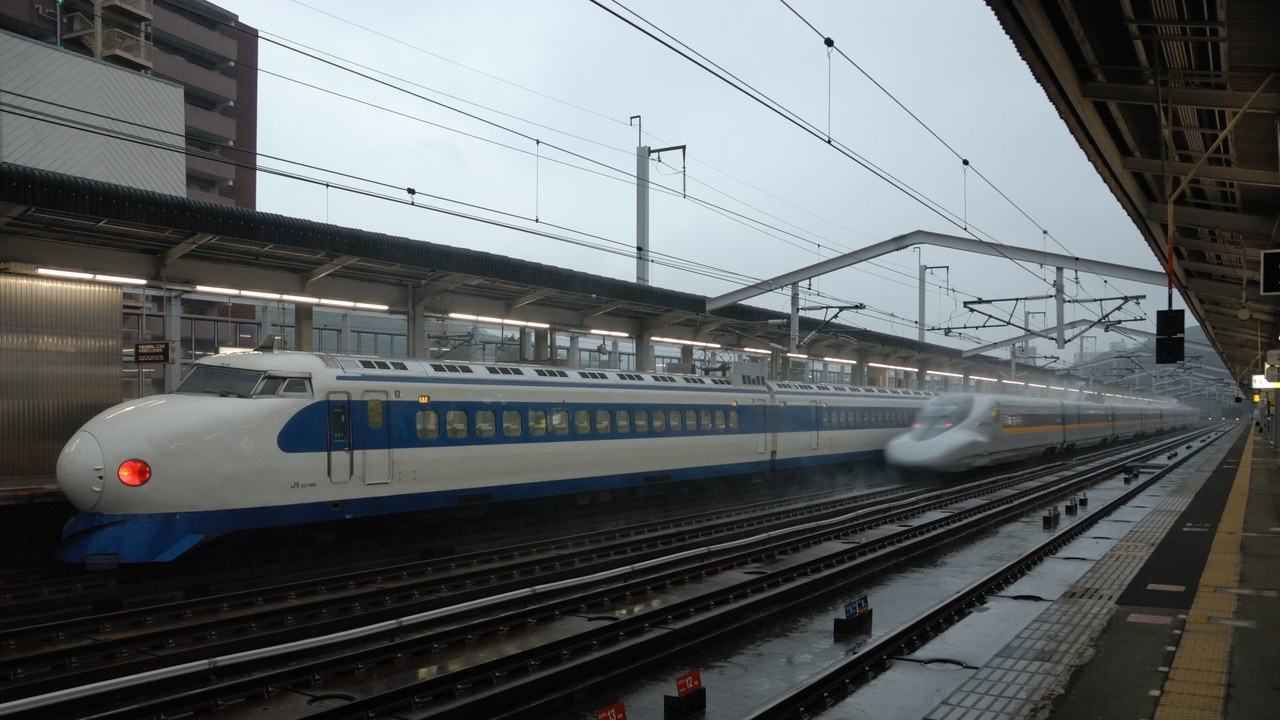
The Shinkansen changed the meaning of intercity rail when Japan introduced the bullet train in 1964. The history of the Shinkansen traces the system that launched modern high-speed rail, joining rapid passenger movement with a purpose-built network. From the beginning, the machine’s identity depended on making unusually fast travel feel like disciplined public transportation rather than an experiment reserved for specialists.
That pairing matters because speed magnifies the consequences of weak infrastructure, inconsistent operations, and poor maintenance. A high-speed train cannot earn lasting public trust through velocity alone; the surrounding system must make repeated journeys feel controlled and routine. The Shinkansen therefore became more than a fast train. It became an example of how safety, engineering practice, and reliability can define the public meaning of a passenger machine as strongly as performance does.
5. Boeing 747: The Jumbo Jet Made Scale Feel Routine
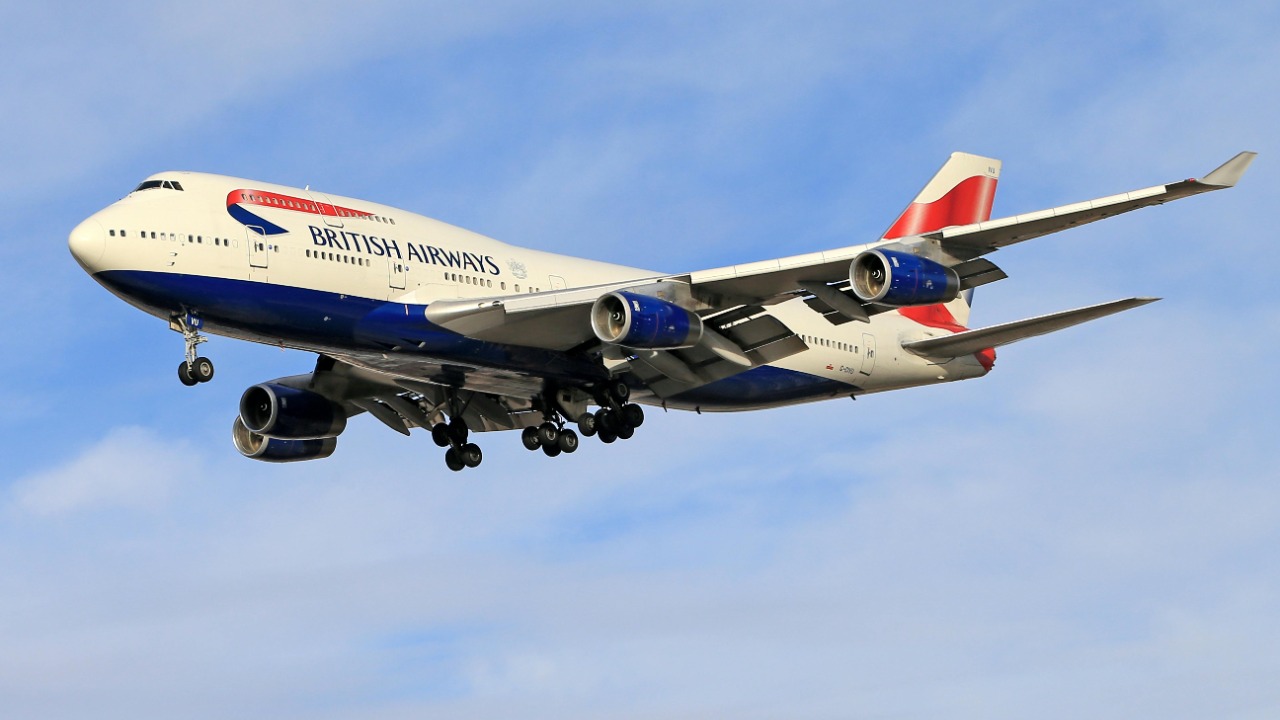
The Boeing 747 turned the jumbo jet into a familiar symbol of long-haul passenger flight. The aircraft’s development and operating history shows how the wide-body design helped bring long-distance air travel within reach of far more passengers. Its size was part of the spectacle, but transporting so many people across great distances also made disciplined engineering and operation inseparable from the aircraft’s public identity.
A famous silhouette does not establish that every flight or every airframe has identical risk. Airlines, maintenance programs, crews, routes, and individual aircraft conditions all matter. The 747’s deeper legacy is that immense passenger capacity became ordinary enough to support decades of global service. That normalization required the jumbo jet to be understood not merely as a giant machine, but as a managed transportation system in which safety shaped acceptance as much as range and capacity.
This article was produced with the assistance of AI and reviewed by Morning Overview editors prior to publication.
More from Morning Overview
- A Colorado wildfire has exploded past 87,000 acres with no containment
- A wildfire near Ouray swelled past 18,000 acres, putting Colorado towns on alert
- The Pentagon’s newest UFO files describe a fish-scaled, potato-shaped object on camera
- Scientists spotted a rare tusked whale alive at sea for the first time, then fired a crossbow at it.
