
Ordinary transportation works best when roads, runways, ports, and payloads stay within familiar limits. Some assignments instead demand extreme durability, enormous carrying capacity, or the ability to leave pavement altogether, forcing engineers toward purpose-built machines. Here are five vehicles created for work that would overwhelm or strand more conventional equipment.
1. Ram 3500: Longevity Built Around Heavy-Duty Work
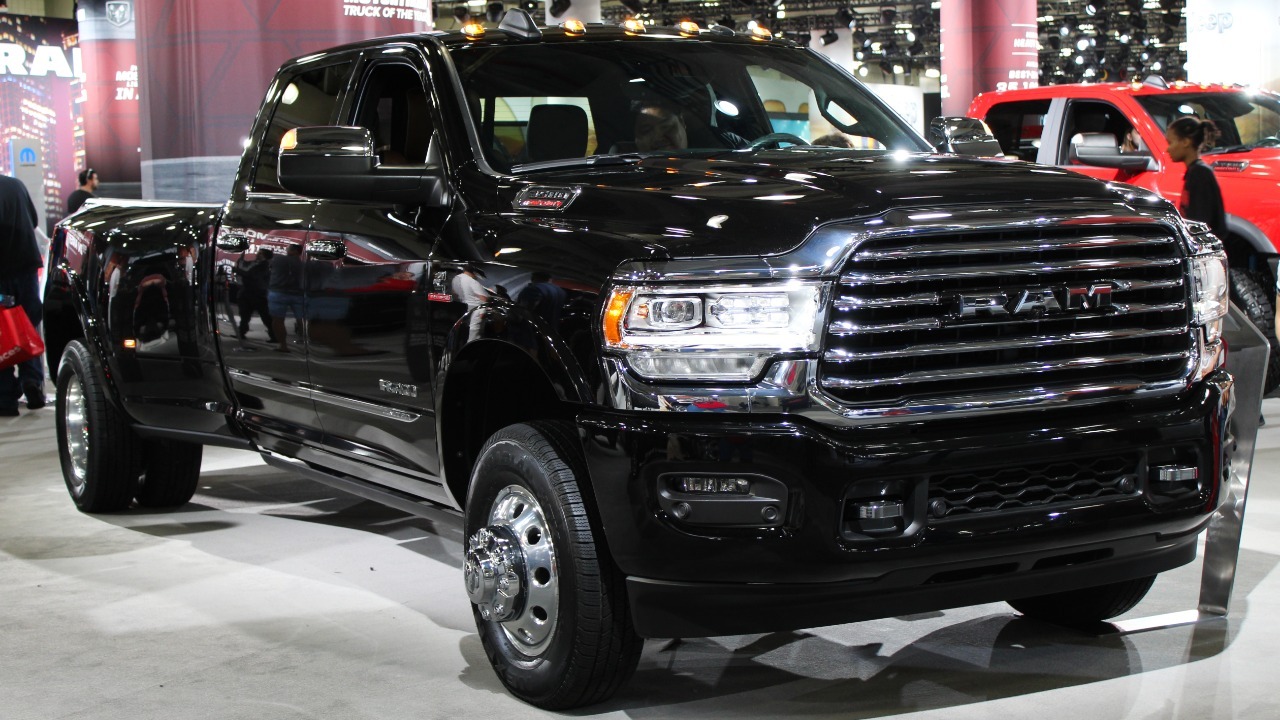
The Ram 3500 led the pickup field in an iSeeCars longevity study, with a 39.7 percent estimated chance of reaching 250,000 miles. That result fits a truck engineered around demanding towing and hauling rather than light commuting alone, where repeated weight and long service hours expose driveline, cooling, braking, and chassis components to sustained stress.
A probability is not a guarantee for any individual truck, and the figure does not erase the importance of maintenance, operating conditions, or prior use. It does show why the 3500 belongs in work that punishes ordinary pickups: its heavy-duty architecture is meant to carry substantial loads repeatedly, while the study suggests a meaningful share survive long enough to turn that capability into years of service.
2. Ford F-450 Super Duty: Commercial-Grade Bones for Quarter-Million-Mile Duty
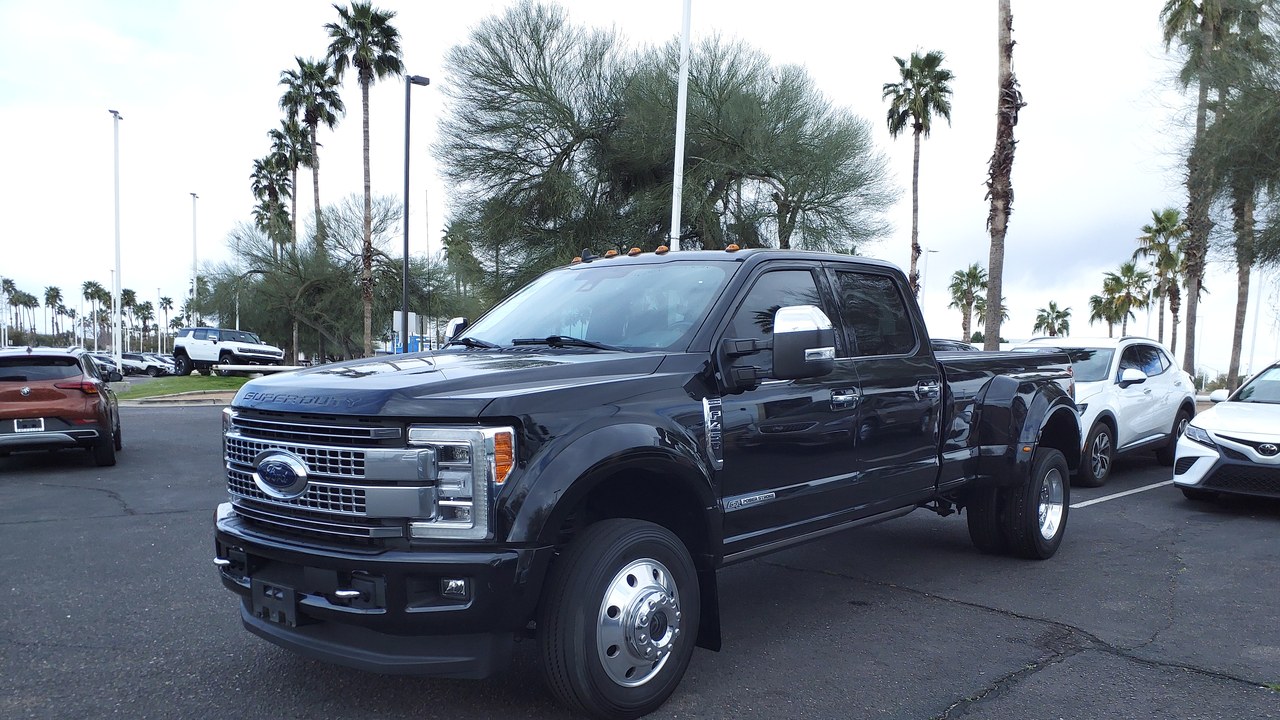
The Ford F-450 Super Duty carries a 28.5 percent estimated chance of reaching 250,000 miles, according to a truck longevity comparison. Its place near the top reflects a commercial-grade platform designed for jobs that impose far more weight and duty cycles than a conventional passenger vehicle normally encounters.
That combination matters when a machine spends its life pulling large trailers, carrying equipment, or working long days instead of making short unloaded trips. The percentage describes population-level odds, not the fate of a particular F-450, so maintenance history and workload still matter. Even with that caveat, a frame and running gear developed for sustained heavy service give the truck a credible advantage when ordinary vehicles would be operating beyond their intended envelope.
3. DUKW: The Truck That Kept Going Into the Water
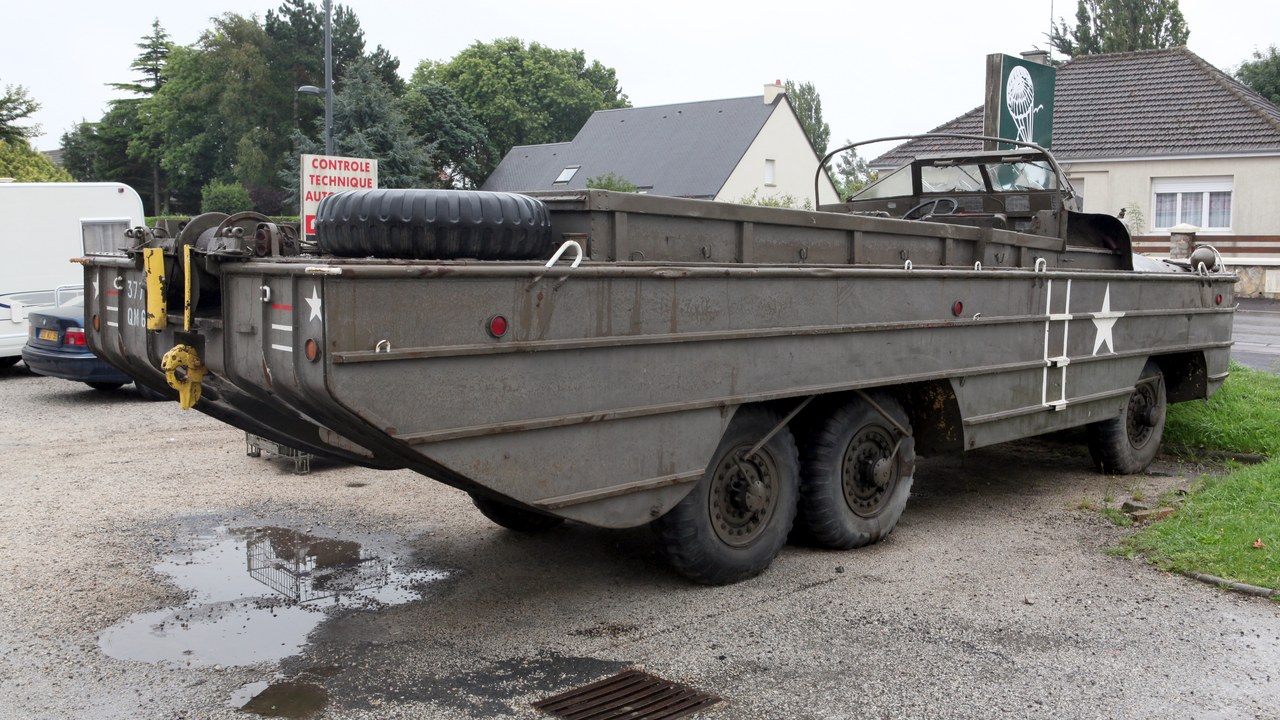
The DUKW was an amphibious military transport created during the Second World War to move people and cargo across both water and land. Its boatlike hull, six-wheel layout, propeller, and road-going drivetrain let it travel from a ship or landing area through surf and continue inland without transferring the load to a separate truck.
That handoff-free design solved a punishing logistical problem. Ordinary trucks stop at deep water, while conventional boats stop being useful once the shoreline gives way to roads or rough ground. The DUKW bridged that gap in a single machine, accepting compromises in speed and comfort to preserve movement where ports were damaged, beaches were undeveloped, or unloading infrastructure did not exist. Its job was not normal transport performed more forcefully; it was transport across a boundary most vehicles cannot cross.
4. Antonov An-225 Mriya: Six Engines for Cargo Beyond Normal Limits
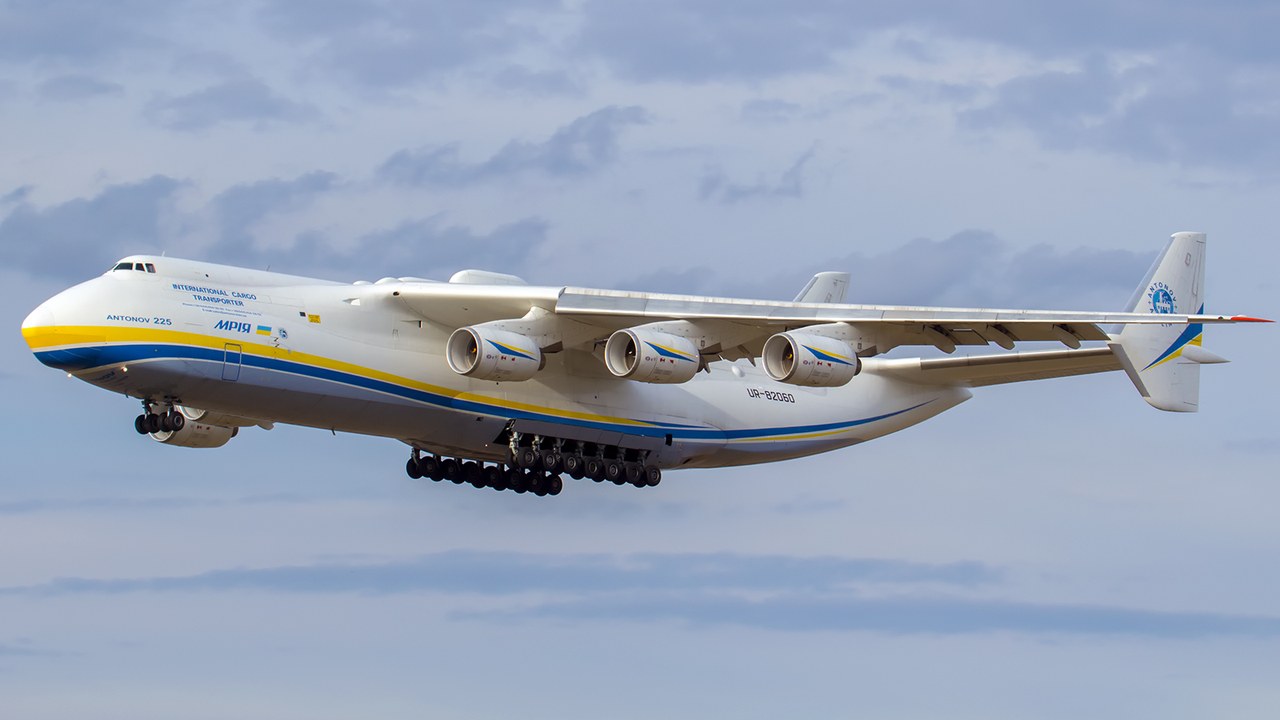
The Antonov An-225 Mriya was the heaviest aircraft ever built, a six-engine machine developed to carry loads that defeated ordinary freighters. Its vast wing, reinforced landing gear, and cavernous cargo hold supported outsized missions, while external loads could ride above the fuselage when their dimensions made internal carriage impossible.
Such capability was valuable precisely because the cargo could not simply be divided among standard airplanes. Industrial equipment, power-generation components, and other exceptionally large pieces sometimes have to arrive intact, turning payload geometry into as serious a constraint as weight. The An-225 answered that problem with scale rather than convenience. It required specialized planning, suitable airports, and extensive ground support, but it moved singular loads that would otherwise demand much slower surface transport or a complicated disassembly.
5. Ever Ace: A Floating Freight System at City-Block Scale
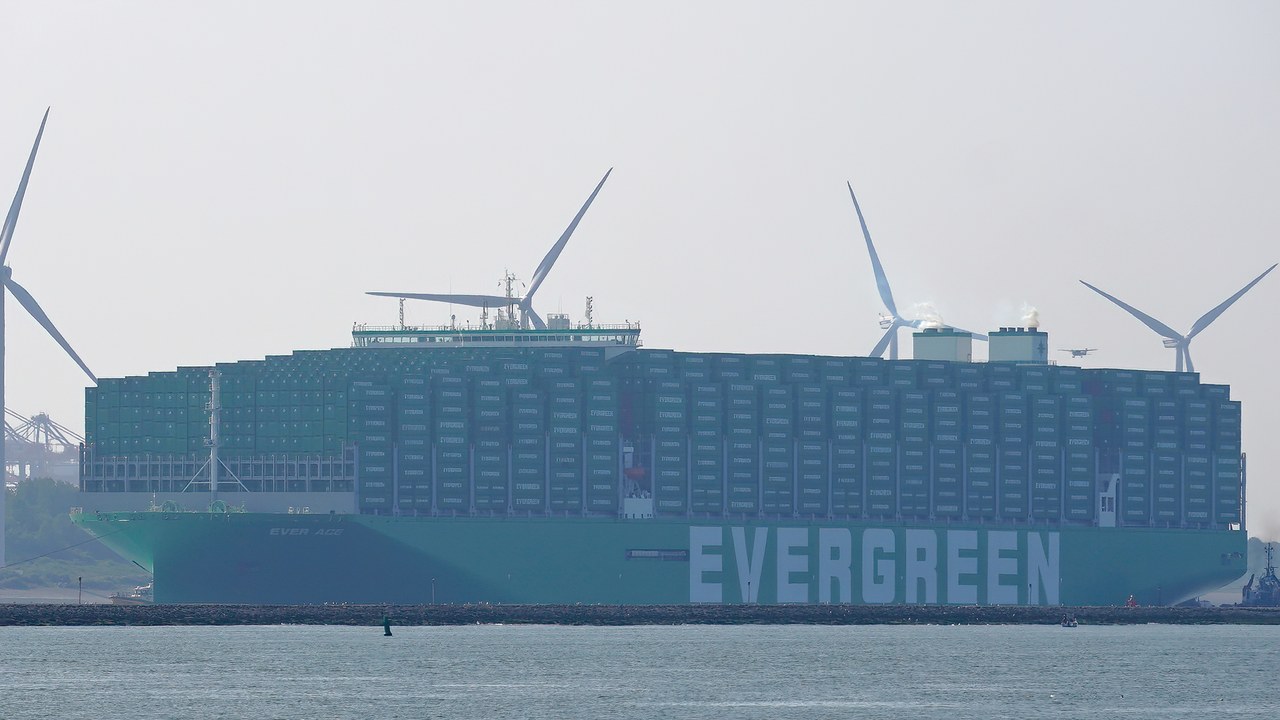
Ever Ace ranks among the largest container ships afloat, stretching roughly 400 meters and carrying close to 24,000 standard container units at maximum capacity. Its scale turns thousands of separate truck-sized boxes into one ocean crossing, concentrating a vast freight movement into a hull built around ports, cranes, and deep shipping lanes.
The same dimensions that create efficiency also make the ship unsuitable for ordinary maritime work. It needs compatible terminals, sufficient water depth, careful navigation, and coordinated loading so weight remains properly distributed across the vessel. Smaller ships can call at more places, but they cannot match this level of consolidated capacity. Ever Ace is therefore a machine for a narrow, punishing assignment: moving an enormous stack of global commerce across oceans while structure, propulsion, and port operations manage the load as one system.
This article was produced with the assistance of AI and reviewed by Morning Overview editors prior to publication.
More from Morning Overview
- A Colorado wildfire has exploded past 87,000 acres with no containment
- A wildfire near Ouray swelled past 18,000 acres, putting Colorado towns on alert
- The Pentagon’s newest UFO files describe a fish-scaled, potato-shaped object on camera
- Scientists spotted a rare tusked whale alive at sea for the first time, then fired a crossbow at it.
