
Most commuter cars balance fuel use, performance, price, and comfort within a familiar middle ground. A few models instead push one measurable goal so far that their engineering becomes the story, whether that goal is stretching a gallon or breaking a speed barrier. These five cars show what happens when efficiency or velocity takes priority over the ordinary commute.
1. Toyota Prius: A Gasoline Benchmark at 57 MPG
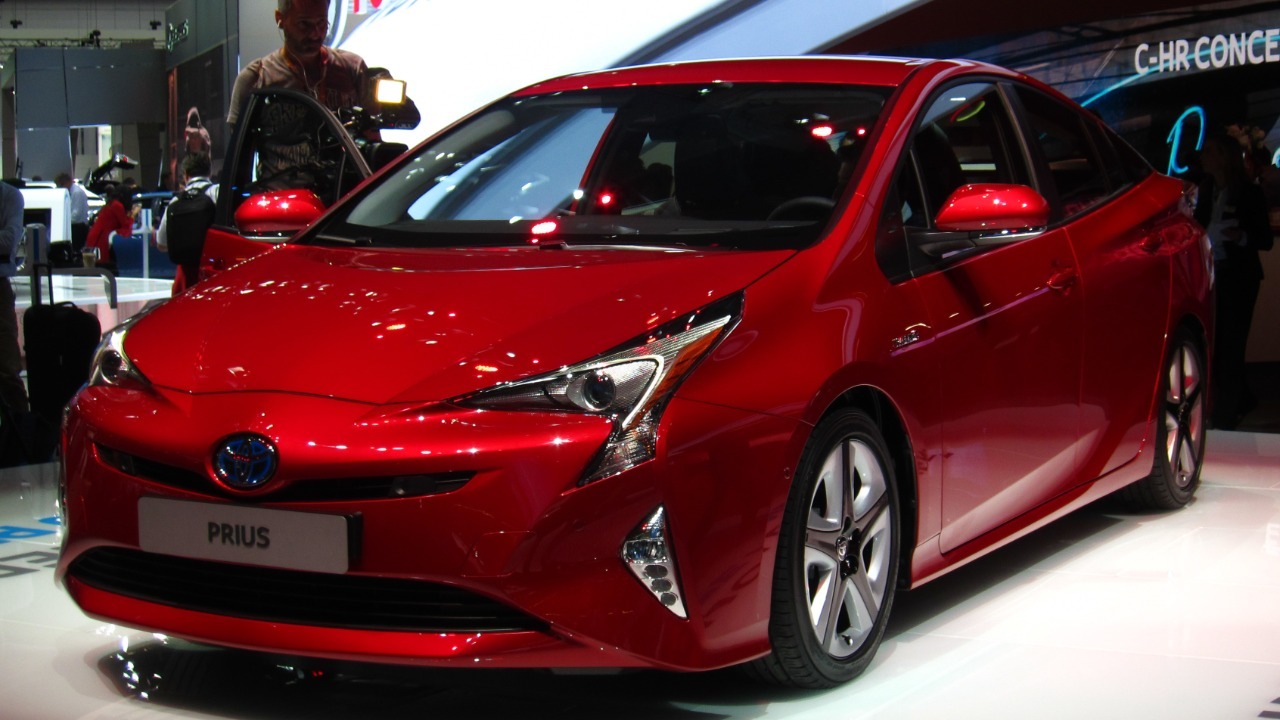
The Toyota Prius reaches an EPA-rated 57 MPG combined, the highest gas-mileage figure listed for a 2026 vehicle that still relies on gasoline rather than operating solely on electricity. That number turns the familiar hybrid into the efficiency extreme of this group, using its gasoline engine and electric drive together to minimize consumption across the standardized city-and-highway cycle.
An EPA rating is a comparison tool, not a promise that every driver will reproduce the laboratory result. Speed, temperature, trip length, terrain, and accessory use can all change real-world economy. Even with that caveat, the Prius demonstrates how far a mass-market car can stretch fuel without requiring a charging-only routine, exotic bodywork, or the operating compromises associated with a purpose-built experimental vehicle.
2. Kia Niro FE: A Crossover-Shaped Route to 53 MPG
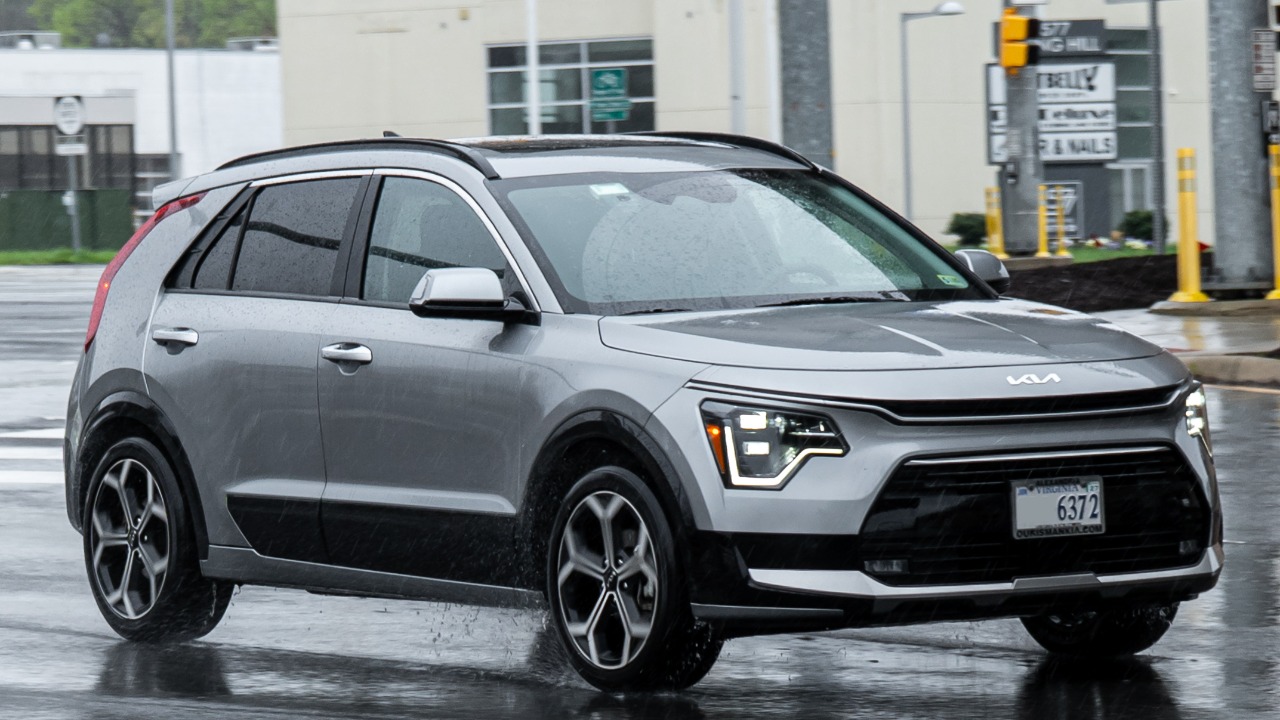
The Kia Niro FE carries an EPA estimate of 53 MPG combined, placing its fuel economy well beyond the norm for conventional commuter vehicles. Its significance comes partly from packaging: the Niro presents the taller profile and everyday utility associated with a small crossover while using a hybrid powertrain and efficiency-focused trim to keep gasoline consumption unusually low.
That figure gives buyers another route to high efficiency without choosing the lower silhouette traditionally associated with economy-focused hybrids. The FE designation matters because equipment, wheel choices, and trim can affect a model’s official rating; a different Niro configuration should not automatically be assumed to return the same number. Actual mileage still varies with conditions, but the rating shows that practical cargo access and exceptional fuel economy do not have to occupy opposite ends of the market.
3. Hyundai Elantra Hybrid Blue: A Familiar Sedan Rated at 54 MPG
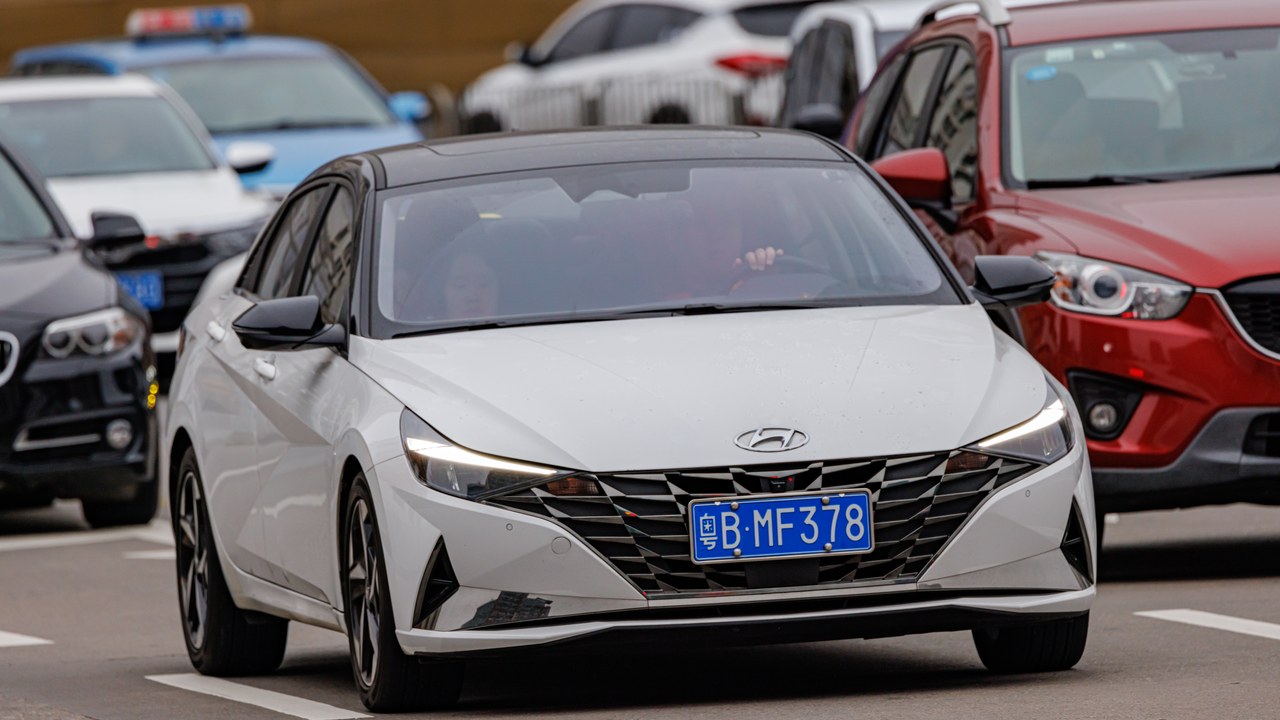
The Hyundai Elantra Hybrid Blue earns an EPA-rated 54 MPG combined, edging past many vehicles marketed principally around low fuel use. The achievement is easy to underestimate because it arrives in the recognizable shape of a compact sedan rather than an experimental shell. Hybrid assistance and an efficiency-oriented configuration let the car make the ordinary four-door commute notably less fuel intensive.
As with the Niro FE, the trim name is part of the claim. Wheels, tires, weight, and equipment can produce different ratings elsewhere in the Elantra Hybrid range, so the Blue specification cannot be treated as shorthand for every version. The official number also remains an estimate rather than a guaranteed tank average. Still, it shows how optimization within a mainstream sedan can deliver an economy figure once associated with much smaller and more compromised cars.
4. Rimac Nevera: Electric Power Beyond 258 MPH
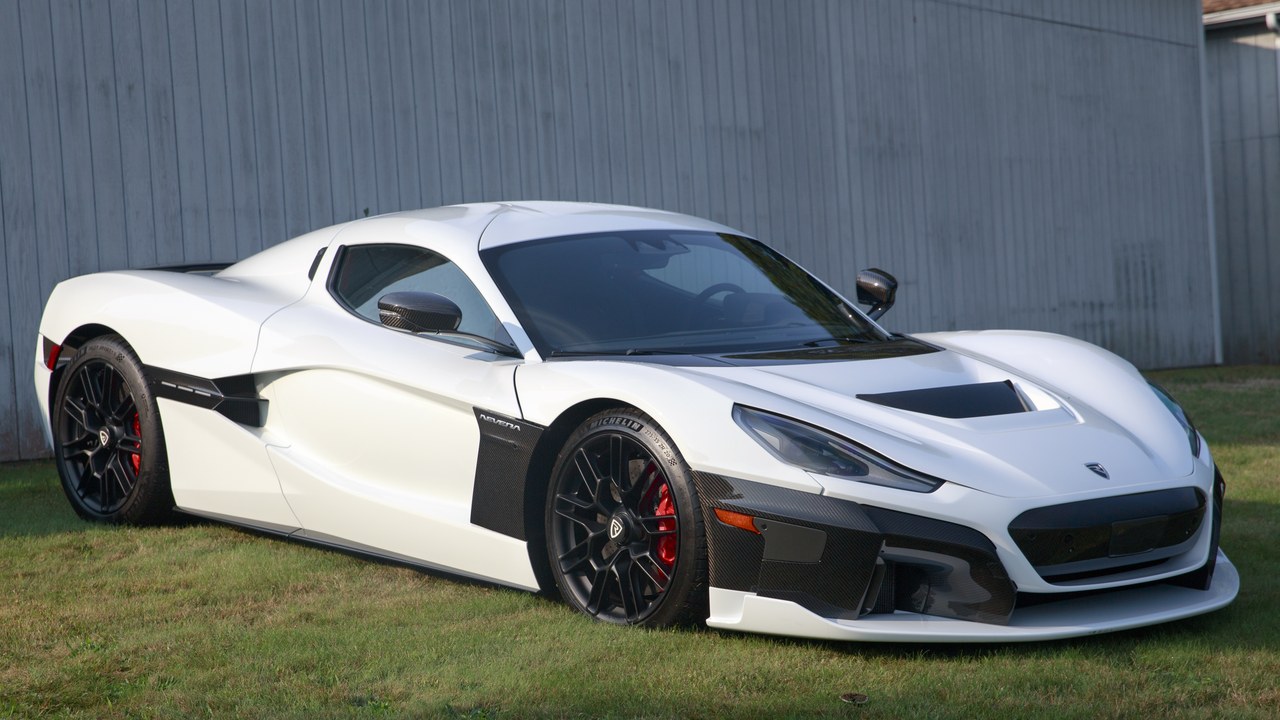
The Rimac Nevera applies electric propulsion to a very different objective, with a documented ability to run past 258 mph. That places the hypercar in territory irrelevant to any legal commute and makes velocity, rather than energy thrift, the defining edge of its design. Its performance illustrates how battery power and multiple electric motors can be engineered for extreme acceleration and top speed.
A number that large belongs to controlled high-speed testing, not public-road driving. Tires, temperature, battery condition, aerodynamic load, and the available course all become consequential when a car approaches this range, while normal traffic offers no responsible setting to explore it. The Nevera therefore functions less as an answer to everyday transportation than as a demonstration of electric performance limits, showing that the technology can pursue outright speed as aggressively as efficiency.
5. Bugatti Chiron Super Sport 300+: The Production-Car 300-MPH Barrier

The Bugatti Chiron Super Sport 300+ was created around a boundary once treated as nearly unreachable, becoming the first production car to exceed 300 mph. Crossing that threshold required far more than adding engine output. Stability, aerodynamics, cooling, gearing, tires, and the shape of the body all had to support sustained travel at a speed far outside ordinary automotive use.
Its achievement is best understood as an engineering milestone rather than a usable transportation benefit. No normal road permits such a run, and the conditions required to attempt it responsibly are specialized and tightly controlled. The 300+ nevertheless demonstrates what happens when a road-car program is organized around a single extreme goal. In this list, it marks the opposite pole from the fuel-sipping hybrids: maximum velocity pursued with similarly uncompromising focus.
This article was produced with the assistance of AI and reviewed by Morning Overview editors prior to publication.
More from Morning Overview
- A Colorado wildfire has exploded past 87,000 acres with no containment
- A wildfire near Ouray swelled past 18,000 acres, putting Colorado towns on alert
- The Pentagon’s newest UFO files describe a fish-scaled, potato-shaped object on camera
- Scientists spotted a rare tusked whale alive at sea for the first time, then fired a crossbow at it.
