
Vehicle safety is a chain, and different links matter in the moments before impact, during the collision, and as an occupant moves inside the cabin. Some systems try to prevent contact while others reduce the forces that reach the body. These five car safety systems show how protection begins well before twisted metal makes the danger obvious.
1. Airbag: A Supplemental Cushion for Violent Motion

NHTSA explains that vehicle airbags supplement seat belts by reducing the chance that an occupant’s head or upper body will strike the interior during a crash. The word supplement is essential: the inflatable restraint is designed as one layer in a coordinated system, not as a substitute for the belt that controls the occupant’s movement.
When a collision starts, the cabin can become a field of hard surfaces moving toward the occupant. An airbag inserts a temporary cushion into that space, helping manage contact that might otherwise involve the steering wheel, dashboard, or side structure. Its protective value depends on the occupant being positioned and restrained as intended. That is why airbag performance and seat-belt use are inseparable parts of the same crash-survival strategy.
2. Seat belt: The First Restraint Holds the Body in Place
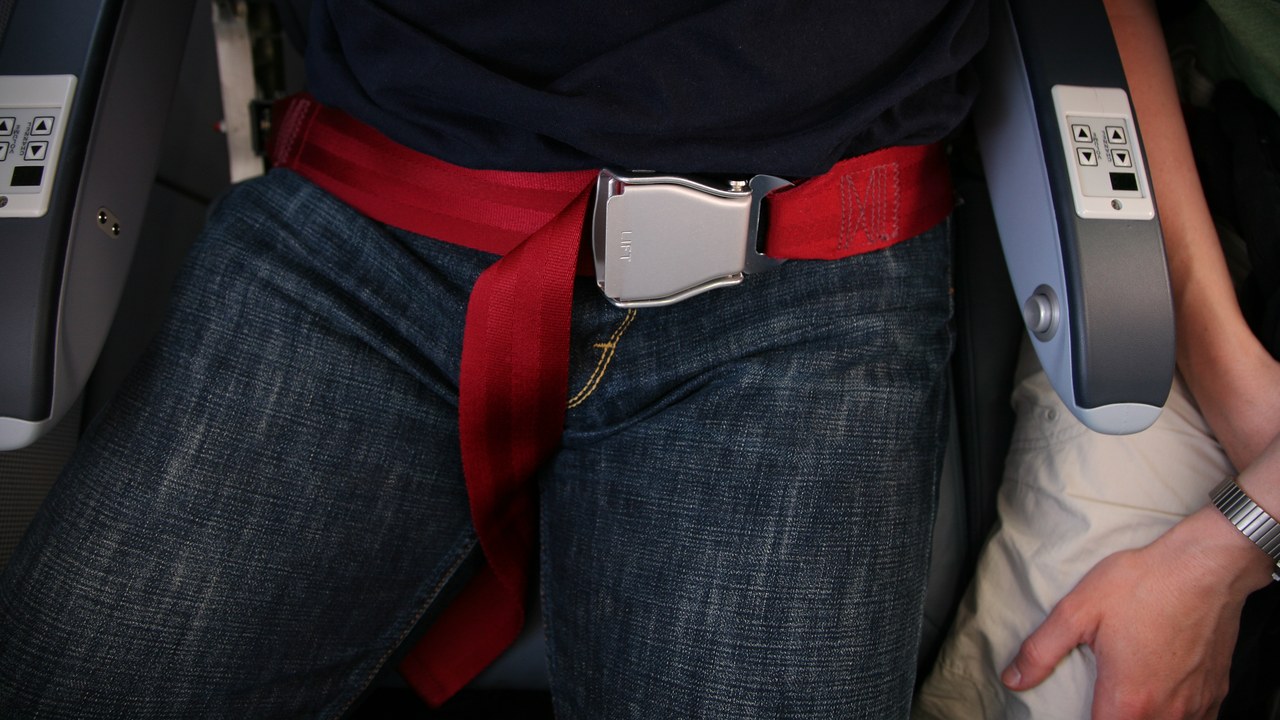
NHTSA calls the seat belt crucial to surviving a crash. Its job begins as the vehicle rapidly loses speed but an occupant’s body continues moving. By restraining that motion across stronger parts of the body, the belt helps keep the occupant inside the protective space that the vehicle’s structure and airbags are designed to preserve.
That positioning role makes the belt foundational rather than old-fashioned. An unrestrained occupant can move too far or in the wrong direction for other safety features to work as intended, and ejection creates another severe danger. The belt is also passive in the most useful sense: once fastened, it is already in place before any driver-assistance sensor recognizes a threat. Its simplicity hides how many later protections depend on it doing the first job correctly.
3. Tire-pressure monitoring system: A Dashboard Alert Guards Against Lost Control
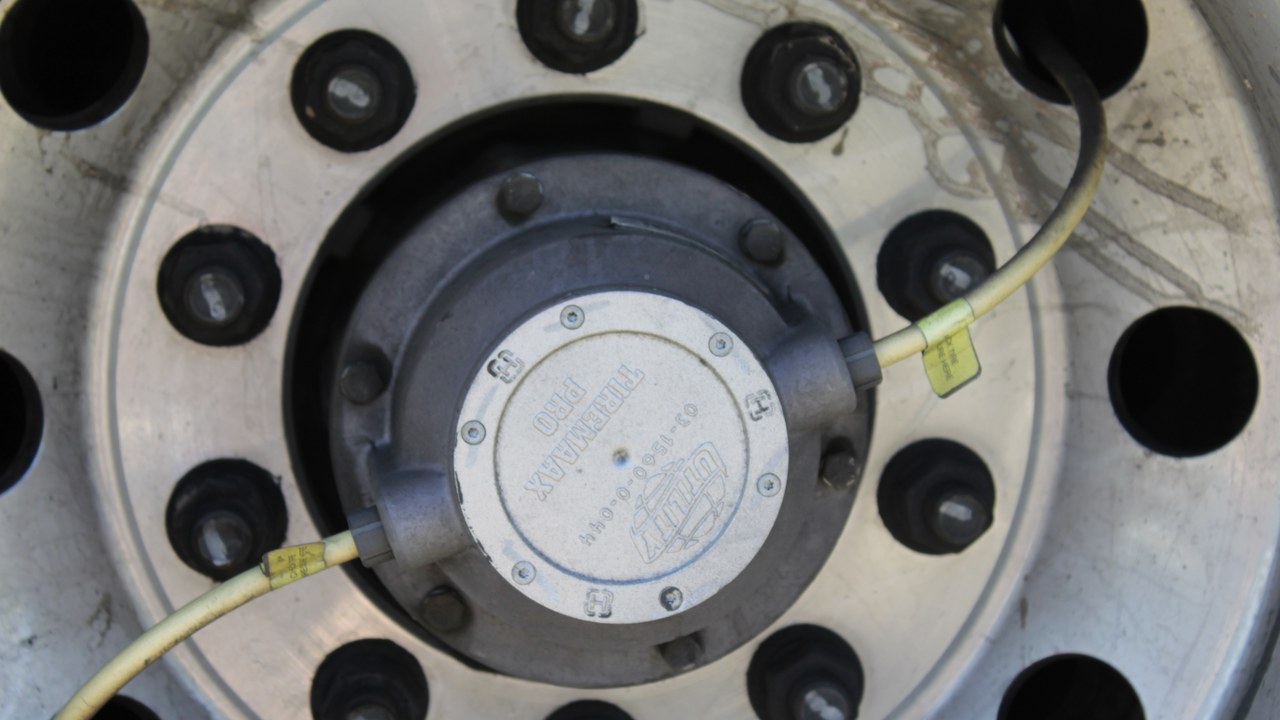
A tire-pressure warning appears when a tire is significantly underinflated, according to NHTSA. That alert acts before impact, but it belongs in the crash-safety chain because tire condition affects the vehicle’s contact with the road. A warning gives the driver a chance to address a pressure problem before it contributes to instability or tire failure.
The system does not repair a tire or explain every cause of low pressure. It turns a difficult-to-see condition into a dashboard signal that can prompt inspection and correction. That matters because the opening moment of some crashes is not contact with another vehicle; it is the loss of predictable steering, braking, or tire performance. TPMS protects that earlier link, when a mechanical problem may still be managed before the situation becomes an impact.
4. Backup camera: The Screen Reveals a Hidden Backover Risk
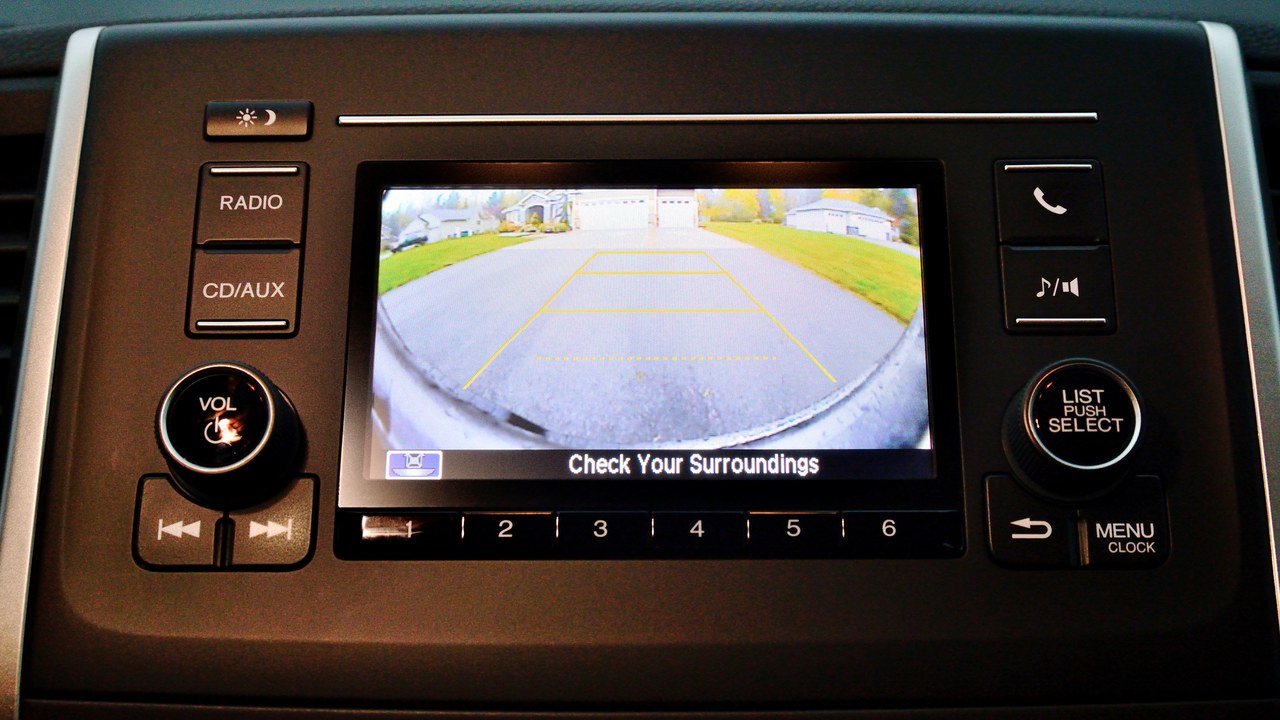
NHTSA explains that a backup camera helps prevent backover crashes by displaying the area directly behind a vehicle when reverse is selected. The technology addresses a dangerous blind zone that mirrors alone may not fully reveal, giving the driver a view of people, bicycles, toys, or obstacles close to the rear bumper before the vehicle begins moving into them.
The screen expands visibility, but it does not turn reversing into an automatic maneuver. The driver still has to scan mirrors, look around the vehicle, and interpret the camera view while controlling speed. Lens dirt, darkness, weather, and viewing angle can limit what appears on the display. Its safety value comes from exposing a hidden conflict early enough for the driver to stop, converting a previously unseen backover risk into information that can prevent contact.
5. Headlamp: Seeing the Hazard Is the Earliest Defense

IIHS includes headlight evaluations alongside its work on crashworthiness and crash-prevention systems. That placement recognizes a basic safety fact: a vehicle cannot help a driver respond to a hazard that remains outside the visible field. Headlamp performance shapes how much useful road information reaches the driver before a dangerous encounter becomes unavoidable.
The lamp itself does not restrain an occupant or absorb crash energy, yet it can influence whether those defenses are needed at all. Useful illumination extends the decision window for identifying a pedestrian, curve, obstacle, or stopped vehicle and choosing an appropriate response. Glare control matters as well because light must reveal the road without creating a new problem for others. In the safety chain, better vision is protection at the earliest possible stage.
This article was produced with the assistance of AI and reviewed by Morning Overview editors prior to publication.
More from Morning Overview
- A Colorado wildfire has exploded past 87,000 acres with no containment
- A wildfire near Ouray swelled past 18,000 acres, putting Colorado towns on alert
- The Pentagon’s newest UFO files describe a fish-scaled, potato-shaped object on camera
- Scientists spotted a rare tusked whale alive at sea for the first time, then fired a crossbow at it.
