
Air safety investigations often begin with an ordinary phase of flight and a threat that appears where crews least expect it. These cases involve an obstacle, a ground vehicle, structural separation, cockpit smoke, and a runway excursion, each documented by a federal aviation authority. Here are five investigations in which the danger came from an unexpected direction.
1. Boeing 767: A Roadside Obstacle Reached the Approach Path
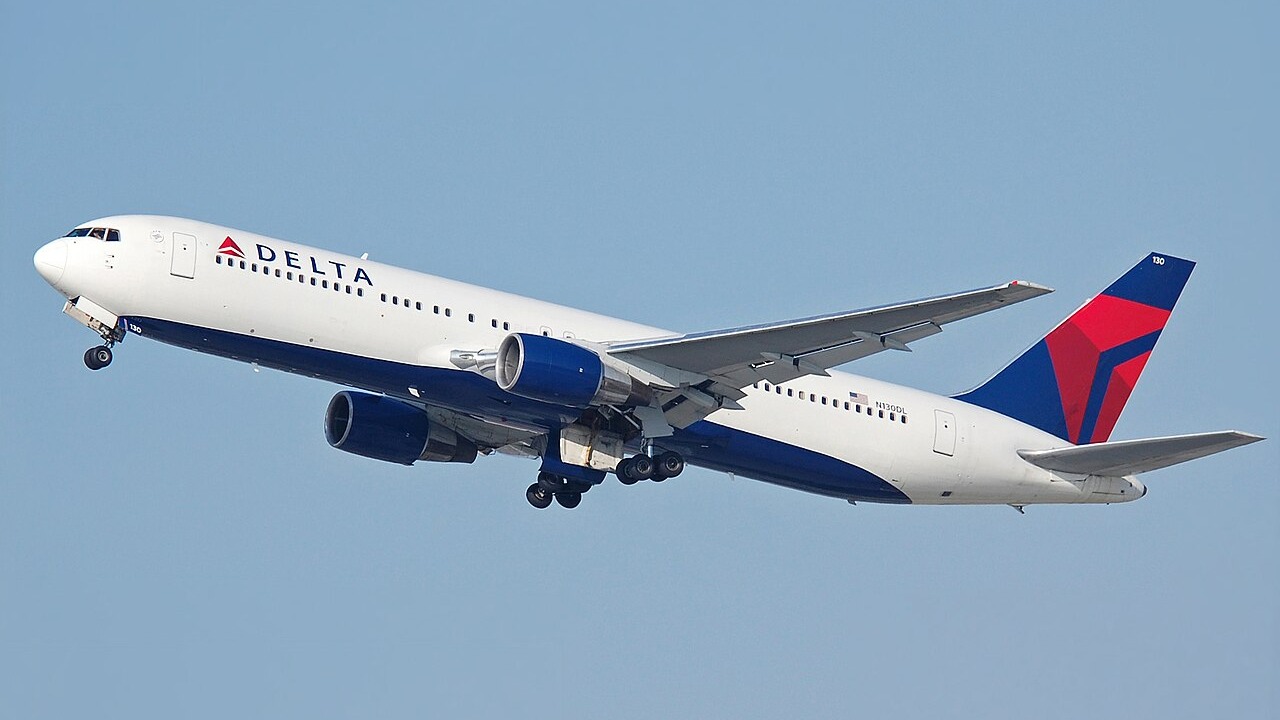
derivative work: Altair78 (talk) – CC BY-SA 2.0/Wiki Commons
On final approach, a United Boeing 767 struck a light pole beside the New Jersey Turnpike, according to the NTSB’s active investigation page. The contact came from an object anchored on the ground rather than another aircraft, making the approach corridor itself the immediate focus of the case.
That distinction matters because an aircraft can be established on approach while still facing obstacles near an airport boundary. Investigators must establish the jet’s precise path and the circumstances surrounding the pole strike before assigning a cause. Until that work is complete, the documented collision establishes what happened, but it does not by itself fully explain why it happened or determine responsibility.
2. Bombardier CRJ900: A Fire Truck Became the Runway Hazard
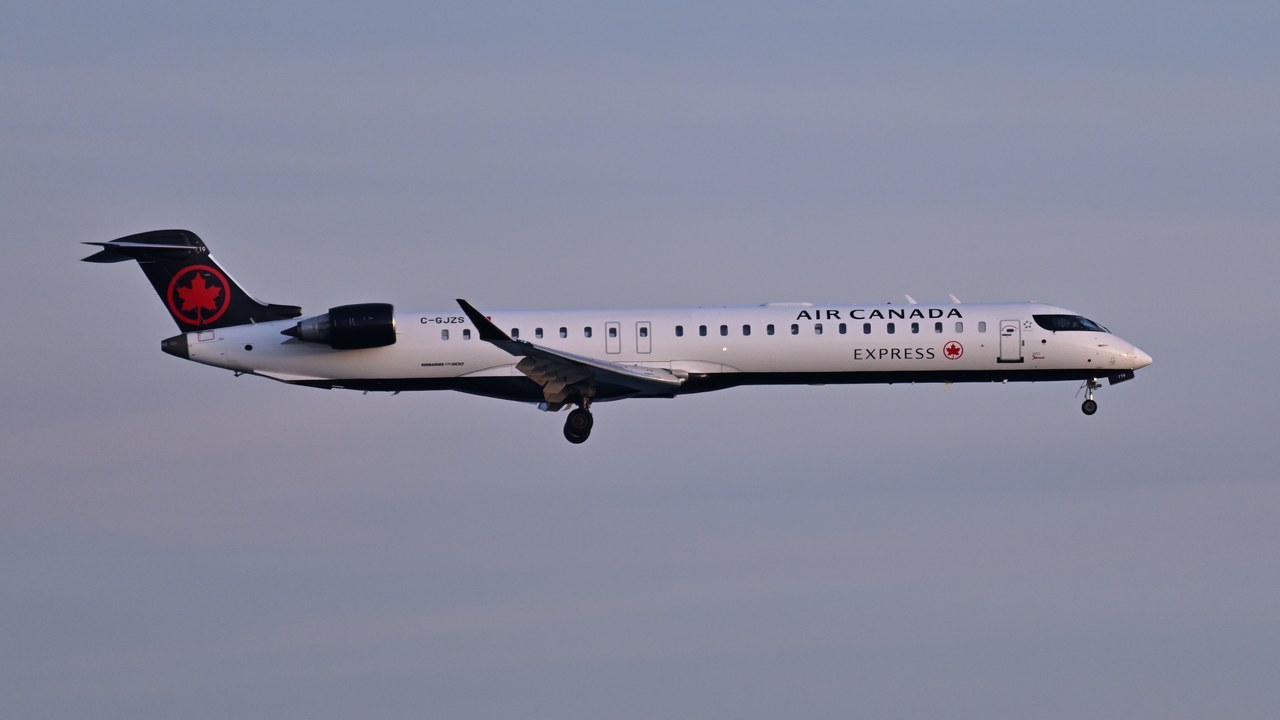
An Air Canada Express Bombardier CRJ900 collided with a fire truck on a LaGuardia runway, the NTSB case record states. The danger came from an emergency-response vehicle in the same movement area as the regional jet, shifting the event away from a conventional conflict between two aircraft.
The case puts runway coordination at the center of the investigative picture without settling how the collision occurred. Aircraft crews, vehicle operators, and controllers all depend on a shared understanding of who may occupy active pavement at a given moment. The investigation still has to reconstruct that sequence and separate the documented contact from any final finding about procedure, communication, visibility, or responsibility.
3. McDonnell Douglas MD-11: The Engine and Pylon Left the Airframe
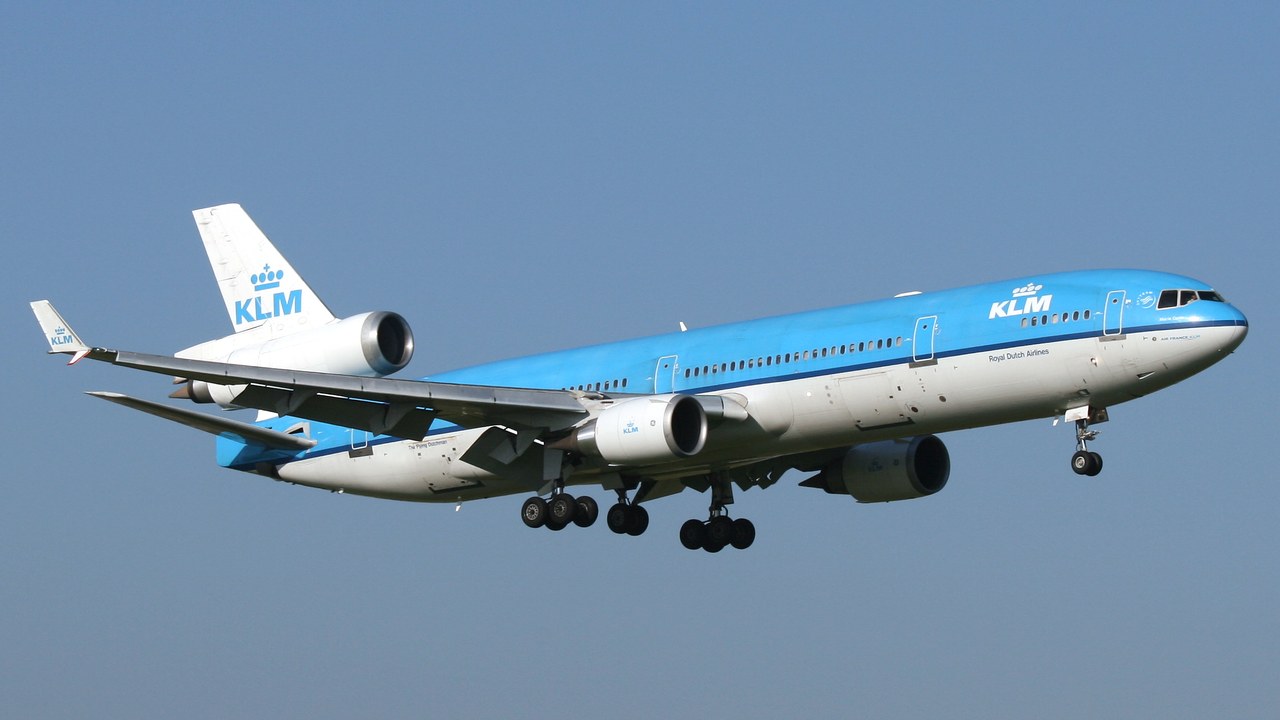
During takeoff, an engine and its pylon separated from a UPS McDonnell Douglas MD-11 before the freighter crashed, according to the NTSB investigation record. The defining hazard was therefore a major structural separation as the aircraft accelerated away from the runway, not a threat first encountered later in flight.
That sequence makes the separation itself central while leaving the initiating cause unresolved. Investigators must determine what failed first, how the engine and pylon detached, and how the aircraft responded during the remaining seconds of flight. The public record establishes the order of the major events, but an active investigation should not be read as a final judgment about maintenance, design, operations, or individual actions.
4. Boeing 737 MAX: Smoke Turned the Cockpit Into the Threat
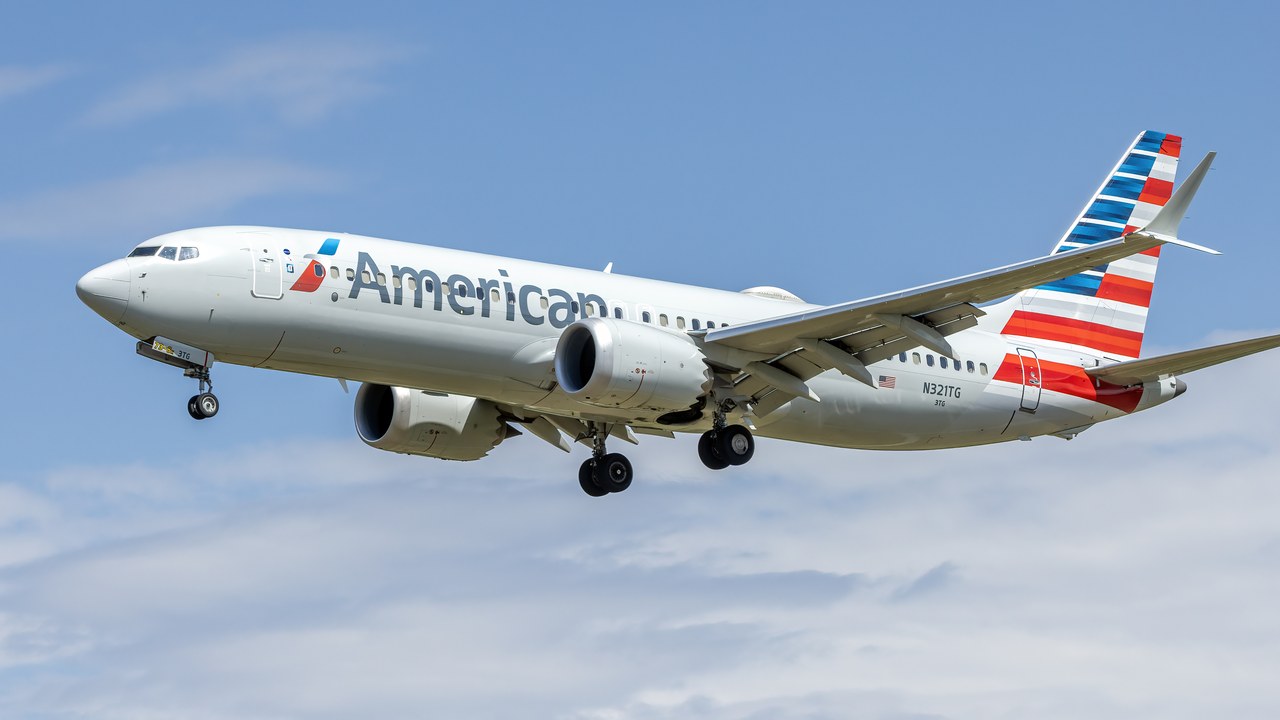
The NTSB connected new training recommendations to an emergency involving a smoke-filled Boeing 737 MAX cockpit, as described in the agency’s May 2026 announcement. In this case, the danger occupied the crew’s working environment, where smoke can complicate visibility, communication, and diagnosis under severe time pressure.
The recommendation angle makes the event more than a retrospective account of an emergency. It points toward how crews are prepared to manage a cockpit that may rapidly become difficult to use while the aircraft still requires control. Recommendations identify changes the agency believes deserve action; they do not mean that every smoke event has the same origin or that the announcement alone settles every causal question.
5. Gulfstream IV: The Runway Ended Before the Jet Did
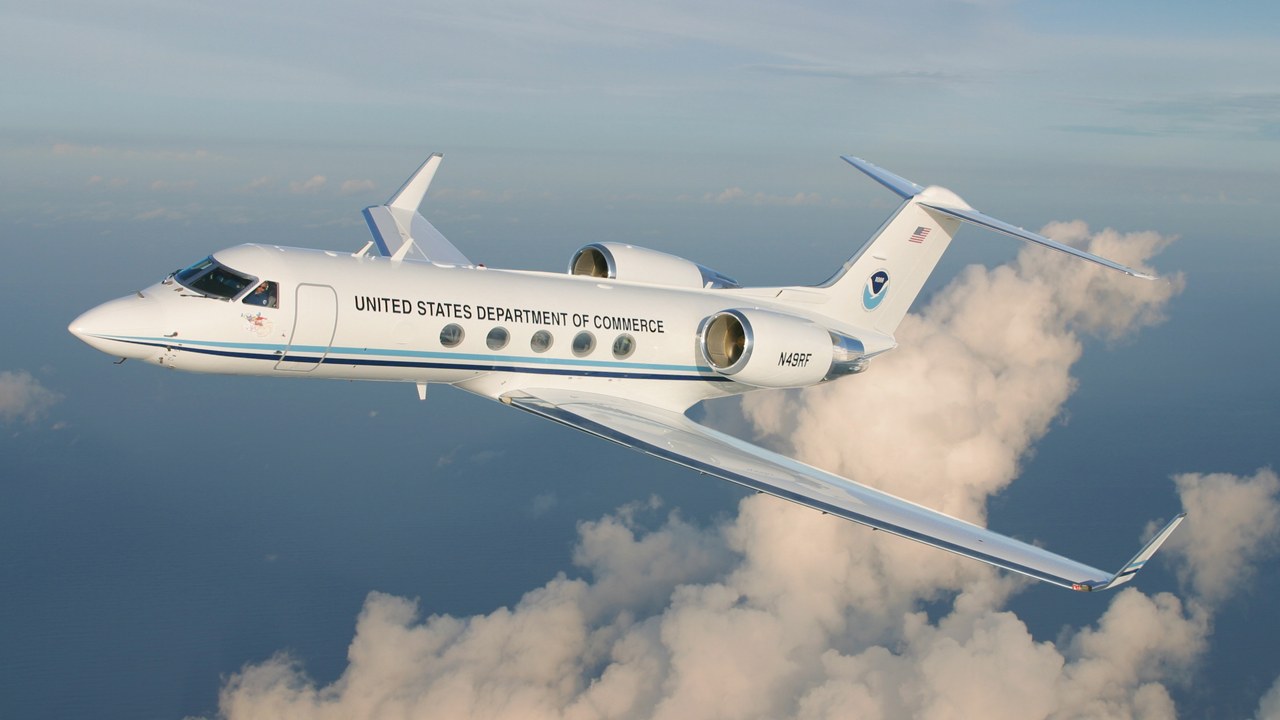
The FAA reported that a Gulfstream IV overran a runway and became stuck in mud, according to the agency’s accident and incident statement. The threat extended beyond the paved surface, where soft ground stopped the business jet but also left it immobilized outside the runway’s intended operating area.
A runway overrun shifts attention from airborne hazards to the remaining pavement, the aircraft’s energy, and the conditions beyond the runway end. The reported result is concrete, but it is not a complete causal account. A full review still has to distinguish the outcome from the factors that produced it, avoiding conclusions about aircraft performance, crew decisions, weather, or airport conditions before evidence supports them.
This article was produced with the assistance of AI and reviewed by Morning Overview editors prior to publication.
More from Morning Overview
- A Colorado wildfire has exploded past 87,000 acres with no containment
- A wildfire near Ouray swelled past 18,000 acres, putting Colorado towns on alert
- The Pentagon’s newest UFO files describe a fish-scaled, potato-shaped object on camera
- Scientists spotted a rare tusked whale alive at sea for the first time, then fired a crossbow at it.
