
An aircraft accident can erase the normal clues that explain what happened, leaving investigators to rebuild a sequence from rugged electronics, transmitted positions, and recovery signals. Each system preserves a different piece of evidence or narrows the search for wreckage when minutes and accurate coordinates matter. Here are five aircraft safety features investigators depend on after everything goes wrong.
1. Cockpit voice recorder: Cockpit Sounds Reconstruct the Final Minutes
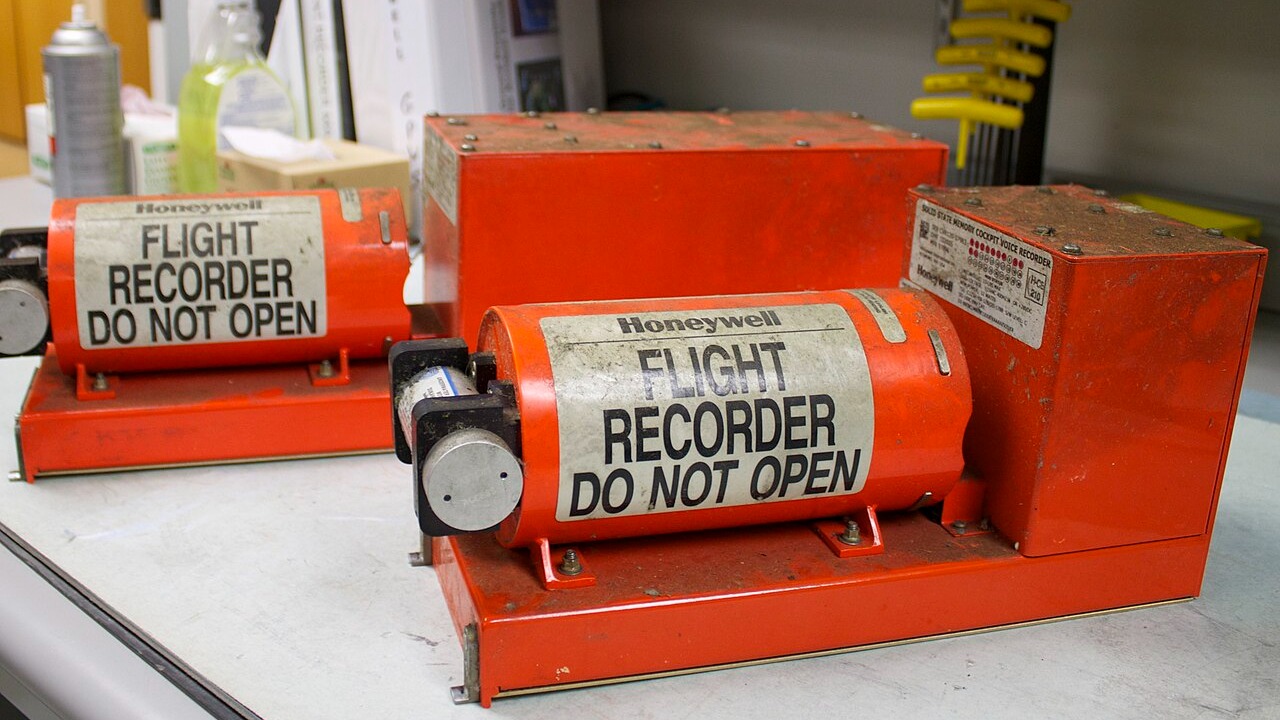
A cockpit voice recorder captures radio transmissions, crew voices, engine noise, warnings, switch clicks, and other sounds that help establish the sequence before an accident, according to the NTSB recorder overview. Investigators can use those sounds to estimate engine speed, identify system failures, and place critical events on a precise timeline when damaged instruments or incomplete witness accounts leave gaps.
The audio is handled under strict federal controls because cockpit conversations are unusually sensitive. A specialist group creates a transcript, compares the recording with air-traffic-control tapes, and can apply spectrum analysis to sharpen the timing of key sounds. The recorder does not supply a complete explanation by itself, but it can reveal the crew’s workload, warnings, communications, and aircraft noises that no camera or surviving document captured.
2. Flight data recorder: Hundreds of Parameters Rebuild the Aircraft’s Motion
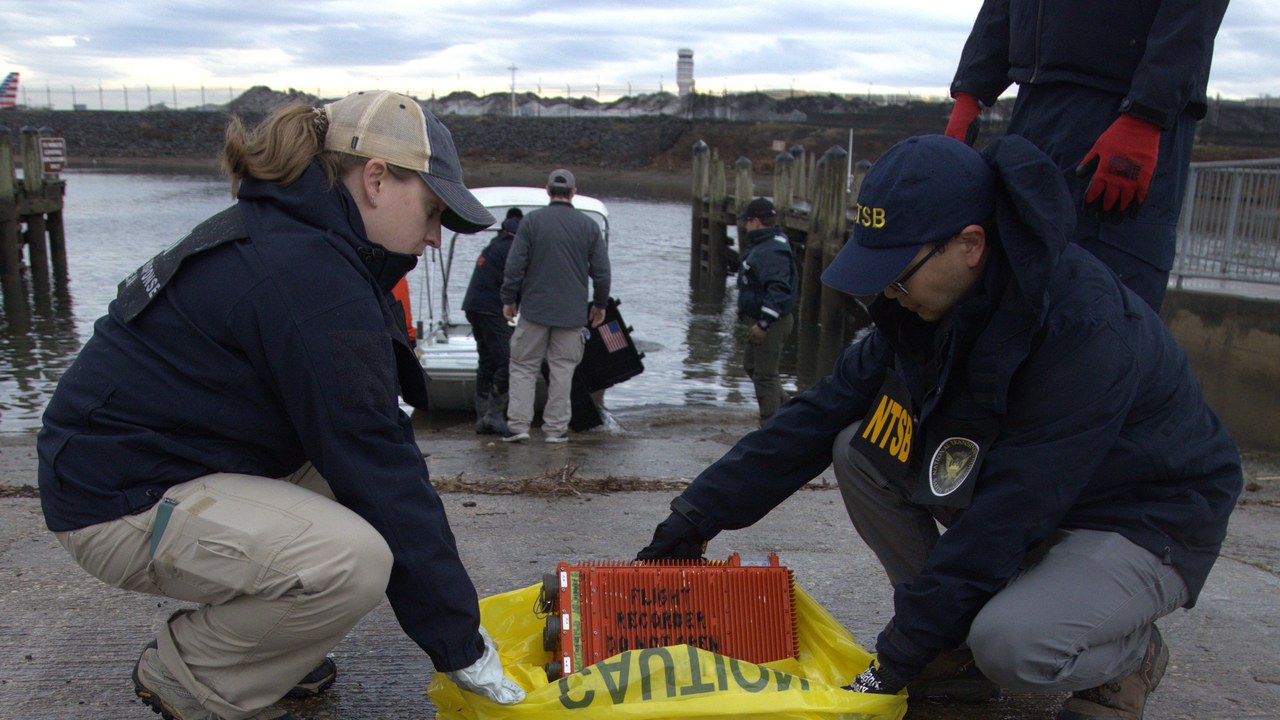
A flight data recorder preserves the aircraft’s motion and the operation of engines, controls, and other systems in numerical form. After the Atlas Air Flight 3591 crash, the NTSB laboratory report said investigators recovered roughly 54 hours from 17 flights and about 350 recorded parameters. That dataset captured the accident flight even after the recorder was pulled from muddy marshland, disassembled, cleaned, and dried.
Recorder specialists must verify and validate the recovered values before investigators treat them as evidence. Once synchronized, the measurements can show changes in airspeed, altitude, attitude, control position, engine behavior, and system status second by second. The result is more than a list of numbers: it allows the investigation team to compare crew actions with aircraft response and test whether mechanical, environmental, or operational explanations fit the recorded flight path.
3. Automatic dependent surveillance–broadcast: Frequent Position Reports Shrink the Search Area
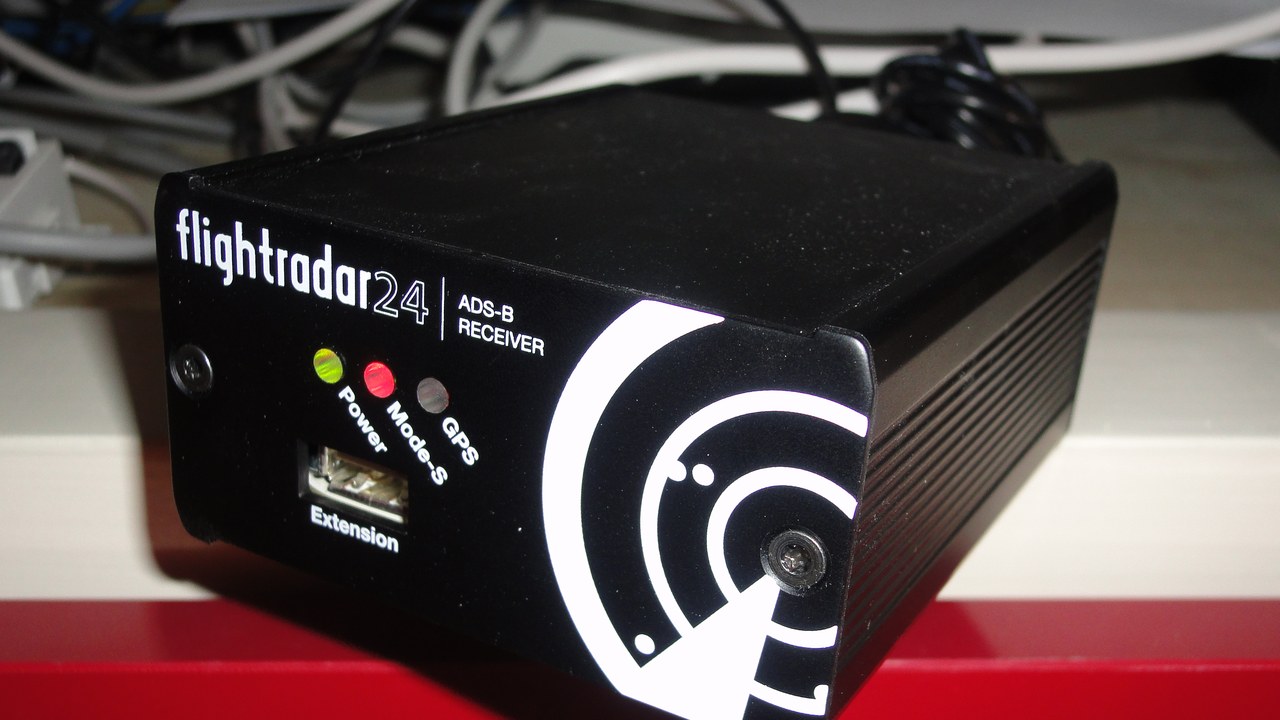
Automatic dependent surveillance–broadcast sends precise GPS-based aircraft information far more frequently than traditional radar updates. The FAA benefits summary says ADS-B can provide controllers updated aircraft information almost every second, while radar updates can take five to 12 seconds. Those position reports can preserve a detailed track and give search teams a much tighter last-known location after contact is lost.
ADS-B evidence is especially valuable in mountainous regions, remote areas, and lower altitudes where conventional radar coverage may be limited. Investigators can align the transmitted track with weather, radio communications, wreckage locations, and onboard recorder data to test how a flight developed. Coverage and installed equipment still determine what survives, so the track is one evidence stream rather than a universal substitute for cockpit and flight-data recorders.
4. Emergency locator transmitter: A Crash Sensor Can Start the Distress Signal
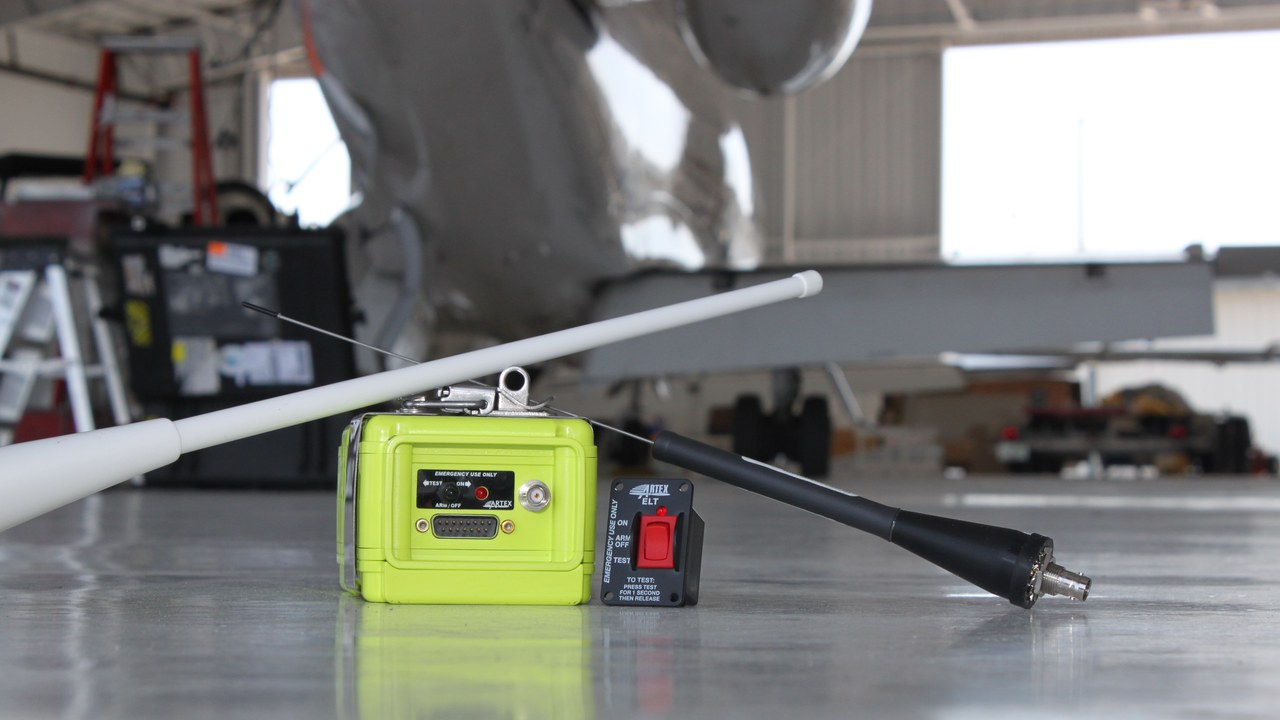
An aircraft emergency locator transmitter is designed to help search-and-rescue teams find a crash site when normal communications have stopped. The FAA installation guidance explains that automatic fixed units remain attached after a crash, while automatic portable units can activate on impact and then be removed or tethered to survivors. Correct mounting helps the inertial sensor recognize crash forces and begin transmitting.
The transmitter’s survival matters as much as its activation. FAA guidance warns that poor mounting can dampen the impact force, let the unit break free, damage its antenna connection, or leave the radio signal blocked by the airframe. Investigators therefore inspect the ELT, its bracket, wiring, antenna, and activation history as part of the evidence. A working signal can guide rescuers to survivors and later anchor the geographic reconstruction of an accident scene.
5. Underwater locator beacon: An Ultrasonic Ping Leads Searchers to the Recorders
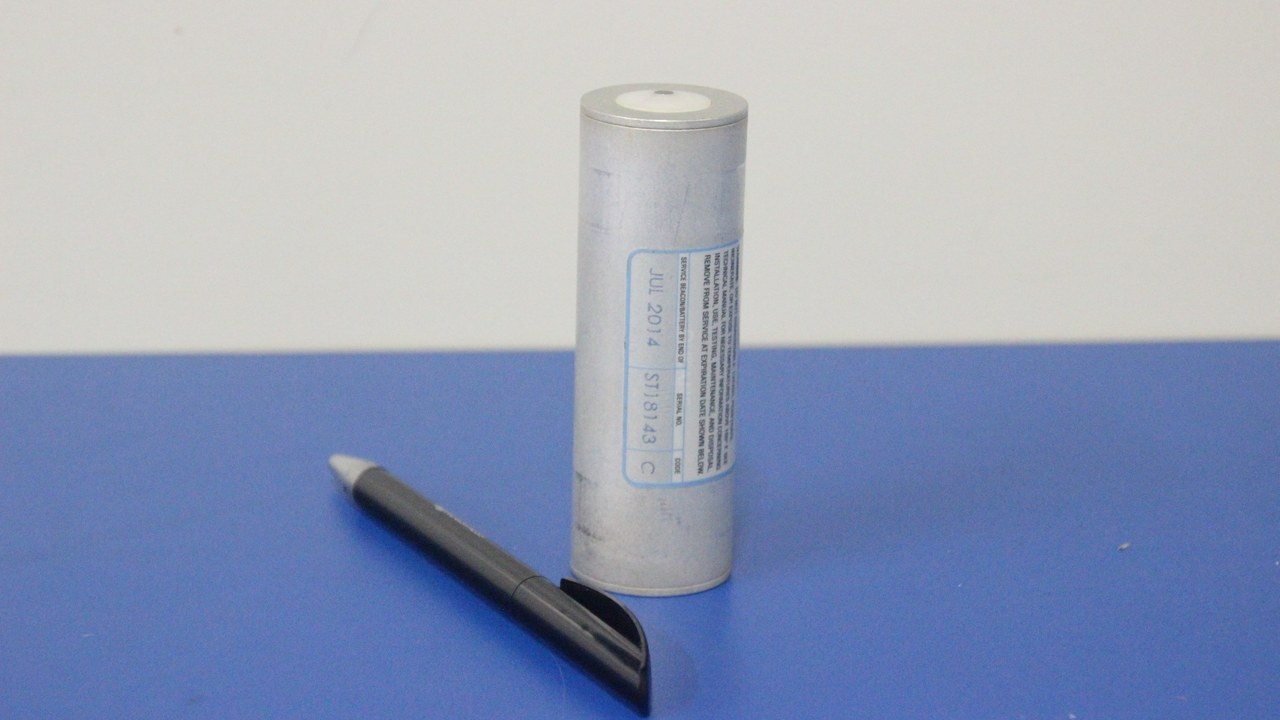
An underwater locator beacon is fixed to a flight recorder and begins transmitting an ultrasonic ping when submerged. The NTSB safety recommendation says traditional units can signal continuously for at least 30 days, with some newer models lasting at least 90 days. Search vessels use specialized receivers to follow that acoustic signal toward recorders hidden in deep water or scattered wreckage.
The beacon narrows a difficult underwater search, but it does not make recovery automatic. The NTSB notes that typical detection range is roughly one to three nautical miles and can shrink when depth, terrain, or wreckage blocks the signal. Delays in locating the general crash area also consume the beacon’s limited battery window. Investigators depend on the pinger most when other location evidence has already placed search equipment close enough to hear it.
This article was produced with the assistance of AI and reviewed by Morning Overview editors prior to publication.
More from Morning Overview
- A Colorado wildfire has exploded past 87,000 acres with no containment
- A wildfire near Ouray swelled past 18,000 acres, putting Colorado towns on alert
- The Pentagon’s newest UFO files describe a fish-scaled, potato-shaped object on camera
- Scientists spotted a rare tusked whale alive at sea for the first time, then fired a crossbow at it.
