Electric cars once heralded as the future of transportation, are facing growing resistance from consumers. While they offer several benefits, there are also significant challenges that cause some people to reconsider their adoption. Here are fifteen reasons why some are becoming disillusioned with electric vehicles.
Environmental Concerns
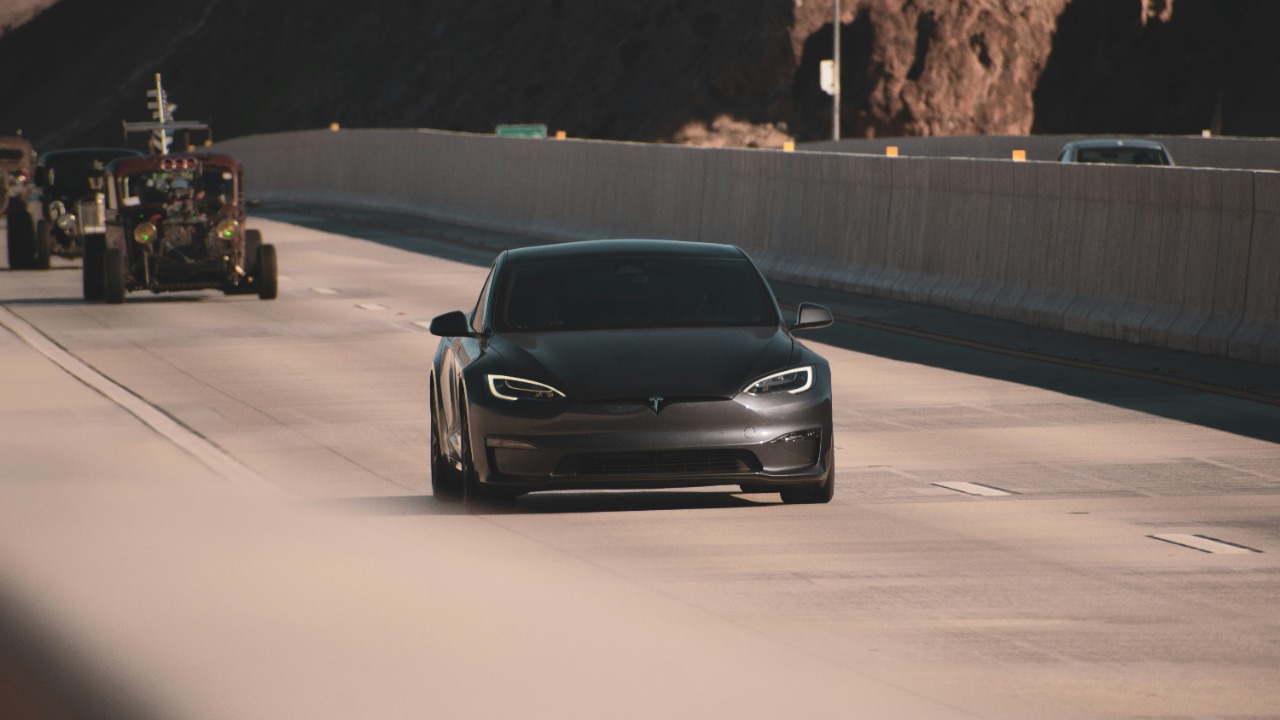
While electric cars produce zero emissions during operation, the environmental impact of battery production is raising eyebrows. The extraction of lithium and other rare earth metals can cause significant ecological damage. Additionally, the recycling and disposal of electric car batteries remain problematic, potentially negating some of their environmental benefits.
Furthermore, the source of electricity used to charge these vehicles plays a crucial role in their overall carbon footprint. In regions where coal or other non-renewable sources dominate the energy mix, electric cars may not be as green as once thought.
High Initial Costs

The initial purchase price of electric vehicles often exceeds that of their gasoline counterparts. Despite government incentives, which are not guaranteed in the future, many consumers find the upfront cost prohibitive. For example, the recent UK government incentives aim to reduce costs, but uncertainties remain.
Moreover, the cost of home charging infrastructure adds to the financial burden. This investment, coupled with the high initial price, makes electric vehicles a less attractive option for many potential buyers.
Limited Range Anxiety

Range anxiety continues to be a significant barrier for consumers considering electric vehicles. Despite improvements, many electric cars still offer a limited range compared to traditional vehicles. Long trips require meticulous planning and access to charging facilities, which can deter potential buyers.
This limitation can be particularly concerning for those living in rural areas or regions with sparse charging infrastructure. The fear of being stranded without power remains a real concern for many.
Battery Longevity Issues
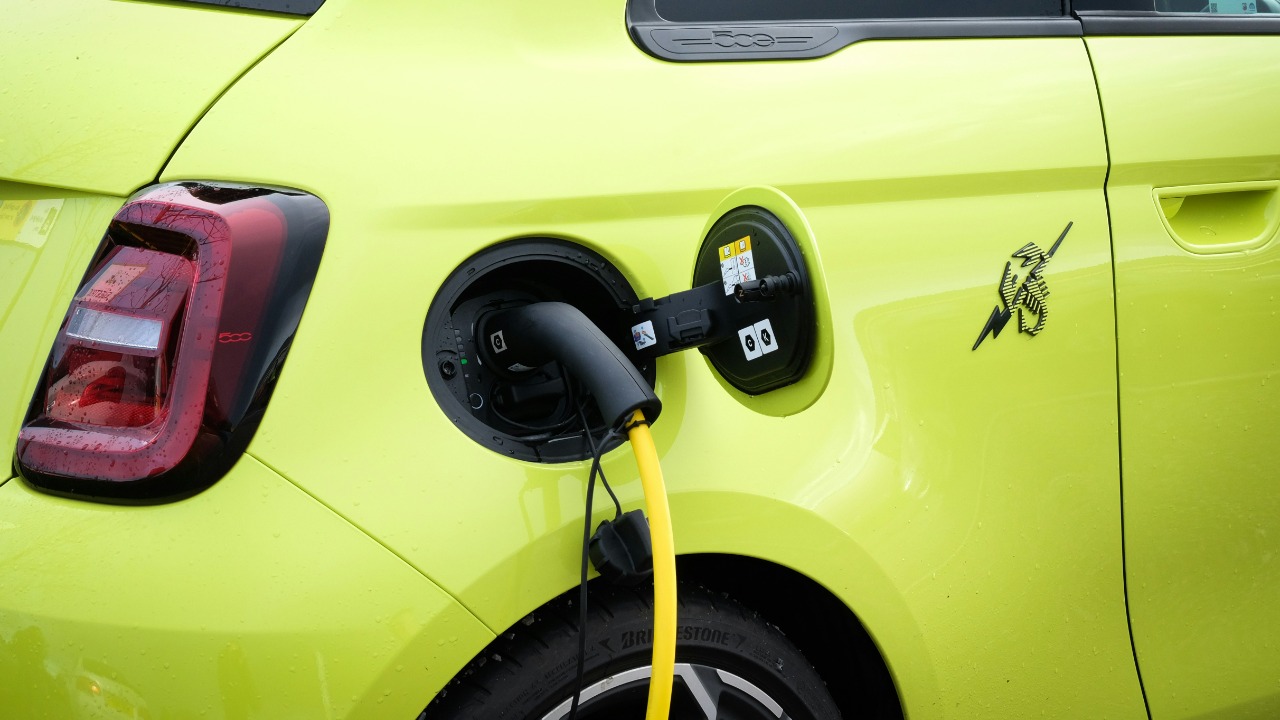
Questions about battery longevity and the cost of replacement are turning some consumers away from electric vehicles. Battery degradation over time can lead to reduced range and performance, impacting the vehicle’s overall value.
While manufacturers are improving battery technology, the uncertainty surrounding the lifespan of these components remains a significant concern. The high cost of battery replacement further complicates the decision for potential buyers.
Charging Infrastructure Gaps
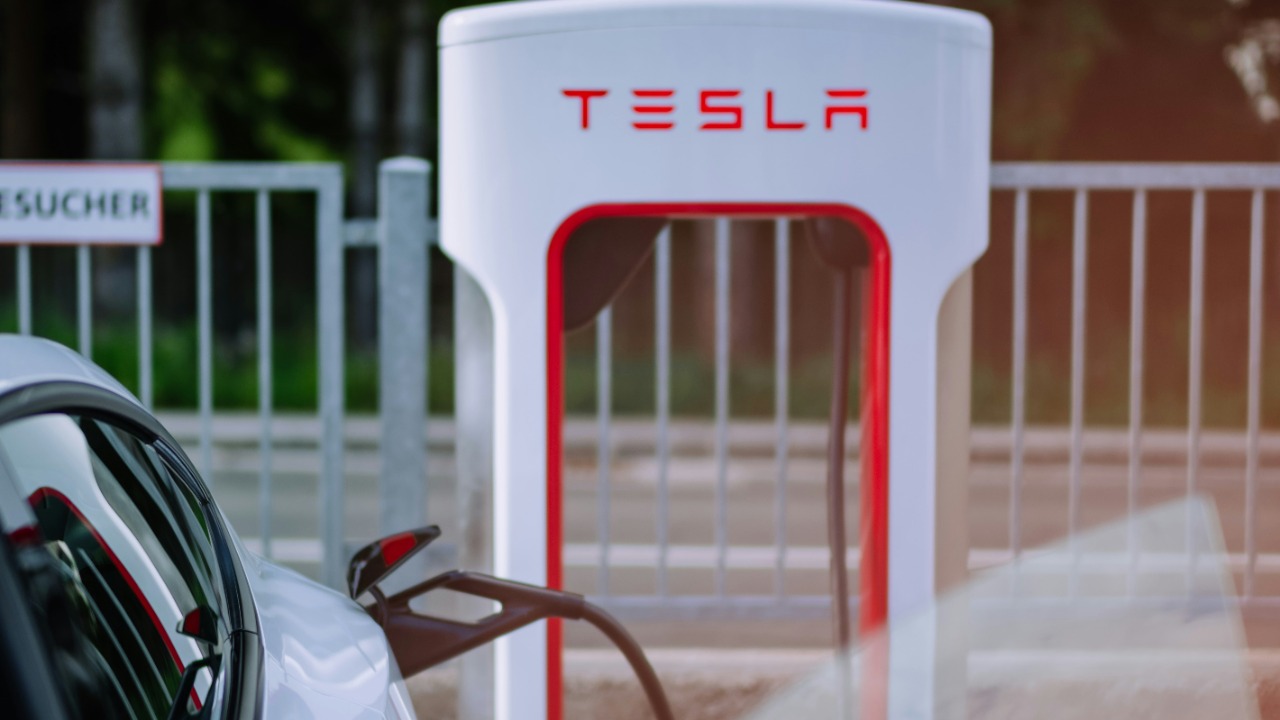
The availability of charging stations is a critical factor in the adoption of electric vehicles. Many regions still lack adequate charging infrastructure, making it difficult for owners to rely solely on their electric cars for everyday use.
This issue is particularly pronounced in rural areas and developing regions, where the growth of charging networks is slow. Consumers need assurance that they can charge their vehicles conveniently and reliably.
Slow Charging Times
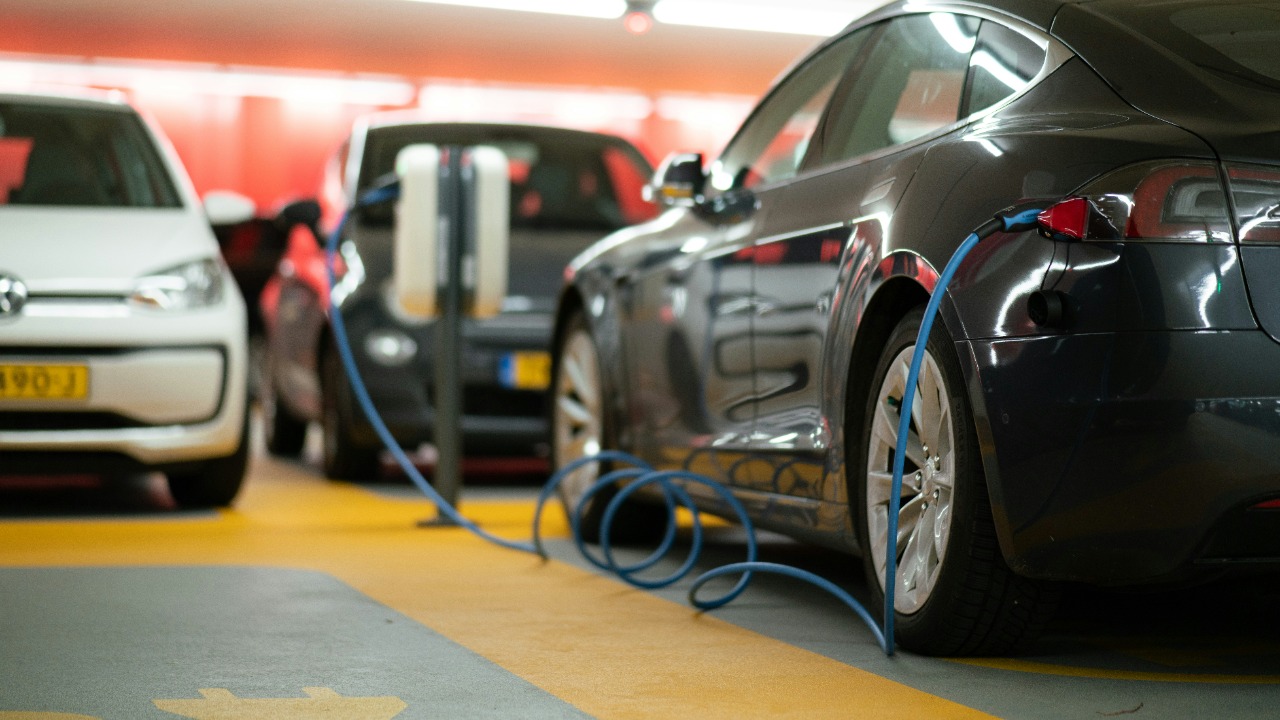
Even with fast chargers, charging times for electric vehicles are significantly longer than refueling a gasoline car. This inconvenience can be a deal-breaker for those accustomed to the quick and easy refueling process.
While technology is advancing to reduce charging times, many consumers remain unsatisfied with the current pace of improvement. This delay in charging can disrupt travel plans and daily routines, contributing to the hesitation in switching to electric vehicles.
Safety and Crash Concerns
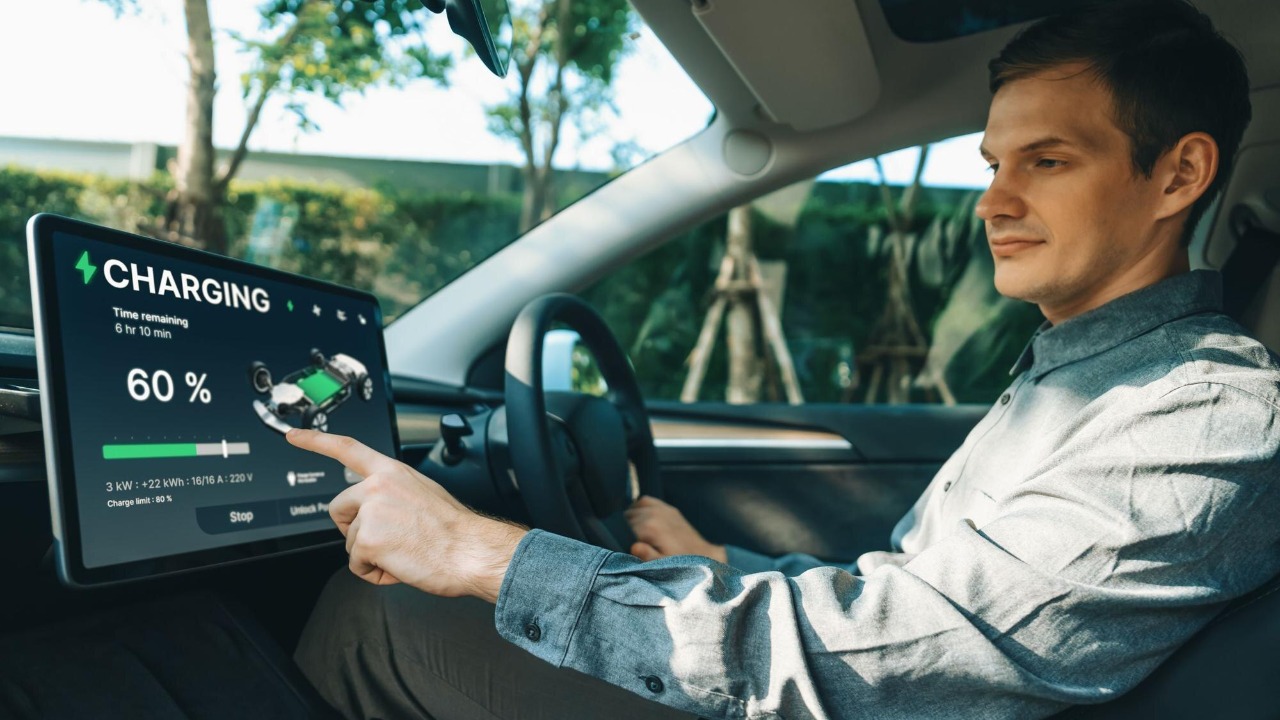
Safety concerns, particularly regarding battery fires in electric vehicles, have been highlighted in various incidents. While manufacturers are working to improve safety standards, these events have raised questions about the reliability of electric cars in crash scenarios.
The unique design and components of electric vehicles also pose challenges in terms of rescue operations after accidents. Consumers need reassurance about the safety and reliability of these vehicles in emergency situations.
Limited Model Variety
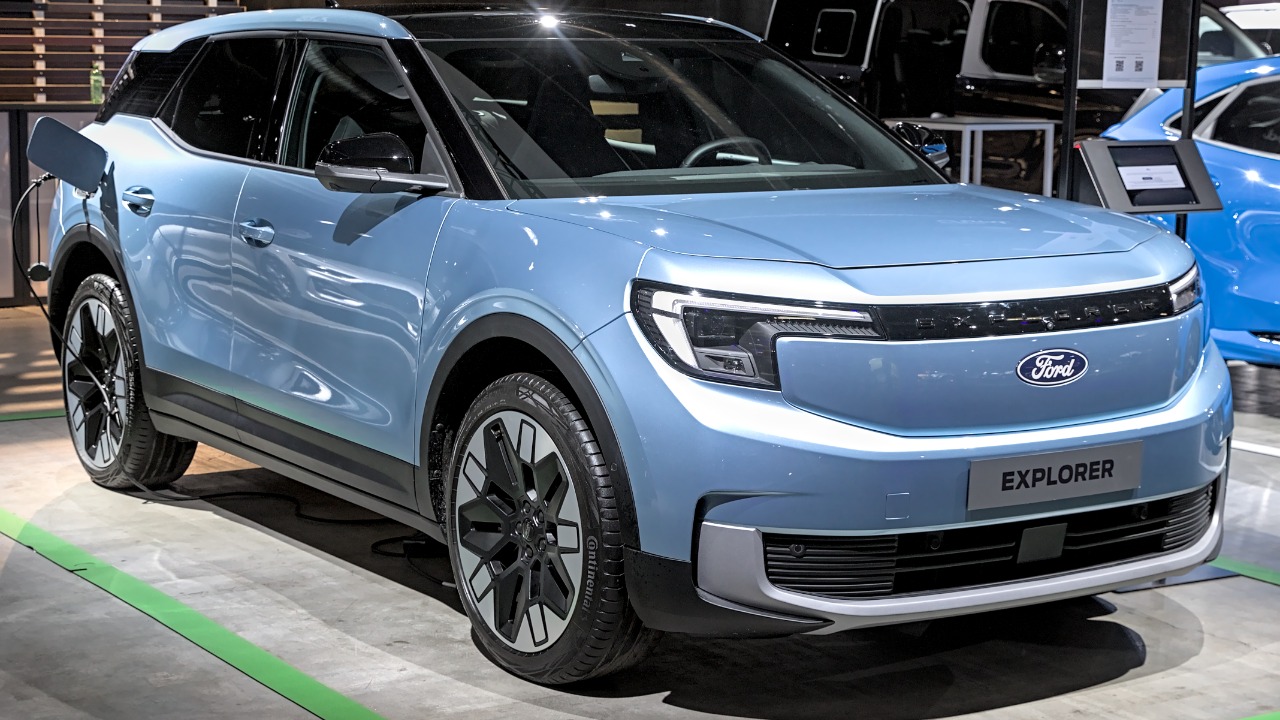
Despite the growing popularity of electric vehicles, the variety of models available remains limited compared to traditional cars. Consumers looking for specific styles, sizes, or features may find their options restricted.
This lack of diversity can discourage potential buyers who are unable to find an electric vehicle that suits their needs or preferences. Manufacturers need to expand their offerings to capture a broader audience.
Depreciation Rates
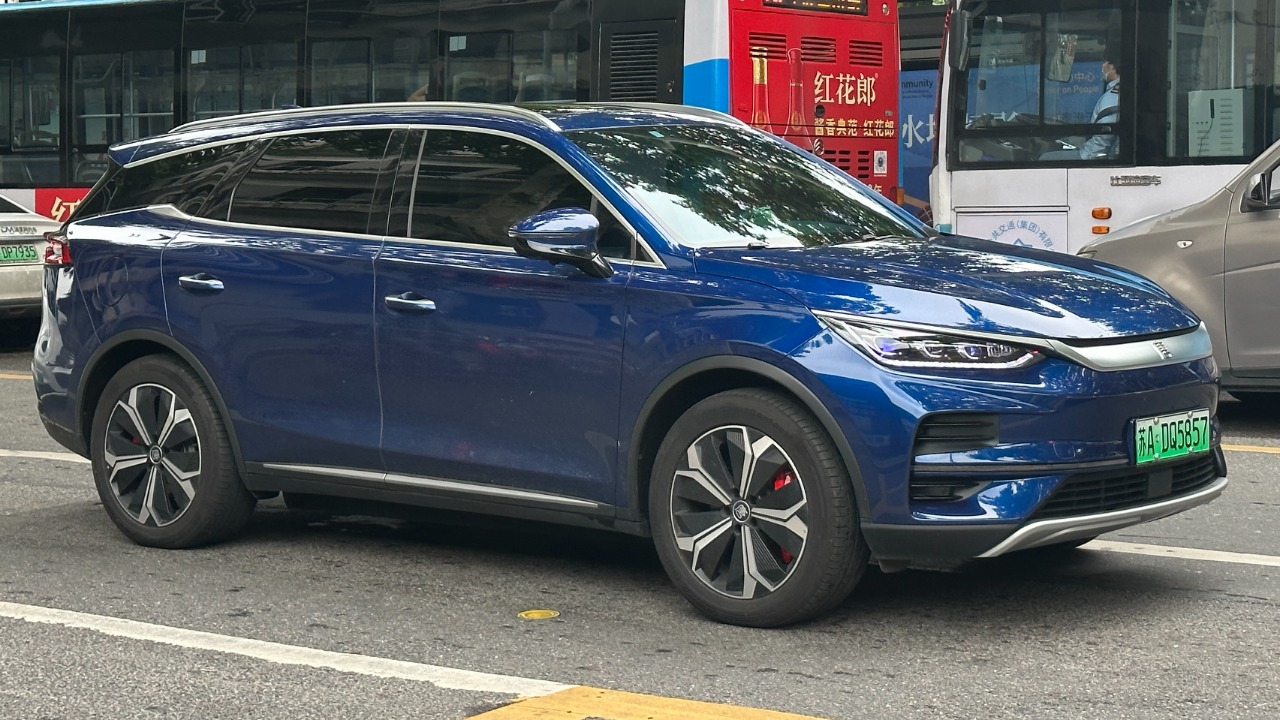
Electric cars often experience higher depreciation rates than their gasoline counterparts. This rapid loss in value can be a deterrent for potential buyers concerned about resale value.
This depreciation is partly due to the rapid advancements in technology, which can make older models obsolete quickly. Consumers need assurance that their investment will hold value over time.
Cold Weather Performance

Electric vehicles can struggle in cold weather conditions, with reduced battery efficiency and range. This performance drop can be a significant concern for consumers living in colder climates.
The impact of cold weather on battery performance requires attention, as it can affect the vehicle’s reliability and usability during winter months. Consumers need confidence that their vehicle can handle varying weather conditions effectively.
Repair and Maintenance Challenges

The complexity of electric vehicles can lead to higher repair and maintenance costs. Finding qualified technicians and service centers can be challenging, particularly in areas with limited support infrastructure.
Consumers may face longer wait times and higher costs for repairs, which can deter them from purchasing electric vehicles. The industry needs to address these challenges to reassure potential buyers.
Grid Reliability Concerns
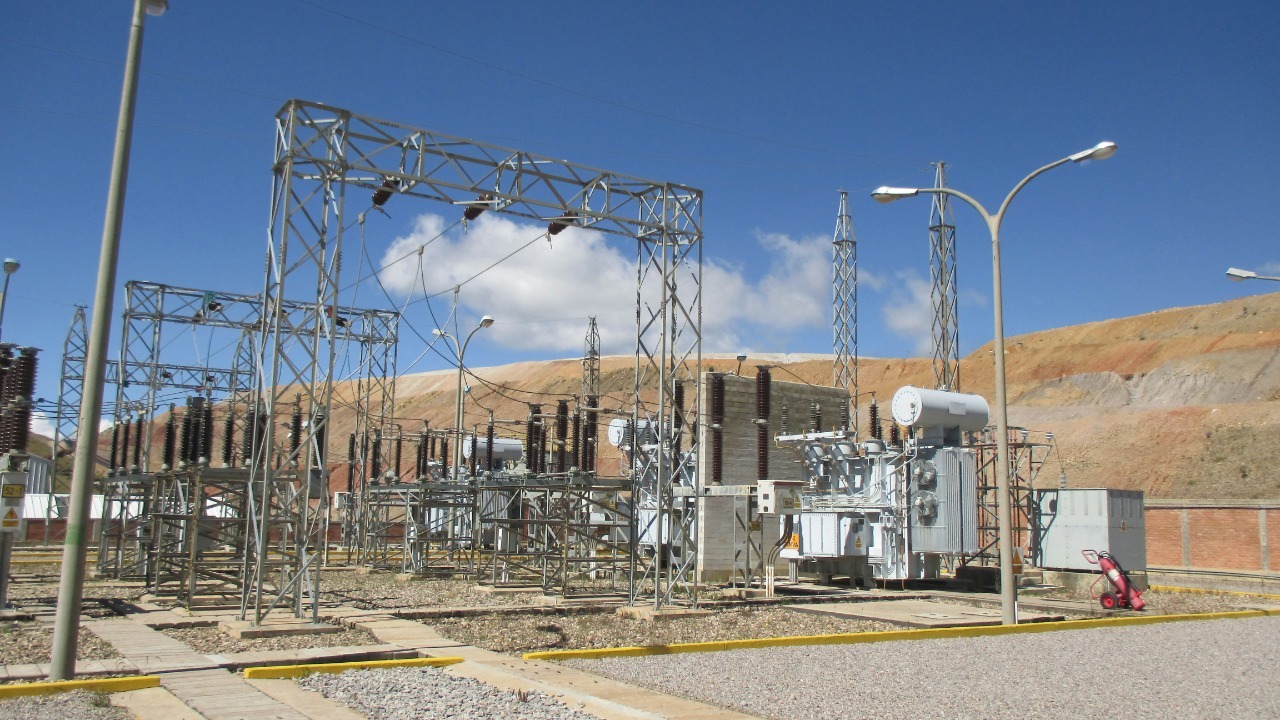
The increasing adoption of electric vehicles raises questions about the reliability of the power grid. In areas with unstable grids, consumers worry about the ability to charge their vehicles consistently.
The potential strain on the grid from widespread electric vehicle adoption requires careful planning and investment in infrastructure to prevent disruptions and ensure reliable service.
Competition from Hybrid Models

Hybrid vehicles offer a compromise between traditional gasoline and electric cars, appealing to consumers looking for the best of both worlds. The flexibility and reliability of hybrids pose a significant challenge to fully electric vehicles.
With a growing range of hybrid options available, some consumers may opt for these models as a safer and more practical choice, further impacting the adoption of electric vehicles.
Concerns Over Rare Earth Materials
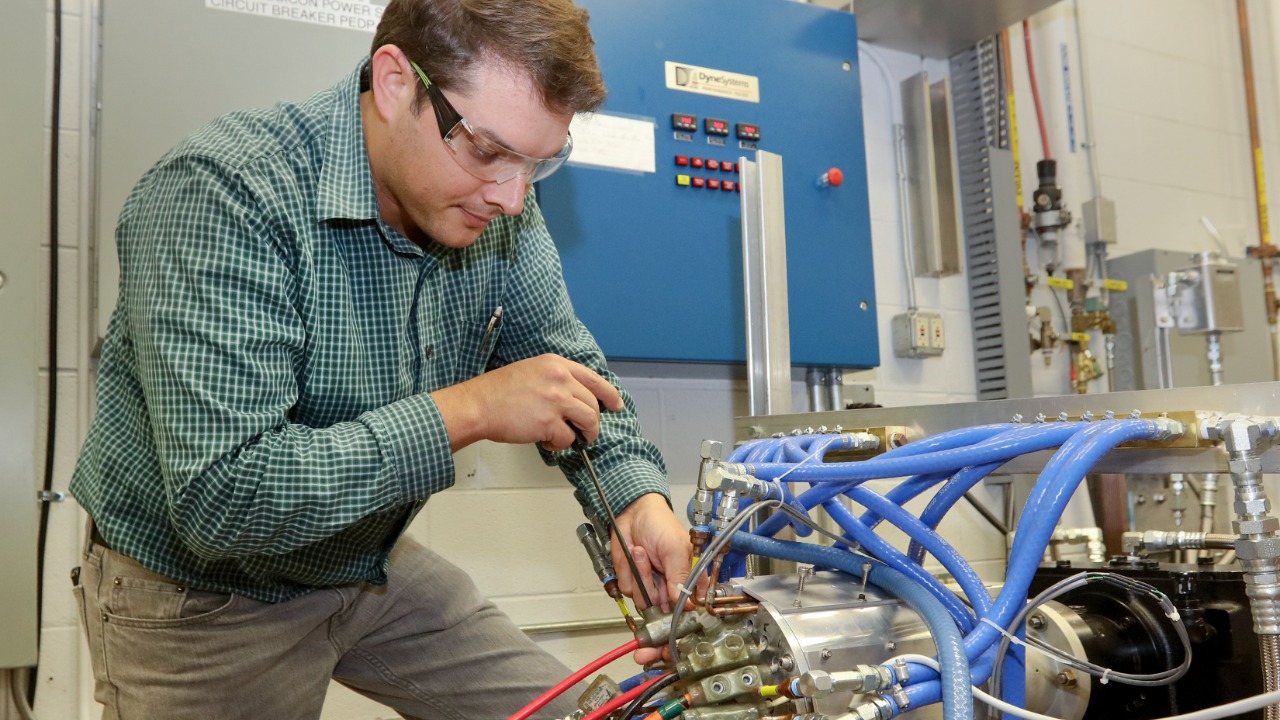
The reliance on rare earth materials for electric vehicle batteries raises ethical and environmental concerns. The extraction process can be harmful to the environment and involve questionable labor practices.
Consumers are increasingly aware of the ethical implications of their purchases, leading some to reconsider their support for electric vehicles. Manufacturers need to address these concerns to maintain consumer trust.
Government Incentive Uncertainty

Government incentives have played a crucial role in promoting electric vehicle adoption. However, changes in policies and political climates can lead to uncertainty regarding the availability of these incentives.
For example, recent policy shifts in various regions have affected incentives, causing concern among consumers about the future affordability of electric vehicles. Stability in government support is essential for continued growth in this sector.
