
Archaeologists have unearthed a 12,000-year-old structure at Göbekli Tepe in Turkey, which could be the world’s oldest man-made calendar, challenging previous understandings of prehistoric timekeeping capabilities. This discovery underscores the advanced astronomical knowledge of hunter-gatherer societies around 10,000 BCE, predating known calendars by several millennia. The structure’s potential as a lunisolar calendar suggests that early humans tracked celestial cycles for both practical and ritual purposes.
Site Overview: Göbekli Tepe’s Role
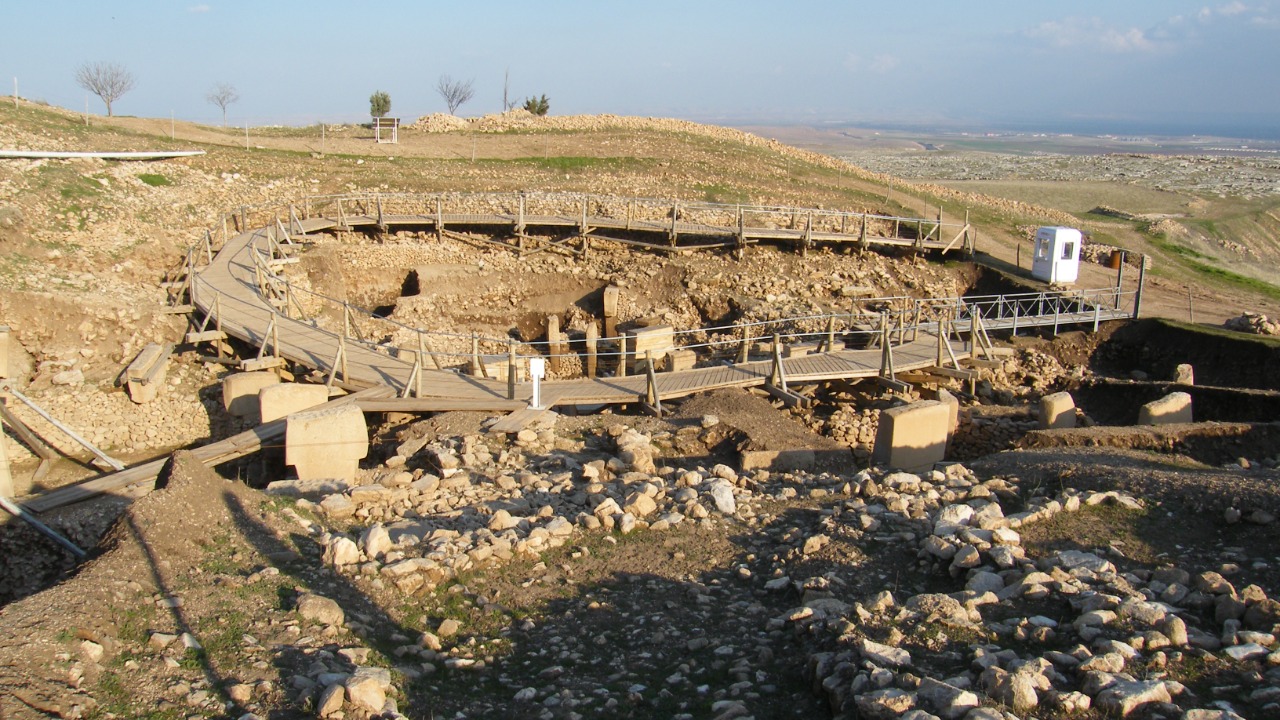
Located in southeastern Turkey, Göbekli Tepe is a UNESCO World Heritage site known for its T-shaped pillars and enclosures that date back 12,000 years. This pivotal prehistoric monument is a testament to the architectural prowess of our ancestors. The site was first excavated in the 1990s by German archaeologist Klaus Schmidt, who revealed monumental architecture built by pre-agricultural societies, challenging the conventional understanding of human civilization’s timeline.
The site’s arrangement of 20 circular enclosures, each up to 20 meters in diameter, were constructed around 9600 BCE. These structures are believed to have served as potential ritual centers, further emphasizing the complexity of the societies that built them.
The Newly Discovered Structure
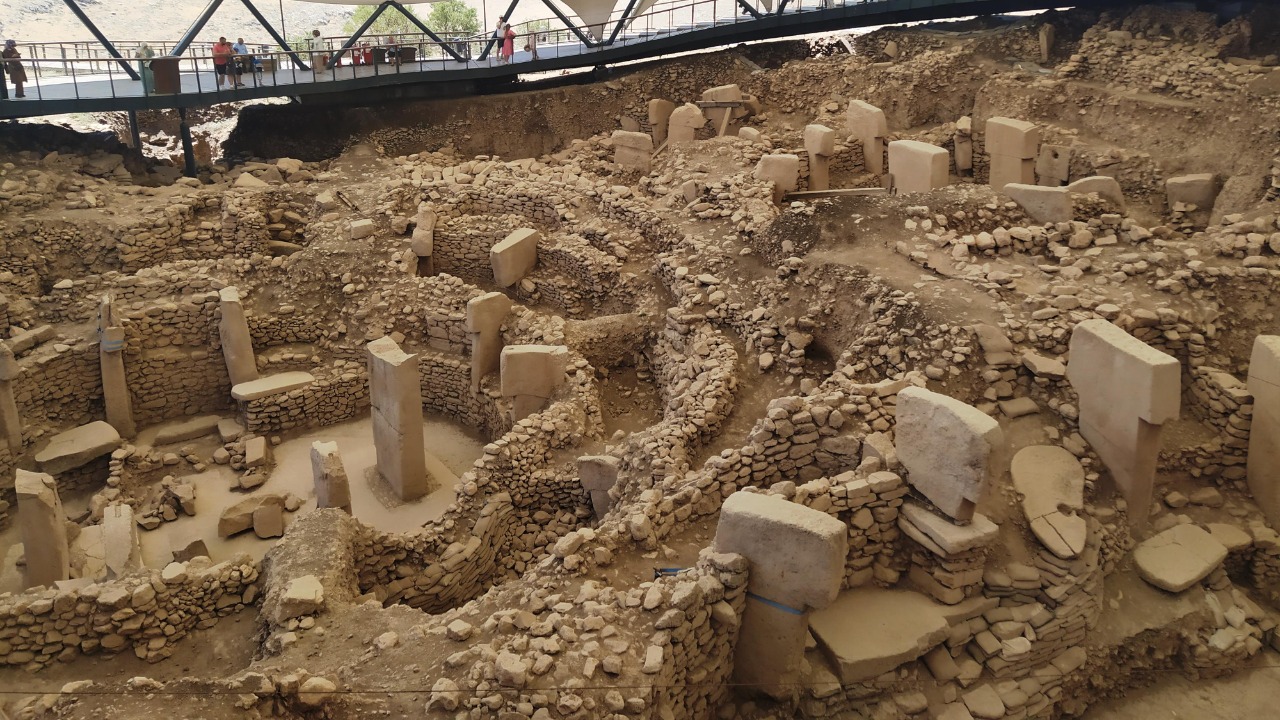
Within Göbekli Tepe’s Enclosure D lies the specific 12,000-year-old structure identified as a possible calendar due to its alignment with 365-day cycles. This structure features V-shaped symbols carved into pillars, which are interpreted as notches marking days and months in a lunisolar system. This suggests that early humans had a sophisticated understanding of timekeeping and celestial cycles.
The structure was buried around 8000 BCE, possibly intentionally covered to preserve its function. This theory is supported by the distribution of soil layers and artifacts found within the enclosure, indicating a deliberate effort to protect and preserve the structure.
Evidence of Calendar Functionality
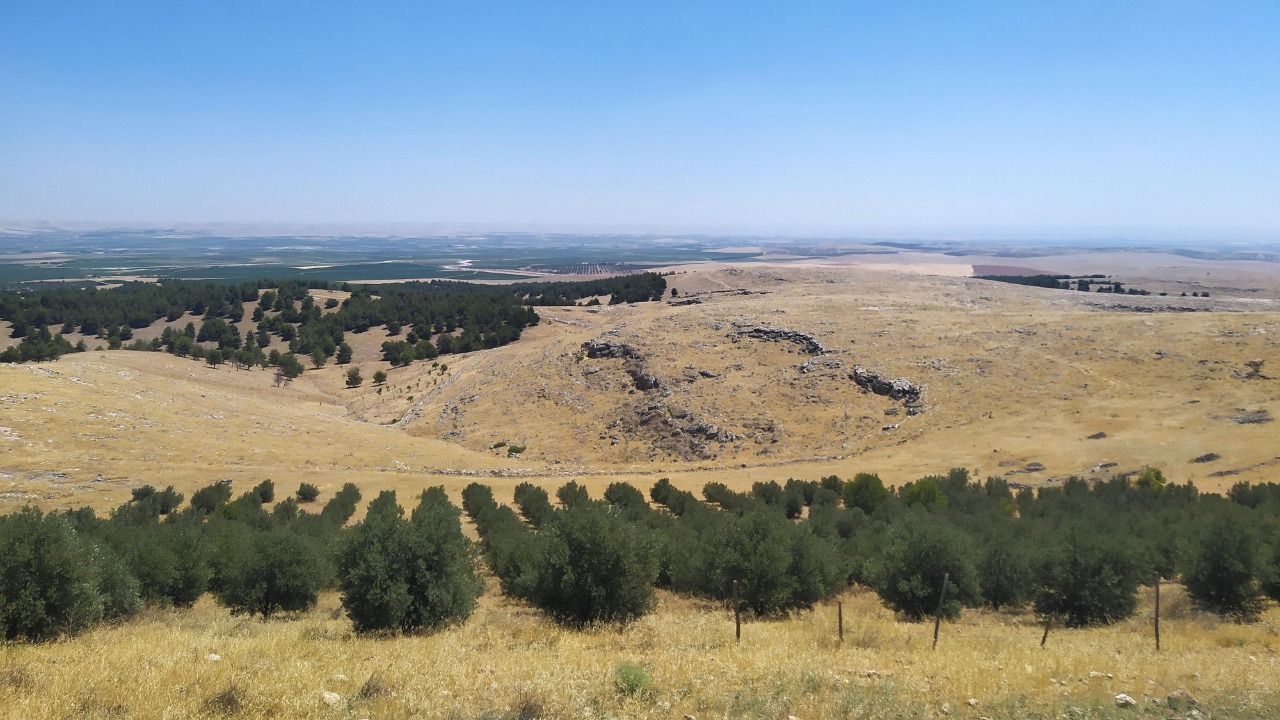
The pillar markings in Enclosure D align with a 365-day year divided into 12 lunar months plus intercalary days. This interpretation is supported by astronomical simulations, providing compelling evidence of the structure’s function as a calendar. Furthermore, the structure’s orientation toward the winter solstice sunrise indicates tracking of seasonal changes, with pillars potentially representing constellations like Taurus.
Interestingly, the presence of 11 pillars forming a 360-day circle plus a central marker for an extra five days mirrors early Egyptian calendars. However, the Göbekli Tepe structure predates them by a staggering 7,000 years, underscoring its significance in the history of human timekeeping.
Archaeological Team and Methods
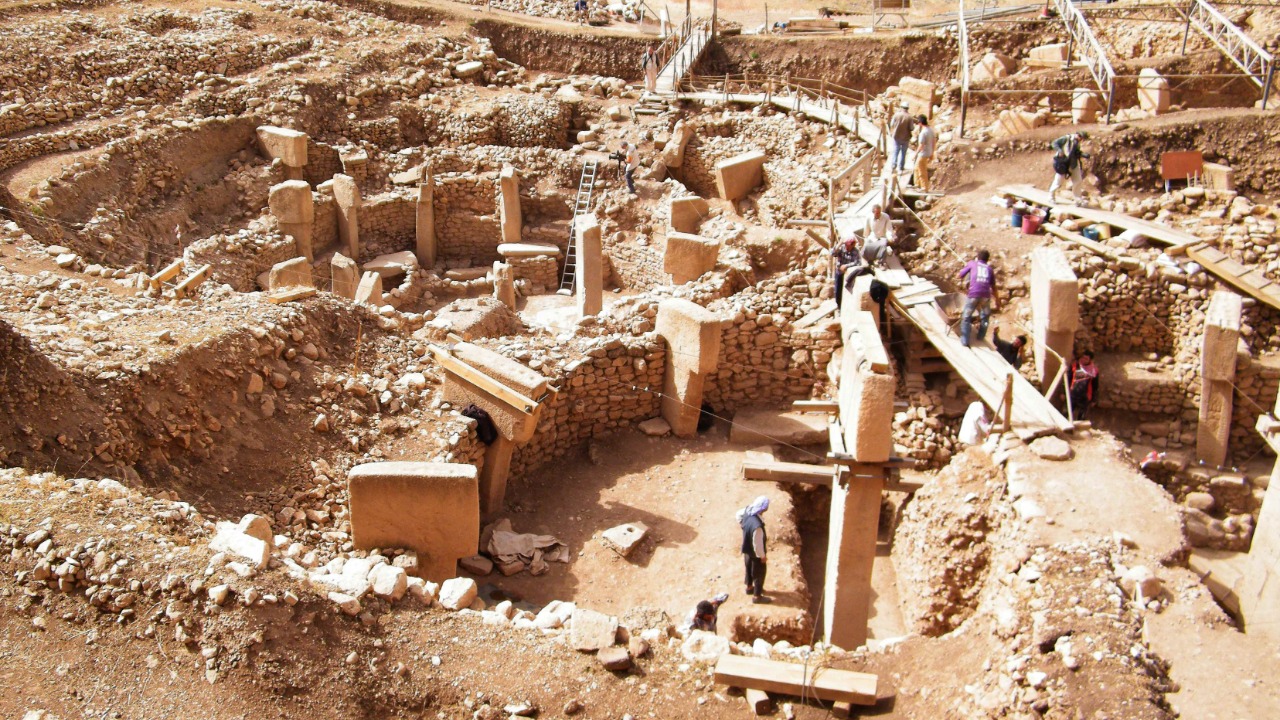
Dr. Martin Sweatman of the University of Edinburgh is the lead researcher proposing the calendar interpretation. His analysis of the site’s engravings in 2024 led to this groundbreaking hypothesis. The excavation techniques used included ground-penetrating radar and 3D modeling to map the structure without full exposure, a process that has been ongoing since 2019.
The research was conducted in collaboration with Turkish archaeologists from the Şanlıurfa Museum. Their ongoing digs at Göbekli Tepe have revealed over 200 pillars, adding to the site’s archaeological significance and providing a broader context for the newly discovered calendar structure.
Implications for Prehistoric Societies
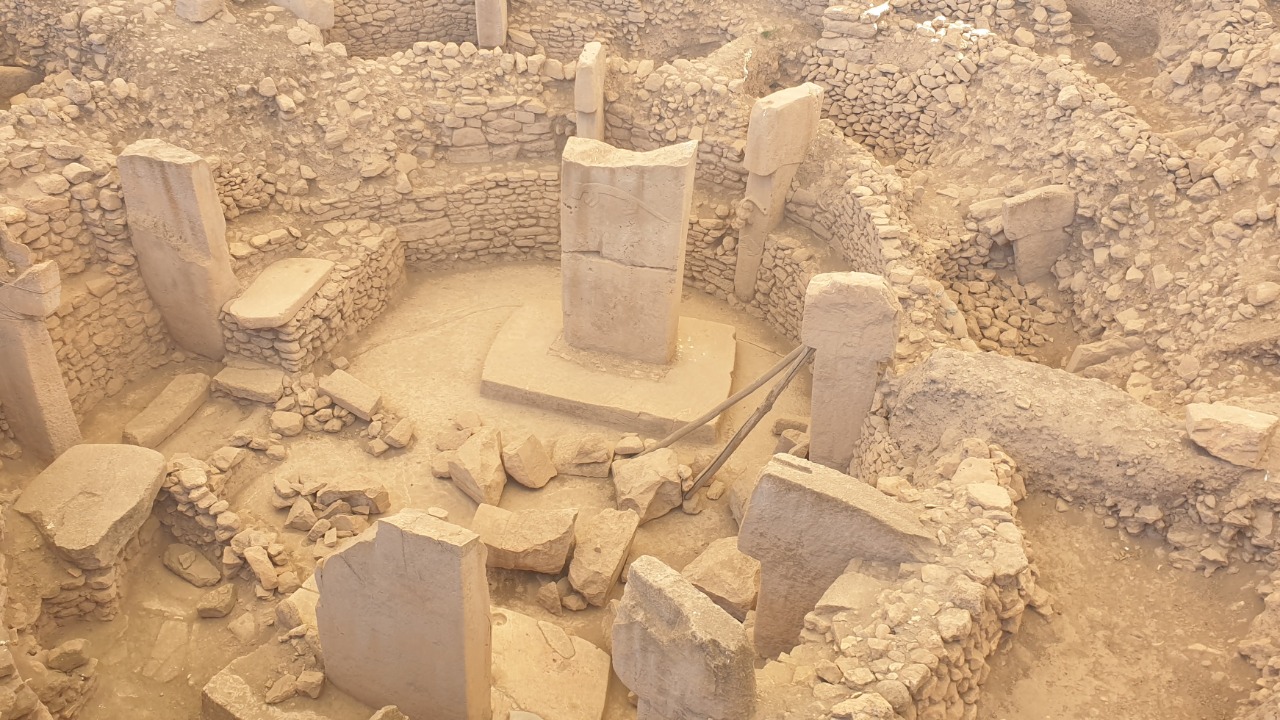
The calendar structure at Göbekli Tepe suggests that its builders possessed sophisticated astronomical knowledge. This could have played a crucial role in the transition to agriculture around 9000 BCE, as understanding seasonal changes would have been vital for farming. The structure’s role in communal rituals is also evident, as animal carvings and human figures indicate gatherings for solstice observances.
This discovery also challenges the traditional narrative of hunter-gatherer societies. The construction of a 12,000-year-old monument of this scale would have required organized labor involving hundreds of workers, suggesting a level of societal complexity not typically associated with hunter-gatherer cultures.
Comparisons to Known Calendars
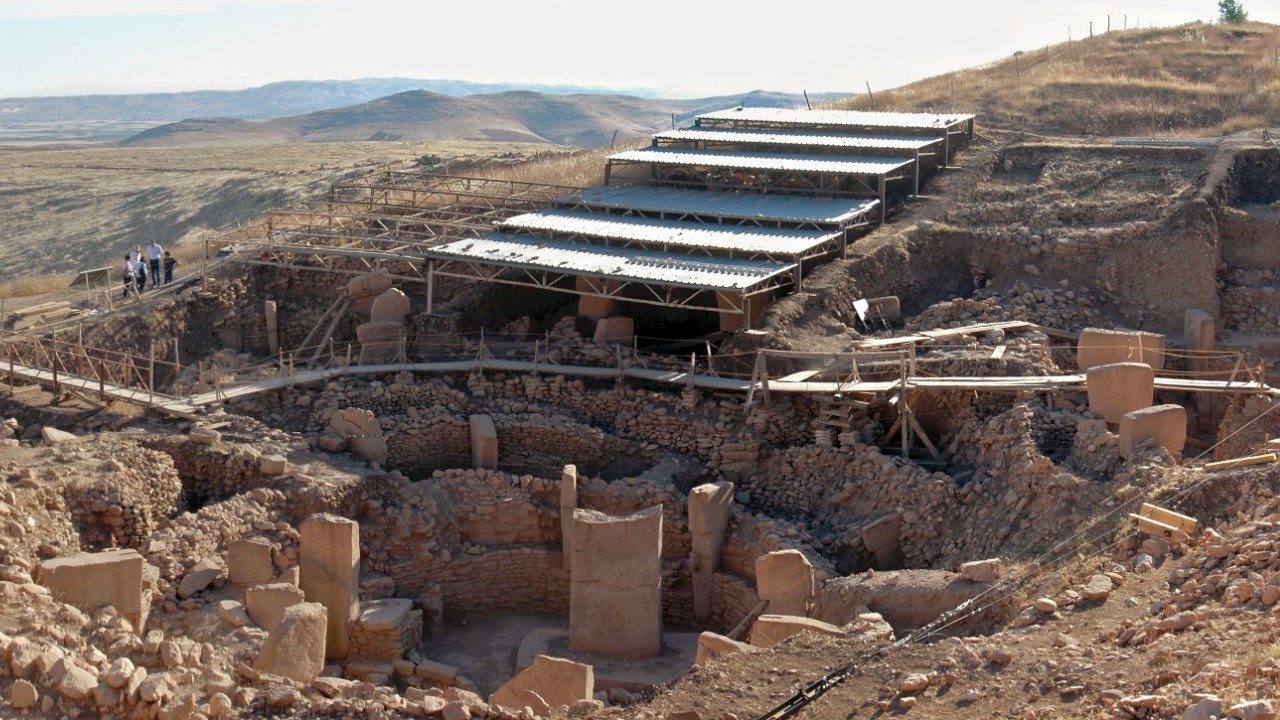
When compared to the 5,000-year-old Warren Field calendar in Scotland, the Göbekli Tepe structure stands out for its greater age and complexity. It also predates Mesopotamian lunisolar systems from 3000 BCE, emphasizing its significance as it predates both writing and settled farming.
There are also similarities to the 11,000-year-old Taş Tepeler sites nearby, suggesting a regional network of astronomical knowledge. This indicates that the practice of tracking celestial cycles was widespread in the region during this period.
Debates and Future Investigations
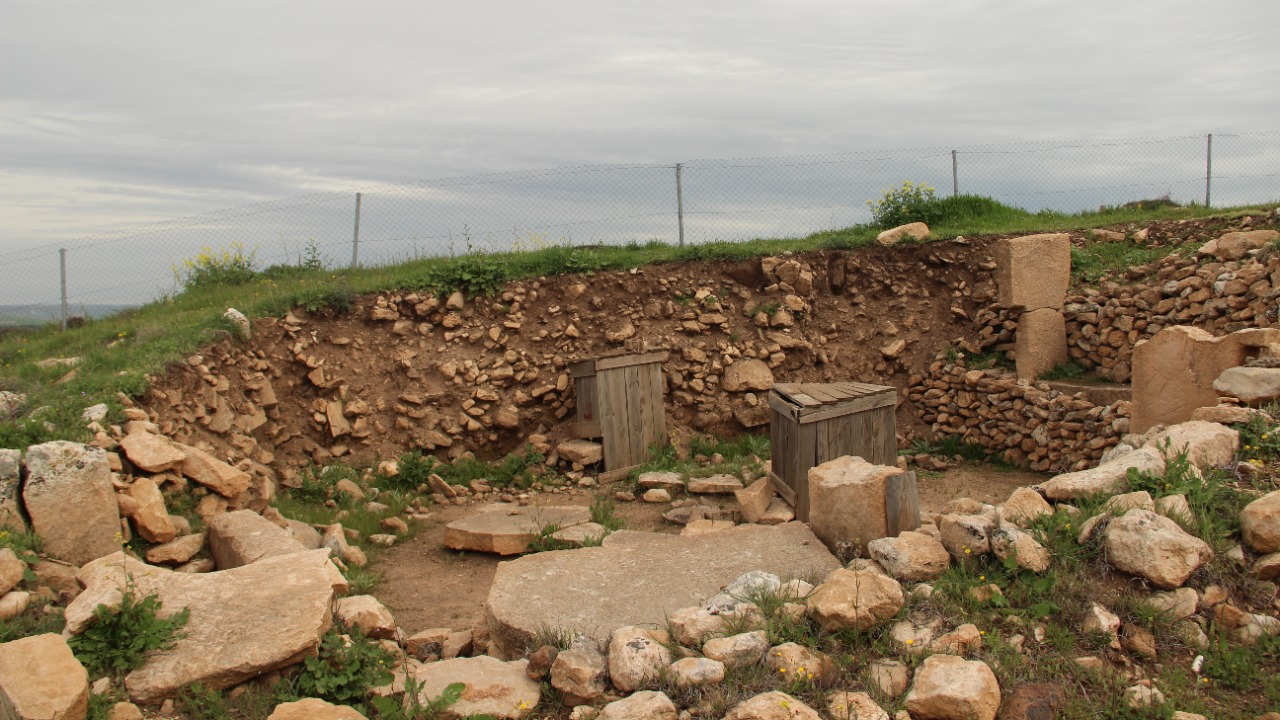
Despite the compelling evidence, some experts, like Jens Notroff of the German Archaeological Institute, question whether the markings are definitively calendrical rather than decorative. Future studies, including carbon dating of associated artifacts and testing the comet impact hypothesis for a 10,950 BCE event, are planned to further investigate these questions.
Conservation efforts are also underway at Göbekli Tepe to protect the structure from erosion. With international funding, expanded excavations are expected by 2025, promising new insights into this fascinating prehistoric site and its potential role as the world’s oldest calendar.
