
Recall notices are a routine part of modern car ownership, but a handful of nameplates have collected far more than their share. Sheer sales volume explains much of it: the more units on the road, the more vehicles a single faulty part can drag into a campaign. The twelve models below show how quickly those notices accumulate.
1. Ford F-150: Sales Volume Skews the Math
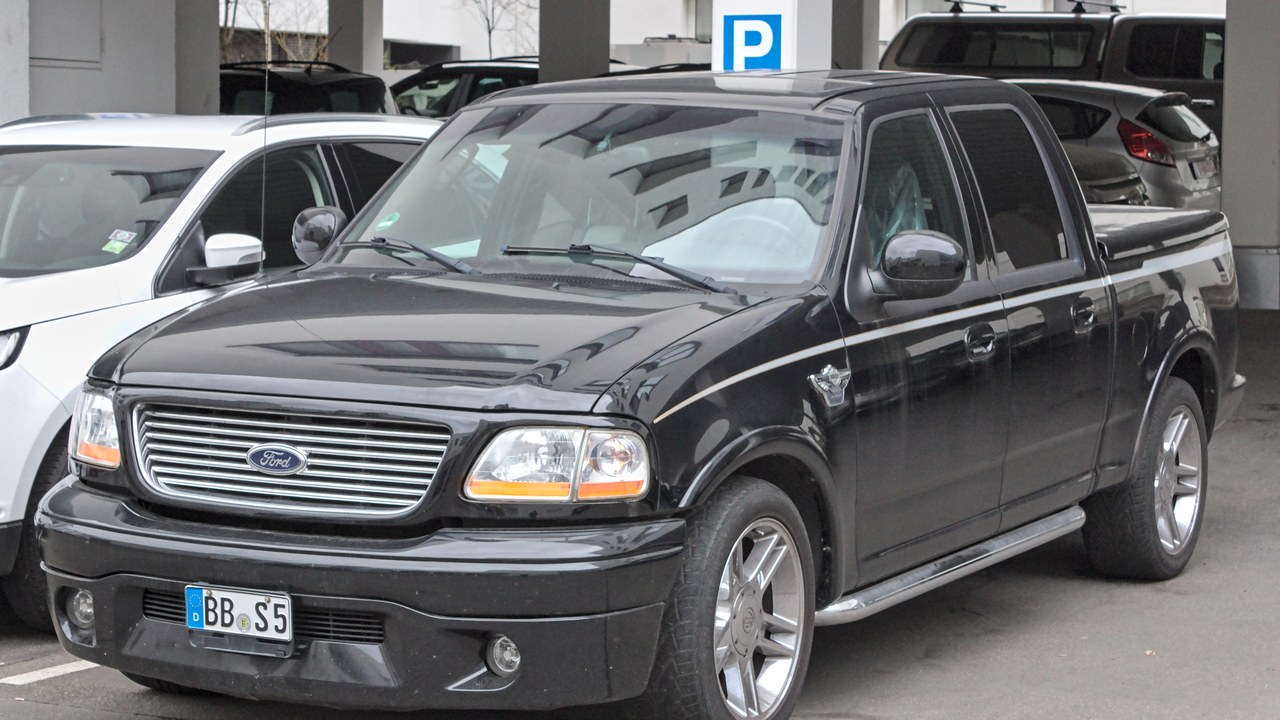
Nothing sells like Ford’s full-size truck, and the F-Series lineup has topped American sales charts for decades. That dominance is the main reason its recall record looks so crowded: a single bad supplier part means fixing millions of trucks rather than a few thousand. Documented campaigns have covered seat belt pretensioners, brake fluid leaks and transmission faults.
A long list is not automatically a verdict on quality. Volume inflates the tally, and a manufacturer that issues notices promptly is doing what regulators want. What matters far more is whether an individual truck has had its open campaigns completed by a dealer.
2. Chevrolet Silverado: One Platform, Many Notices
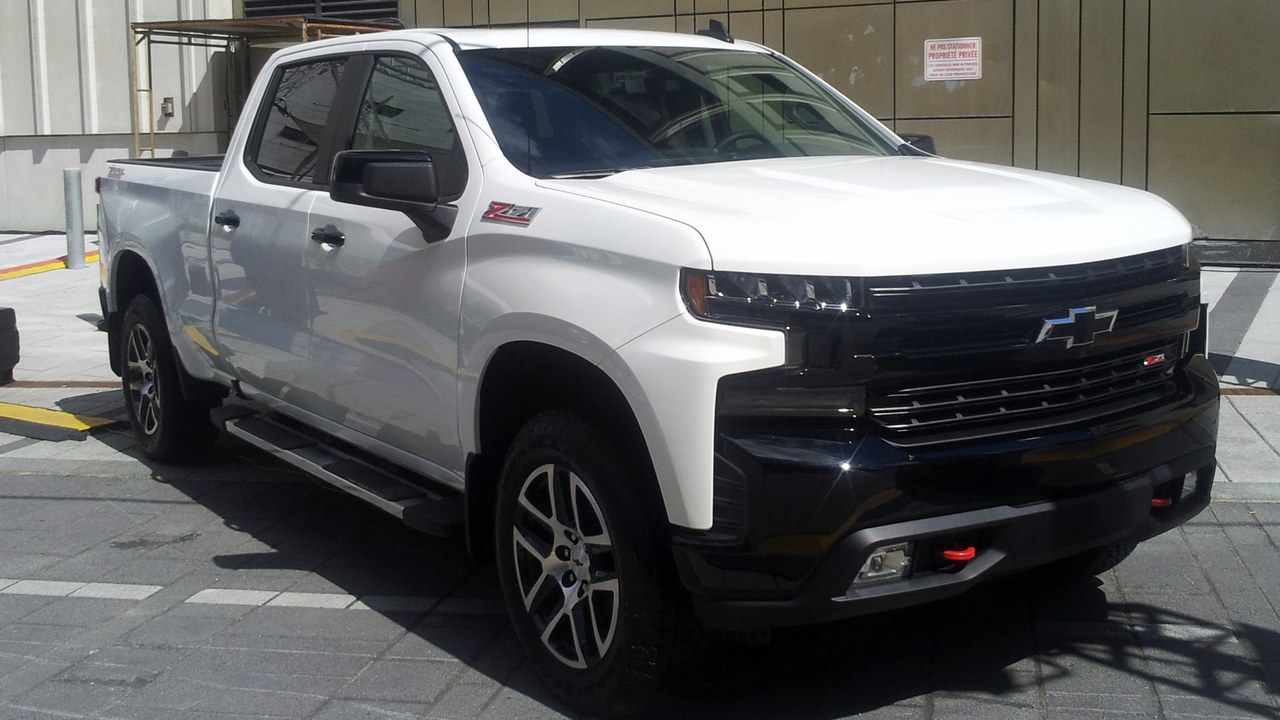
General Motors builds its answer to the F-150 in enormous numbers, and the Silverado 1500 moves hundreds of thousands of units a year across North America. Recall notices attached to the truck have spanned brake assist hardware, airbag components, seat belts and electrical faults, with individual campaigns often covering several model years at once.
Shared architecture magnifies everything. Because the Silverado, the Sierra and GM’s big sport utilities draw from the same platform and parts bins, one defective component can pull multiple nameplates into a single notice.
3. Ram Pickup: Scale Brings Its Own Problems
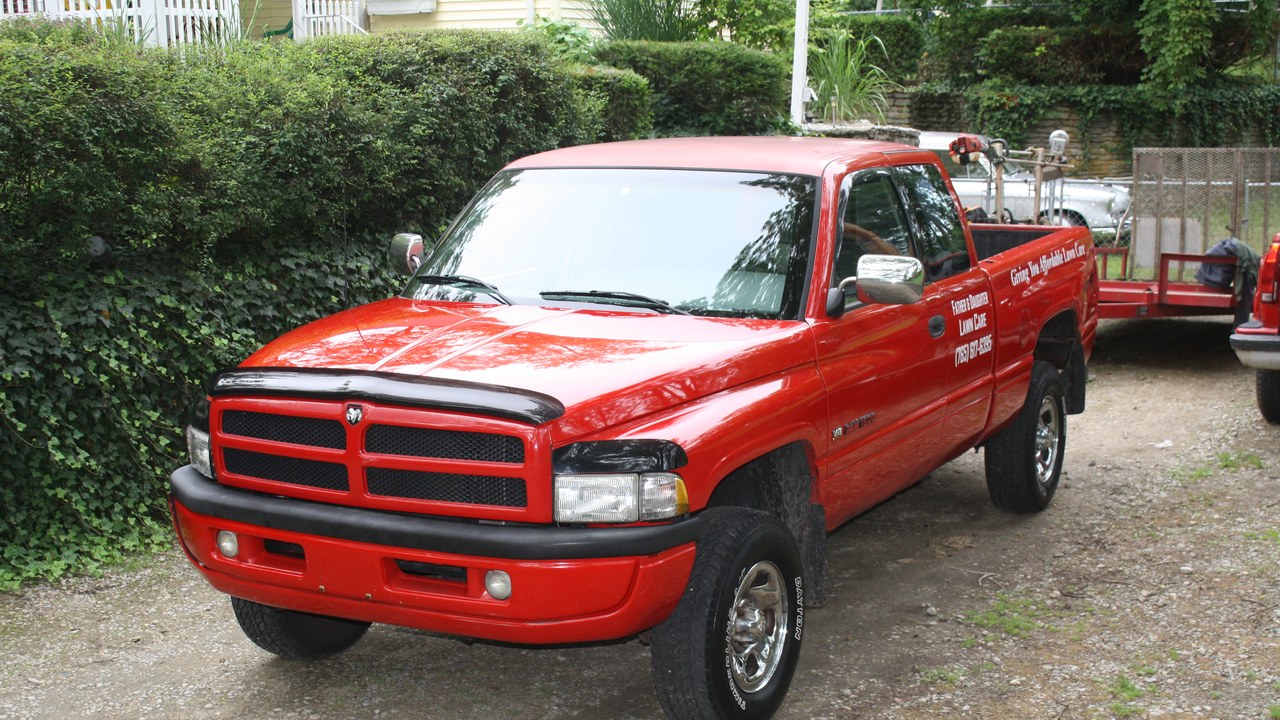
Sold under the Dodge badge for years before becoming its own brand, the Ram full-size pickup remains a fixture of the American top three. Its recall history reflects that scale, with campaigns touching airbag inflators, steering components, wiring harnesses and tailgate hardware across both light-duty and heavy-duty variants.
Work trucks complicate the picture further. Heavy-duty models carry equipment that ordinary pickups never see, so a fault in a diesel-related part can generate a separate notice stacked on top of the standard truck recalls.
4. Jeep Grand Cherokee: A Fuel Tank Fight
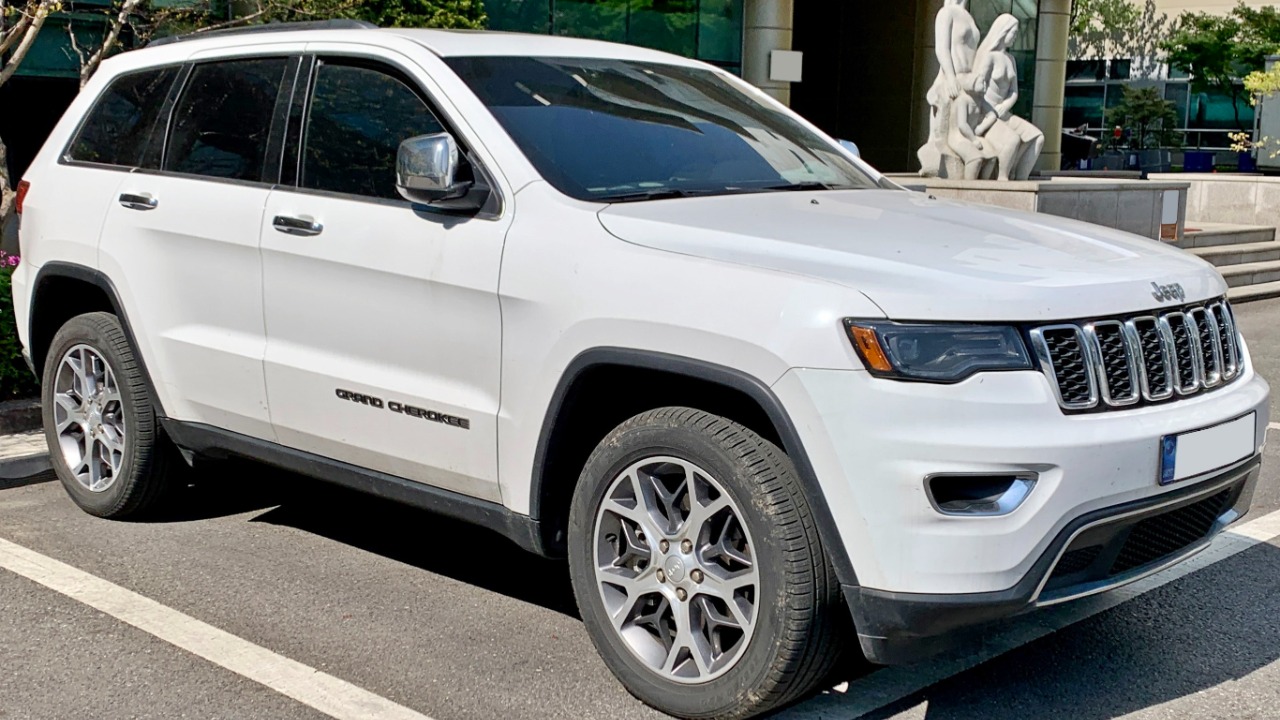
Jeep’s volume sport utility has been in production since the early 1990s, and the earliest generations of the Grand Cherokee became the subject of a long federal safety fight over rear-mounted fuel tanks that could rupture in a rear-end collision. The resolution was a service action fitting trailer hitches to older examples.
Later generations kept the streak alive with electrical, transmission and software campaigns. Longevity is part of the story here: a nameplate running for more than three decades simply accumulates more notices than a recent arrival.
5. Ford Explorer: Tires, Toe Links and Fumes
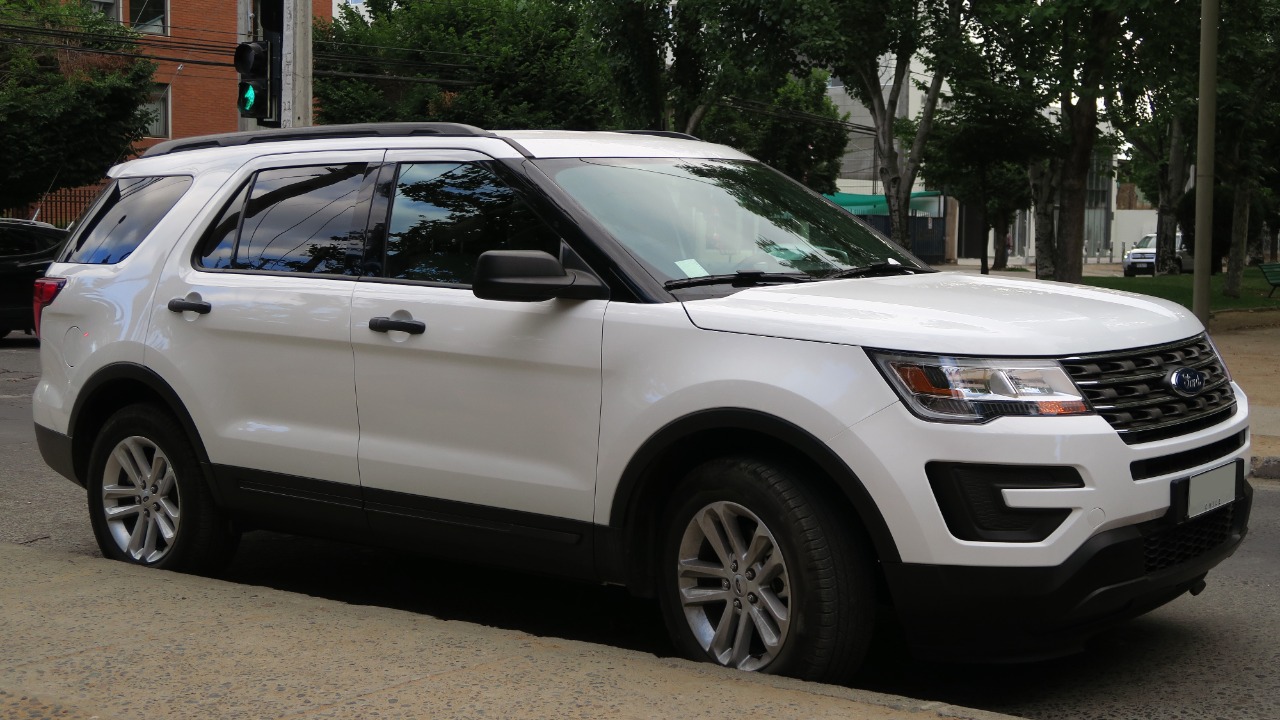
Few sport utilities carry as much baggage as the Ford Explorer, which sat at the center of the Firestone tire controversy that dominated safety headlines around the turn of the century. Later campaigns addressed rear suspension toe links, seat components and complaints that exhaust fumes could reach the cabin in police-specification models.
Exhaust concerns proved especially stubborn. Regulators examined the issue over several years while Ford offered free inspections and repairs, an outcome showing how one unresolved complaint can spawn multiple overlapping actions.
6. Chevrolet Cobalt: The Recall That Changed Everything
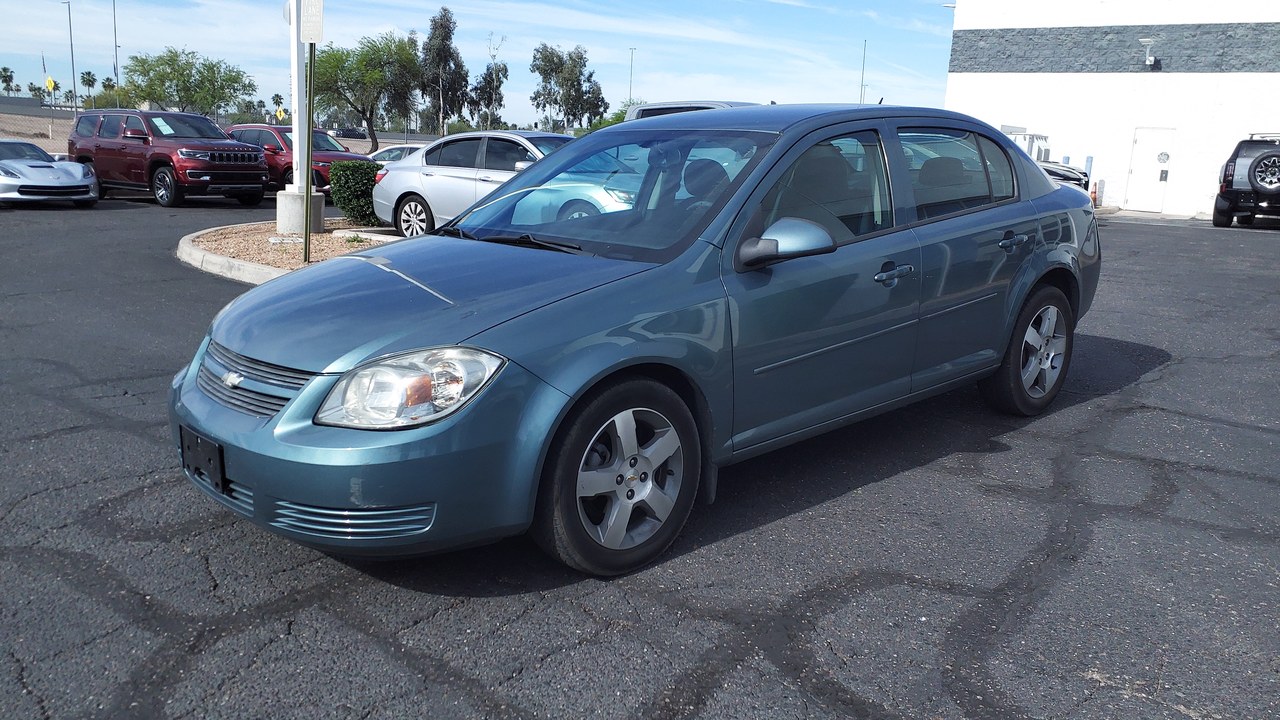
No entry here carries a heavier legacy than the Chevrolet Cobalt, whose ignition switch could slip out of the run position, killing power steering and disabling the airbags. General Motors recalled millions of small cars in 2014, after evidence emerged that the defect had been known internally for years.
The fallout reshaped an industry. GM paid a criminal penalty and funded a compensation program for victims, and the episode pushed regulators toward the faster defect-reporting expectations that still shape how automakers disclose problems.
7. Volkswagen Jetta: Airbags and Emissions Overlap
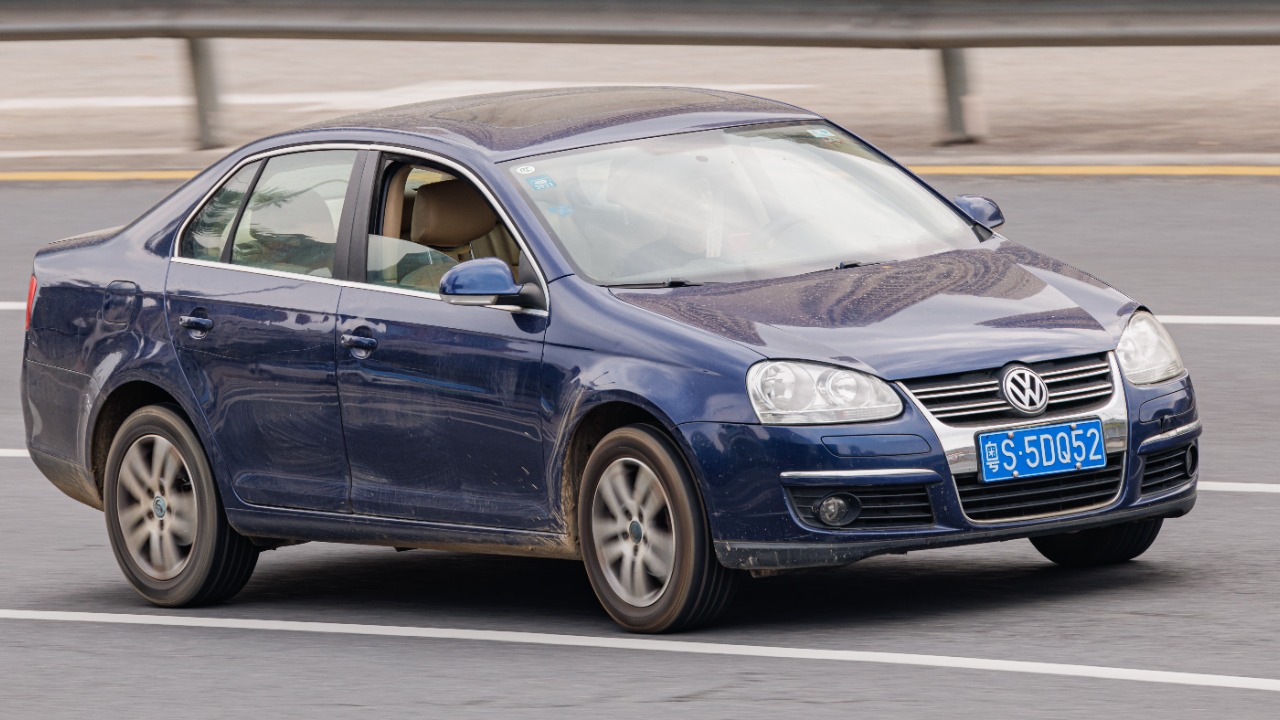
Volkswagen’s compact sedan has been sold in the United States since the early 1980s, and the Jetta ranks among the brand’s best-selling nameplates there. Recall campaigns have covered airbag inflators, fuel system components, lighting and wiring, and the model was swept into the diesel emissions scandal that forced a vast buyback and repair program.
Emissions work is not a crash-safety matter, yet it lands in the same regulatory file. That overlap explains why raw recall counts can flatter or condemn a nameplate depending on what gets counted.
8. Honda CR-V: Caught in the Takata Net
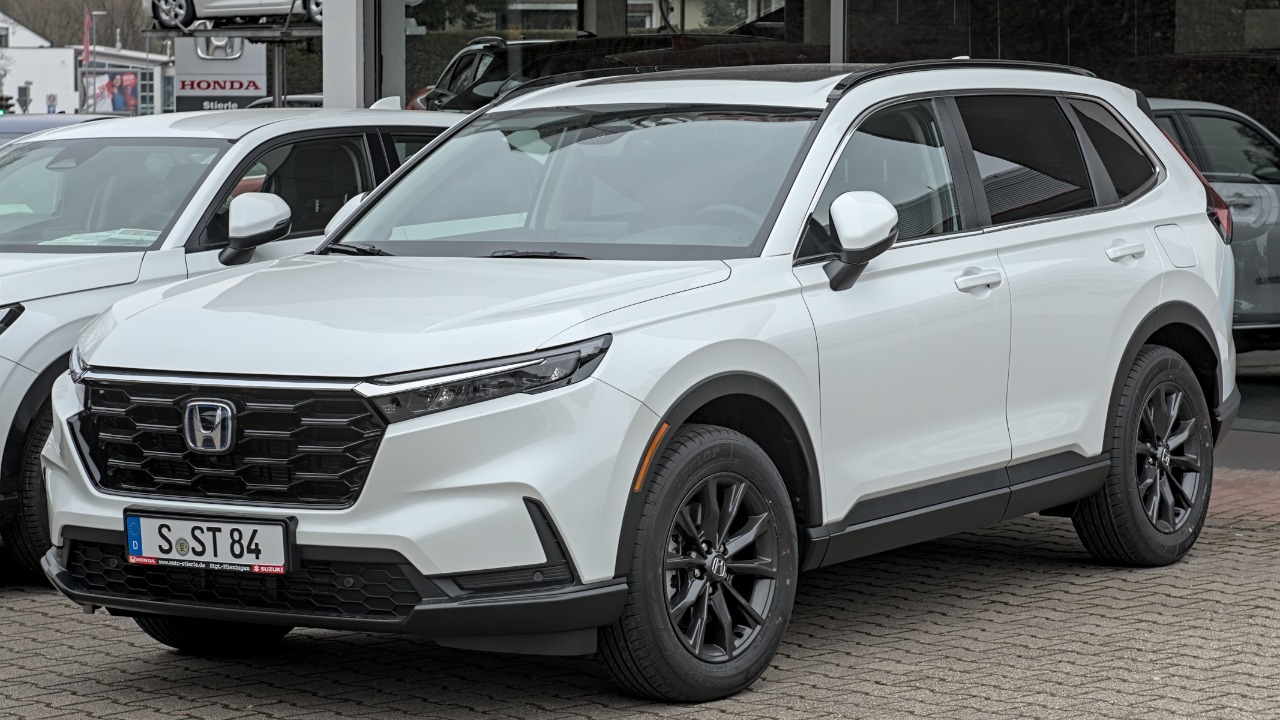
As one of America’s best-selling crossovers, the Honda CR-V was heavily exposed to the Takata airbag crisis, the largest recall in automotive history. Honda fitted the affected inflator design across much of its lineup, so millions of vehicles needed replacement parts that took years to manufacture and install.
Other campaigns have been far smaller, covering items such as sensors, seat belts and software. The crossover’s reliability reputation survived largely intact, a reminder that recall volume and long-term durability measure genuinely different things.
9. Ford Focus: A Transmission That Wore Out Patience
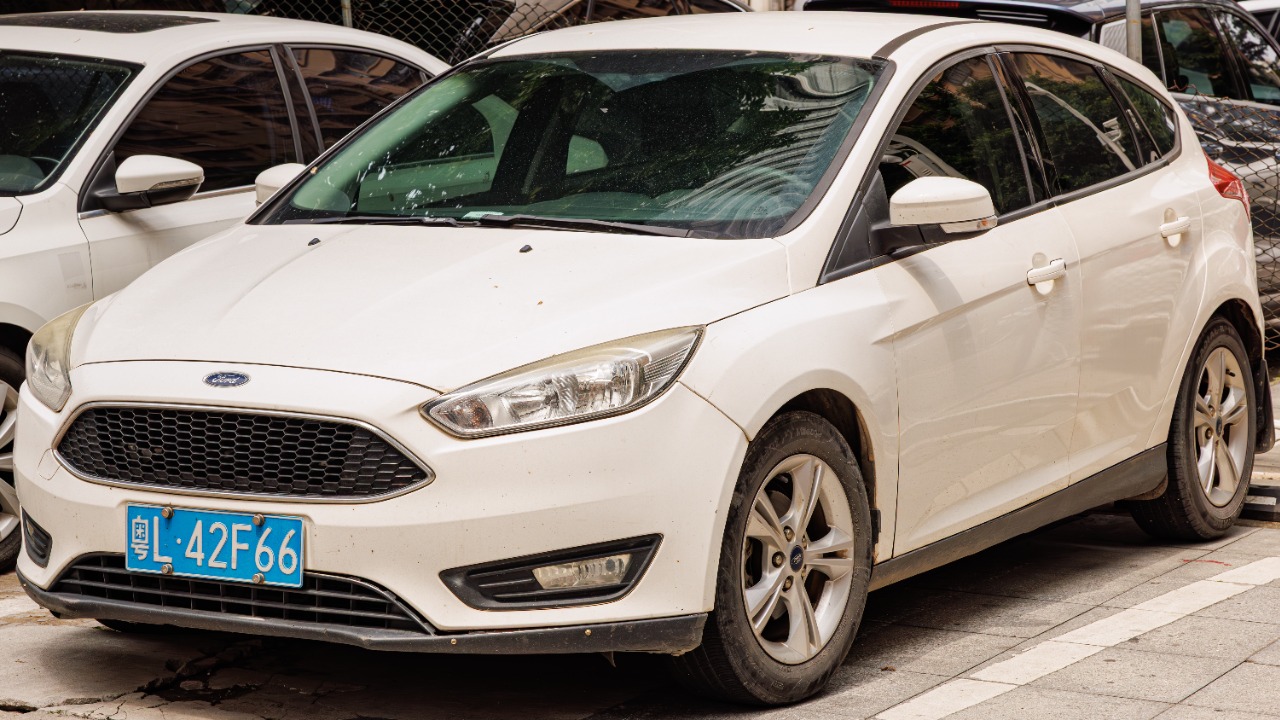
North American production of the Ford Focus ended in 2018 after years of complaints about its dual-clutch automatic, which owners described as shuddering and hesitating in traffic. That problem was handled largely through extended warranties and a class-action settlement rather than a single safety recall, an important distinction.
Separate recalls did follow, among them a fuel system fault involving a purge valve that could cause stalling. Between the transmission litigation and the notices, the compact’s final years generated an unusually thick paper trail.
10. Toyota Camry: Reliable and Recalled
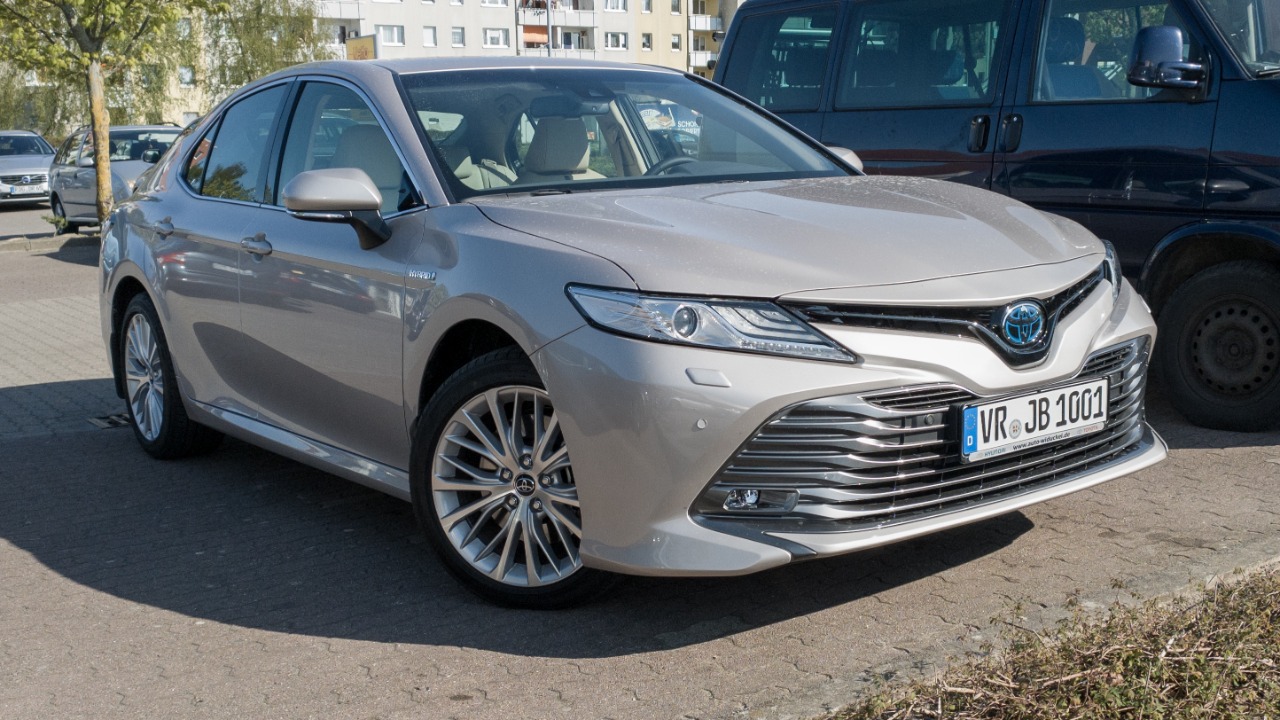
Reliability rankings consistently favor the Toyota Camry, yet it sat at the center of the unintended acceleration crisis that engulfed Toyota around 2009 and 2010. The company recalled millions of vehicles over floor mats that could trap the accelerator pedal and pedal assemblies that could stick.
Takata inflators later added millions more units. The Camry’s presence here mostly reflects arithmetic: it has been among America’s best-selling sedans for decades, so any parts-bin defect automatically touches an enormous population of cars.
11. Nissan Altima: Latches, Sensors and Inflators
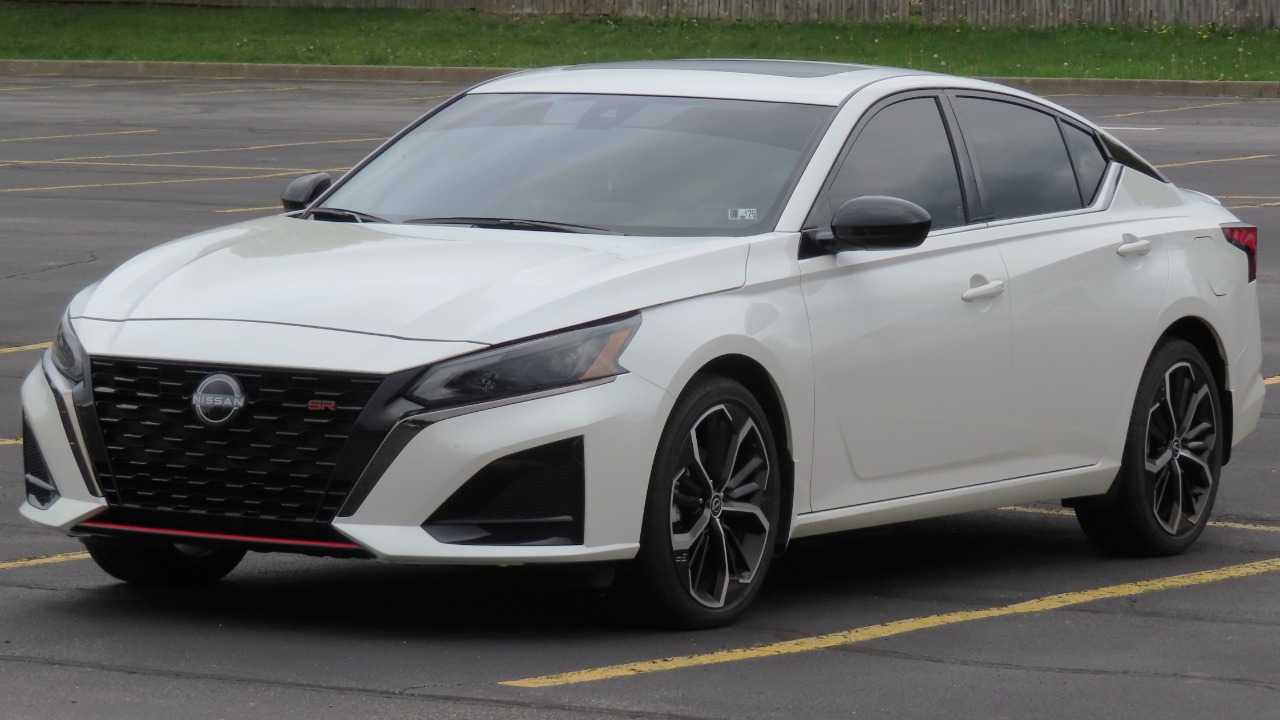
Nissan’s midsize sedan has fought the Camry and the Accord for volume, and the Altima picked up a lengthy string of notices along the way. Campaigns have addressed Takata airbag inflators, occupant classification sensors that could misread a front passenger, and secondary hood latches vulnerable to corrosion.
The hood latch case dragged through several rounds of repairs. A hood that releases at highway speed can block the windshield completely, which is why regulators treat a seemingly minor piece of hardware as a serious crash risk.
12. Ford Fusion: A Dense Final Chapter
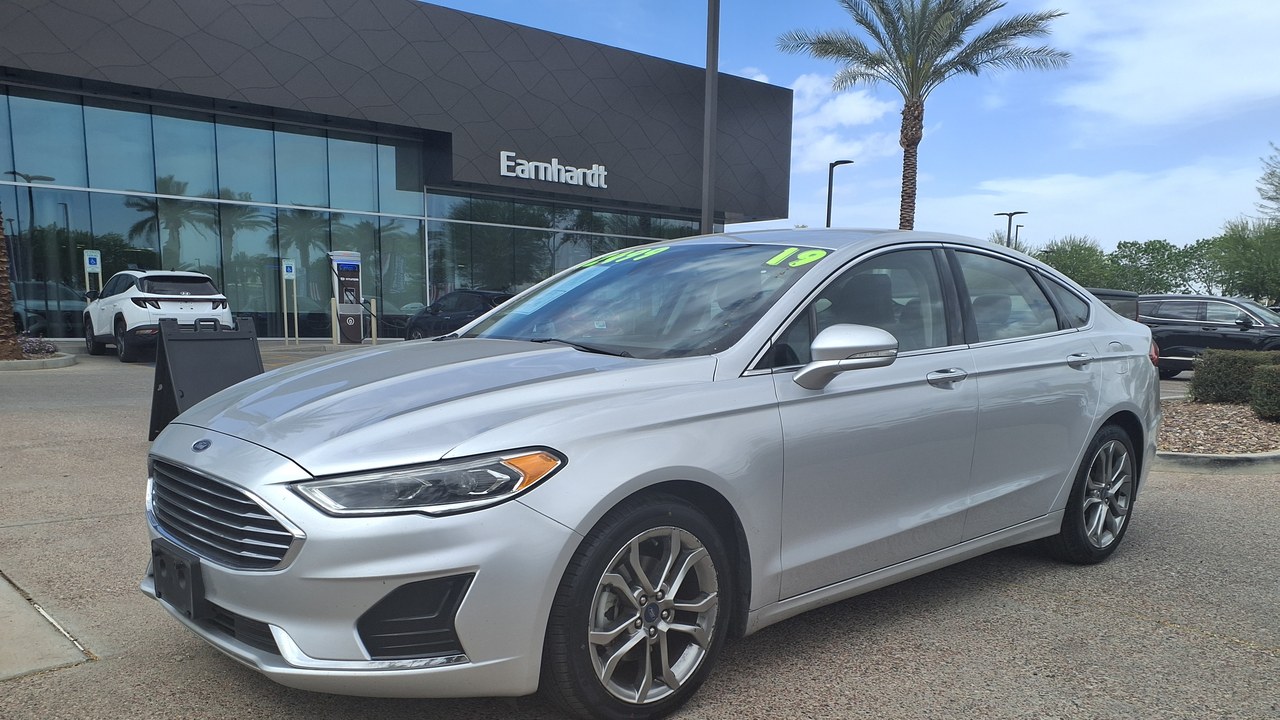
Built for roughly fifteen years before the sedan purge ended it, the Ford Fusion spent its later seasons working through a dense run of recalls. Notices covered steering wheels that could detach because of a loose bolt, transmission shift cable bushings that could let a parked car roll away, and door latches that might not stay closed.
Roll-away and steering defects sit at the severe end of the scale. Neither is a wear item an owner would catch during routine maintenance, which is precisely why the recall system exists and why completion rates matter.
More from Morning Overview
- Long-term use of common heartburn pills is tied to kidney and dementia risk
- A California supervolcano has bulged upward about two and a half feet since 1978
- The FTC is warning about a scam quietly draining thousands from victims
- The NSA is again telling phone owners to switch off one location setting
