
Vehicle longevity data separates brands that survive daily driving for decades from ones that fade fast. Two independent studies, one tracking mileage odds and the other three-year dependability scores, rank which nameplates cross 250,000 miles and hold up best over time. Here are twelve brands that stack up, ranked by the numbers behind their durability.
1. Toyota: The 250,000-Mile Benchmark
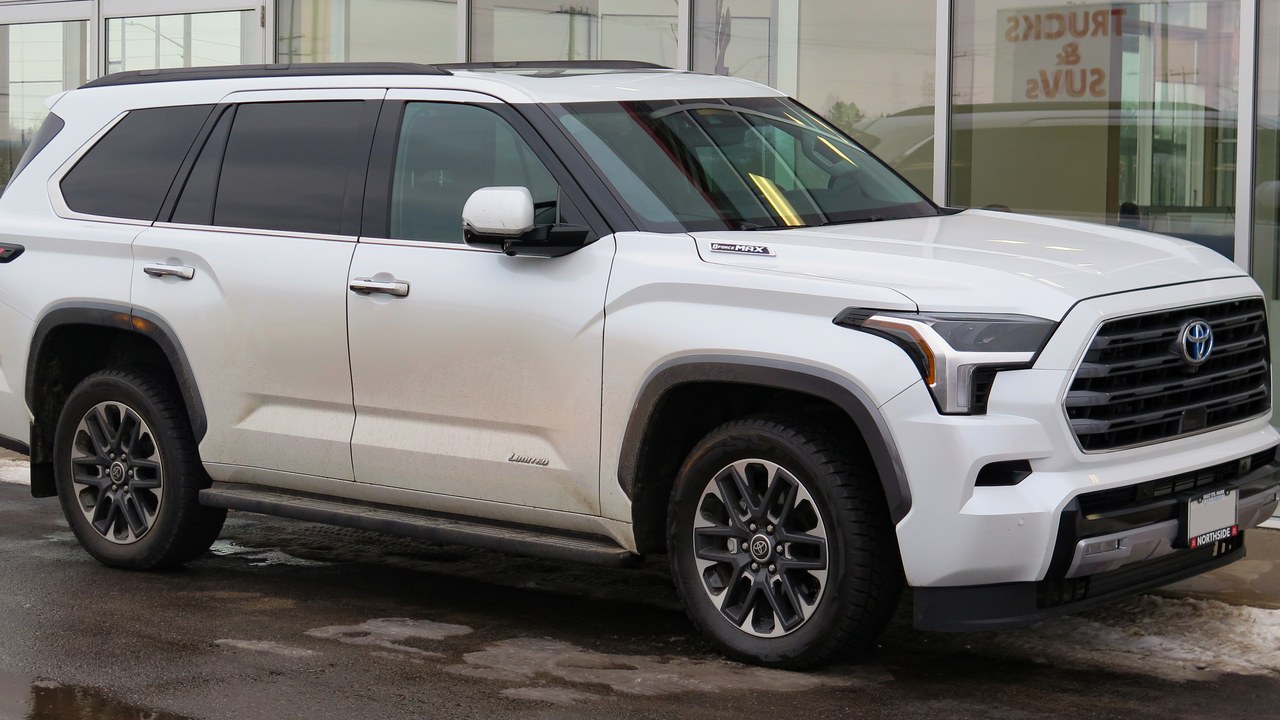
The Toyota Sequoia posts a 39.1% chance of reaching 250,000 miles, the highest survival odds of any vehicle tracked in iSeeCars’ longevity study, more than eight times the industry average of 4.8%. No other nameplate in the analysis comes close to that mileage ceiling.
The gap points to a drivetrain built for accumulated mileage rather than short trips, the pattern hybrid and full-size SUV buyers tend to prize most. Toyota’s broader lineup echoes the trend, giving the brand a reputation few competitors currently match.
2. Lexus: Four Straight Years On Top
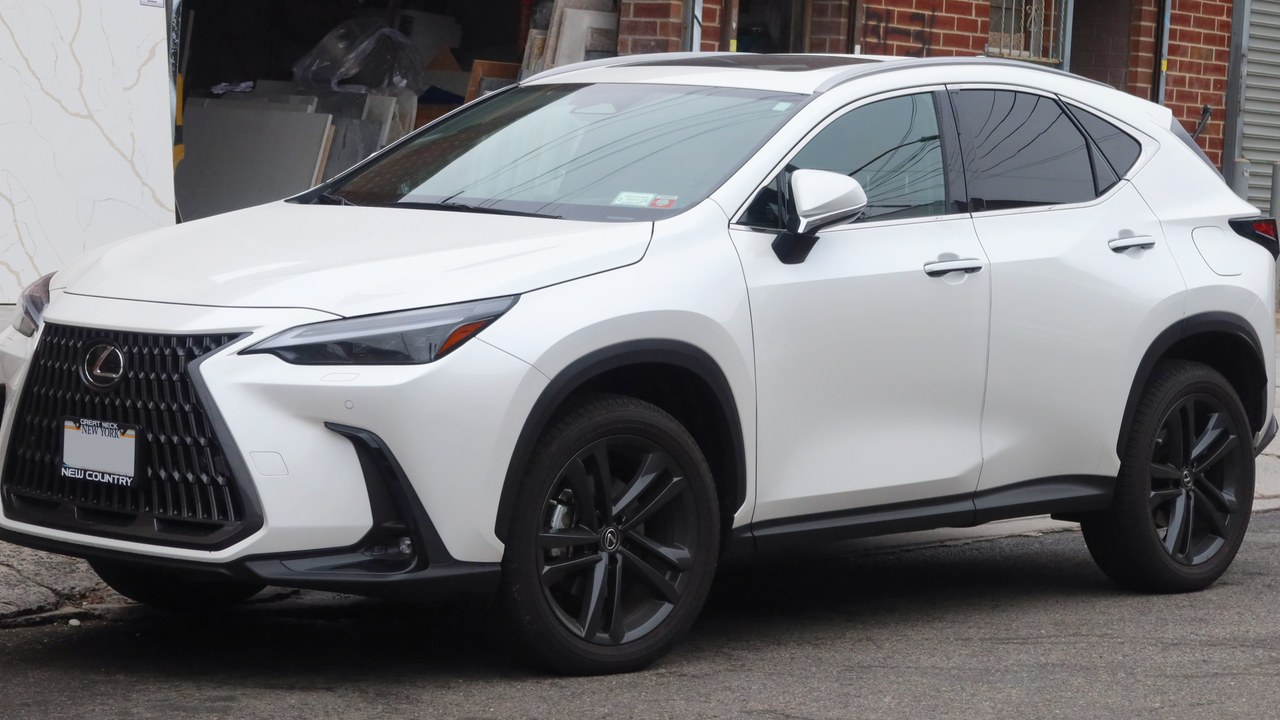
Lexus ranks highest of every premium brand in the 2026 Vehicle Dependability Study, logging 151 problems per 100 vehicles against an industry average of 204, a mark J.D. Power credits to a fourth consecutive year atop the ranking. The gap of 53 problems separates it from the typical three-year-old vehicle on the road.
Dependability scores like this track owners of three-year-old vehicles, meaning the number reflects how components hold up well past the warranty period, not just at delivery. Consistency across four straight studies suggests the result is a manufacturing pattern rather than a single strong model year.
3. Honda: Owners Who Never Trade In
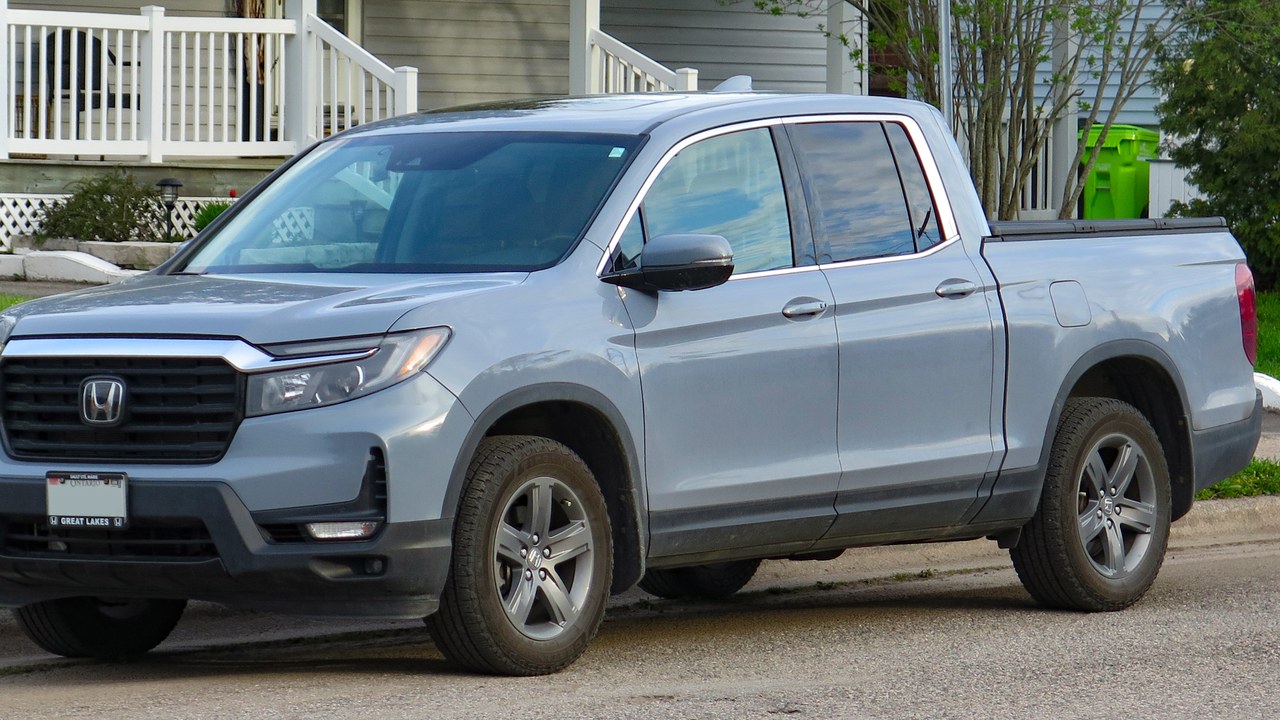
8.1% of Hondas that are 15 years or older are still driven by their original owner, according to iSeeCars’ ownership-retention study, a figure that trails only Toyota and sits well above the 6.1% average across all brands studied. Honda claims the runner-up spot in a ranking dominated almost entirely by two manufacturers.
Retention like this is a different signal than mileage odds; it measures whether a car stays worth keeping rather than trading away, a proxy for long-term satisfaction as much as mechanical durability. The result lines up with Honda’s longstanding reputation for cheap, predictable maintenance costs.
4. Acura: The Only Luxury Brand Above Average
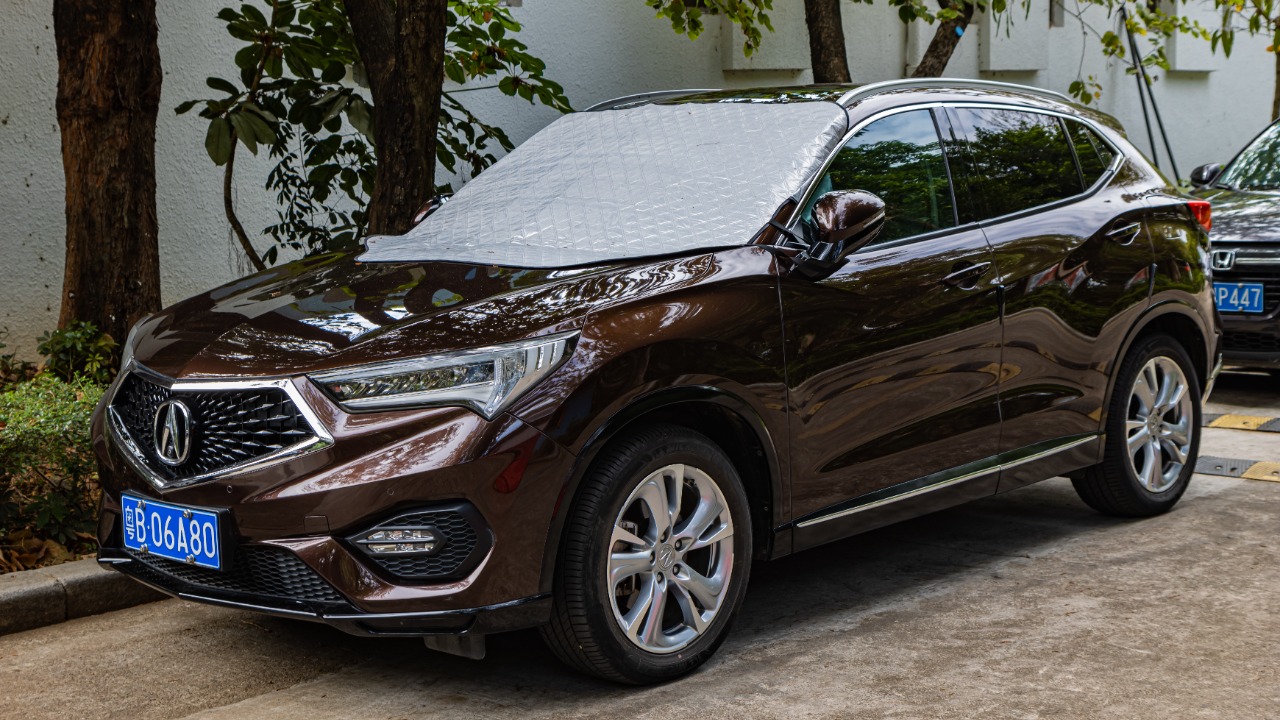
Acura is the sole luxury nameplate to beat the 6.1% average in iSeeCars’ retention rankings, with 7.9% of its 15-year-old vehicles still registered to their first owner. Every other premium brand in the study, including Lexus, falls below that same benchmark.
The result cuts against the assumption that premium badges automatically translate into owners who hold on longer. Acura’s smaller, more focused lineup may explain part of the gap, since fewer models leave less room for a weak link to drag the brand average down.
5. GMC: A Heavy-Duty Case For Longevity
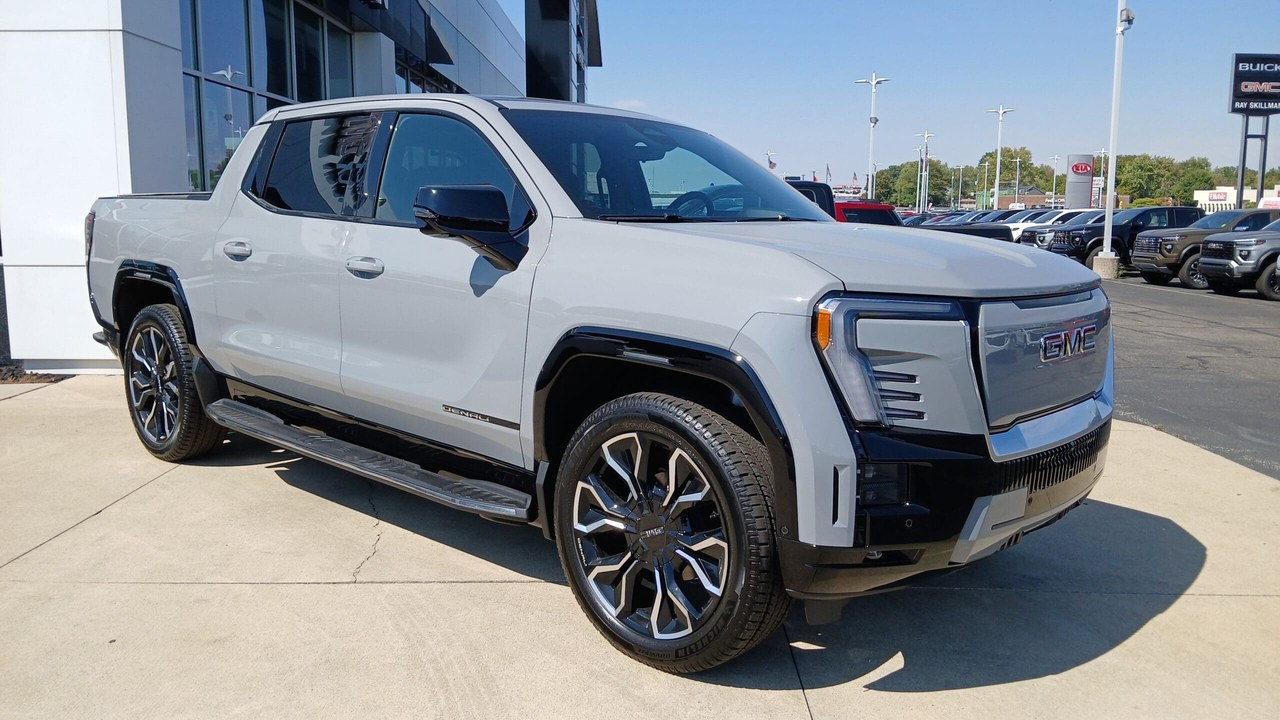
A 10.8% chance of reaching 250,000 miles puts the GMC Sierra 1500 more than double the 4.8% average across every vehicle in iSeeCars’ longevity rankings. That places the truck 18th overall, still comfortably ahead of most passenger cars and crossovers in the same dataset.
Full-size pickups tend to skew the mileage odds upward since commercial and fleet use pushes them past 200,000 miles far more often than a typical commuter car. GMC’s showing puts it in the same durable-truck company as rival brands built on the same platform underpinnings.
6. Tesla: Right At The Industry Average
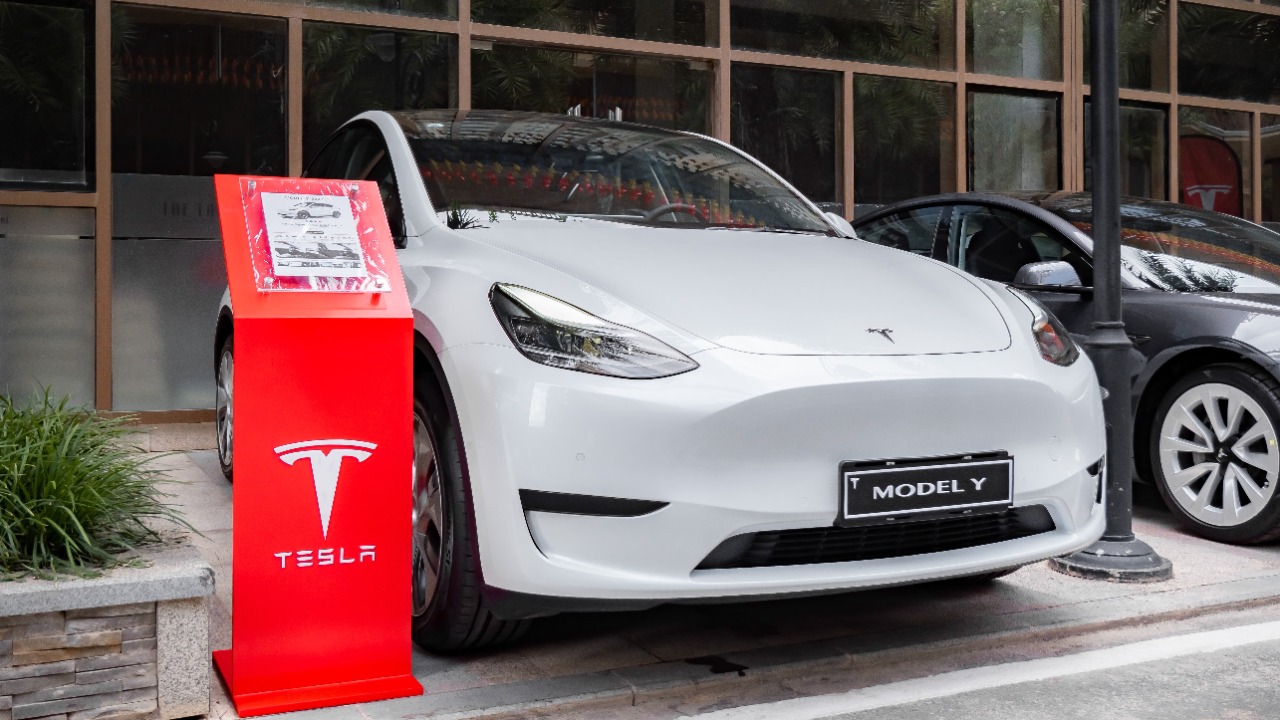
Sixth place among 32 brands in iSeeCars’ brand-longevity ranking is where Tesla lands, a 4.6% chance of reaching 250,000 miles that lines up almost exactly with the 4.8% industry average. That puts the electric-only automaker ahead of most legacy brands despite a much shorter production history to draw data from.
Battery and drivetrain wear differ from combustion-engine failure patterns, so a mid-pack finish here says less about weakness than about a newer dataset still filling in with higher-mileage examples. Tesla’s ranking is likely to shift as more of its vehicles age into the 200,000-mile range being measured.
7. Chevrolet: Two Model Awards, Third Place Overall
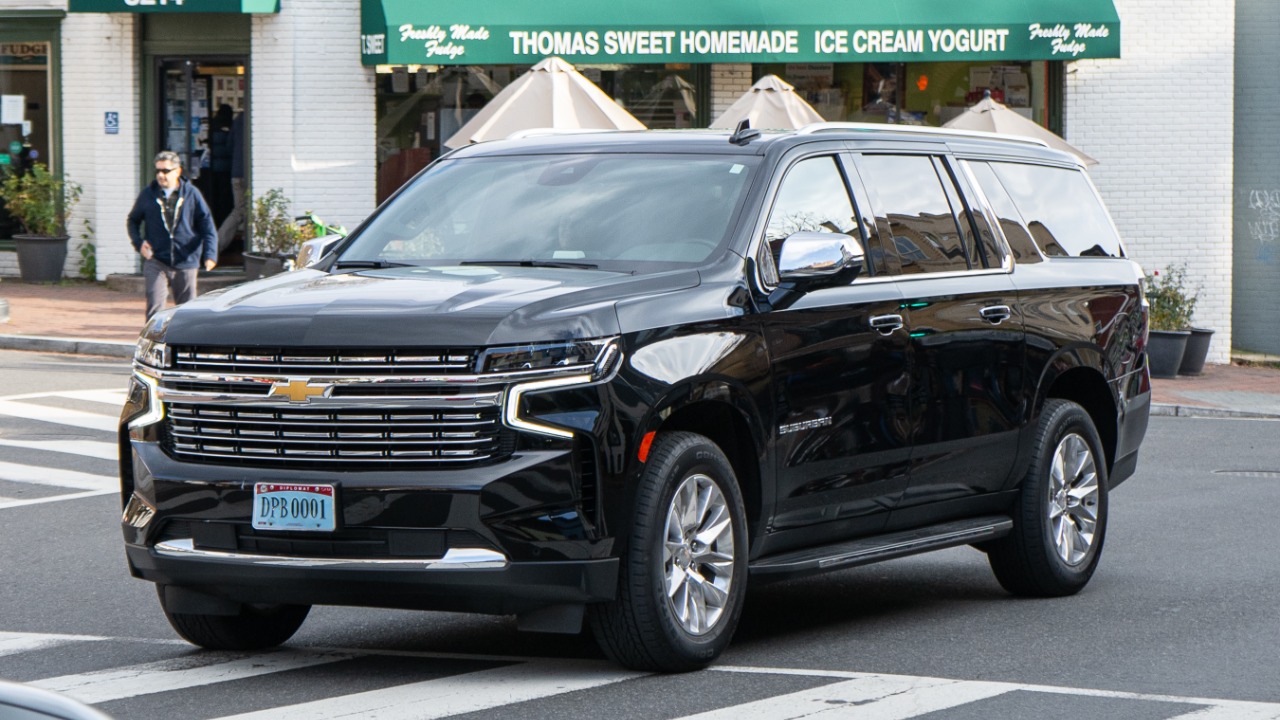
Chevrolet posts 178 problems per 100 vehicles after three years of ownership, the third-best mark among mass-market brands in the J.D. Power dependability study, with both the Equinox and Tahoe collecting model-level awards. The brand beats the broader industry average of 204 problems per 100 vehicles by a wide margin.
Winning at both the compact-crossover and full-size-SUV tiers signals consistency across very different vehicle categories rather than one standout model carrying the whole brand. That spread matters more to shoppers cross-shopping different segments than a single high-scoring nameplate would.
8. Cadillac: Second Among Premium Brands
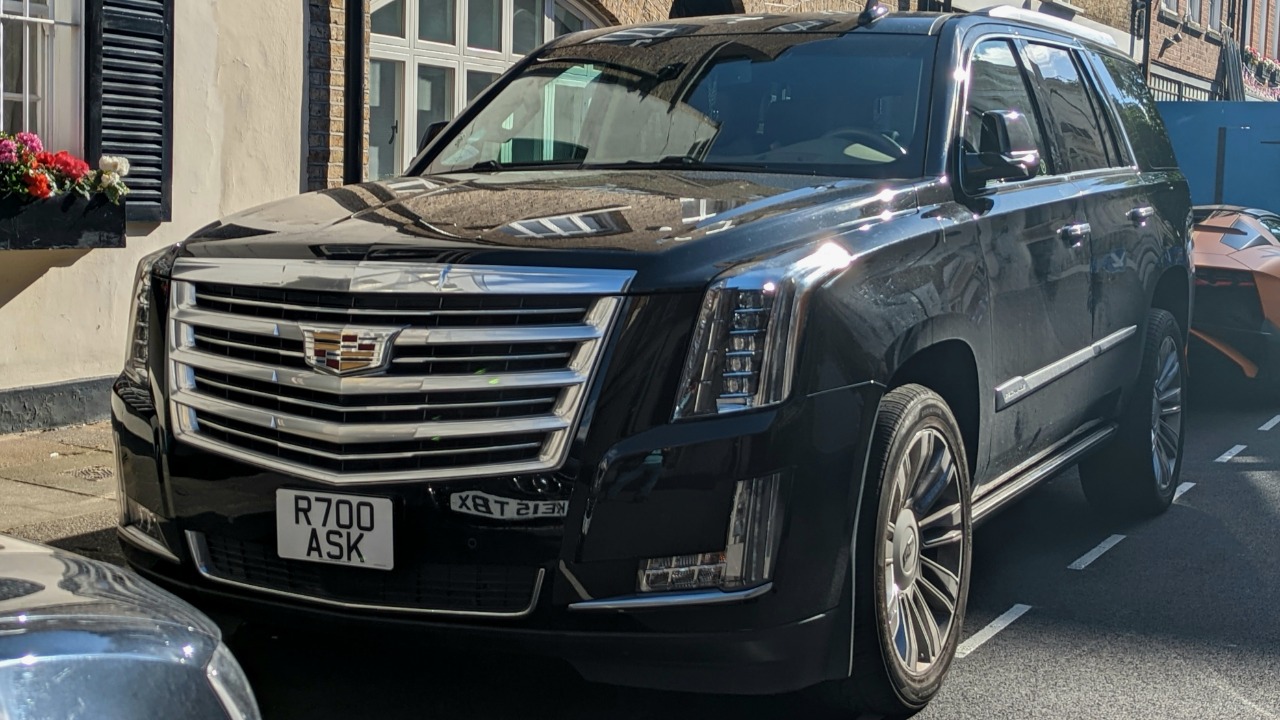
Second among every premium brand is Cadillac’s finish in the same Vehicle Dependability Study, with 175 problems per 100 vehicles, 29 fewer than the 204-problem industry average. Only one luxury nameplate posted a stronger three-year reliability score in the entire 2026 report.
A domestic luxury brand outscoring most import rivals on long-term dependability runs counter to a decades-old assumption that European and Asian premium badges hold a durability edge. The gap of 29 problems per 100 vehicles is large enough to matter to a buyer comparing ownership costs.
9. Mazda: A Small Brand That Holds Its Value
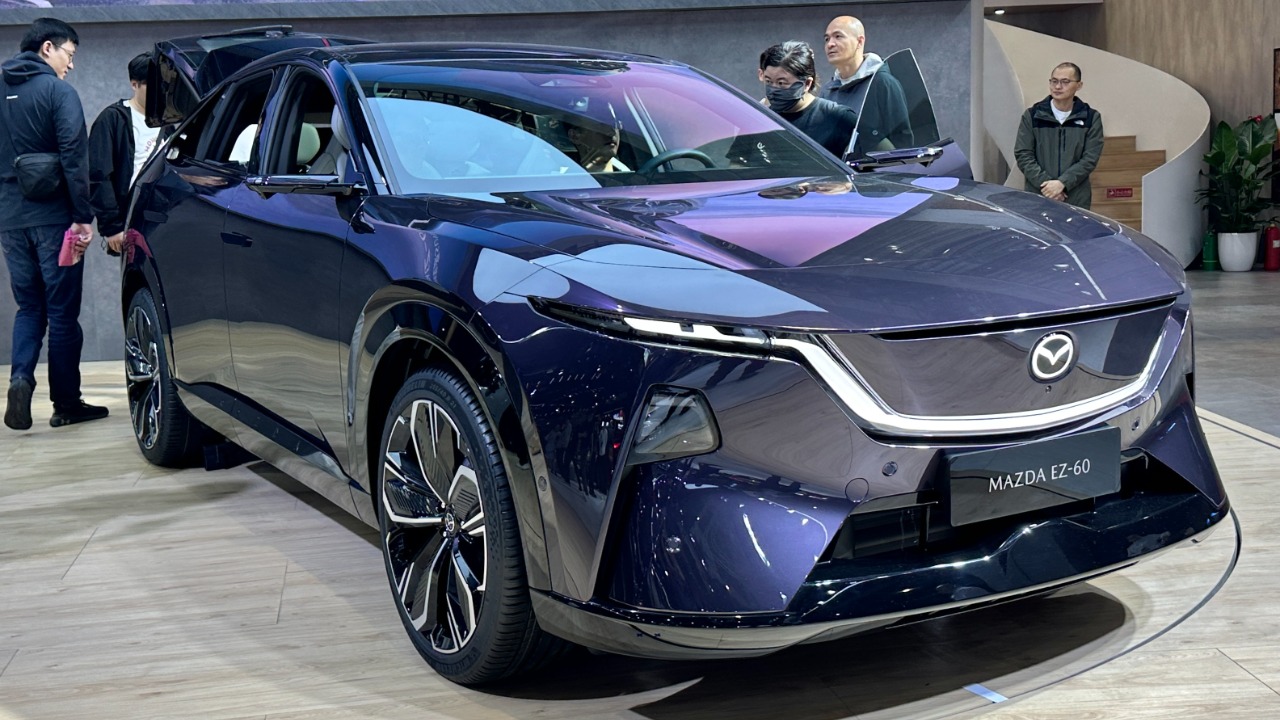
Mazda’s retention rate edges past the industry average: 6.3% of its vehicles 15 years or older remain with their original owner, fifth-best of every brand in iSeeCars’ long-term ownership data, just ahead of the 6.1% mark for all vehicles studied.
A top-five retention finish for a brand with a much smaller lineup than Toyota or Honda suggests the durability reputation isn’t limited to high-volume manufacturers. Simpler mechanicals and modest styling changes year to year are often cited as reasons owners keep a Mazda well past the decade mark.
10. Ram: Middle Of The Pack Among Trucks
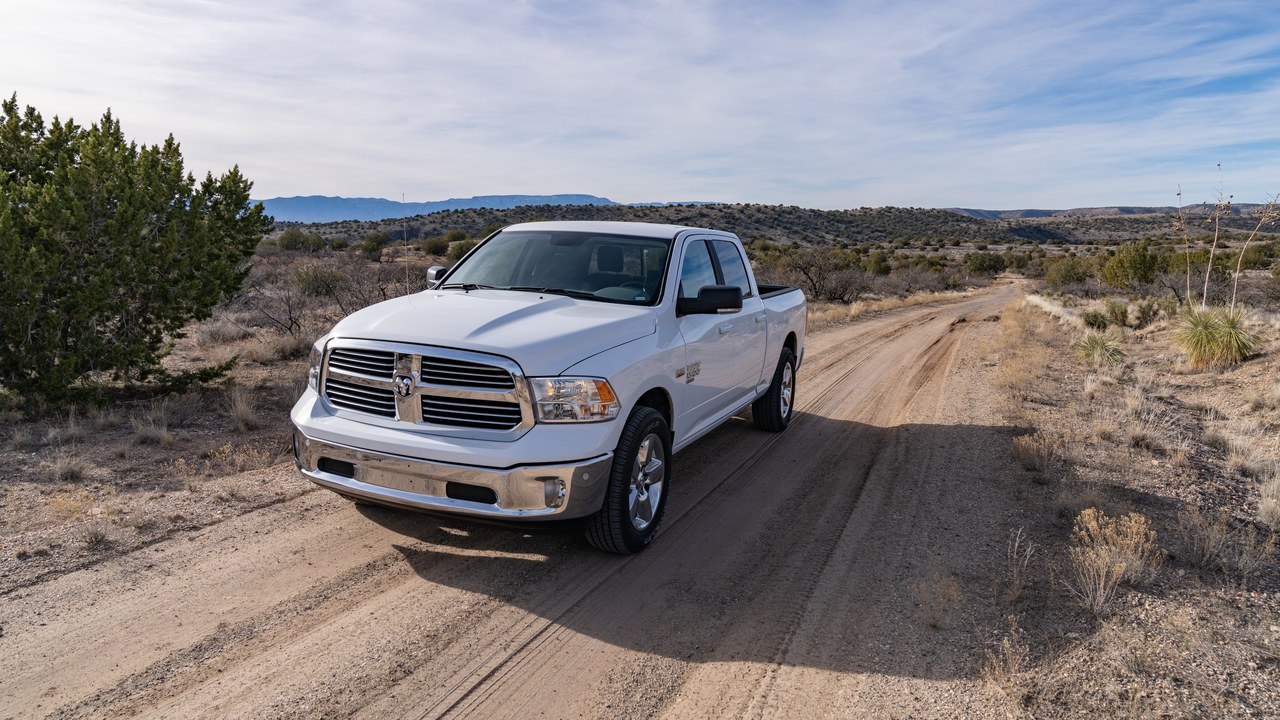
Ranking 10th of the 32 brands in iSeeCars’ brand-longevity study, Ram’s 3.5% chance of reaching 250,000 miles falls below the 4.8% overall average despite the brand’s truck-heavy lineup. That places Ram behind fellow pickup-focused rival GMC on the same list.
A truck-dominant brand landing below the all-vehicle average is a notable gap, since heavy-duty pickups typically skew longevity numbers upward across the industry. The result suggests engine and transmission durability, not just vehicle body type, is driving where a brand lands in the ranking.
11. Lincoln: Beating Every German Luxury Brand
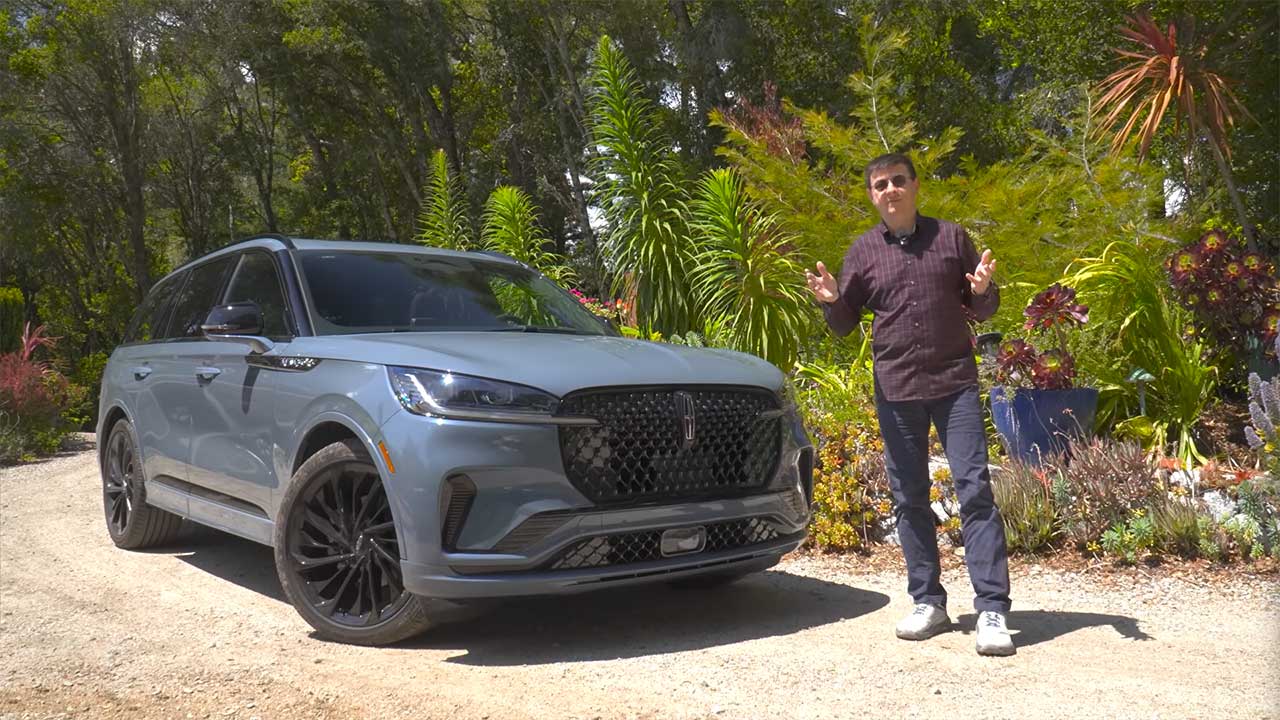
Every major German luxury nameplate finishes behind Lincoln in iSeeCars’ 32-brand ranking, where the brand’s 3.4% odds of reaching 250,000 miles rank 11th of 32, ahead of Mercedes-Benz at 1.7%, Porsche at 0.5%, BMW at 0.4% and Audi at 0.3%.
The gap between Lincoln and its European rivals is large enough to reshape how the German-engineering durability reputation holds up against actual mileage data. Complex electronics and turbocharged engines common on European luxury models are frequently cited as culprits behind their weaker long-term survival odds.
12. Ford: The Last Brand Above The 3% Line
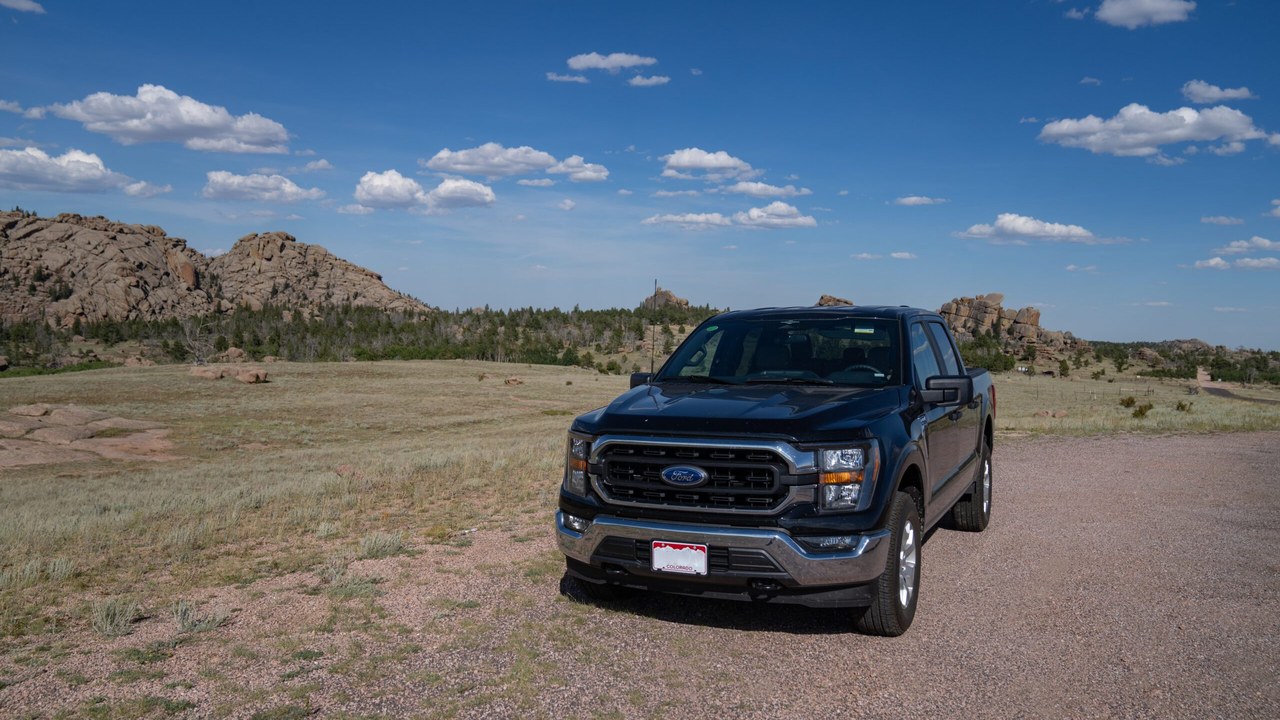
A 3.1% chance of reaching 250,000 miles is enough to keep Ford 12th of 32 brands in iSeeCars’ 250,000-mile rankings, just ahead of Dodge’s 2.5% and the last American nameplate to clear the 3% threshold. The F-150, America’s best-selling vehicle for decades, anchors the brand’s mileage data.
Slipping below fellow domestic brands GMC and Ram despite Ford’s dominant sales volume highlights how longevity odds don’t track directly with popularity. A wider range of models, from compact crossovers to heavy-duty trucks, may pull the brand’s overall average down compared with more truck-focused rivals.
