
Federal vehicle safety standards rarely make headlines, yet the Federal Register has carried a steady run of changes to them. Much of the activity came from NHTSA, which published a block of final rules in June 2026 and a child restraint rule in September 2026. Here are twelve pieces of equipment that the agency’s recent rulemaking touched, from seats and belts to bumpers and test dummies.
1. Child safety seat: Side Impact Rule
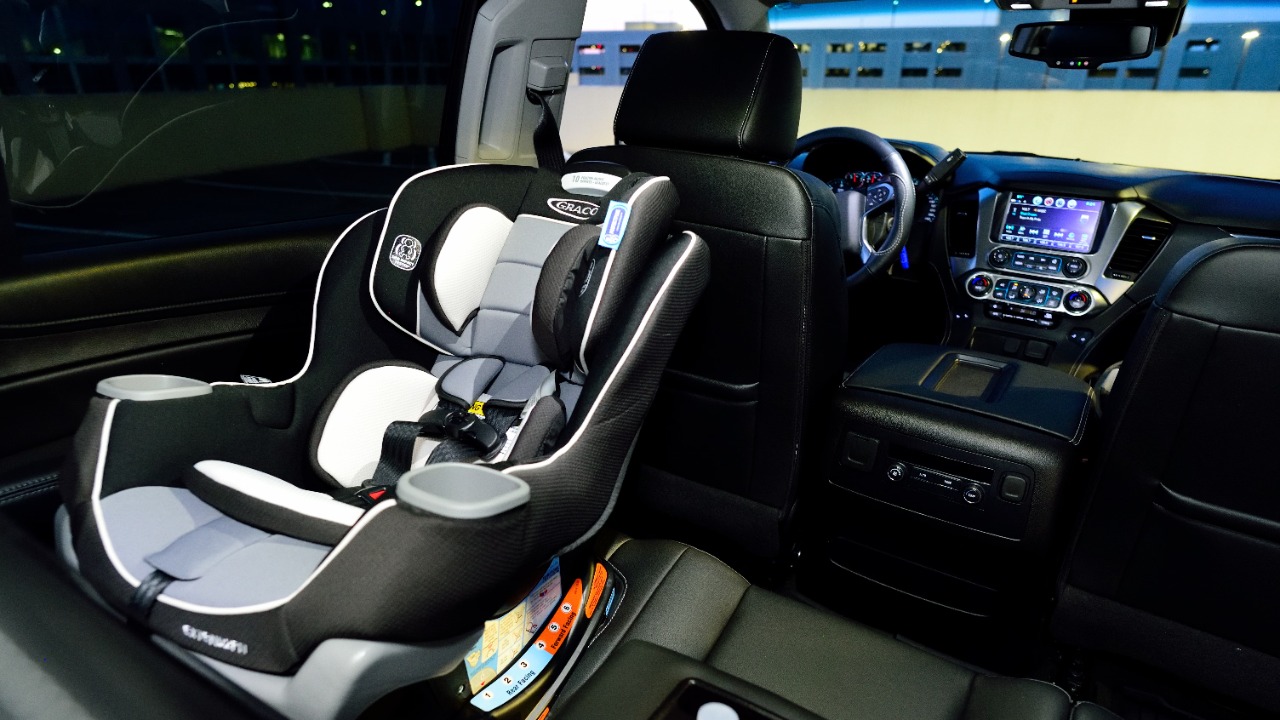
NHTSA published a final rule on Federal Motor Vehicle Safety Standard No. 213a, covering side impact protection for child restraint systems, in the Federal Register on September 9, 2026. It is the most recent entry among the rules covered in this gallery.
Parents and fleet buyers are affected indirectly, since seat makers answer to the federal standard rather than to shoppers. Compliance timing is spelled out in the rule text itself, so no date should be assumed from this summary, and the notice is the place to check specifics.
2. Seat belt: Reminder Systems

The agency issued a final rule titled Occupant Crash Protection, Seat Belt Reminder Systems, published in the Federal Register on April 6, 2026. The notice sits within the federal occupant protection standards that govern belts and related equipment in new vehicles.
Buyers comparing vehicles will find the belt reminder is a regulated feature, not merely a convenience. Anyone wanting the exact requirements, applicability and any phase-in schedule should read the published rule, because this summary carries only its title and publication date.
3. Windshield: Glazing Rules

Glass in the front of a vehicle falls under FMVSS No. 205, Glazing Materials, and NHTSA amended it in a final rule on glazing materials published June 3, 2026. A companion notice on glazing equipment appeared under the same Federal Register entry.
Owners replacing a damaged windshield have a stake in this standard, since replacement glass is expected to meet the federal glazing requirements. The notice holds the amended wording, and the research behind this item does not detail what changed in the text.
4. Steering wheel: Column Displacement
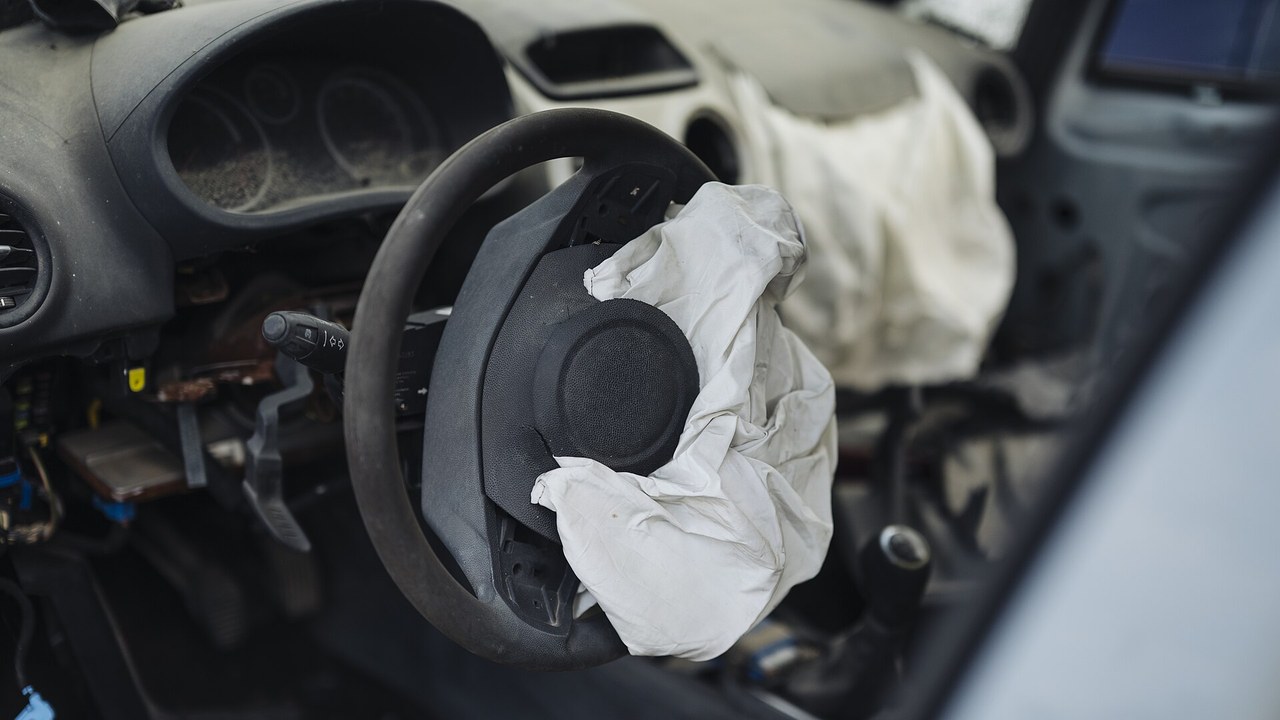
FMVSS No. 204 limits how far the steering column may be pushed back toward the driver in a crash, and NHTSA published a final rule on steering control rearward displacement amending it on June 3, 2026.
The standard matters to anyone who sits behind the wheel, because column movement in a frontal impact is a recognized injury risk. Specific numeric limits and any changes to test procedures are contained in the published rule rather than in this overview.
5. Car door: Locks and Retention
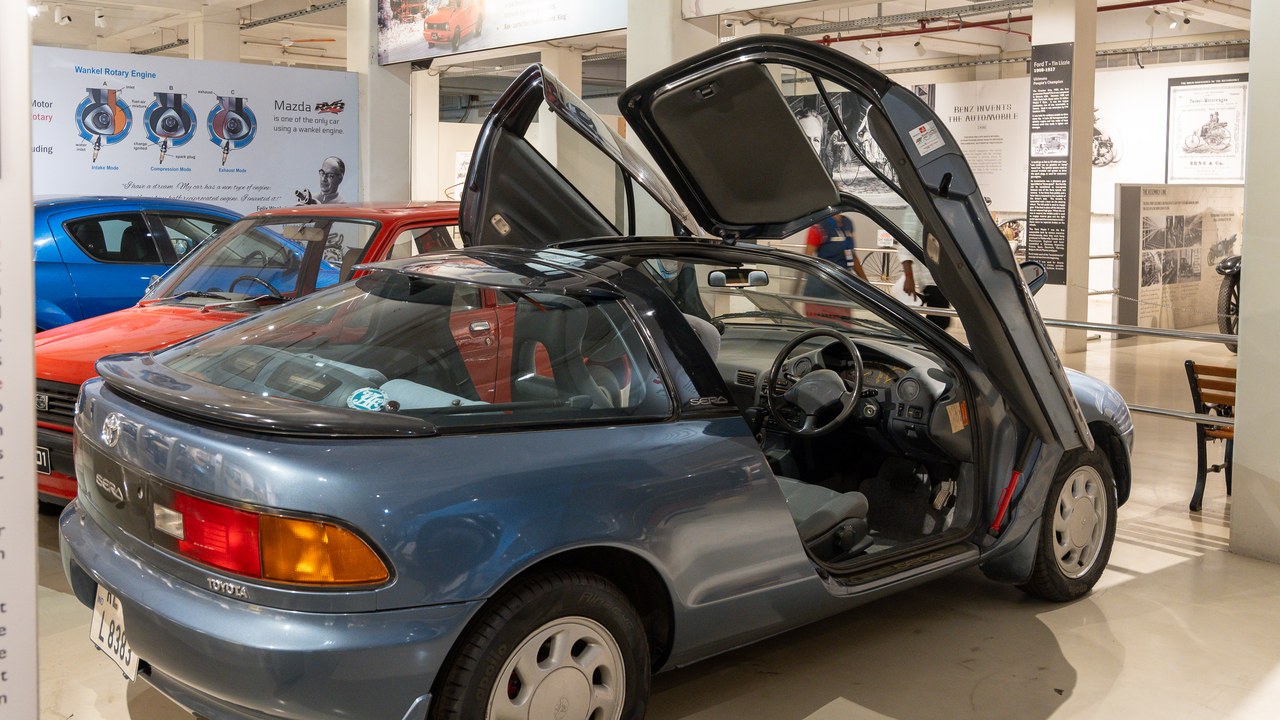
Door locks and door retention components have a standard of their own, FMVSS No. 206, which NHTSA amended through a final rule on door locks and retention published June 3, 2026.
Doors that stay latched in a collision are a basic part of occupant protection, and this standard is how that expectation is written into federal law. Readers interested in what the amendment changed should consult the Federal Register notice, since the summary here goes no further.
6. Bench seat: Seating Systems
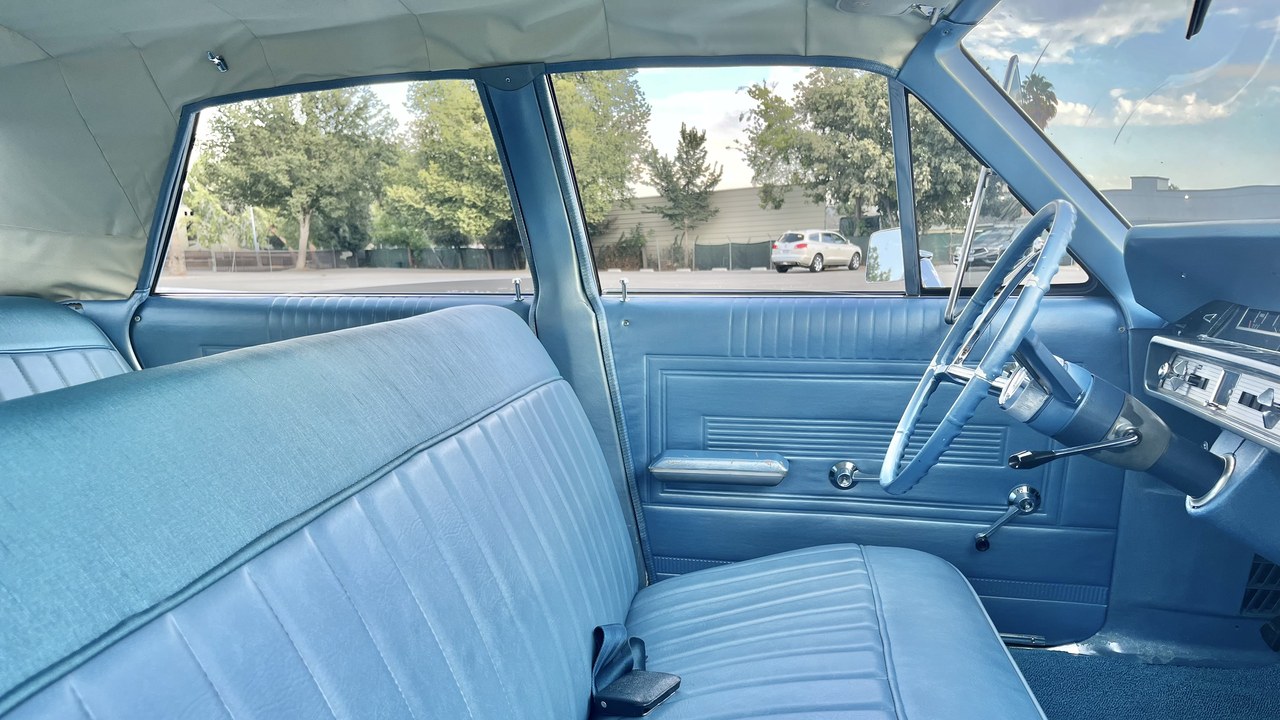
Seats are regulated under FMVSS No. 207, Seating Systems, which NHTSA amended in a final rule on seating systems published in the Federal Register on June 3, 2026. The notice appeared alongside several other standards updated the same day.
For buyers, the relevant point is that seat anchorage and construction are federally governed, whatever the seating layout of a given vehicle. Exact requirements, test conditions and effective dates belong to the rule text, and none of them are restated here.
7. Fuel tank: Fuel System Integrity
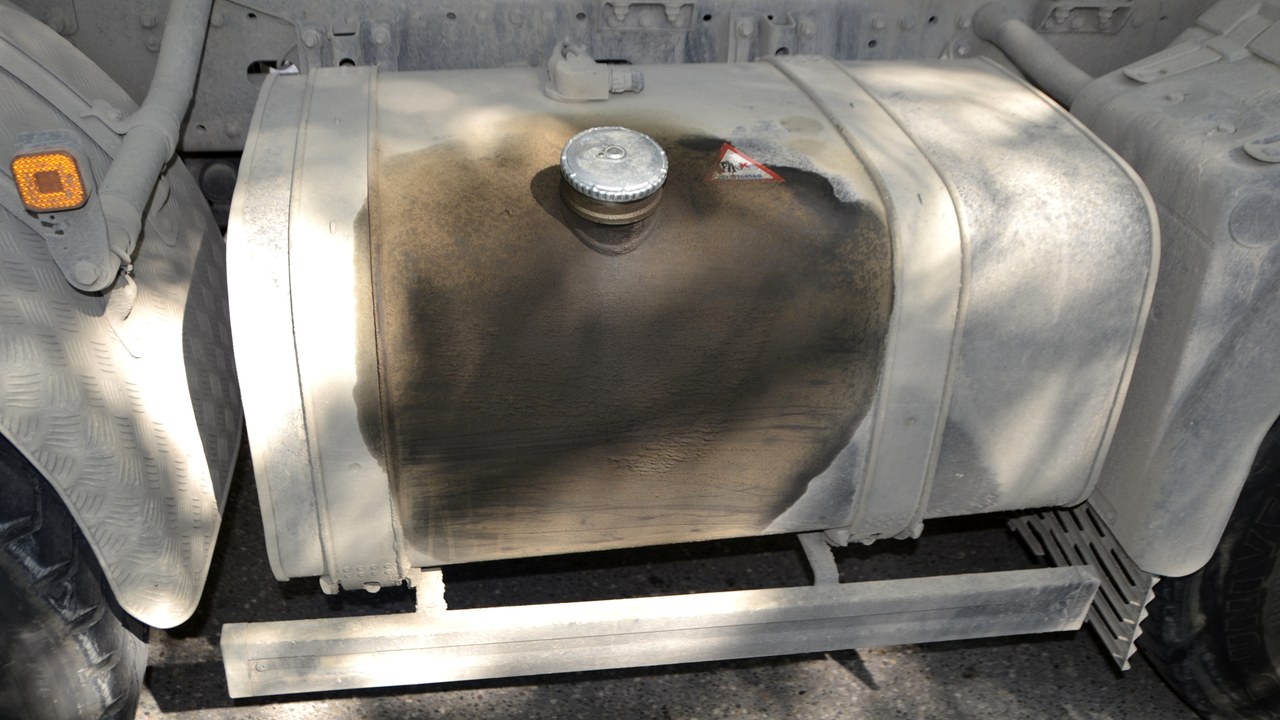
FMVSS No. 301, Fuel System Integrity, sets crash leakage limits for the fuel tank, and NHTSA published a final rule on fuel system integrity amending the standard on June 3, 2026.
Fuel leakage after a crash is a fire risk, which explains why the tank sits under dedicated federal rules. Owners are not asked to do anything, as the standard applies to manufacturers, and the amended details are in the notice instead of this summary.
8. School bus seat: Passenger Crash Protection
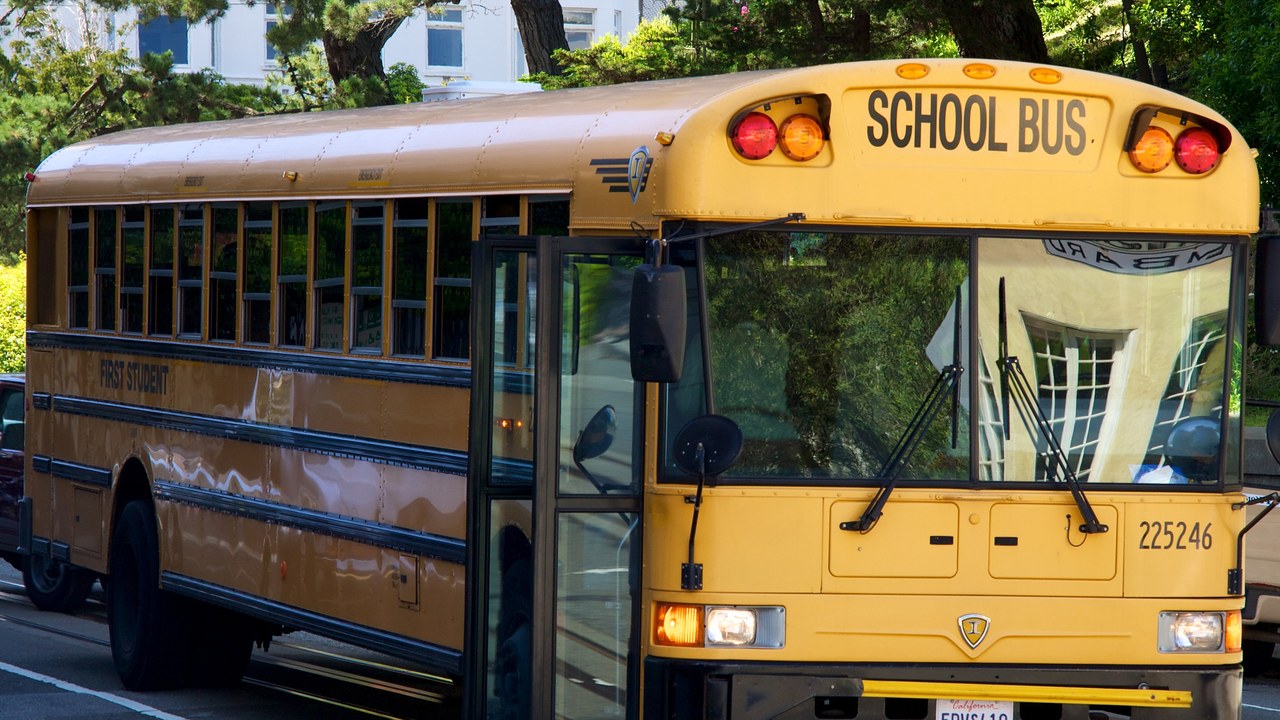
School bus passenger seating and crash protection fall under FMVSS No. 222, and NHTSA amended that standard in a final rule on school bus seating published June 3, 2026, alongside several other standards amended that day.
School districts and bus operators purchase vehicles built to this standard, so changes to it can matter for procurement. Whether the amendment alters any seat requirement is a question for the Federal Register text, which this overview does not paraphrase.
9. Compressed natural gas tank: Container Integrity
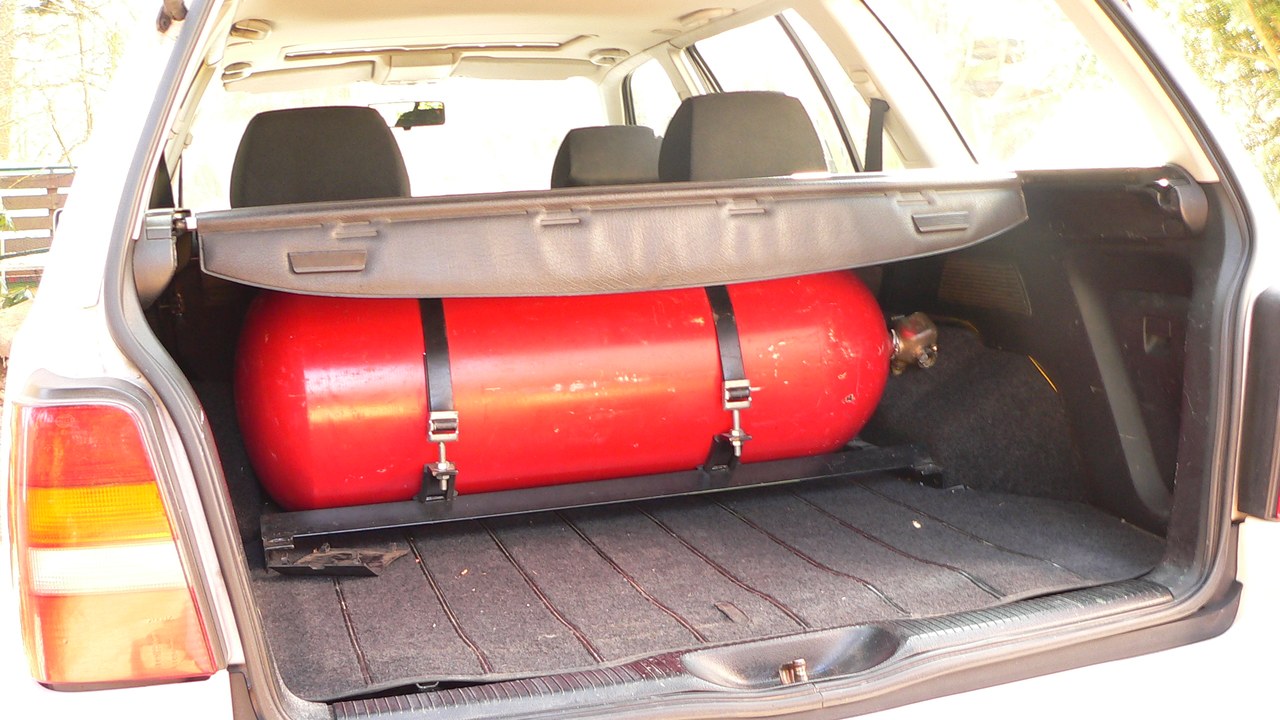
FMVSS No. 304 covers compressed natural gas fuel container integrity, and NHTSA published a final rule on CNG container integrity amending it on June 3, 2026. The standard addresses the containers that hold natural gas aboard a vehicle.
Operators of natural gas vehicles, including some buses and fleet trucks, rely on containers built to this standard. The notice contains the amended requirements, and the research here confirms only the standard’s subject, the agency and the publication date.
10. Side airbag: Side Impact Protection
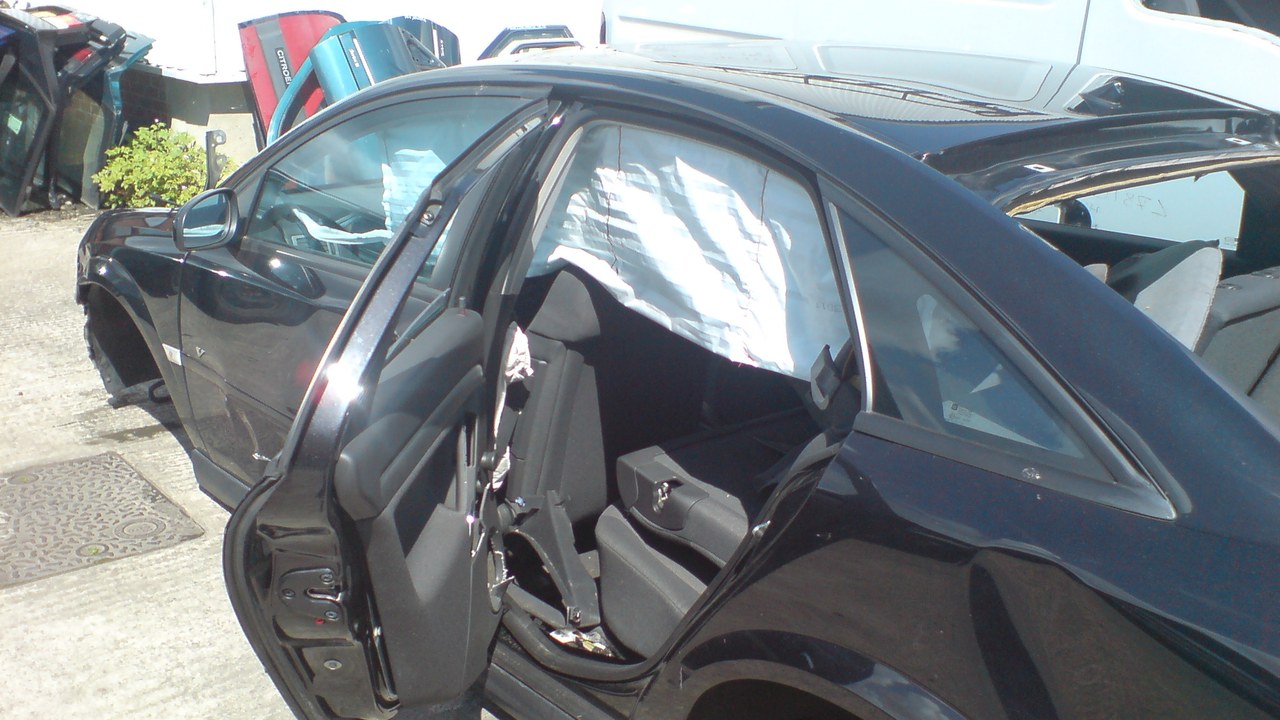
Side impact protection is the subject of FMVSS No. 214, which NHTSA amended in a final rule on side impact protection published in the Federal Register on June 3, 2026.
Side airbags are among the equipment that automakers use to meet side crash expectations, though the standard governs performance rather than naming a single device. Specific test requirements and dates are in the published rule and are not summarized in this item.
11. Crash test dummy: Smaller Occupants
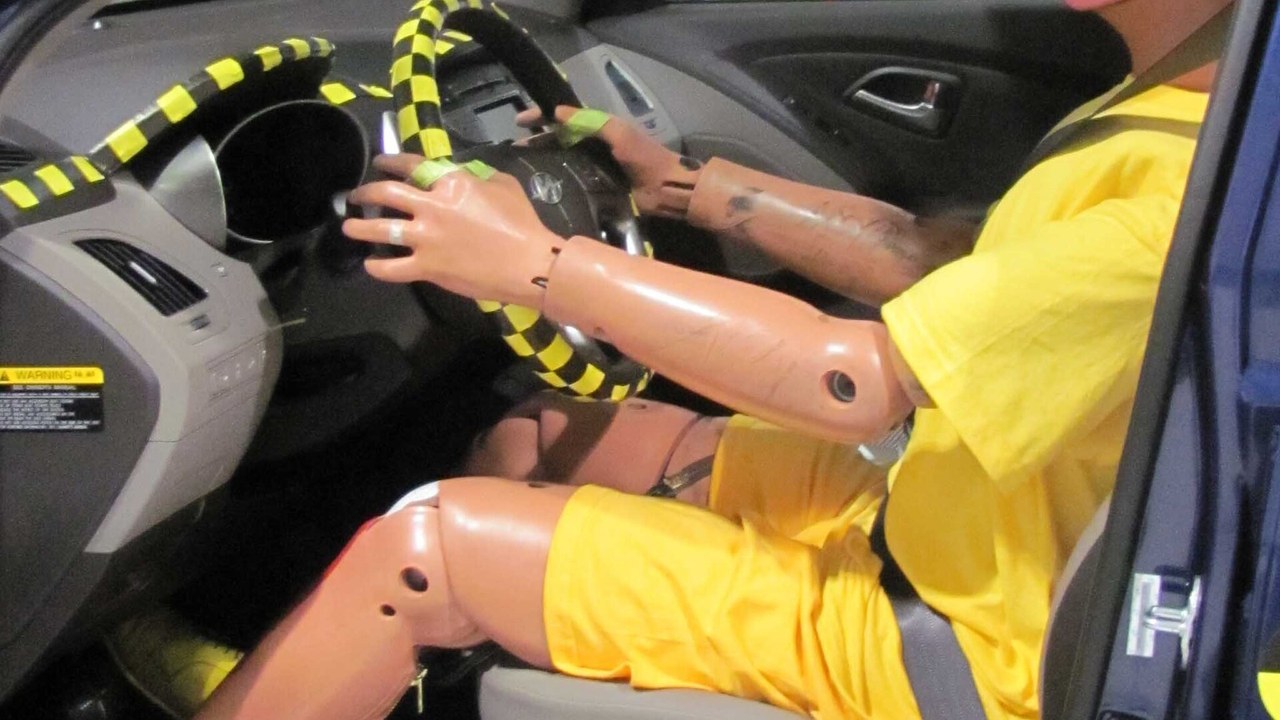
The dummy used to judge whether a car protects smaller occupants was addressed in a final rule on the HIII 5th Percentile Female Test Dummy, which NHTSA published on February 14, 2025 as an incorporation by reference.
This is the oldest notice in the gallery, and it concerns test equipment rather than anything installed in a vehicle. Shoppers benefit indirectly, because the dummy shapes crash results, while the details of the change remain in the Federal Register entry.
12. Car bumper: Exemption Notice
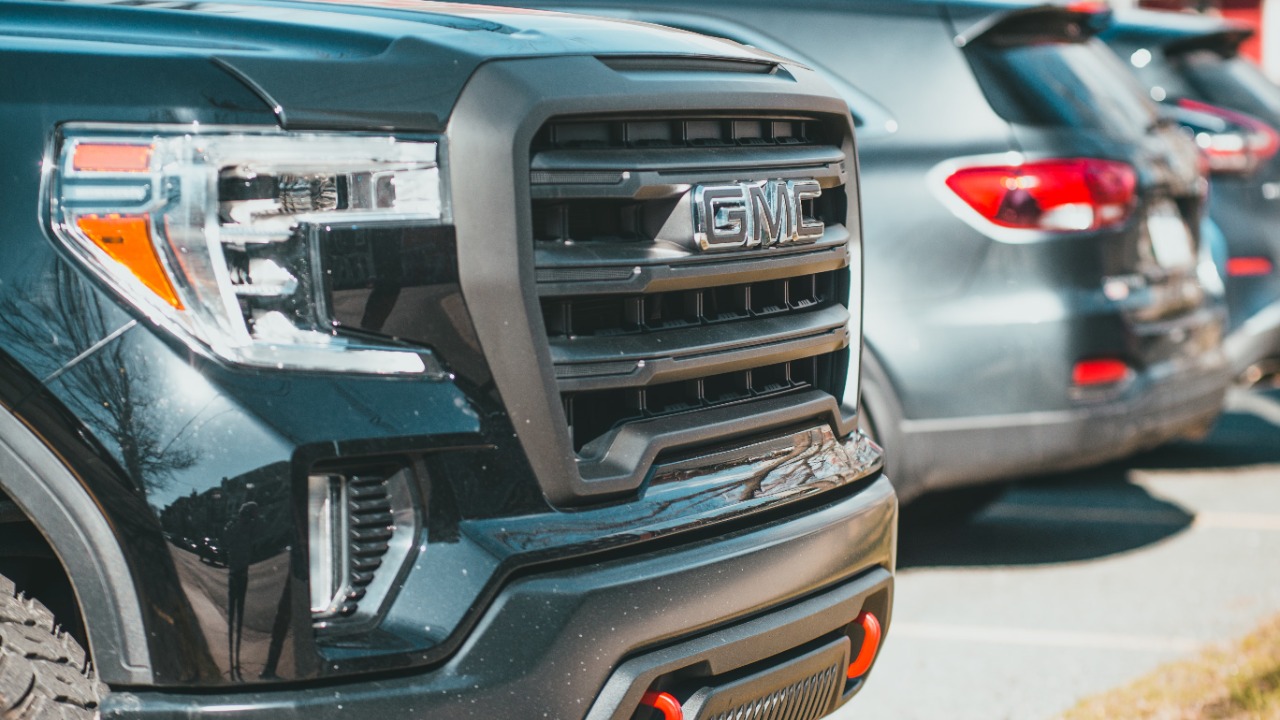
Bumpers carry their own federal standard, and NHTSA published a final rule on temporary exemption from motor vehicle safety and bumper standards in the Federal Register on July 31, 2026.
Unlike the amendments elsewhere in this gallery, this notice concerns an exemption rather than a revised requirement. Who received it, for which vehicles and for how long are matters recorded in the rule, and the research here does not restate them.
More from Morning Overview
- Card skimmers hidden on gas pumps and ATMs are draining accounts, and here’s the tell
- Hurricane Hunter radar shows four warning signs that a tropical cyclone is about to strengthen, a University of Miami study found
- NTSB report details how a family of four died when their plane’s nose suddenly pitched up
- Doctors warn a silent liver disease now affects one in three American adults
