
Not every future classic starts out expensive or admired. Some of the most valuable collector cars on the road today began life as cheap, disposable transportation that almost nobody thought was worth preserving at the time. This gallery looks at twelve ordinary cars that quietly became collector’s items.
1. Volkswagen Beetle: Cheap Ride Turned Icon
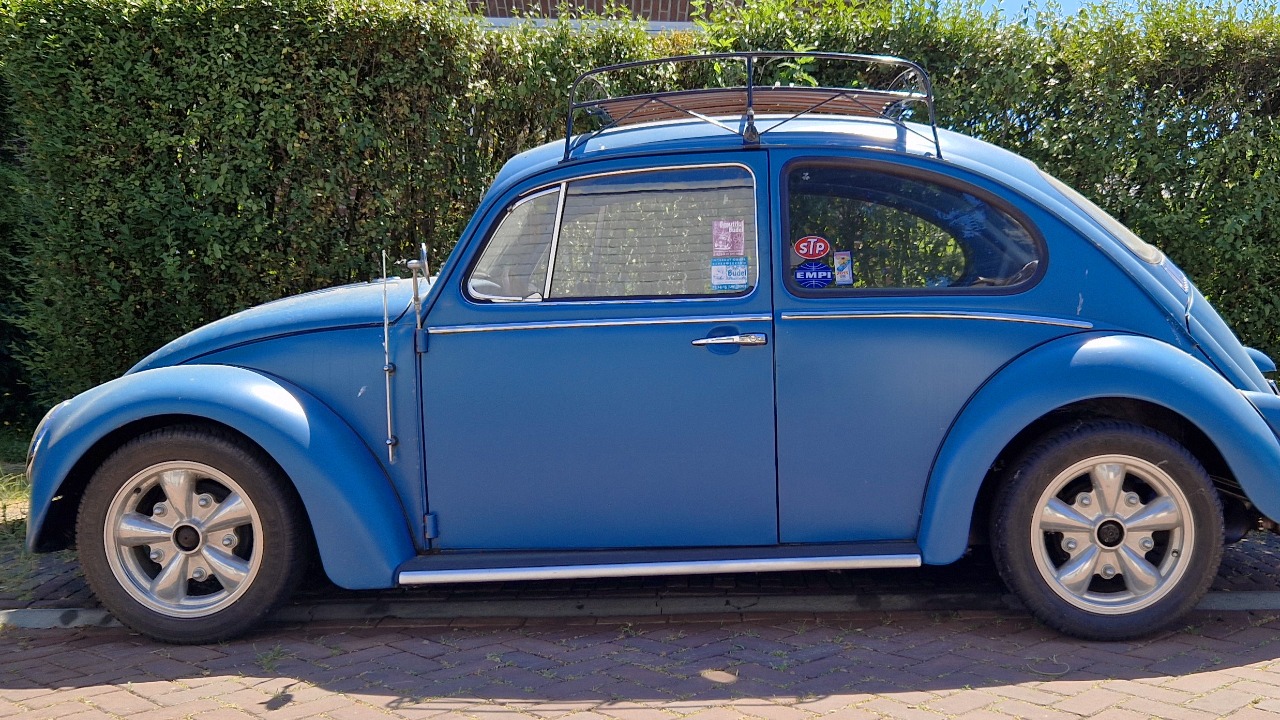
The air-cooled Beetle spent decades as one of the cheapest ways to own a car, produced with only minor styling changes from the late 1930s in Germany through 2003 in Mexico, racking up tens of millions of units worldwide and outliving nearly every one of its original contemporaries on the road.
That sheer ubiquity once kept resale values low, but early chrome-bumper examples with original engines, unmodified interiors, and documented history now draw serious bidding at collector auctions, and clean, rust-free survivors are increasingly hard to find in any market.
2. Ford Bronco: Early Off-Roader, Big Money
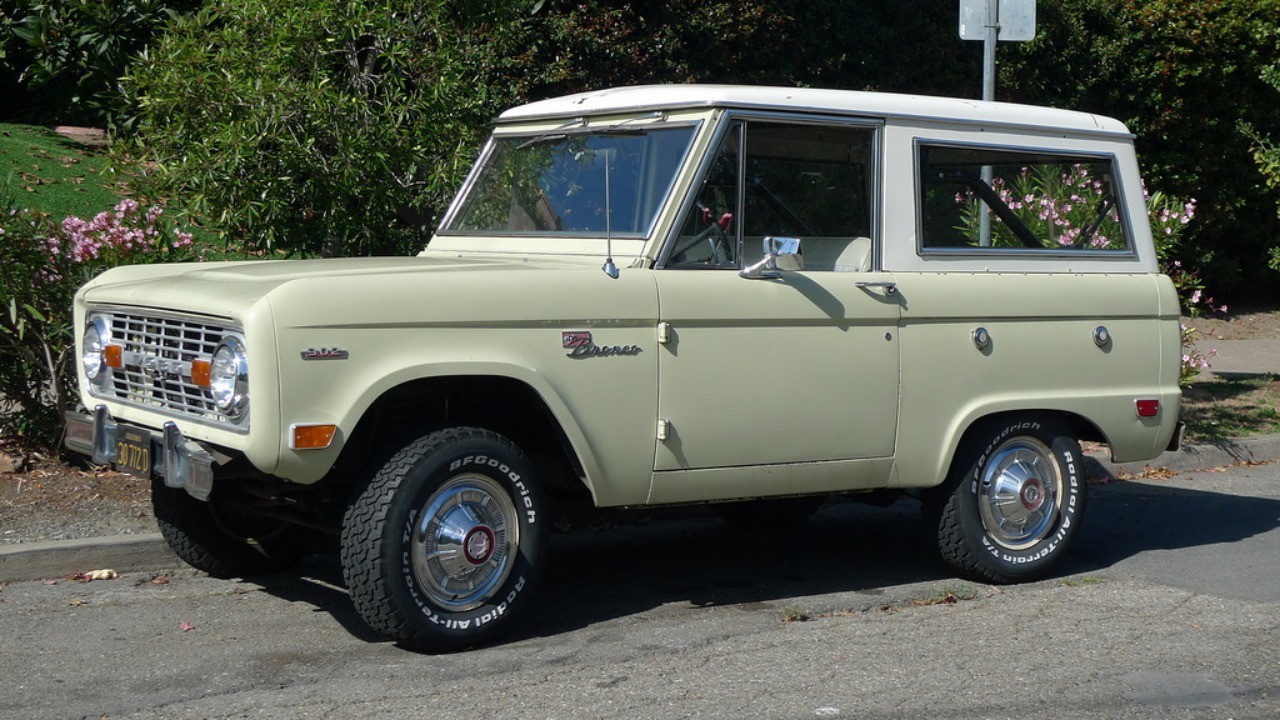
The first-generation Ford Bronco was built from 1966 to 1977 as a compact, boxy off-roader meant to compete with the Jeep CJ and the International Harvester Scout, sold in far smaller numbers than Ford’s full-size pickups and station wagons of the same era.
Unrestored early Broncos with matching numbers, original sheet metal, and minimal rust now change hands for prices that rival much newer sports cars, driven by nostalgia, a simple body-on-frame design owners can easily service themselves, and a shrinking pool of unmodified survivors.
3. Toyota Land Cruiser: Farm Truck To Prized Classic
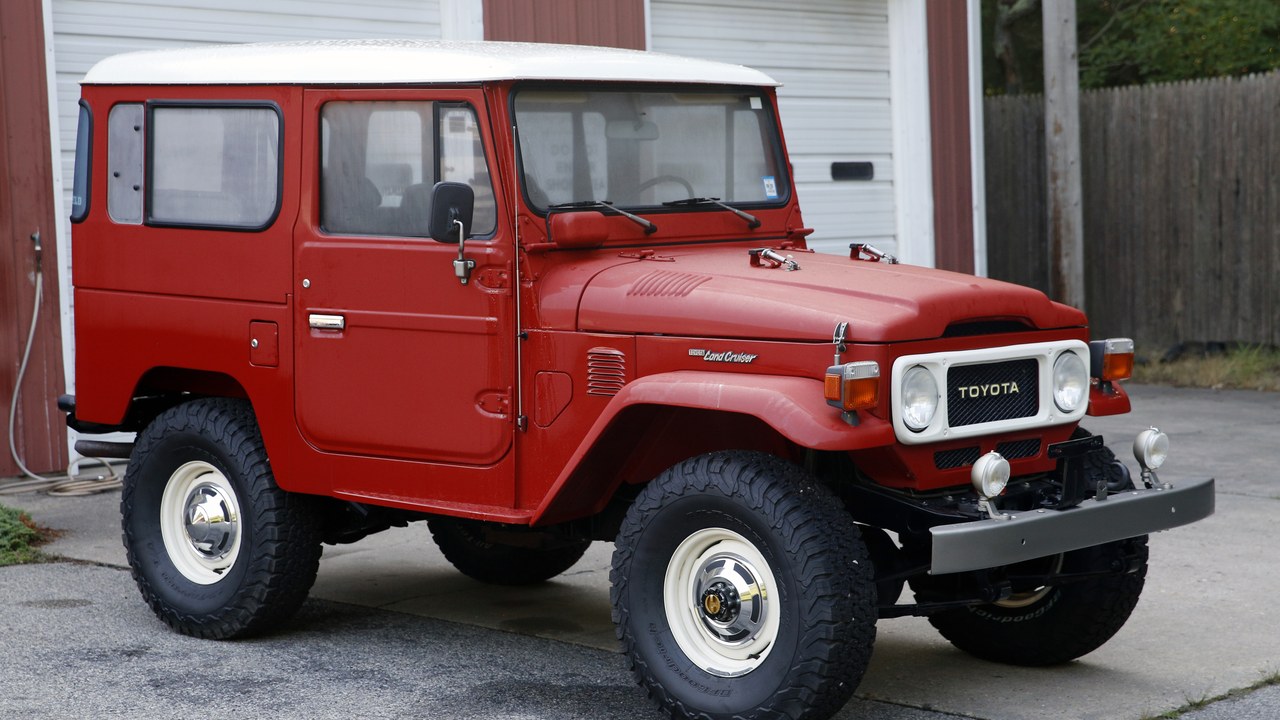
Toyota built the boxy FJ40 Land Cruiser for decades as a rugged, no-frills utility vehicle sold to ranchers, government fleets, and overseas markets rather than style-conscious buyers, prized mainly for its ability to keep running with little maintenance in harsh conditions.
Its reputation for surviving punishing use without complaint has turned well-kept FJ40s into sought-after classics, with fully restored examples now commanding prices few would have predicted when the trucks were merely used-up farm and ranch equipment traded for scrap value.
4. Datsun 240Z: Budget Sports Car Gone Scarce
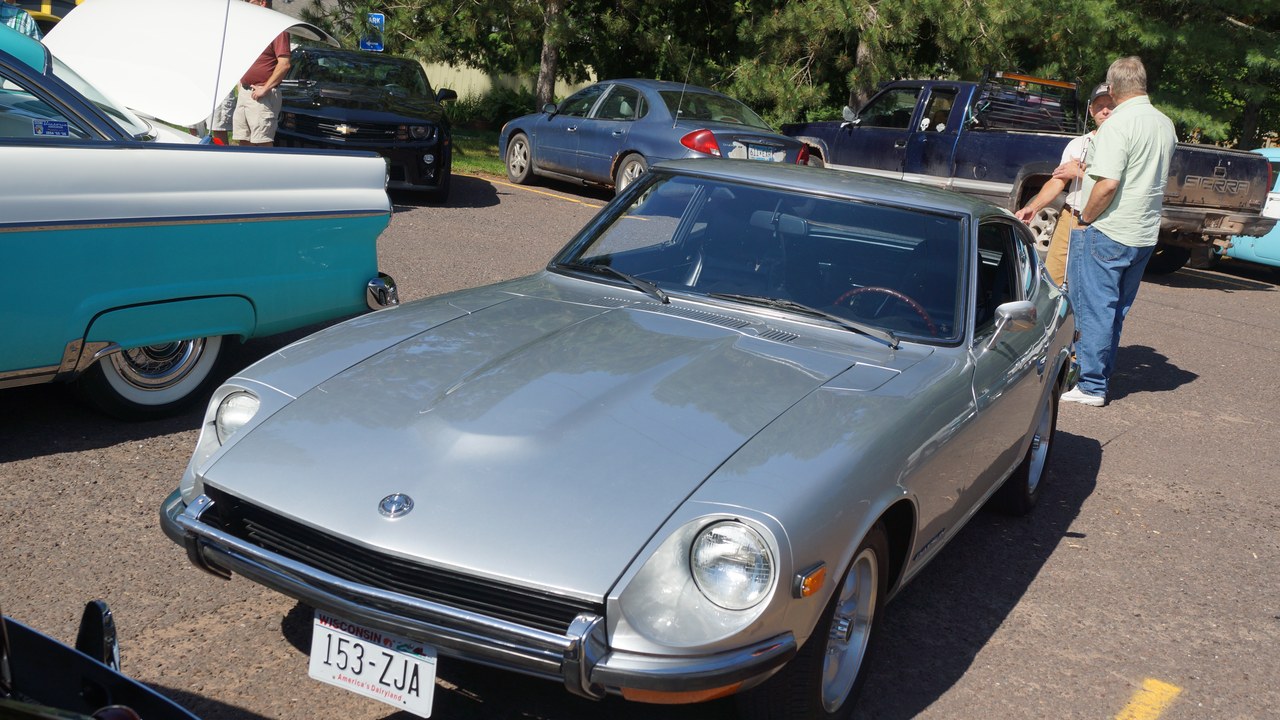
The Nissan S30 chassis, sold in North America as the Datsun 240Z, offered sports car looks and a smooth inline-six engine for a fraction of the price of comparable European rivals when it launched in 1969.
Because it was affordable and mass-produced, many were driven hard, modified, or simply discarded once rust set in, so unmolested original examples are now scarce, pushing prices for clean, rust-free 240Zs well above their original showroom sticker cost.
5. BMW 3 Series (E30): Everyday Sedan Turns Hot Ticket
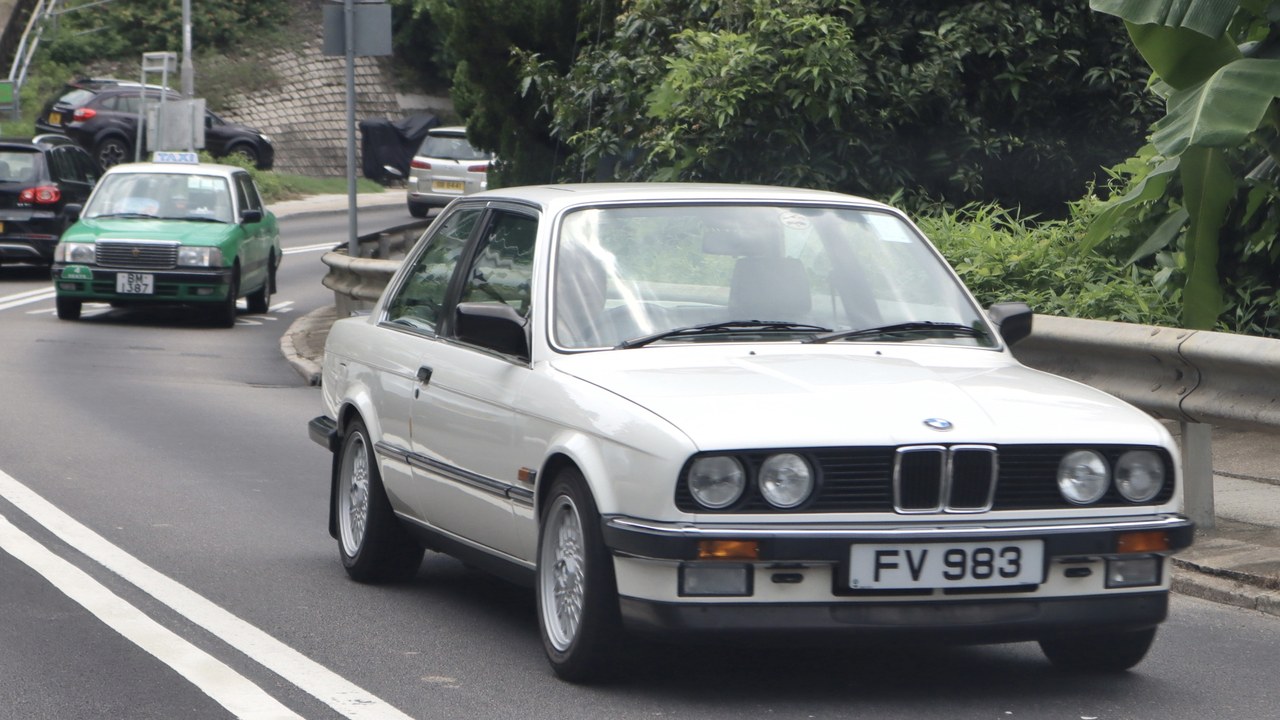
The E30-generation 3 Series was BMW’s mainstream compact sedan and coupe through the 1980s, built in far larger numbers than the brand’s dedicated performance models of the era and sold mostly as reliable daily transportation.
Manual, unmodified examples, especially the M3 homologation variant, are now prized for their light weight and simple mechanicals, with well-documented, low-mileage cars fetching multiples of what a comparable base model cost when it was new, and even ordinary four-cylinder sedans in original condition are gaining a following among younger collectors.
6. Volkswagen Type 2: Delivery Van Turned Collectible
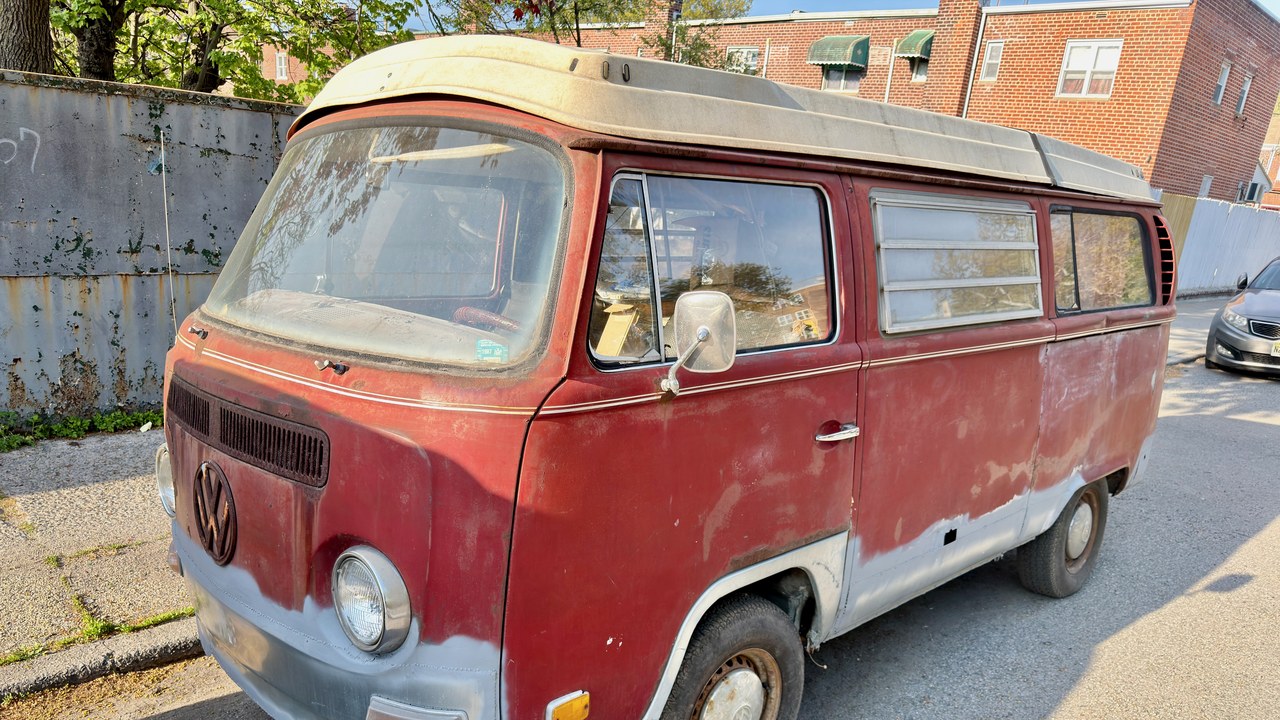
Volkswagen’s boxy Type 2 van served as cheap family transport, camper conversion, and delivery duty for decades, prized more for its cargo space and simple mechanicals than any styling ambition or performance credentials.
Surviving split-window and bay-window models, particularly rare factory camper and window-van trims, now sell for sums that dwarf their humble working-vehicle origins, reflecting how few clean, structurally sound originals remain on the market today, since rust and hard commercial use claimed most of the rest decades ago.
7. Ford Mustang: Mass-Market Pony Car Pays Off

Ford sold the original 1965 Mustang as an affordable, mass-market pony car aimed at young buyers rather than a limited performance halo model, and dealers moved hundreds of thousands within the first year alone.
Millions were ultimately built, but well-optioned early fastbacks and convertibles with documented history now anchor major collector sales, with values for the rarest factory performance packages continuing to climb well ahead of inflation, and even plainer six-cylinder coupes are drawing renewed interest from first-time buyers.
8. Chevrolet Bel Air: Family Sedan Becomes Icon
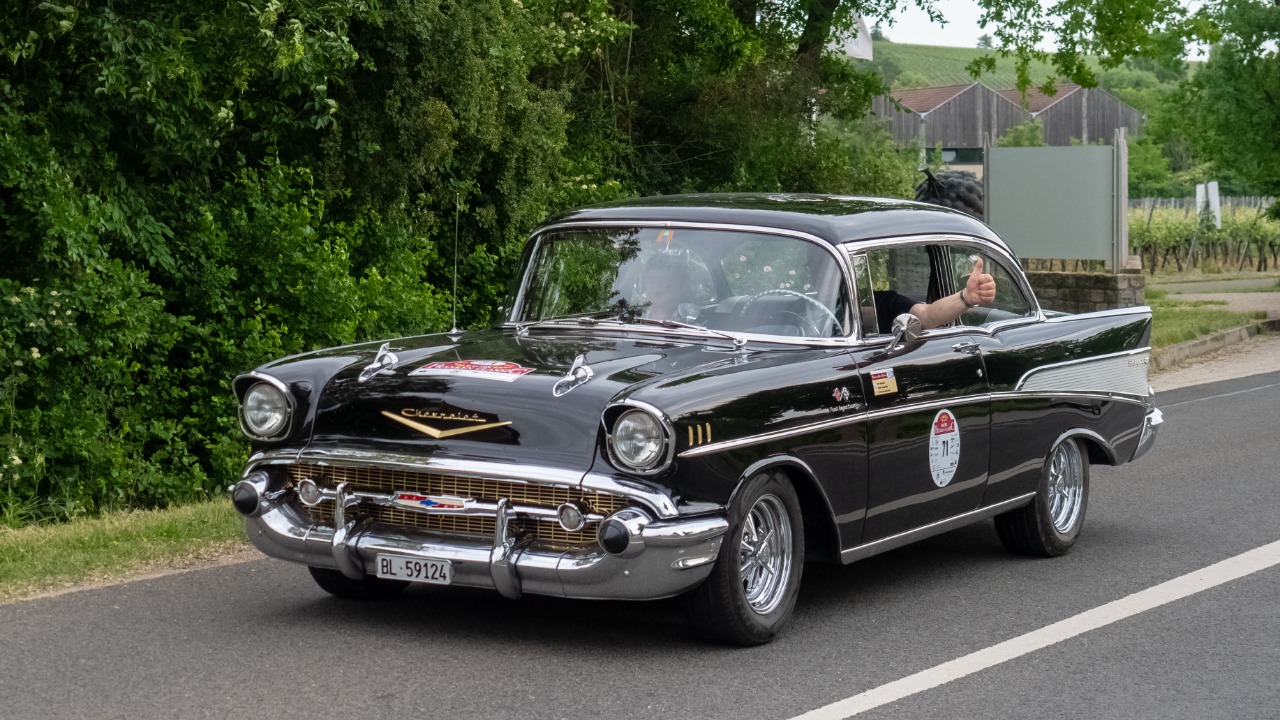
The mid-1950s Chevrolet Bel Air was a common family sedan, sold across multiple trim levels and body styles to ordinary buyers rather than positioned as anything exotic or performance-oriented at the time it was new.
Its chrome-heavy styling later came to define the entire era, and unrestored or carefully preserved examples, especially the two-tone 1957 hardtop, now draw strong money at auction as a recognizable icon of postwar American design and optimism, with even modest four-door sedans finding steady demand among collectors.
9. Mini: Budget Runabout Wins Fans
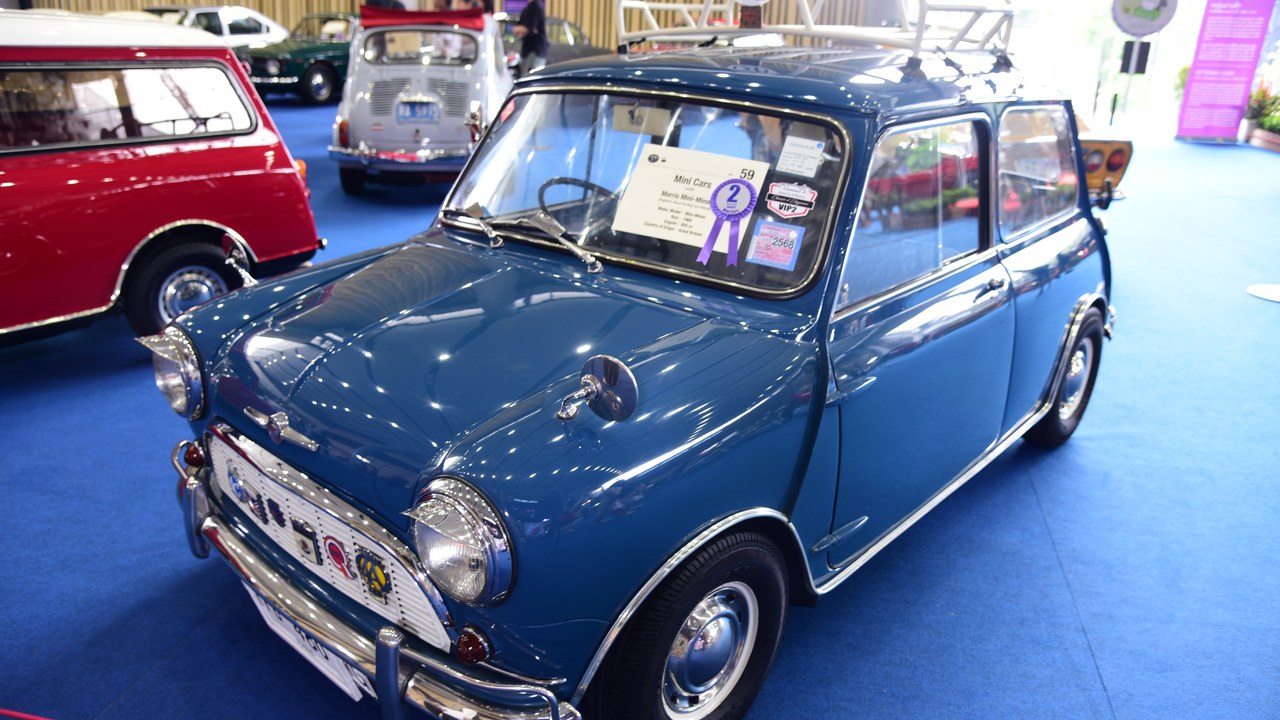
The original Mini was designed as cheap, fuel-efficient transport for a fuel-conscious postwar Britain, built in huge numbers for city commuters and small families rather than for enthusiasts, racers, or future collectors.
Decades later its go-kart handling and compact charm won over a new generation of buyers worldwide, and tidy, mechanically sound originals with unmodified bodywork now command prices few would have expected from what was once a basic budget runabout built for tight city streets and modest household budgets.
10. Porsche 944: Overlooked Porsche Climbs Fast
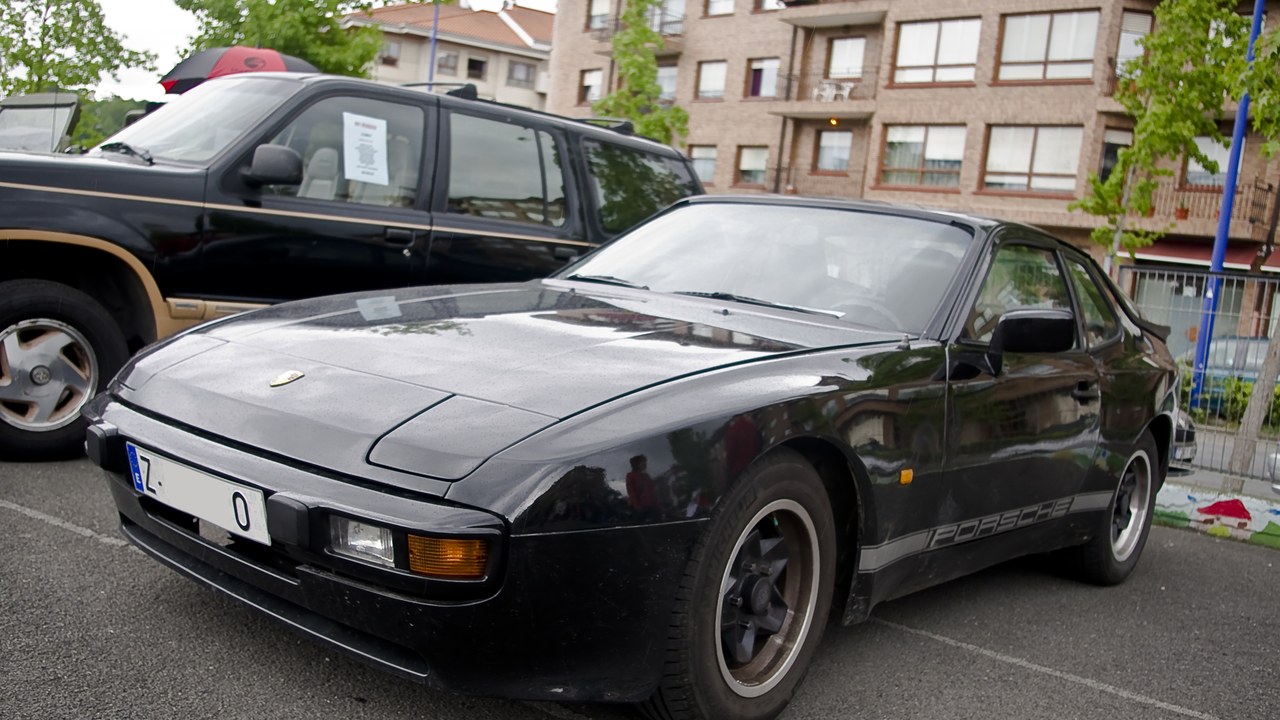
Porsche positioned the 944 as an entry-level, front-engine alternative to the 911, and for years it was viewed within the brand’s own lineup as the cheaper, less desirable model aimed at newcomers rather than serious enthusiasts.
That reputation has faded as low-mileage, well-maintained examples grow scarce, and values for clean turbo and S2 variants have climbed sharply as buyers rediscover the car’s balanced handling, relatively affordable upkeep, and everyday usability compared with the pricier air-cooled 911s of the same period.
11. Toyota MR2: Economy Coupe, Rare Survivor
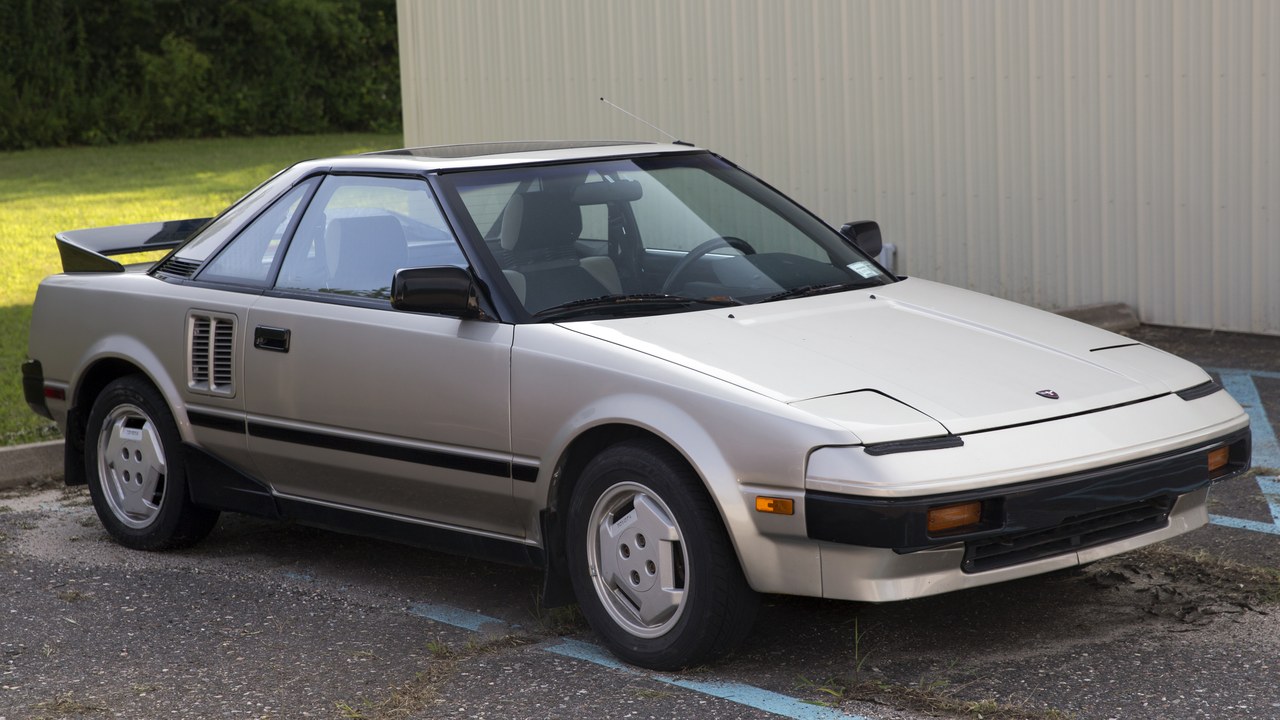
The first-generation Toyota MR2 offered genuine mid-engine handling at an economy-car price, marketed as an affordable, fuel-efficient alternative to pricier imported sports cars rather than a specialty or halo vehicle for Toyota.
Most were treated as disposable commuter cars and used up accordingly over the decades, so surviving unmodified examples are now unexpectedly rare, and enthusiasts increasingly pay a real premium for clean, rust-free, mechanically original cars in any color, particularly those still fitted with their factory pop-up headlights.
12. Mazda RX-7: Rotary Quirk Becomes Draw
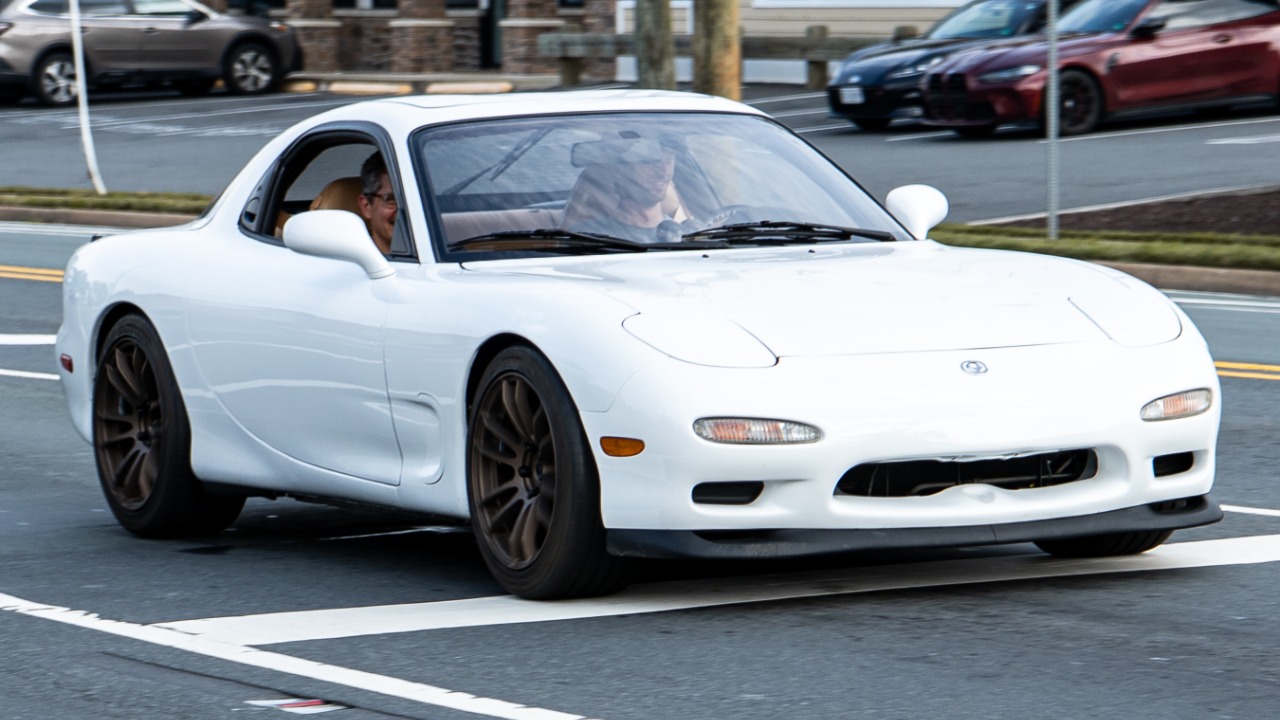
Mazda built the RX-7 around its distinctive rotary engine, a compact and mechanically unusual design that set the car apart from conventional piston-engine rivals throughout its long production run across three generations.
That mechanical novelty, combined with the model’s light weight and sharp handling, has made well-preserved, unmodified originals highly sought after, with clean examples of the later turbocharged third-generation cars fetching especially strong prices at auction today, well beyond what most owners paid when the cars were simply used sports coupes.
More from Morning Overview
- Card skimmers hidden on gas pumps and ATMs are draining accounts, and here’s the tell
- The FBI says hackers are hijacking outdated home routers, and it named the models to check
- Older Teslas are wearing out in ways early owners never saw coming
- A common childhood virus is now tied to multiple sclerosis years later
