
October brought a fresh round of recall letters, and several of them describe parts that can physically come loose from moving vehicles. Roof-rack crossbars, fuel tanks and rear coil springs headline the federal campaigns, alongside software faults that disable cameras and warning lights. Here are twelve of the notices landing in mailboxes now.
1. Jeep Grand Cherokee: Rear Springs That Can Detach
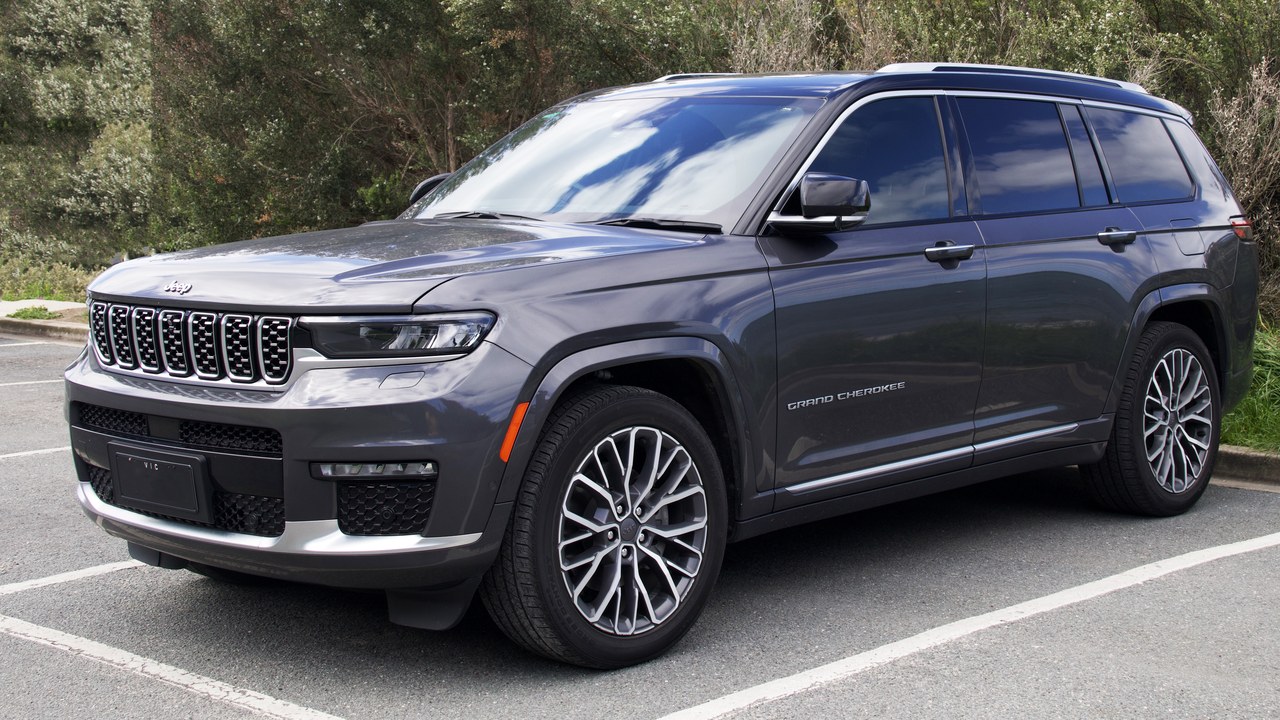
Rear coil springs that “may be installed incorrectly and detach while driving” put the Grand Cherokee in NHTSA campaign 26V562. Dealers replace the rear coil spring lower isolators free of charge, and interim owner letters were mailed September 29, 2026.
The campaign supersedes earlier actions 26V051 and 23V413, so owners who handled a previous spring recall should still confirm the newer repair is on record with a dealer. The repair is free, so the only cost to an owner is the time spent at the service department.
2. Ford F-150: Fuel Tank Straps Under Scrutiny
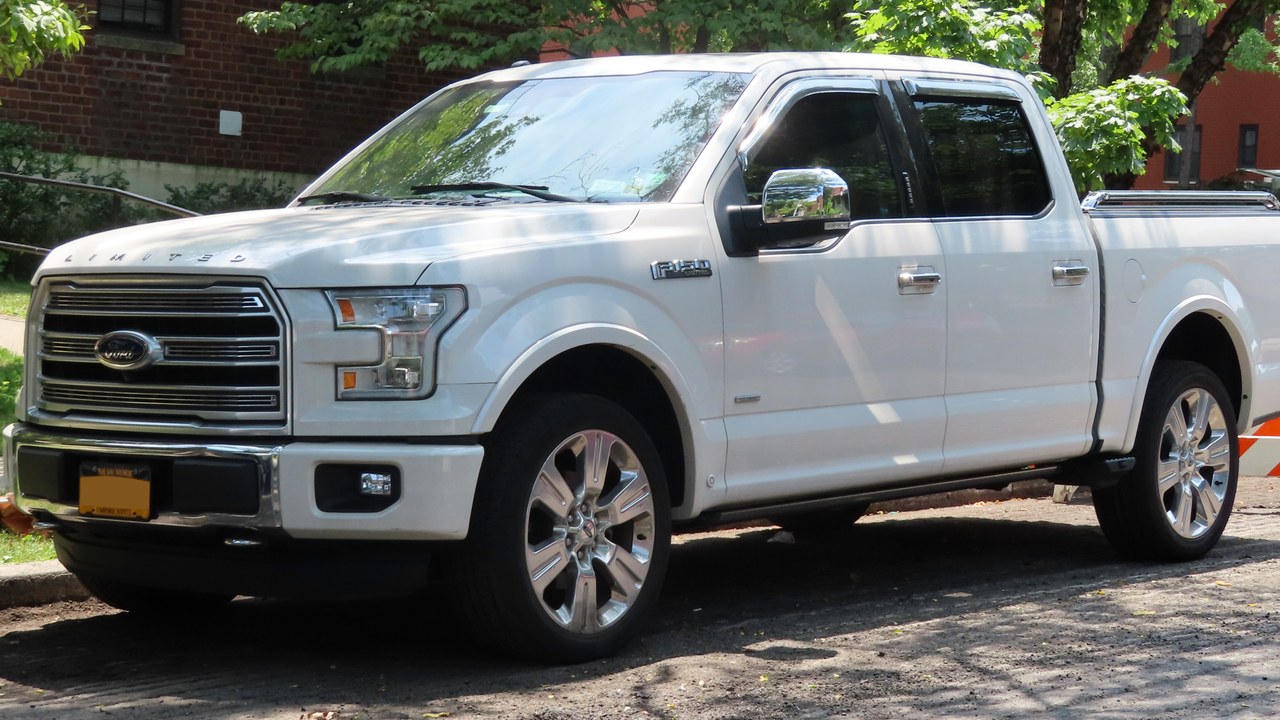
The NHTSA fuel tank recall, campaign 26V578000, was received September 9, 2026 and covers 2023-2027 F-150s. The fuel tank “may not be properly secured, so it can leak fuel or detach while the vehicle is being driven.”
Dealers replace the tank straps, and owner letters were mailed September 21, 2026. A leaking or dropping tank is a fire and road-debris risk, so a letter in the mailbox deserves a prompt service appointment. Both the leak and detachment scenarios are named in the filing, which is why the recall is treated as a safety matter.
3. Ford Explorer: Air Bag Vent That May Not Open
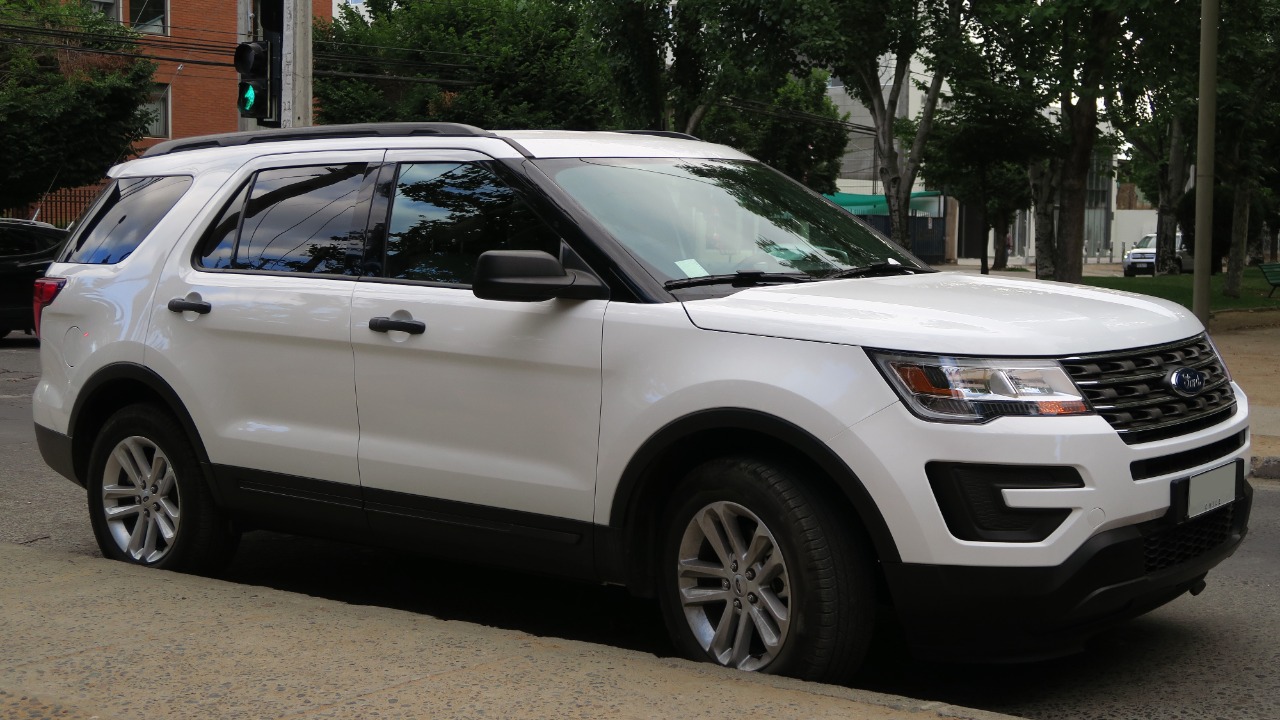
A passenger-side active vent that may not open as intended sits behind campaign 26V581000, and the consequence is an air bag that may not deploy properly. The recall covers 2026 Explorers.
Dealers replace the passenger air bag module, and letters were mailed September 16, 2026. Because the flaw affects crash protection rather than comfort, the repair is worth booking even when nothing seems wrong. The 2026 model year is the only one named in the campaign, which keeps the affected pool narrow.
4. Ram 1500: Rearview Camera Blackout
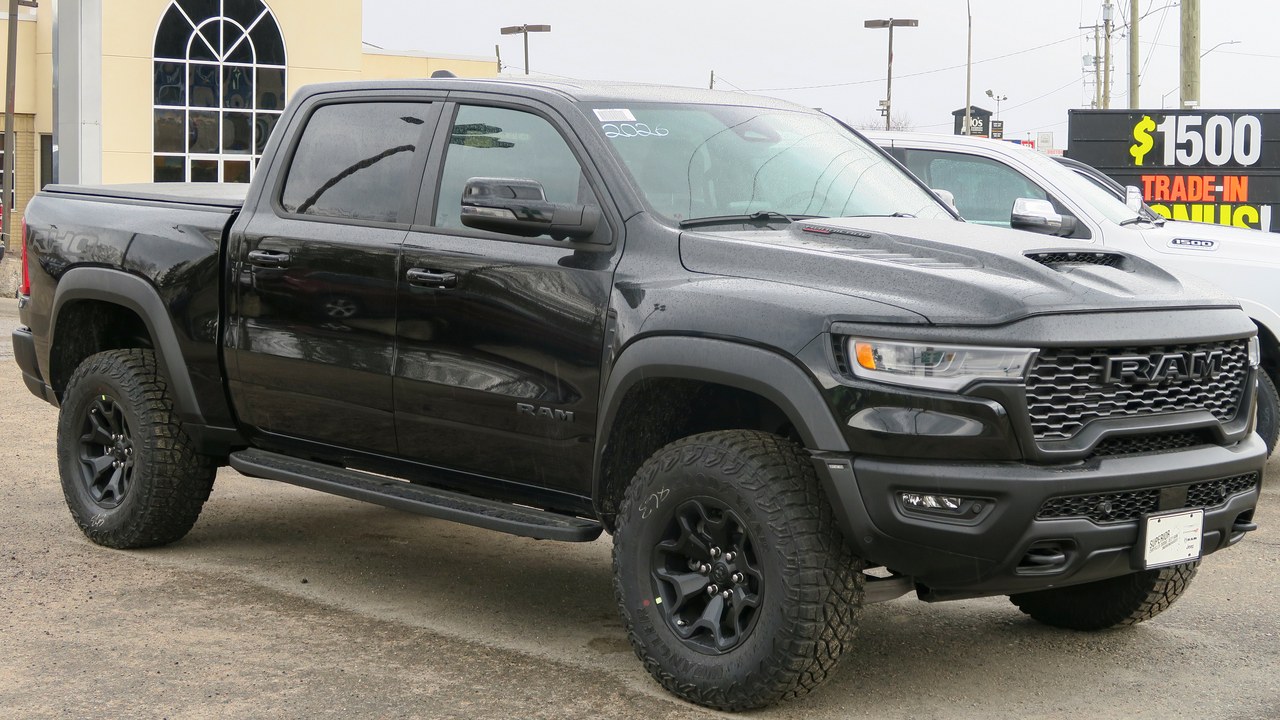
A radio software error can stop the rearview camera image displaying in 2025-2026 pickups, so the trucks fail the FMVSS 111 “Rear Visibility” standard under NHTSA campaign 26V560000.
The fix is an over-the-air or dealer software update, with letters expected September 24, 2026. Since no parts are involved, the remedy should be quick, but backing up without a camera image is the gap to close. Software-only recalls often reach owners as a notice first, so watching for the mailed letter is the practical step.
5. Jeep Cherokee: Tire Pressure Software Fault

Under campaign 26V559000, also filed as FCA recall 54D, a software error may stop the tire-pressure system detecting low pressure or lighting the warning light. That would fail FMVSS No. 138.
The recall covers the 2026 Cherokee along with 2024-2026 Grand Cherokee, Wagoneer and Grand Wagoneer models, so one software fault spans several nameplates. A dashboard that stays dark during a slow leak removes an early warning. The notice does not describe any parts replacement, only a corrected software calibration at a dealer.
6. Ford Transit: Rear Belt Reminder Glitch
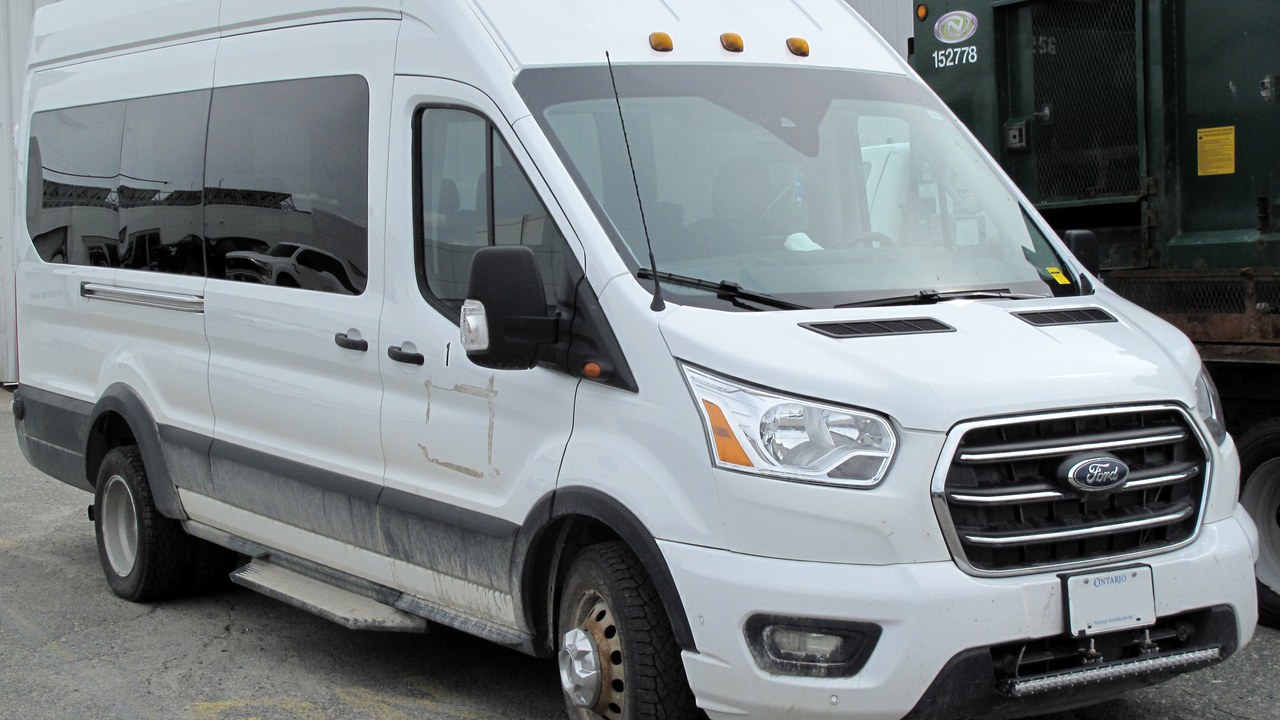
Wireless rear seat belt reminders in 2026-2027 Transits “may malfunction and fail to show a change in buckle status,” according to NHTSA campaign 26V579000. Interim letters went out September 21, 2026.
Remedy letters are not anticipated until December 2026, so a gap remains before the repair is available. Until then, the reminder cannot be trusted to flag an unbuckled passenger in the rear rows. Interim letters describe the problem now, while the final remedy notice follows once the fix is ready.
7. Jeep Wagoneer: Roof Rack Crossbars Coming Loose
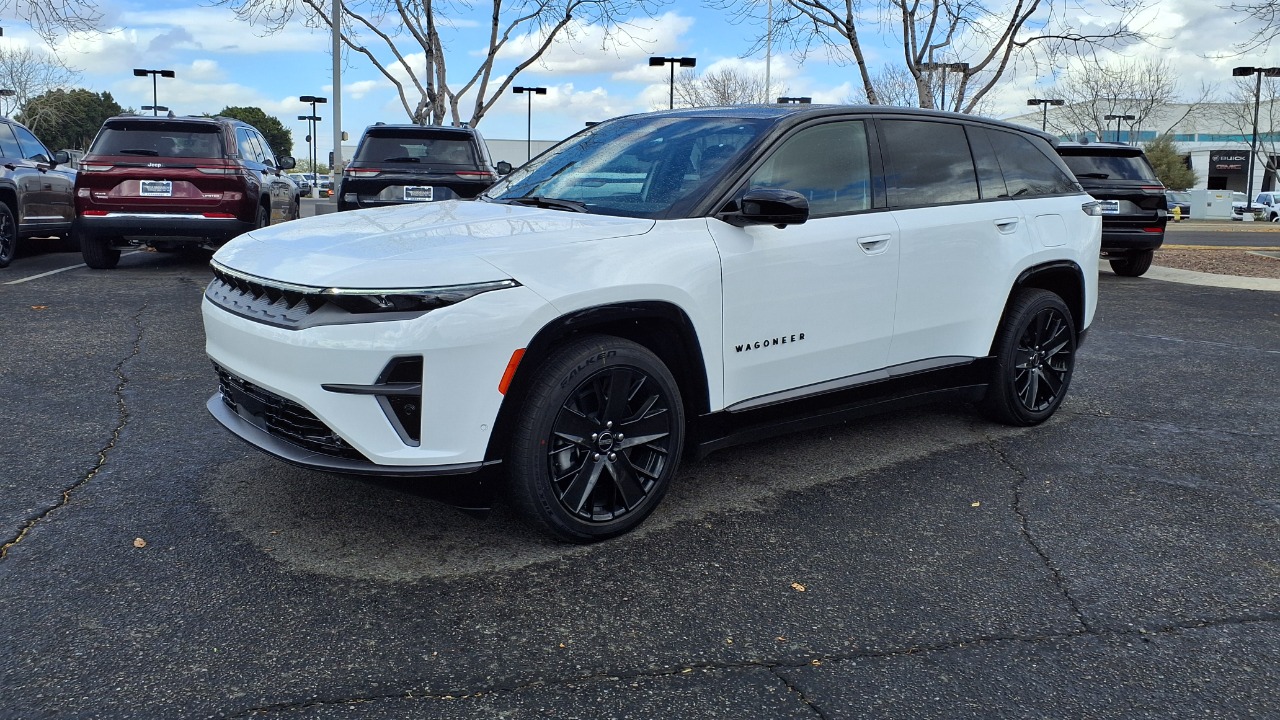
Roof-rack crossbar pivot bolts that may not have been tightened properly drive campaign 26V584000, which covers 2022-2025 Wagoneers and 2022-2026 Grand Wagoneers. NHTSA states that “Detached roof rack crossbars can create a road hazard, increasing the risk of a crash.”
Interim notices were expected to be mailed October 8, 2026. Crossbars carry cargo boxes, bikes and luggage, so a failure at highway speed endangers following traffic as well as the vehicle itself. Owners who regularly load the roof can ask a dealer to inspect the bolts once the remedy becomes available.
8. Chrysler Pacifica: Cracked Sensor, Lost Stability Control
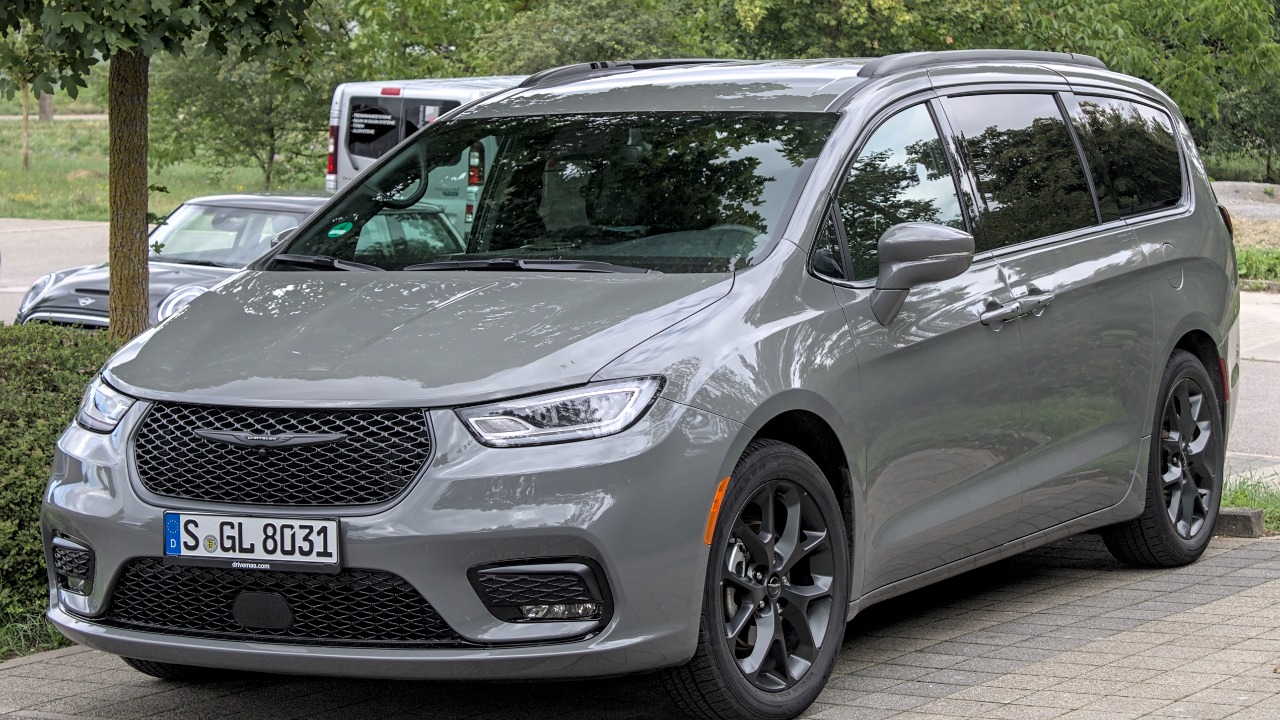
A cracked brake pedal position sensor capacitor can cost the minivan electronic stability control, and NHTSA campaign 26V561000 notes the failure to meet FMVSS No. 126. It covers 2025-2026 Pacifica and Voyager models.
Owner letters were mailed September 17, 2026. Stability control matters most in emergency swerves and slick conditions, which is exactly when a hidden sensor fault would be least welcome. Loss of that system is not obvious in daily driving, which makes the notification letter the main warning.
9. Ford Ranger: Screen That Can Lose Power
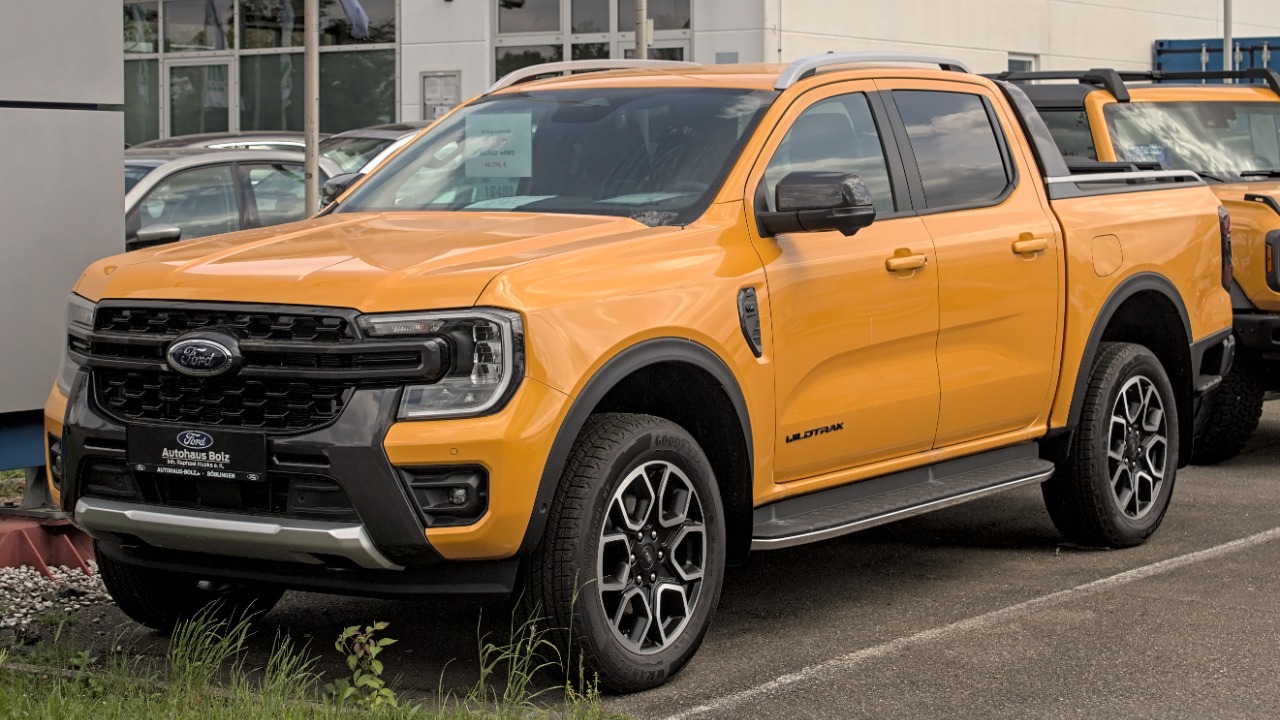
Ford recall 26C42 covers 11,405 2026 Rangers, according to the Work Truck recall round-up. The screen “may lose power and not display the rearview camera image.”
A blank screen in reverse leaves the driver without the camera view that federal rules require. Owners of 2026 Rangers can check the recall number with a dealer to confirm whether a given truck is included. The figure comes from the roundup, which prints unit counts alongside each manufacturer’s recall number.
10. Ford Bronco: Burr Near the Curtain Airbag
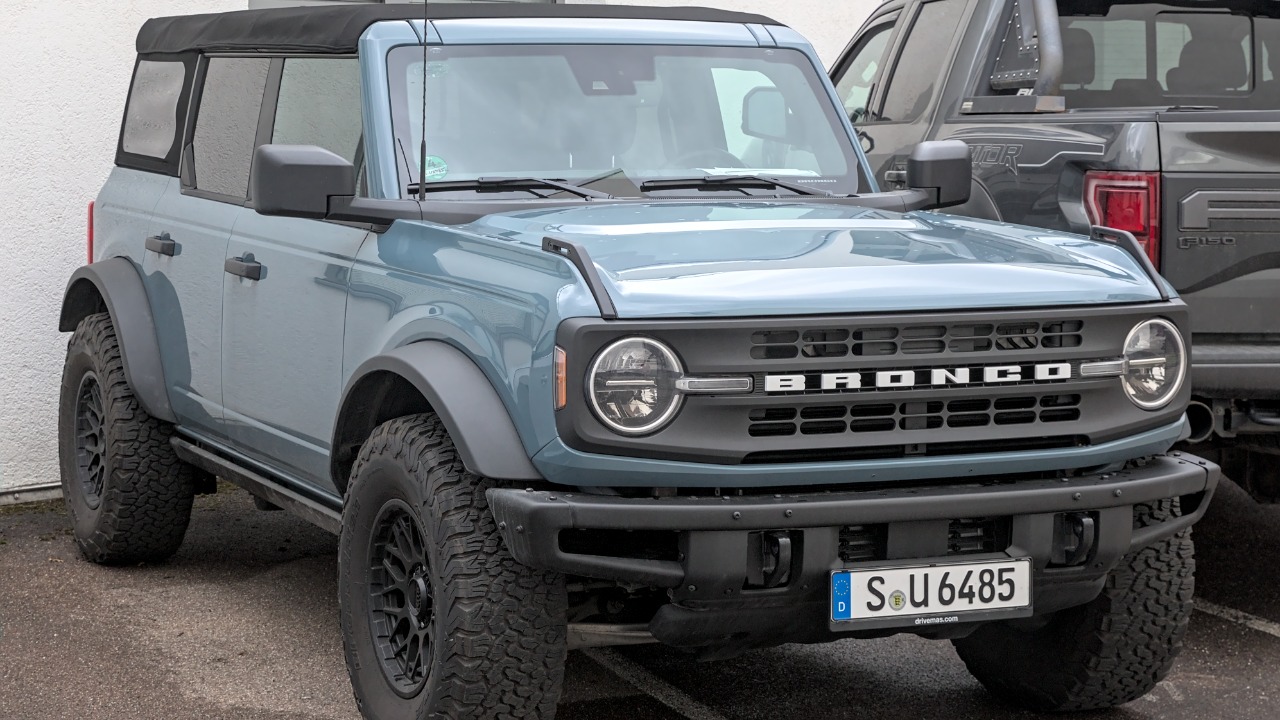
Ford recall 26S64 covers 2,711 2026 Broncos, as listed in the October recall round-up. The defect is a “metal burr on bracket may tear the right-side curtain airbag during deployment.”
A torn curtain airbag would weaken protection for right-side occupants in a side impact or rollover. The small unit count means few trucks are affected, but those owners should still arrange the repair. Ford’s own recall number, 26S64, is the quickest reference when calling a dealer about a specific truck.
11. Ford Mustang Mach-E: Battery Software and Fast Charging
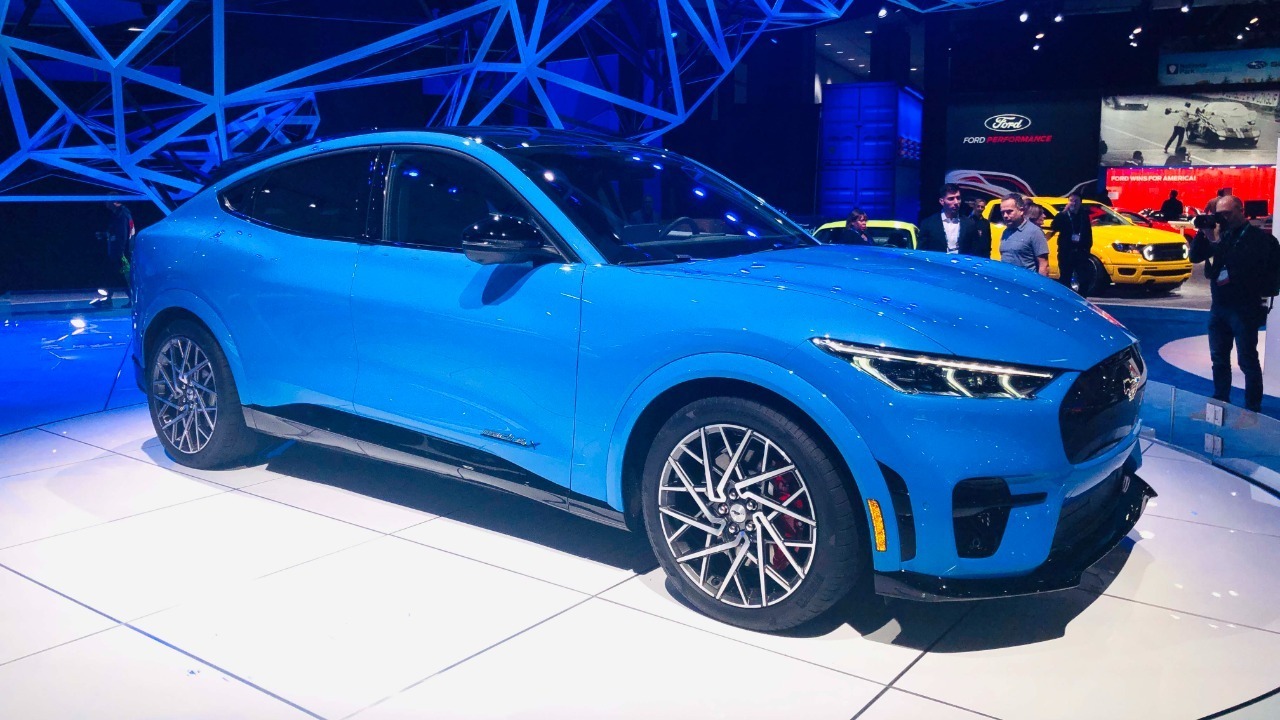
Ford recall 26S68 covers just 86 2023-2025 Mustang Mach-Es, per the Work Truck listing. Battery software “may show an incorrect charge state or raise high-voltage battery fire risk after repeated DC fast charging.”
The narrow scope sets this campaign apart from the larger entries here, yet a fire risk tied to fast charging is a serious one. Affected owners can confirm eligibility by VIN with a Ford dealer. Ford’s recall number, 26S68, identifies the campaign when contacting a dealer or checking a VIN.
12. Rivian R1T: Notification Over the Camera
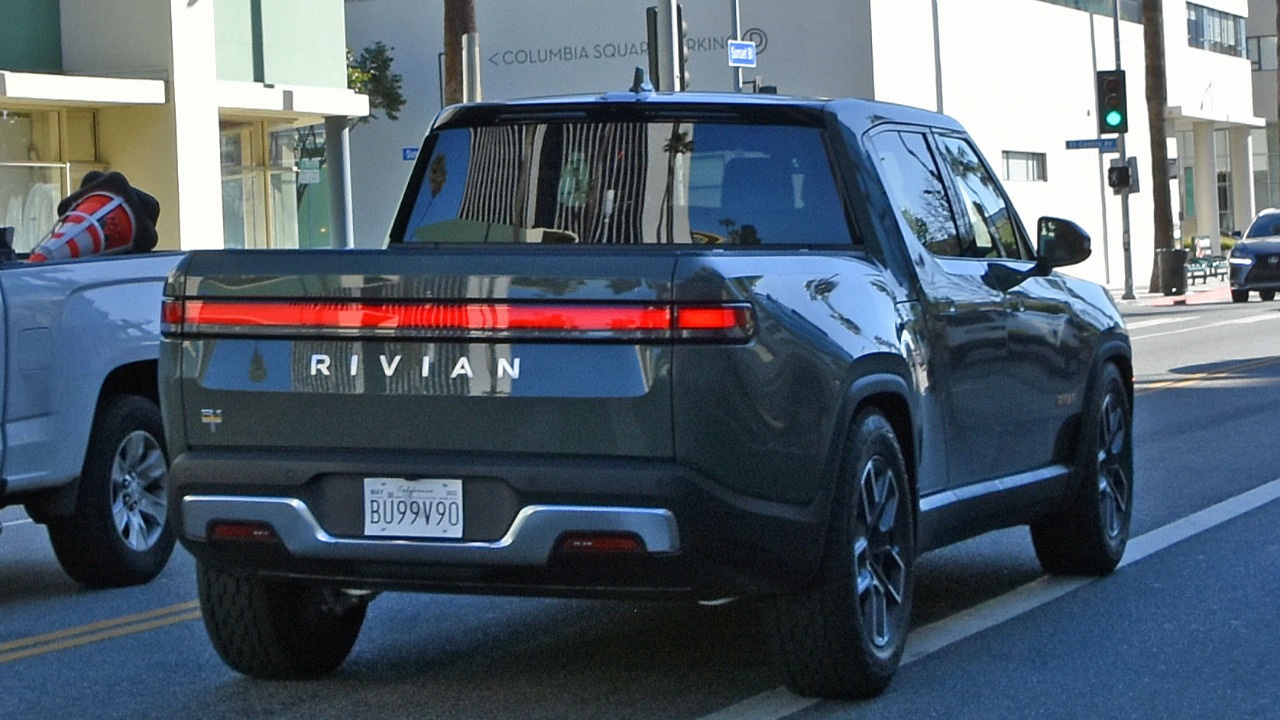
Rivian recall FSAM-1866 covers 98,828 R1S, R1T and R2 vehicles, the largest unit count in the October recall roundup. The problem is that “a notification may obstruct the rearview camera image in reverse.”
A pop-up covering the camera feed during a reverse maneuver undercuts the visibility the system exists to provide. The scale of the campaign, spanning three model lines, makes it the biggest on this list. Rivian’s campaign number, FSAM-1866, is the reference to quote when contacting the company or a service center.
More from Morning Overview
- Doctors warn a silent liver disease now affects one in three American adults
- The FBI told the rest of ShinyHunters to surrender after a 24-year-old was arrested
- Two passengers died at an Ohio toll plaza, and the NTSB now wants the cash lanes shut
- Long use of a common prostate pill is tied to a higher chance of glaucoma
