
Between the mid-1960s and early 1970s, Detroit’s automakers fought a horsepower war that produced some of the most powerful street cars ever sold. Factory ratings often understated real output, and the numbers behind the legends are still debated by collectors. Here are twelve muscle cars that show how big the figures got.
1. Pontiac GTO (1964): The Spark
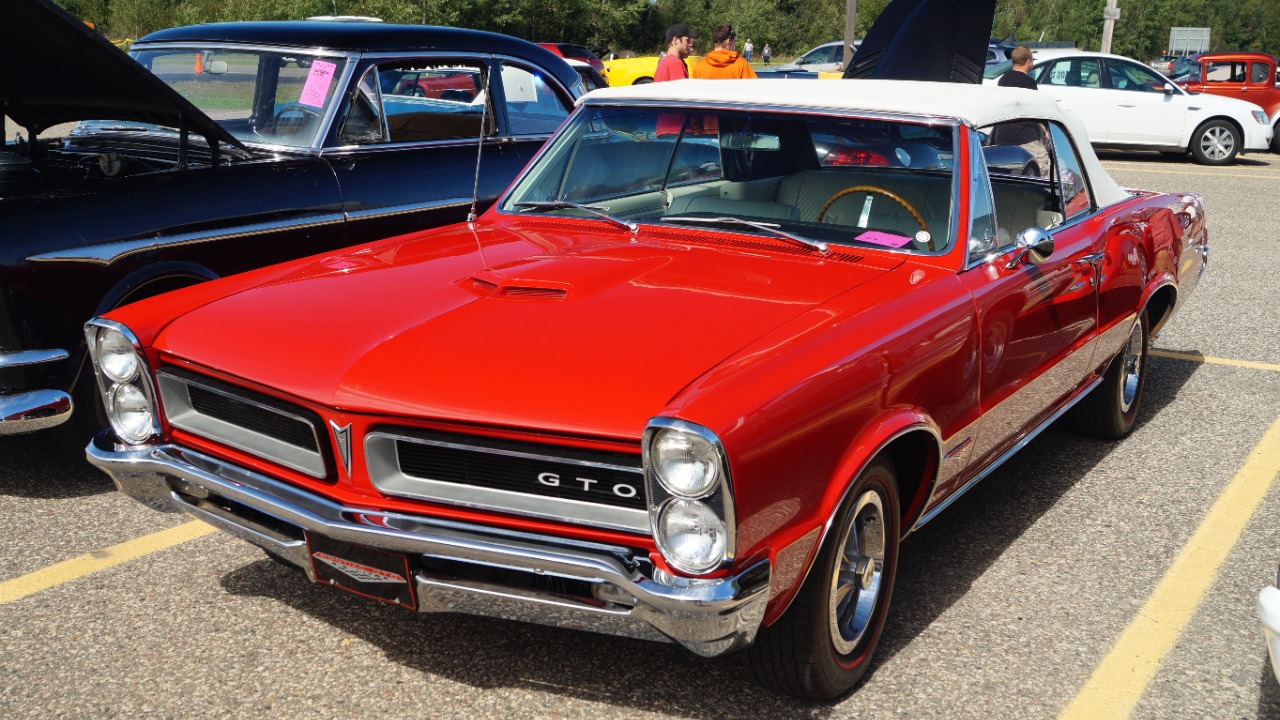
The car that started it: a 389-cubic-inch V8 rated at 348 horsepower is how a a KXAN muscle-car roundup frames the opening shot of the era.
KXAN’s roundup of top American muscle cars credits the GTO with igniting the race. A midsize Tempest fitted with a big V8 gave rivals a template, and every later entry on this list followed its recipe of large displacement in a mid-size body. Everything that followed in the horsepower race traces back to this formula, so the GTO is the natural starting point for anyone comparing ratings across the decade. Its 348 horsepower looks modest next to later figures.
2. Chevrolet Chevelle SS 454 (1970): Big-Block Peak
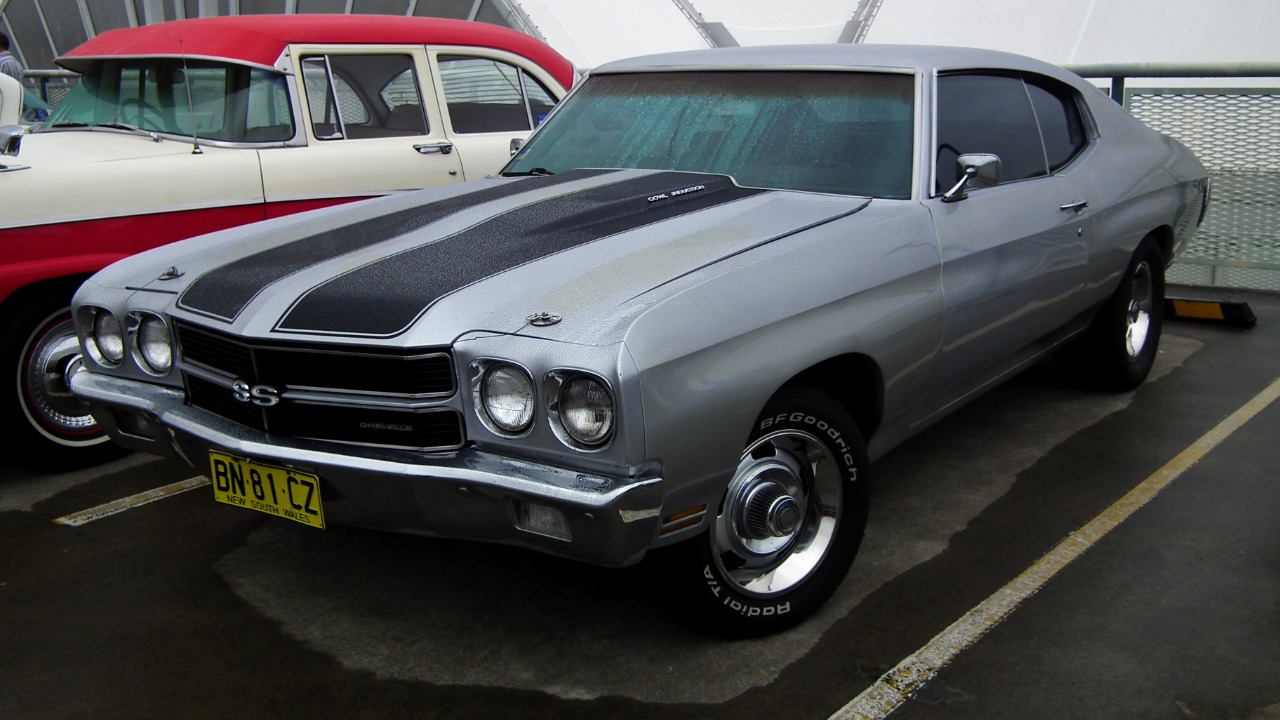
The 7.4-liter big-block made 450 horsepower and 500 lb-ft of torque, according to an OldCarOnline power ranking, putting the Chevelle SS 454 near the top of the entire era.
That output made the Chevelle one of the strongest factory-built machines of its day. For a collector, the 450-hp rating is the headline spec, and it is the figure that defines the car’s reputation. Read against the rest of this list, the Chevelle shows how quickly ratings climbed within a few years of the GTO’s debut. Shoppers weighing the SS 454 should treat the 450-hp claim as the reference point for the model.
3. Ford Mustang Boss 429 (1969): Underrated on Paper
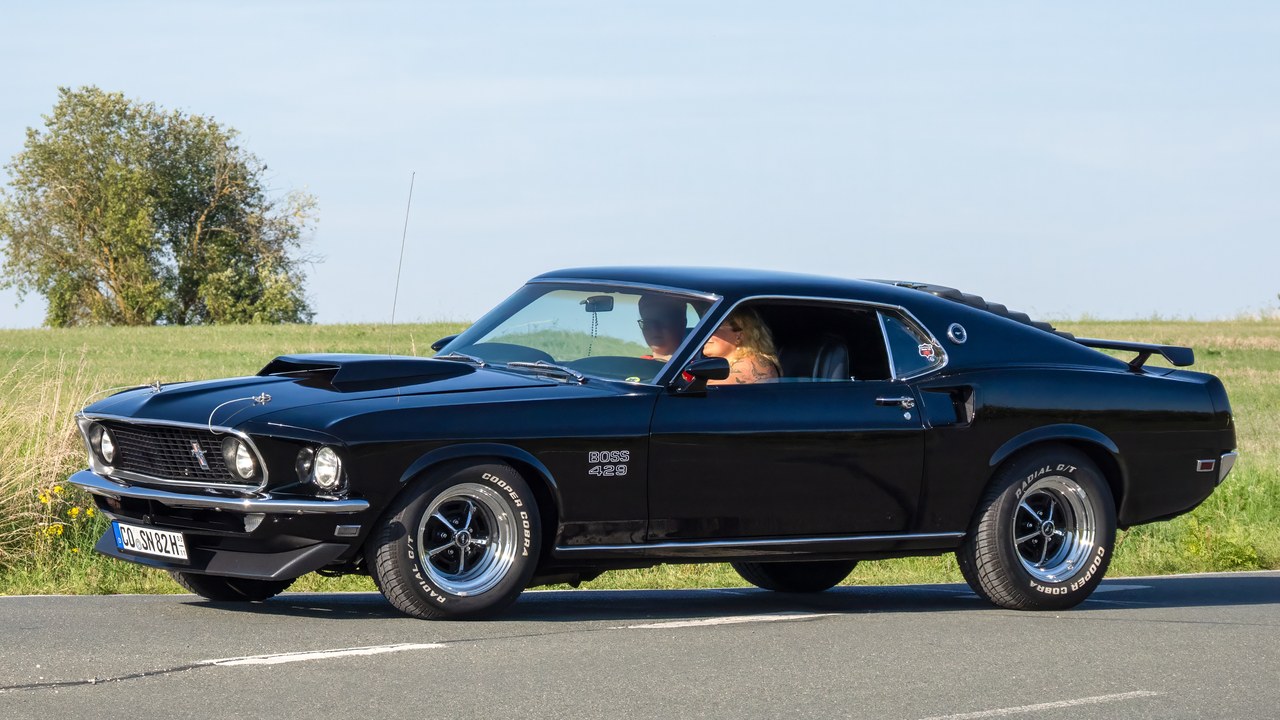
Rated at 375 horsepower, the Boss 429 carried real output that a list of the most powerful classics says ‘would easily cross 500’.
The gap between the factory number and the likely truth explains the car’s legend. Buyers and enthusiasts treat the rating as conservative, so the printed figure undersells what the 429 could do. The mismatch between printed rating and likely real output also warns that period numbers can understate a car’s true performance. Comparing cars by printed rating alone can therefore mislead, and that caveat applies across this gallery.
4. Plymouth Hemi ‘Cuda (1970): Hemi Fury
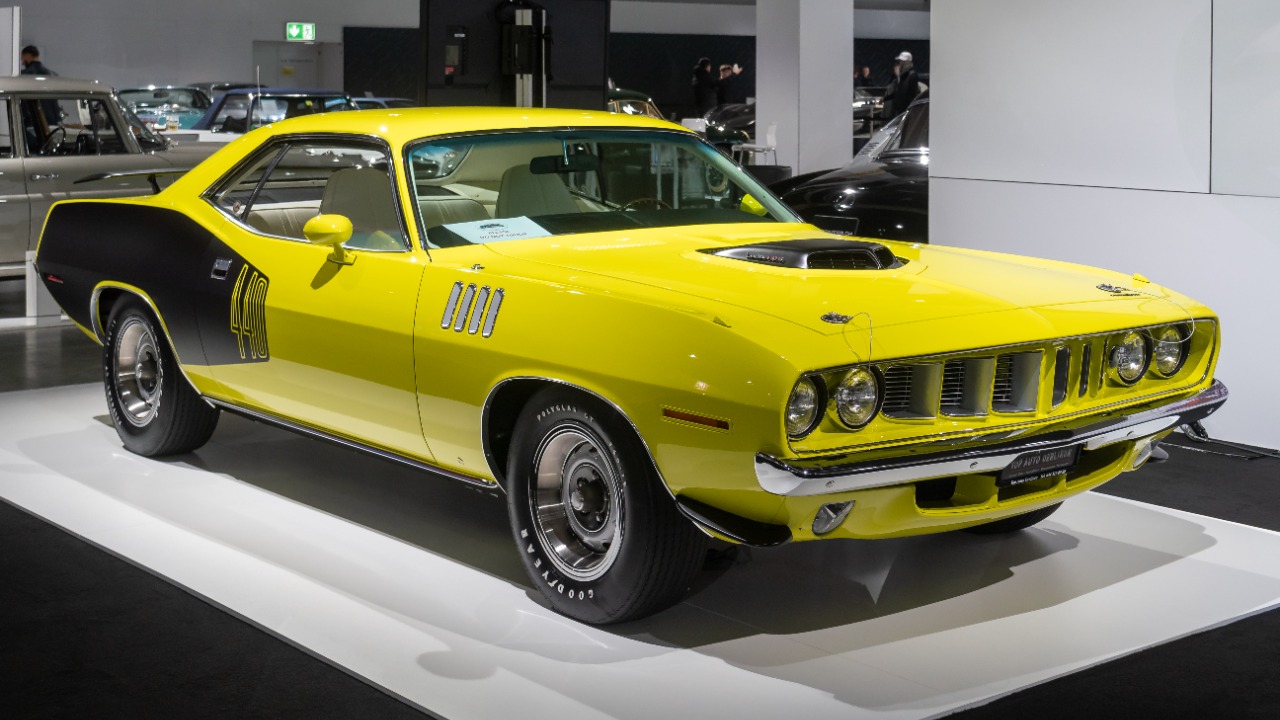
Its 426 Hemi churned out 425 horsepower and 490 lb-ft, per OldCarOnline’s classic-muscle ranking, making the Hemi ‘Cuda a standout among Mopar muscle.
The torque figure is as notable as the horsepower, since 490 lb-ft pushed hard from low revs. Anyone shopping the model should know the Hemi engine is what carries the car’s status. Pairing the two numbers gives a fuller picture than horsepower alone. Anyone comparing it with the Chevelle or Boss 429 should weigh peak power, torque and the engine’s rating together rather than chasing one headline spec.
5. Chevrolet Camaro ZL1 (1969): Honest Five Hundred
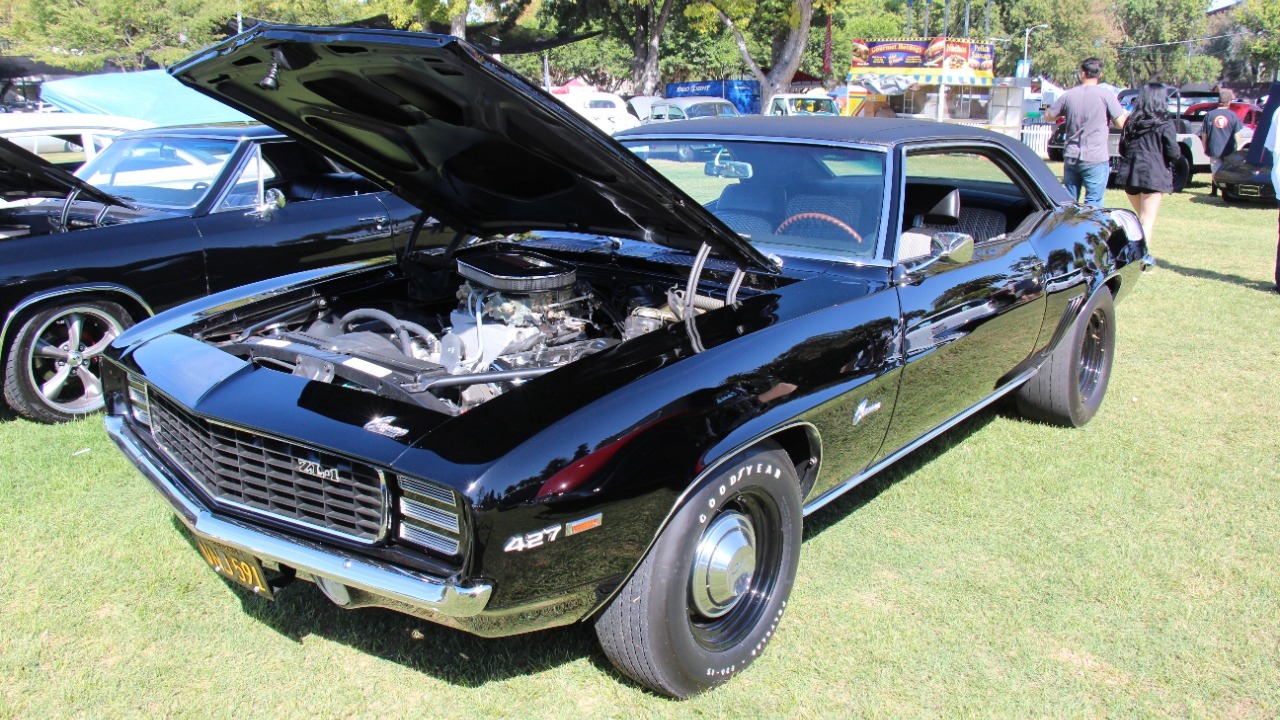
Its big-block four-barrel V8 made around 500 honest horsepower, as the same OldCarOnline ranking describes the ZL1.
The word honest matters here: the ZL1 is cited for real output rather than a flattering rating. That makes it a benchmark when comparing how much power the era’s cars actually delivered. For a buyer or admirer, it is a reminder that some factory ratings sat well below what a car could actually do. The Camaro stands as the Chevrolet entry that matched the biggest figures of the decade.
6. Dodge Charger R/T (440 Six-Pack): Six-Pack Muscle
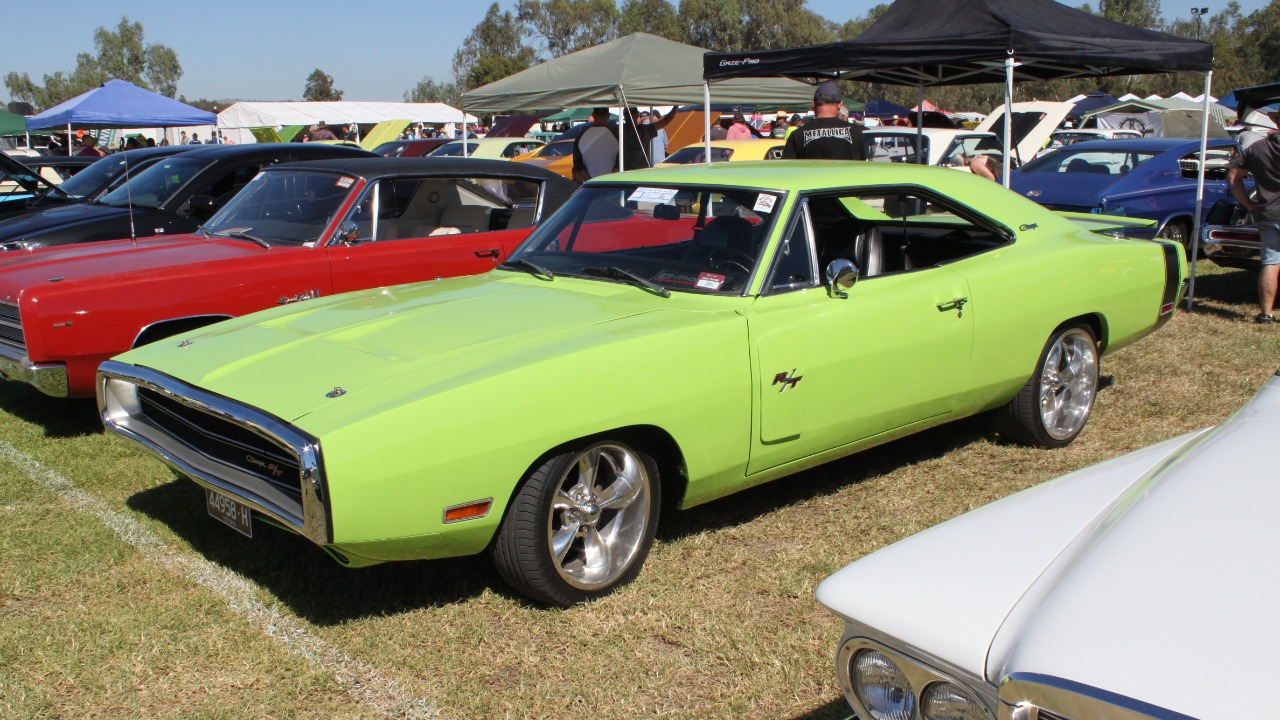
American Collectors puts the 440 Six-Pack in the two-door Charger ‘north of 430’ horsepower, as laid out in an American Collectors article.
The estimate sits above the 425-hp Hemi figure seen elsewhere on this list. For a buyer, the 440 Six-Pack is a way to chase big power in a Charger. The phrase north of 430 is itself a hedge, signalling an estimate rather than a certified rating. Owners should therefore read the figure as a ballpark, and as evidence that Mopar offered more than one route to extreme power.
7. Buick GSX (455 Stage 1): Stage 1 Strength
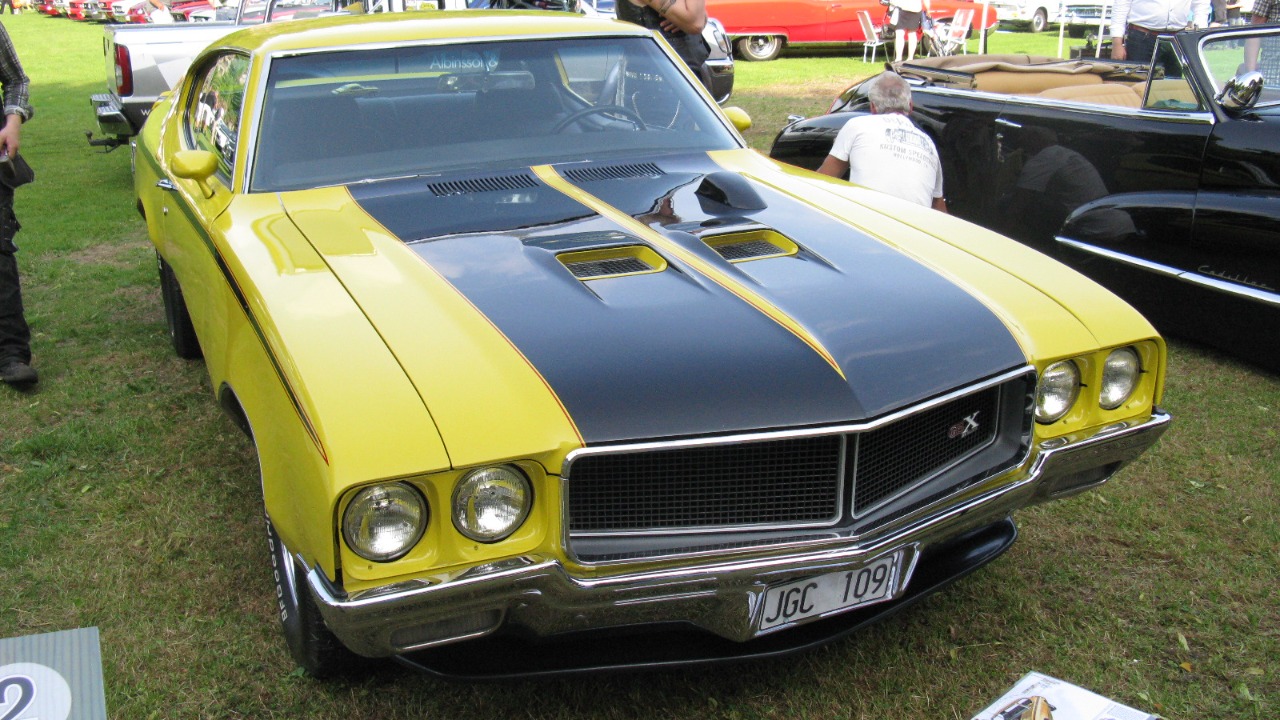
The Skylark GS/GSX’s 455 Stage 1 made an estimated more than 420 horsepower, according to American Collectors’ power list.
The word estimated is the caveat: the figure is not a precise factory-certified rating. Even so, the Stage 1 engine puts the GSX among the strongest cars from Detroit’s horsepower war. Treat the number as a ballpark, since estimates can drift in either direction. The GSX still earns its place as a Buick that took on far better-known rivals, which makes it a worthwhile target for collectors who prefer something less obvious.
8. Ford Torino Cobra Jet: Cobra Jet Heat
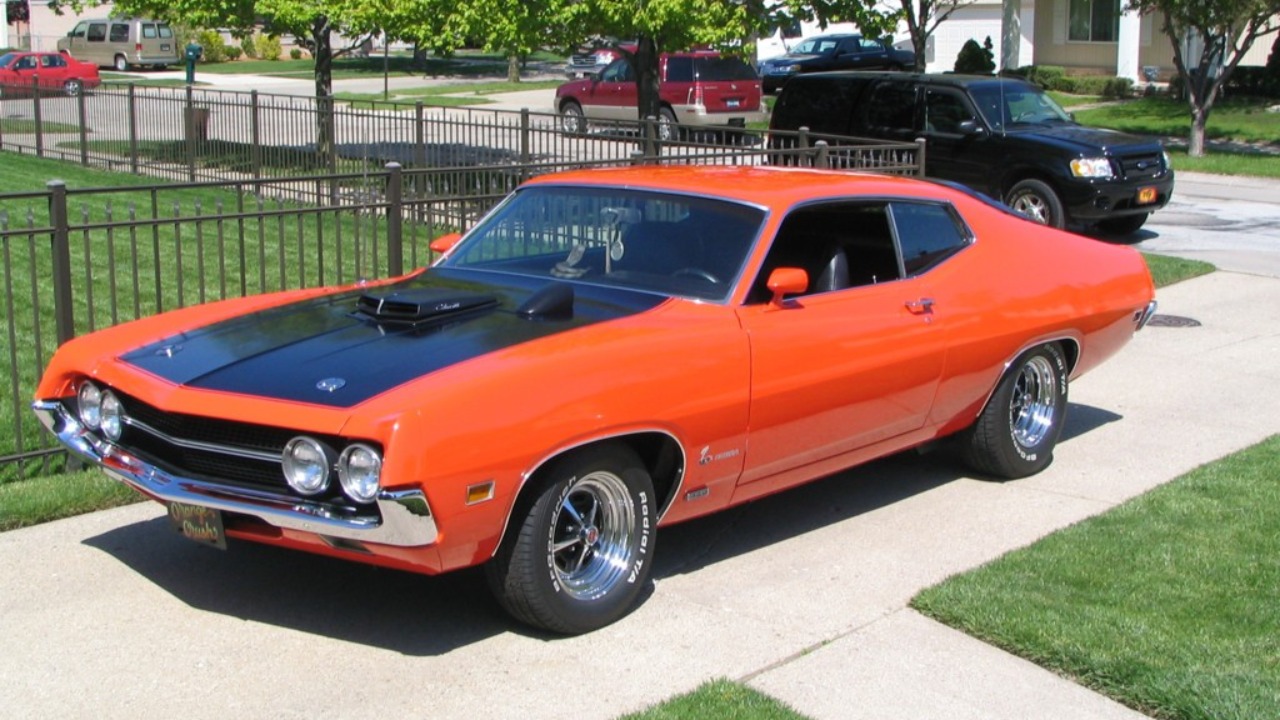
Its 428 Cobra Jet was estimated at 410 horsepower, in the view of an American Collectors guide.
As with the Buick, the number is an estimate rather than a hard rating. The Torino pairs that engine with a mid-size body, a reminder that Ford fought the horsepower war outside the Mustang. That places it a little below the Hemi and Six-Pack cars covered here, yet still well above the typical family sedan of its day. Collectors should view it as a strong second-tier performer with a distinctly Ford character.
9. Oldsmobile 442 W-30 (1970): Torque Monster
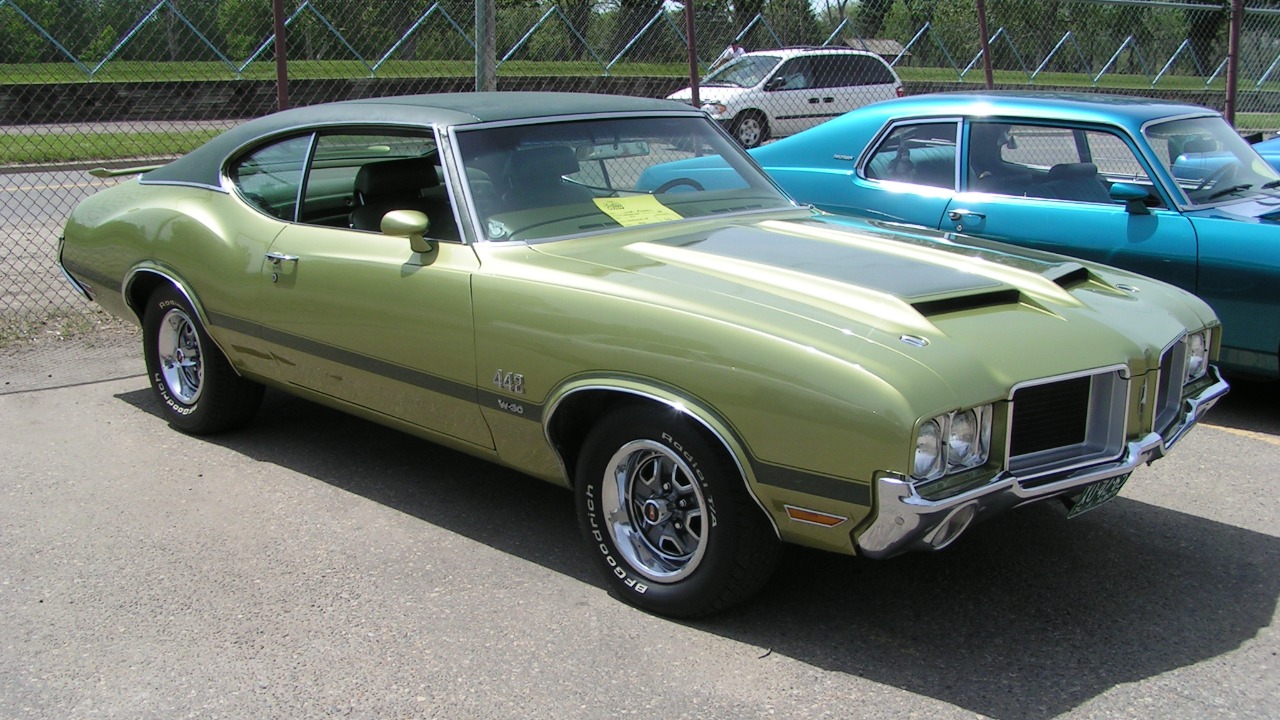
Its 455-cubic-inch V8 delivered 500 lb-ft of peak torque, as a KXAN muscle-car feature notes for the 442 W-30.
The headline here is twisting force rather than horsepower, and 500 lb-ft is the kind of figure that explains the car’s shove off the line. For owners, the W-30 stands as the Oldsmobile answer to its rivals. Pairing a big displacement with that much torque is a shortcut to effortless acceleration, even where peak horsepower trails the headline cars. The 442 W-30 therefore suits drivers who value low-end punch over a high rating.
10. Pontiac Firebird Trans Am 455 Super Duty (1973): Late Holdout
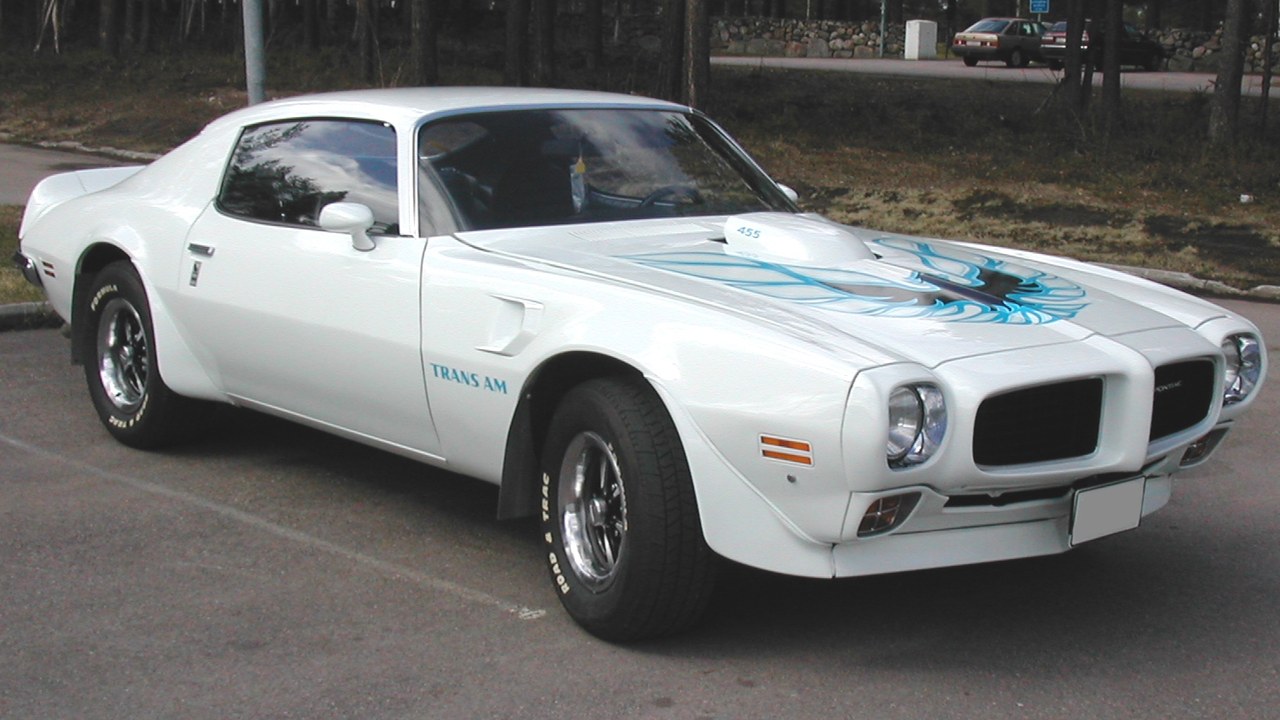
A late holdout that still made nearly 300 rear-wheel horsepower, the 455 Super Duty is covered in KXAN’s top-muscle-car coverage.
The rear-wheel measurement is a stricter yardstick than a crank rating, so the number is more modest than the era’s peaks. The Trans Am shows the muscle formula surviving into the 1970s. The rating is a rear-wheel figure from a late holdout, so it reads lower than the peaks elsewhere on this list. For a buyer, the appeal lies in owning one of the last big-engine Pontiacs from the original era.
11. Plymouth Road Runner (1968): Budget Brawler
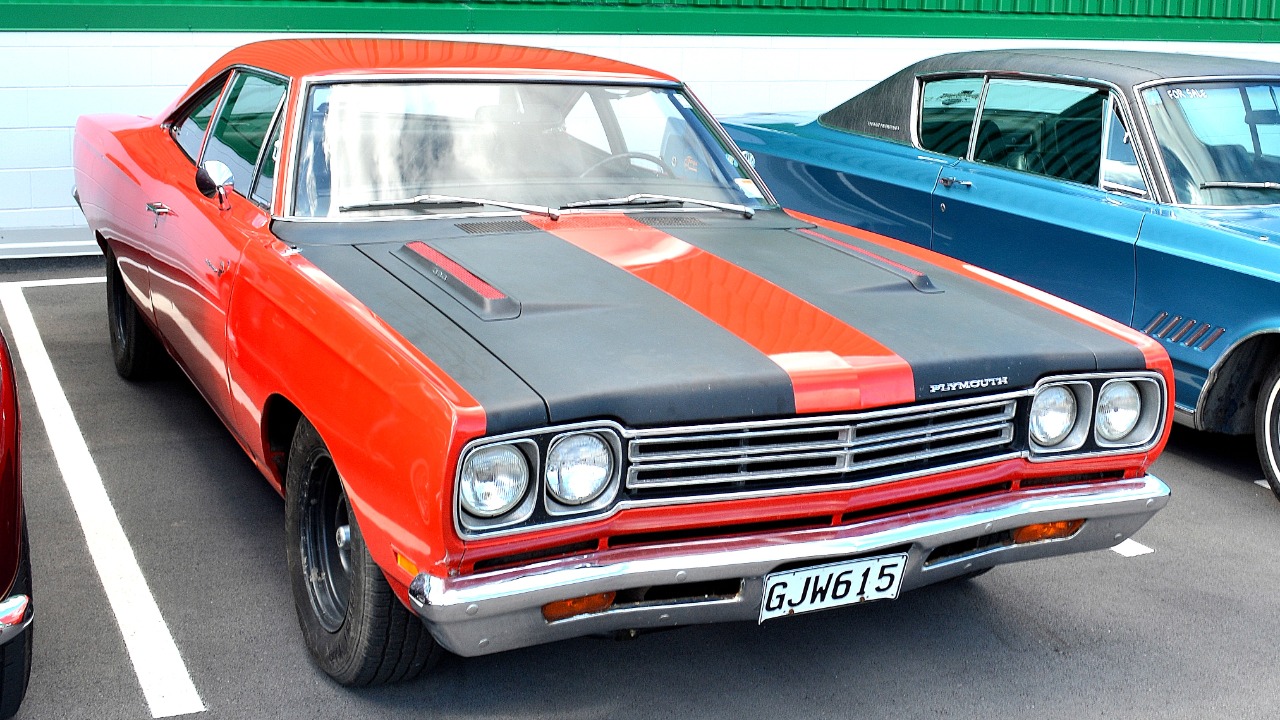
Its 383 V8 made 335 hp, and an Auto123 Hemi review notes that 44,599 were built in 1968, 840 with the 425-hp Hemi.
The production split shows how rare the Hemi version was: fewer than 2 percent of those Road Runners got it. A buyer chasing the 425-hp car faces a far smaller pool than one content with the 383. The figures also show a car sold in volume, with the 383 being the engine most buyers actually received. That context helps owners judge value: the common version is accessible, while the Hemi carries a clear scarcity premium.
12. Dodge Challenger R/T Hemi (1970): Quarter-Mile Proof
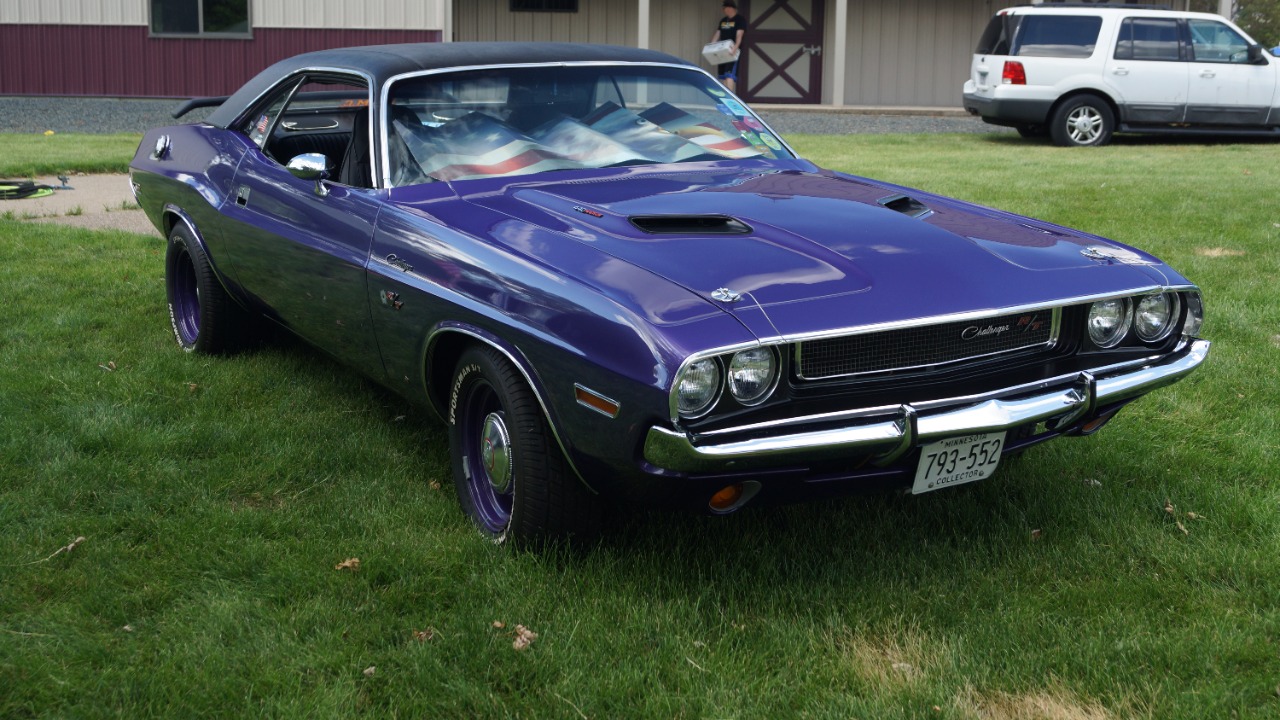
The 426 Hemi made 425 bhp and ran the quarter-mile in 13.1 seconds at 107.1 mph, according to Hagerty’s 1970 Challenger page.
Hagerty’s valuation page pairs the power rating with measured performance, and 107.1 mph is a trap speed that still impresses. For owners and buyers, the figures help justify the Challenger’s collector standing. Owners should still remember that 13.1 seconds describes one measured result, not a guarantee for every car. Even so, the pairing of rating and elapsed time makes the Challenger one of the best documented entries on this list.
More from Morning Overview
- The NSA says three phone features should be off whenever you aren’t using them
- Hurricane Hunter radar shows four warning signs that a tropical cyclone is about to strengthen, a University of Miami study found
- Tropical Storm Rachel is dumping up to 12 inches on four Mexican states on its way to major hurricane strength
- The FTC says Lens.com doubled the price shoppers saw in Google ads
