
Few defects matter more than a part that holds a wheel, a spring or a steering link in place. This list gathers 2026 recalls where steering, suspension, wheel or brake hardware can fail, including cases where owners were told to stop driving. Here are ten vehicles, from family SUVs to a sports car and a heavy-duty pickup, that carry those warnings.
Tech news in one quick read: Get the most interesting stories in startups, tech and programming, each with a short TLDR, in one daily email from TLDR.
We may earn a commission if you sign up.
1. Toyota Grand Highlander: Knuckles That Can Crack
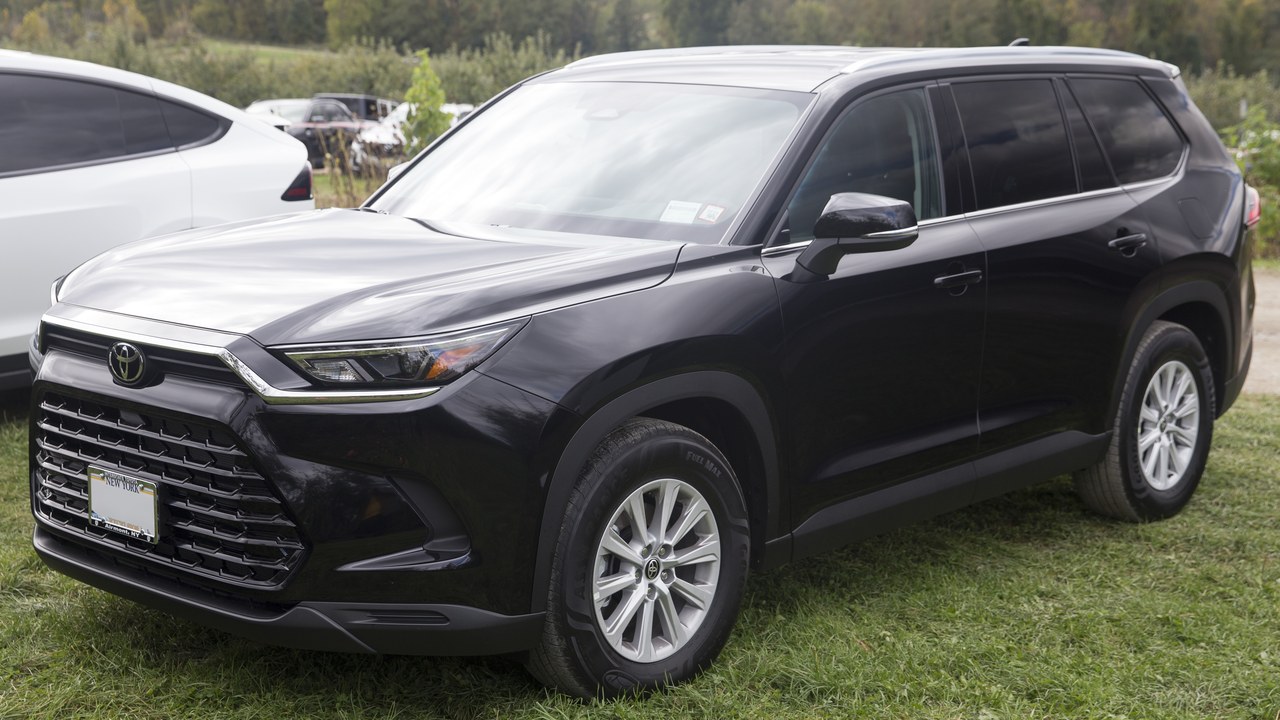
The Toyota Grand Highlander is the three-row family SUV that sits above the regular Highlander in Toyota’s lineup, and it shares hardware with the Lexus RX and TX. A federal recall notice covers 617 of the 2026 models across the Grand Highlander, Lexus RX and Lexus TX, and says the front steering knuckles may crack and break.
Such a failure can result in a loss of vehicle steering control, which is among the most serious defects a recall can describe. The knuckle holds the wheel hub and connects the steering and suspension, so a fracture there affects the ability to steer at all.
2. Volkswagen Atlas: A Bolt Under Corrosion
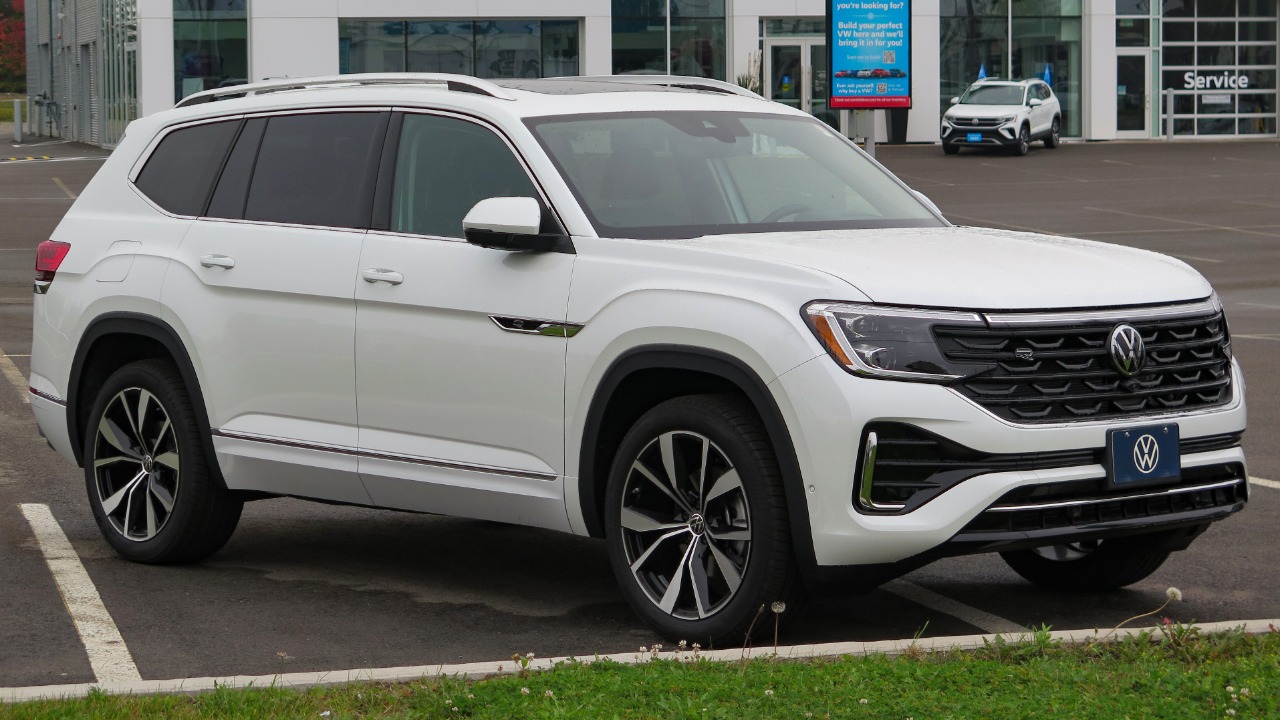
The Volkswagen Atlas is the German brand’s large three-row SUV, built for the North American market and aimed at families that need space. A steering rack recall lists the Atlas alongside Volkswagen Tiguans and Audi Q3s, 208,724 vehicles in all. The notice explains that one of the bolts attaching the steering rack to the subframe may corrode and break.
Without that attachment, the driver can be left without steering control. The steering rack is the assembly that turns movement of the steering wheel into direction at the front tires, and it depends on solid mounting to the subframe.
3. Audi Q3: Same Recall, Smaller Badge
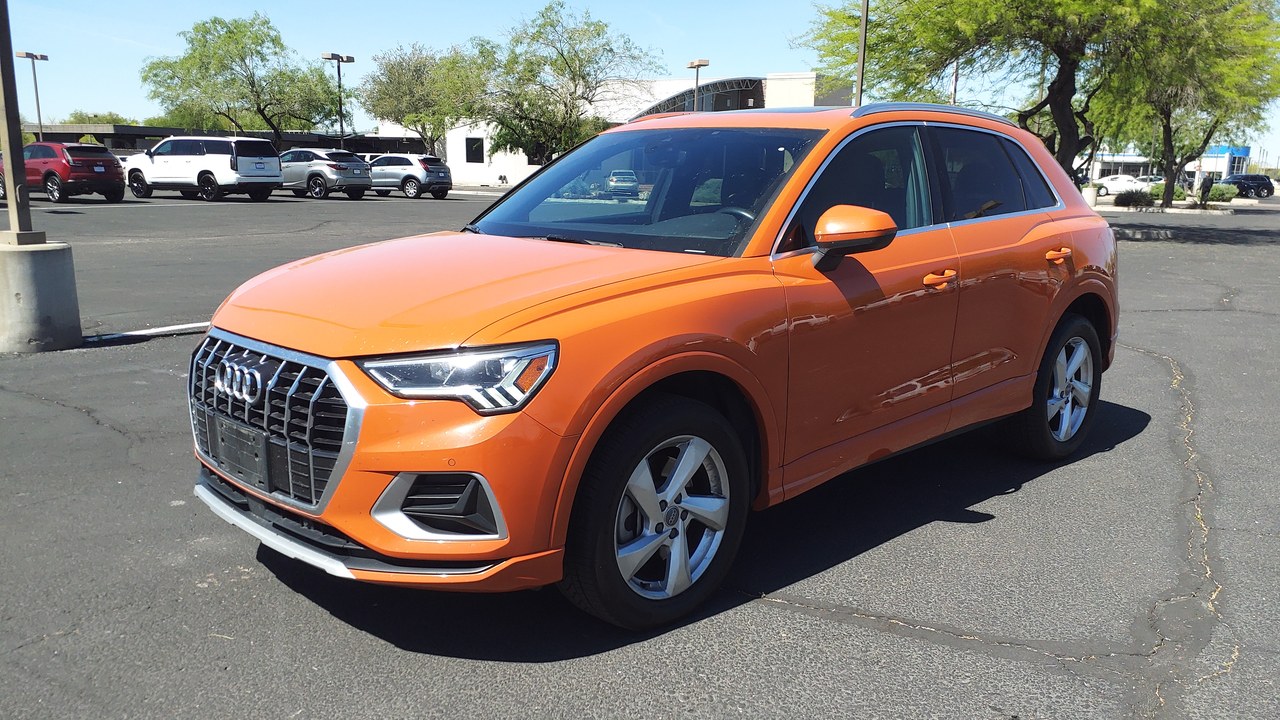
The Audi Q3 is the brand’s compact luxury crossover, positioned below the larger Q5 and Q7. Model years 2019 through 2021 are named in the same steering recall that covers the Volkswagen Atlas and Tiguan, a group totaling 208,724 vehicles.
The risk described in the notice is loss of steering control, increasing the risk of a crash. For owners, that makes the recall relevant even for a vehicle that drives normally today, since the concern is a part that may corrode and break rather than one already misbehaving. Checking the vehicle identification number against the campaign is the straightforward way to confirm whether a particular car is included.
4. Tesla Model Y: Loose Link Up Front
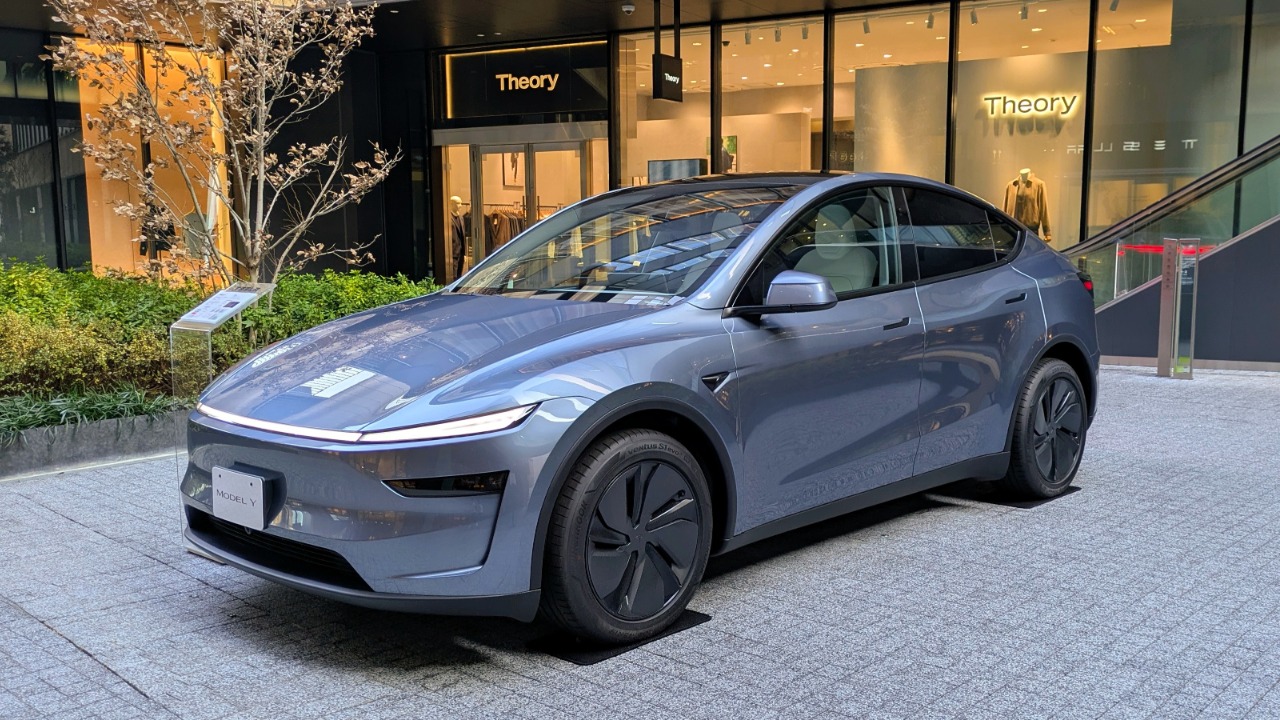
The Tesla Model Y is the electric crossover that became one of the brand’s volume sellers, sold worldwide in several trims. A federal vehicle listing shows a 2026 recall tied to the front suspension lateral link fasteners, which may not have been properly tightened. The notice warns that the link can separate.
A lateral link helps locate the wheel and keep its geometry stable as the suspension moves. If a fastener is not tightened correctly, the connection can loosen, and a separated link changes how the wheel behaves while the vehicle is in motion.
5. Tesla Cybertruck: Studs On Steel Wheels
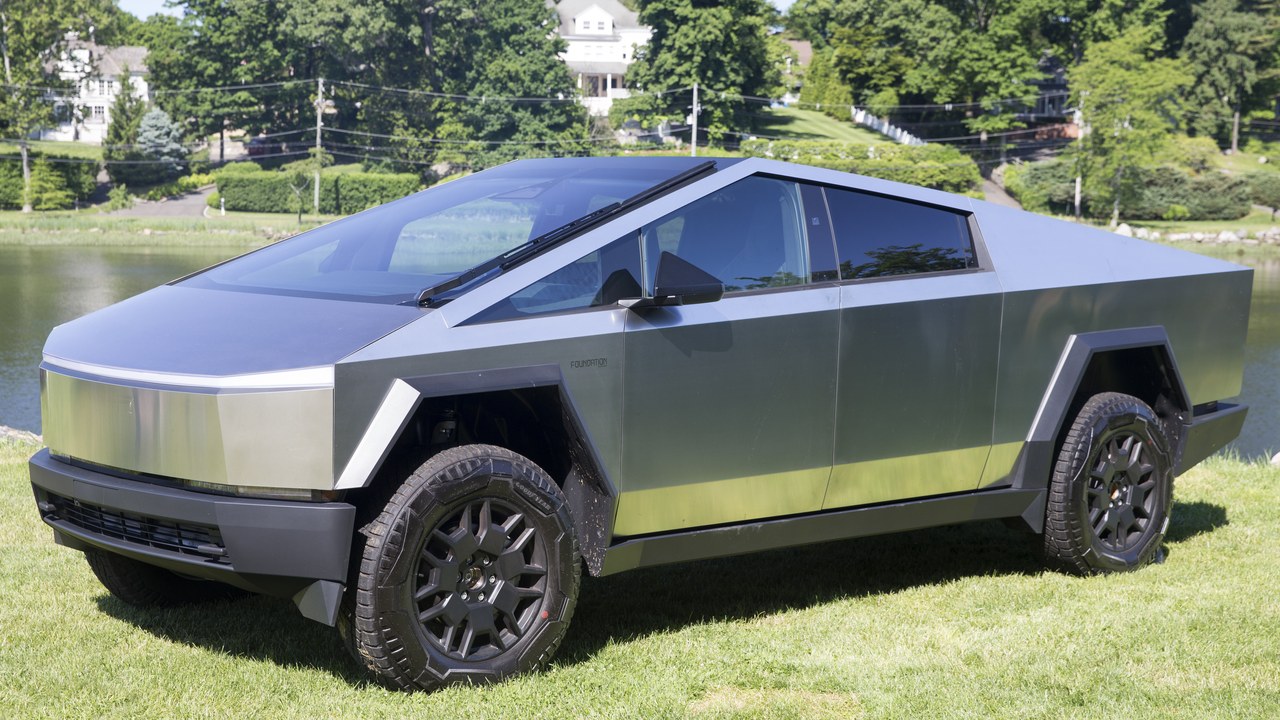
The Tesla Cybertruck is the stainless-steel electric pickup whose angular design sets it apart from nearly every other truck on the road. A 2026 recall entry in the federal vehicle database covers Cybertrucks equipped with 18-inch steel wheels. The stated concern is wheel stud separation.
Wheel studs are the threaded posts that hold a wheel onto the hub, with the lug nuts clamping the wheel against them. When a stud separates, the clamping load shifts to the remaining studs, which can compromise how securely the wheel stays attached. The description in the record is limited to trucks fitted with the 18-inch steel wheels, so the wheel option matters when an owner checks eligibility.
6. Hyundai Kona: Cracked Knuckle Count
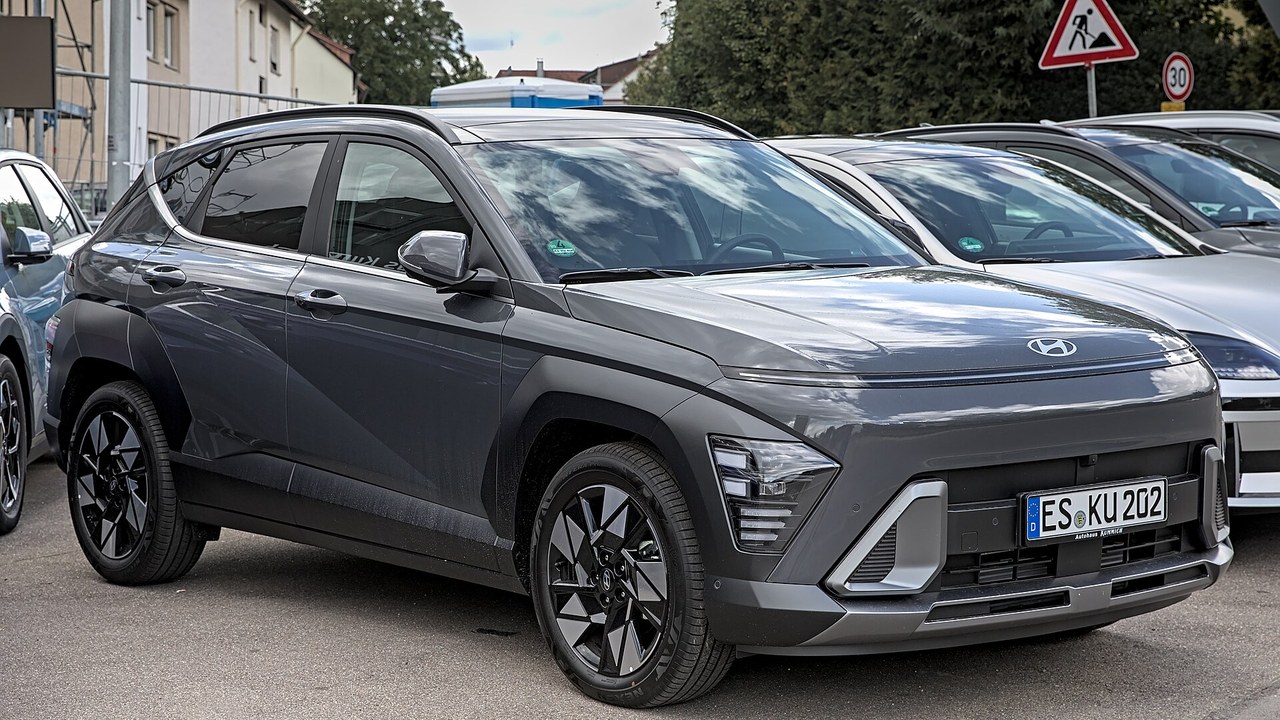
The Hyundai Kona is the South Korean maker’s subcompact crossover, offered with gasoline and electric powertrains in various markets. A Motor1 recall roundup of Hyundai’s 2026 campaigns lists 4,555 Konas recalled for a cracked steering knuckle. The knuckle is the pivot casting that carries the wheel hub and links it to the steering and suspension.
A crack in that casting is a structural concern because the part is loaded constantly by cornering, braking and road shocks. The roundup is a summary of several campaigns, so the exact model years and the remedy are best confirmed through Hyundai or the federal recall lookup using the vehicle identification number.
7. Ram 2500: Stability Control Slips Away
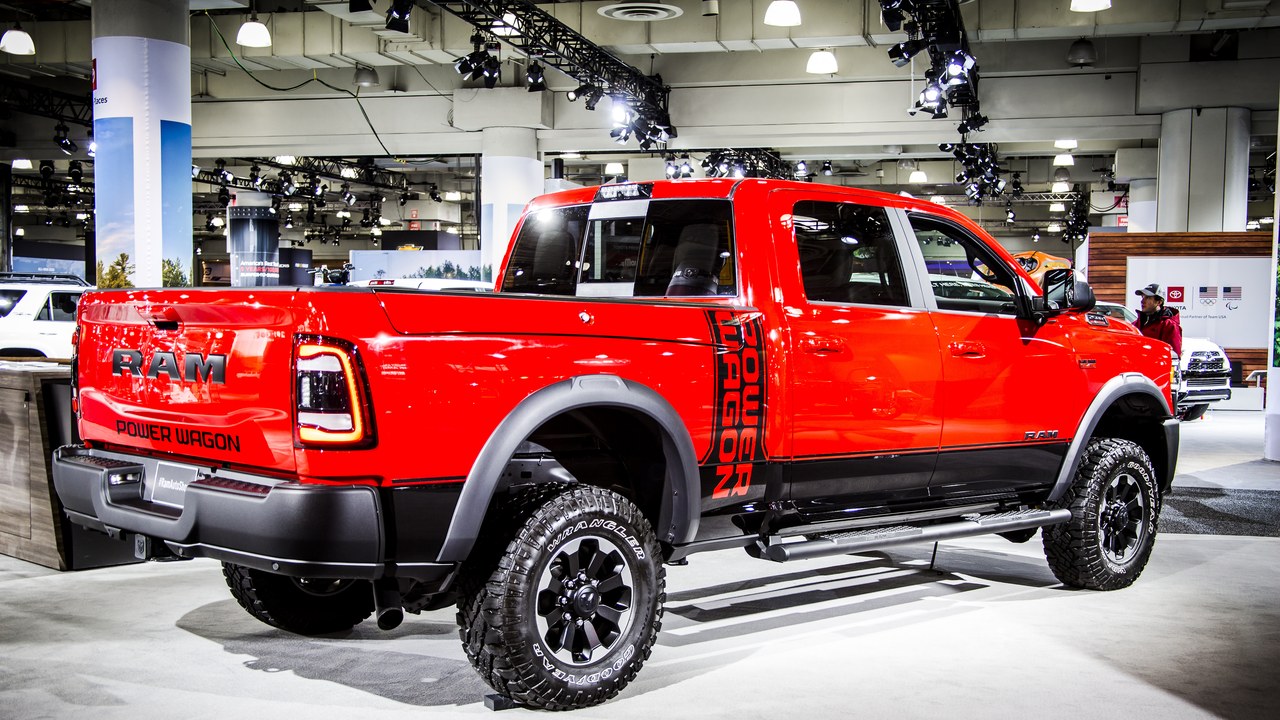
The Ram 2500 is a heavy-duty pickup from Stellantis’s Ram brand, widely used for towing and work duty. A federal recall record for the 2026 model year says a steering column control module can cause loss of electronic stability control on certain trucks.
Electronic stability control uses braking at individual wheels to help a driver keep control in a skid or sudden maneuver, and a heavy truck, especially one pulling a trailer, benefits greatly from that help. The record frames the issue as limited to certain 2026 trucks, so owners should check their own vehicle identification number.
8. Subaru Crosstrek: A Do-Not-Drive Order
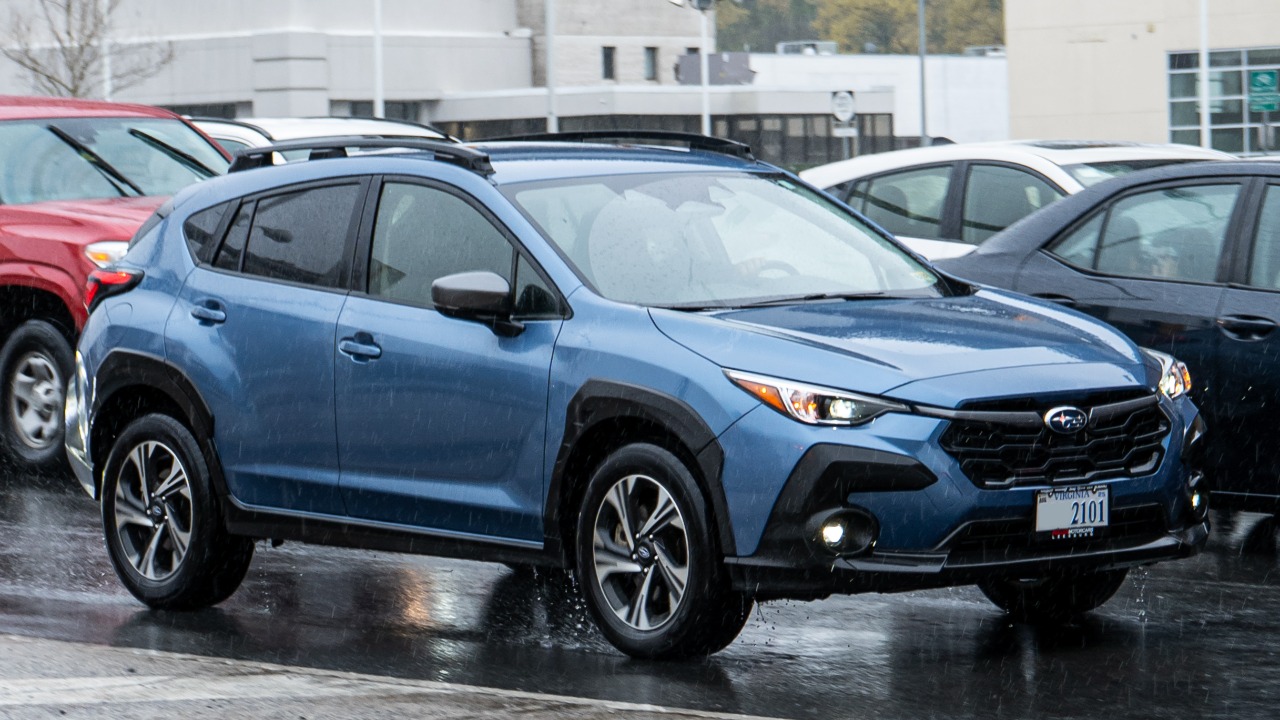
The Subaru Crosstrek is the brand’s raised-hatchback crossover, closely related to the Impreza and sharing its standard all-wheel-drive layout with the Forester. A Subaru recall notice tells owners of affected Crosstreks and Foresters not to drive them. The reason given is that a front control arm ball joint nut may be improperly fastened.
A control arm links the wheel hub to the body, and the ball joint is the pivot that lets the wheel steer and move up and down. A nut that is not properly fastened could allow that joint to come apart.
9. Porsche 911: Stop Driving, Swap The Bolt
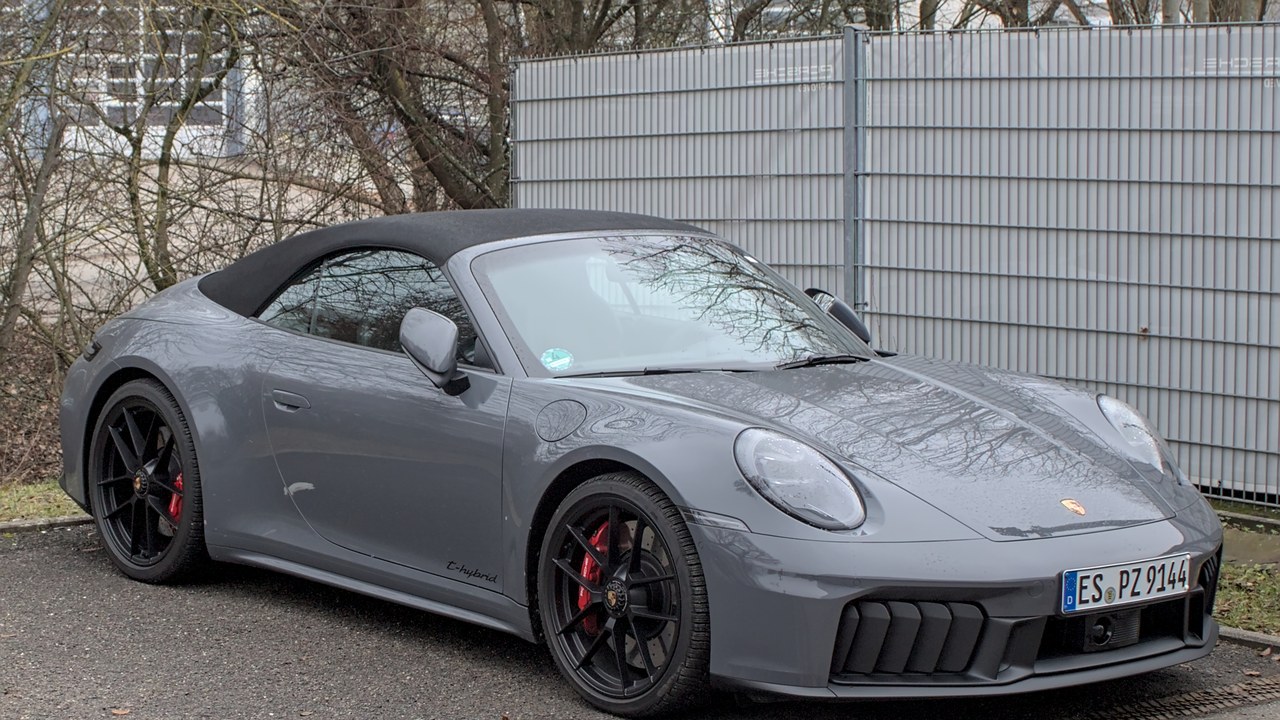
The Porsche 911 is the rear-engine sports car that has defined the Stuttgart brand for decades. A Porsche recall filing covers 548 of the 2024 911 and 718 models and tells owners not to drive until a center-lock wheel bolt that may fracture is replaced.
Center-lock wheels use a single large central fastener per wheel instead of the five or so lug nuts typical on road cars, a design borrowed from racing. Because one fastener holds each wheel, its integrity matters greatly, and a fracture would affect wheel retention. The 718 models, the brand’s mid-engine Boxster and Cayman line, are part of the same campaign, so both families of sports cars share the warning.
10. Mercedes-Benz S-Class: Hoses Under Pressure
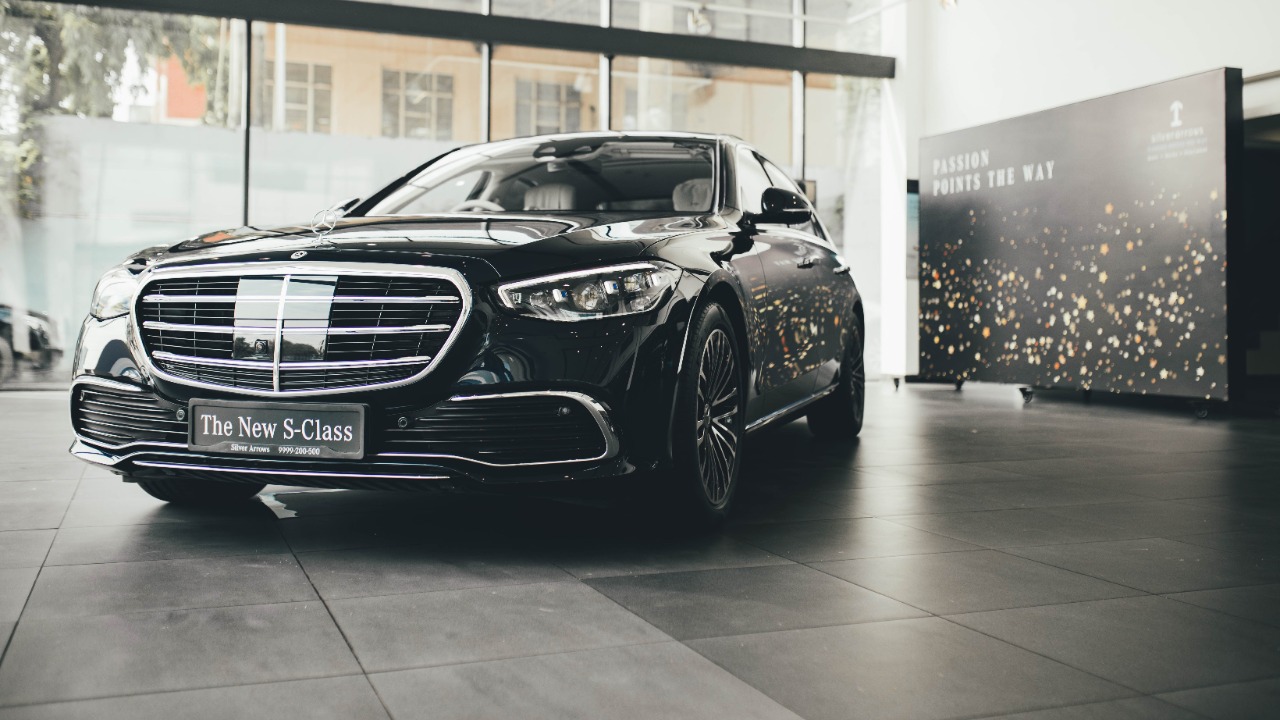
The Mercedes-Benz S-Class is the German maker’s flagship sedan, long used as a showcase for new safety and comfort technology. A federal campaign notice says the front brake hoses may rupture and leak brake fluid on 2022 through 2025 S-Class and Maybach models.
Brake hoses carry hydraulic fluid to the calipers at the wheels, and a leak reduces the pressure available to slow the car. The stated consequence is a lengthened stopping distance, which raises crash risk. The Maybach models named in the notice are the more luxurious variants built on the S-Class, so owners of either badge in those model years should check their vehicle identification number.
Tech news in one quick read: Subscribe to TLDR →
We may earn a commission if you sign up.
More from Morning Overview
- Hybrids have 15% fewer problems than gas cars, while EVs and plug-in hybrids have about 80% more, Consumer Reports finds
- Regulators cleared the first U.S. small modular reactor, 4 months early
- Lake Powell sank to a record 3,517 feet, nearing the level that stops Glen Canyon Dam’s turbines
- Seven of Earth’s nine planetary boundaries are breached, and all seven are worsening
