
Full-size luxury sedans have long served as the technological showcases and top-tier statements of the marques that build them. From German engineering benchmarks to hand-built British and Italian coachwork, these twelve cars set the terms that rivals chased for decades. Each earned its reputation through comfort, innovation, or sheer presence at the very top of the range.
1. Mercedes-Benz S-Class: The Standard Every Rival Chased
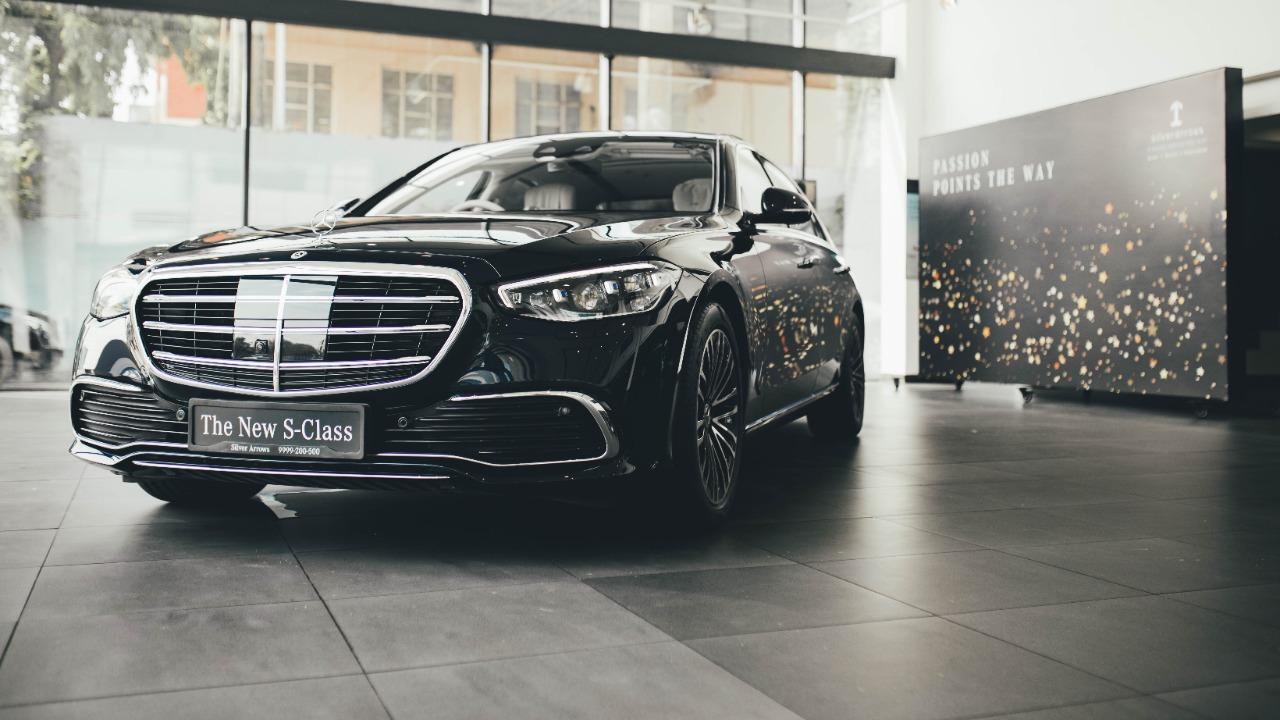
Widely treated as the reference point for the full-size luxury class, the Mercedes-Benz flagship has introduced safety and comfort features that later spread across the wider car market. Its lineage traces back through decades of top-tier Mercedes saloons, with the S-Class name formalized in the early 1970s.
For generations of buyers, chauffeurs, and heads of state, the model became shorthand for arriving in something serious. Engineers routinely debut their newest ideas here first, from advanced suspension to driver-assistance systems, before those innovations trickle down to cheaper cars. That role as a rolling technology preview explains much of why the sedan keeps defining luxury motoring.
2. BMW 7 Series: Munich Answers With Gadgets And Grunt
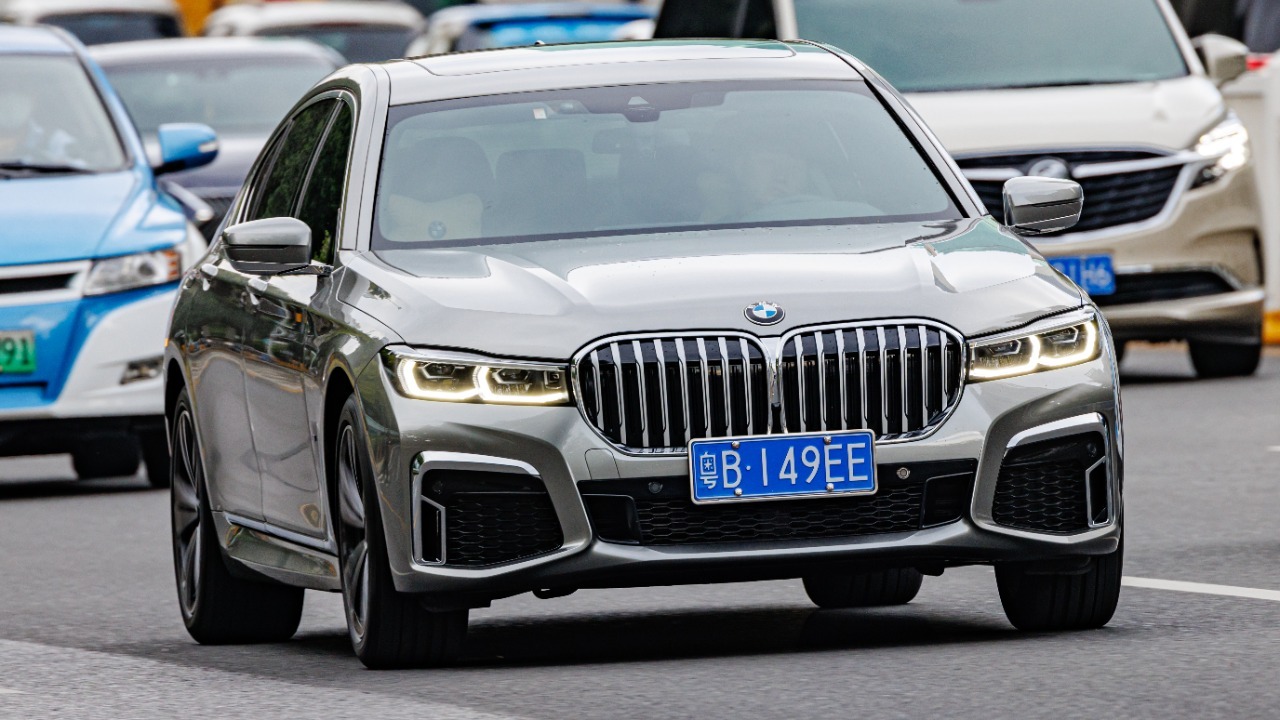
Launched in 1977 as the brand’s full-size flagship, the BMW 7 Series paired executive comfort with the sporting character the marque built its name on. It replaced the earlier large sedans and has anchored the top of the lineup across multiple generations.
The line became a proving ground for ambitious technology, sometimes controversially, as with the complex iDrive control system that debuted on it. Where the Mercedes rival leaned on plush refinement, the BMW pitched itself to owners who still wanted to drive, or be driven quickly. Powerful engines and rear-wheel-drive balance kept it positioned as the enthusiast’s alternative among the German heavyweights.
3. Audi A8: Lightweight Metal Changes The Conversation
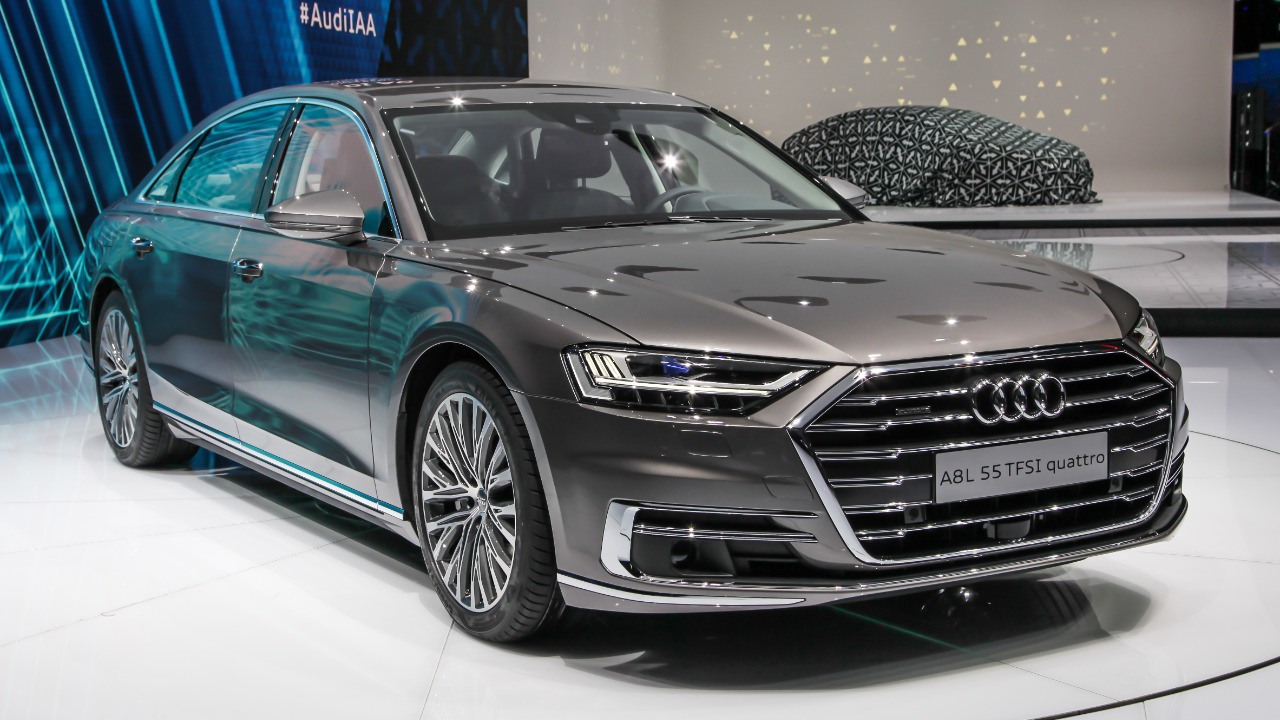
Introduced in the mid-1990s, the Audi A8 distinguished itself with an aluminum spaceframe body structure that cut weight compared with conventional steel rivals. The design, marketed as the Audi Space Frame, gave the sedan a lighter footprint at the top of the class.
Quattro all-wheel drive became a defining trait, offering sure-footed traction that set it apart from rear-drive competitors. The A8 gave Audi credible standing against long-established flagship names, helping the brand climb into the premium tier. Understated styling and technical ambition defined its appeal, and the aluminum-body approach influenced how the industry mixed luxury, efficiency, and structural engineering.
4. Lexus LS: The Newcomer That Rattled Everyone
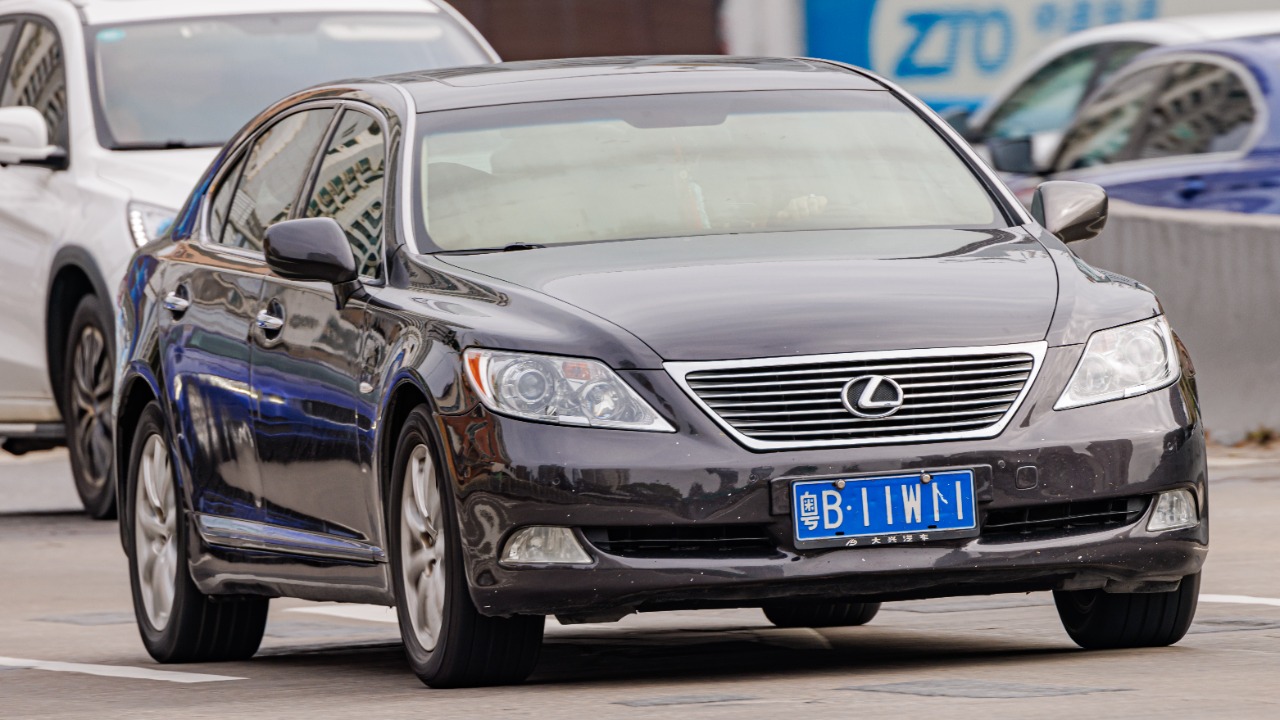
The original Lexus LS 400 arrived in 1989 as the flagship of Toyota’s new luxury division, engineered to challenge the German establishment on refinement and reliability. Its whisper-quiet cabin and meticulous build quality drew immediate attention across the industry.
Priced below comparable European sedans yet matching or beating them on quietness and dependability, it forced entrenched rivals to sharpen their own offerings. The car established Lexus as a serious luxury contender almost overnight, a remarkable feat for a brand-new nameplate. Later generations kept the emphasis on smoothness and long-term durability, cementing a reputation that proved a Japanese automaker could define, not merely imitate, the flagship-sedan formula.
5. Jaguar XJ: British Grace Rides Low And Long
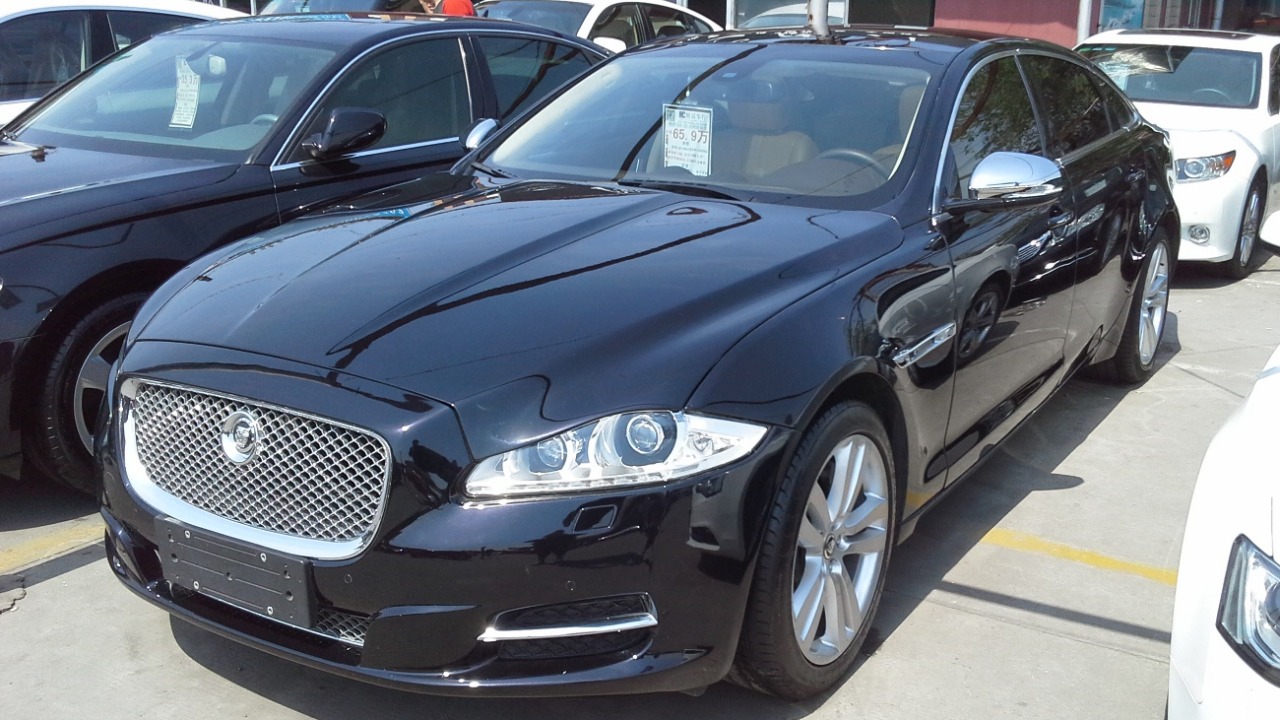
First shown in 1968, the Jaguar XJ served as the marque’s flagship saloon for decades, known for a low, sleek silhouette and a supple ride. It carried Jaguar’s blend of sporting handling and old-world comfort across many generations.
The nameplate became closely tied to the company’s identity, offered in both standard and long-wheelbase forms and, at times, with V12 power. Its distinctive quad-headlamp face and cabin trimmed in wood and leather signaled a particularly British take on luxury. Even as ownership of Jaguar changed hands over the years, the XJ remained the car buyers pointed to when they wanted understated, fast, and unmistakably elegant transport.
6. Rolls-Royce Phantom: The Summit Of Automotive Ambition
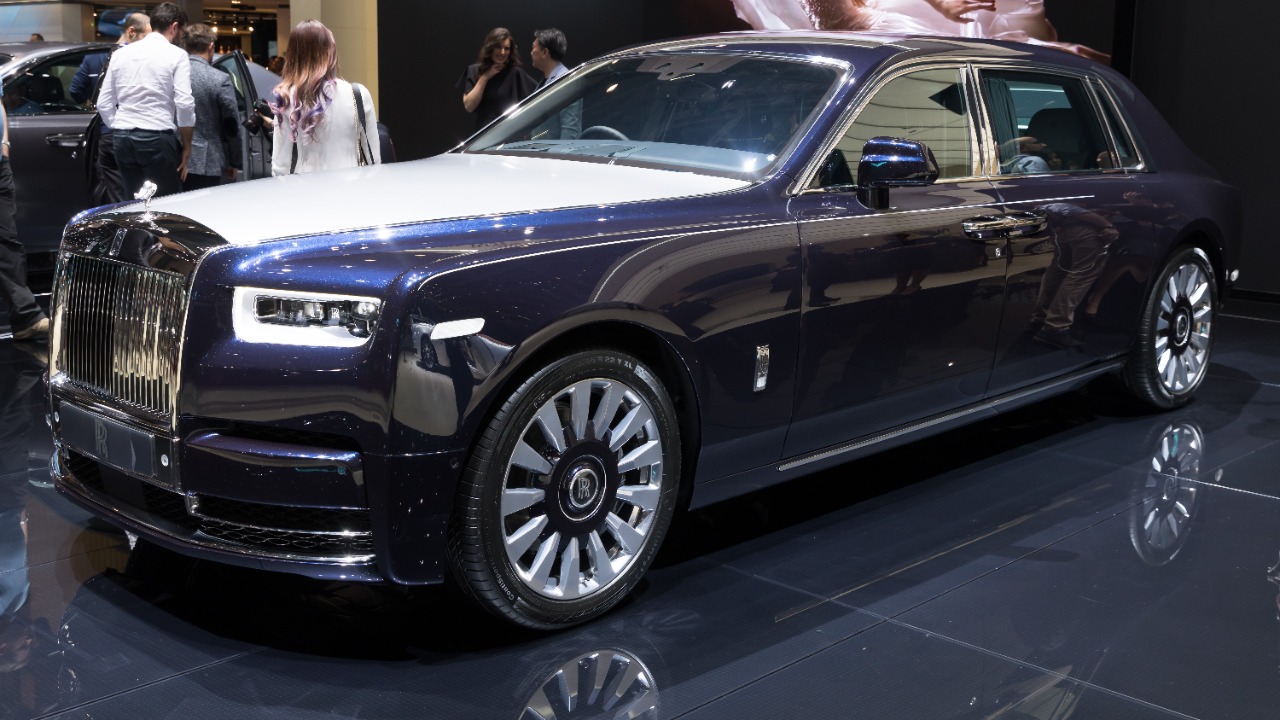
The Rolls-Royce Phantom name has crowned the marque’s flagship line across multiple eras, from prewar coachbuilt cars to the modern BMW-owned revival launched in 2003. It sits at the apex of what the brand offers, built for uncompromising presence and hand-finished luxury.
Enormous, stately, and trimmed to individual order, the Phantom prioritizes serenity and craftsmanship over any pretense of sportiness. Rear passengers, often the point of the whole exercise, ride in a hushed cabin behind the marque’s signature grille and figurine. As the ultimate statement sedan, it defines the ceiling that other luxury flagships measure themselves against.
7. Bentley Flying Spur: Grand Touring In Four Doors
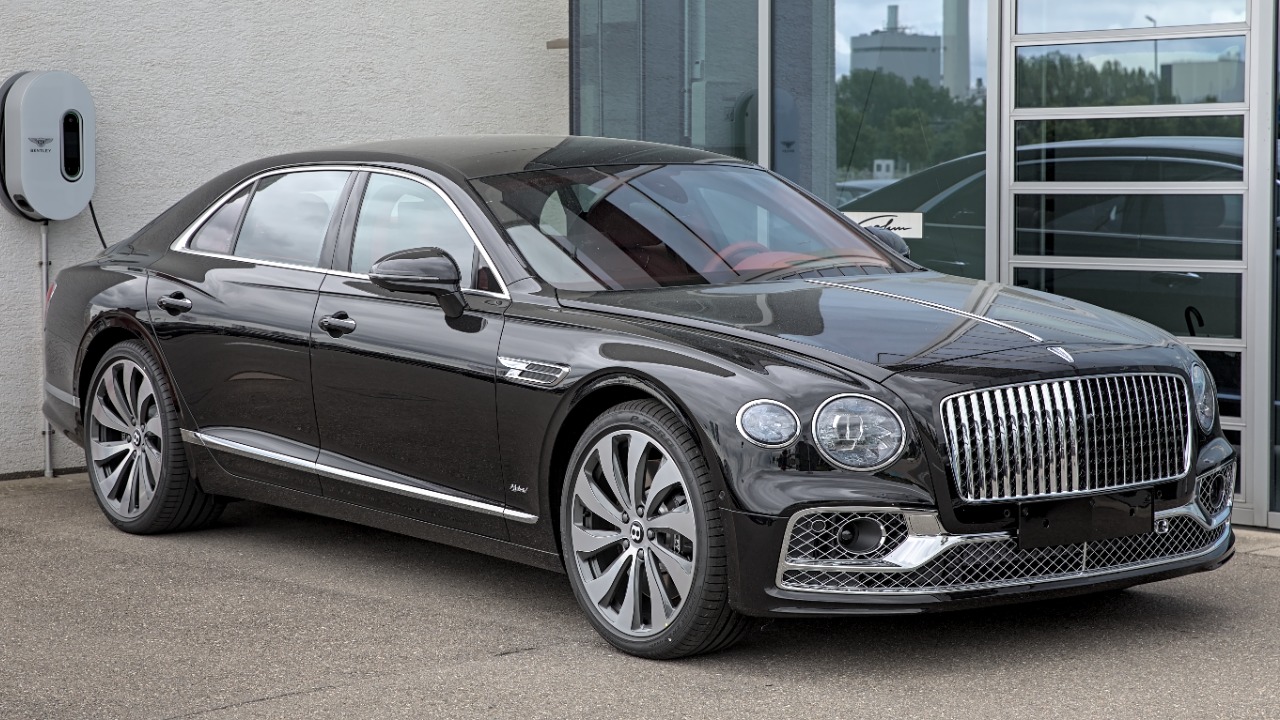
The Bentley Flying Spur revived a storied name as the four-door companion to the brand’s Continental coupe, marrying a lavish cabin to genuinely high performance. The modern car arrived in the mid-2000s, offering W12 power and effortless pace.
It answered a specific brief: owners who wanted the wood, leather, and hand-assembly of a Bentley but needed rear seats and everyday usability. Capable of very high speeds while cosseting occupants in quiet luxury, it blurred the line between limousine and grand tourer. That combination of muscle and refinement defined a niche at the top of the market, giving buyers a flagship sedan built to cover long distances quickly.
8. Cadillac Fleetwood: Detroit’s Full-Size Statement
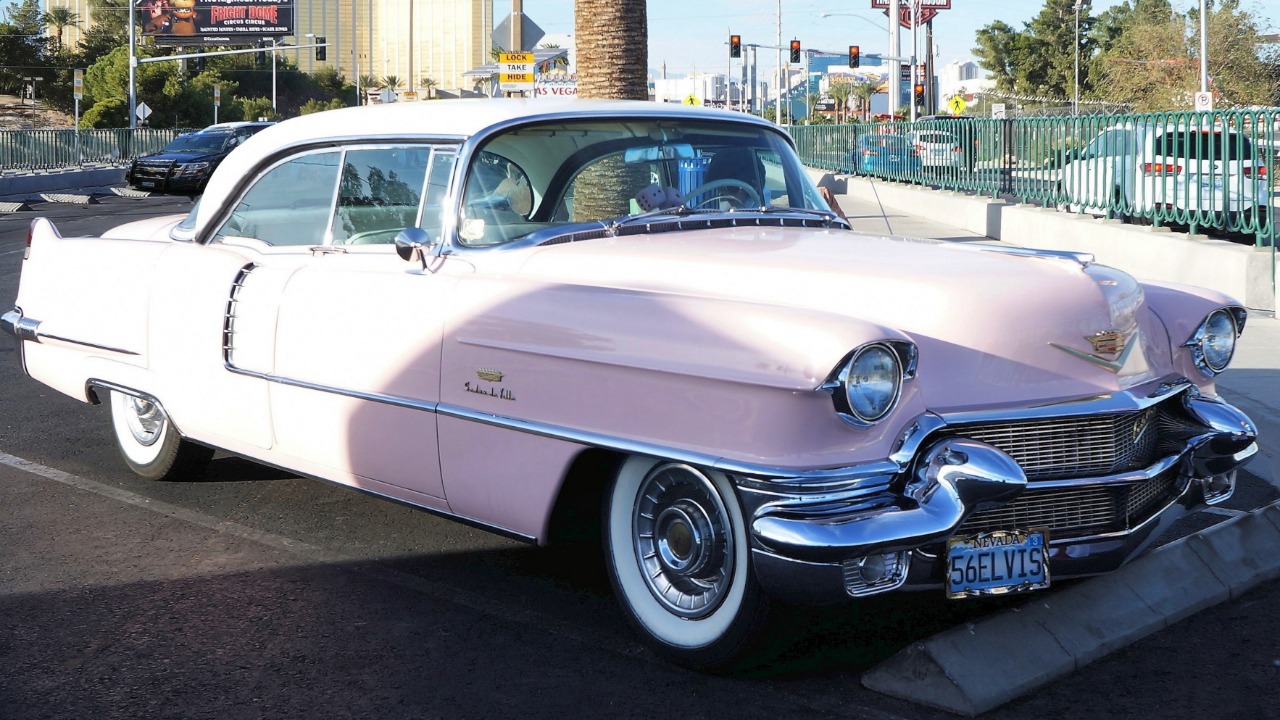
The Cadillac Fleetwood name graced the brand’s most prestigious models for much of the twentieth century, associated with long, imposing bodywork and plush interiors. It came to symbolize American full-size luxury at its most expansive.
Fleetwood-badged Cadillacs served as flagships, limousines, and formal cars, often stretching to considerable lengths and riding on soft suspension tuned for a floating ride. The name carried genuine prestige within General Motors’ hierarchy, positioned above ordinary models. As tastes shifted and the era of the massive domestic sedan waned, the Fleetwood became a nostalgic emblem of a distinctly American approach to luxury, one built around size, comfort, and unmistakable street presence.
9. Lincoln Town Car: The Livery World’s Workhorse

The Lincoln Town Car became one of America’s best-known full-size luxury sedans, a body-on-frame, rear-drive car prized for its spacious cabin and smooth ride. It anchored Lincoln’s lineup for decades before production ended in 2011.
Beyond private buyers, the Town Car dominated the livery and limousine trade, ferrying executives and airport travelers in roomy comfort. Its durable construction and easy-riding character made it a fixture outside hotels and terminals. Traditional and unabashedly large, it represented an old-school American formula that survived long after most rivals downsized, defining a dependable chauffeured ride.
10. Genesis G90: Korea Enters The Top Tier
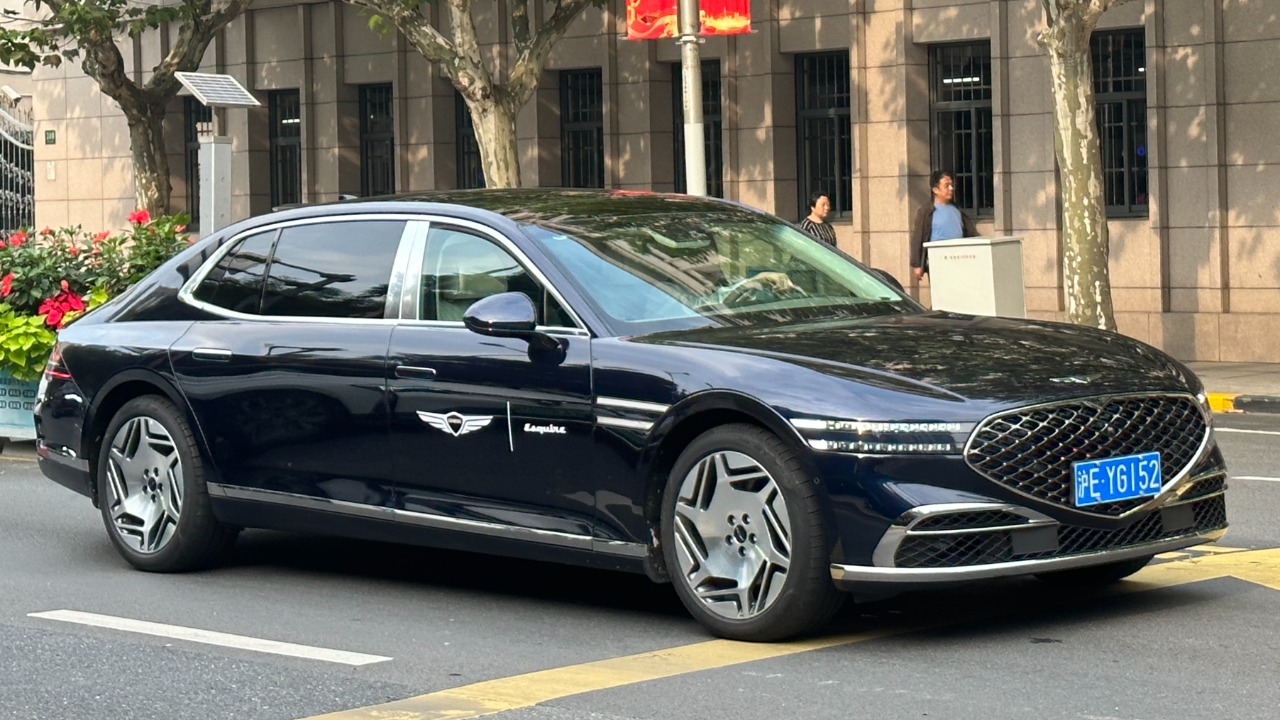
The Genesis G90 serves as the flagship of Hyundai’s luxury Genesis brand, launched in the mid-2010s to compete directly with established full-size luxury sedans. It pairs a richly equipped cabin with generous standard features at an aggressive price.
Positioned against the German and Japanese heavyweights, the G90 leaned on value, warranty coverage, and a long list of amenities to make its case with skeptical buyers. Its arrival signaled that a relatively new premium marque could field a credible flagship rather than a mere large sedan. Bold, distinctively styled, and generously sized, it marked Korea’s serious entry into a segment long dominated by decades-old European and American names.
11. Maserati Quattroporte: Four Doors, Italian Heart
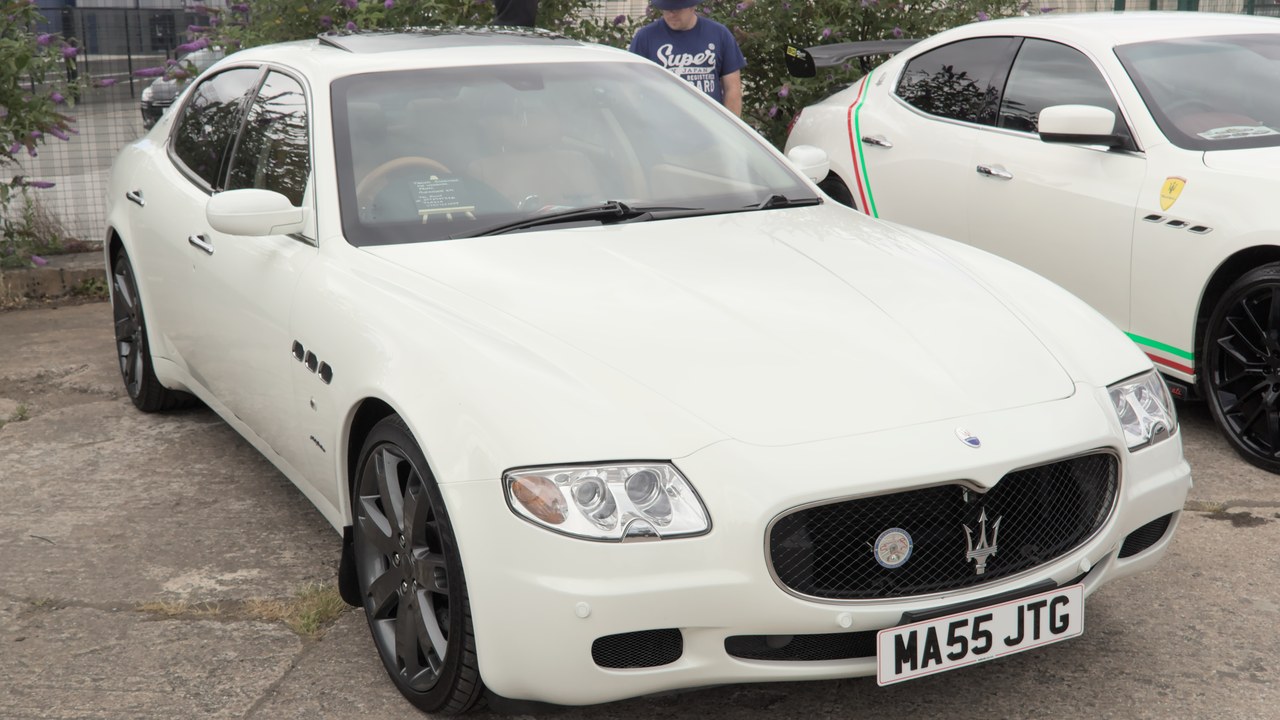
The Maserati Quattroporte, whose name literally means four doors, has served as the Italian marque’s flagship sedan across several generations since the 1960s. It combined exotic-brand cachet with the practicality of a full-size saloon.
Known for expressive styling and, in many versions, engines with Ferrari connections, the Quattroporte offered a sporting, emotional alternative to the more clinical German flagships. Its sound, character, and coachbuilt flair appealed to buyers who wanted rarity as much as luxury. Blending performance with everyday usability, it carved out a distinctive place in the segment, proving that an Italian sports-car maker could build a genuinely desirable large luxury sedan of its own.
12. Toyota Century: Japan’s Quiet Car Of State
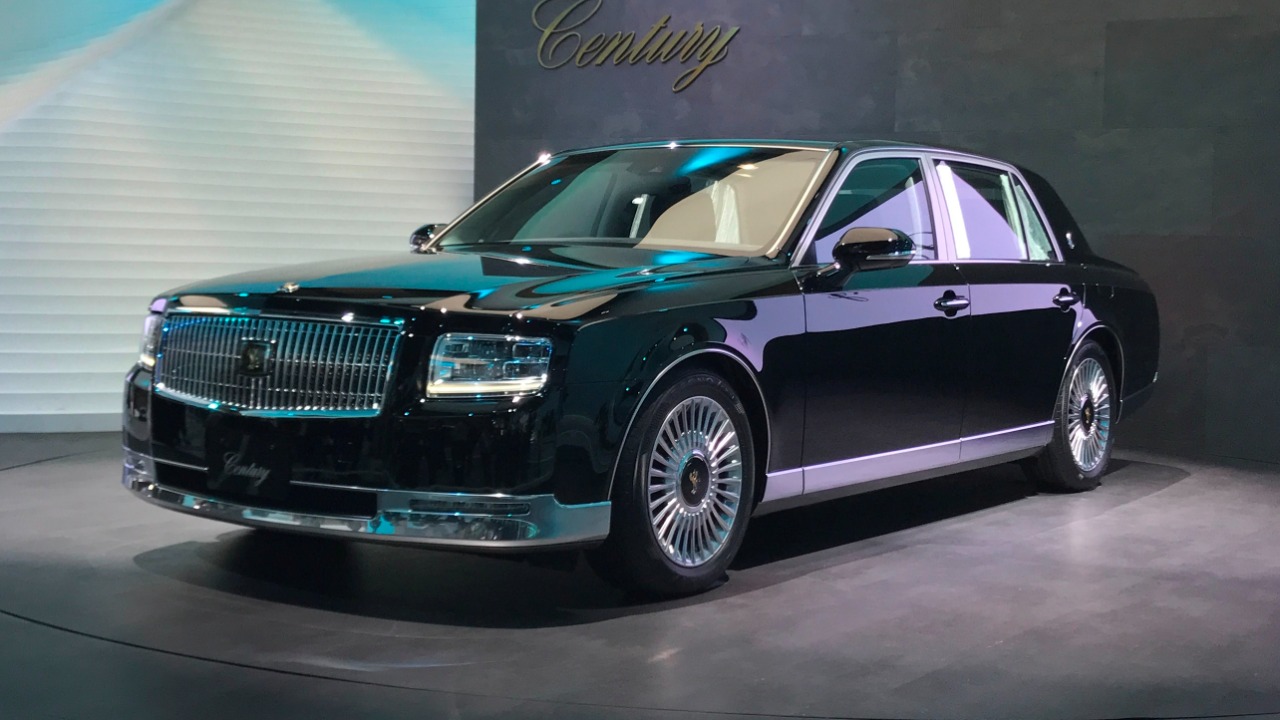
Introduced in 1967, the Toyota Century is a hand-built, chauffeur-oriented limousine reserved for Japan’s most formal occasions, from corporate leadership to imperial and government use. It sits at the very top of Toyota’s range and rarely leaves its home market.
Deliberately conservative in styling and obsessive about quietness and craftsmanship, the Century favors dignified restraint over overt flash, an approach unlike Western status symbols. Interiors emphasize passenger comfort, with attention paid to fabrics, ride, and silence. Produced in small numbers across long model cycles, it defined a uniquely Japanese idea of the understated flagship sedan.
More from Morning Overview
- A handful of SUVs keep hitting 300,000 miles, and they share one engine trait
- Supplements now rank as the fifth-leading cause of death from liver disease.
- A study names the one SUV most likely to reach 250,000 miles
- More than 60,000 people flee the Spokane area as complex fires overrun 600 structures
