
Few nameplates have stretched from muddy farm tracks to luxury showrooms the way Land Rover has. The story runs from the 1948 Series I through the Range Rover family to the modern Defender with its aluminium body. Here are twelve Land Rovers that mark the key steps along that road.
Stay ahead on AI: Join 600,000+ professionals who read The Deep View, the daily newsletter that keeps you up to date with artificial intelligence.
We may earn a commission if you sign up.
1. Land Rover Series I: Where It All Began
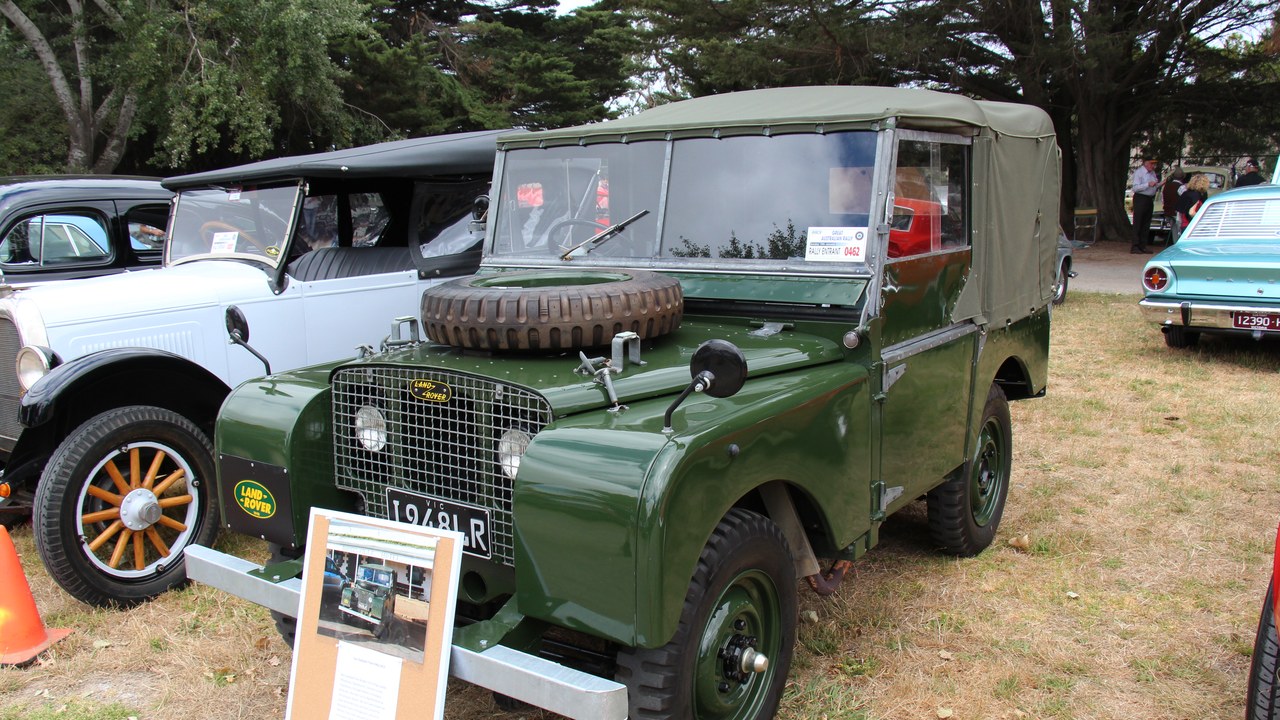
The Series I launch took place on 30 April 1948 in Amsterdam, introducing the rugged four-wheel-drive utility vehicle that founded the Land Rover line. Production kept running for decades, and the 1,000,000th Land Rover rolled off the line in 1976.
As the starting point of the family, this original model set the template: a plain, boxy working vehicle built for farms and rough tracks rather than for showrooms. Later Land Rovers grew far more refined, yet the 1948 design remains the reference for the whole nameplate’s heritage.
2. Land Rover Series II: A Second Chapter
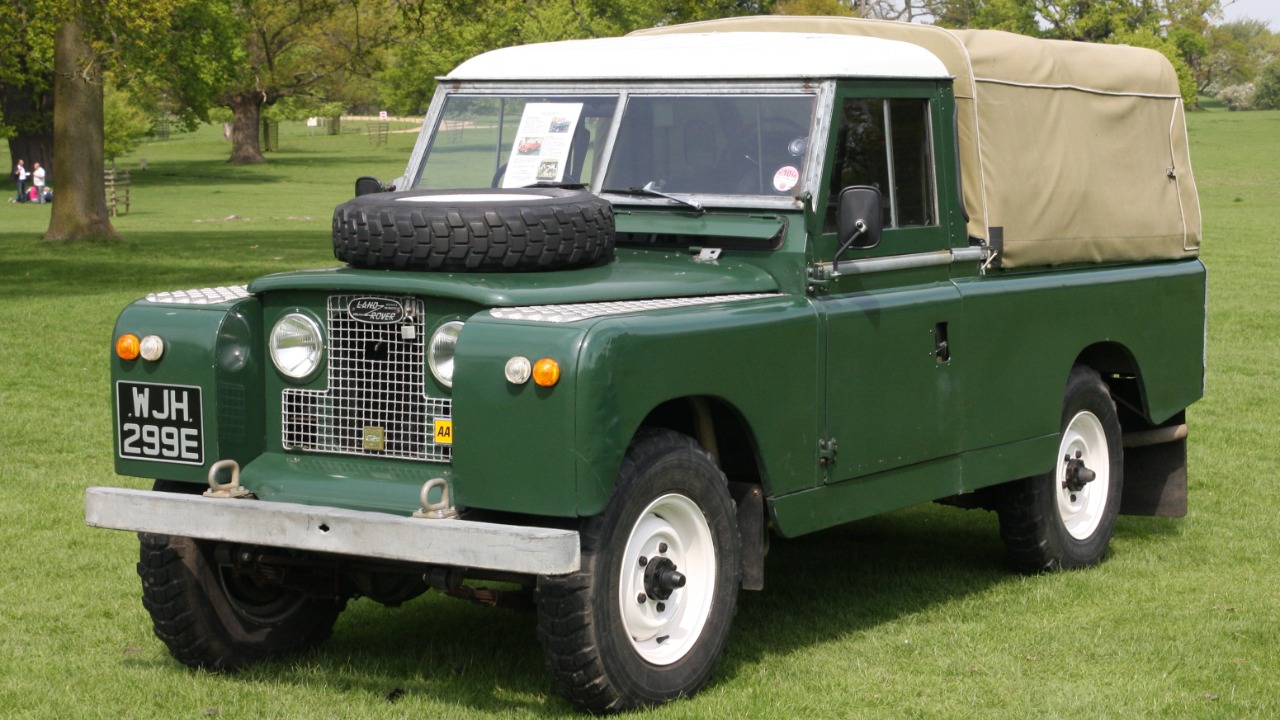
Arriving in 1958, the Series II followed the original model and carried the work-focused formula into a new decade. The milestone production figure arrived in 1966, when the 500,000th Land Rover was built.
That total shows how quickly the utility vehicle found buyers after its debut. Counting from 1948, the half-million mark took under two decades, and the Series II sat at the center of that growth. Its upright body and simple mechanical layout stayed recognizable from the earlier version, which kept the family look intact.
3. Land Rover Series III: Refreshed For The Seventies
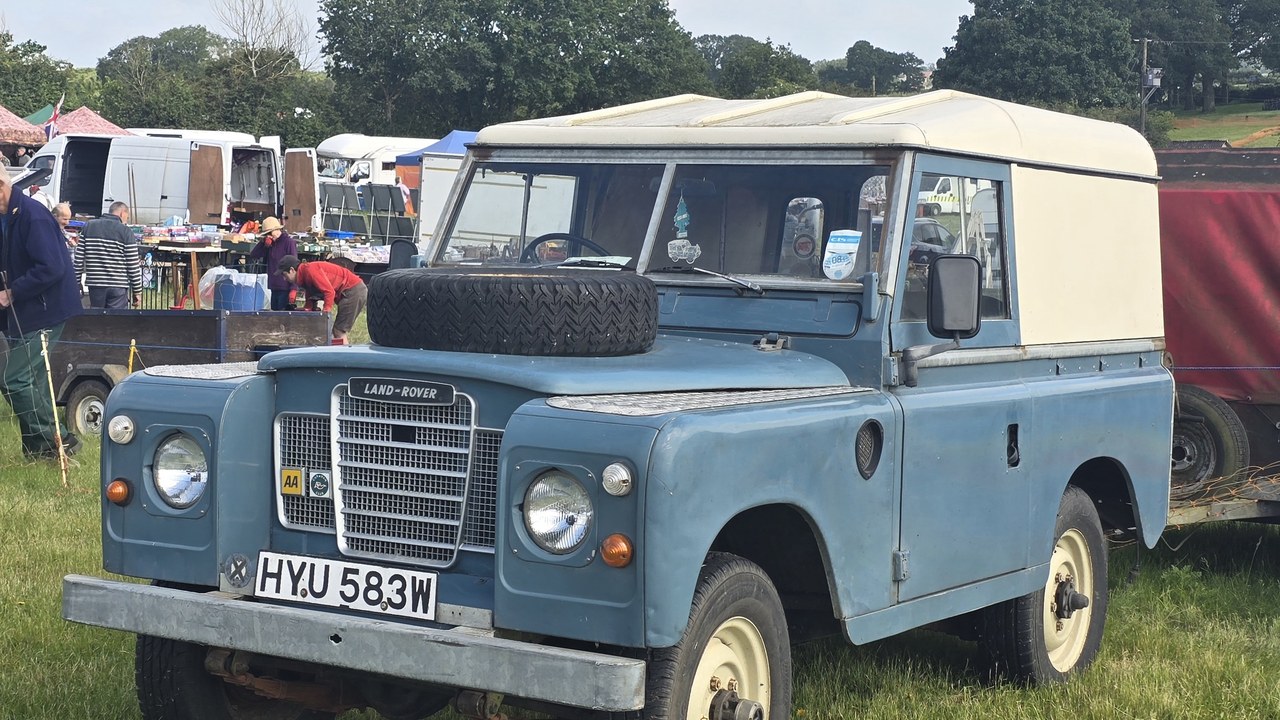
Introduced in 1971, the Series III update brought a moulded grille and a refreshed interior to the long-running utility formula. A Stage I V8 was added to the range in 1979, giving the old chassis a stronger engine option than earlier versions had offered.
The changes were evolutionary rather than radical, which suited a vehicle sold mainly on toughness and practicality. Cosmetic and cabin tweaks made it feel a little more modern from behind the wheel. Meanwhile, the V8 detail rests on a dealer history page rather than the main Land Rover press source.
4. Land Rover Defender 90 and 110: The Name Changes
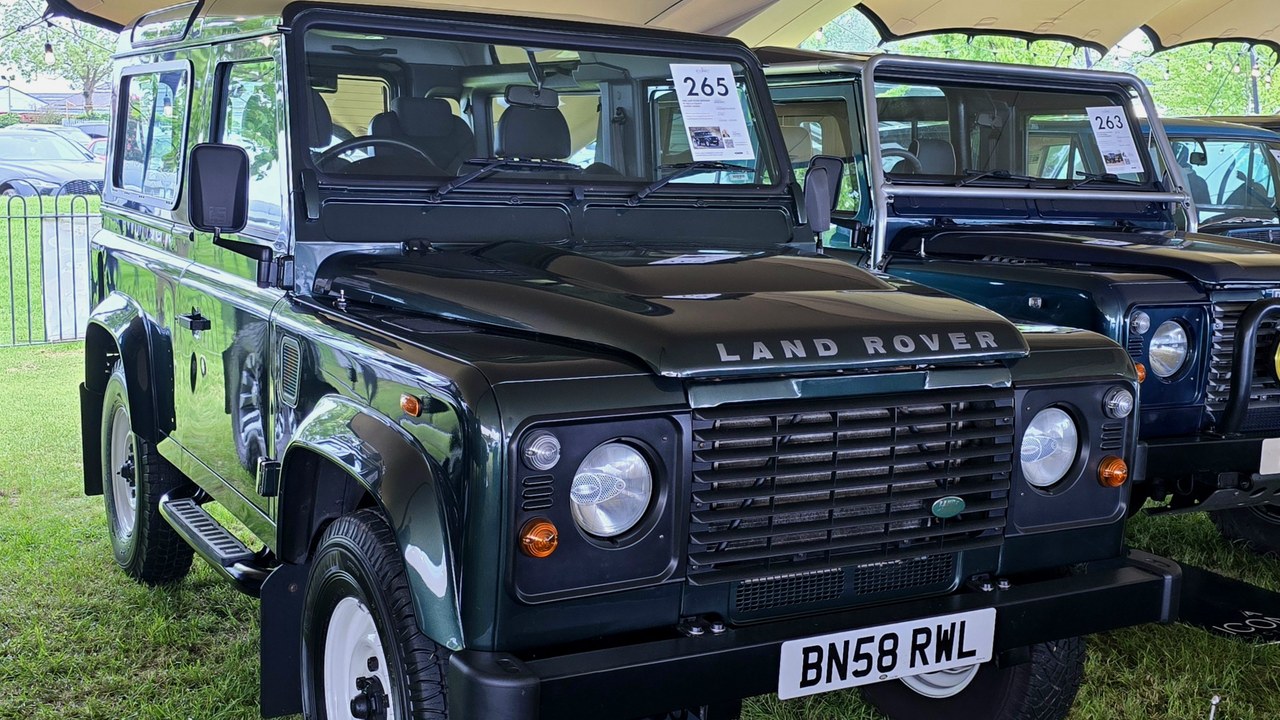
The original Land Rover was renamed Defender in 1990, giving the veteran utility vehicle a model name of its own after decades as simply the Land Rover. UK production then came to an end in 2015 production history, closing a manufacturing run that stretched back to 1948.
The 90 and 110 designations referred to the short and long wheelbase versions, though the rename mattered more than the numbers. It marked a turning point where the older workhorse sat beside newer Land Rover lines, and it carried the basic shape forward for another twenty-five years.
5. Range Rover Classic: The Original Luxury Off-Roader

Launched in 1970, the Range Rover was described as the first permanent four-wheel-drive vehicle of its kind, and it also featured a split tailgate. Those traits set it apart from the utilitarian Land Rover models then on sale.
The Range Rover mixed genuine off-road ability with a level of comfort that the Series models lacked. Its upright, squared-off shape and two-piece rear door became hallmarks that designers kept referencing for generations. The Classic name is a later label used to separate this first model from its successors.
6. Range Rover (fourth generation): Aluminium Arrives
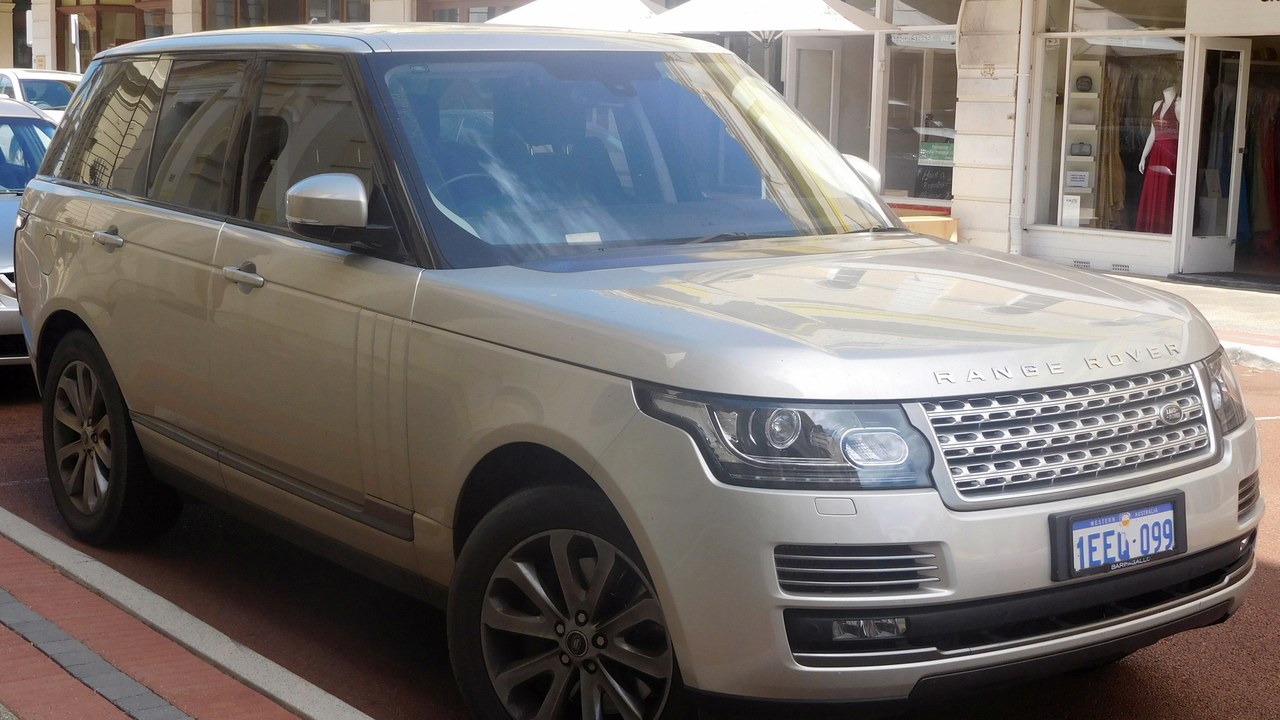
The 2012 model was billed as the first all-aluminium SUV, a lighter-construction approach that marked a major engineering step for the Range Rover line. This fourth generation carried the luxury formula into a modern era of body materials.
The phrase comes from the manufacturer’s own description, so it reads as a marketing claim rather than an independently audited record. Even so, the aluminium body foreshadowed the lightweight approach later seen in the new Defender, tying two very different Land Rover models together through a shared material.
7. Land Rover Discovery: A Single Rear Door
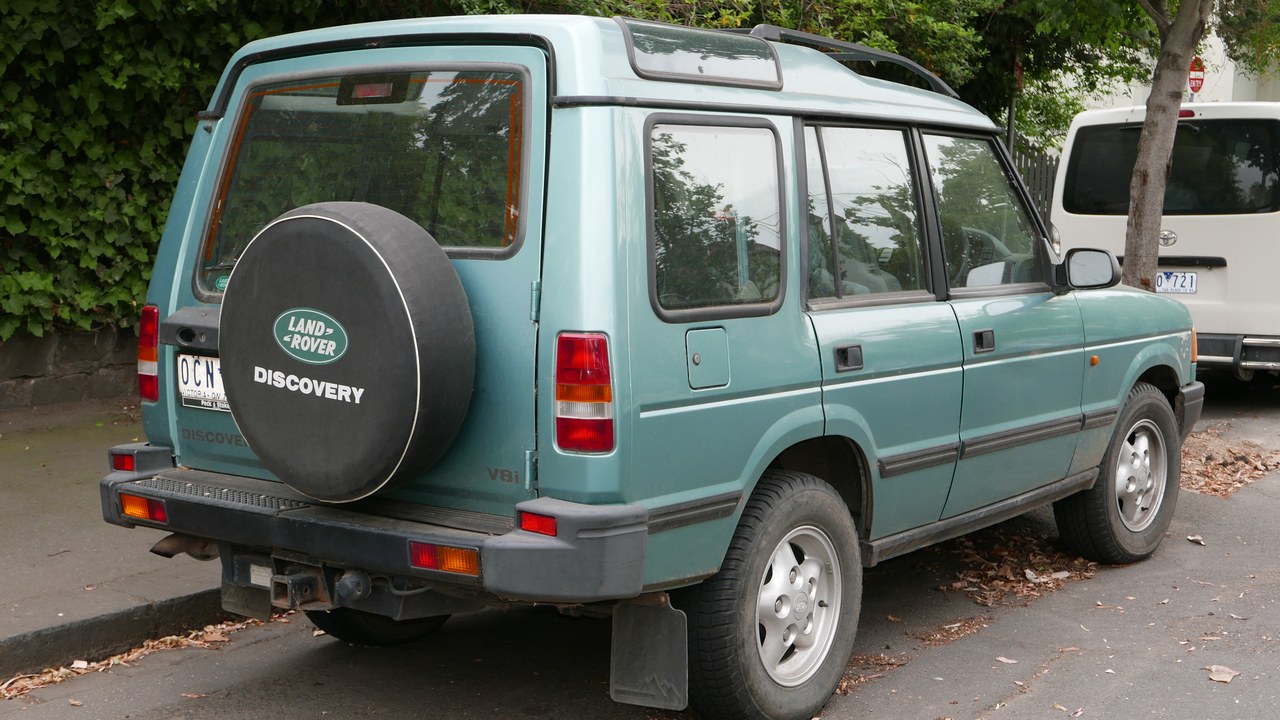
The 1989 Discovery was Land Rover’s first new model since the Range Rover, and it featured a distinctive single rear door where the spare wheel was mounted. The unusual rear access made the original easy to tell apart from rivals.
Positioned below the Range Rover in luxury, it widened the brand’s appeal to families who wanted off-road capability in a practical wagon shape. The side-hinged tailgate with its mounted spare became a signature feature, and later Discovery generations dropped it as the design moved toward more conventional styling.
8. Land Rover Freelander: The Compact Pioneer
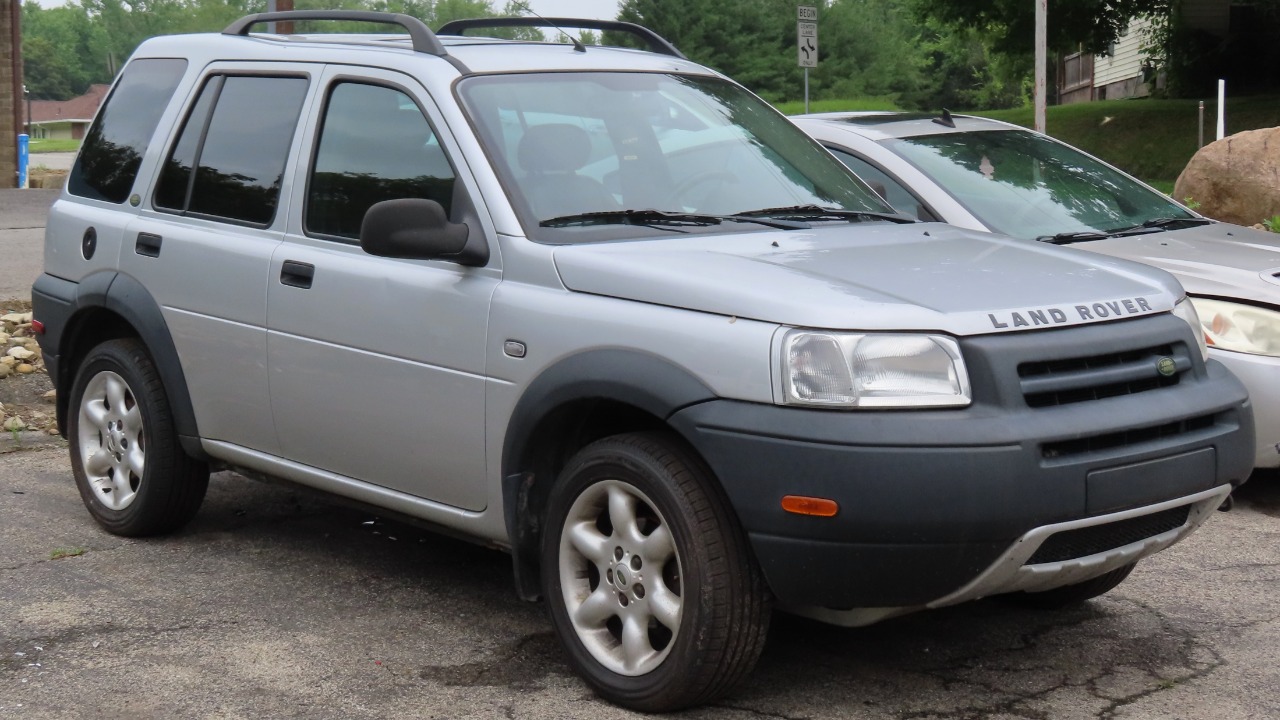
Land Rover’s first compact SUV, the Freelander appeared in 1997 and is credited as a compact premium 4×4 pioneer. It brought the brand’s badge to a smaller, more car-like vehicle than anything the company had sold before.
The Freelander showed that a Land Rover did not need to be a large, heavy truck to attract buyers. That idea of a smaller premium off-road vehicle shaped later models in the range. Its car-style road manners made it a different kind of Land Rover from the long-wheelbase workhorses of earlier decades.
9. Range Rover Sport: Adding Some Performance

The 2005 Sport was the first performance-focused vehicle in the Range Rover family, adding a sportier option beside the larger flagship model. It gave buyers a more athletic take on the luxury SUV idea.
The nameplate has continued through later generations, and the car shown here is a newer one than the 2005 original. Its role stayed constant: a dynamic alternative within the lineup. That separate identity helped the Range Rover brand grow into a wider family rather than a single large model.
10. Range Rover Evoque: Small, Stylish And Popular
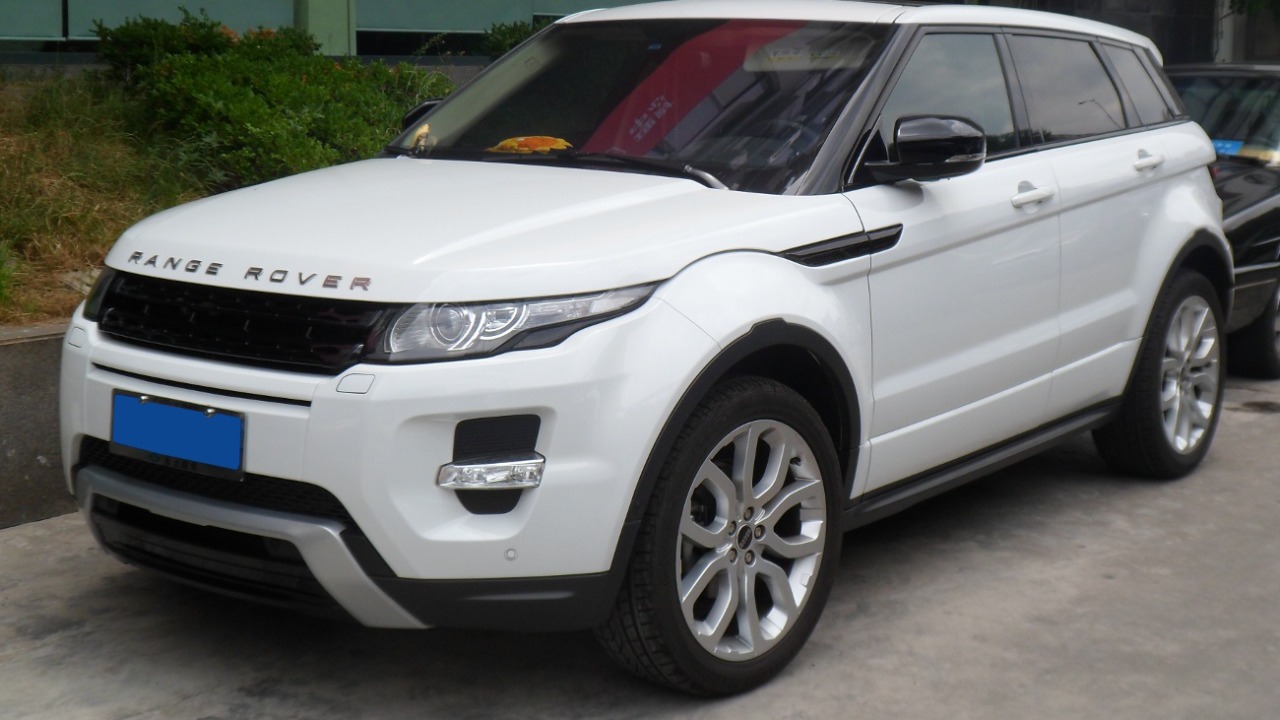
Production began on 4 July 2011, and the Evoque pre-order tally stood at 18,000 before deliveries got going. The compact Range Rover then won the 2012 North American Truck of the Year award.
Those early numbers pointed to strong demand for a smaller, fashion-minded vehicle carrying the Range Rover name. The coupe-like profile and compact size gave the brand an entry point that earlier models had not offered, and the award recognition from North America helped confirm that the design had broad appeal.
11. Range Rover (P38A): The Second Generation
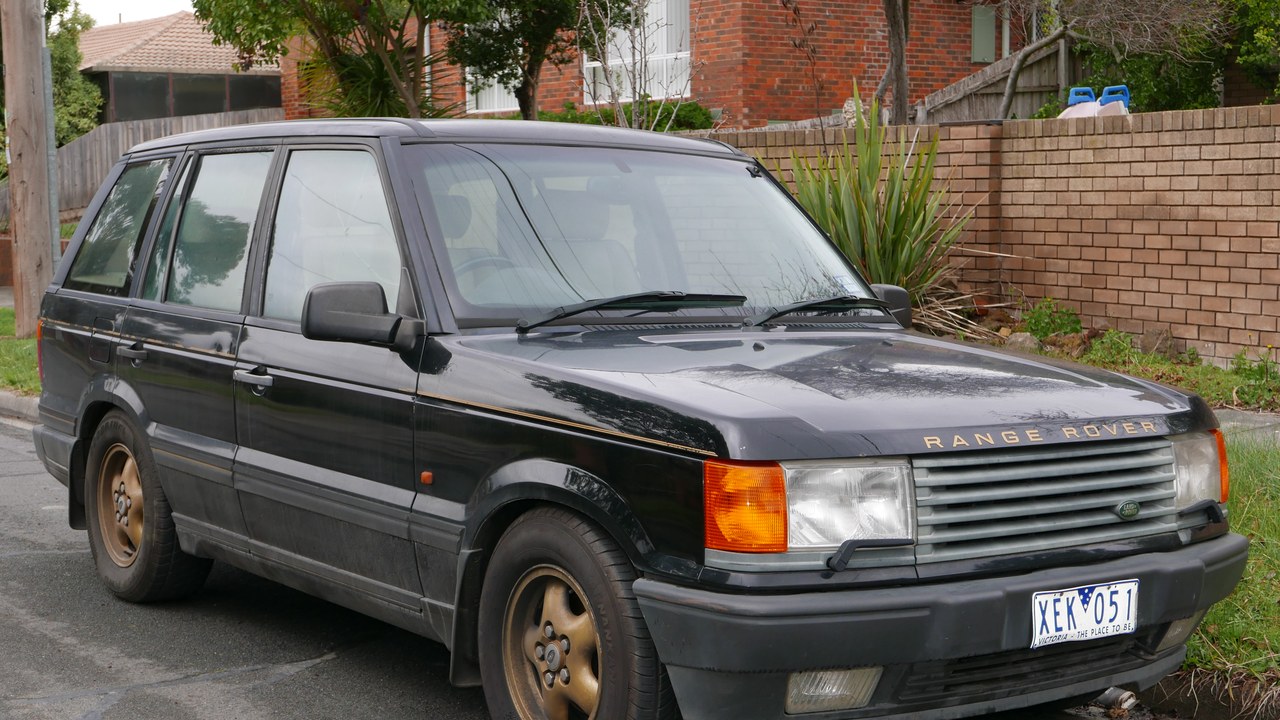
Launched in 1994, the second-generation Range Rover is known by its internal code name, P38A. It replaced the long-lived original with a newer design while keeping the upright Range Rover character.
This generation sits between the classic 1970 model and the later, more modern versions, serving as the bridge from the earlier utilitarian luxury era to a more contemporary one. Enthusiasts often refer to it by the code name, which helps distinguish it from the other Range Rovers that shared the showroom floor over the years.
12. Land Rover Defender (2020): The Defender Returns
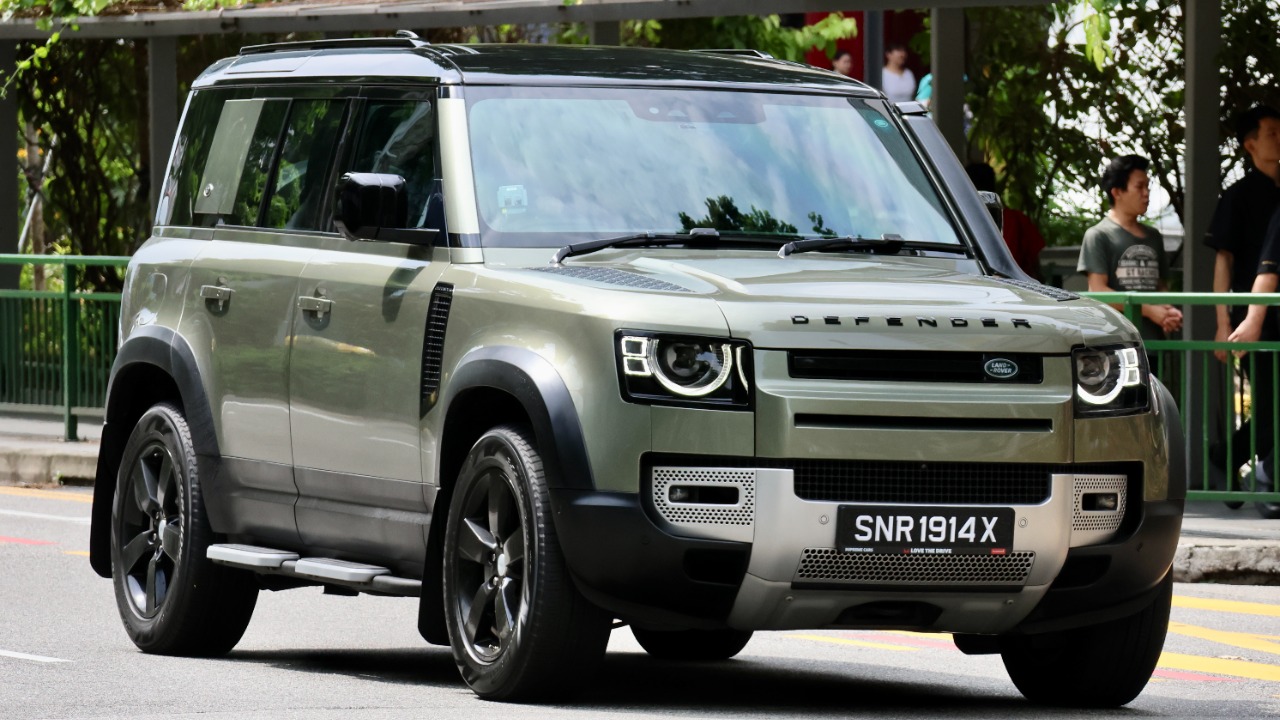
The new Defender was launched on 10 September 2019 at the Frankfurt Motor Show, and the L663 Defender design uses an aluminium unibody instead of the body-on-frame construction of the old model.
That structural change is the biggest break from the earlier Defender, which had used a traditional separate frame. The modern vehicle keeps a boxy silhouette that nods to the past while relying on a very different engineering base, and it completes the story that the headline traces from 1948 to 2019.
Stay ahead on AI: Subscribe to The Deep View →
We may earn a commission if you sign up.
More from Morning Overview
- Tropical Storm Rachel is dumping up to 12 inches on four Mexican states on its way to major hurricane strength
- The FTC says Lens.com doubled the price shoppers saw in Google ads
- Common allergy, bladder and sleep pills tied to sharply higher dementia odds
- NOAA now gives this winter a 75% chance of the strongest El Nino since 1950
